DD
MM
YYYY

PAGES

DD
MM
YYYY

spot_img

PAGES

Home Blog Page 1119

XRP Eyes $5 Target— Neo Pepe Coin ($NEOP) Evokes Best Crypto Presale Vibes After Raising $1.3M in Stage 4

0

Neo Pepe’s Grassroots Movement Captivates Investors

While XRP ambitiously targets the highly anticipated $5 milestone, the crypto spotlight has decidedly shifted toward an electrifying and rapidly emerging  best crypto presale newcomer—Neo Pepe Coin. In just four presale stages, Neo Pepe has successfully surged past an impressive $1.3 million in contributions, significantly underscoring its swift and dynamic traction. Tokens are currently priced attractively at $0.08, reflecting robust investor demand and sustained enthusiasm. Unlike traditional cryptocurrencies, Neo Pepe masterfully blends symbolic defiance against conventional financial systems with authentic, decentralized community-driven governance, coupled with an innovative, strategically staged presale explicitly crafted to generously reward early adopters.

This momentum extends far beyond mere financial metrics—it’s deeply cultural and community-centric. Buzzing Telegram channels and vibrant Discord communities, paired with enthusiastic early investor participation, reinforce Neo Pepe’s identity as best crypto presale and more than just a transient meme. As XRP steadily pursues its major price objectives, Neo Pepe’s compelling grassroots dynamism distinctly positions it as the narrative investors should closely watch, particularly those craving innovative stories and agile, high-potential investment opportunities.

XRP’s Ambitious Price Forecast Fuels Market Debate

The projection of XRP reaching the significant $5 price point is currently a major talking point across cryptocurrency forums, especially given the increasing regulatory clarity and the rising wave of institutional support surrounding Ripple Labs. This optimistic market sentiment has invigorated both short-term traders seeking quick gains and long-term HODLers reassessing their strategies in a shifting landscape. Yet, despite this optimism, the broader crypto community remains cautious, increasingly questioning the realistic upside potential left for legacy altcoins that are already well-established.

XRP undoubtedly boasts an impressive infrastructure, robust partnerships, and a solid institutional foundation. However, its growth narrative appears increasingly conservative compared to emerging, dynamic projects. Investors searching for substantial potential gains are now more actively exploring alternatives that provide earlier entry points, greater innovation, and more compelling growth narratives—precisely the advantages that Neo Pepe is effectively capitalizing on in its aims for best crypto presale.

Why Investors Are Shifting Their Attention from XRP to Neo Pepe

As XRP’s growth trajectory appears increasingly defined and perhaps somewhat limited, many investors are gravitating toward newer tokens like Neo Pepe, which offer considerably higher growth ceilings. Neo Pepe, championing strong ideals of decentralization, resistance against centralized financial control, and community empowerment, provides something uniquely distinct from XRP: the opportunity for genuine early-stage involvement and participation in shaping the project’s future.

This meme coin’s appeal extends well beyond mere speculation; its narrative is deeply resonant culturally, and its robust governance model appeals notably to younger, more risk-tolerant demographics seeking meaningful engagement in their search for the years best crypto presale. With legacy tokens like XRP evolving into slower-growth, mature assets, market sentiment increasingly favors innovative crypto projects promising active, meaningful community involvement alongside potential exponential returns. Neo Pepe adeptly embodies this trend, organically attracting investor attention away from established large-cap cryptocurrencies.

Neo Pepe’s Stage 4 Presale Achieves $1.3 Million Milestone

Neo Pepe’s ongoing presale has quickly become a headline-worthy event for possible best crypto presale, raising over $1.3 million by its fourth presale stage alone. The tokens, currently priced at $0.08, underscore remarkable investor demand and strong market confidence. Achieving this landmark milestone is far more than an indication of mere investor enthusiasm—it represents deepening community trust, validation of the protocol’s innovative and compelling design, and increasing commitment from a rapidly expanding investor base.

This remarkable achievement highlights the effectiveness of Neo Pepe’s core message advocating decentralization and challenging traditional financial institutions. By expertly blending financial incentives with resonant cultural narratives, Neo Pepe not only secures substantial liquidity but also authentic legitimacy, emerging clearly as one of the most notable crypto launches of 2025.

Accelerating Momentum Demonstrates Growing Trust in Neo Pepe

The accelerating momentum behind Neo Pepe’s presale isn’t coincidental—it’s the deliberate result of an intelligently structured tokenomics model combined seamlessly with vigorous community support. Each presale stage incrementally increases token prices, creating significant urgency among prospective buyers and clearly signaling expectations for sustainable, long-term growth.

Unlike conventional meme coins that depend solely on fleeting viral marketing, Neo Pepe incorporates tangible utility through its comprehensive governance capabilities and strategically deflationary treasury model. This multi-layered value proposition profoundly enhances investor confidence, driving increasingly robust participation and higher investment volumes with each subsequent presale stage.

Crypto League Cuts the Hype: Is Neo Pepe Actually Worth the Buzz?

Breaking away from crypto’s usual echo chamber, Crypto League delivers an incisive yet refreshingly honest review of Neo Pepe. Instead of blindly cheering on the coin’s presale frenzy, they dissect what genuinely sets Neo Pepe apart as a best crypto presale contender—the intelligently designed, multi-stage presale that strategically escalates excitement, and its groundbreaking auto-liquidity feature that actively supports price stability. Without sugarcoating, Crypto League also notes legitimate questions around long-term adoption and the community’s crucial role in ensuring future success. By keeping it real yet positive, their analysis is a rare gem for investors tired of empty hype, offering valuable perspective on whether Neo Pepe truly deserves the spotlight it’s commanding.

Capital Reallocation Signals Preference for Early-Stage Investments

Currently, the crypto landscape is experiencing a pronounced strategic shift as investors increasingly favor early-stage investment opportunities like Neo Pepe over established market leaders such as XRP. This capital reallocation reflects growing investor sentiment recognizing that the most lucrative gains often reside in grassroots projects characterized by vibrant cultural narratives, innovation, and community empowerment.

Neo Pepe exemplifies these appealing attributes perfectly, combining narrative-driven cultural resonance with demonstrable structural integrity. This unique combination draws significant attention from both novice crypto enthusiasts and seasoned veterans. As traditional altcoins approach saturation in their growth potential, Neo Pepe emerges prominently as an increasingly attractive, innovative investment option offering fresh narratives, genuine community ownership, and scalable opportunities for substantial returns.

How to Join the Neo Pepe Revolution

  • Visit: Neo Pepe Website
  • Participate: Contribute easily using ETH, USDT, or other supported cryptocurrencies.
  • Stay Updated: Regularly monitor your allocation and track presale stages and token unlock schedules in real-time.

Don’t delay—early participation isn’t just wise, it’s actively rewarded!
Bitmain, Canaan and MicroBT Have Started Establishing Bitcoin Mining Production Facilities In U.S.

0

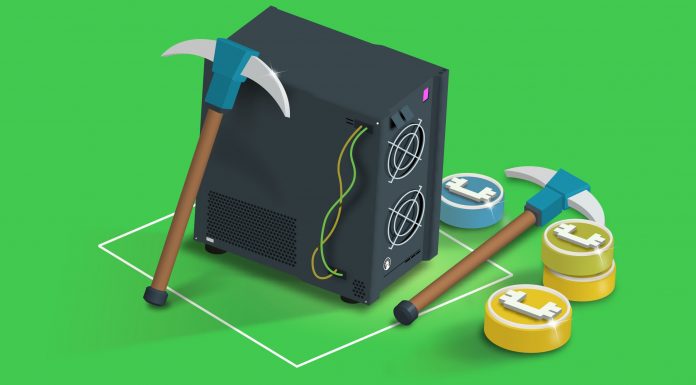
The three largest Bitcoin mining hardware manufacturers—Bitmain, Canaan, and MicroBT—have begun establishing production facilities in the United States, primarily in response to trade tensions and tariffs imposed by the Trump administration. These companies, all based in China, collectively account for over 90% of the global market for Bitcoin mining rigs, which are specialized application-specific integrated circuits (ASICs) designed for mining cryptocurrencies.

The largest of the three, Bitmain started manufacturing in the U.S. in December 2024, shortly after the announcement of new tariffs. This move aims to circumvent import restrictions and maintain market access in the U.S., which has become a significant hub for Bitcoin mining due to its favorable energy costs and regulatory environment in certain states like Texas.

Canaan has initiated early-stage trials to assess the feasibility of U.S.-based production. The company, known for its Avalon brand of mining rigs, is exploring localization to reduce tariff exposure and ensure long-term operations in the U.S. market.

MicroBT, a competitor to Bitmain, has also confirmed plans to localize production in the U.S. to mitigate the impact of tariffs. The company is working on establishing facilities to maintain its market share in the growing U.S. Bitcoin mining sector.

This shift reflects a broader trend of the U.S. becoming a global hub for Bitcoin mining, with its hashrate share increasing nearly 50% from April 2024, driven by abundant energy resources and a relatively permissive regulatory environment in states like Texas, Georgia, and New York. These manufacturers are adapting to maintain their dominance in supplying ASICs to U.S.-based mining operations, which include major players like Marathon Digital Holdings, Riot Platforms, and Core Scientific.

The establishment of U.S. production facilities by the three largest Bitcoin mining hardware manufacturers—Bitmain, Canaan, and MicroBT—has significant implications for the Bitcoin mining industry, global supply chains, and the geopolitical landscape. By setting up production in the U.S., these manufacturers reduce reliance on Chinese imports, which face tariffs and potential supply chain disruptions. This ensures a steadier supply of mining hardware for U.S.-based miners, reinforcing the U.S.’s position as a global Bitcoin mining hub (already holding nearly 50% of global hashrate as of 2024).

Localized production could lower shipping costs and delays, benefiting major U.S. mining firms like Marathon Digital, Riot Platforms, and Core Scientific. However, initial setup costs and higher U.S. labor expenses may temporarily increase hardware prices. The U.S. offers abundant energy resources (e.g., natural gas in Texas, hydropower in New York), which, combined with local hardware production, creates a robust ecosystem for mining operations.

The Trump administration’s tariffs on Chinese goods, including mining hardware, have pushed these manufacturers to localize production to avoid import costs. This reflects broader U.S.-China trade tensions and efforts to reduce dependence on Chinese tech supply chains. Moving production to the U.S. reduces China’s grip on the global Bitcoin mining hardware market (previously near-monopolized by these three firms). This could diversify the global supply chain but also risks escalating trade disputes if China retaliates.

U.S. facilities could create high-tech manufacturing jobs, boosting local economies in states like Texas or Georgia. However, the scale of job creation depends on the size of these facilities, which remains unclear. Localized production mitigates risks from geopolitical disruptions, such as export bans or shipping delays, ensuring U.S. miners have consistent access to cutting-edge ASICs.

Proximity to U.S. miners and tech ecosystems could spur R&D collaborations, potentially leading to more efficient or specialized mining hardware tailored to U.S. energy profiles or regulatory needs. U.S. production may face stricter environmental regulations than in China, potentially pushing manufacturers to develop greener manufacturing processes or energy-efficient ASICs to align with growing ESG (Environmental, Social, Governance) concerns in the crypto industry.

With all three manufacturers moving to the U.S., competition could intensify, potentially stabilizing or reducing ASIC prices for miners. However, initial investments in U.S. facilities might keep prices elevated in the short term. These manufacturers aim to maintain their dominance in the U.S., the largest Bitcoin mining market, while continuing to serve global clients. However, their ability to balance U.S. and international operations will depend on navigating trade policies and local regulations.

The shift to U.S. production is a direct response to U.S. tariffs and policies aimed at reducing reliance on Chinese manufacturing. This deepens the decoupling of U.S. and Chinese tech ecosystems, with Bitcoin mining hardware as a key battleground. The U.S. has already surpassed China in Bitcoin mining hashrate following China’s 2021 crypto mining ban. U.S.-based manufacturing further cements this shift, potentially marginalizing China’s role in the mining hardware supply chain.

China’s restrictive crypto policies contrast with the U.S.’s patchwork of state-level regulations, which are generally more permissive (e.g., Texas’s pro-crypto stance). This divide shapes where mining operations and hardware production concentrate. Developing nations, particularly in Africa, Latin America, and parts of Asia, may face challenges accessing advanced ASICs if U.S.-based production prioritizes North American markets. Higher costs or export restrictions could exacerbate this gap.

The U.S. benefits from relatively low-cost energy in certain regions, unlike many developing countries with higher electricity costs or unreliable grids. This makes it harder for miners in the Global South to compete, even if they secure hardware. The concentration of mining hardware production and hashrate in the U.S. could undermine Bitcoin’s decentralized ethos. A few large U.S. mining firms, backed by local ASIC production, may dominate the network, raising concerns about control over hashrate and potential 51% attack risks.

Smaller miners, especially outside the U.S., may struggle to afford new ASICs or compete with large-scale operations, widening the gap between industrial and retail mining. U.S. miners increasingly face pressure to adopt renewable energy or offset carbon footprints, especially with ESG scrutiny. In contrast, regions with lax regulations may continue using coal-based energy, creating a divide between “green” and “dirty” mining operations.

U.S. production facilities may adopt cleaner technologies due to stricter regulations, while legacy plants in other regions (e.g., Southeast Asia) might lag, creating disparities in environmental impact. The move by Bitmain, Canaan, and MicroBT to establish U.S. production facilities strengthens the U.S.’s position as a Bitcoin mining powerhouse but widens global divides in hashrate distribution, hardware access, and regulatory approaches. It mitigates supply chain risks for U.S. miners and could foster innovation, but it also risks centralizing mining power and marginalizing smaller players or developing regions.

GENIUS Act Passage By US Senate Signals A Transformative Moment For Stablecoins

0

The GENIUS Act, formally the Guiding and Establishing National Innovation for US Stablecoins Act, passed the U.S. Senate on June 17, 2025, with a 68-30 vote, marking a significant step toward regulating dollar-pegged stablecoins. This bipartisan legislation, supported by 18 Democrats, establishes a federal framework requiring stablecoin issuers to maintain 1:1 reserves, conduct annual audits for issuers with over $50 billion in market cap, and comply with anti-money laundering and sanctions rules. It also prioritizes consumer protections, such as granting stablecoin holders “super-priority” in bankruptcy proceedings.

The bill now moves to the House for further consideration, where it may face challenges reconciling differences, as the House version splits oversight among multiple regulators, unlike the Senate’s Treasury-centric approach. U.S. Treasury Secretary Scott Bessent has championed the act, projecting that stablecoins could reach a $3.7 trillion market cap by 2030, up from $252 billion currently, driven by increased demand for U.S. Treasuries as reserves. He argues this could lower federal borrowing costs, boost dollar dominance in digital transactions, and help address the national debt.

However, critics like Sen. Elizabeth Warren warn of weak consumer protections and potential conflicts of interest, particularly citing President Trump’s $57 million earnings from stablecoin ventures like World Liberty Financial’s USD1. The bill’s passage has sparked debate, with some Democrats opposing it for not addressing these conflicts adequately. Treasury Secretary Scott Bessent’s projection of a $3.7 trillion stablecoin market cap by 2030 suggests significant economic potential. Stablecoins, pegged to the U.S. dollar, could drive demand for U.S. Treasuries as reserves, potentially lowering federal borrowing costs by increasing Treasury purchases.

The act strengthens the U.S. dollar’s role in global digital finance, countering competing digital currencies and reinforcing the dollar as the world’s primary reserve currency. By providing a clear regulatory framework, the act could spur innovation in blockchain-based financial services, attracting investment and fostering fintech development in the U.S. Increased demand for Treasuries could indirectly help manage the national debt by reducing borrowing costs, though this depends on stablecoin adoption and market dynamics.

The requirement for 1:1 reserves and annual audits for large issuers aims to ensure stability and transparency, reducing risks of collapse seen in past crypto failures (e.g., TerraUSD). The “super-priority” provision in bankruptcy proceedings protects stablecoin holders, potentially boosting consumer confidence but raising concerns about favoring stablecoin investors over other creditors. Anti-money laundering and sanctions compliance aligns stablecoins with traditional financial regulations, reducing illicit use but increasing compliance costs for issuers.

The act positions the U.S. as a leader in stablecoin regulation, potentially attracting global issuers to operate under a clear legal framework, unlike fragmented or stricter regimes elsewhere. However, overly stringent regulations could push innovation to jurisdictions with lighter oversight, a concern raised by some industry advocates. The bill’s passage in the Senate is a milestone, but differences with the House version (which splits oversight among multiple regulators) could delay final enactment. Reconciliation will be critical, especially given the tight timeline before the 2026 midterms.

Bipartisan support (18 Democrats joined Republicans) signals broad recognition of stablecoins’ potential, but opposition from figures like Sen. Elizabeth Warren highlights ongoing tensions. Supporters, including Bessent, view stablecoins as a tool to enhance U.S. financial leadership, reduce borrowing costs, and drive innovation. The act provides a predictable framework, encouraging investment and protecting consumers without stifling growth.

By tying stablecoins to the dollar and enforcing sanctions compliance, the act strengthens U.S. geopolitical influence in digital finance. Treasury Secretary Scott Bessent, Senate Banking Committee leaders, and pro-crypto Republicans like Sen. Ted Cruz, who see stablecoins as a free-market innovation. Critics argue the act’s protections are insufficient, citing potential fraud, mismanagement, or systemic risks from under-regulated issuers.

President Trump’s $57 million earnings from USD1 (World Liberty Financial) raise concerns about regulatory capture and favoritism, especially given Bessent’s ties to the administration. The “super-priority” provision for stablecoin holders could disadvantage other creditors, potentially exacerbating wealth inequality. Some Democrats prefer stronger federal oversight or a single regulator, criticizing the House version’s multi-agency approach as inefficient.

Progressive Democrats like Warren, who advocate for stricter financial regulations and express skepticism about crypto’s societal benefits. Major stablecoin issuers (e.g., Tether, Circle) welcome regulatory clarity but worry about compliance costs and potential overreach. Smaller players fear being squeezed out by large issuers favored by the $50 billion audit threshold.

While protections like 1:1 reserves aim to safeguard users, critics argue that low-income consumers may face risks if stablecoin platforms fail or if access to redress is limited. The 68-30 vote shows bipartisan support but underscores tensions between pro-innovation and pro-regulation camps. Democrats’ split (18 for, many against) reflects internal party debates over balancing growth with oversight.

The act could widen the gap between crypto-savvy investors and those unfamiliar with digital assets, as stablecoins become more integrated into mainstream finance. The U.S. risks falling behind countries like Singapore or the EU if reconciliation stalls, but overly lax rules could invite international scrutiny over money laundering or sanctions evasion.

The GENIUS Act’s passage signals a transformative moment for stablecoins, with potential to reshape U.S. financial markets and global dollar dominance. However, the divide between supporters (focused on innovation and economic benefits) and opponents (concerned about risks and conflicts) highlights the challenges ahead. Reconciliation with the House, addressing consumer protection gaps, and navigating political conflicts (e.g., Trump’s involvement) will determine whether the act fulfills its $3.7 trillion promise or falters amid regulatory and ethical concerns.

Starlink Expands High-Speed Internet to Guinea-Bissau, Advancing Africa’s Digital Connectivity

0

Starlink has launched its high-speed, low-latency internet service in Guinea-Bissau, advancing Africa’s digital connectivity.

The launch follows a provisional licence granted in December 2024 and full approval by the National Regulatory Authority for Information and Communication Technologies (ARN-TIC) in April 2025.

With this launch, Guinea-Bissau becomes the 23rd African country to license the Elon Musk satellite internet constellation. The service is now available in several African countries, including Nigeria, Kenya, South Africa, Rwanda, Zambia, Uganda, Mozambique, Malawi, Ghana, Angola, Algeria, Tunisia, Morocco, Egypt, and now Guinea-Bissau.

Starlink’s entry in Guinea-Bissau comes as the country lags in expanding broadband internet connections. Only around 33 percent of all residents have access to the internet.

As of January 2024, approximately 686,200 people, or 31.6% of the population, were internet users, a significant increase from 2.9% in 2012. Mobile broadband is the primary mode of access, with 2.25 million cellular mobile connections (103.3% of the population, as many have multiple connections).

4G coverage reaches about 32% of the population, but 5G is not yet available as of 2023. The main providers are Orange Bissau and Telecel (formerly MTN), with Starlink recently approved to operate, aiming to improve coverage in remote areas. Challenges include high costs (1 GB of mobile data costs about 21% of average monthly income), limited infrastructure, and unreliable power supply.

Starlink’s entry in the Western African country, is expected to enhance high-speed, low-latency internet access, particularly in underserved areas, potentially closing the digital gap where 67.5% of the population remains offline. Fixed broadband is nearly nonexistent, and free Wi-Fi hotspots are limited, with no comprehensive data on their availability.

Notably, Starlink’s ability to reach remote areas could significantly reduce Guinea-Bissau’s digital divide, potentially increasing internet penetration beyond the current 31.6%. By enabling access to global markets, education, and healthcare, Starlink could boost GDP growth (a 1% increase in internet users can raise per capita GDP by up to 0.4% in sub-Saharan Africa) and empower communities.

Also, the Elon-Musk owned internet service presence, may push local providers to innovate, but it could also strain smaller ISPs unable to compete with its global scale and pricing structure.

Starlink’s launch in Guinea-Bissau is a transformative step toward closing the digital divide, offering high-speed internet to underserved regions and fostering digital inclusion. It could drive economic growth, education, and innovation, particularly in rural areas.

However, high costs and potential capacity issues may limit its reach among low-income populations, and concerns about technological sovereignty persist. The overall impact will depend on Starlink’s ability to balance affordability, local partnerships, and regulatory compliance while maintaining service quality.

It is worth noting that Starlink has been expanding across African countries since its debut in Nigeria in January 2023, aiming to enhance the continent’s digital connectivity, where internet penetration is only about 40% compared to a global average of 66%.

The internet service operates a constellation of over 7,600 low Earth orbit (LEO) satellites, delivering high-speed, low-latency internet to underserved and remote areas. Its significant expansion across Africa,  addresses the continent’s connectivity challenges, including low internet penetration (43% in early 2024), high costs, and limited infrastructure, particularly in rural areas where smartphone usage lags urban areas by up to 200%.

Looking ahead

Starlink’s aggressive expansion, supported by partnerships with local telecoms like Airtel and Paratus Group, positions it to potentially become Africa’s most widespread ISP.

NIBSS Unveils National Payment Stack to Reinvent Nigeria’s Instant Payment System

0

The Nigeria Inter-Bank Settlement System (NIBSS) has launched the National Payment Stack (NPS), a new generation digital infrastructure designed to transform Nigeria’s financial landscape and usher in the future of real-time payments.

The solution, officially unveiled in Lagos on Tuesday, is positioned as the successor to the NIBSS Instant Payment (NIP) platform, which was launched in 2011 and became Africa’s first real-time account-based payment system.

The Managing Director of NIBSS, Premier Oiwoh, said during the unveiling that the NPS was not just a technological upgrade but a foundational shift in Nigeria’s payment ecosystem. According to him, it was built to meet the challenges of today’s digital economy and to prepare the country for tomorrow’s financial innovations.

“It’s a transition to the future. With NPS, we didn’t just build another instant payment solution, we laid the foundation for Nigeria’s financial future,” Oiwoh said.

Oiwoh explained that the NPS was developed to offer faster transaction processing, better dispute resolution, enhanced fraud prevention, and easier integration for banks, fintechs, and government agencies. He noted that it incorporates ISO 20022, the advanced messaging standard now adopted globally by financial institutions for richer and more structured payment data.

He said the NPS will support both single and bulk payments on the same infrastructure and includes new capabilities such as Request-to-Pay, Direct Debit, automated reconciliation, and advanced KYC verification using identifiers like Bank Verification Numbers (BVN), Registered Company (RC) numbers, and Tax Identification Numbers (TIN).

He further stated that the NPS was designed with multi-currency readiness and cross-border payment capabilities in mind. According to Oiwoh, these features align with Nigeria’s broader ambition to achieve a $1 trillion economy within the next eight years. This target will require more efficient digital infrastructure to support formal transactions, tax collection, government disbursements, and private sector innovations.

The Central Bank of Nigeria (CBN), which jointly owns NIBSS with deposit money banks, described the new platform as a major leap forward. Speaking on behalf of the CBN, Musa Jimoh, the Director of Payment System Policy, said the NPS is expected to lay a solid foundation for deeper trust, greater financial inclusion, and the next wave of innovation in digital payments. He represented Philip Ikeazor, the Deputy Governor of Financial System Stability at the CBN and Chairman of the NIBSS Board.

Jimoh noted that the NPS reflects Nigeria’s response to the global movement towards smarter, faster, and more interoperable payment systems. He pointed out that with the global financial industry migrating to new standards like ISO 20022, Nigeria must build infrastructure that not only meets international norms but also addresses the country’s specific needs.

He added that the NPS will also improve the implementation of social intervention payments, tax remittances, and other government financial processes by reducing delays, enhancing transparency, and eliminating leakages.

The launch drew support from other government institutions as well. The Governor of Lagos State, Babajide Sanwo-Olu, represented by Deputy Chief of Staff Samuel Egube, commended NIBSS for developing the platform domestically.

Sanwo-Olu described it as a bold example of what African countries can achieve by investing in homegrown solutions. He added that Lagos, as Nigeria’s commercial nerve center, is especially keen on supporting innovations that promote ease of doing business, transparency, and financial inclusion.

Founded in 1993, NIBSS has remained a key player in Nigeria’s digital transformation journey. It manages the core switching and settlement infrastructure for banks, mobile money operators, and government agencies. The organization has introduced several landmark innovations in recent years, including AfriGO, Nigeria’s domestic card scheme launched to reduce dependence on foreign payment brands. In April 2025, NIBSS also introduced instant settlement for point-of-sale (POS) transactions using AfriGO cards, a development that was welcomed by merchants and payment service providers.

The unveiling of the National Payment Stack marks a critical evolution in Nigeria’s payment infrastructure, signaling readiness for the next era of digital finance. While the rollout of NPS is expected to happen in phases, banks and fintechs have already begun exploring integration through the sandbox environment provided by NIBSS, which allows partners to test their solutions with minimal onboarding time.

Industry observers say that with the NPS in place, Nigeria is better positioned to expand financial services to underserved populations, strengthen its regulatory oversight, and potentially become a continental leader in real-time cross-border payments.