DD
MM
YYYY

PAGES

DD
MM
YYYY

spot_img

PAGES

Home Blog Page 1138

Top Crypto Coins to Watch in 2025: BlockDAG, Toncoin, Arbitrum, and Ondo!

0

With another market cycle on the horizon, builders and early users are turning their focus to top crypto coins that offer real-world use, not just speculative hype. In 2025, the best projects are those that make it easier to build, test, and scale Web3 applications. From accessible developer tools to smart integrations, the race for long-term relevance is already underway.

This roundup highlights four fast-rising platforms, each with strong user traction and growing infrastructure. BlockDAG takes the lead, offering seamless testing and MetaMask support. Toncoin, Ondo, and Arbitrum follow closely, each appealing to different development needs.

1. BlockDAG: Faucet Access and $303M Raised Make It a Front-Runner

Among the top crypto coins in 2025, BlockDAG stands out for its plug-and-play approach to development. The platform’s testnet is compatible with MetaMask and allows builders to test smart contracts, verify transactions, and interact with addresses without complex setups. It mirrors the Ethereum ecosystem while offering a faster, scalable backbone through its DAG-PoW hybrid architecture.

The testnet faucet hands out free BDAG testnet coins, making testing accessible and risk-free. That’s a big advantage for developers trying to simulate real interactions without costs.

BlockDAG (BDAG) is currently in Batch 29, priced at $0.0276. More than 22.6 billion coins have been sold so far, and the presale has raised $303 million. Those who entered in Batch 1 have already seen a 2,660% return.

A special $0.0018 pricing tier has also been extended for six more days, with a projected 2,678% ROI once the coin hits $0.05 at launch. These numbers and the ease of entry help place BlockDAG firmly among the top crypto coins this year.

2. Toncoin: A Telegram-Powered Entry Into Web3

Toncoin earns its place in the list of top crypto coins for its user-first design and Telegram-powered network. Its tools integrate directly with the messaging app’s 800 million users, allowing wallets, bot commands, and transactions to happen with no additional downloads.

For developers, this means faster onboarding and smoother testing. Toncoin also supports Jettons, letting creators issue their own tokens quickly. Its stable performance and wide user base give it the kind of staying power developers look for in a long-term project.

Whether building casual dApps or rolling out features inside social groups, Toncoin provides a lightweight yet functional toolkit that’s hard to ignore.

3. Ondo Finance: Bridging Real-World Assets and DeFi

Ondo is making waves as one of the top crypto coins, bridging traditional finance and decentralized apps. The project allows tokenization of real-world assets like U.S. treasuries and corporate bonds, giving developers access to financial instruments through DeFi rails.

With a strong focus on compliance and utility, Ondo provides SDKs and APIs that make integration seamless. It supports dashboards, asset management platforms, and liquidity testing environments. Developers aiming to merge legacy finance with Web3 will find Ondo’s toolkit extremely useful.

Backed by stablecoin support and growing multi-chain adoption, Ondo is giving testers a strong foundation to build real financial tools with lasting value.

4. Arbitrum: Ethereum Scaling Without the Complexity

As a leader among Layer 2 solutions, Arbitrum continues to earn its reputation as one of the top crypto coins for Ethereum developers. It enables fast, low-cost deployment of Solidity contracts without code changes. That’s a huge plus for builders looking to escape gas fees without learning a new chain.

The Nitro upgrade has improved performance, while DAO funding encourages ecosystem growth. MetaMask, Hardhat, and Remix are all supported, allowing a frictionless testing environment. From MVPs to final dApp rollouts, Arbitrum offers everything needed to launch fast and scale smart.
Its infrastructure is mature, its documentation is rich, and the support system makes it ideal for developers on tight timelines or budgets.

Final Thoughts: Choosing the Right Platforms for 2025

When looking at top crypto coins through a builder’s lens, the best choices balance real tools, low barriers, and long-term usability. BlockDAG clearly leads with a live testnet, faucet access, MetaMask integration, and a presale ROI that’s already up 2,660%. For developers who want traction early, it’s hard to beat.

Toncoin leverages social reach. Ondo targets financial applications. Arbitrum delivers speed and scale. Each platform brings something meaningful to the table. For anyone planning their next project or experimenting with dApp features, these top crypto coins are well worth watching, exploring, and building with.


Top Trending Crypto to Watch in 2025: BlockDAG, ADA, TIA, and ATOM Making Bold Moves

0

With eyes turning toward the next big crypto cycle, talk of a 2025 bull run is already heating up. This time, though, it’s not just about hype or flashy whitepapers. The projects gaining momentum are the ones bringing real users, practical tools, and smart design.

In the conversation about the top trending crypto right now, four names stand out: BlockDAG, Cardano (ADA), Celestia (TIA), and Cosmos (ATOM). BlockDAG, in particular, has caught attention with a fast-growing user base and a strong community-first approach.

BlockDAG: 1.5 Million X1 Miners Fuel Community-Driven Growth

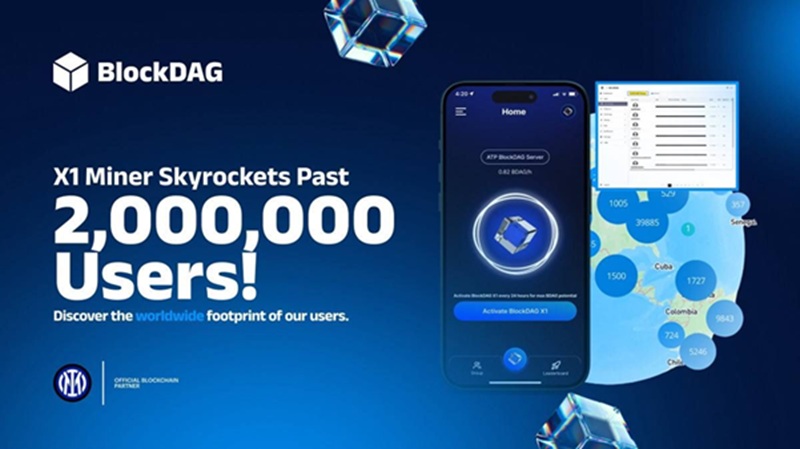
BlockDAG is fast becoming a standout in 2025, and it’s not hard to see why. One of the biggest factors driving its rise is the X1 Miner App, which now has more than 2 million registered users. This simple mobile mining tool lets anyone with a phone join in, making crypto mining accessible and engaging. By lowering entry barriers and offering rewards for activity, BlockDAG has turned a mining app into a viral movement.

The numbers tell their own story. BlockDAG has raised $303 million during its ongoing presale, selling over 22.6 billion coins across 29 batches. At the current price of $0.0276, that’s a long way from the early days. And with a projected ROI of 2,660% from Batch 1 to its confirmed launch price of $0.05, it’s no surprise that BlockDAG is leading the list of top trending crypto projects this year. Until June 19, BDAG coins are available at the rate of 0.0018, creating an unmissable opportunity for buyers.

What sets BlockDAG apart isn’t just the tech, though. It’s the way users are actively engaging. From mobile miners to developers exploring its EVM-compatible testnet, the platform is building both hype and hands-on adoption.

Cardano (ADA): Research-Driven Blockchain Building Toward Governance

Cardano has always taken a different route from the rest of the crypto pack. Its academic background and peer-reviewed development give it a unique place in the industry. Rather than racing to market, Cardano has focused on building strong, scalable systems step by step. That’s about to pay off as the network moves into the Voltaire phase in 2025, which will bring full governance tools into play.

The idea is to create a blockchain where changes are proposed and voted on by the community itself. This, paired with its already successful staking program, gives ADA a long-term utility that appeals to technically-minded users. Although some critics point to Cardano’s slower progress, the foundation it’s laying is hard to ignore.

For those seeking a top trending crypto that favors precision over flash, Cardano continues to be one of the most stable picks heading into the next bull run.

Celestia (TIA): Modular Blockchain Design Turning Heads in Developer Circles

Celestia isn’t trying to do everything. Instead, it’s aiming to do one thing really well: give developers the tools to build customized, scalable blockchains. Its modular design separates consensus from execution, which means developers can fine-tune how their networks work without being stuck with a one-size-fits-all solution.

In 2025, this architecture is getting more attention as teams look for better ways to scale decentralized apps and rollups. The TIA coin powers staking and validates data availability, both of which are central to Celestia’s network. This project is attracting developers who want more control and flexibility, and that developer interest is turning into real traction.

For those watching infrastructure trends, Celestia is clearly a top trending crypto, especially for those betting on better tools rather than just faster transactions.

Cosmos (ATOM): Leading the Way in Blockchain Interoperability

Cosmos made its name by solving one of blockchain’s biggest problems: getting different chains to talk to each other. Its Inter-Blockchain Communication (IBC) protocol allows blockchains to share tokens and data without a central authority. That concept has become even more important in 2025, as users and developers increasingly demand cross-chain functionality.

The ATOM token powers this ecosystem and continues to benefit from rising adoption of IBC across multiple networks. Cosmos also holds a first-mover advantage in this space, giving it a strong position despite rising competition from new interoperability-focused platforms.

Upgrades like mesh security and interchain accounts are expected to roll out soon, expanding Cosmos’s usefulness across even more applications. As one of the most practical and technically sound projects in the space, ATOM holds its place among the top trending crypto choices right now.

Why These Projects Matter in 2025

If you’re looking for the top trending crypto in 2025, it’s no longer enough to chase hype. The real winners are combining innovation with actual users and working products. BlockDAG is a prime example. Its X1 Miner App has turned everyday users into active participants, with over 2 million already mining. Backed by a huge $303 million presale, it’s becoming more than a presale story; it’s becoming a platform with broad reach and momentum.

Meanwhile, Cardano continues its slow-but-steady march toward full decentralization, Celestia is redefining what blockchains can look like, and Cosmos remains a leader in cross-chain tech. Each of these projects offers a different path, but all are grounded in real use cases and forward-thinking design.

As crypto continues evolving in 2025, these are the projects shaping where the space is going next, and why they belong at the top of any serious watchlist.

BlockDAG’s New US-Based Sponsorship Could Trigger a Presale Explosion! TAO Eyes $475 & SHIB Wallets Reach 1.5M

0

Are we seeing momentum shift in favor of TAO’s AI model or is SHIB sparking new retail energy? Bittensor (TAO) has continued its climb, powered by growing appeal for its decentralized AI reward system. At the same time, Shiba Inu (SHIB) is showing renewed traction, as on-chain wallet activity and indicators flash bullish signs. Both are in the spotlight, but another project is preparing for a much bigger role.

BlockDAG isn’t focused solely on short-term presale excitement, it’s shaping a long-term brand presence. As its profile rises among the best crypto to buy, the anticipated US-based sponsorship could significantly boost its public reach and trust. A high-level partnership would give BDAG an identity that goes beyond price charts and listings. While trends may fade, recognition in the real world tends to last. If this deal moves forward, it could set BlockDAG (BDAG) on a path toward lasting influence, providing utility, visibility, and momentum far beyond its early phase.

BlockDAG’s US-Based Sponsorship Announcement Could Shift the Market

A possible US-based sponsorship linked to BlockDAG is generating strong anticipation. The goal is to make BDAG a widely recognized name in popular culture. With strategic branding and national media presence, BDAG could become familiar to the public well before it debuts on major exchanges. In a space where many fade post-presale, this move signals an effort toward lasting relevance.

This exposure does more than generate attention, it builds credibility. For those looking into the best crypto right now, BDAG’s offering stands out. It’s more than just a brand, it’s a signal of legitimacy. Aligning with a leading public platform sets BDAG on a different course, one centered on maintaining strength in the broader market.

The current timing works in BDAG’s favor. The presale remains active, now in Batch 29, with coins priced at $0.0276. But a recent price rollback keeps BDAG at $0.0018 through June 20th. Funding has surpassed $304 million, with 22.6 billion coins already purchased. As the price heads toward its $0.05 launch value, early supporters have seen a 2,660% growth in their funds since Batch 1.

In addition, BlockDAG’s ecosystem includes a CertiK audit, EVM-ready systems, viral tools like Buyer Battles, and a user base of 2 million on the X1 app. These factors explain why BDAG consistently ranks among top crypto mentions today. Backed by strong momentum and rising brand trust, BlockDAG is preparing to lead from the very start.

TAO Price Action Update: Push Toward $475

TAO has maintained steady upward movement, now trading between $395 and $405 since June 9, a roughly 5% jump from the $387–$390 levels. Daily volume remains consistent, holding between $140M and $142M, indicating continued engagement. Technical patterns are strengthening, with TAO surpassing key EMAs across multiple short-term charts. Indicators like RSI nearing 70 and ACD crossovers support the idea that buying pressure is increasing. A short-term pause between $407 and $414 may occur.

Looking forward, TAO could climb to the $450–$475 zone if it holds its gains near $397. Analysts point to its AI subnet progress, institutional interest, and consistent volume above $100M. With a 0.89 market correlation, a broader crypto rally could further lift TAO’s price. As long as it holds above $387–$390, the outlook favors continued growth.

SHIB Wallet Milestone as Whale Activity Drops

Recent data shows a shift in SHIB’s market dynamics. Large transactions above $100K dropped 91.5%, falling from 24.3 trillion SHIB on June 5 to just 2.06 trillion on June 9. Yet the price climbed from $0.0000129 to $0.0000134, a 4.6% increase that broke above the 100-day SMA, hinting at rising retail buying.

The SHIB community is also expanding. Wallets holding the coin reached an all-time high of 1,511,101, which represents about 0.011% of the global population per ZyCrypto. On Shibarium, daily transactions surged by 7,154%, from 63,820 to 4.63 million in five days. This boost in activity underlines broader usage and interest in SHIB’s ecosystem, helping sustain upward movement.

Final Thoughts!

TAO shows firm support near $300, with bullish signs strengthening its case. SHIB continues to gain momentum as wallet numbers hit record highs and big holders take a step back. While both are seeing growth, BlockDAG could be setting a different kind of standard.

The ongoing presale places BDAG at $0.0276 in Batch 29, and its broader outreach, including a US-based sponsorship, 2 million X1 app users, and a verified audit, sets the stage for long-term visibility. With a target listing price of $0.05, its structure and timing reflect more than just hype, it’s a coordinated strategy.

For those searching the market for the best crypto to buy, BlockDAG is emerging with a strong mix of market readiness, user growth, and long-range potential.

Presale: https://purchase.blockdag.network

Website: https://blockdag.network

Telegram: https://t.me/blockDAGnetworkOfficial

Discord: https://discord.gg/Q7BxghMVyu

CBN Orders Banks Under Regulatory Forbearance to Halt Dividends, Bonuses, and Foreign Ventures in Capital Preservation Drive

0

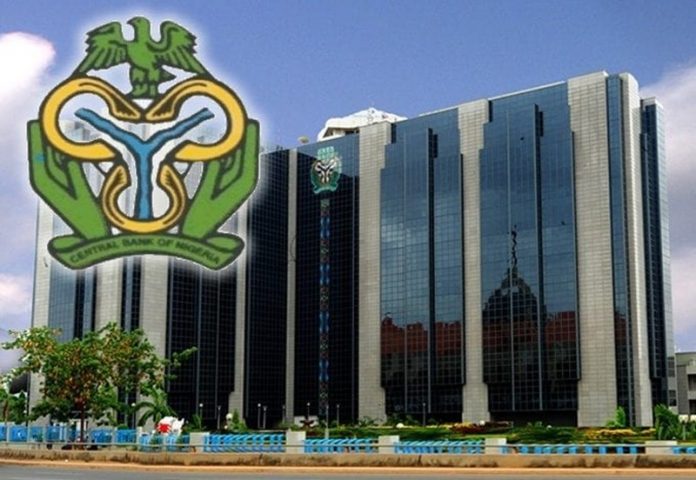
The Central Bank of Nigeria (CBN) has issued a fresh directive instructing banks operating under regulatory forbearance to immediately suspend dividend payments, defer bonuses to executives, and halt new investments in foreign subsidiaries or offshore ventures.

The apex bank said the decision is part of broader efforts to reinforce capital buffers, improve the resilience of bank balance sheets, and ensure prudent capital retention across the financial system.

According to the CBN, the new restriction applies specifically to banks currently enjoying regulatory forbearance due to breaches in their credit exposures and Single Obligor Limits—indicators of potential financial stress. The regulator clarified that these suspensions will remain in place until such banks fully exit the forbearance regime and the central bank independently verifies that their capital adequacy and provisioning levels meet prevailing regulatory standards.

In a statement issued with the directive, the CBN said, “This temporary suspension is until such a time as the regulatory forbearance is fully exited and the banks’ capital adequacy and provisioning levels are independently verified to be fully compliant with prevailing standards. This supervisory measure is intended to ensure that internal resources are retained to meet existing and future obligations and to support the orderly restoration of sound prudential positions.”

The move is seen as a clear signal that the CBN is shifting from its previous relief-based approach to one of fiscal discipline and regulatory tightening. This comes at a time when Nigeria’s banking sector is entering a crucial phase of recapitalization, with new capital thresholds set to be implemented in stages until 2026. Under the new recapitalization mandate announced by the CBN last year, commercial banks will be required to significantly increase their capital base—some by up to 500 percent—raising pressure on institutions to retain earnings and limit speculative investments.

Analysts believe the CBN’s action is a response to mounting macroeconomic risks, including volatility in Nigeria’s foreign exchange market, high inflation, and growing exposure of banks to risky sectors such as oil and gas. The regulator appears to be taking preemptive steps to prevent systemic vulnerabilities from escalating as monetary conditions tighten and market uncertainties grow.

This is not the first time the central bank has moved to restrict how banks manage profits and risk exposure. In April 2022, the CBN extended interest rate forbearance on restructured loans to ease post-pandemic pressures on borrowers. While the measure provided temporary relief, it also left banks exposed to heightened credit risks without recognizing losses on time. Then in September 2023, the CBN issued a circular barring banks from using gains from FX revaluation for dividends or capital expenditures, ordering such profits to be warehoused in a “Special Regulatory Reserve.”

The CBN followed up in March 2024 by reinforcing that FX gains were volatile and temporary in nature and should not be relied on for capital decisions. It warned banks against using such gains to fund dividend payments or executive bonuses and directed lenders to retain the proceeds to fortify their capital positions as Nigeria transitioned to a unified exchange rate regime under the Tinubu administration.

This latest directive now goes further by not only limiting how profits are deployed but also regulating who receives them and where they can be invested. It reflects a deeper concern by the CBN that, unless properly managed, the sector’s earnings could be siphoned away from productive use at a time when Nigeria’s broader financial stability agenda depends on a strong and well-capitalized banking system.

The central bank’s tone is crystal: banks benefitting from forbearance must now prove that they are financially sound before returning to business as usual. This means that until then, dividend distribution, executive compensation, and foreign expansion plans will have to wait.

Shopify In Partnership With Coinbase and Stripe Has Introduced USDC Payments For Checkout

0

Shopify has introduced support for USDC (USD Coin) payments, allowing merchants to accept this stablecoin as a payment method during checkout. This feature, rolled out in partnership with Coinbase and Stripe, is integrated into Shopify Payments and operates on the Base network, an Ethereum layer-2 solution designed for fast, low-cost, and secure transactions.

Currently in early access for select merchants, with broader rollout planned for later in 2025. Customers can pay with USDC using supported crypto wallets, either through guest checkout or Shop Pay. Merchants receive payouts in their local currency by default, with no foreign exchange or multi-currency fees, or they can opt to receive USDC directly into their own wallet.

The integration eliminates the need for additional gateways, supports instant settlements, and reduces transaction costs compared to traditional credit card fees (which range from 1.5% to 3.5%). Shopify also plans to offer 1% cashback on USDC transactions in the U.S. to encourage adoption. A smart contract-based protocol, developed by Shopify and Coinbase, handles e-commerce needs like tax finalization, refunds, and delayed payment capture, mimicking the flexibility of credit card transactions.

Currently, USDC payments are supported only on the Base network, which has drawn criticism for limited blockchain interoperability. Some advocate for multi-chain support to increase accessibility. Merchants can enable this feature through their Shopify admin settings, and payouts follow the existing Shopify Payments schedule. This move marks a significant step toward mainstream adoption of stablecoins in e-commerce, leveraging USDC’s stability as a dollar-pegged currency.

The integration of USDC as a payment method on Shopify’s platform has several implications for merchants, customers, the e-commerce ecosystem, and the broader adoption of cryptocurrencies. USDC transactions on the Base network have lower fees compared to traditional credit card processing (1.5%-3.5%). This could increase profit margins, especially for high-volume or low-margin businesses.

Accepting USDC enables merchants to reach crypto-savvy customers globally, particularly in regions with limited access to traditional banking or high currency volatility. Instant settlements with USDC reduce delays compared to traditional payment methods, improving cash flow. Merchants can choose to receive payouts in local currency (avoiding crypto volatility) or USDC, offering strategic options for those already engaged in crypto markets.

Early adopters may attract crypto users, enhancing brand appeal among tech-forward audiences. Limited blockchain support (Base network only) may restrict accessibility. Merchants unfamiliar with crypto may face a learning curve, and regulatory compliance (e.g., tax reporting) could add complexity.

USDC payments via wallets or Shop Pay simplify crypto spending, especially for guest checkouts, lowering barriers to adoption. The 1% cashback offer in the U.S. encourages USDC use, potentially increasing customer savings. Customers in underbanked regions or those holding USDC can shop seamlessly without currency conversion hassles.

As a stablecoin pegged to the U.S. dollar, USDC reduces volatility concerns compared to other cryptocurrencies like Bitcoin. Customers need a supported crypto wallet and USDC holdings, which may exclude non-crypto users. Limited blockchain support could also frustrate those using other networks. Shopify’s scale (millions of merchants) normalizes stablecoin use, pushing cryptocurrencies closer to mainstream payment methods.

The smart contract protocol for e-commerce (handling taxes, refunds, etc.) sets a precedent for blockchain-based payment systems, potentially inspiring competitors to adopt similar tech. Lower fees and faster settlements could challenge credit card companies and payment gateways, prompting them to innovate or reduce costs. Widespread stablecoin use may attract stricter regulations, particularly around anti-money laundering (AML) and know-your-customer (KYC) compliance.

Reliance on the Base network could centralize transaction activity, raising concerns about scalability or network outages. Integration with Shopify strengthens USDC’s position as a leading stablecoin, potentially increasing its market share over competitors like Tether (USDT). Using Base (an Ethereum layer-2) highlights the viability of scalable, low-cost blockchain solutions, encouraging further development of layer-2 technologies.

Shopify’s move aligns with Web3 trends, fostering integration between e-commerce and decentralized finance (DeFi), such as crypto-based loyalty programs or tokenized assets. Limiting support to Base may alienate users of other blockchains, slowing broader crypto adoption until multi-chain support is implemented. Partnership with reputable players like Coinbase and Stripe enhances trust in crypto payments, countering perceptions of risk or fraud.

USDC payments could empower unbanked or underbanked populations to participate in global e-commerce, particularly in developing economies. Increased stablecoin use may challenge fiat currencies in certain markets, prompting central banks to accelerate digital currency development (e.g., CBDCs). While Base is energy-efficient compared to Ethereum’s mainnet, crypto payments still face scrutiny over environmental impact, which could influence public perception.

Normalizing crypto payments may accelerate a shift toward decentralized financial systems, influencing consumer behavior and expectations. Evolving stablecoin regulations could impose restrictions or compliance costs, impacting adoption. While USDC is stable, broader crypto market fluctuations could affect consumer confidence in digital assets. Slow merchant or customer uptake due to unfamiliarity or technical barriers could delay impact.

Wallet vulnerabilities or smart contract bugs could lead to losses, undermining trust. Overall, Shopify’s USDC integration is a pivotal step toward blending traditional e-commerce with blockchain technology, with the potential to reshape payment systems, expand market access, and drive crypto adoption—though its success depends on overcoming technical, regulatory, and adoption hurdles.