DD
MM
YYYY

PAGES

DD
MM
YYYY

spot_img

PAGES

Home Blog Page 1174

Sberbank Launches Structured Bonds Tied To Bitcoin In Russia

0

Russia’s largest bank, Sberbank, has launched structured bonds tied to Bitcoin’s price and the U.S. dollar-to-ruble exchange rate. These bonds, initially available over-the-counter to qualified investors, allow returns based on Bitcoin’s performance in USD and any strengthening of the USD against the ruble. Transactions are processed in rubles within Russia’s legal and financial systems, eliminating the need for crypto wallets or foreign exchanges.

Sberbank plans to list similar products on the Moscow Exchange and will launch Bitcoin futures on its SberInvestments platform on June 4, 2025, aligning with the exchange’s introduction of cash-settled Bitcoin futures. This move follows a May 28, 2025, policy shift by the Bank of Russia, allowing financial institutions to offer crypto-linked instruments to accredited investors, though direct cryptocurrency delivery is prohibited.

Sberbank’s move signals a cautious but significant step toward integrating cryptocurrencies into Russia’s regulated financial system. By offering Bitcoin-linked bonds and futures within existing legal frameworks, it bridges traditional finance and crypto markets without requiring direct crypto ownership. The bonds allow qualified investors to gain exposure to Bitcoin’s price movements without navigating unregulated crypto exchanges or wallets, potentially broadening the investor base in Russia.

The Bank of Russia’s policy change on May 28, 2025, reflects a pragmatic approach to crypto, balancing innovation with control. This could pave the way for further crypto-linked financial products, though restrictions on direct cryptocurrency delivery highlight ongoing caution. Amid Western sanctions and limited access to global financial systems, Russia’s embrace of crypto-linked instruments could be a strategic move to diversify financial tools and reduce reliance on traditional Western markets.

Tying returns to the USD-ruble exchange rate capitalizes on currency fluctuations, potentially attracting investors hedging against ruble depreciation. Russia joins countries like the U.S. and Hong Kong, where crypto-linked financial products (e.g., Bitcoin ETFs) are gaining traction, signaling a global trend toward regulated crypto exposure. Listing Bitcoin futures on the Moscow Exchange and Sberbank’s platform could boost trading volumes and market depth for crypto-linked instruments in Russia.

Investors gain exposure to Bitcoin’s volatility and USD strength, but structured bonds and cash-settled futures limit downside risk compared to direct crypto ownership, appealing to risk-averse institutions. Sberbank’s initiative positions it as a pioneer in Russia’s financial sector, potentially pressuring competitors to develop similar products. The launch highlights a divide between progressive financial institutions like Sberbank, eager to innovate, and the Bank of Russia’s historically cautious stance on cryptocurrencies.

While the central bank now permits crypto-linked products, its ban on direct crypto delivery reflects lingering concerns about money laundering and financial instability.
The products are initially limited to qualified (high-net-worth or institutional) investors, creating an accessibility gap. Retail investors may feel excluded, though Sberbank’s plans to list products on the Moscow Exchange could eventually democratize access. Some Russians may view this as a step toward financial freedom and hedging against economic uncertainty, while others, wary of crypto’s volatility, may see it as risky or speculative.

Russia’s move contrasts with Western approaches. While the U.S. has approved Bitcoin ETFs and Hong Kong explores crypto derivatives, Russia’s products operate within a tightly controlled ruble-based system, reflecting its unique geopolitical constraints. Countries like El Salvador (Bitcoin as legal tender) and Singapore (crypto-friendly regulations) contrast with China’s crypto bans and the EU’s evolving MiCA framework. Russia’s hybrid approach—regulated but restricted—sits in the middle, creating a divide between fully embracing crypto and maintaining state control.

Western sanctions have pushed Russia toward alternative financial systems, including crypto. This creates a divide between nations using crypto to bypass traditional finance (e.g., Russia, Iran) and those integrating it within established systems (e.g., U.S., Switzerland). Bitcoin’s ethos of decentralization clashes with Russia’s state-controlled financial system. Sberbank’s bonds and futures, while innovative, keep crypto exposure within centralized, government-regulated structures, potentially alienating crypto purists.

Investors seeking high returns from Bitcoin’s volatility are pitted against those prioritizing stability, as structured bonds offer a safer but less direct way to engage with crypto markets.
Sberbank’s Bitcoin structured bonds and futures mark a pivotal moment for Russia’s financial landscape, blending crypto exposure with traditional banking under strict regulatory oversight.

The implications include greater mainstream adoption, economic resilience amid sanctions, and a competitive edge for Sberbank. However, the divide—between regulators and innovators, qualified and retail investors, and global approaches to crypto—underscores the complex balance Russia is striking. This move could inspire similar products globally but also highlights ongoing tensions between crypto’s decentralized ideals and state-controlled financial systems.


Robinhood’s Acquisition of Bitstamp Strengthens Its Position In The Global Crypto Market

0

Robinhood finalized its $200 million acquisition of Bitstamp, a Luxembourg-based cryptocurrency exchange, on June 2, 2025, after announcing the deal in June 2024. This marks Robinhood’s entry into institutional crypto services, adding Bitstamp’s 50+ global licenses and customer base across the EU, UK, US, and Asia. Bitstamp, founded in 2011, will retain its brand as “Bitstamp by Robinhood” for now, with its team joining Robinhood to enhance crypto offerings, including over 85 tradable assets, staking, and institutional services like lending and custody. The acquisition strengthens Robinhood’s global crypto market presence, complementing its recent purchase of Canada’s WonderFi.

The acquisition of Bitstamp by Robinhood has several implications for the crypto and financial markets, as well as for the broader divide between traditional finance (TradFi) and decentralized finance (DeFi). Bitstamp’s 50+ licenses across the EU, UK, US, and Asia significantly expand Robinhood’s regulatory and operational presence in the crypto market, positioning it as a global player beyond its US-centric retail trading base.

Bitstamp’s offerings, such as staking, lending, and custody for institutional clients, allow Robinhood to tap into the institutional crypto market, diversifying its retail-focused platform with more sophisticated financial services. With Bitstamp’s 85+ tradable assets, Robinhood can offer a broader range of cryptocurrencies, appealing to both retail and institutional investors seeking exposure to altcoins beyond Bitcoin and Ethereum.

The acquisition positions Robinhood to compete more directly with major crypto exchanges like Coinbase, Binance, and Kraken, particularly in markets outside the US where Bitstamp has a strong foothold. By integrating Bitstamp’s infrastructure, Robinhood can enhance its crypto trading capabilities, potentially attracting users from competitors with lower fees or improved user experience. Bitstamp’s established regulatory compliance across multiple jurisdictions provides Robinhood with a framework to navigate the complex global crypto regulatory landscape, reducing risks associated with compliance in new markets.

This move may also help Robinhood address past regulatory scrutiny in the US by leveraging Bitstamp’s reputation as a compliant exchange. The acquisition signals Robinhood’s commitment to crypto, potentially boosting user confidence and attracting crypto-native users to its platform. Retaining the Bitstamp brand as “Bitstamp by Robinhood” may preserve loyalty among Bitstamp’s existing user base while integrating them into Robinhood’s ecosystem.

The $200 million deal, while significant, is relatively modest compared to Robinhood’s market cap (around $18 billion as of recent estimates), suggesting a low-risk investment with high potential for revenue diversification. Robinhood’s crypto revenue could see a boost from Bitstamp’s institutional services and global user base, especially as crypto adoption grows. Robinhood, a centralized platform rooted in TradFi, acquiring Bitstamp, a centralized crypto exchange, reinforces the dominance of custodial, regulated platforms in the crypto space. This contrasts with DeFi’s ethos of decentralization, where users control their assets via non-custodial wallets and protocols.

The acquisition may draw more users into centralized platforms, potentially slowing the adoption of DeFi solutions that prioritize user sovereignty. However, it could also introduce TradFi users to crypto, indirectly increasing awareness of DeFi alternatives. Bitstamp’s extensive licenses align with TradFi’s emphasis on regulatory compliance, making Robinhood’s platform more appealing to institutional investors and regulators. This contrasts with many DeFi protocols, which often operate in regulatory gray zones or resist centralized oversight.

The acquisition strengthens the narrative of regulated crypto as a legitimate asset class within TradFi, potentially marginalizing DeFi projects that face regulatory hurdles. However, it may also push DeFi developers to innovate compliance solutions to compete. Robinhood’s user-friendly interface, combined with Bitstamp’s robust crypto infrastructure, could lower barriers to entry for retail investors new to crypto, offering a seamless experience compared to DeFi’s often complex interfaces (e.g., interacting with decentralized exchanges like Uniswap).

This could widen the adoption gap, as retail users may prefer Robinhood’s centralized platform over DeFi’s learning curve. However, DeFi could respond by improving UX to compete for these users. The acquisition bolsters Robinhood’s institutional offerings (e.g., lending, custody), aligning with TradFi’s focus on serving high-net-worth clients and institutions. DeFi, by contrast, often prioritizes retail users and democratized access.

Institutional adoption of crypto through platforms like Robinhood/Bitstamp may outpace retail-driven DeFi growth in the short term, but DeFi’s permissionless nature could still appeal to retail users seeking financial autonomy. Robinhood could use Bitstamp’s infrastructure to explore hybrid offerings, such as integrating DeFi protocols (e.g., staking via Ethereum-based protocols) into its platform while maintaining centralized control. This could bridge TradFi and DeFi by offering users exposure to decentralized technologies within a familiar, regulated environment.

Such a bridge could accelerate crypto adoption by blending TradFi’s trust and DeFi’s innovation, but it risks diluting DeFi’s core principles of decentralization if tightly controlled by a centralized entity like Robinhood. Robinhood’s acquisition of Bitstamp strengthens its position in the global crypto market, enhances its institutional and retail offerings, and leverages Bitstamp’s regulatory framework to navigate complex markets.

However, it also underscores the ongoing divide between TradFi’s centralized, regulated approach and DeFi’s decentralized, user-driven model. While the acquisition may initially favor TradFi’s dominance by attracting users to centralized platforms, it could also drive innovation in DeFi to compete on user experience and accessibility. Over time, Robinhood’s moves could either widen the TradFi-DeFi gap or foster hybrid solutions that blend the best of both worlds, depending on how it integrates Bitstamp’s capabilities and responds to DeFi’s growth.

Whale Wallets Accumulate Lightchain AI While Avalanche and XRP Struggle to Retain Retail Interest

0

As Avalanche and XRP face challenges in holding retail attention, a quieter but strategic shift is happening beneath the surface—whale wallets are accumulating Lightchain AI. With all 15 presale stages complete and its Bonus Round now underway, Lightchain AI is attracting deep-pocketed investors who see long-term potential in its AI-native architecture.

The platform’s upcoming July 2025 mainnet launch will activate a fully decentralized ecosystem powered by its proprietary virtual machine and consensus model designed for real AI computation. While others try to regain momentum, Lightchain AI is steadily drawing serious interest from those focused on utility, infrastructure, and scalable future growth.

Avalanche and XRP Face Declining Engagement From Retail Investors

In 2025, retail interest has waned for both Avalanche (AVAX) and XRP, despite?institutional interest underpinning both assets.

Avalanche has?a daily active address reduction of 74% to 414,234 and transaction decline of 34% to 2.99 million, a sign of less retail frenzy. On the other hand, whale?investors have continued to accumulate AVAX and recent data indicates that they have purchased nearly $22.9 million worth of the token. Despite this, AVAX is currently struggling against $26.47?resistance, and it is down 4.12% over the last 24 hours -which suggests a cautious market sentiment.

So has XRP,?which has dropped to about $2.08 on bearish technicals and declining onchain activity as daily active addresses fall to 30k. Skittish macro conditions and a regression in regulations have done little to dissuade cautious investor sentiment, even following XRP’s 600% rally in the four?months to January 2025.

These developments indicate that institutional investors are still active, but retail participants?are playing it safe with AVAX and XRP on the back of the unfolding market scenario.

Whales Quietly Accumulate Lightchain AI Ahead of Mainnet

Whales are quietly accumulating Lightchain AI ahead of its upcoming mainnet launch, signaling growing confidence in its long-term potential.

Unlike speculative projects, Lightchain AI offers real infrastructure, including a live developer portal equipped with SDKs, APIs, and a sandbox environment to streamline intelligent dApp creation. Its Transparent AI Framework ensures every AI-driven action is verifiable and auditable, boosting trust across the ecosystem.

A major turning point came when the project reallocated the original 5% Team Allocation entirely to developer grants and ecosystem incentives—a builder-first move that whales recognize as a sign of sustainable growth. With the Bonus Round still active and Lightchain AI’s intelligent architecture gaining momentum, large holders are positioning early, anticipating a protocol built to lead the AI-blockchain frontier.

Smart Capital Moves Early—And It’s Moving Into Lightchain AI

By 2025, all eyes are on Lightchain AI as savvy investors recognize its game-changing potential in the blockchain world. With an impressive $20.9 million raised during its presale at just $0.007125 per token, Lightchain AI is capturing the attention of retail and institutional investors alike. What makes it stand out? Its groundbreaking fusion of artificial intelligence and blockchain technology, delivering scalable solutions with real-world impact—far beyond the hype of speculative crypto projects.

As the final presale round approaches, the clock is ticking for early investors ready to seize this opportunity. Don’t miss your chance to be part of a project that’s reshaping the crypto landscape and promising substantial returns!

https://lightchain.ai

https://lightchain.ai/lightchain-whitepaper.pdf

https://x.com/LightchainAI

https://t.me/LightchainProtocol

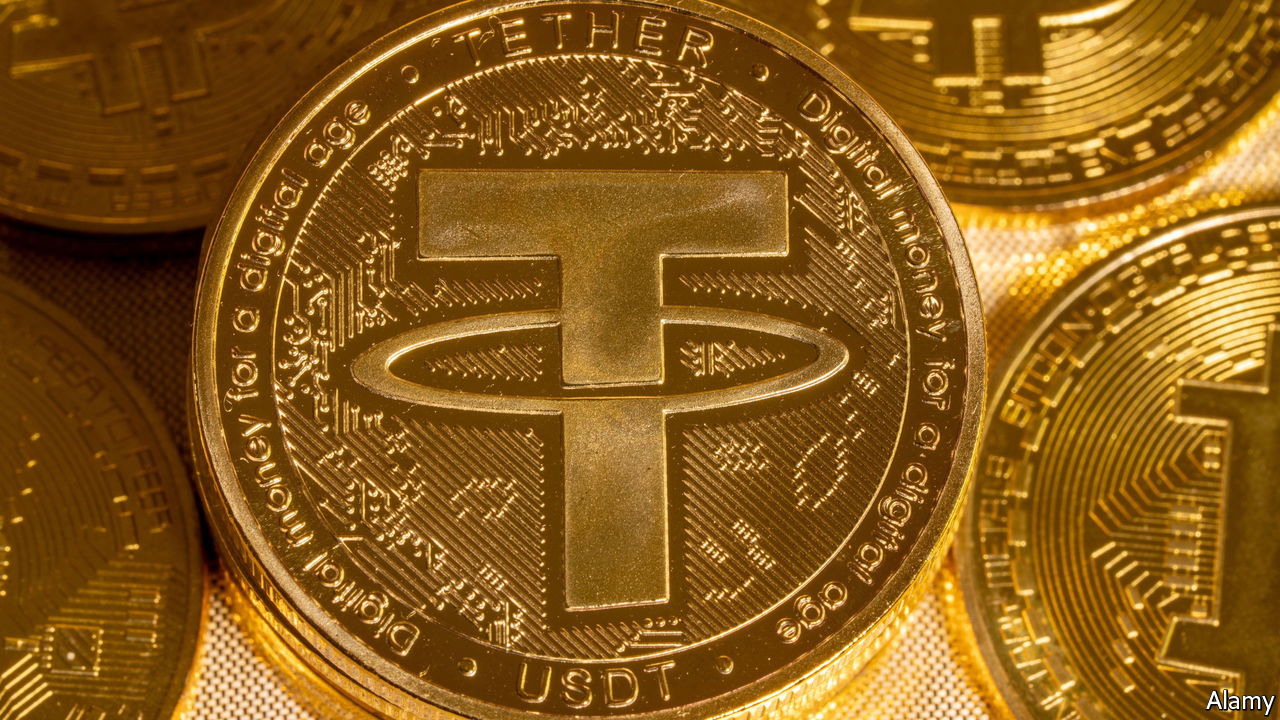
Tether and Bitfinex Transfer 25,812.22 BTC, Valued at $2.7 Billion, To Twenty One Capital

0

Tether and Bitfinex transferred a combined 25,812.22 BTC, valued at approximately $2.7 billion, to Twenty One Capital. This transfer was part of the pre-funding for Twenty One Capital’s equity raise and its strategy to build a significant Bitcoin treasury, aiming for 420,000 BTC to become the third-largest corporate Bitcoin holder. The breakdown includes Tether moving 14,000 BTC and 4,812.22 BTC in separate transactions, while Bitfinex sent 7,000 BTC.

Additionally, Tether transferred 10,500 BTC on behalf of SoftBank, bringing the total to 37,229.69 BTC (worth ~$3.9 billion) in some reports. Regarding Cantor Equity Partners (CEP), which is merging with Twenty One Capital via a SPAC to list on Nasdaq under the ticker “XXI,” its share price rose 7% to $43 on June 2, 2025, with a peak at $59.75, reflecting strong investor enthusiasm. However, the specific claim of CEP being up 4% pre-market lacks direct confirmation in the provided sources.

Twenty One Capital, led by Strike CEO Jack Mallers, is backed by Tether, Bitfinex, SoftBank, and Cantor Fitzgerald, with a focus on Bitcoin-native financial products and transparency through public wallet addresses. The transfer of 25,812.22 BTC (valued at approximately $2.7 billion) from Tether and Bitfinex to Twenty One Capital, coupled with Cantor Equity Partners’ (CEP) merger to form a Bitcoin-centric public company, has significant implications for the cryptocurrency market, institutional adoption, and broader financial systems.

The transfer, backed by major players like Tether, Bitfinex, SoftBank, and Cantor Fitzgerald, signals strong institutional belief in Bitcoin as a store of value and a strategic asset. Twenty One Capital’s goal to hold 42,000 BTC, positioning it as the third-largest corporate Bitcoin treasury behind MicroStrategy and MARA Holdings, underscores Bitcoin’s growing legitimacy among traditional financial institutions. Large-scale Bitcoin acquisitions by institutions can reduce available supply, potentially driving price increases, especially if demand remains steady or grows.

By merging with CEP to form a publicly traded entity (Nasdaq: XXI), Twenty One Capital allows retail and institutional investors to gain Bitcoin exposure without directly holding the asset, similar to MicroStrategy’s model. This could accelerate mainstream adoption but also introduces risks tied to market speculation, as evidenced by CEP’s stock surging 134%–462% post-announcement. Twenty One Capital, led by Strike CEO Jack Mallers, aims to develop Bitcoin-native financial products, such as lending models and capital market instruments, using metrics like Bitcoin Per Share (BPS).

This could redefine corporate performance metrics, prioritizing Bitcoin accumulation over traditional earnings. Mallers’ emphasis on proof of reserves via public wallet addresses could set a new standard for transparency in crypto-related firms, addressing concerns about opaque operations, particularly with Tether’s controversial history. The use of convertible notes and corporate debt to fund Bitcoin purchases mirrors MicroStrategy’s high-risk, high-reward strategy. While this could amplify returns in a bull market, it risks significant losses if Bitcoin’s price crashes or if debt obligations become unmanageable.

CEP Stock Performance

CEP’s share price surged from $10.65 to a peak of $59.75, with a 7% rise to $43 on June 2, 2025, reflecting investor enthusiasm for Bitcoin’s potential and the merger’s high-profile backing. However, the stock later settled at $29.84, indicating volatility and possible overvaluation driven by “FOMO” (fear of missing out). Some sources describe CEP as a “meme stock,” driven by retail investor hype rather than fundamentals. This suggests potential for sharp corrections if market sentiment shifts, especially amid global economic uncertainties like trade wars or Bitcoin price fluctuations.

The claim of CEP being up 4% pre-market lacks direct confirmation in the sources, but the stock’s history of sharp gains (e.g., 5.2% after-hours post-Bitcoin purchase) suggests such movements are plausible. Tether’s involvement raises concerns due to its past regulatory scrutiny over reserve transparency. Some analysts suggest Twenty One Capital could act as a “shadow central bank,” leveraging Tether’s stablecoin liquidity to influence Bitcoin markets within U.S. equity structures, potentially bypassing regulatory oversight. This could challenge traditional monetary systems but risks regulatory pushback.

Bitcoin’s appeal as a hedge against economic risks (e.g., trade wars under a Trump administration) is noted, but its recent underperformance compared to gold suggests it’s not yet a universal safe-haven asset. Twenty One Capital’s launch, backed by Wall Street (Cantor Fitzgerald) and crypto giants (Tether, Bitfinex), exemplifies the convergence of traditional and decentralized finance.

However, it also creates a divide, as Bitcoin-native firms like Twenty One challenge legacy financial models by prioritizing decentralized assets over fiat-based metrics. Analysts frame Twenty One as a “monetary infrastructure node” competing with central banks like the Federal Reserve. This suggests a structural divide where Bitcoin-based entities could undermine traditional monetary policy, creating parallel financial systems.

Publicly traded Bitcoin treasuries like Twenty One allow broader investor access, but the complexity of SPACs, convertible notes, and Bitcoin volatility may exclude less sophisticated retail investors, deepening the divide between institutional and individual participation. Institutional Bitcoin accumulation (e.g., Twenty One’s 42,000 BTC goal) concentrates wealth among entities with capital to invest, potentially widening the gap between crypto “whales” and average investors. If Bitcoin’s price surges, early institutional adopters stand to gain disproportionately.

Bitcoin-native financial products, like those Twenty One plans to develop, may primarily benefit those already integrated into crypto or financial markets, leaving unbanked or underserved communities further behind unless initiatives like Strike’s Bitcoin payment platform expand access. The “meme stock” frenzy around CEP could draw in retail investors seeking quick gains, but volatility risks losses for those least equipped to absorb them, reinforcing economic divides.

Twenty One’s mission, articulated by Mallers as “a public stock, built by Bitcoiners, for Bitcoiners,” highlights an ideological divide between Bitcoin advocates who view it as “reliable money” and skeptics who see it as speculative or risky. The divide extends globally, as Bitcoin’s appeal as a hedge against fiat inflation (noted in relation to global M2 money supply) contrasts with traditional safe-haven assets like gold, which have outperformed Bitcoin in recent market turmoil.

While the transfer and merger signal Bitcoin’s growing institutional acceptance, they also amplify risks and divides. Tether’s opaque history and the speculative nature of CEP’s stock surge raise questions about sustainability. The Bitcoin-native model could disrupt traditional finance, but its reliance on debt and market sentiment mirrors past financial bubbles. The socioeconomic divide may widen if access to Bitcoin’s benefits remains skewed toward institutions and wealthy investors. Conversely, transparency efforts and financial innovation could bridge gaps if executed inclusively.

Implications of Classover Holdings’ $500M Solana Treasury Investment

0

Nasdaq-listed Classover Holdings Inc. (NASDAQ: KIDZ), an educational technology company, has announced plans to raise up to $500 million through senior secured convertible notes to build a Solana (SOL)-based treasury reserve. The agreement, signed with Solana Growth Ventures LLC, requires Classover to allocate up to 80% of the net proceeds to purchasing SOL tokens.

An initial $11 million funding is expected soon, pending customary closing conditions. This move builds on a prior $400 million equity purchase agreement, bringing Classover’s total potential financing for SOL acquisitions to $900 million. The company has already purchased 6,472 SOL tokens for approximately $1.05 million and is exploring discounted locked token acquisitions. Following the announcement, Classover’s stock surged nearly 40%, closing at $3.72, though it faces operational challenges, including a 102% year-over-year revenue decline and liquidity issues.

Classover’s move to allocate up to $500 million for Solana (SOL) tokens signals growing corporate interest in cryptocurrencies as treasury assets, following the likes of MicroStrategy and Tesla with Bitcoin. This could legitimize Solana as a corporate investment, potentially boosting its market perception and price, given Solana’s focus on high-speed, low-cost blockchain transactions.

By committing 80% of the funds to SOL, Classover is heavily exposed to crypto market volatility. Solana’s price, while up 65% year-to-date to around $192, is subject to sharp fluctuations (e.g., a 30% drop in Q2 2024). This strategy could amplify financial risks, especially given Classover’s reported 102% revenue decline and liquidity concerns, potentially threatening its operational stability if SOL underperforms.

The 40% stock surge postannouncement reflects investor optimism about Classover’s crypto pivot, possibly driven by speculation on Solana’s growth. However, the stock’s low price ($3.72) and Classover’s operational struggles suggest this rally may be speculative, with risks of a correction if the strategy falters or market sentiment shifts. The investment could increase Solana’s adoption, particularly if Classover leverages Solana’s blockchain for educational technology applications (e.g., tokenized certifications or decentralized learning platforms).

Large-scale SOL purchases may also tighten supply, potentially driving price appreciation, though this depends on broader market dynamics. Allocating significant corporate funds to crypto could attract regulatory attention, especially in the U.S., where securities laws and accounting standards for digital assets remain unclear. Classover may face compliance challenges, particularly if SOL is deemed a security or if the SEC questions the fiduciary prudence of such a treasury strategy.

Supporters see this as a bold move to diversify Classover’s treasury and capitalize on Solana’s potential as a leading blockchain. Solana’s scalability (65,000 transactions per second) and growing ecosystem (e.g., DeFi, NFTs) make it an attractive bet for long-term value. The investment could inspire other small-cap companies to allocate treasury funds to crypto, strengthening Solana’s position relative to competitors like Ethereum or Cardano.

Speculative investors may view Classover as a proxy for SOL exposure, driving short-term stock gains. Critics argue Classover’s pivot is reckless, given its weak financials (102% revenue drop, $1.3 million quarterly loss). Betting heavily on a volatile asset like SOL could exacerbate liquidity issues, potentially leading to insolvency if crypto markets crash. Classover’s core business (edtech) has little apparent synergy with Solana, raising questions about strategic coherence.

Unlike MicroStrategy, which uses Bitcoin as a hedge against inflation, Classover’s rationale seems speculative rather than strategic. The stock surge may reflect hype rather than fundamentals, with risks of a sell-off if SOL underperforms or Classover fails to integrate blockchain meaningfully. The strategy highlights a broader divide in the investment community:

Crypto advocates view treasury allocations to digital assets as forward-thinking, while traditional investors see them as high-risk gambles, especially for struggling companies. The stock’s 40% jump suggests short-term speculative interest, but long-term success depends on Classover’s ability to stabilize its core business and justify its crypto bet with tangible blockchain integration.

Classover’s $500 million Solana investment is a high-stakes move that could either position it as a pioneer in corporate crypto adoption or exacerbate its financial woes. The divide between bullish crypto optimists and bearish traditionalists underscores the uncertainty, with outcomes hinging on Solana’s market performance, Classover’s operational recovery, and regulatory developments.