DD
MM
YYYY

PAGES

DD
MM
YYYY

spot_img

PAGES

Home Blog Page 1196

How Does Mushrooms Boost Your Dog’s Health

0

Mushrooms have long been valued in traditional medicine for their health-boosting properties. Now, these natural powerhouses are gaining attention in the world of canine wellness. Certain mushroom species offer a wide range of benefits for dogs as they are known for their rich blend of nutrients. These include immune support, improved energy, and enhanced overall vitality.

As awareness of natural remedies continues to grow, more pet owners are exploring mushrooms for dogs as a functional addition to daily health routines. Whether offered in tincture form, these targeted supplements are becoming a trusted part of canine care for their wide range of wellness benefits.

Natural Immune Support

One of the biggest benefits of functional mushrooms is their ability to support the immune system. Varieties like Reishi, Turkey Tail, and Shiitake are packed with beta-glucans, a type of polysaccharide known to stimulate immune responses. This can help dogs better resist infections, allergies, and other immune-related issues.

Mushrooms also contain antioxidants that help reduce oxidative stress. Over time, this contributes to long-term cellular health. For dogs prone to illness or recovering from surgery, immune-supportive mushrooms can be a gentle way to aid recovery.

Support for Aging and Active Dogs

Mushrooms are not just for dogs with health challenges. Active dogs can benefit from the energy and endurance support that mushrooms like Cordyceps provide. Known to improve oxygen utilization and stamina, Cordyceps may be especially helpful for working or athletic breeds.

On the other end of the spectrum, senior dogs can gain from the anti-inflammatory properties of mushrooms. One variety, often highlighted for its ability to support cognitive function, has shown promising results in maintaining mental clarity and focus. This makes it a valuable addition for older dogs experiencing signs of cognitive decline.

Gut and Digestive Health

Gut health is essential for overall wellness, and certain functional fungi can play a helpful role. Many varieties are rich in prebiotic fibers that support healthy digestion. They nourish beneficial gut bacteria, which in turn helps maintain a strong immune system and efficient nutrient absorption.

Types like Maitake and Chaga also support liver function and aid the body’s natural detoxification process. For dogs with sensitive stomachs, adding these ingredients to their regimen can be a gentle way to promote digestive balance.

Stress and Mood Balance

Reishi, known for its adaptogenic properties, helps the body adapt to stress and encourages a calm, balanced state. Many dogs can have anxiety caused by loud noises, separation, or other triggers. The calming effect of mushrooms can be beneficial to them.

Without causing drowsiness, these natural compounds can ease tension and help dogs feel more at ease in stressful situations. For pets facing behavioral issues linked to anxiety, fungi-based support may offer a gentle and effective alternative.

Mushroom-Based Formulas Tailored for Pets

There are providers offering curated mushroom blends developed specifically for dogs. These formulas often combine several functional mushrooms to provide a broader range of benefits. From immune-boosting to calming and cognitive support, each formula targets specific areas of wellness. Carefully designed products ensure that dogs receive appropriate dosages and formulations that are safe and digestible. This tailored approach can be especially beneficial for pet owners looking to support long-term wellness with consistency and care.

The healing potential of mushrooms is becoming a trusted option in pet wellness. With their wide range of natural benefits, mushrooms for dogs offer support for immunity, energy, digestion, and emotional balance. When incorporated properly, they provide a gentle, holistic boost to a dog’s health. As interest in natural remedies continues to grow, mushrooms are proving to be a smart and supportive choice for canine wellness.
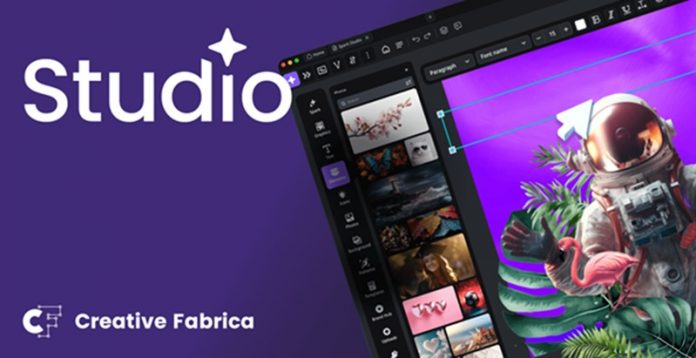
Creative Fabrica Studio: Short Glossary Of Terms Commonly Used In Online Design Tools

0

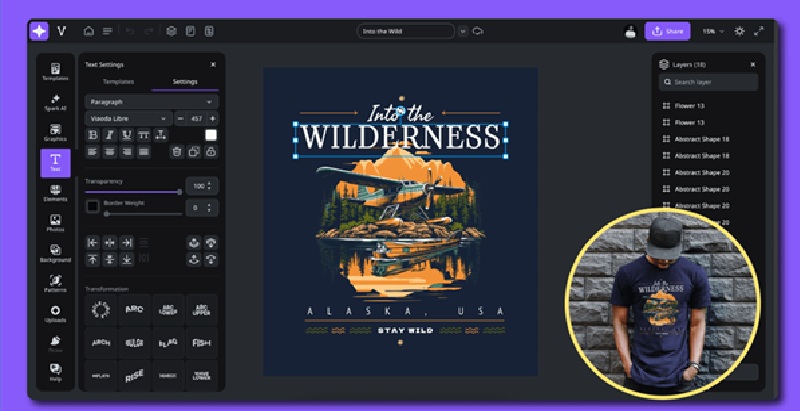
Thanks to modern creative tools like Studio, the world of digital design is more accessible than ever. However, entering this realm can be daunting without a solid understanding of the principal concepts and terminology.

This glossary is the key to understanding online design tools. From comprehending aspect ratios and image sizes to mastering color palettes and typography, this guide will empower readers with the knowledge to use an online design tool Studio, with confidence.

Aspect Ratio and Image Size

Aspect Ratio and Image Size are two distinct digital design and photography concepts. Understanding their differences is crucial for creating visually appealing and adequately formatted images for various platforms and media.

Aspect ratio

The aspect ratio is the proportion between the width and height of an image, usually expressed as two numbers divided by a colon (e.g., 16:9, 4:3, 1:1). The aspect ratio is estimated by dividing the image’s width by the height (width: height). Maintaining the correct aspect ratio ensures that an image retains its intended composition and proportions, regardless of size. Different platforms and media often require specific aspect ratios to display images correctly without cropping or distortion. For example, a 16:9 aspect ratio is standard for widescreen videos, while a 1:1 aspect ratio is standard for Instagram posts.

Image size

Image size refers to an image’s dimensions in pixels (width x height). For example, an image might be 1920 pixels wide and 1080 pixels tall. Image size is calculated by multiplying the width by the height in pixels. Higher image sizes generally mean higher resolution, which results in more detail and clarity, which is especially important for printing and high-quality displays.

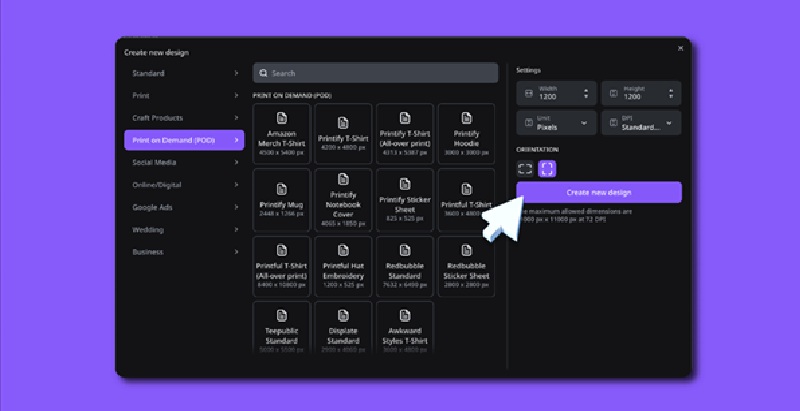
Studio makes the choice of file size and ratio a no-brainer. Choose the platform you are creating for, and Studio will take care of the rest.

Pixels and resolution

Pixel is another term closely connected with image size. A pixel is the smallest unit of a digital image or graphic.

Resolution is the amount of detail in an image, measured in pixels per inch (PPI). High resolution is crucial for producing clear and detailed images, especially for print.

In Studio, you can choose the size and resolution of your design, so you get the best-quality images right from the beginning.

Crop

Cropping is the process of removing unwanted outer areas from an image or design. Cropping allows designers to focus on the essential parts of an image, improving composition and eliminating distractions.

Colors

Background

The background is the part of a design that serves as the backdrop for other elements, which can be a solid color, gradient, image, or pattern. A well-chosen background enhances the overall aesthetic and readability of the design, providing context and setting the tone.

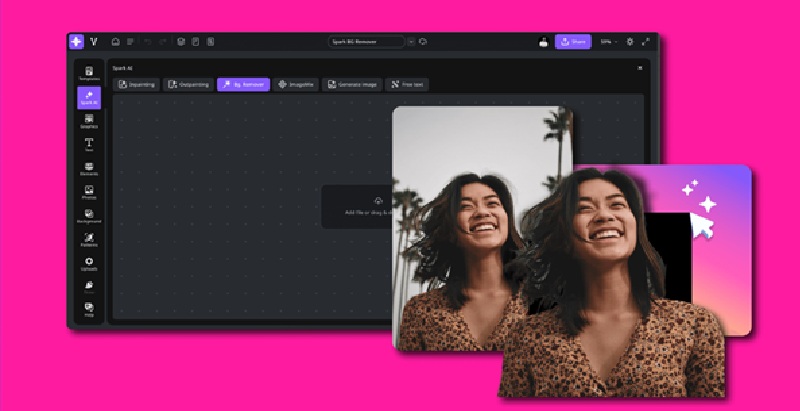
There are hundreds of various backgrounds available in Studio, from solid colors to colorful frames, from cinematic backgrounds to gradients and pastels. Also, one can choose to remove the background if the design requires it.

 Color codes

RGB stands for red, green, and blue. This color model is used for digital screens. CMYK stands for Cyan, Magenta, Yellow, and Key (Black). This color model is used in printing. HEX color codes are the standard for web designs. Color code converters translate color codes from one standard to another.

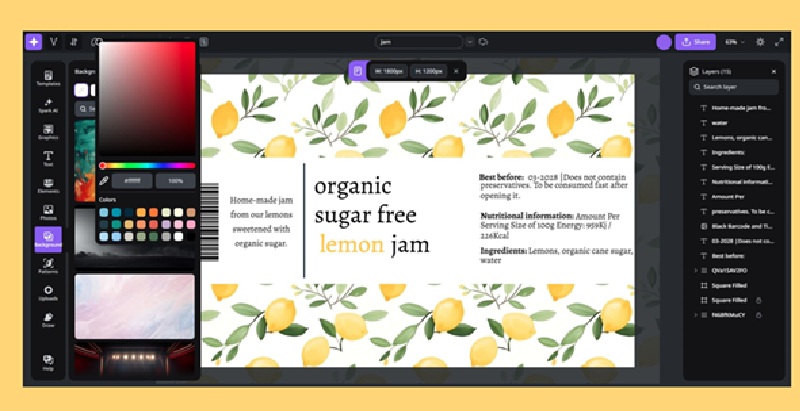
Studio’s color picker allows you to choose a color visually or to input a precise HEX color code from your color palette.

Color Pallet

A color palette is a selection of colors used in a design. A cohesive color palette ensures the design is visually harmonious and conveys the intended mood or message effectively.

Gradient

A gradient is a gradual change between colors, often used as a background or to add depth to a design. Gradients add visual interest and dimension to a design, making it more dynamic and engaging.

Fonts and typography

Font

A font is a set of characters with a specific design and size used in typography. Choosing the right font is critical for readability and conveying the appropriate tone and personality of the design.

Typography

Typography is the art and method of arranging type to make written language readable and visually appealing. Good typography enhances readability, communicates the right tone, and improves a design’s overall aesthetics.

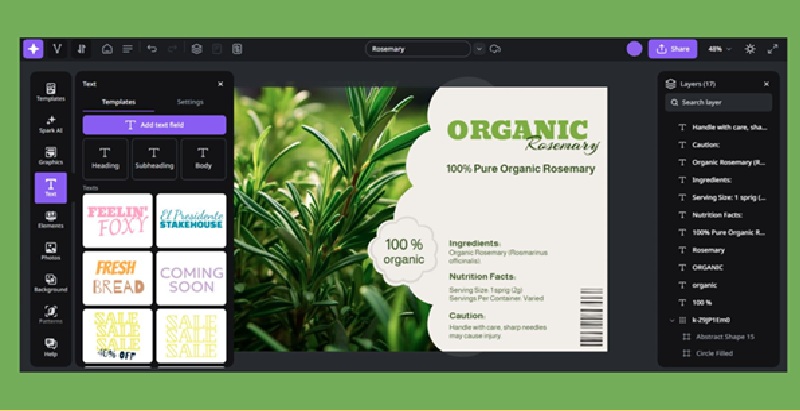
To speed up the design process, Studio offers premade font sets for the designs. Besides that, design templates come with typography layouts that are legible and harmoniously matched.

Design assets

Mockup

A mockup is a model of a design used to demonstrate and evaluate its look and feel.

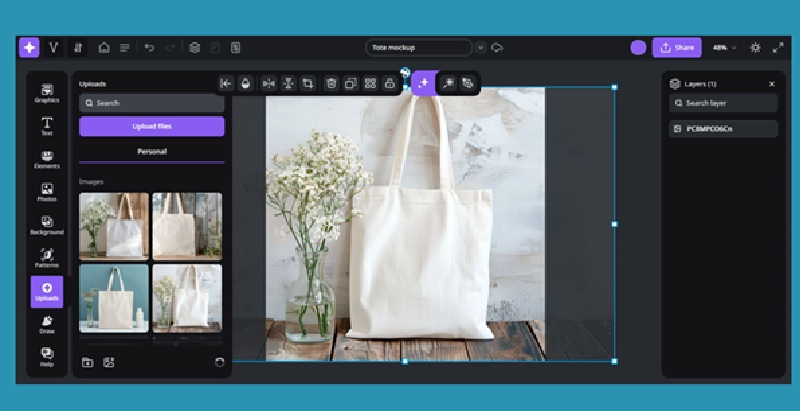
Crafters and designers find the mockup files from the Creative Fabrica library very useful as they allow them to showcase print-on-demand products and other made-to-order objects without creating them.

Stock Photo

A stock photo is a premade image available for licensing to use in various designs. Stock photos in the Studio provide high-quality visuals without custom photography, saving time and resources. Also, designers can create with their favorite assets from Creative Fabrica. And the best part?- everything created in Studio can be used personally or commercially.

Template

A template is a pre-designed layout that can be customized for various projects. Templates streamline the design process, providing a starting point and ensuring consistency across similar projects.

Studio offers thousands of free templates, graphics, and more for creating everything from unique birthday cards to trendy T-shirts.

Vector

A vector is an image created with paths or lines defined by mathematical equations. It can be scaled without losing quality. Vector graphics are essential for creating sharp and scalable designs, such as logos and illustrations, that maintain quality at any size.

Vectorizer, the tool inside Studio, will help you vectorize any raster image, such as a PNG or JPG image, and turn it into a vectorized image that you can download as an SVG.

Design fundamentals

Alignment

Alignment refers to arranging elements in a design to create a visually pleasing layout. It can be horizontal, vertical, or centered. Proper alignment ensures the design is tidy and professional, making it easier for viewers to understand and navigate the content.

Scale

Scale refers to the size of an element in a design. Proper scaling ensures that elements are proportionate and harmonious, maintaining visual balance and focus.

Grid

A grid is a structure composing a series of intersecting straight lines used to arrange content in a design. Grids help create balanced and organized layouts, making it easier to align elements and maintain consistency.

Studio’s grid and Ruler tools help designers maintain constant margins—the space around the edges of a page. Margins ensure content is not cut off during printing and provide a buffer zone for readability and aesthetics.

Grid tools are also essential when the designer wants to follow the Rule of Thirds. The rule of thirds is a design principle that divides an image into nine equal parts to guide composition. Applying the rule of thirds helps create balanced and aesthetically pleasing compositions, enhancing visual interest.

Layers

Layers are different levels at which you can place design elements on top of each other.

Easily accessible and manageable layers in Studio facilitate the manipulation and organization of elements, making complex designs more manageable.

Bringing It All Together

Understanding the fundamental terms and concepts of online design is the first step toward mastering digital creativity. Creative Fabrica Studio is a powerful tool that simplifies and enhances the entire design process. By leveraging the features and resources available, one can ensure their projects are visually appealing and perfectly tailored for their intended platforms.

Trump’s Tariffs Hit Hiring and Marketing, But AI Spending Holds Strong – Goldman Sachs

0
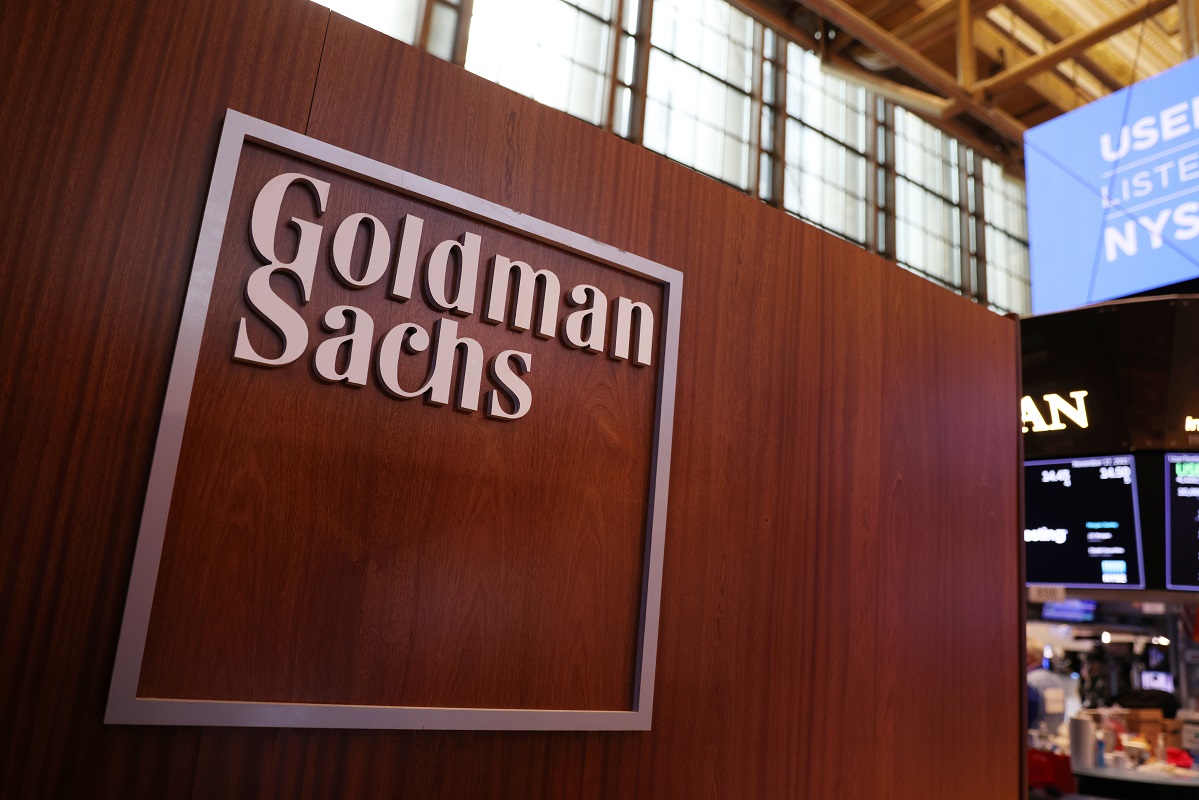
The logo for Goldman Sachs is seen on the trading floor at the New York Stock Exchange (NYSE) in New York City, New York, U.S., November 17, 2021. REUTERS/Andrew Kelly/Files

President Donald Trump’s newly announced tariffs may be reshaping how companies manage their expenses, but investment in artificial intelligence remains largely insulated from the macroeconomic tremors the policy has caused. While firms begin tightening their belts in anticipation of increased costs tied to trade, analysts say spending on AI is proving more resilient, even sacrosanct.

On April 2, Trump declared a sweeping set of tariffs dubbed “Liberation Day” levies, imposing a 10% baseline duty on imports and introducing a slew of new reciprocal tariffs. China, a central target of the measures, was hit hardest with a 145% tariff and excluded from the administration’s 90-day pause on some of the new tariffs granted to other trading partners.

In response, companies across multiple industries began reevaluating their operations, raising product prices, pausing select sales, and revisiting supply chain logistics. But according to Goldman Sachs, these adjustments are primarily affecting short-term expenses like head count and marketing rather than long-term capital investments.

“I think the macro will end up with more volatility on operating expenses — that’s head count, that’s marketing spend, that’s very, very long duration projects,” said Eric Sheridan, co-business unit leader for technology, media, and telecommunications at Goldman Sachs. He made the remarks during a recent episode of the Goldman Sachs Exchanges podcast released Wednesday.

Sheridan added that AI spending, on the other hand, is being treated differently. “I think given the sheer number of players investing both offensively and defensively at AI, I think this spend will get protected for a little longer than the macro environment might influence it,” he said.

He pointed to Meta as a prime example of how the tech sector is prioritizing AI despite the broader economic uncertainty. The company, in its Q1 2025 earnings report, increased its full-year capital expenditure forecast from a previous range of $60–$65 billion to $64–$72 billion. Much of that increase is going toward AI infrastructure, including data centers and computing capacity.

“The messaging coming out of the company was, ‘We continue to find ways to find efficiencies inside the organization, but we are not at a point where we want to sacrifice long-duration investments, mostly articulated through capex, just because the macro environment could look a certain way for three, six, or nine months,’” Sheridan noted.

Meta CEO Mark Zuckerberg reinforced this message on the company’s earnings call, describing AI as “the major theme” driving its strategic direction. While the company trimmed its overall expense guidance slightly, down from $114–$119 billion to $113–$118 billion, it signaled no pullback on AI-related commitments.

The broader trend reflects what many in the tech industry see as a crucial investment race, not just to capitalize on AI’s potential, but also to avoid falling behind rivals. This competitive pressure, according to Sheridan, is a key reason why AI spending is being safeguarded.

Following the tariff announcement, tech companies saw an initial drop in stock value, but shares quickly rebounded on the back of strong earnings and sustained AI investment. Meta and Microsoft, in particular, helped spark a comeback for tech stocks, with investors responding positively to the clarity around continued capital investment in AI.

However, the labor market implications of the tariffs are expected to be significant. With cost pressures mounting, firms are more likely to limit hiring and reduce discretionary expenditures like marketing in order to offset the burden from higher import costs. Sheridan emphasized that while companies are trimming operational fat, they are steering clear of cutting into strategic initiatives like AI that are tied to long-term competitiveness.

The US and China are expected to hold trade talks in Switzerland this weekend as part of an effort to manage tensions following the tariff hikes. The result of the talk is likely to shape the next phase of the trade tension.

Afreximbank Launches $1bn Africa Film Fund to Break Industry Shackles and Put African Stories on the World Stage

0

The curtains may be rising on a new era for African cinema. In a bold move to inject life into the continent’s underfunded creative economy, the African Export-Import Bank (Afreximbank), through its development arm, the Fund for Export Development in Africa (FEDA), has unveiled a $1 billion Africa Film Fund.

The announcement, made under the Creative Africa Nexus (CANEX) initiative, is stirring excitement—and hope—across Africa’s film and television sector as it is expected to buoy the quest of breaking the chronic financing barriers and infrastructural stagnation that have long plagued Africa’s storytellers.

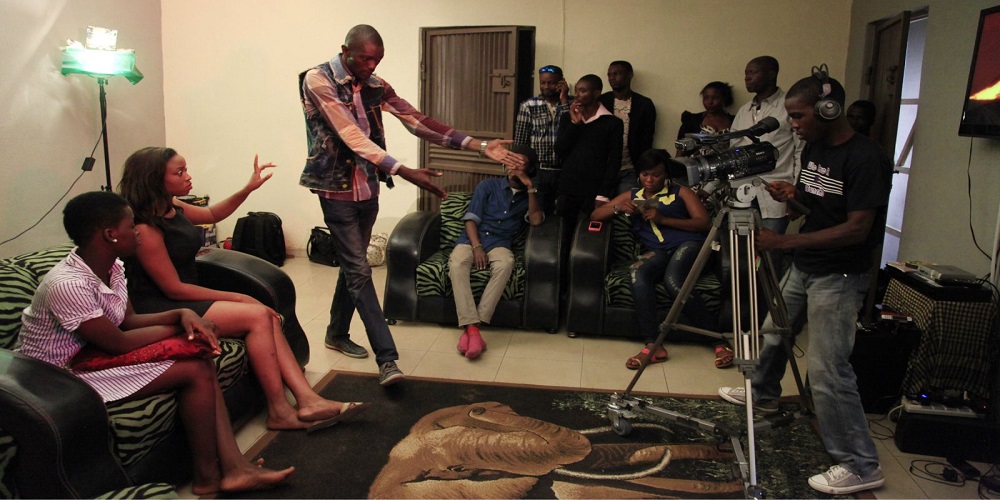
From Lagos to Nairobi, and from Johannesburg to Accra, filmmakers often operate on shoestring budgets, lacking access to post-production equipment, distribution channels, and consistent investment.

Afreximbank says this fund isn’t just about financing movies—it’s about reshaping the entire value chain of the African storytelling industry, from script to screen and beyond.

Fixing the Foundation

Speaking on the launch, Afreximbank President Benedict Oramah cast the fund as a long-overdue intervention for an industry bursting with potential but shackled by neglect.

“Through investments in the film sector, alongside initiatives such as the CANEX Shorts Awards, Afreximbank is committed to celebrating and amplifying a diverse range of African voices and experiences, thereby catalysing the creative industry and unleashing its potential to drive economic growth across Africa,” Oramah said.

While Nollywood has carved out a place as the world’s second-largest film industry by volume, its monetization still lags far behind. In 2024, Nollywood films contributed nearly N2.8 billion—about 39% of Nigeria’s N7.4 billion box office revenue- but producers remain locked out of the international streaming and theatrical space, often unable to match global standards due to funding constraints.

The Africa Film Fund, structured as a private equity vehicle, seeks to change that. The goal is not merely to bankroll more productions, but to build a commercial engine behind them—one that supports development, distribution, marketing, and long-term viability.

“We’re Building an Ecosystem”

For Marlene Ngoyi, CEO of FEDA, the mission is as cultural as it is financial.

“The Africa Film Fund is not merely about financing films – it is about building a thriving ecosystem that empowers Global Africa’s creative talent, fosters cultural exchange, and catalyses economic transformation,” she said.

Ngoyi’s use of the term “Global Africa” hints at the wider diaspora the fund is courting—an audience and talent base that extends far beyond the continent’s borders.

Renowned actor Boris Kodjoe, a partner in FC Media Group, welcomed the initiative as a long-overdue lifeline for African creatives trying to break out of local silos and onto the global stage.

“It has been a long-term dream of mine to be able to tell stories on a global scale. I am grateful and excited to partner with our friends at Afreximbank and FEDA to support quality content development and creation in Africa and beyond,” Kodjoe said.

Hollywood actress Viola Davis, co-founder of JVL Media LLC, described the move as a milestone toward inclusion.

“African stories are deeply human and invariably powerful. This fund is an invitation to the world to see Africa through the lens of its own creators, bold, unfiltered, and rich in truth,” she said.

The Bigger Picture

Beyond the star-studded endorsements, the fund represents a deeper pivot by Afreximbank into soft power investments. Over the past decade, the bank has focused heavily on trade finance, export infrastructure, and intra-African commerce. But in recognizing the economic weight of storytelling, what some have called “cultural GDP”—it now seeks to mine the immense value locked in African languages, folklore, and modern narratives.

From South Africa’s urban dramas to Kenya’s rising animation studios, Africa’s creative sector is vast, yet most of its output rarely sees life beyond domestic markets. Infrastructural gaps, from poor editing suites to limited cinema access and weak copyright enforcement, have kept international investors at bay.

Afreximbank’s $1 billion commitment attempts to flip that narrative.

According to industry insiders, the fund could provide the kind of patient capital required to build post-production studios, support script development labs, and fund marketing campaigns for African films looking to crack Cannes or Netflix.

It also carries geopolitical undertones. As China, France, and the U.S. continue to jockey for cultural influence across Africa, homegrown storytelling, properly financed and globally distributed, becomes a tool of continental self-definition.

Room for Caution

Still, the road ahead isn’t paved with red carpets. Several past efforts to revive African cinema through funding initiatives—whether government-backed or multilateral—have collapsed under bureaucratic delays, corruption, or unsustainable funding models.

Industry players are curious about how accessible the fund is, particularly to independent filmmakers and producers who may lack political connections or collateral.

There is also the question of distribution: even with better production financing, where will these films be seen? Africa’s cinema infrastructure is sparse, and many streamers remain hesitant about acquiring African content without Western production credits attached.

Toward a Global-Scale Industry

But the optimism remains. Afreximbank appears intent on pairing this fund with structural initiatives—CANEX being one—that also focus on cross-border rights management, training programs, and global market access.

The broader goal is to make African storytelling commercially viable on its own terms, without diluting its identity to fit global stereotypes.

If the fund delivers on its promise, the next generation of African directors could have the tools to not just tell stories, but to sell them, and sell them on equal terms with their peers in Hollywood, Bollywood, or Seoul.

Tekedia Mini-MBA Graduation Event Holds in Lagos on May 10

0

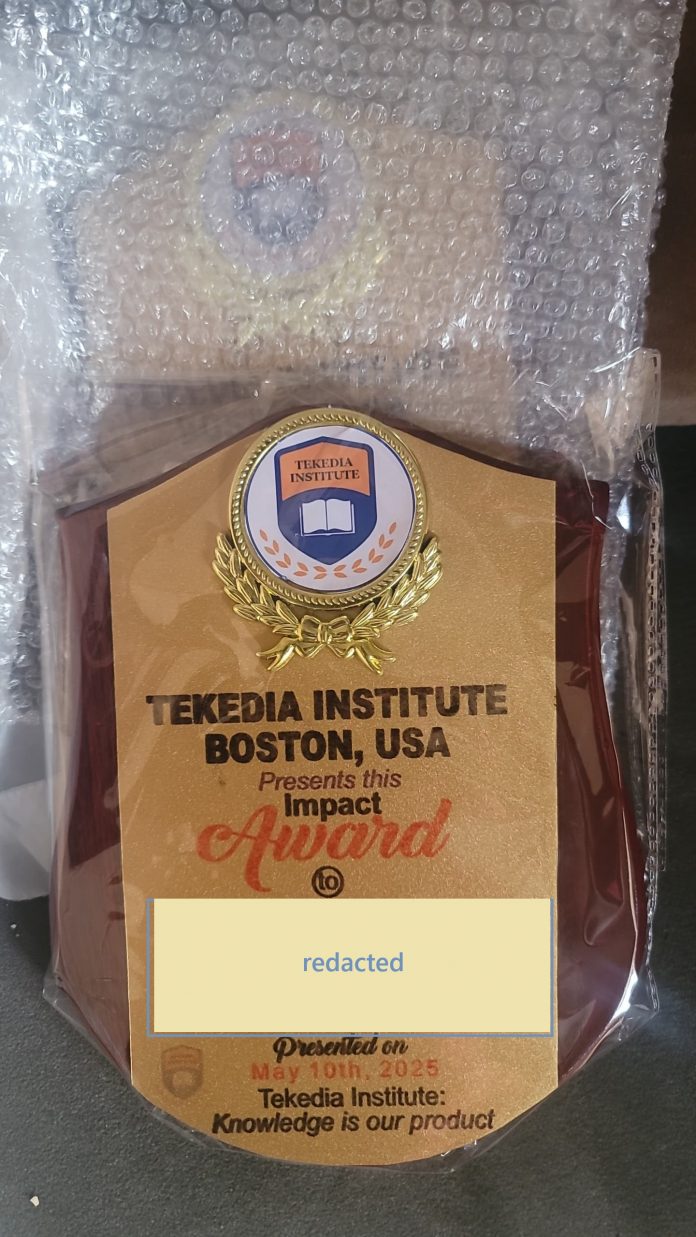
Tekedia Mini-MBA edition 16 graduation event holds in Lagos on Saturday, May 10. I am using this space to thank our co-learners who continue to independently organize these events, from edition to edition. As you travel from around the country to Lagos, journey mercies.  And for those getting awards (nice design there), big congrats!

As always, we thank everyone for choosing Tekedia Institute.  Form more companies. Find co-founders. Discover new market opportunities. Unlock linkages and partnerships. Advance.