DD
MM
YYYY

PAGES

DD
MM
YYYY

spot_img

PAGES

Home Blog Page 1202

Innoson CinC for Nigeria’s Commander in Chief

0

I like this Atiku’s line to Mr. President: “We challenge President Tinubu to stop the noise and trade in his beloved Escalade for an Innoson. That single act will do more to promote local industry than a thousand policy memos” because I have some recommendations for Mr. President. Mr. President, go with Innoson G80. There are more options here from the Innoson showroom. Of course, Innoson can create a new breed – Innoson CinC – for the commander in chief.

I support the President’s Nigeria First Policy. And I also support ex-VP Atiku Abubakar’s comment that it must involve every person. If we buy Nigerian products, Nigeria will rise again. So, this new government policy should be supported even as the nation deepens its electricity capacity to power it.

“The government has announced a sweeping directive barring all Ministries, Departments, and Agencies (MDAs) from procuring foreign goods and services where local alternatives exist. The policy, dubbed the Nigeria First Policy, was one of the resolutions adopted at Monday’s Federal Executive Council (FEC). It mandates all MDAs to prioritize Nigerian-made goods in procurement, unless a waiver is granted by the Bureau of Public Procurement (BPP).” –

Nigeria must work; yes, it must. And leaders must lead.

Innoson Vehicle Motors – Brand Photos with Prices

SEC’s May 12 Roundtable Underscores the Growing Convergence of TradFi and DeFi

0

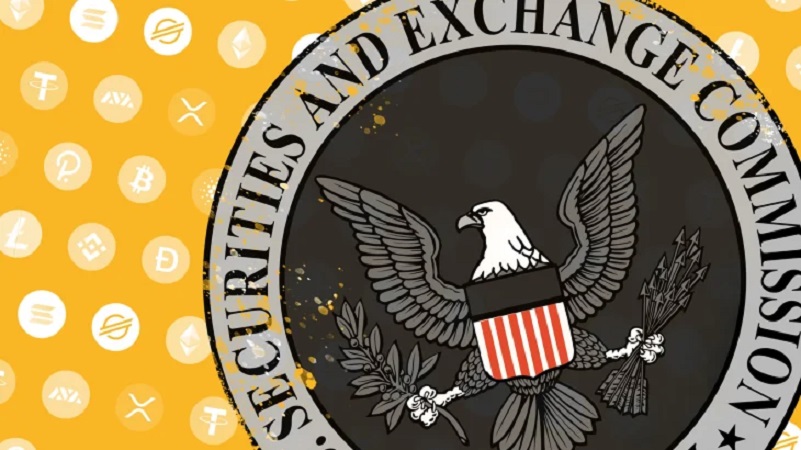
U.S. Securities and Exchange Commission (SEC) has announced the agenda and panelists for its fourth Crypto Task Force roundtable, titled “Tokenization — Moving Assets Onchain: Where TradFi and DeFi Meet,” scheduled for May 12, 2025, at its headquarters in Washington, D.C.

The event, part of the SEC’s “Spring Sprint Toward Crypto Clarity” series, will feature prominent financial institutions and crypto industry players, including BlackRock, Fidelity, and Robinhood, among others. The roundtable aims to explore the regulatory implications of tokenization, a process that could transform financial markets by moving real-world assets onto blockchain-based systems.

Key Details

Date and Time: May 12, 2025, from 1:00 p.m. to 5:30 p.m. ET. Location: SEC Headquarters, 100 F Street, N.E., Washington, D.C. The meeting is open to the public and webcast live on www.sec.gov; no registration is required for online viewing. Keynote Speaker: SEC Chair Paul Atkins will deliver the keynote address.

The roundtable will include two main panels, featuring executives from traditional finance (TradFi) and decentralized finance (DeFi) sectors. From BlackRock Robert Mitchnick, From Fidelity: Cynthia Lo Bessette. From Robinhood: Representative not named in the agenda. Other Notable Participants, Eun Ah Choi (Nasdaq), Will Geyer (Invesco), Sandy Kaul (Franklin Templeton), Christine Moy (Apollo Management), Christian Sabella (DTCC), Johnny Reinsch (Tokenized Asset Coalition), Alex Zozos (SuperState), Representatives from Securitize, Maple Finance, Blockchain Capital, and Chia Network.

The meeting focuses on how traditional capital markets are integrating blockchain technology. Likely to discuss tokenized securities trading, custody requirements, and market infrastructure changes, with insights from BlackRock, Fidelity, and Nasdaq.

Topics includes; The Future of Tokenization which explores long-term technological and regulatory developments, with a focus on real-world assets (RWAs). It also feature Robinhood, Securitize, and others advocating for RWA tokenization. Commissioner Hester M. Peirce, who leads the Crypto Task Force, emphasized that tokenization could “substantially change many aspects of our financial markets” by enhancing efficiency and access to assets like real estate or private equity.

The market for tokenized real-world assets is currently valued at $18.85 billion. The SEC is seeking input to develop a balanced regulatory framework for digital assets. Discussions will address compliance challenges, market structure issues (e.g., trading venues and settlement systems), and investor protections. The announcement of the roundtable has already influenced crypto markets, with Bitcoin prices rising 2.3% and AI-related tokens like Fetch.ai gaining 4.2% on May 5, 2025, reflecting optimism about regulatory clarity.

The participation of major firms like BlackRock and Fidelity signals growing institutional adoption of blockchain technology, potentially driving capital inflows into crypto assets and related ETFs. BlackRock’s iShares Bitcoin Trust saw an 8.2 million share trading volume on May 5, 2025, up 10% from the prior day.

The Crypto Task Force, launched on January 21, 2025, under Ex Acting Chairman Mark T. Uyeda, aims to provide clear regulatory guidelines, realistic registration paths, and sensible disclosure frameworks. Previous roundtables covered security status (March 21), crypto trading (April 11), and custody issues (April 25). The series reflects a shift from enforcement-driven policies under the Biden administration to a more collaborative approach.

The next roundtable, “DeFi and the American Spirit,” originally set for June 6, has been rescheduled to June 9, 2025. Crypto enthusiasts expressed excitement about the participation of “big dogs” like BlackRock, Fidelity, and Robinhood, with some optimistic about bullish market implications. However, skepticism persists, with some calling the SEC’s frequent meetings a “nothing burger” with “zero results.” Traders are advised to monitor Bitcoin’s support level and Ethereum’s support, as well as ETF volume changes, for signals post-roundtable.

The SEC’s May 12 roundtable underscores the growing convergence of TradFi and DeFi, with BlackRock, Fidelity, and Robinhood playing key roles in shaping the regulatory landscape for tokenization. Outcomes from this event could influence market volatility, institutional adoption, and future SEC rulemaking, making it a critical moment for the crypto industry.

DeFi Development Corp Acquired a Solana Validator With An Average Delegated Stake of 500k SOL

0

DeFi Development Corp (Nasdaq: DFDV), formerly Janover Inc., acquired a Solana validator business with an average delegated stake of approximately 500,000 SOL, valued at $72.5–$75.5 million, for $3.5 million ($3 million in restricted DFDV stock and $500,000 cash). The acquisition, announced on May 5, 2025, allows DeFi Dev Corp to self-stake its 400,091 SOL holdings (worth $58.5 million), earning staking rewards directly.

The validator will be rebranded under DeFi Dev Corp, integrating its rewards into the company’s revenue streams. This move aligns with the firm’s Solana-focused treasury strategy, positioning it as a key player in Solana’s decentralized infrastructure. The acquisition of a Solana validator by DeFi Development Corp (DFDV) with a $72.5M stake has several implications.

By self-staking its 400,091 SOL (worth ~$58.5M), DFDV can directly earn staking rewards typically 6-8% annually on Solana, adding a consistent revenue stream without relying on third-party validators. Owning a validator strengthens DFDV’s role in Solana’s ecosystem, enhancing its influence in governance and network operations. This aligns with its Solana-centric treasury strategy, potentially attracting partnerships or clients within DeFi.

The $3.5M acquisition cost (mostly in stock) is relatively low compared to the validator’s $72.5M–$75.5M stake value, offering high return potential if Solana’s price or staking yields rise. The move signals confidence in Solana’s long-term viability, potentially boosting DFDV’s stock (Nasdaq: DFDV) and investor interest. However, issuing $3M in restricted stock may dilute existing shareholders.

DFDV’s heavy Solana focus ties its financial health to SOL’s price volatility and network performance. A market downturn or network issues could impact validator revenue and treasury value. Running a validator requires technical expertise and infrastructure maintenance. Any downtime or slashing events could reduce rewards or harm DFDV’s reputation.

As DeFi and staking face increasing scrutiny, regulatory changes could affect validator operations or tax treatment of staking rewards, impacting profitability. The acquisition positions DFDV as a significant player in Solana’s ecosystem with strong revenue potential but introduces risks tied to market, operational, and regulatory factors.

DFDV, a publicly traded company, acquiring a Solana validator could blur the line between traditional finance (TradFi) and decentralized finance (DeFi). Validators are critical to Solana’s decentralized network, but corporate ownership may raise concerns about centralized control over staking or governance. This could widen the philosophical divide between DeFi purists (favoring fully decentralized systems) and pragmatic adopters (open to corporate involvement). If DFDV influences Solana’s network decisions, smaller validators or community-driven stakeholders might feel marginalized.

The $72.5M validator stake and DFDV’s $58.5M SOL treasury highlight significant capital concentration. Staking rewards (6-8% annually) disproportionately benefit large holders like DFDV, potentially deepening wealth inequality within the Solana ecosystem. Retail investors or smaller SOL holders may face barriers to running validators (due to high costs and technical requirements), reinforcing a divide where institutional players like DFDV dominate high-yield opportunities. This could alienate smaller participants, reducing ecosystem inclusivity.

Operating a validator requires advanced infrastructure and expertise. DFDV’s acquisition signals its ability to manage complex blockchain operations, which smaller entities or individual developers may lack the resources to replicate. This widens the gap between well-funded corporations and grassroots developers in DeFi. If DFDV leverages its validator to prioritize proprietary projects, it could limit opportunities for smaller DeFi innovators on Solana.

DFDV’s move may polarize views among investors. TradFi investors might see it as a savvy diversification into DeFi, while crypto-native investors could view it as a corporate encroachment on decentralized principles. This divide could affect DFDV’s stock (Nasdaq: DFDV) and Solana’s market sentiment. A split in community trust might lead to volatility in SOL’s price or reduced retail participation in Solana-based projects.

As a Nasdaq-listed entity, DFDV operates under stricter regulatory oversight than many DeFi projects. Its validator ownership could draw regulatory attention to Solana’s staking model, especially regarding securities laws or tax treatment of rewards. This might create a divide between regulated entities (like DFDV) and unregulated DeFi protocols, potentially stifling innovation or forcing smaller players to navigate complex compliance landscapes.

Bridging or Widening the Divide?

DFDV’s acquisition could integrate TradFi capital and expertise into DeFi, fostering mainstream adoption of Solana. By rebranding the validator and aligning it with DeFi-focused revenue streams, DFDV might democratize access to staking yields through its platform or products (though no such plans are confirmed).

Without inclusive strategies (e.g., sharing validator benefits with smaller SOL holders), DFDV’s dominance could entrench power imbalances, alienating the DeFi community and reinforcing perceptions of corporate overreach. DFDV’s acquisition amplifies existing divides in wealth, technology, ideology, and regulation within the DeFi and Solana ecosystems. While it positions DFDV for growth and influence, it risks alienating smaller stakeholders unless deliberate efforts are made to foster inclusivity.

How to Hire an Ethical Professional Hacker for Corporate Services

0

Companies try to get ahead of the competition by getting private information from rivals. This type of operation is called corporate hacking. Legal market research and competitive analysis are common ways for companies to gather information, but some companies hire hacker to break into rivals’ systems, steal trade secrets, or mess up operations.

Corporate services activities have become easier to do with the fact the hacking services get more accessible, but doing so comes with big legal, financial, and reputational risks. Get to know further about how professional hackers work on corporate services, where to find them, and the risks of hiring them.

One must do so within the law and in compliance with all regulations.

Corporate Hacking Services

Hacking services covering corporate services involve cybercriminals who exploit their hacking skills to get financial gain. Unlike ethical hackers, who work to strengthen cybersecurity defenses, these hackers operate illegally, targeting individuals, businesses, and even governments.

Corporate services hacking services that can be ordered range from breaching networks to stealing confidential data, conducting phishing attacks to obtain login credentials, and deploying malware on the network system for long-term services. Some even execute ransomware attacks to cripple corporate operations and demand payments in exchange for restoring access.

These illegal services are typically advertised on dark web forums or private hacker networks, making them difficult to trace. Some hack-for-hire groups operate independently, while others are linked to organized cybercrime syndicates or even state-sponsored entities. These groups sell their skills to the highest bidder, often conducting large-scale cyber-services campaigns for corporations seeking an unfair advantage over competitors.

The anonymity of cryptocurrency transactions and encrypted communication channels further shields these hackers from detection, making them a persistent threat in the corporate world.

Where to Find Professional Hackers for Corporate Services

It’s not as easy as posting a job ad to hire a hacker for corporate services projects. Most hackers work in secret groups on the dark web, but you can also find them in some cybersecurity forums. Here are some of the most popular places where hackers who work for hire post ads for their services:

Dark Web Markets

On the dark web, where black-hat hackers typically promote their skills, you can often find corporate services services included. However, you can’t be tracked on these sites without using a special browser like Tor. Listings often include services like DDoS attacks, data breaches, and business services. Payments in cryptocurrency should ensure confidentiality.

Online communities for hackers

Some proficient hackers prefer to operate within exclusive groups, restricted to those who have received invitations or provided evidence of their experience. People talk about hacking methods, cybercrime strategies, and client requests on these forums. There are chances where you can hire hackers through open ads or recommendations in the communities. These private networks can only be entered through insiders or underground cybersecurity communities.

Encrypted Instant Messaging Platforms

Many hackers working for hire now utilize encrypted instant messaging platforms such as Telegram and Signal to carry out their tasks. End-to-end encryption is available on these platforms, which lets hackers talk to clients without being seen. Hackers in these groups often use secret language to advertise their services, which makes it harder for the police to keep track of illegal activities.

Secret Cybercrime Networks

Organized crime networks not surprisingly employ some of the most skilled hackers. There are specialized teams that handle different parts of cyberattacks on these networks, which work like companies. People who want to use their services might have to go through middlemen or brokers, who help with deals while keeping everyone’s identities secret.

Pricing for Corporate Services

You can hire a hacker for corporate Services but the actual price depends on the complexity of the task, the level of security protecting the target, and the potential risks involved. Simple infiltration methods typically cost between $500 and $7K, such as hacking an executive’s email account to intercept sensitive communications. More advanced breaches, like infiltrating a corporate database to extract trade secrets, range from $10K to over six figures, depending on the advance of the target’s cybersecurity defenses.

For long-term corporate spying, hackers may deploy malware that enables continuous surveillance of a competitor’s systems, costing anywhere from $5K to $75K. If the goal is to sabotage a rival company, ransomware attacks can be arranged for $50k to millions of dollars, crippling business operations until a ransom is paid. Social engineering tactics, such as manipulating employees into divulging login credentials or confidential information, typically cost between $1K and $25K. Pricing varies based on the hacker’s expertise, reputation, and the urgency of the request. Most professional hackers operate anonymously, requiring payment in cryptocurrencies to avoid detection and to keep the anonymity.

Risks of Corporate Services

Participating in corporate services through hacking is exceedingly dangerous, with legal, financial, and reputational ramifications. Companies taking such steps should be aware of the following risks:

Legal Consequences

Most countries consider unauthorized hacking to be a criminal violation, and perpetrators are prosecuted under stringent cybercrime laws. Businesses that hire hackers may face harsh penalties, including large fines, lawsuits, and possibly jail time for executives involved. Regulatory and law enforcement authorities regularly monitor company cyber operations, making it increasingly difficult to evade detection.

Scams & Fraud

Many so-called corporate services specialists are scammers who demand upfront cash and then disappear without delivering results. Others may masquerade as legitimate hackers, but they are actually law enforcement officials conducting sting operations to apprehend those seeking illegal services. Hiring an untrustworthy hacker also increases the likelihood of them disclosing vital business information or blackmailing their clients.

Retaliation by Competitors

If a target company notices a hacking effort, it may increase its cybersecurity and take countermeasures such as executing its own cyberattacks or filing a lawsuit. If the breach is made public, the hiring company’s reputation may suffer irreparable damage, resulting in a loss of trust from customers, partners, and investors.

Law Enforcement Defrauds

Many corporate hacking services, particularly those promoted on underground forums, are covert police enforcement traps. Agencies such as the FBI, Europol, and Interpol constantly monitor and infiltrate cybercriminal networks, resulting in the arrest of individuals and companies attempting to conduct corporate services through these services. Those caught in these defrauds may face prosecution and long-term legal sentences.

What’s Next in Corporate Hacking Services?

Cybersecurity threats change over time, and so do the ways that companies spy on each other. Companies are putting a lot of money into AI-powered infrastructure that can detect threats, but hacker groups that do work for hire are also adapting by using AI to develop and deploy attacks. The popularity of ransomware has been making hacking easier to do, letting even less skilled hackers carry out even complex corporate services attacks.

Companies need to improve their safety and keep up with new hacking trends to protect themselves from these threats. The best way to protect against corporate spying is to put in place strong security measures.

*all players must follow local and global laws and must be done within the law.

Transforming Financial Transactions with QR Codes

0

In today’s fast-paced financial landscape, QR codes are becoming a key tool for enhancing security, efficiency, and convenience. With the ability to provide instantaneous access to payment platforms, banking services, and financial information, QR codes are transforming the way we manage money. If you’re looking for a way to streamline your financial processes, using a QR code creator can open up a world of possibilities.

How QR Codes are Revolutionizing the Financial Sector

QR codes offer more than just a quick link to websites, they’re becoming integral to financial services and transaction management. Whether you’re enabling faster payments or improving data security, QR codes provide businesses and consumers alike with a simpler way to manage finances.

Simplified Payments and Transactions

QR codes can simplify payment processing, enabling quick and secure transactions without the need for physical cash or card swiping. By using a QR code maker, businesses can generate unique codes that customers can scan to instantly make payments via digital wallets, such as PayPal, Venmo, or mobile banking apps.

Easy Access to Financial Information

With a QR code generator, businesses and financial institutions can provide quick access to account statements, loan details, or financial reports. This reduces the need for clients to navigate complex systems or wait for a representative, improving overall customer satisfaction.

Enhanced Security Measures

QR codes are increasingly used for two-factor authentication (2FA) in online banking and financial apps. By scanning a QR code free from a trusted source, users can ensure that their logins and transactions are secure, reducing the risk of fraud.

Benefits of QR Codes in Financial Transactions

The advantages of QR codes go beyond convenience. They help businesses streamline operations, enhance customer service, and improve security, all essential aspects of the modern financial landscape. Here’s why QR codes are becoming indispensable for financial transactions:

– efficiency – QR codes allow for quick transactions, saving time for both customers and businesses;

– cost-effective – Implementing a free QR code generator for payments and records reduces the need for expensive hardware or complex payment systems;

– security – With QR code generators online, you can integrate encrypted data and even limit access to specific users, reducing the risk of fraud;

– accessibility – QR codes can be scanned using smartphones, making them accessible to a wide range of consumers without the need for specialized equipment.

As businesses continue to embrace automation and digital transformation, the use of QR code creators will likely expand beyond just payments, unlocking new possibilities for customer interaction, data security, and financial transparency.

Conclusion

QR codes are revolutionizing the financial world by offering a fast, secure, and convenient way to manage payments, track transactions, and access financial data. Whether you’re a business owner or a consumer, integrating QR codes into your financial operations can significantly enhance efficiency and security.

With the help of tools like ME-QR, businesses can create QR code free for various uses, whether it’s for simplifying transactions, enhancing customer engagement, or ensuring compliance with industry standards. QR codes are more than just a trend, they’re an essential part of the future of finance.

By leveraging a QR code generator free online, businesses can easily adopt these technologies and start reaping the benefits of smarter, faster, and more secure financial transactions.