DD
MM
YYYY

PAGES

DD
MM
YYYY

spot_img

PAGES

Home Blog Page 1265

Nigeria Remittance Boom: FX Inflows Through IMTOs Soar to $4.76bn in 2024 Amid CBN Reforms

0

Remittances from Nigerians abroad surged in 2024, as inflows through International Money Transfer Operators (IMTOs) jumped to $4.76 billion—marking a 44.5% increase over the $3.30 billion received in 2023.

The figures, contained in the Central Bank of Nigeria’s (CBN) latest quarterly statistical bulletin, point to a dramatic rebound in diaspora remittances following a raft of liberal reforms championed by CBN Governor Olayemi Cardoso.

Over the course of the year, foreign currency sent home by Nigerians through licensed money transfer channels became critical support to the country’s struggling FX market, helping to cushion families, SMEs, and the broader economy from persistent currency volatility and liquidity constraints.

Strong Start, Record Mid-Year Peaks

The year began with solid momentum. In January 2024, IMTO inflows climbed to $390.86 million—up 32.5% from $295.21 million in the same month of 2023. The upward trend strengthened further in February, as remittances hit $326.91 million, representing a 67.3% rise compared to the $195.23 million recorded a year earlier.

March inflows rose 30% year-on-year to $363.76 million, and in April, the market witnessed a sharp leap to $466.11 million—an 83.3% increase over the $254.26 million posted in April 2023. That April figure represented the highest year-on-year jump in the first half of the year.

By May, IMTOs processed $404.75 million in remittances, up 45.3% from the previous year, while June maintained a similar pace with inflows totaling $389.79 million, a 40.2% rise year-on-year.

The most dramatic inflows occurred in July and August. July saw IMTO inflows soar to $552.94 million, more than double the $240.35 million recorded a year earlier. That 130% increase was followed by another peak in August, with $585.21 million—up 116% from $271.24 million in August 2023. Together, both months accounted for nearly a quarter of the year’s total inflows, underscoring their central role in foreign exchange liquidity.

Fluctuations in Final Months

The final quarter of 2024 presented a more mixed picture. In September, inflows reached $336.61 million—a 40.8% increase year-on-year. October figures climbed modestly to $378.85 million, representing a 29.1% jump from the previous year.

November, however, broke the momentum, as inflows dropped 22.1% to $252.28 million from $324.20 million a year earlier. December brought a partial rebound, with $316.59 million recorded—though still 9.1% lower than the $348.33 million reported in December 2023.

The monthly fluctuations toward year-end appeared to reflect broader economic uncertainties, seasonal shifts, and possibly tighter global liquidity conditions impacting remittance behavior.

The Game Changer Cardoso’s Reforms

The rise in inflows can be traced directly to bold reforms introduced by Governor Cardoso, who took the reins of the CBN in September 2023. Determined to re-anchor confidence in Nigeria’s foreign exchange market, the apex bank wasted no time rolling out policies to liberalize the remittance space.

In January 2024, the CBN abolished the ±2.5% cap on exchange rates quoted by IMTOs, allowing them to align closer with market rates. That same month, the Bank issued revised guidelines for IMTO operations—including a dramatic 1,900% hike in license application fees from N500,000 to N10 million. The guidelines also set a minimum operational capital of $1 million (or its naira equivalent) for both foreign and domestic IMTOs.

Initially, IMTOs were barred from buying FX in the domestic market. However, that restriction appears to have been reversed following industry consultations and a new circular, allowing operators to access the official window under stricter supervision.

Perhaps most notable is the CBN’s decision to establish a Collaborative Task Force with IMTOs, with a clear mandate to double remittance inflows into Nigeria. The team, which reports directly to the Governor, has been tasked with expanding outreach to the diaspora, improving onboarding efficiency, and boosting competition among IMTOs.

Speaking on the apex bank’s strategy, Acting Director of Corporate Communications, Hakama Sidi Ali, revealed that 14 new Approvals-in-Principle (AIPs) had recently been granted to prospective IMTOs—signaling a more open and competitive remittance market.

The reforms have also emphasized compliance, transparency, and efficiency. According to CBN insiders, the regulator has been actively onboarding more IMTOs while streamlining approval processes for faster licensing.

The $4.76 billion in IMTO inflows helped stabilize the naira at several critical points in 2024, offering much-needed supply in the formal FX market. Analysts say it also helped reduce dependence on speculative demand in the parallel market by offering better pricing incentives and restoring confidence among remitters.

What to Watch in 2025

Analysts are watching to see whether the CBN can sustain the momentum into 2025. Much will depend on global economic conditions, including interest rate trends in the U.S. and Europe, which influence diaspora remittance behavior. Another factor will be how quickly the CBN can address the remaining inefficiencies in the official market and keep the naira stable.
 

Kraken’s xStocks is Poised to Revolutionize Global Access to U.S. Stocks

0

Kraken has launched xStocks, a tokenized equities trading platform built on the Solana blockchain, in partnership with Backed Finance and the Solana Foundation. This platform allows non-U.S. clients in select markets to trade tokenized versions of over 50 U.S.-listed stocks and ETFs, such as Apple, Tesla, Nvidia, and SPDR S&P 500 ETF, 24/7.

These assets are issued as SPL tokens on Solana, backed 1:1 by real shares held by Backed Finance, and can be traded on Kraken’s platform or used on-chain as collateral in DeFi applications. The initiative aims to provide faster, cheaper, and borderless access to U.S. equities, with plans to expand to additional jurisdictions and potentially other blockchains.

Cryptocurrency exchange Kraken plans to offer tokenized versions of U.S. stocks and ETFs using blockchain technology. Known as “xStocks,” the digital tokens, which will trade around the clock, can be converted into the cash value of the underlying securities. The tokenized stocks will only be available to non-U.S. customers, including those in Europe, Latin America and Asia. Kraken, which is based in the U.S., says the initiative gives international investors access to U.S. stocks, without the fees associated with traditional brokerages.

Implications of Kraken’s xStocks Platform

xStocks enables non-U.S. investors in regions like Europe, Latin America, Africa, and Asia to trade tokenized versions of U.S.-listed stocks and ETFs (e.g., Apple, Tesla, Nvidia, SPDR S&P 500) 24/7, bypassing traditional market hours and geographic restrictions. This democratizes access for investors in emerging markets who face high fees or limited access to U.S. equities through conventional brokers.

Blockchain-based tokenization allows for fractional trading, enabling smaller investors to participate in high-value assets, enhancing financial inclusion. By leveraging Solana’s high-speed, low-cost blockchain, xStocks reduces transaction fees and enables instant settlement, addressing the high intermediary costs and delays in traditional finance (TradFi).

xStocks, issued as SPL tokens on Solana, can be used as collateral in decentralized finance (DeFi) applications, creating new opportunities for yield generation and liquidity provision not possible with traditional equities. Kraken’s initiative reflects a broader trend of blending traditional finance with blockchain infrastructure, potentially attracting institutional and retail investors to crypto-native platforms.

Kraken’s Co-CEO Arjun Sethi predicts tokenized equities could surpass the $240 billion stablecoin market, especially with derivatives like futures and options, signaling significant growth potential. Kraken is working with regulators to ensure xStocks complies with local laws, learning from past failures like Binance’s 2021 tokenized stock offering, which was halted due to regulatory pushback.

Tokenized securities face scrutiny over compliance, asset custody, and market acceptance. Regulatory uncertainty could limit adoption or lead to restrictions in certain jurisdictions. xStocks challenges traditional brokers by offering 24/7 trading, lower costs, and borderless access, potentially pressuring legacy financial institutions to innovate. With only $373 million in tokenized equities on-chain currently, Kraken’s entry could boost liquidity and mainstream adoption, especially with Solana’s high-performance infrastructure.

Solana’s low latency and high transaction throughput make it ideal for real-time, global trading, enhancing user experience compared to slower traditional systems. Blockchain’s transparency ensures clear ownership records, while Backed Finance’s 1:1 asset backing and redeemability for cash aim to align token prices with uhnderlying securities, reducing volatility risks.

Bitcoin Runes, a protocol for creating fungible tokens on Bitcoin’s blockchain introduced in April 2024, could enable tokenized equities to be issued on Bitcoin’s network, leveraging its security and decentralization. This would diversify xStocks’ blockchain options beyond Solana, potentially attracting Bitcoin-centric investors. Runes’ simplicity and lower transaction costs compared to earlier Bitcoin token protocols (e.g., BRC-20) could make tokenized equities more cost-effective on Bitcoin’s blockchain, though slower transaction speeds compared to Solana might limit scalability.

Integrating Runes would require bridging Bitcoin’s blockchain with Solana’s for xStocks, posing technical challenges due to differing consensus mechanisms and transaction models. Cross-chain solutions like Wormhole (which recently brought Dogecoin to Solana) could be explored. Bitcoin’s limited smart contract functionality might restrict DeFi applications for Runes-based xStocks, making Solana’s ecosystem more practical for now.

Associating xStocks with Bitcoin Runes could enhance credibility among Bitcoin maximalists, but it might also confuse investors due to Runes’ niche status and limited adoption compared to Solana’s established DeFi ecosystem. Regulatory scrutiny could intensify, as Bitcoin-based tokens might attract attention from authorities monitoring crypto innovations.

xStocks is currently unavailable to U.S. clients due to regulatory constraints, creating a divide where non-U.S. investors gain access to innovative 24/7 trading, while U.S. investors are limited to Kraken’s traditional brokerage offering (over 11,000 stocks and ETFs). This could exacerbate financial exclusion in the U.S. unless regulatory clarity allows expansion.

Investors in emerging markets (e.g., Africa, Latin America) benefit from xStocks’ low-cost, borderless access, potentially reducing the wealth gap with developed markets. However, limited internet or crypto literacy in some regions could hinder adoption, deepening the digital divide. Traditional investors accustomed to regulated brokers may hesitate to adopt tokenized equities due to perceived risks (e.g., volatility, security) or unfamiliarity with blockchain, creating a divide between crypto-savvy and conservative investors.

Younger, risk-tolerant crypto users, already familiar with Kraken and Solana, are likely to embrace xStocks, gaining early access to a new asset class and DeFi opportunities, potentially outpacing traditional investors in returns. Countries with crypto-friendly regulations (e.g., certain European nations) will see faster xStocks adoption, while restrictive regimes may lag, creating uneven access globally. Kraken’s proactive regulatory engagement aims to bridge this, but challenges remain.

Smaller investors may face less regulatory friction, while institutional players could encounter stricter oversight, potentially limiting their participation in tokenized markets. xStocks requires understanding wallets and blockchain transactions, which may exclude less tech-savvy investors, reinforcing a divide between those comfortable with crypto infrastructure and those reliant on traditional platforms.

Regions with robust internet and smartphone penetration will benefit more from xStocks’ mobile app accessibility, while underserved areas may struggle, exacerbating technological inequities. xStocks’ low-cost, fractional trading could empower retail investors, narrowing the wealth gap by enabling participation in high-value U.S. equities. However, if adoption is skewed toward wealthier, crypto-savvy users, it could widen disparities.

Kraken’s xStocks platform, built on Solana, is poised to revolutionize global access to U.S. equities by offering 24/7 trading, lower costs, and DeFi integration, challenging traditional finance’s inefficiencies. It promotes financial inclusion for non-U.S. investors but creates divides based on geography (U.S. exclusion), investor type (crypto vs. traditional), regulatory environments, and technological access.

A hypothetical Bitcoin Runes integration could further diversify xStocks’ reach but would face technical and regulatory hurdles, with limited immediate impact due to Runes’ nascent state. To mitigate divides, Kraken must prioritize regulatory clarity, user education, and infrastructure expansion to ensure equitable access across regions and demographics.

U.S. Supreme Court Ruling Allows Trump to Fire Members of Independent Federal Agencies

0

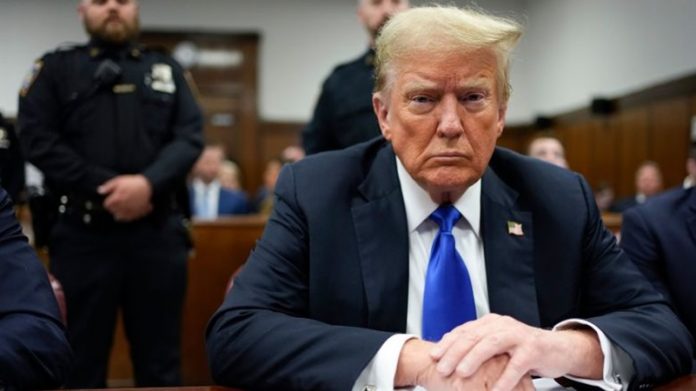
The U.S. Supreme Court issued a 6-3 ruling allowing President Donald Trump to fire members of independent federal agencies, specifically Gwynne Wilcox of the National Labor Relations Board (NLRB) and Cathy Harris of the Merit Systems Protection Board (MSPB), without cause, at least temporarily. The decision, which paused lower court rulings that had reinstated these officials, suggests the president can remove executive officers who exercise significant executive power, subject to narrow exceptions. The Court emphasized that the NLRB and MSPB wield considerable executive authority, supporting Trump’s position that such officials should be removable at will.

However, the ruling explicitly carved out an exception for the Federal Reserve, describing it as a “uniquely structured, quasi-private entity” with a distinct historical tradition, signaling that its board members likely retain greater protection against presidential removal. This distinction aims to preserve the Fed’s independence, a move seen as reassuring to financial markets concerned about potential economic instability if the Fed were subject to presidential control.

Justice Elena Kagan, joined by Justices Sonia Sotomayor and Ketanji Brown Jackson, dissented, arguing that the majority’s decision undermines the 1935 precedent Humphrey’s Executor v. United States, which upheld for-cause removal protections for independent agency members. Kagan criticized the Fed exception as inconsistent, noting that the Fed’s independence rests on the same legal foundations as other agencies like the NLRB and MSPB.

She warned that the ruling could destabilize the structure of independent agencies, which Congress designed to be insulated from political interference through bipartisan boards and for-cause removal provisions. The case stems from Trump’s efforts to remove Wilcox and Harris, both Biden appointees, shortly after taking office. Federal law typically allows such removals only for “neglect of duty or malfeasance in office,” but Trump’s legal team argued that these restrictions unconstitutionally limit presidential power under the Constitution’s separation-of-powers clause.

The Supreme Court’s conservative majority appeared to lean toward this view, though it deferred a final decision pending further briefing and argument. The ruling has raised concerns about the broader implications for other independent agencies, such as the Federal Trade Commission or Securities and Exchange Commission, though the Fed’s explicit exemption mitigates fears of immediate impact on monetary policy.

The decision strengthens the president’s authority over independent agencies like the NLRB and MSPB, which were designed to operate with some insulation from political influence. This could allow Trump to replace agency members with loyalists, potentially aligning agency decisions more closely with White House priorities. The ruling may extend to other independent agencies, such as the Federal Trade Commission (FTC), Securities and Exchange Commission (SEC), or Consumer Financial Protection Bureau (CFPB).

This could lead to shifts in regulatory enforcement, labor policy, or consumer protections, reflecting the administration’s agenda rather than bipartisan or technocratic consensus. Agencies like the NLRB and MSPB were structured with for-cause removal protections to ensure impartiality. The ruling challenges this framework, potentially allowing political considerations to override expertise or statutory mandates.

The decision appears to chip away at the 1935 Humphrey’s Executor precedent, which upheld for-cause protections for independent agency members. This could signal a broader judicial shift toward expanding presidential power under the unitary executive theory, favored by the Court’s conservative majority. The Court’s decision is temporary, with further briefing and arguments scheduled.

A final ruling could either solidify this expansion of presidential power or refine its scope, potentially clarifying which agencies remain protected beyond the Fed. The carve-out for the Federal Reserve, described as a “uniquely structured, quasi-private entity,” introduces ambiguity. Critics, like Justice Kagan in her dissent, argue this exception lacks a coherent legal basis, as the Fed’s independence stems from similar statutory protections as other agencies. This could invite future litigation to test the boundaries of the exception.

The explicit exemption of the Federal Reserve reassures financial markets, as it protects the Fed’s ability to set monetary policy without direct political interference. This mitigates fears of Trump pressuring the Fed to adjust interest rates or other policies to align with his economic or political goals, which could have caused market volatility. While the Fed is shielded, other agencies overseeing economic regulations (e.g., SEC, CFPB) could face leadership changes, leading to shifts in enforcement priorities.

This might affect business confidence, investment decisions, or consumer protections, depending on the new appointees’ policies. The ability to fire agency members without cause could deepen politicization of federal agencies, undermining their role as neutral arbiters. This may erode public trust in institutions like the NLRB, which handles labor disputes, or the MSPB, which oversees federal employee protections.

Congress may respond by attempting to strengthen statutory protections for agency members or restructuring agencies to limit presidential influence. However, such efforts would face challenges in a polarized Congress and potential vetoes from the administration. Supporters of the ruling argue it enhances democratic accountability by ensuring agencies align with the elected president’s agenda. Critics counter that it risks administrative chaos, as frequent turnover could disrupt long-term policy implementation and expertise-driven governance.

The ruling could set a precedent for further expanding presidential authority, potentially affecting the balance of power between the executive, legislative, and judicial branches. Future administrations may leverage this to exert greater control over the administrative state. The decision highlights the Supreme Court’s increasing willingness to intervene in disputes over agency structure, signaling a more assertive judicial role in shaping the administrative state.

The NLRB, which oversees labor relations, may see shifts in rulings on union activities, workplace disputes, or employer obligations if new appointees favor business interests or other priorities aligned with the administration. The MSPB, tasked with protecting federal employees from arbitrary dismissal, could face challenges in maintaining its impartiality, potentially affecting federal workforce morale and protections.

The ruling enhances presidential power over independent agencies, potentially reshaping their operations and policies, while the Federal Reserve’s exemption preserves its autonomy for now. The decision raises concerns about the politicization of agencies, challenges long-standing legal precedents, and sets the stage for further legal battles over the scope of executive authority. Its temporary nature suggests that the full implications will depend on the Court’s final ruling, expected after additional arguments.

Introduction of Crypto Perps Trading in the U.S. Could Transform Crypto Landscape

0

Outgoing Commodity Futures Trading Commission (CFTC) Commissioner Summer Mersinger has indicated that applications for crypto perpetual futures are under review, with some products potentially trading live “very soon.” These derivative contracts, which allow traders to speculate on cryptocurrency prices without owning the assets and without an expiration date, are currently popular on offshore exchanges like Binance, OKX, and Bybit but are not yet available in the U.S. Mersinger emphasized that bringing this trading onshore would benefit the industry and markets by fostering regulation and oversight.

Hyperliquid, a decentralized perpetuals exchange, has also submitted comments to the CFTC supporting 24/7 derivatives trading, aligning with the regulator’s exploration of perpetual futures. Additionally, Coinbase Derivatives has introduced XRP futures contracts, signaling a broader trend toward regulated crypto derivatives in the U.S. Posts on X reflect growing sentiment around this shift, with some users expressing optimism about the potential for U.S. traders to access these products legally for the first time.

However, regulatory hurdles remain, and approval depends on the CFTC’s final decisions, with potential challenges in adapting U.S. laws to accommodate these contracts. The CFTC leadership, including Brian Quintenz, may further influence the timeline and framework for implementation. While the exact timeline is unclear, these developments point to a significant step toward integrating crypto perpetual futures into the U.S. financial system.

Allowing perps trading would enable U.S. retail and institutional investors to engage in leveraged crypto derivatives markets legally, potentially increasing market liquidity and participation. Currently, U.S. traders often use offshore platforms, which carry risks like lack of regulatory protection. Onshore trading could redirect capital flows from offshore exchanges to U.S.-regulated platforms, boosting domestic exchanges like Coinbase Derivatives and potentially creating jobs in the financial sector.

Bringing perps under CFTC oversight would introduce stricter rules, transparency, and investor protections, reducing risks of fraud, manipulation, or platform insolvency seen in some offshore exchanges. Approval could set a precedent for regulating other crypto derivatives, fostering innovation while aligning with U.S. financial laws. This might encourage other crypto firms to seek U.S. licenses.

Perps allow high leverage, which can amplify price swings in crypto markets. While regulated platforms may impose margin requirements, unchecked speculation could increase systemic risks. U.S. exchanges could compete with offshore giants like Binance, but they’ll need to balance innovation with compliance to attract traders accustomed to less-regulated platforms.

A U.S. framework for perps could influence global standards, as other jurisdictions may follow suit to remain competitive. This could lead to a more harmonized approach to crypto derivatives regulation. Exchanges like Coinbase and decentralized platforms like Hyperliquid see perps as a way to grow their user base and revenue. They argue that regulated perps trading aligns with the crypto ethos of innovation and financial freedom while ensuring compliance.

Many U.S.-based traders on X express excitement, viewing perps as a high-return opportunity previously inaccessible without VPNs or offshore accounts. They see regulation as a way to legitimize crypto trading. Figures like outgoing CFTC Commissioner Summer Mersinger advocate for perps, emphasizing that onshore trading would enhance oversight and reduce reliance on unregulated platforms.

Some Wall Street firms and traditional investors worry that perps’ high leverage could destabilize markets, especially given crypto’s volatility. They argue for stringent margin rules and stress tests. While the CFTC is open to perps, some regulators may push for slow adoption to assess risks. Concerns include potential market manipulation and the challenge of regulating 24/7 markets within existing frameworks.

The CFTC leadership under figures like Brian Quintenz, appointed during a potentially crypto-friendly administration, may accelerate approvals. However, political shifts could create uncertainty if future administrations adopt a stricter stance. The success of perps trading in the U.S. hinges on balancing innovation with risk management. The CFTC could implement phased rollouts, starting with limited leverage and strict reporting to address critics’ concerns while allowing market access. Platforms could prioritize educating retail traders on perps’ risks, addressing skepticism about speculative losses. Aligning U.S. rules with international standards could mitigate offshore competition and reduce regulatory arbitrage.

The introduction of crypto perps trading in the U.S. could transform the crypto landscape by enhancing access, regulation, and market growth, but it also raises concerns about volatility and investor protection. The divide between crypto enthusiasts and cautious traditionalists underscores the need for a balanced approach. Ongoing CFTC reviews and leadership changes will shape the timeline and framework.

Civic is Creating Holy Grail With Solana Attestation Service (SAS) on Interoperability For Reusable Verifications

0

Civic is announcing its participation in the Solana Attestation Service (SAS), a new standards layer for verifiable credentials across the Solana ecosystem. Led by Solana Foundation, this consortium will standardize identity verification, allowing users to create credentials that can be reused across different applications while preserving privacy.

Coinbase recent security breach ($180-400M in estimated damages) is just the latest in a series of high-profile incidents highlighting vulnerabilities in current security systems. According to recent data, crypto hacks exceeded $2 billion in Q1 2025 alone, with a significant portion stemming from compromised identity verification

Protecting your dApp from bots, Sybils, cheaters and other bad actors is a never-ending challenge for any builder, and Solana builders are no different. Digital identity can help solve these issues by keeping bad actors out of your platform. However, as it stands, the identity ecosystem is fragmented because there are no common standards that address on-chain identity proofs.

Fortunately, a new consortium led by Solana Foundation, Civic is proudly part of, and its tackling this issue on behalf of blockchain users. It’s coming together to create a holy grail of interoperability for reusable persistent verifications, including proofs of personhood and KYC/KYW checks. Not only will SAS help make it easier to keep bad actors out, it will also be easier to implement compliance.

What is SAS?

Today, Civic is excited to announce being part of Solana Attestation Service (SAS), a standards layer that gives dApp the advantage when it comes to dealing with bad actors. SAS will also improve user experience by lowering the burden on users to get verified every time they use services across multiple blockchains. Importantly, users will also have the choice and flexibility in sourcing verifications.

SAS standardizes verifiable credentials for Solana ecosystem wallets, all while preserving user privacy. Verifiable credentials are digital attestations issued by a trusted authority that can be securely shared and cryptographically verified to prove identity or other claims. With verifiable credentials, you’ll be able to ensure someone has had their ID verified, verify membership, or just find out if a wallet belongs to a human instead of a bot.

This is just the starting point. Credential types are dependent on the verifiers in the SAS network, and with reusable and vendor-agnostic verification, builders can easily implement additional credential checks, including compliance requirements, anti-Sybil measures, sanctions screening, trading entity verification, and even accredited investor validation.

The goal of this implementation is to provide a neutral attestation registry that allows protocols and companies to build applications with a solid foundation for verifiable credentials. All integrators will be better served with a common interoperable base-layer for reusable on-chain identity. Users can create a credential for their wallet that can be re-used over and over for a more seamless web3 experience. Developers will benefit from a trusted verifiable credential registry that serves the entire community, accessible via clear schemas.

SAS for Civic Pass holders

According to Civic, Civic Pass holders will be able to access the benefits of working with SAS all without any action on their part. In fact, the building for this framework has taken place entirely behind the scene, so Civic Passes will already be compatible with SAS. Reach out to our team to ensure we issue SAS attestations along with your Civic Passes.

To illustrate the value of a permissioned approach to attestations, we turn to the team at Honeyland, a play and own mobile game built on Solana. After only a year on app stores globally, the game has more than 20,000 daily active players. Within the game, you can mint, buy, sell and trade NFTs through a marketplace using their own cryptocurrency.

The game’s ecosystem relies on Certified Beekeepers, who are all verified with Civic Pass, a verified credential, to be unique players. With SAS, players can now leverage their active verification proof in other Solana applications that require a 1-person-1-wallet proof.