DD
MM
YYYY

PAGES

DD
MM
YYYY

spot_img

PAGES

Home Blog Page 1342

Become a Better Operator In this AI Era; Do-Tank Over Think-Tank

0

AI will give you an answer and can even help you write a business plan. It can also develop a business brief, concept note and answer questions about markets. But do you know what? AI cannot execute what it has churned out for you in Nigeria because wealth in Nigeria remains mainly in the meatspace (physical) and not the cyberspace where AI chatbots rule by harvesting public knowledge systems.

Yes, the future is online but today, we are still living in the physical world when it comes to growing and ramping up a business in Nigeria. If you think you can win retail, insurance, banking, etc by relying solely online, you will not make progress in Nigeria. I am talking of making money (yes, profit) and not growing “valuations”!

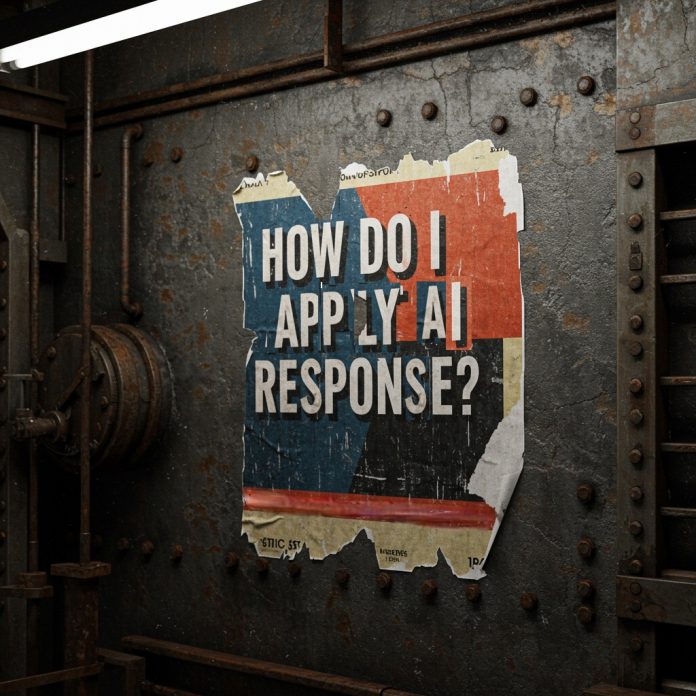
Doubt that: visit your village open market and see what happens there. I am not sure any of those markets will be digitized in the next three decades! So, over the next few years, Nigerian companies will need more Do-Tanks and not Think-Tanks as AI is going to be in a position to do what those Think-Tankers do right now. Indeed, when ideas become largely common, what to do with the ideas becomes what matters, and that means “How Do I Apply the AI Response for my business?” rules.

In Tekedia Institute’s Corporate Training program, we’re seeing that companies are focusing more on operations & execution, and that is partly because from visioning to strategy, tools like AI are assisting more. As always, I note that the only plan that has an impact is the one the customer has felt via products or services. If you plan or conceive a strategic framework, and customers have not been impacted by the outcomes, it means you have dissipated energy and wasted resources in the firm.

To avoid that economic heat dissipation, check your transfer systems and that means how you APPLY and execute. Become a better operator!

FTC Loses Appeal in Microsoft–Activision Blizzard Case as Court Upholds $68.7bn Deal

0

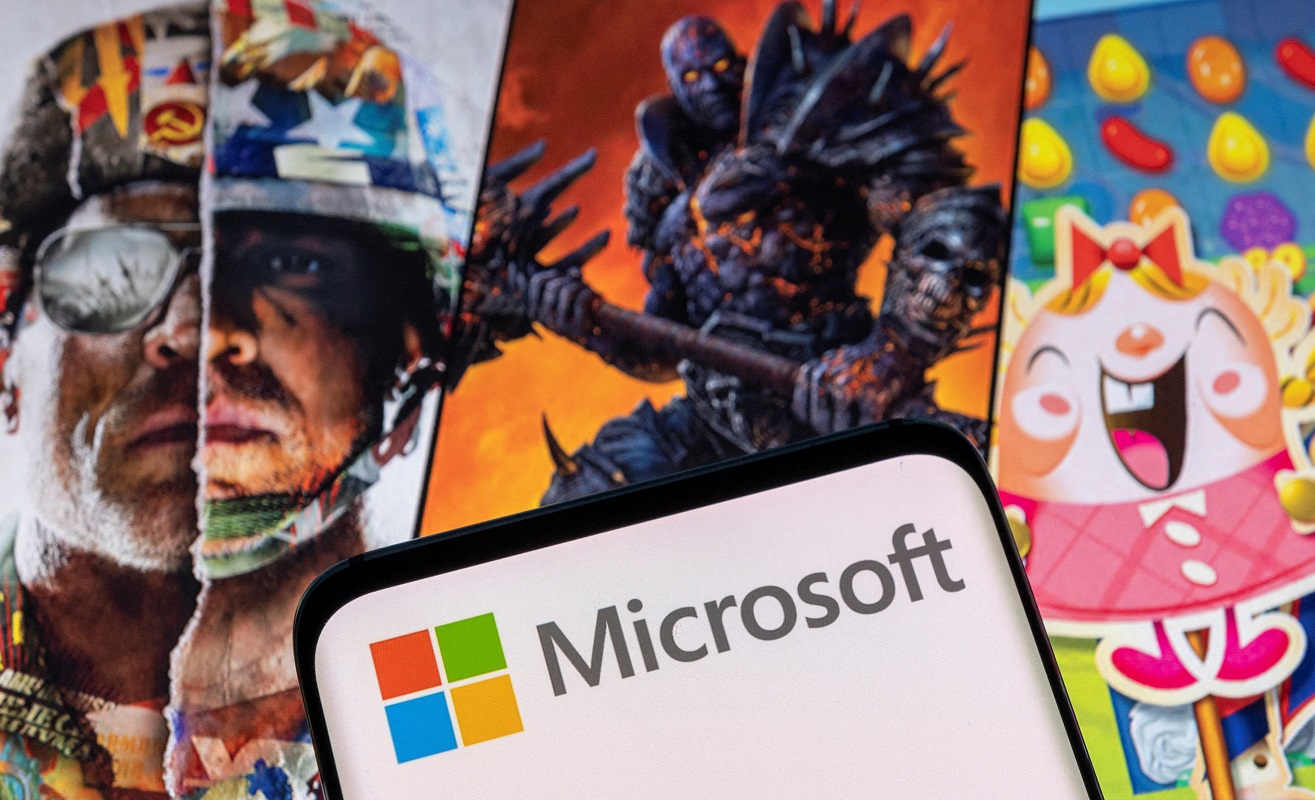
The U.S. Federal Trade Commission (FTC) has lost its appeal against Microsoft’s $68.7 billion acquisition of video game publisher Activision Blizzard, a major blow to the agency’s efforts to curtail the power of Big Tech through antitrust enforcement.

In a ruling issued this week, a panel of judges from the Ninth U.S. Circuit Court of Appeals upheld a lower court’s earlier denial of a preliminary injunction that would have paused the deal.

The court concluded that “given the FTC’s failure to make an adequate showing as to its likelihood of success on the merits as to any of its theories, the district court properly denied the FTC’s motion for a preliminary injunction on that basis,” according to the opinion cited by Reuters.

The ruling affirms the decision by U.S. District Judge Jacqueline Scott Corley in July 2023, who rejected the FTC’s attempt to block the merger on the grounds that the agency did not demonstrate that the acquisition would substantially lessen competition in the gaming market. The next day, the FTC appealed the decision, but Microsoft and Activision closed the deal in October 2023, nearly two years after the merger was announced.

The FTC first sued to block the acquisition in December 2022, arguing that Microsoft’s control of Activision’s game content could give it the ability and incentive to “withhold or degrade Activision’s content in ways that substantially lessen competition – including competition on product quality, price, and innovation.”

At the heart of the FTC’s challenge was concern that Microsoft could make Activision’s blockbuster titles, such as Call of Duty, exclusive to its own platforms or otherwise disadvantage rival consoles and cloud gaming services. But the district court, and now the appeals court, found the FTC’s evidence lacking.

According to the appellate court’s summary, the FTC failed to show that Microsoft would probably foreclose rivals in a way that would harm consumers. The panel did not find adequate support for the theory that Microsoft’s ownership of Activision would reduce competition in the gaming console market, subscription-based gaming services, or emerging cloud gaming platforms.

While the acquisition has now cleared both the U.S. courts and regulatory scrutiny in the UK, after Microsoft made concessions to transfer cloud streaming rights to Ubisoft, the FTC’s administrative case against the merger technically remains ongoing.

“The deal is still the subject of an administrative proceeding that remains pending before the FTC,” the appellate opinion noted.

However, with the deal now closed and two court rulings against its motion to pause it, the FTC’s options appear increasingly limited.

The ruling underscores the uphill battle the FTC faces under Chair Lina Khan’s leadership as it seeks to challenge dominant technology companies through more aggressive antitrust enforcement. The Microsoft–Activision case joins other recent instances in which the agency has struggled to convince courts to halt large tech acquisitions.

Despite this setback, Khan has defended the agency’s posture, arguing that challenges are necessary even when success is uncertain, to ensure regulatory oversight keeps pace with industry consolidation. However, legal observers have pointed out that the FTC’s repeated losses in court may weaken its ability to influence future tech mergers.

The Microsoft–Activision merger remains the largest in the history of the gaming industry. Microsoft has said the acquisition will help it accelerate its cloud gaming strategy and broaden access to Activision titles. The company has pledged to keep Call of Duty available on rival platforms for at least ten years as part of agreements with competitors like Sony and Nintendo.

Microsoft did not issue a fresh comment following the latest ruling. The FTC also did not make a statement on whether it will continue its administrative challenge or accept the court’s judgment.

Google-backed Lagos-based Plato Health Secures $1.4M Funding to Scale Its AI-Driven Platform

0
Fund, money cash dollar

Platos Health, a Lagos-based health-tech startup redefining preventive care, has raised $1.4 million in pre-seed funding to scale its AI-driven metabolic health platform, Platos Monitor.

The funding round was led by Google for startups, with participation from Invest International and angel investors from Google, Tesla, and Unicredit. The funding will support the rollout of Platos Body Monitor, a medical-grade device now launching in Nigeria.

Each year, millions of people develop preventable conditions like diabetes and heart disease often due to unseen risks like excess visceral fat. In low-access regions, 86% of premature deaths from such diseases could be prevented. In a country like Nigeria with fewer than 500 cardiologists for over 200 million people, Platos Health is filling the gap in accessible, proactive healthcare by offering at-home metabolic monitoring and personalized health recommendations powered by AI.

Platos combines ubiquitous medical devices, AI-powered software, and innovations in accessibility to deliver improved metabolic health outcomes at lower costs.

Founded in 2020 by Joseph Fakayode, Platos Health is helping people take control of their health from the comfort of their homes. The Platos Body Monitor tracks over 49 vital health indicators, including weight, BMI, heart rate, hydration, body fat and visceral fat, syncing seamlessly with Android, iOS, web apps, and integrations like Apple Health and Google Health connect.

Platos RPM allows hospitals and clinicians to monitor their outpatients remotely utilizing our hardware and software. This is local innovation with global ambition by tackling silent metabolic threats before they become critical. With 33% of users seeing significant weight loss and nearly 60% saying they’d be disappointed without the tool, Platos is winning trust and building traction.

The health-tech startup is on a mission to make preventive health accessible to all. Today, it empowers patients to monitor their holistic health from anywhere while facilitating data-driven, personalised & and proactive care for hospitals and clinicians. Tomorrow, it will use advanced analytics to drive preventive care for the general population. The company has 300+ Pharmacy & Healthcare Providers, 50,000 Health Data Points Analyzed and 80% of Members Achieved Weigh Loss.

Platos is backed by Google for Startups, Invest International, and Angel investors from notable organisations such as Tesla, Google, and Unicredit. The company is trusted by leading health institutions such as Reliance HMO, medplus, Justrite pharmacy and purelife health, etc.

In about 3 years, Platos Health has built a scalable technology platform, generated clinical evidence for its  product, and partnered with health insurance and hospitals. In a bid to enhance its offerings, in December 2024, the company launched Platos Intelligence, an AI engine that transforms raw health data into personalized actionable insights. From nutrition advice to lifestyle adjustments, this tool simplifies health management by analyzing users unique metrics and giving clear, tailored guidance.

Platos Health is targeting a $30 million addressable market in Nigeria, with its devices already available at major pharmacy chains like Medplus and Justrite. The name Platos, drawn from the Greek word for “broad”, reflects a bold mission: to make quality health accessible for everyone. By focusing on metabolism, body fat and nutrition, the platform enables early intervention in chronic conditions like diabetes, obesity and cancer.

As medical resources remain scarce in many parts of Africa, Platos Health empowers individuals to proactively manage their health, without needing to visit a hospital. Its breakthroughs in bioactive metabolism and generative AI are positioning it as a pioneer in the rise of personalized, preventive medicine.

China Planned Trade Negotiations With U.S. Offers Pathway For Renewed Alliances

0

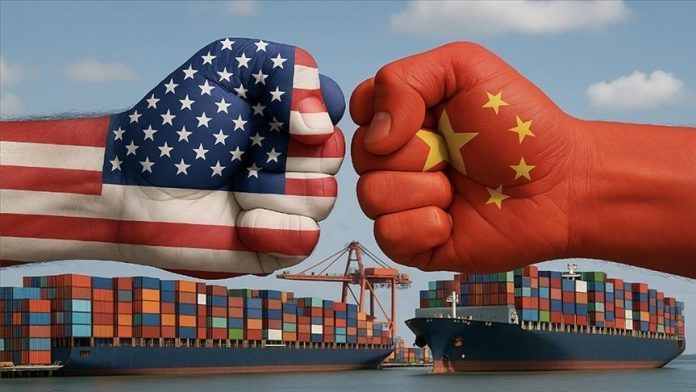
China has confirmed plans to initiate trade negotiations with the U.S., with talks scheduled to begin in Geneva, Switzerland, on Saturday, May 10, 2025. U.S. Treasury Secretary Scott Bessent and Trade Representative Jamieson Greer will meet with Chinese Vice Premier He Lifeng to address the ongoing trade war, marked by U.S. tariffs of up to 145% on Chinese goods and China’s retaliatory 125% tariffs.

The announcement has boosted market sentiment, with U.S. stock futures rising, contributing to a 0.5% gain in premarket trading on May 7, 2025, as investors anticipate potential de-escalation. However, President Trump’s refusal to lower tariffs as a precondition and China’s cautious stance, emphasizing “mutual respect,” suggest a major deal is unlikely soon. Equities later closed higher, with the S&P 500 up 0.43% and the Dow up 0.7%, driven by trade talk optimism and a late chip stock rally after reports of loosened AI chip restrictions.

The confirmation of trade negotiations between China and the U.S. carries significant implications across economic, geopolitical, and market dimensions. The talks aim to address high tariffs (U.S. at 145% on Chinese goods, China at 125% on U.S. goods). A potential reduction or phased rollback could lower costs for businesses and consumers, easing inflationary pressures. However, Trump’s hardline stance suggests tariffs may persist, maintaining supply chain disruptions and higher prices for imported goods.

Progress in talks could stabilize global supply chains, particularly for tech, automotive, and consumer goods reliant on Chinese manufacturing. Failure to reach an agreement may accelerate U.S. efforts to diversify supply chains to countries like Vietnam or Mexico. Reduced trade tensions could boost global GDP growth by improving trade flows. Conversely, prolonged trade war escalation could dampen growth, with the IMF estimating a potential 0.5-1% drag on global GDP from sustained U.S.-China trade barriers.

The 0.5% premarket gain on May 7, 2025, and subsequent S&P 500 (+0.43%) and Dow (+0.7%) rises reflect investor optimism about de-escalation. Sectors like technology (e.g., chipmakers) and consumer discretionary, sensitive to trade policy, could see further gains if talks progress. However, volatility is likely if negotiations stall. A positive outcome may strengthen the Chinese yuan and U.S. dollar, while boosting commodity prices (e.g., soybeans, metals) tied to Chinese demand. Prolonged uncertainty could pressure these assets.

Easing trade tensions may reduce safe-haven demand for U.S. Treasuries, potentially pushing yields higher as risk appetite grows. The talks signal a pragmatic step toward dialogue but are unlikely to resolve deeper issues like technology competition or Taiwan tensions. China’s emphasis on “mutual respect” and the U.S.’s tariff leverage suggest a contentious negotiation process.

Progress could ease pressure on allies like the EU and Japan, caught in the U.S.-China trade crossfire. Failure may push the U.S. to strengthen alternative trade blocs, like the Indo-Pacific Economic Framework. Loosened AI chip restrictions, as hinted in recent reports, could benefit U.S. semiconductor firms (e.g., NVIDIA, AMD) and Chinese tech giants, but national security concerns may limit concessions.

U.S. farmers, hit by Chinese tariffs on soybeans and pork, could gain from restored market access, though competition from Brazil and Argentina may cap benefits. U.S. manufacturers may face continued pressure from Chinese imports if tariffs ease, while Chinese exporters could regain U.S. market share. Trump’s refusal to lower tariffs preemptively and China’s history of retaliatory measures raise the risk of stalled talks, potentially triggering new tariffs or sanctions.

U.S. domestic pressure to protect jobs and counter China’s influence may limit concessions, while China’s need to project strength domestically could harden its stance. Emerging markets reliant on Chinese demand (e.g., Australia, South Korea) could face volatility if talks falter, while Europe’s export-driven economies may benefit from any de-escalation.

While the talks offer a pathway to reduce trade frictions, the entrenched positions of both nations suggest limited near-term breakthroughs. Markets may remain volatile, with equities and risk assets gaining on positive signals but vulnerable to setbacks. Long-term implications hinge on whether the talks evolve into a broader framework for U.S.-China economic relations or remain a tactical maneuver to manage domestic pressures.

Uber, WeRide Expand Robotaxi Partnership, Targeting 15 More Cities with $100m Investment

0

Uber’s autonomous vehicle ambitions are accelerating. The ride-hailing giant is expanding its partnership with Chinese self-driving technology firm WeRide, with plans to roll out robotaxi services in 15 additional cities outside China and the U.S. over the next five years.

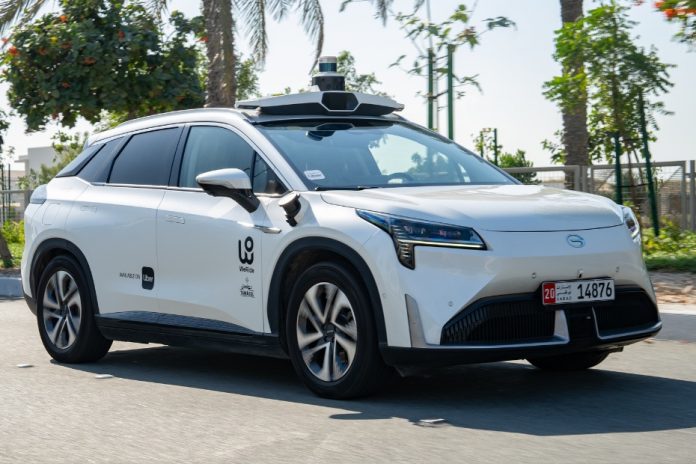
This development follows their initial commercial robotaxi launch in Abu Dhabi five months ago, a venture that also involved local transport operator Tawasul.

As part of the expansion, Uber will inject $100 million into WeRide. The cash is expected to be transferred by the second half of 2025, according to a regulatory filing published Wednesday. The additional cities will include locations in Europe, with Uber integrating WeRide’s services into its app as it does in Abu Dhabi.

The deal is modeled after Uber’s U.S. partnership with Waymo. Under this arrangement, Uber handles routing and customer access via its platform, while the autonomous vehicle partner, Waymo in the U.S. and WeRide in this case, provides the AV technology. In Abu Dhabi, Uber and WeRide jointly manage the service through local fleet operator Tawasul and are also planning to expand into Dubai.

WeRide, which went public on the Nasdaq in October 2024, says the new funding will deepen its global rollout and support further development of its AV tech.

“The additional cities will focus on markets where Uber already operates and where AV regulations are favorable,” the company said in a statement.

This move is the latest in a string of autonomous partnerships Uber has pursued globally. In the past two months, Uber has announced separate deals with U.S.-based May Mobility and China’s Momenta. Over the past two years, Uber has locked in more than 15 collaborations with autonomous tech firms across ride-hailing, delivery, and freight logistics.

Uber’s most high-profile U.S. partnership remains with Waymo. The two currently offer robotaxi rides in Austin and are preparing to launch in Atlanta.

Internal Shifts Amid External Expansion

This expansion comes at a moment of internal recalibration at Uber. CEO Dara Khosrowshahi is pressing ahead with a series of workplace changes that some employees are resisting—and he’s openly fine with that.

In an interview with CNBC on Wednesday, Khosrowshahi made clear that while the company values its workforce, those unwilling to align with its direction are free to move on.

“The good news is the economy is still really strong. The job market is strong,” he said. “People who work at Uber, they have lots of opportunities everywhere.”

The CEO emphasized that Uber isn’t trying to drive people out, but that change is inevitable.

“We want them, obviously, to take the opportunity with us, to take the opportunity to learn,” he said.

The company’s latest policies require corporate staff to be in the office at least three days a week, specifically Tuesday through Thursday. Mondays and Fridays may be worked remotely. Remote workers have also been asked to return to physical offices. Additionally, the tenure requirement for a paid sabbatical has been extended, though Uber has not disclosed how many years.

“We want more people in the office,” Khosrowshahi said, framing the shift as an effort to support collaboration and mentorship. “It’s the right mix of giving your employees flexibility but also getting them to the office for those all-important teamwork tasks.”

An Uber spokesperson clarified that the policy changes are not tied to any planned layoffs and are not meant to spur attrition. Starting in June, the new hybrid work structure will go into effect.

Uber’s stance mirrors a broader trend in Big Tech where executives are reasserting workplace norms and cutting back on perks introduced during the pandemic. Amazon recently adjusted its compensation structure to reward top performers while cutting back on what underperformers earn. Meta’s Chief Technology Officer Andrew Bosworth told employees they could either “disagree and commit” or leave after the company rolled back diversity, equity, and inclusion initiatives and began trimming low-performing staff.

At Microsoft and other tech giants, job cuts have increasingly been tied to individual performance reviews.

Uber’s robotaxi push and internal restructuring highlight a balancing act: while the company invests heavily in next-generation transportation, it’s also reshaping its workforce expectations. Khosrowshahi is betting that employees who remain will be aligned with Uber’s long-term goals, both technologically and culturally.