DD
MM
YYYY

PAGES

DD
MM
YYYY

spot_img

PAGES

Home Blog Page 1351

AI Maps Path to 500%, 1000%, & 2000% Gains for Shiba Inu (SHIB), and Highlights 22950% Prospects in 1 New Coin

0

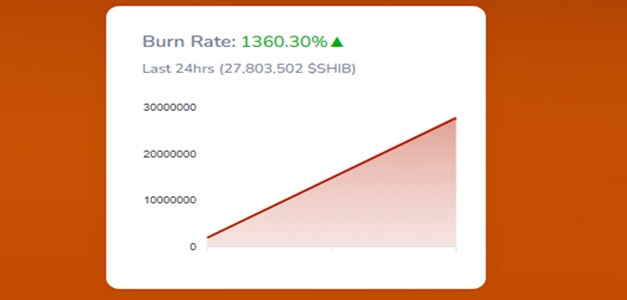
SHIB stands out in the crypto world through its viral popularity and unique burning system which increased 1360% in one day. The emergence of a new project shows promise to grow more than SHIB’s expected 500%, 1000% and 2000% gains based on AI predictions. Rexas Finance (RXS) is expected to see an incredible 22,950% increase according to market predictions. People are excited about this system because RXS transforms asset ownership methods to give everyone access to a market worth trillions of dollars.

RXS Turns Real Estate, Gold & Art into Tradable Tokens — Invest in Physical Assets Like Never Before!
Rexas Finance takes a new approach to investing in physical assets. RXS uses advanced digital token technology to turn physical assets including real estate, gold, art and intellectual property into tradable digital tokens that anyone can buy and sell worldwide. By breaking these barriers Rexas Finance helps investors without special access obtain market opportunities of significant value. The RXS token supports this ecosystem by letting users make easy transactions and transfer assets across networks while buying digitally tokenized assets. Rexas Finance converts real assets into digital tokens which creates market liquidity for investors worldwide and lets them buy and sell fractions of the assets.

Unmatched Utility: RXS at the Core of a Decentralized Economy

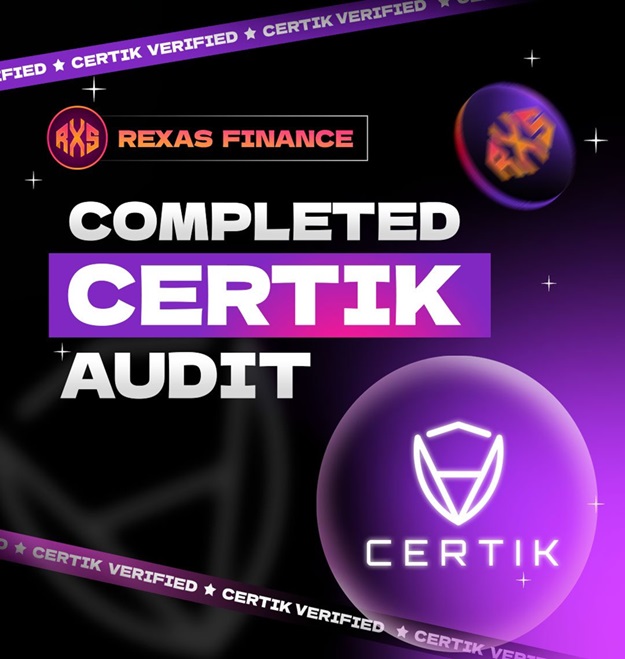
RXS serves as a practical token with important functions throughout Rexas Finance’s whole system. Holders can pay network transaction costs and move assets between different chains using RXS tokens to purchase asset tokens from any market. Through staking and yield farming RXS lets its users support network security and earn rewards by providing network liquidity for the community. RXS holders can make important decisions about new projects and system upgrades through their voting power while keeping the platform aligned with user requirements. RXS proves itself trustworthy by using blockchain technology to secure smart contracts that Certik audited to build investor and user trust.

RXS Presale 92% Sold — Get In at $0.20

People strongly support RXS because of its growing power. The presale enters its final stage number twelve with the token available at $0.200. The presale has achieved strong success with 92.38% completion and $48,378,909 raised out of $56,000,000 target funding along with 461,892,254 tokens sold out of 500,000,000 total available. The strong demand indicates that people believe in the platform’s business goals and practical uses. The project reaches a significant benchmark on June 19, 2025 when RXS starts trading at $0.25 while giving existing participants an opportunity to see immediate gains. The fact that RXS appears on CoinMarketCap and CoinGecko alongside its Certik audit proves its position as a reliable player in the crypto space as it develops.

RXS Set to Outpace SHIB — 22,950% Growth Forecast as Trillions in Real Assets Go Digital!

The AI-driven RXS forecast stands far beyond predicted Shiba Inu growth rates of 500%, 1000%, and 2000%. The crypto world sees RXS as an innovator that will rise by 22,950% based on its expected impact. RXS has huge potential growth because it enables trillions of dollars worth of real-world assets to become easily tradable for everyone. Investors looking to invest in tangible assets through blockchain will increase their demand for RXS tokens which will push up their value.
Conclusion

Rexas Finance stands out from other DeFi projects because its platform connects old financial systems with the decentralized future. Through its full suite of features including tokenization of RWA assets plus lending/borrowing and staking options the RXS platform gives unmatched security and practical use. The RXS project keeps growing in value as the presale runs while experts predict 22,950% future growth and expect an exchange listing soon. RXS emerges as the standout token because it has the ability to bring new asset ownership methods while creating substantial profits for investors who join early.


Website: https://rexas.com

Whitepaper: https://rexas.com/rexas-whitepaper.pdf

Twitter/X: https://x.com/rexasfinance

Telegram: https://t.me/rexasfinance
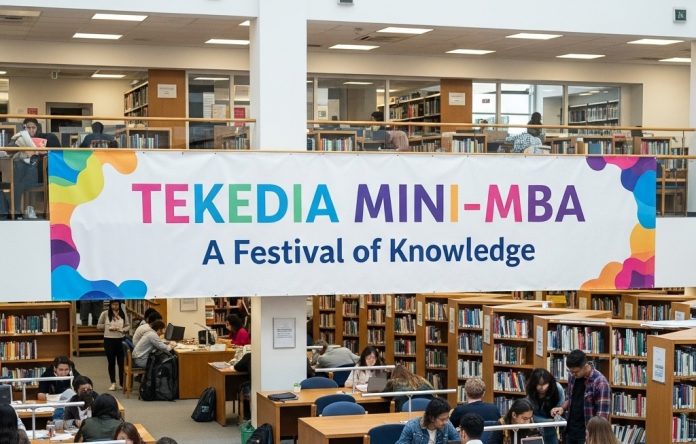
The Academic Festival Begins on June 9, 2025; Get Your Ticket Today

0

Do not miss the knowledge festival which will begin on June 9, 2025 . The knowledge of a people is the wealth of a people. Tekedia Institute is the temple for the mastery of the mechanics of entrepreneurial capitalism and business systems in Africa. Yours truly, Ndubuisi Ekekwe, will be the lead priest along with dozens of business executives from global and local companies you admire.

We have got many NEW courses developed by our world-class faculty members. Go into the future of markets with them. Be a Champion. Be an Innovator. Ascend into that New leadership position. We have got the tools to help you. But you need to come to the festival!

Come to Africa’s temple of business knowledge. REGISTER here  and get the massive discounts if you register before the early bird expires. N120,000 (or $170) for the 12-week program. Do the annual plan on the same page and get FREE one year access to blucera.com which launches on June 9 2025.

VanEck’s PurposeBuilt Fund Launching on Avalanche Blockchain Is Forward-Thinking Initiative

0

VanEck is launching the PurposeBuilt Fund in June 2025, focused on the Avalanche blockchain ecosystem. The fund aims to support projects with long-term utility in sectors like Web3 gaming, decentralized finance (DeFi), artificial intelligence (AI), and real-world asset (RWA) tokenization. It will target accredited investors and deploy capital into Avalanche-native projects, including tokenized money market funds and other on-chain financial instruments, to enhance liquidity and ecosystem growth.

Pranav Kanade, VanEck’s Portfolio Manager, emphasized Avalanche’s strong developer ecosystem as a key reason for this focus, aiming to back “real businesses” over speculative trends. The fund is managed by the same team behind VanEck’s Digital Assets Alpha Fund, which oversees over $100 million. This move is expected to boost Avalanche’s Total Value Locked (TVL) and attract institutional capital.

The launch of VanEck’s PurposeBuilt Fund focusing on the Avalanche ecosystem carries significant implications for the blockchain, its native projects, and the broader digital asset market. The fund will inject capital into Avalanche-native projects, likely increasing Total Value Locked (TVL) in its DeFi, gaming, AI, and RWA tokenization sectors. This could enhance the platform’s scalability and adoption.

VanEck’s involvement signals strong institutional confidence in Avalanche’s technology, particularly its subnet architecture and high-throughput capabilities. This could attract more institutional players, further legitimizing Avalanche as a competitor to Ethereum and other layer-1 blockchains. Early-stage Avalanche projects in DeFi, gaming, and tokenized assets will gain access to funding, potentially accelerating development and innovation. This could lead to new use cases, such as tokenized real estate or AI-driven decentralized applications.

Increased institutional interest and capital inflows could drive demand for AVAX, Avalanche’s native token, potentially increasing its price. Historical data shows that institutional fund launches often catalyze price rallies for associated tokens (e.g., Ethereum’s price surge post-ETF approvals). The fund may shift capital and attention away from other layer-1 ecosystems like Ethereum, Solana, or Binance Smart Chain, intensifying competition among blockchains for developer and investor mindshare.

The focus on Web3 gaming, DeFi, AI, and RWAs could position Avalanche as a leader in these niches, potentially drawing developers from other ecosystems. By supporting tokenized money market funds and other real-world assets, the fund could bridge traditional finance (TradFi) and DeFi, making Avalanche a hub for institutional-grade financial products. VanEck’s backing may attract more developers to build on Avalanche, leveraging its low-cost, high-speed transactions and subnet flexibility, further enriching the ecosystem.

The fund is restricted to accredited investors, creating a divide between wealthy individuals/institutions and retail investors. While accredited investors gain early access to high-potential Avalanche projects, retail investors may only benefit indirectly through AVAX price appreciation or secondary market exposure. Avalanche’s ecosystem will likely see disproportionate growth compared to other layer-1 platforms, potentially widening the gap in TVL, developer activity, and market relevance.

Smaller or less-funded chains may struggle to compete. The fund’s focus on “real businesses” may favor established Avalanche projects with proven utility, potentially sidelining smaller or experimental initiatives that lack immediate commercial appeal. Institutional funds like VanEck’s often consolidate wealth among large players, potentially exacerbating inequality in the crypto space. Retail investors may face barriers to accessing similar high-yield opportunities.

While the fund aims to support utility-driven projects, speculative hype around Avalanche could lead to volatile price swings, benefiting early investors but exposing latecomers to risks. The fund’s focus on Avalanche’s subnet architecture (scalable, application-specific blockchains) may prioritize projects leveraging subnets over those on the mainnet, creating a technological divide within the ecosystem.

Projects in gaming, DeFi, AI, and RWAs may receive more attention, potentially leaving other sectors (e.g., NFTs or social platforms) underrepresented unless they align with the fund’s priorities. The fund’s availability to accredited investors, likely based in the U.S. or other major markets, may exclude participants from regions with stricter regulations or lower wealth thresholds, reinforcing global financial disparities.

The focus on tokenized financial instruments like money market funds could attract regulatory scrutiny, especially in jurisdictions with unclear crypto regulations, potentially limiting the fund’s global impact. Avalanche could encourage VanEck to allocate some capital to smaller, innovative projects to balance growth across the ecosystem.

Secondary markets or Avalanche-based DeFi platforms could offer retail investors exposure to fund-backed projects, democratizing access. Avalanche could partner with other layer-1 platforms to share best practices, reducing the competitive divide. VanEck and Avalanche developers should engage with regulators to ensure tokenized assets comply with global standards, broadening accessibility.

VanEck’s PurposeBuilt Fund is a bullish signal for Avalanche, promising increased investment, liquidity, and institutional adoption. However, it also highlights divides between accredited and retail investors, Avalanche and competing blockchains, and established versus emerging projects. By strategically addressing these disparities, Avalanche and VanEck can maximize the fund’s impact while fostering inclusive growth in the ecosystem.

FIFA Partners with Avalanche to Launch A Layer-1 Blockchain

0

FIFA has partnered with Avalanche to launch a custom Layer-1 blockchain, named the FIFA Blockchain, to enhance its Web3 strategy and fan engagement for its global audience of over five billion. This blockchain, built on Avalanche’s high-performance, scalable infrastructure, will power FIFA Collect, a platform for digital collectibles like NFTs, previously hosted on Algorand and Polygon.

The migration to Avalanche offers improved speed, scalability, and Ethereum Virtual Machine (EVM) compatibility, enabling seamless integration with wallets like MetaMask. The initiative, supported by Modex, aims to deliver unique fan experiences, such as digital collectibles, virtual meet-and-greets, and potentially tokenized ticketing or fan governance in the future. This follows FIFA’s earlier NFT efforts for the 2022 Qatar World Cup and aligns with Avalanche’s recent Avalanche9000 upgrade to attract developers. Specific future plans remain undisclosed.

The partnership between FIFA and Avalanche to launch a custom Layer-1 blockchain (FIFA Blockchain) has significant implications for the sports industry, blockchain adoption, and fan engagement, but it also highlights a growing divide in accessibility, adoption, and perception of Web3 technologies. The FIFA Blockchain, powering platforms like FIFA Collect, enables fans to own, trade, and engage with digital collectibles (e.g., NFTs of iconic moments, player cards, or match highlights). These assets, built on Avalanche’s scalable infrastructure, offer fans new ways to interact with FIFA’s ecosystem, such as virtual meet-and-greets or tokenized rewards.

While not yet confirmed, the blockchain could support tokenized ticketing for events like the World Cup or fan governance mechanisms (e.g., voting on tournament decisions), creating more interactive and decentralized fan experiences. With FIFA’s audience exceeding five billion, the blockchain could drive mass adoption of Web3 technologies, introducing millions to digital wallets, NFTs, and decentralized applications (dApps).

Blockchain Scalability and Performance

Avalanche’s high throughput (potentially thousands of transactions per second), low latency, and EVM compatibility make it a robust choice for FIFA’s global-scale needs. This ensures a smooth user experience for fans, unlike slower or costlier blockchains. The shift to Avalanche from previous platforms like Algorand and Polygon suggests a strategic move toward a more scalable and interoperable ecosystem, potentially reducing transaction costs and improving accessibility for users.

FIFA can monetize digital collectibles, licensing deals, and potential metaverse integrations, creating new revenue streams beyond traditional ticketing and broadcasting. The partnership with Avalanche and Modex opens doors for further collaborations with Web3 companies, potentially attracting brands to sponsor digital assets or experiences.

Sports organizations like FIFA adopting blockchain technology could normalize Web3 for mainstream audiences, similar to how gaming or social media has driven tech adoption historically. Avalanche’s Avalanche9000 upgrade, which supports custom L1 blockchains like FIFA’s, could draw more developers to build sports-related dApps, fostering innovation in fan engagement tools.

FIFA’s move aligns with other sports organizations exploring Web3, such as the NBA’s Top Shot or Formula 1’s NFT initiatives. This positions FIFA as a forward-thinking leader in sports innovation, potentially strengthening its brand among tech-savvy younger audiences. The adoption of a FIFA Blockchain also underscores and potentially widens several divides in the context of Web3 and sports fandom.

Fans in regions with limited internet access, outdated devices, or low digital literacy may struggle to participate in FIFA’s Web3 initiatives. For example, while Avalanche’s low transaction fees improve accessibility, fans still need compatible devices and wallets (e.g., MetaMask) to engage with FIFA Collect. Despite Avalanche’s cost efficiency, purchasing NFTs or participating in premium experiences may remain out of reach for fans in lower-income regions, creating an economic divide between those who can afford digital collectibles and those who cannot.

Fans unfamiliar with blockchain technology or skeptical of NFTs (due to past scams or environmental concerns) may be reluctant to engage, alienating a portion of FIFA’s fanbase. This is particularly relevant given the backlash against NFTs in some communities. Adoption may be stronger in tech-forward regions like North America, Europe, or Asia, while fans in less tech-savvy regions (e.g., parts of Africa or South America) may lag, creating uneven engagement globally.

The NFT and blockchain space has faced criticism for speculative bubbles, environmental concerns (though Avalanche is relatively energy-efficient), and perceived exclusivity. Some fans may view FIFA’s move as a cash grab rather than a genuine effort to enhance engagement. Traditional fans may prioritize affordable tickets, better stadium experiences, or fair governance over digital collectibles, leading to a divide between tech-enthusiast fans and those focused on physical-world experiences.

Blockchain-based platforms face varying regulations worldwide, from crypto-friendly regions like Dubai to restrictive environments like China. FIFA must navigate these complexities, which could limit access for fans in certain countries. Fans engaging with the FIFA Blockchain will share data via wallets and dApps, raising concerns about privacy and security, particularly in regions with stringent data protection laws (e.g., GDPR in Europe).

While Avalanche is more energy-efficient than proof-of-work blockchains like Ethereum, any blockchain initiative may still face scrutiny from environmentally conscious fans, especially given FIFA’s global visibility and past controversies around sustainability (e.g., Qatar World Cup criticisms).

FIFA’s partnership with Avalanche to launch a Layer-1 blockchain is a bold step toward integrating Web3 into global sports, promising enhanced fan engagement, new revenue streams, and mainstream blockchain adoption. However, it risks deepening divides in access, adoption, and perception, particularly between tech-savvy and traditional fans, affluent and less affluent audiences, and regions with varying technological and regulatory landscapes.

Top Challenges in Global Business and How to Overcome Them

0

Because the world is so connected, companies are going international to take advantage of new possibilities. Globalization is helpful for companies, but it also brings unique hurdles they must overcome to do well internationally. This article looks at the most important problems in global business management and shares approaches to deal with them successfully.

Introduction

Global business management involves overseeing operations, strategies, and resources across multiple countries and cultures. Good knowledge of various markets, regulations, and cultural circumstances is needed. Competing in other countries creates new hurdles for businesses, which can change how well they perform. It is essential to see and overcome these challenges to achieve sustainable results worldwide.

Top challenges of global business management

1. Navigating Cultural Differences

Cultural diversity is a hallmark of global business. However, differences in language, communication styles, business etiquette, and societal norms can lead to misunderstandings and conflicts.

Strategies to Overcome:

  • Cultural Training: Implement comprehensive training programs to educate employees about cultural sensitivities and practices.
  • Local Expertise: Engage local consultants or partners who understand the regional culture and can bridge gaps.
  • Inclusive Policies: Develop organizational policies that respect and incorporate diverse cultural perspectives.

2. Managing Regulatory Compliance

Because it works in more than one country, the company must obey different laws and regulations. Having non-compliance in your business makes you vulnerable to legal charges and harms your reputation.

Strategies to Overcome:

  • Legal Consultation: Work with legal experts familiar with international laws and regulations.
  • Compliance Programs: Establish robust compliance programs to monitor and ensure adherence to local laws.
  • Regular Audits: Conduct periodic audits to identify and address compliance issues proactively.

3. Addressing Supply Chain Complexities

Global supply chains are susceptible to disruptions due to geopolitical tensions, natural disasters, or pandemics. These disruptions can affect production and delivery timelines.

Strategies to Overcome:

  • Diversification: Source materials and products from multiple suppliers across different regions to mitigate risks.
  • Technology Integration: Utilize supply chain management software for real-time tracking and forecasting.
  • Contingency Planning: Develop contingency plans to respond swiftly to unforeseen disruptions.

4. Overcoming Communication Barriers

Effective communication is vital in global operations. Language differences and varying communication styles can hinder collaboration and efficiency.

Strategies to Overcome:

  • Language Training: Offer language courses to employees to facilitate better communication.
  • Translation Services: Employ professional translation services for critical documents and communications.
  • Unified Communication Platforms: Implement platforms that support multilingual communication and collaboration.

5. Managing Currency Fluctuations

Exchange rate volatility can impact pricing, revenues, and profitability in international transactions.

Strategies to Overcome:

  • Hedging Strategies: Use financial instruments to hedge against currency risks.
  • Pricing Adjustments: Regularly review and adjust pricing strategies to account for currency fluctuations.
  • Financial Monitoring: Continuously monitor exchange rates and economic indicators in key markets.

6. Ensuring Data Security and Privacy

Data protection laws vary from country to country. Not following landscaping laws can result in trouble with the law and less trust from your customers.

Strategies to Overcome:

  • Compliance with Local Laws: Understand and comply with data protection laws in each operating country.
  • Robust IT Infrastructure: Invest in secure IT systems to protect sensitive data.
  • Employee Training: Educate employees about data security best practices and protocols.

7. Adapting to Market Dynamics

Because preferences, economies, and competitors differ between regions, businesses should modify their strategies accordingly.

Strategies to Overcome:

  • Market Research: Conduct thorough research to understand local consumer behavior and preferences.
  • Product Localization: Customize products and services to align with local tastes and requirements.
  • Flexible Strategies: Develop adaptable business strategies that can be tailored to different markets.

Conclusion

Running a global business well demands a planned strategy, respect for cultures, and flexibility. Businesses that act ahead of challenges like those mentioned above can prepare themselves well for solid growth globally.

For professionals who wish to build their knowledge and improve their skills in global business management, programs like the global business management course offer valuable insights and practical knowledge to effectively lead in a globalized economy.