DD
MM
YYYY

PAGES

DD
MM
YYYY

spot_img

PAGES

Home Blog Page 1358

Cost Savings with LPG Forklifts vs. Traditional Gas Forklifts

0

LPG (Liquefied Petroleum Gas) forklifts offer significant cost advantages over traditional gasoline-powered models across several key areas. For businesses looking to optimize their material handling operations, the switch to LPG can yield substantial savings while maintaining high performance standards.

Fuel Cost Savings

LPG typically costs 30-40% less per operational hour compared to gasoline. A medium-duty forklift running on gasoline might consume $12-15 worth of fuel per 8-hour shift, while an equivalent LPG model would use only $7-9 worth of fuel for the same period. For a fleet of just five forklifts operating daily, this represents potential annual savings of $15,000-$20,000.

Maintenance Cost Reduction

LPG forklifts experience less engine wear due to cleaner combustion. This regulator, the Impco Model J, is particularly effective at delivering consistent fuel flow that reduces carbon buildup and extends engine life. The reduced carbon deposits translate to:

  • 20-30% fewer oil changes
  • Extended spark plug life
  • Less frequent tune-ups
  • Reduced engine component replacement

These maintenance advantages typically save operators $800-1,200 per forklift annually compared to gasoline models.

Operational Efficiency

LPG forklifts provide several operational benefits that translate directly to cost savings:

  • Quick refueling (2-3 minutes to swap tanks vs. 10+ minutes for refueling)
  • No fuel spillage waste or cleanup costs
  • Less downtime for repairs
  • Consistent power output throughout tank usage

Extended Equipment Lifespan

The cleaner-burning properties of LPG contribute to an average 15-20% longer service life for the forklift. With proper maintenance, an LPG forklift can remain operational for 12,000-15,000 hours versus 10,000-12,000 for comparable gasoline models, representing thousands in delayed replacement costs.

Total Cost of Ownership

When calculating the total five-year cost of ownership for a medium-duty forklift:

  • Gasoline forklift: Approximately $65,000-75,000
  • LPG forklift: Approximately $52,000-60,000

This represents potential savings of $13,000-15,000 per unit over this period.

Environmental Compliance Cost Avoidance

LPG forklifts produce fewer emissions, helping businesses avoid potential non-compliance penalties in jurisdictions with strict environmental regulations. They produce approximately 60% less carbon monoxide than gasoline counterparts, with significantly reduced particulate matter and nitrogen oxide emissions.

For businesses considering their material handling equipment options, the switch to LPG forklifts presents a compelling financial case alongside operational and environmental benefits, making them an increasingly popular choice for warehouse and logistics operations.

Evaluating NATO’s Defense Stance and Germany’s Push For Increased 5% Defense Spending

0

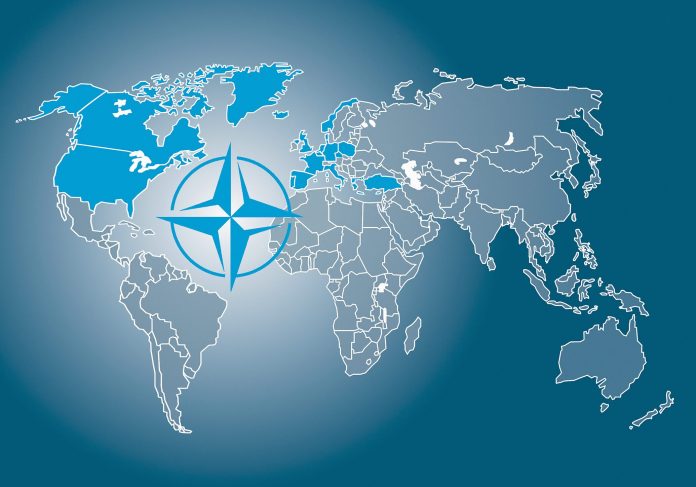
Recent developments indicate Germany’s evolving stance on NATO defense spending, particularly in response to calls for increased contributions, including U.S. President Donald Trump’s push for NATO members to spend 5% of GDP on defense. Boris Pistorius has expressed skepticism about the feasibility of a 5% GDP defense spending target, noting in early 2025 that it would require around 42% of Germany’s federal budget, approximately €230 billion, which he called “unrealistic” and unnecessary. He emphasized that meeting NATO’s capability targets within agreed timelines is more critical than chasing specific percentages.

By May 2025, Pistorius appeared to signal openness to higher defense spending, stating that Germany’s defense budget would need to exceed 3% of GDP to meet NATO capability goals, potentially aligning with broader discussions about reaching 5% when including infrastructure and other security-related costs. This shift followed comments from German Foreign Minister Johann Wadephul, who endorsed Trump’s 5% target, suggesting Germany would “follow” this demand.

Pistorius has advocated for a significant increase in Germany’s defense budget, proposing a rise to over €60 billion annually starting in 2025, up from €51.8 billion in 2024, with plans to reach €80–90 billion by 2028 to address heightened security concerns, particularly the Russian threat. These funds would support NATO commitments, Ukraine aid, and modernization of the Bundeswehr, which Chancellor Friedrich Merz aims to make Europe’s strongest conventional army.

Discussions around the 5% target include redefining defense spending to encompass infrastructure (e.g., roads and bridges for military mobility), intelligence, and other security costs, potentially bringing Germany closer to the 5% figure without solely focusing on military budgets. Germany faces budgetary constraints, with a collapsed coalition government in November 2024 and snap elections in February 2025 delaying long-term fiscal planning. The constitutional debt brake further complicates funding, though Pistorius has pushed for its reform to accommodate defense spending.

While Pistorius has not explicitly outlined a detailed “roadmap” for a 5% target, his recent statements suggest a strategy involving incremental budget increases, a focus on NATO capability goals, and potentially redefining defense spending to include broader security investments. The implications of German Defense Minister Boris Pistorius’ evolving stance on NATO’s proposed 5% GDP defense spending target, as well as Germany’s broader defense strategy, are significant for Germany, NATO, and global security dynamics.

Achieving or approaching a 5% GDP target (approximately €230 billion annually) would require a massive reallocation of resources, potentially consuming 42% of Germany’s federal budget. This could strain public finances, especially given the constitutional debt brake, which limits deficit spending. Reforming the debt brake, as Pistorius advocates, could face political resistance but may be necessary to fund defense increases.

The collapse of the coalition government in November 2024 and upcoming snap elections in February 2025 complicate long-term budget planning. A new government, led by Friedrich Merz, may prioritize defense but face challenges balancing social welfare, infrastructure, and security spending amid public and political scrutiny. Increased defense spending could spark domestic debate, as Germans have historically been cautious about militarization. Pistorius would need to justify the economic trade-offs to maintain public support, particularly if taxes rise or other sectors face cuts.

Germany’s willingness to exceed the current 2% NATO target (already met in 2024) and consider 3–5% demonstrates a stronger commitment to collective defense, potentially boosting its influence within NATO. This aligns with Chancellor Merz’s goal of making the Bundeswehr Europe’s strongest conventional army. U.S. President Donald Trump’s push for a 5% target has pressured allies like Germany. By signaling openness to higher spending, Germany may mitigate transatlantic tensions and avoid U.S. criticism or threats to reduce NATO commitments, fostering alliance cohesion.

Germany’s budget increases could set a precedent for other NATO members, encouraging wealthier allies to contribute more. However, redefining defense spending to include infrastructure and intelligence could spark debates over what qualifies as “defense,” potentially complicating NATO’s accounting standards. Increased funding (e.g., €60 billion in 2025, aiming for €80–90 billion by 2028) would accelerate modernization of Germany’s armed forces, addressing critical gaps in equipment, personnel, and readiness exposed by years of underinvestment. This supports NATO’s capability targets and enhances deterrence against threats like Russia.

Higher budgets would enable Germany to sustain or increase aid to Ukraine, reinforcing its role as a key European security provider. This is critical given ongoing Russian aggression and the need for NATO’s eastern flank to remain robust. Including infrastructure like roads and bridges in defense spending could improve NATO’s military mobility across Europe, enabling faster deployment of forces in a crisis. This aligns with NATO’s strategic priorities but requires coordination with allies.

Germany’s increased defense spending and focus on NATO capabilities directly address the heightened Russian threat, particularly following the 2022 invasion of Ukraine. A stronger Bundeswehr enhances deterrence and signals to Moscow that NATO’s European members are serious about collective defense. As a leading EU economy, Germany’s defense buildup could drive greater European strategic autonomy, reducing reliance on the U.S. while complementing NATO. This aligns with calls from leaders like Merz to make Europe’s defense more self-sufficient.

A more militarily assertive Germany could reshape its global image, moving away from post-WWII restraint. However, this shift may raise concerns among neighbors, requiring careful diplomacy to avoid misperceptions of German militarism. Higher budgets would stimulate Germany’s defense sector, benefiting companies like Rheinmetall and creating jobs. This could also enhance Germany’s role in European defense initiatives, such as joint procurement and innovation.

Diverting funds to defense could limit investments in climate, healthcare, or education, potentially impacting Germany’s economic competitiveness. Pistorius’ push to redefine defense spending (e.g., including infrastructure) may mitigate this by leveraging dual-use investments. The debt brake and post-election budget negotiations could delay or limit spending increases, undermining Germany’s ability to meet NATO targets quickly.

Aligning Germany’s spending with NATO’s capability goals requires agreement on priorities, timelines, and metrics, which could be complicated by differing ally perspectives. Sustaining high defense budgets over time, especially if the 5% target becomes a formal NATO goal, will test Germany’s economic resilience and political will, particularly if global economic conditions worsen.

Germany’s potential roadmap toward a 5% NATO target, as implied by Pistorius’ statements, signals a strategic pivot toward greater defense investment and leadership within NATO. While enhancing deterrence, alliance cohesion, and military modernization, it poses domestic fiscal and political challenges. The redefinition of defense spending to include infrastructure and broader security costs could help Germany approach the target without crippling other sectors, but implementation hinges on post-election stability and NATO-wide coordination.

Workplace Gender Harassment Indicates 24% Female Vs 15% Male Workers in Germany

0

A recent survey by the Nuremberg-based Institute for Employment Research found that 20% of employees in Germany have experienced or witnessed sexual harassment in the workplace. The study, released on May 20, 2025, indicates that 24% of female workers and 15% of male workers are affected. The survey included workers and businesses with at least 50 employees. It highlighted that incidents often go unreported due to fear of negative consequences or shame, with only 13% of surveyed companies reporting at least one case in the past two years.

The study also noted that men in sectors like healthcare, social services, public administration, education, and teaching report higher instances of harassment compared to other industries, while women are less likely to trust employers to address complaints effectively. The Institute for Employment Research survey revealing that 20% of German workers experience or witness sexual harassment at work has significant implications for workplace culture, policy, and gender dynamics.

The low reporting rate (only 13% of companies noted incidents in the past two years) suggests a lack of trust in employers’ ability to handle complaints effectively, particularly among women. This can perpetuate a culture of silence, allowing harassment to persist unchecked. Fear of negative consequences or shame, as noted in the study, indicates a need for stronger workplace policies that protect victims and encourage reporting without retaliation.

Sectors like healthcare, social services, public administration, education, and teaching show higher rates of harassment, particularly for men. This suggests that industries with close interpersonal interactions or hierarchical structures may be more prone to such issues, requiring targeted interventions. The variation across industries highlights the need for tailored training and awareness programs to address specific workplace dynamics.

Economic and Productivity Impacts

Sexual harassment can lead to decreased job satisfaction, higher turnover, and reduced productivity. Companies that fail to address these issues risk financial losses and reputational damage. Employees experiencing harassment may face mental health challenges, increasing absenteeism and healthcare costs. The findings underscore the need for stronger enforcement of anti-harassment laws and policies in Germany. Companies with 50+ employees, as surveyed, must implement clearer reporting mechanisms and training to comply with legal standards and foster safer workplaces.

Policymakers may face pressure to introduce stricter regulations or incentives to ensure companies prioritize harassment prevention. The prevalence of harassment reflects broader societal attitudes toward gender and power dynamics. Public discourse and education campaigns may be needed to challenge norms that enable such behavior. The data could spur advocacy for more inclusive workplace cultures that prioritize respect and equity.

24% of female workers versus 15% of male workers report experiencing or witnessing harassment. This disparity reflects women’s greater vulnerability to harassment, likely due to systemic gender inequalities and power imbalances in workplaces. Men in sectors like healthcare and education report higher rates of harassment compared to other industries, possibly due to interactions with clients, patients, or students. Women, however, face harassment across a broader range of sectors, indicating a more pervasive issue.

Women are less likely to trust employers to handle complaints effectively, which may stem from experiences of dismissal or retaliation. This lack of trust exacerbates underreporting among female workers compared to their male counterparts. Men may be less likely to recognize or report certain behaviors as harassment due to social norms around masculinity, potentially understating their experiences. Women, conversely, may be more aware of harassment due to its higher prevalence and societal discussions around #MeToo and similar movements.

To address these issues, companies and policymakers could: Implement anonymous reporting systems to build trust and encourage reporting across genders. Conduct gender-specific training to address the unique experiences of men and women, focusing on awareness and bystander intervention.

Foster inclusive leadership to challenge power dynamics that disproportionately affect women. Promote sector-specific policies, particularly in high-risk industries like healthcare and education, to protect all workers. The gender divide in experiences and trust underscores the need for nuanced approaches that consider both shared and distinct challenges faced by men and women in combating workplace sexual harassment.

Kraken Secures Markets in Financial Instruments Directive (MiFID) License in Cyprus

0

Kraken has secured a Markets in Financial Instruments Directive (MiFID) license through the acquisition of a Cypriot investment firm, approved by the Cyprus Securities and Exchange Commission (CySEC). This license enables Kraken to offer regulated crypto derivatives trading, including perpetual swaps with up to 5x leverage, quarterly futures contracts, and cross-collateralization across 12 major cryptocurrencies, to advanced traders across all 27 EU member states and the European Economic Area (EEA).

The move, announced on February 3, 2025, and further detailed on May 20, 2025, aligns with Kraken’s European expansion strategy, leveraging Cyprus’ regulatory framework and MiFID passporting capabilities to provide compliant trading services. This positions Kraken to compete with platforms like Bitstamp and Binance in the $12 billion European crypto derivatives market, which accounts for 70-75% of global crypto trading volume. Kraken’s focus on regulatory compliance enhances accessibility for institutional and sophisticated retail traders, with products designed for capital efficiency and risk management.

Kraken’s MiFID license, secured through Cyprus, grants access to all 27 EU member states and the EEA, significantly expanding its market reach. This enables Kraken to tap into the $12 billion European crypto derivatives market, which dominates global crypto trading volume (70-75%). The license allows Kraken to offer regulated derivatives like perpetual swaps (up to 5x leverage) and quarterly futures, appealing to institutional and sophisticated retail traders seeking advanced trading tools.

Operating under Cyprus’ MiFID framework, Kraken aligns with stringent EU regulations, enhancing its credibility. This compliance is critical in a region where regulatory scrutiny is intensifying (e.g., MiCA regulation effective December 2024). The license positions Kraken as a trusted platform, potentially attracting users wary of unregulated exchanges, especially after high-profile incidents like the FTX collapse.

Competitive Positioning

Kraken now competes directly with Bitstamp, Binance, and other licensed platforms in the EU. Its focus on derivatives with cross-collateralization across 12 major cryptocurrencies offers unique capital efficiency, potentially differentiating it from competitors. The move strengthens Kraken’s European foothold, complementing its existing licenses (e.g., Germany’s BaFin, Netherlands’ VASP).

By offering regulated derivatives, Kraken supports financial innovation in the EU, catering to growing demand for sophisticated crypto products. This could drive capital inflows and boost Cyprus’ role as a crypto hub. The deal may encourage other exchanges to pursue EU licenses, intensifying competition and fostering regulatory harmonization.

Kraken’s license highlights a growing divide in the crypto industry, particularly in Europe. Kraken’s license aligns it with platforms like Bitstamp, adhering to MiCA and MiFID rules. These platforms prioritize compliance, transparency, and investor protection, appealing to institutional investors and risk-averse users. Some exchanges operate outside EU regulations, offering higher leverage or less oversight. These platforms attract speculative traders but face risks of regulatory crackdowns or user mistrust post-FTX.

Retail traders may prefer unregulated platforms for higher leverage or lower fees, but Kraken’s regulated derivatives (e.g., 5x leverage) cater to sophisticated retail traders seeking safety. Institutional investors prioritize compliance and risk management, making Kraken’s regulated offerings more appealing. Cross-collateralization and futures contracts suit their strategies. Kraken’s license ensures seamless access across 27 member states, but MiCA’s strict rules may limit product flexibility compared to less-regulated jurisdictions.

Platforms in jurisdictions like Dubai or Singapore may offer more permissive environments, attracting traders seeking fewer restrictions. However, they lack the EU’s market size and regulatory clarity. Kraken’s move balances innovation (new derivatives products) with compliance, but the divide persists between platforms pushing experimental DeFi products (often unregulated) and those adhering to traditional financial regulations.

Over-regulation risks stifling innovation, while under-regulation can lead to market instability, as seen in past crypto crashes. Kraken’s EU license strengthens its position as a compliant, competitive player in the European crypto market, bridging the gap between innovation and regulation. However, it underscores a broader divide between regulated and unregulated platforms, retail and institutional priorities, and regional regulatory differences.

How Safe Is Dating4lover? We Tested It So You Don’t Have To

0

Online dating can be exciting, but it’s not without its risks. From fake profiles to data privacy issues, there are numerous challenges users face when looking for meaningful connections. That’s why selecting a trustworthy dating site is so important. In this Dating4lover review, we’ll look into how the platform protects its users and provides a secure, welcoming environment for people looking to form online relationships.

Dating4lover isn’t just another dating site—it’s a platform built with safety, realness, and compatibility in mind. Its combination of AI-driven features, verified profiles, and a hands-on moderation team ensures your experience is both enjoyable and secure. Read on to explore how this platform helps foster honest communication while safeguarding your data every step of the way.

What Is Dating4lover?

Dating4lover is an international dating platform designed to connect people from various backgrounds who are interested in companionship. Whether you’re looking for a long-term partner, someone to casually chat with, or just hoping to meet new people with similar interests, Dating4lover offers a reliable space for social interaction.

The platform is structured to make communication feel natural and engaging. Its intuitive interface and modern features allow users to send messages, express interest through likes or winks, and participate in meaningful conversations with like-minded individuals. You can think of it as your digital meeting ground for romance and friendship—all wrapped in a protective shell of security protocols.

What Is Dating4lover Used For?

Dating4lover is good for people seeking online romance, cross-cultural friendships, or just interesting conversations. The site’s search function helps you narrow down profiles based on your preferences, be it age, interests, or location. Once you find someone who catches your attention, you can easily reach out through chat, send a like, or follow them to stay updated on their activity.

Whether you’re looking for someone to spend your life with or simply enjoy a few meaningful conversations, Dating4lover gives you the freedom to pursue connections on your own terms. This makes it an excellent choice for people who value both flexibility and emotional depth in their digital interactions.

Dating4lover’s Security System

Let’s face it: safety is a top concern for anyone using a dating site. According to global statistics, nearly a third of internet users worry about how their data is being handled online. With that in mind, Dating4lover has implemented advanced security measures to ensure that your private information is never misused or leaked.

The platform uses a combination of AI-based detection tools and real-time human moderation to monitor activities. Suspicious accounts are flagged, reviewed, and removed if necessary. All personal messages, photos, and videos shared on the site are encrypted to prevent unauthorized access. This means your data stays between you and the person you’re talking to—just as it should be.

Dating4lover also has a reporting system that empowers users to flag any inappropriate or malicious behavior. The support team is quick to respond, ensuring that the user experience remains respectful and harassment-free.

Profile Verification

One of the most common questions people ask is: Is Dating4lover fake or real? The answer is simple—Dating4lover is a legitimate platform committed to connecting real people. To ensure authenticity, the site requires users to go through a verification process before they gain full access to its features.

Profiles that don’t pass verification are either restricted or banned. This significantly reduces the number of fake accounts and bots, creating a healthier environment for communication. Verified users get to enjoy conversations with individuals who are interested in forming connections, not just playing games.

The benefit of verified profiles is that it encourages trust and openness, which are essential when building any relationship—online or offline.

Data Protection Measures

Another crucial question many users have is: Is Dating4lover safe? In short, yes. The platform goes the extra mile to protect user data, including messages, multimedia files, and personal details. All information is stored securely and is not shared with third parties or indexed by search engines like Google.

You can share photos with peace of mind, knowing that your data is handled responsibly. The site’s privacy policy is transparent, and users have full control over what information they wish to share and with whom.

Is Dating4lover Legit?

Let’s settle the question once and for all—Is Dating4lover legit? Yes, it is. The site has a growing base of satisfied users from across the globe. Whether you’re in North America, Europe, or Asia, Dating4lover makes it easy to meet people with similar values and relationship goals.

The combination of rigorous verification, professional moderation, and AI-driven safety features creates a trusted environment for its members. So if you’ve been holding back from online dating due to concerns about legitimacy, Dating4lover might be the platform that changes your mind.

Community and User Experience

Beyond safety, Dating4lover offers a warm and inviting community. Many users appreciate the friendly tone of the platform and the respectful communication culture it fosters. There’s no pressure to move too fast or reveal too much. You’re free to take things at your own pace, which is ideal for people new to online dating or those recovering from past relationship challenges.

The platform also runs various features aimed at improving the overall experience, such as profile suggestions, interest tagging, and even conversation prompts to help break the ice.

Conclusion

In a world where online connections can often feel superficial or risky, Dating4lover stands out as a platform that prioritizes safety, authenticity, and user well-being. Whether you’re looking for love, friendship, or simply want to explore meaningful conversations with people from different cultures, this site offers a secure and welcoming environment to do so.

Throughout this Dating4lover review, we’ve explored how the platform’s security protocols, real-user verification, and commitment to data protection contribute to a high-quality user experience. So, if you’re still wondering “Is Dating4lover safe to use?”—the answer is a confident yes.

FAQ

What is Dating4lover?

Dating4lover is a global dating platform designed to help people find romantic partners or friends in a safe and respectful online environment. It emphasizes profile authenticity and user privacy.

What is Dating4lover used for?

The platform is ideal for finding serious relationships, friendships, or casual chats. Users can search for potential matches, exchange messages, and build connections at their own pace.

Is Dating4lover legit?

Yes, Dating4lover is a legitimate platform with real users, verified profiles, and a strong safety infrastructure.

Is Dating4lover safe?

Absolutely. Dating4lover employs AI-based protection, encrypted messaging, and human moderation to keep the platform free from scams, harassment, and data breaches.

Is Dating4lover real?

Yes, Dating4lover is a real dating site with a growing user base and a solid reputation. The profiles are verified, the data is secured, and the community is active and welcoming.

This article is brought to you by Dating4lover. The content provided is for general informational purposes only and does not constitute professional advice or recommendation.