DD
MM
YYYY

PAGES

DD
MM
YYYY

spot_img

PAGES

Home Blog Page 1368

Trump’s Proposed 75%/50% Cuts to UN, NATO and State Department Would Reduce U.S. Global Engagement

0

President Donald Trump’s proposed cuts—75% to foreign aid, 50% to the State Department, and eliminating funding for the UN, NATO, and over 20 international organizations—would significantly reduce U.S. global engagement. Foreign aid, about $60 billion annually, would drop to $15 billion, impacting humanitarian programs and allies like Ukraine and Israel. The State Department’s budget, around $63 billion, would fall to $31.5 billion, likely affecting diplomacy and embassy operations. Defunding the UN ($3.5 billion U.S. contribution) and NATO ($1.7 billion direct funding) could weaken multilateral alliances and global security frameworks.

Critics argue this risks U.S. influence and empowers rivals like China, while supporters claim it prioritizes domestic needs and eliminates wasteful spending. Implementation would face Congressional resistance, as budgets require approval, and allies like Israel have historically been protected. Specific organizations targeted beyond UN and NATO are unclear without further details.

Trump’s proposed cuts—75% to foreign aid, 50% to the State Department, and eliminating funding for the UN, NATO, and over 20 international organizations—would have profound impacts on U.S. allies, reshaping diplomatic, economic, and security relationships. Foreign aid, currently ~$60 billion annually, would drop to ~$15 billion. This affects allies reliant on U.S. economic, military, and humanitarian support.

Ukraine: Receives ~$12 billion annually (mostly military aid). A 75% cut could reduce this to ~$3 billion, severely hampering its defense against Russia. Ukraine’s ability to sustain its military and economy would weaken, potentially emboldening Russia and destabilizing Eastern Europe. Allies like Poland and the Baltics, already wary of Russian aggression, may feel exposed.

Israel: Gets ~$3.8 billion yearly, primarily military aid. Historically, Israel’s aid is politically protected, but a blanket cut could reduce it to ~$950 million, straining its defense capabilities against Iran-backed threats. Given bipartisan U.S. support, Congress might exempt Israel, but uncertainty could erode trust. Jordan ($1.5 billion) and Egypt ($1.3 billion) rely on U.S. aid for stability and counterterrorism. Cuts to ~$375 million and ~$325 million, respectively, could weaken their governments, risking regional instability and affecting Israel’s security.

Allies like Kenya and Ethiopia receive aid for counterterrorism and development (~$1-2 billion combined). A cut to ~$250-500 million could limit their capacity to combat groups like al-Shabaab, impacting U.S. security interests and allowing China to fill the void. Countries like Taiwan ($300 million in military support) and the Philippines ($200 million) face Chinese pressure. Cuts to ~$75 million and ~$50 million could signal reduced U.S. commitment, pushing them toward China or forcing heavier defense spending.

Allies may perceive the U.S. as retreating, prompting them to seek alternative partners (e.g., China, Russia, or the EU). This could fracture trust and reduce U.S. leverage in bilateral negotiations. The State Department’s ~$63 billion budget, cut to ~$31.5 billion, funds diplomacy, embassies, and programs like USAID. This would strain relations with allies.

Reduced Diplomatic Presence: Embassy operations and staff in allied capitals (e.g., London, Tokyo, Canberra) could face closures or reduced capacity, limiting coordination on trade, security, and crises. Allies may view this as U.S. disengagement. Allies like Colombia and Indonesia benefit from USAID for development and counter-narcotics (~$500 million combined). A 50% cut could halve these, weakening governance and economic stability, potentially increasing migration or crime affecting the U.S.

Cultural and educational exchanges (e.g., Fulbright programs) with allies like Germany and South Korea foster goodwill. Budget cuts could scale these back, reducing U.S. influence and ceding ground to China’s Belt and Road Initiative. Allies may feel neglected, especially in Europe and Asia, where U.S. diplomacy counters Russian and Chinese influence. They might deepen ties with regional blocs (e.g., EU, ASEAN) to compensate.

NATO’s direct U.S. funding (~$1.7 billion) covers joint operations and infrastructure. Trump’s proposal to eliminate this, combined with his past skepticism of NATO, could destabilize the alliance. European Allies (e.g., Germany, France, UK): The U.S. provides ~22% of NATO’s budget and leads militarily. Defunding could disrupt joint exercises, intelligence sharing, and deterrence against Russia. Eastern allies like Poland and the Baltics, heavily reliant on NATO’s presence, would feel vulnerable, potentially seeking bilateral deals with the U.S. or others.

As a NATO member, Canada benefits from U.S.-led security. A U.S. withdrawal could force Canada to increase defense spending or align closer with the EU, straining U.S.-Canada ties. NATO’s ability to coordinate in crises (e.g., Ukraine, Middle East) would weaken without U.S. funds, pushing allies to fund more themselves or scale back commitments. European allies may accelerate efforts toward EU defense autonomy, reducing reliance on the U.S. Some, like Turkey, might pivot toward Russia or China, complicating NATO cohesion.

The U.S. contributes ~$3.5 billion to the UN (22-25% of its budget), funding peacekeeping, humanitarian aid, and programs allies value. Japan and South Korea support UN peacekeeping in Africa and the Middle East, which stabilizes regions affecting their trade routes. A U.S. exit could force them to fund more or accept reduced UN operations, straining their budgets. Allies like the UK and Germany co-fund UN refugee and food programs (e.g., UNHCR, WFP). U.S. cuts would shift burdens onto them, risking underfunded crises that destabilize regions (e.g., Syria, Yemen), increasing migration to Europe.

Allies relying on UN frameworks for climate or trade agreements (e.g., France, Australia) may see the U.S. as abandoning multilateralism, weakening joint efforts on global issues. Allies may deepen ties with China, which has increased UN influence, or fund the UN independently, reducing U.S. sway in global governance. Without specifics, likely targets include organizations like the WHO, IMF, or World Bank, where the U.S. plays a leading role.

The IMF and World Bank support global financial stability, benefiting allies’ economies. U.S. withdrawal could weaken these institutions, forcing allies to contribute more or face economic volatility. Australia and Canada collaborate with the WHO on pandemics. U.S. defunding could impair global health responses, leaving allies to fill gaps or face unchecked disease spread. Organizations like the IAEA, which monitors Iran’s nuclear program, rely on U.S. funds. Cuts could weaken oversight, alarming allies like Israel and Saudi Arabia.

Allies may view the U.S. as unreliable, seeking alternative frameworks or accepting reduced global cooperation, which could benefit adversaries. Reduced U.S. aid and NATO/UN involvement could embolden adversaries like Russia, China, and Iran, forcing allies to rearm or realign. For example, Japan and South Korea might accelerate military buildup or explore détente with China. Allies would face higher costs to replace U.S. aid, diplomacy, or institutional funding, diverting resources from domestic priorities and potentially causing political backlash.

The perception of U.S. withdrawal could fracture alliances, pushing allies toward regional powers or self-reliance. This risks long-term U.S. isolation. Many allies (e.g., Israel, Ukraine) have strong U.S. domestic lobbies. Congress may block or modify cuts, but uncertainty could still strain relations. Trump’s proposed cuts would force allies to adapt to a less engaged U.S., potentially weakening their security, economies, and global influence.

Europe would face heightened Russian threats, the Middle East could see instability, and Indo-Pacific allies might drift toward China. While some allies might gain autonomy, most would struggle to fill the U.S. void, risking global instability. Congressional approval is a hurdle, and exemptions for key allies like Israel are likely, but the proposal alone could chill alliances.
Why SpacePay’s Presale is the Talk of the Crypto Community in 2025

0

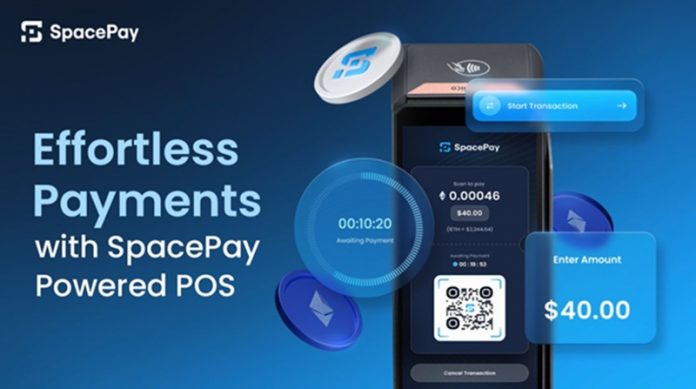
You might have heard people talking about SpacePay on X lately if you follow crypto conversations. This London-based fintech startup stands out with its practical approach to cryptocurrency payments, which simplifies crypto transactions to be as easy as tapping your debit card.

With their presale already raising over $1M and $SPY tokens currently priced at $0.003181, crypto investors are taking notice of this payment innovation.

Compatibility with Existing POS Systems

New tech usually means new hardware, new training, and new issues for business owners. SpacePay completely changes this traditional approach.

Instead of forcing merchants to buy fancy new equipment, SpacePay works with the Android-based card machines they already have. A simple software update is all it takes. The corner café, local boutiques, or even food trucks at the fair can start accepting crypto without skipping a beat.

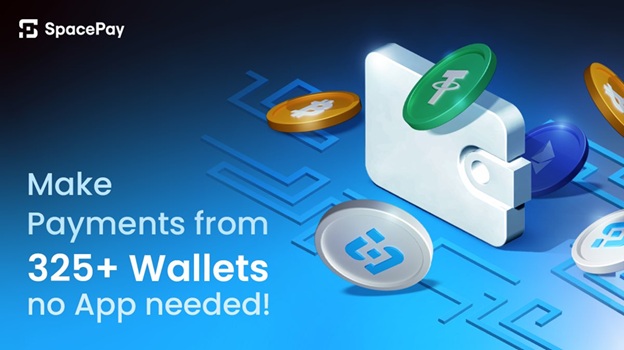
And it’s not just limited to Bitcoin users. SpacePay plays nicely with over 325 different cryptocurrency wallets. Whether your customers are Ethereum enthusiasts or Solana supporters, they can pay with what they prefer.

Low Transaction Fees

Anyone who’s run a business knows the pain of payment processing fees. They’re like a small but persistent leak in your revenue bucket.

Traditional payment processors often charge anywhere from 2-3% per transaction. SpacePay, meanwhile, keeps it simple with a flat 0.5% fee. Think about your local restaurant. If they’re doing $5,000 in sales daily, they might be handing over $150 to payment processors every single day. With SpacePay, that drops to just $25.

What’s refreshing is that SpacePay hasn’t cut corners to offer these rates. The platform still prioritizes security and smooth transactions, just without the markup we’ve all become accustomed to.

Instant Settlement and Volatility Protection

Many merchants worry, ‘What if I accept crypto and the price crashes right after?'” This concern has kept countless merchants from embracing digital currencies.

SpacePay tackles this head-on with instant settlement to fiat currency. When a customer pays in crypto, the merchant gets dollars, euros, or pounds in their account immediately. The price of Bitcoin could plummet minutes later, and it wouldn’t affect the business one bit.

This happens seamlessly in the background – no waiting, no manual conversion, no stress. For shop owners, this means they can tap into the growing crypto market without becoming crypto traders themselves. They don’t need to watch price charts or worry about optimal times to convert.

Throughout the entire process, SpacePay employs bank-grade encryption and continuously monitors transactions in real-time. In a space often plagued by security concerns, this attention to safety builds credibility for the entire system.

Visit SpacePay Presale

$SPY Token and Community

At SpacePay’s core is the $SPY token – but unlike so many crypto projects, it’s not just another speculative asset. It’s the key to a community that’s actively shaping the future of payments.

Holding $SPY tokens gives you a voice in how the platform improves. Token holders can vote on platform decisions, which creates a genuinely democratic approach to development. The revenue-sharing model stands out as particularly innovative. Token holders receive a slice of SpacePay’s revenue, which creates an ecosystem where everyone’s incentives are aligned.

The community perks don’t stop there. Active users receive monthly loyalty airdrops, and holders get first dibs on new features before they roll out to everyone else. With quarterly webinars where the team shares updates and plans, SpacePay maintains transparency in an industry often criticized for lacking it.

With a total supply capped at 34 billion tokens, SpacePay has structured its distribution thoughtfully: 20% for the public presale, 17% for rewards and loyalty programs, and the rest divided between development, partnerships, marketing, and reserves.

How to Join

The team just pushed their Token Generation Event back to Q2 2025 – they’re not rushing things and want to make sure the market’s in good shape before they launch.

The SpacePay presale has already generated serious momentum, raking in over $1M. Join it by connecting a crypto wallet such as MetaMask or WalletConnect.

You can buy SPY tokens in presale using ETH, BNB, MATIC, AVAX, BASE, USDT, USDC, or even directly with your bank card if you’re new to crypto.

At the time of writing, tokens are priced at $0.003181 each, though this will likely increase as the presale progresses. After your purchase, follow SpacePay on social media to stay updated about development progress and token claiming information.

SpacePay definitely seems like one to watch if you care about where digital payments are headed. By solving real problems for both merchants and customers, they’re building something with staying power in an industry often dominated by hype cycles.


JOIN THE SPACEPAY ($SPY) PRESALE NOW 

Website    |    (X) Twitter    |  Telegram

The Product Banks and Fintechs Have Refused to Build in Africa

0

I wrote this in 2017: “In this videocast, I discuss the need to build a truly pan-African digital remittance/transfer banking product which is agnostic of location or currency in Africa. None of the products we have today meets that standard. Largely, I envisage a situation where all you need to buy and sell across Africa is one bank account in just one African Union country.

“With that, you do not have to even think about the specific currency of that account as technology will seamlessly make it possible to access other African markets for payments, transfer, etc. The banks or fintech companies must still comply with all regulations related to international transfers, forex, etc. The only difference is that customers will not see them as they will be hidden with technology.” The video is here 

Today, I ask: are we there yet?

Timing Your Startup Success in Nigeria

0

As you develop your playbook, look for critical enablers and optimize “Timing”. As a product goes to market, the function in your limit equation must be set that critical enablers are ready. Go back to  L’Hospital’s rule and evaluate limits of indeterminate forms. The differentiation of the numerator and denominator must deliver a limit which can be directly evaluated if you expect customers to pay attention. Hope you have not lost your Further Mathematics notebook!

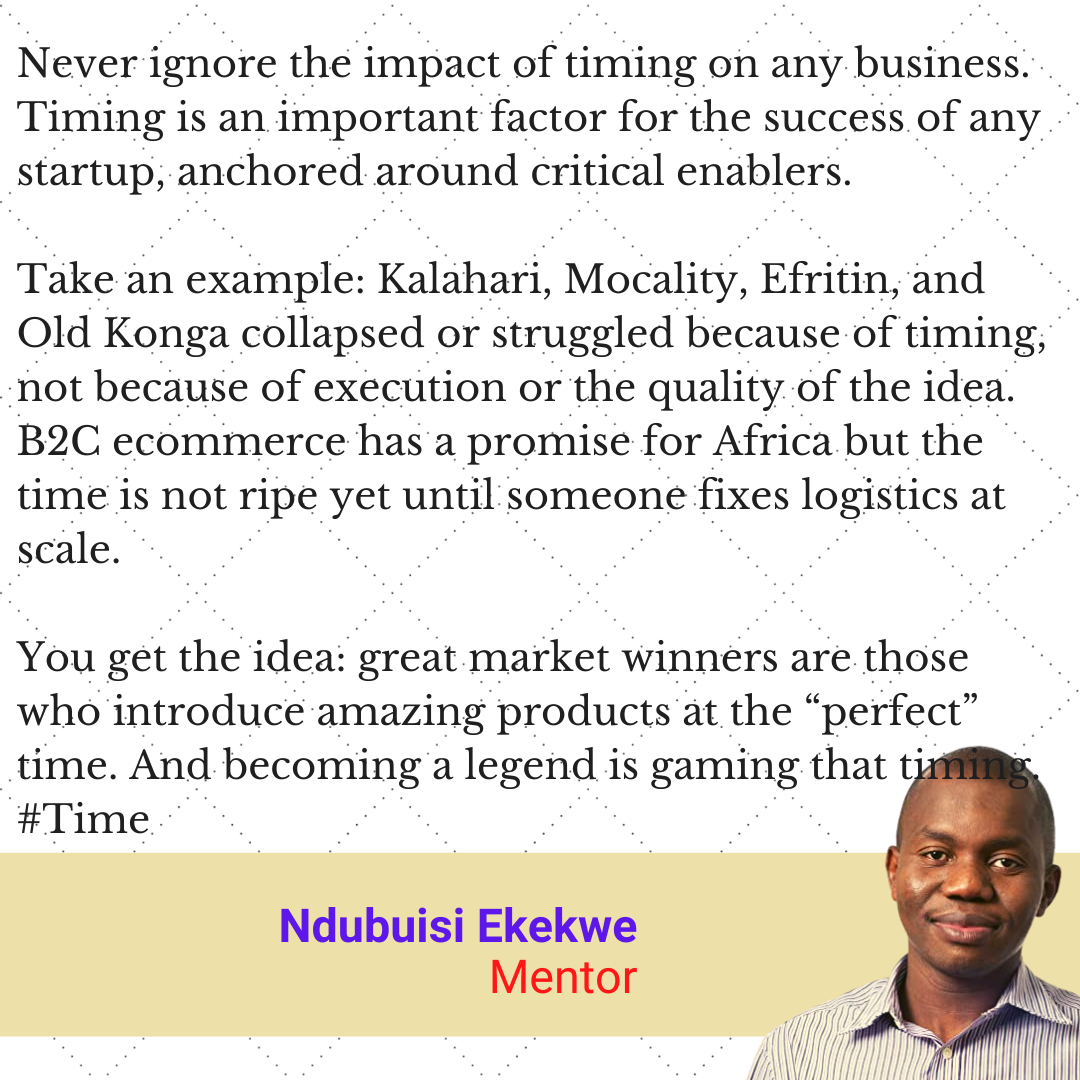
Yes, never ignore the impact of timing on any business. Timing is an important factor for the success of any startup, anchored around critical enablers.

Take an example: Kalahari, Mocality, Efritin, and Old Konga collapsed or struggled because of timing, not because of execution or the quality of the idea. B2C ecommerce has a promise for Africa but the time is not ripe yet until someone fixes logistics at scale.

You get the idea: great market winners are those who introduce amazing products at the “perfect” time. And becoming a legend is gaming that timing.

I am still timing when Nigeria will provide 24/7 electricity for something that is at the deep of my heart: a microelectronic production line. As the founder of First Atlantic Semiconductors & Microelectronics, Africa’s only Intel programmable microprocessor knowledge partner (here ), we can do a lot of things in the nation. But how do you set up production lines with generators?

China Signals Willingness on Trade Talks with U.S. Bordering on Mutual Respect

0

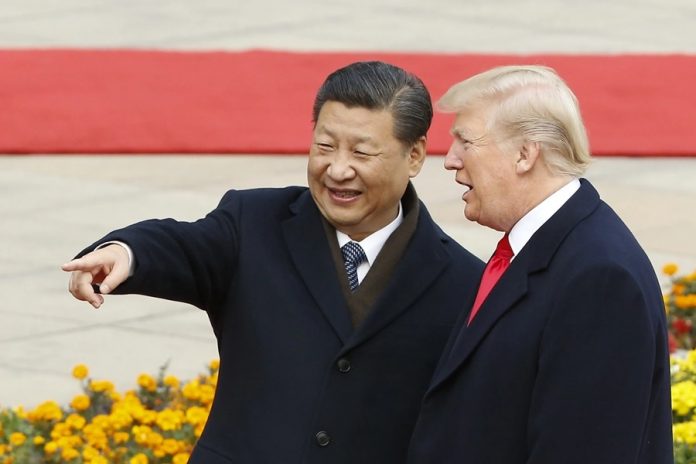
China has expressed willingness to engage in trade talks with the United States regarding tariffs, but only if the Trump administration demonstrates “mutual respect” and adopts a consistent diplomatic approach. Beijing has emphasized that dialogue must be based on equality and has called for the U.S. to address issues such as sanctions, trade imbalances, and disparaging remarks from U.S. officials. China also seeks a designated U.S. point person to facilitate negotiations, ideally leading to a deal for Presidents Trump and Xi Jinping to sign. This stance comes amid escalating trade tensions, with U.S. tariffs on Chinese goods reaching 145% and China retaliating with 125% tariffs on U.S. imports.

Despite the openness to talks, Beijing remains firm, stating it will not yield to pressure and is prepared for a prolonged trade conflict if necessary. The divide in the context of China-U.S. tariff talks likely refers to the significant differences in priorities, approaches, and expectations between the two nations, which complicate negotiations. China insists on “mutual respect” and equal footing in talks, criticizing U.S. sanctions and inflammatory rhetoric. The U.S., under Trump, has pushed aggressive tariffs (145% on Chinese goods) and demands for trade deficit reductions, viewing China’s stance as insufficiently conciliatory.

The U.S. accuses China of unfair trade practices, like intellectual property theft and market distortions, justifying high tariffs. China counters with 125% tariffs on U.S. goods and defends its economic model, refusing to bow to pressure. China seeks a structured dialogue with a clear U.S. point person and a potential Xi-Trump deal. The U.S. has not signaled agreement on this format, creating uncertainty about the process.

The U.S. aims to protect domestic industries and reduce reliance on Chinese imports, while China prioritizes economic stability and global trade leadership. Both sides are prepared for a prolonged conflict, deepening the divide.
This gap is rooted in competing national interests, differing views on fairness, and a lack of trust, making compromise challenging despite China’s signaled openness.

A trade imbalance occurs when the value of a country’s imports differs significantly from the value of its exports with another country or globally. It is typically measured by the trade balance, which is the difference between exports (goods and services sold abroad) and imports (goods and services bought from abroad). When a country imports more than it exports, resulting in a negative trade balance. For example, the U.S. has run a persistent trade deficit with China, importing far more goods (e.g., electronics, clothing) than it exports (e.g., agricultural products, aircraft).

Trade Surplus: When a country exports more than it imports, resulting in a positive trade balance. China, for instance, has historically maintained a trade surplus with the U.S. due to its large volume of manufactured exports. Countries with strong manufacturing bases, like China, may export more goods, while consumer-driven economies, like the U.S., import heavily.

An undervalued currency (e.g., China’s yuan in the past) makes exports cheaper and imports more expensive, boosting surpluses. Tariffs, subsidies, or restrictions can skew trade flows. For example, U.S. tariffs on Chinese goods aim to reduce imports, while China’s policies often favor its exporters. High domestic demand for foreign goods (e.g., U.S. consumers buying Chinese electronics) can widen deficits.

Countries like China, central to global manufacturing, export finished goods, while importing raw materials, creating surpluses with some nations and deficits with others. The U.S. trade deficit with China has been a focal point in tariff talks. In 2022, the U.S. imported $536 billion in goods from China but exported only $154 billion, resulting in a $382 billion deficit. This imbalance is driven by:

China’s Manufacturing Dominance: Low-cost labor and economies of scale make Chinese goods competitive. American consumers heavily purchase Chinese-made products. China imports fewer U.S. goods due to market access barriers, differing consumer preferences, and tariffs on American products. Deficits can weaken domestic industries (e.g., U.S. manufacturing) but provide consumers with cheaper goods. Surpluses, like China’s, boost economic growth but can lead to reliance on foreign markets.

The U.S. views its deficit with China as evidence of unfair trade practices (e.g., subsidies, IP theft), fueling tariffs and trade wars. China argues the deficit reflects global supply chain dynamics and U.S. consumption patterns. Trade surpluses often lead to capital flows (e.g., China holding U.S. Treasury bonds), tying economies together but creating dependencies. The U.S. imposes tariffs (e.g., 145% on Chinese goods) to reduce imports and encourage domestic production, though this risks retaliation (e.g., China’s 125% tariffs).

Negotiations, as China has signaled openness to, could address market access, subsidies, or IP issues to rebalance trade. Aligning exchange rates can make exports and imports more balanced, though this is controversial. Boosting U.S. manufacturing or diversifying China’s economy could shift trade patterns. In the context of U.S.-China talks, the trade imbalance is a core issue, with the U.S. pushing to shrink its deficit and China defending its surplus as a natural outcome of global trade.