DD
MM
YYYY

PAGES

DD
MM
YYYY

spot_img

PAGES

Home Blog Page 1428

Trump’s Tariffs Hit Hiring and Marketing, But AI Spending Holds Strong – Goldman Sachs

0
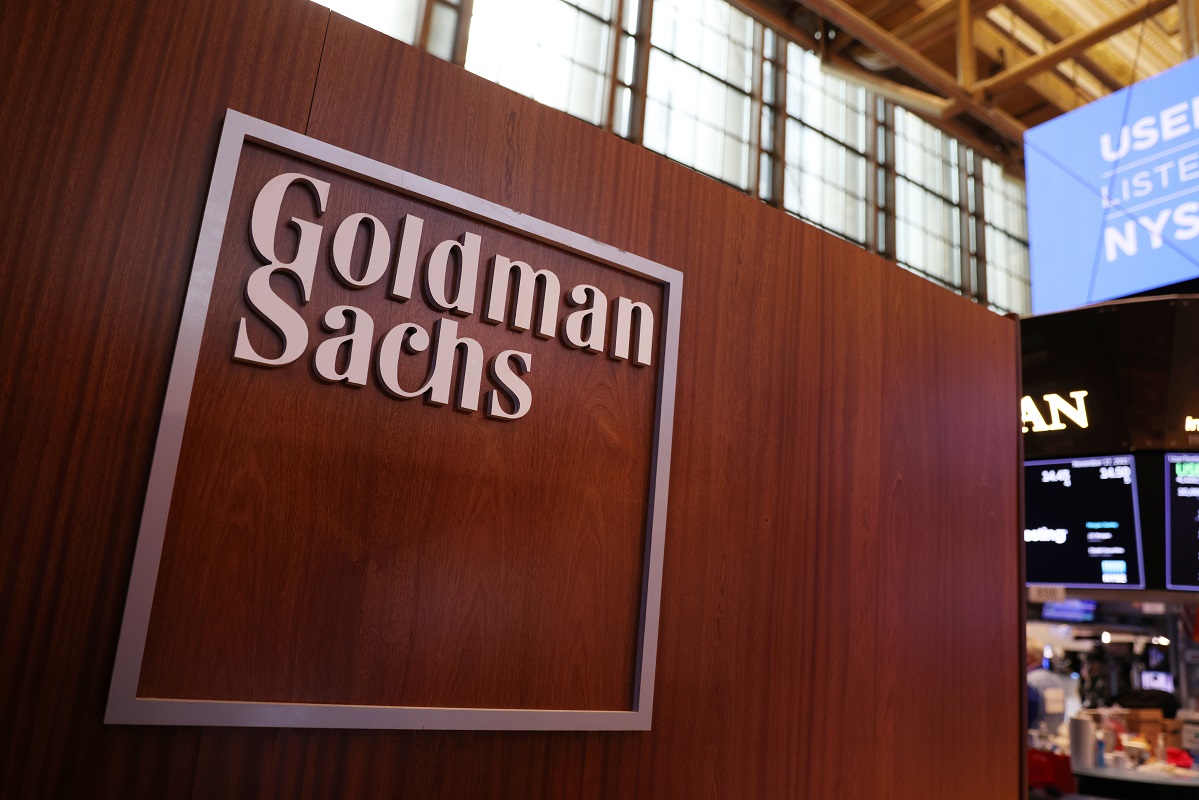
The logo for Goldman Sachs is seen on the trading floor at the New York Stock Exchange (NYSE) in New York City, New York, U.S., November 17, 2021. REUTERS/Andrew Kelly/Files

President Donald Trump’s newly announced tariffs may be reshaping how companies manage their expenses, but investment in artificial intelligence remains largely insulated from the macroeconomic tremors the policy has caused. While firms begin tightening their belts in anticipation of increased costs tied to trade, analysts say spending on AI is proving more resilient, even sacrosanct.

On April 2, Trump declared a sweeping set of tariffs dubbed “Liberation Day” levies, imposing a 10% baseline duty on imports and introducing a slew of new reciprocal tariffs. China, a central target of the measures, was hit hardest with a 145% tariff and excluded from the administration’s 90-day pause on some of the new tariffs granted to other trading partners.

In response, companies across multiple industries began reevaluating their operations, raising product prices, pausing select sales, and revisiting supply chain logistics. But according to Goldman Sachs, these adjustments are primarily affecting short-term expenses like head count and marketing rather than long-term capital investments.

“I think the macro will end up with more volatility on operating expenses — that’s head count, that’s marketing spend, that’s very, very long duration projects,” said Eric Sheridan, co-business unit leader for technology, media, and telecommunications at Goldman Sachs. He made the remarks during a recent episode of the Goldman Sachs Exchanges podcast released Wednesday.

Sheridan added that AI spending, on the other hand, is being treated differently. “I think given the sheer number of players investing both offensively and defensively at AI, I think this spend will get protected for a little longer than the macro environment might influence it,” he said.

He pointed to Meta as a prime example of how the tech sector is prioritizing AI despite the broader economic uncertainty. The company, in its Q1 2025 earnings report, increased its full-year capital expenditure forecast from a previous range of $60–$65 billion to $64–$72 billion. Much of that increase is going toward AI infrastructure, including data centers and computing capacity.

“The messaging coming out of the company was, ‘We continue to find ways to find efficiencies inside the organization, but we are not at a point where we want to sacrifice long-duration investments, mostly articulated through capex, just because the macro environment could look a certain way for three, six, or nine months,’” Sheridan noted.

Meta CEO Mark Zuckerberg reinforced this message on the company’s earnings call, describing AI as “the major theme” driving its strategic direction. While the company trimmed its overall expense guidance slightly, down from $114–$119 billion to $113–$118 billion, it signaled no pullback on AI-related commitments.

The broader trend reflects what many in the tech industry see as a crucial investment race, not just to capitalize on AI’s potential, but also to avoid falling behind rivals. This competitive pressure, according to Sheridan, is a key reason why AI spending is being safeguarded.

Following the tariff announcement, tech companies saw an initial drop in stock value, but shares quickly rebounded on the back of strong earnings and sustained AI investment. Meta and Microsoft, in particular, helped spark a comeback for tech stocks, with investors responding positively to the clarity around continued capital investment in AI.

However, the labor market implications of the tariffs are expected to be significant. With cost pressures mounting, firms are more likely to limit hiring and reduce discretionary expenditures like marketing in order to offset the burden from higher import costs. Sheridan emphasized that while companies are trimming operational fat, they are steering clear of cutting into strategic initiatives like AI that are tied to long-term competitiveness.

The US and China are expected to hold trade talks in Switzerland this weekend as part of an effort to manage tensions following the tariff hikes. The result of the talk is likely to shape the next phase of the trade tension.

Afreximbank Launches $1bn Africa Film Fund to Break Industry Shackles and Put African Stories on the World Stage

0

The curtains may be rising on a new era for African cinema. In a bold move to inject life into the continent’s underfunded creative economy, the African Export-Import Bank (Afreximbank), through its development arm, the Fund for Export Development in Africa (FEDA), has unveiled a $1 billion Africa Film Fund.

The announcement, made under the Creative Africa Nexus (CANEX) initiative, is stirring excitement—and hope—across Africa’s film and television sector as it is expected to buoy the quest of breaking the chronic financing barriers and infrastructural stagnation that have long plagued Africa’s storytellers.

From Lagos to Nairobi, and from Johannesburg to Accra, filmmakers often operate on shoestring budgets, lacking access to post-production equipment, distribution channels, and consistent investment.

Afreximbank says this fund isn’t just about financing movies—it’s about reshaping the entire value chain of the African storytelling industry, from script to screen and beyond.

Fixing the Foundation

Speaking on the launch, Afreximbank President Benedict Oramah cast the fund as a long-overdue intervention for an industry bursting with potential but shackled by neglect.

“Through investments in the film sector, alongside initiatives such as the CANEX Shorts Awards, Afreximbank is committed to celebrating and amplifying a diverse range of African voices and experiences, thereby catalysing the creative industry and unleashing its potential to drive economic growth across Africa,” Oramah said.

While Nollywood has carved out a place as the world’s second-largest film industry by volume, its monetization still lags far behind. In 2024, Nollywood films contributed nearly N2.8 billion—about 39% of Nigeria’s N7.4 billion box office revenue- but producers remain locked out of the international streaming and theatrical space, often unable to match global standards due to funding constraints.

The Africa Film Fund, structured as a private equity vehicle, seeks to change that. The goal is not merely to bankroll more productions, but to build a commercial engine behind them—one that supports development, distribution, marketing, and long-term viability.

“We’re Building an Ecosystem”

For Marlene Ngoyi, CEO of FEDA, the mission is as cultural as it is financial.

“The Africa Film Fund is not merely about financing films – it is about building a thriving ecosystem that empowers Global Africa’s creative talent, fosters cultural exchange, and catalyses economic transformation,” she said.

Ngoyi’s use of the term “Global Africa” hints at the wider diaspora the fund is courting—an audience and talent base that extends far beyond the continent’s borders.

Renowned actor Boris Kodjoe, a partner in FC Media Group, welcomed the initiative as a long-overdue lifeline for African creatives trying to break out of local silos and onto the global stage.

“It has been a long-term dream of mine to be able to tell stories on a global scale. I am grateful and excited to partner with our friends at Afreximbank and FEDA to support quality content development and creation in Africa and beyond,” Kodjoe said.

Hollywood actress Viola Davis, co-founder of JVL Media LLC, described the move as a milestone toward inclusion.

“African stories are deeply human and invariably powerful. This fund is an invitation to the world to see Africa through the lens of its own creators, bold, unfiltered, and rich in truth,” she said.

The Bigger Picture

Beyond the star-studded endorsements, the fund represents a deeper pivot by Afreximbank into soft power investments. Over the past decade, the bank has focused heavily on trade finance, export infrastructure, and intra-African commerce. But in recognizing the economic weight of storytelling, what some have called “cultural GDP”—it now seeks to mine the immense value locked in African languages, folklore, and modern narratives.

From South Africa’s urban dramas to Kenya’s rising animation studios, Africa’s creative sector is vast, yet most of its output rarely sees life beyond domestic markets. Infrastructural gaps, from poor editing suites to limited cinema access and weak copyright enforcement, have kept international investors at bay.

Afreximbank’s $1 billion commitment attempts to flip that narrative.

According to industry insiders, the fund could provide the kind of patient capital required to build post-production studios, support script development labs, and fund marketing campaigns for African films looking to crack Cannes or Netflix.

It also carries geopolitical undertones. As China, France, and the U.S. continue to jockey for cultural influence across Africa, homegrown storytelling, properly financed and globally distributed, becomes a tool of continental self-definition.

Room for Caution

Still, the road ahead isn’t paved with red carpets. Several past efforts to revive African cinema through funding initiatives—whether government-backed or multilateral—have collapsed under bureaucratic delays, corruption, or unsustainable funding models.

Industry players are curious about how accessible the fund is, particularly to independent filmmakers and producers who may lack political connections or collateral.

There is also the question of distribution: even with better production financing, where will these films be seen? Africa’s cinema infrastructure is sparse, and many streamers remain hesitant about acquiring African content without Western production credits attached.

Toward a Global-Scale Industry

But the optimism remains. Afreximbank appears intent on pairing this fund with structural initiatives—CANEX being one—that also focus on cross-border rights management, training programs, and global market access.

The broader goal is to make African storytelling commercially viable on its own terms, without diluting its identity to fit global stereotypes.

If the fund delivers on its promise, the next generation of African directors could have the tools to not just tell stories, but to sell them, and sell them on equal terms with their peers in Hollywood, Bollywood, or Seoul.

Tekedia Mini-MBA Graduation Event Holds in Lagos on May 10

0

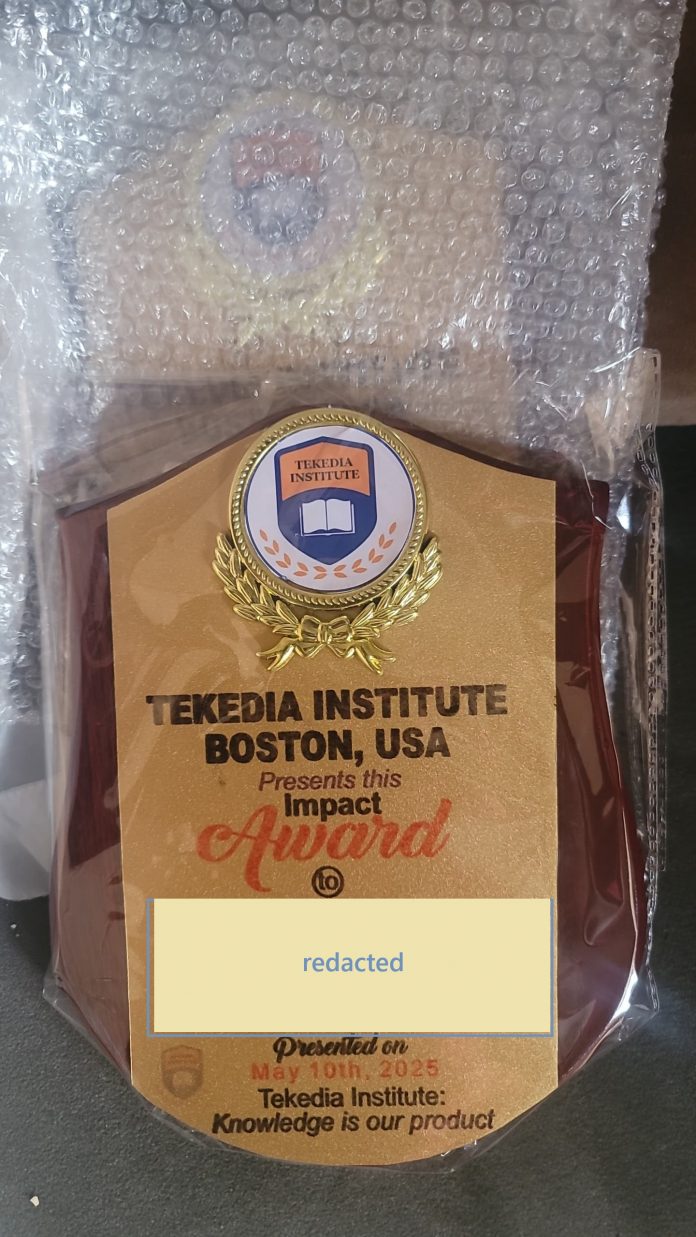
Tekedia Mini-MBA edition 16 graduation event holds in Lagos on Saturday, May 10. I am using this space to thank our co-learners who continue to independently organize these events, from edition to edition. As you travel from around the country to Lagos, journey mercies.  And for those getting awards (nice design there), big congrats!

As always, we thank everyone for choosing Tekedia Institute.  Form more companies. Find co-founders. Discover new market opportunities. Unlock linkages and partnerships. Advance.

The State of SMS Marketing and AI Integration

0

SMS marketing remains a powerful and rapidly evolving channel for businesses to engage with customers, driven by its immediacy, high engagement rates, and cost-effectiveness. Recent reports and trends from 2024 and projections for 2025 highlight the current state of SMS marketing, its integration with artificial intelligence (AI), and its future outlook.

SMS marketing has seen significant growth in adoption across industries, driven by its ability to deliver direct, personal, and timely communication. The U.S. SMS marketing market was valued at USD 2.86 billion in 2023 and is projected to reach USD 12.6 billion by 2025, growing at a compound annual growth rate (CAGR) of 20.3–20.8%. Globally, SMS marketing spending reached USD 327.1 billion in 2023, with projections to double by 2024.

In 2024, approximately 65–80% of businesses across various industries adopted SMS marketing, up from 55% in 2023 and 45% in 2022. 86% adoption, leveraging SMS for appointment reminders and patient engagement. E-commerce/Retail: 80–85% adoption, using SMS for promotions, order updates, and abandoned cart recovery. 81% adoption, focusing on customer support and loyalty programs.

91% of consumers want to receive text messages from businesses, and 81% have signed up to receive SMS from brands. SMS boasts a 98% open rate, with 90% of messages read within three minutes, far surpassing email’s 20–30% open rate. The average SMS response rate is 45%, compared to email’s 6%, making it one of the most engaging marketing channels.

Business Success Metrics

Businesses using SMS are 683% more likely to report digital marketing success compared to those that don’t. 91% of business owners report higher conversion rates with integrated SMS campaigns, with click-through rates averaging 21–35%. SMS marketing delivers up to a 2000% ROI during high-traffic events like Black Friday.

Discounts, flash sales, and special offers drive immediate action, with 43% of consumers making purchases after receiving SMS offers. Order confirmations, shipping notifications, and appointment reminders account for 40–45% of SMS volume, with high open rates due to their anticipated nature. SMS is increasingly used for inquiries and issue resolution, enhancing customer satisfaction.

40% of consumers value SMS for loyalty updates, fostering repeat engagement. Interactive polls and feedback requests improve customer insights. AI is transforming SMS marketing by enabling hyper-personalization, automation, and advanced analytics. In 2024, 47% of brands increased AI adoption in SMS campaigns, though an equal percentage cited implementation challenges. Below are the key ways AI is being integrated:

AI-driven predictive analytics tailor messages to individual preferences, increasing engagement by up to 30%. Dynamic content, such as referencing a customer’s name, recent purchase, or browsing history, is automated using AI, making messages more relevant. AI algorithms analyze customer data to segment audiences based on behavior, demographics, and purchase history, ensuring targeted campaigns.

62% of companies use automation solutions for SMS marketing, enabling timely messages triggered by customer actions (e.g., abandoned carts, order confirmations). AI-powered chatbots handle two-way SMS communication, responding to inquiries, providing recommendations, and engaging in human-like conversations. Sentiment analysis allows AI to detect customer intent (e.g., distinguishing between a thank-you message and an opt-out request), ensuring appropriate responses.

Data Integration and Analytics

AI integrates SMS platforms with customer relationship management (CRM) systems like Salesforce, Hubspot, and Mailchimp, enabling seamless data flow and personalized campaigns. AI analyzes campaign performance, optimizing messaging tactics and improving ROI. 78% of businesses integrate SMS with e-commerce platforms, enhancing cross-channel strategies. 35% of businesses lack the technical skills to implement AI effectively. 51% cite financial constraints as a barrier to AI adoption.

Only 32% of businesses mitigate risks related to AI inaccuracies, compared to 38% addressing cybersecurity risks. 56% of marketing teams report that generative AI adds strain to workflows, requiring oversight and operational adjustments. Several trends are redefining SMS marketing in 2024 and are expected to continue into 2025.

Omnichannel Integration: 78% of businesses integrate SMS with other digital channels (e.g., email, social media, CRM platforms), creating cohesive customer experiences. Omnichannel strategies increase digital marketing success by 20% and drive higher conversion rates. SMS complements email for detailed content and social media for broader reach, with 70% of consumers increasing spending with brands that implement smart omnichannel strategies.

Personalization and Segmentation: 54% of organizations use customer data to tailor SMS messages, boosting engagement by 30%. Data-driven segmentation enhances relevance, though 15% of businesses report challenges with personalization. RCS adoption increased by 25% in 2024, driven by Apple’s support, enabling multimedia-rich content like images, videos, and interactive buttons.

RCS traffic grew 500% globally in 2024, offering new possibilities for branded, engaging experiences. Interactive SMS campaigns, including polls, surveys, and two-way texting, grew by 20% in 2024. Over 60% of consumers want to communicate with brands via two-way texting, fostering stronger relationships.

Conversational marketing transforms one-way messages into dynamic interactions, improving conversion rates. Stricter regulations, such as mandatory 10DLC registration and enhanced opt-in processes, aim to combat spam and ensure transparency. Opt-out management is critical, with average opt-out rates ranging from 0–1.5%. Businesses prioritizing ethical practices build trust, as 10% of consumers worry about SMS spam.

Text-to-buy functionality is gaining traction, particularly among Gen Z, with 20% expressing interest. Voice-enabled SMS campaigns, integrated with smart assistants, improve accessibility by 15%. Eco-conscious SMS practices, aligning with consumer values, grew by 18%. Despite its effectiveness, SMS marketing faces several challenges.

58% of consumers unsubscribe due to annoying messages, 52% delete messages without reading, and 38% report them as spam. 28% of consumers purchase less or stop doing business with brands due to excessive texting. Dubious practices, such as buying customer data, damage the reputation of SMS marketing.

52% of marketers plan to increase SMS budgets, but 61% do not currently include SMS in their plans, citing cost concerns. In 2025, budget constraints will remain a challenge, pushing businesses to leverage automation for cost-efficiency. Stricter regulations require rigorous opt-in processes and campaign registration, increasing operational complexity.

Non-compliance risks penalties and loss of consumer trust. 15% of businesses struggle with personalization due to data limitations or technical challenges. Balancing personalization with privacy concerns is critical, as consumers demand transparency.

Future Outlook for SMS Marketing

The future of SMS marketing is bright, with advancements in technology, evolving consumer behaviors, and strategic integrations shaping its trajectory. The U.S. SMS market is expected to reach USD 12.6 billion by 2025, with global A2P messaging projected to grow from 2.2 trillion messages in 2024 to 3.4 trillion by 2028. Adoption will continue to rise, particularly among small and medium-sized enterprises (SMEs), due to SMS’s cost-effectiveness.

AI will drive hyper-personalized campaigns at scale, with predictive analytics and chatbots enhancing customer engagement. Agentic AI, capable of autonomous decision-making, will streamline workflows, such as orchestrating marketing campaigns or simulating product launches. AI integration with CRM and e-commerce platforms will enable seamless, data-driven strategies.

RCS will complement SMS, offering richer, branded experiences while maintaining SMS’s reliability for basic messaging. Brands will increasingly adopt RCS for interactive campaigns, such as carousels and video-based promotions. Two-way texting and conversational marketing will become standard, with SMS evolving into a primary customer service channel.

Interactive features like MMS, chatbots, and surveys will enhance engagement, creating more dynamic customer experiences. SMS will play a central role in omnichannel strategies, integrating with email, social media, and emerging channels like WhatsApp and mobile apps. Unified data platforms will enable real-time, cross-channel personalization, driving revenue and customer satisfaction.

Stricter regulations will push businesses to prioritize transparency and ethical practices, such as clear opt-in processes and opt-out management. Brands that demonstrate respect for consumer preferences will differentiate themselves, building long-term trust.

SMS marketing in 2024 is a dynamic, high-ROI channel that continues to grow in adoption and sophistication. Its integration with AI enables hyper-personalized, automated, and data-driven campaigns, while emerging technologies like RCS and interactive features enhance engagement.

Despite challenges like regulatory compliance and consumer perception, the future outlook for SMS marketing is promising, with projections of continued market growth, deeper omnichannel integration, and innovative use cases like text-to-buy and in-store contextual marketing. Businesses that prioritize personalization, compliance, and strategic integration will be well-positioned to leverage SMS as a cornerstone of their marketing strategies in 2025 and beyond.

Why Use a No-KYC Crypto Wallet

0

As digital money becomes more common, it’s also becoming easier to monitor and harder to control on your own terms. What began as a way to move value freely is now being shaped by systems that ask for personal details, set limits on how you can use your assets, and quietly log every step along the way.

For many people, that defeats the purpose of using crypto in the first place.

Anonymous, or no-KYC wallets, work differently. They give you access without turning you into a profile. There is no sign-up process, no background check, and no one asking where the money came from or where it is going.

For anyone who wants to use crypto the way it was originally meant to work—without permission and oversight—this is where it starts to make sense.

The Practical Outcome of Full Autonomy

Most people do not notice how much control they have given up until something blocks a transaction, freezes a wallet, or denies access altogether. That is usually when the conversation shifts—when it becomes clear that simplicity means very little if the system decides you cannot use it at all.

The strongest tools are built to protect your privacy and give you real control over your money. They work without forcing you to verify your identity, which means there is no personal data to store, expose, or leak.

What matters more is how quietly they do it—allowing private transactions, connecting directly to Web3 apps, and working with a wide range of assets without asking for permission at any step.

What KYC Really Changes

Identity screening in finance didn’t evolve naturally—it was engineered in response to growing political and regulatory pressure. Around the turn of the century, the banking system became a tool of enforcement, and Know Your Customer rules were written into policy as a way to track who was moving money, where, and why.

The Wolfsberg Group, made up of major international banks, helped formalize early standards, while U.S. and European regulators built them into law.

At first, the goal was to stop money laundering and terrorism financing. But over time, KYC turned into a mechanism of control—one that affects ordinary users more than criminals. Today, even if you pose no risk, access often depends on how much personal data you are willing to give up.

What started as targeted regulation has become a requirement for almost every basic financial interaction.

How KYC Works and Why It Is Difficult to Avoid

Know Your Customer protocols were built to go far beyond a one-time identity check. The process begins with formal identification, where individuals must provide government-issued documents, residential details, and in some cases, biometric data such as facial scans.

That information is not collected for verification alone. It is passed through multiple systems—often involving both public registries and private firms—that assign risk scores based on patterns, location, and financial behavior.

You are not part of that evaluation, and in most cases, you are not even informed when something in your profile changes how you’re treated.

If the system marks you as high risk, access becomes conditional. Services might demand additional documents, explanations for your activity, or details about the source of your funds.

Even once access is granted, the scrutiny does not stop. Most platforms continue to monitor transactions in real time, flagging anything that does not fit within their internal thresholds.

At that point, restrictions are applied automatically, and accounts may be frozen without notice.

Stepping Outside the System

A proper wallet should not ask who you are or tell you what you can do with your own assets. It should hold your keys, process your transactions, and stay out of the way. That’s what separates a real non-KYC tool from one that’s a salesman’s Trojan horse.

Margex does the basics right. It supports multiple chains, gives you clear insight into what you hold, and lets you track what matters without tying that data to a personal account. You get structure without losing control.

Cypherock focuses more on freedom of movement. You can deposit almost anything, trade across different pairs, and avoid the usual limits most platforms have built in. The point isn’t complexity, but for users who care about security, the hardware option removes the single point of failure by splitting the key into parts and keeping the process easy to manage.

That way, a single mistake won’t wipe everything out.

What Most Wallets Still Don’t Solve

Non-KYC wallets give you control, but they do not eliminate the barriers that surround the crypto economy. Once you try to move back into fiat, whether through a centralized exchange or a regulated payment service, you run into checks that slow things down or block you completely.

You are asked to verify, to explain, to comply. And if something doesn’t fit their thresholds, access is either delayed or denied without warning.

That does not mean the wallet has failed. You can manage your assets freely inside the ecosystem, but once you reach for traditional infrastructure, the rules completely change.

Most people only realize this when the path narrows and the smooth experience they were promised suddenly depends on an identity check they never expected to face.

Where Pressure Builds Now

Regulations first aimed at exchanges have gradually extended to protocols and interfaces that were once considered neutral ground. It’s becoming clear that even self-custody tools are not immune to the growing demand for user profiling.

Several browser-based clients have introduced filters tied to location and usage history. Even tools that do not store user data are being pressured to log interaction details, pushing the entire stack closer to surveillance by design.

In April 2025, the United States Department of Justice dissolved the National Cryptocurrency Enforcement Team and transferred its responsibilities to broader financial crime divisions.

What looked like internal restructuring was, in effect, a signal that crypto had been absorbed into the mainstream apparatus of financial control, no longer siloed but folded into the same frameworks used to monitor banks and cross-border flows.

Where decentralisation promised neutrality, users now have systems that feel increasingly conditional, with access governed by compliance with evolving, invisible filters.

Continue as Guest

The point of non-KYC wallets was never to avoid scrutiny but to function without permission. That idea is now facing quiet resistance, as more platforms introduce background checks and silent restrictions that limit how and when you can take part.

According to recent projections, the global crypto wallet market is expected to reach $33.67 billion by 2033, showing that more people want control over their assets without outside restrictions.

What comes next will not be decided by policies alone, but by the tools people continue to use and trust. In an environment where more doors come with conditions, no-KYC wallets still offer one that lets you walk through without having to knock.