
DD
MM
YYYY

PAGES

DD
MM
YYYY

spot_img

PAGES

Home Blog Page 15

Regal Rexnord Emerges as AI Infrastructure Play as Kerrisdale Sees 81% Upside

0

Investment firm Kerrisdale Capital, best known for its high-profile short-selling campaigns, has shifted to a bullish stance on industrial automation company Regal Rexnord, arguing that Wall Street is significantly undervaluing a business that sits at the intersection of two of the fastest-growing technology themes: artificial intelligence data centers and humanoid robotics.

In a report published on June 30, the hedge fund disclosed a long position in Regal Rexnord, describing the company as one of the cheapest industrial stocks despite its growing exposure to AI infrastructure. The report marks a notable departure from Kerrisdale’s recent string of activist short bets and reinforces a broader investment trend that increasingly favors “pick-and-shovel” companies supplying the critical components underpinning the AI revolution.

Regal Rexnord shares have already gained 63% year-to-date, but Kerrisdale argues the rally has barely reflected the company’s long-term earnings potential.

“Get it while it’s cheap,” Kerrisdale wrote.

“Despite an impressive strategic and financial transformation and exposure to a wealth of popular secular growth drivers, Regal is one of the cheapest industrial stocks in the market today.”

AI Infrastructure Creates Hidden Growth Story

Unlike chipmakers such as Nvidia or memory suppliers including Micron, Samsung Electronics and SK Hynix, Regal Rexnord operates much deeper within the AI supply chain. The company manufactures precision motors, power transmission systems, gearing technologies, motion control equipment and industrial automation components that are essential for constructing AI data centers, warehouse automation systems and advanced robotics.

As hyperscalers, including Microsoft, Amazon, Alphabet and Meta, continue investing hundreds of billions of dollars in AI infrastructure, demand is expanding beyond semiconductors to encompass the broader ecosystem of industrial suppliers required to build, cool and operate next-generation computing facilities.

Kerrisdale says that this indirect exposure gives Regal an attractive position within the AI value chain without many of the risks associated with companies facing semiconductor shortages or commodity price volatility.

“A popular AI trade has been ‘pick-and-shovel’ companies building the tools and the infrastructure enabling the technology,” the investment firm said.

While sectors such as power equipment manufacturers and industrial metals producers remain exposed to supply-chain bottlenecks, Kerrisdale believes component manufacturers such as Regal are relatively insulated from those pressures.

Robotics Could Become An Even Bigger Catalyst

Although data centers feature prominently in Kerrisdale’s investment thesis, the hedge fund believes robotics could ultimately become the larger growth opportunity. The emergence of “physical AI”—the integration of artificial intelligence into industrial robots, warehouse automation, manufacturing systems and autonomous machines—is expected to become one of the next major investment themes after generative AI.

Kerrisdale said Regal is already well positioned to benefit.

“Physical AI, or the extension of artificial intelligence into the physical world, promises to revolutionize manufacturing and logistics,” the firm wrote.

“Regal has a broad portfolio of motors and linear motion products required for robotics, conveyor systems, and warehouse material handling that account for 21% of total revenue.”

As manufacturers increasingly automate factories and logistics companies deploy AI-powered warehouse systems, demand for the precision motors and motion technologies produced by Regal is expected to rise.

Valuation Gap Remains Unusually Wide

A central pillar of Kerrisdale’s bullish thesis is valuation. The investment firm noted that Regal currently trades at approximately 11.5 times expected 2027 EBITDA, significantly below industrial peers despite possessing comparable long-term growth prospects.

Specifically, Kerrisdale pointed to companies such as RBC Bearings and Parker-Hannifin, whose valuation premiums have widened even as Regal’s operational performance has improved.

“In a world where even a whiff of data center revenue in a company’s opportunity pipeline can drive material multiple expansion, Regal’s exclusion from the party stands out,” Kerrisdale said.

“Where’s the love?”

Using a sum-of-the-parts valuation that assigns higher multiples to faster-growing business segments, Kerrisdale estimates 81% upside for Regal’s shares.

The investment firm’s confidence is partly supported by the performance of earlier AI infrastructure investments.

In a post on X, Kerrisdale highlighted three previous recommendations tied to AI and data center expansion:

  • ACMR: up 580%
  • STX: up 830%
  • AIXA: up 270%

The firm described Regal as its latest beneficiary of the rapidly expanding AI infrastructure build-out.

AI Spending Broadens Investment Opportunities

The report points to a broader shift in investor focus. Early enthusiasm around artificial intelligence centered primarily on chipmakers such as Nvidia and Advanced Micro Devices. More recently, investors have expanded their search to companies supplying the supporting infrastructure, including power equipment, electrical systems, cooling technologies, networking hardware, and industrial automation.

That trend has accelerated as global technology companies commit unprecedented levels of capital to AI. Major hyperscalers are expected to collectively spend hundreds of billions of dollars this year on AI infrastructure, while semiconductor manufacturers continue investing heavily in new fabrication facilities and advanced packaging capacity.

The expansion has created opportunities for companies supplying everything from electrical motors and industrial controls to conveyor systems and precision engineering products.

Unlike many AI-related companies whose valuations have surged following headline announcements, Regal Rexnord has largely remained below Wall Street’s radar.

Kerrisdale states that disconnect presents an opportunity for investors seeking exposure to the AI investment cycle through industrial companies with established cash flows, diversified operations and growing participation in both data center construction and robotics.

If spending on AI infrastructure continues at its current pace, the firm believes Regal’s role as a supplier of mission-critical industrial components could become increasingly recognized by the market, narrowing the valuation gap with its higher-rated peers.
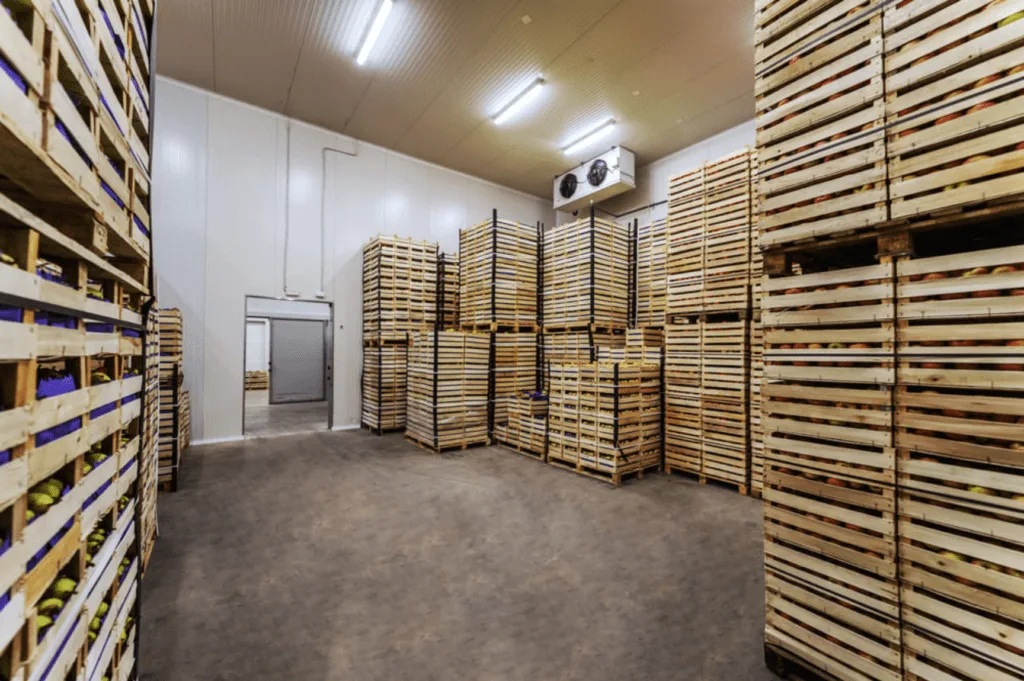

Why Cold Storage Infrastructure Depends On High Performance Insulated Metal Panels

0

Holding items like food, medicine, or certain chemicals requires spaces that stay cold without fail. From vegetables to vaccines, consistency matters most when surroundings never waver. A minor shift in warmth might compromise freshness, cause early spoilage, or bring financial setbacks. Because reliability is non-negotiable, each component within such structures supports steady performance.

A critical aspect of today’s cold storage structures lies in the design of the exterior shell. Because they minimize heat movement, advanced insulated metal panels maintain stable interior conditions. Moisture penetration decreases significantly when these panels are properly installed. Over time, their insulation value remains effective, which benefits operations requiring steady cooling. Facilities focused on temperature precision often select this solution due to its dependable results.

Thermal Performance

Even efficient chillers cannot compensate for weak thermal barriers. What matters most is how well the structure blocks outdoor warmth. Instead of holding coolness inside, badly insulated roofs and walls allow steady leakage. Cooling machinery then runs longer cycles. This raises power demand. Expenses grow without noticeable improvement in comfort.

Insulated metal panels built for high performance resist heat transfer well due to their blend of strong outer metal layers with a seamless insulation interior. Because the structure limits points where temperature leaks occur, protection from external climate improves noticeably. With fewer fluctuations reaching the inside, cooling systems sustain desired levels using reduced energy output. Efficiency across the entire setup rises when demands on mechanical components decrease.

Energy Efficiency

One major expense for cold storage operations lies in energy spending. When insulation improves, less electricity is needed to keep cooling areas at proper temperatures. With reduced power use, fewer greenhouse gases enter the atmosphere due to lower demand on energy production.

Over time, structures built with durable materials tend to cut expenses in noticeable ways. Because insulation performs better, cooling systems cycle less often. This efficiency means energy use declines without sacrificing climate control reliability. Long term, upgraded components support consistent indoor environments along with reduced power demands. Performance gains emerge steadily when material choices prioritize endurance.

Moisture Control

When warm air moves into chilled spaces, moisture becomes problematic. Condensation often follows, especially where temperatures shift abruptly. Ice buildup results, sometimes accompanied by water-related deterioration nearby. Surrounding zones might develop microbial concerns over time. Structural function could decline alongside safeguards for stored items.

When fitted correctly, insulated metal panels form a reliable seal against air and moisture passage, cutting down on water vapor entry. Because they restrict warm, damp airflow from entering cold storage areas, condensation becomes less likely, supporting better hygiene conditions. With consistent performance, such shielding preserves structural integrity along with cooling systems over time.

Structural Durability

Cold storage structures face intense operational demands, such as shifting temperatures, ongoing mechanical activity, and also continuous human traffic. Performance of building components remains critical under persistent pressure from routine usage.

Despite their lightweight appearance, insulated metal panels offer resistance to both physical impact and temperature transfer. Because they hold up under daily wear, these units sustain integrity across extended periods. Owing to consistent behavior in demanding settings, use is common in storage facilities, production areas handling perishables, and logistics hubs where predictable function matters most.

Faster Construction

When construction timelines shift, project costs tend to rise. Operations may start later than planned because of these interruptions. Labor spending grows when work stretches beyond original dates. Materials selected for faster setup contribute to steady progress. Quality remains intact even under tighter time constraints.

One reason some projects move faster is how factory-cut panels fit together neatly on site. Rather than stacking separate layers, workers handle units where weather barriers and thermal layers already combine. Efficiency improves since fewer steps mean less room for error during assembly. With everything aligned before arrival, timelines shorten without sacrificing uniform results.

Temperature Sensitive Product Support

Cold storage units support sectors needing stable conditions for goods. From fresh produce to medicines, items depend on consistent climate control. Should temperatures shift, damage might occur along with weakened potency or failure to meet standards.

Stability inside buildings begins with proper insulation, which assists cooling units in holding steady climates. Because outside warmth struggles to enter, stored goods stay closer to needed ranges over time. With fewer temperature shifts, spoilage declines while stock retains worth more reliably. Trust grows among clients when environments show predictable control across operating cycles.

Long Term Facility Performance

Over time, upkeep expenses influence material choices for buildings. When elements withstand rust, need few fixes, yet keep thermal performance, savings tend to accumulate across decades. A structure’s lifespan reveals advantages in such selections, quietly shaping budget outcomes.

Throughout numerous cold storage developments, insulated metal roofing appears as part of broader efforts to enhance overall thermal control. Where strong roofing pairs with insulated walls, results often include sustained energy savings alongside dependable structure behavior. Over time, such integration tends to reduce upkeep demands while maintaining consistent indoor conditions. Longevity emerges quietly where materials align without gaps or weak junctions. Performance spreads beyond single components into how well systems interact under stress.

Conclusion

Beginning with careful selection of components, modern cold storage relies on materials offering consistent insulation qualities. Despite varying climates, moisture intrusion stays minimal due to advanced barrier properties. Structural demands are met without sacrificing thickness or space. Because cooling systems face fewer disruptions, their operation remains stable over time. Temperature-sensitive goods remain unaffected by external shifts, mainly through precision-engineered enclosures. Efficiency gains emerge not from machinery alone, but from integration with well-designed envelopes.

With growth across sectors relying on steady chilled spaces, attention turns toward resilient structural choices. Because performance hinges on consistent temperatures, selecting robust thermal elements supports lasting function. Through advanced panel systems, operators gain stability while lowering expenses over time. When conditions must remain precise, well engineered solutions help fulfill demanding standards without compromise.

Enterprises Begin Reining in AI Spending as Token Costs Mount, UBS Analysts Find, Signaling a Maturing Phase in Corporate Adoption

0

Executives at large companies are becoming increasingly mindful of escalating AI-related expenses, with roughly 60% of enterprises now implementing some form of guardrails to manage or throttle their spending, according to recent conversations with IT leaders compiled by UBS analysts.

In a report released this week, UBS analysts Karl Keirstead, Timothy Arcuri, Taylor McGinnis, and their colleagues highlighted a noticeable shift in corporate attitudes toward AI investments. Token spending, the unit by which many AI services are priced, has emerged as a significant concern, particularly for larger organizations where chief financial officers and chief technology officers are seeing their AI budgets balloon without always delivering clear returns.

Uber’s operations chief, Andrew Macdonald, captured the growing sentiment in May when he noted it was becoming harder to justify rising costs given the relatively modest return on investment observed so far.

The analysts, drawing from more than a dozen discussions with enterprise IT executives over recent weeks, described a “modest emerging headwind” in AI spending patterns. Follow-up conversations reinforced this view, though the degree of impact varies considerably across organizations.

“Token spend optimization has become a key issue in most organizations, resulting in a big spending speed bump for some organizations, but a smaller speed bump for others that are either too early in their AI deployments or are far deeper but are unwilling to throttle users because they see the offsetting ROI or have an organizational priority in place to drive innovation and hence AI use,” the analysts wrote.

AI model providers such as OpenAI and Anthropic are likely to feel the effects most acutely in the near term, the report suggested. Open-source and Chinese models, such as DeepSeek, could emerge as notable beneficiaries, especially for enterprises seeking cost-effective solutions for non-coding tasks.

Despite the emerging restraint, the analysts emphasized they are not sounding any alarms, viewing the trend as “a healthy problem” that reflects more disciplined management rather than a fundamental retreat from AI.

“Some measure of AI spend optimization is normal, no one is hitting the brakes on AI deployment and it is likely that we’re sitting in front of new models trained on next-gen chips that might drive token costs down further,” they wrote.

Leading AI companies have already begun highlighting improved token efficiency in their latest models. Google has its Gemini 3.5 Flash offering, while Anthropic recently launched Claude Sonnet 5, which the company said “runs autonomously at a level that just a few months ago required larger and more expensive models.”

From Experimentation to Engineering Discipline

Conversations with executives reveal a clear evolution in how companies approach AI. One organization told UBS analysts the industry is moving beyond the initial phase of broad experimentation.

“The question isn’t whether to use tokens, it’s how to use them efficiently,” the analysts quoted one executive as saying. “As a result, optimization becomes an ongoing engineering discipline rather than a reaction to a budget crisis.”

Another company described a situation where its CTO had enthusiastically embraced multiple AI tools early on, only to face budget constraints later.

“We have 5 AI tools internally and all of the LLM products. Like others, we ran into the issue where we have already used most of our token budget for the entire year,” the analysts recounted. “Now we’re only using 2 AI tools and being careful around usage.”

This shift toward greater cost consciousness does not necessarily signal a slowdown in overall AI adoption. Instead, it points to a more mature phase where organizations are becoming savvier about where and how they deploy the technology. Companies are increasingly prioritizing high-impact use cases while optimizing spending on lower-value applications.

The analysts noted that while some organizations are actively throttling usage, others, particularly those earlier in their AI journeys or those with strong innovation mandates, continue to invest aggressively. This variation suggests the overall AI spending trajectory remains upward, albeit with greater scrutiny and efficiency measures in place.

Implications for AI Providers and the Broader Ecosystem

For AI model makers, this development is expected to reshape competitive dynamics. Providers offering more token-efficient models or flexible pricing structures may gain an edge, while those relying on premium pricing for cutting-edge capabilities could face margin pressure if enterprises become more selective.

Open-source alternatives and models from Chinese developers are particularly well-positioned to capture share in cost-sensitive segments. Analysts expect this to accelerate the commoditization of certain AI capabilities and intensify competition across the industry.

At the same time, the focus on optimization is expected to drive innovation in areas such as model compression, efficient inference, and specialized AI agents designed for specific business functions. Companies that can deliver strong performance at lower token costs may find themselves better positioned as enterprises move from experimentation to scaled deployment.

However, the broader takeaway from UBS’s conversations is one of pragmatic maturation rather than disillusionment. Enterprises are not abandoning AI — they are becoming more sophisticated in how they implement and manage it. This evolution could ultimately strengthen the technology’s long-term adoption by ensuring investments are more closely tied to measurable business outcomes.

Trump’s Crypto Wealth Signals a New Era for Digital Finance

0

U.S. President Donald Trump has once again demonstrated the growing intersection between politics, branding, and digital finance. Recent financial disclosures indicate that Trump has generated an estimated $1.1 billion in crypto-related wealth through a combination of the TRUMP memecoin, non-fungible token (NFT) collections, and sales connected to World Liberty Financial (WLFI).

The filings also reveal that he personally holds approximately $100 million worth of Bitcoin and Ethereum, underscoring his increasingly significant exposure to the digital asset market. The disclosure marks a remarkable shift from Trump’s earlier skepticism toward cryptocurrencies.

Over the past few years, he has embraced blockchain technology as both a fundraising tool and a commercial opportunity.

His NFT collections were among the first signs of this transition, selling thousands of digital collectibles that featured stylized images of the president. What initially appeared to be a novelty has since evolved into a much broader digital asset strategy.

The TRUMP memecoin has become one of the most recognizable politically themed cryptocurrencies in the market. Like many memecoins, its value is driven less by technological innovation and more by community enthusiasm, speculation, and the strength of its associated brand.

Trump’s global name recognition has attracted millions of supporters and crypto traders, allowing the token to achieve substantial trading volumes and generate significant revenues through token allocations and related activities.

Another major contributor to the reported crypto windfall is World Liberty Financial, a decentralized finance project closely associated with the Trump family. Token sales tied to the platform have attracted considerable investor interest, reflecting growing demand for blockchain-based financial services.

While supporters view the initiative as an innovative step toward expanding financial freedom, critics argue that such ventures blur the line between political influence and private business interests. Trump’s reported holdings of approximately $100 million in Bitcoin and Ethereum further highlight his commitment to the crypto sector.

As the two largest cryptocurrencies by market capitalization, Bitcoin and Ethereum are widely viewed as the foundation of the digital asset ecosystem. Maintaining substantial positions in both assets suggests confidence in their long-term value despite ongoing market volatility and regulatory uncertainty.

The disclosure also illustrates how cryptocurrencies are reshaping wealth creation.

Unlike traditional businesses that may require years of development, blockchain projects can generate enormous value in relatively short periods when supported by strong communities and recognizable brands. This phenomenon has encouraged celebrities, entrepreneurs, and political figures to launch tokens, NFTs, and decentralized finance initiatives aimed at monetizing their public influence.

Trump’s crypto success is also likely to intensify ethical and regulatory debates. Questions surrounding transparency, conflicts of interest, investor protection, and the role of political figures in promoting digital assets are expected to remain central topics for regulators and lawmakers.

As governments continue developing comprehensive cryptocurrency regulations, high-profile projects linked to influential public figures will likely receive increased scrutiny. Trump’s reported $1.1 billion crypto windfall represents more than a personal financial milestone.

It reflects the rapid evolution of digital assets from a niche technology into a mainstream financial and political force. Whether viewed as a triumph of innovation, branding, or speculative investing, the disclosure reinforces the growing influence of cryptocurrencies on global finance and signals that blockchain-based assets will remain a significant part of the economic conversation for years to come.

Binance Suspends EU Access as MiCA Transitional Deadline Arrives While Backpack Secures Regulatory Approval

0

The European cryptocurrency market is entering a new era of regulation as the transitional deadline under the Markets in Crypto-Assets (MiCA) framework takes effect.

One of the most significant developments accompanying this milestone is Binance’s decision to suspend access to certain services for users in the European Union, while the emerging cryptocurrency exchange Backpack has successfully secured a MiCA license.

These events illustrate the profound shift underway as Europe’s digital asset industry moves toward a more regulated and standardized environment.

MiCA represents the European Union’s first comprehensive regulatory framework specifically designed for crypto-assets and related service providers. The legislation aims to establish consistent rules across all EU member states, improve consumer protection, strengthen market integrity, and reduce financial crime.

For crypto companies operating in Europe, compliance is no longer optional. Firms must now satisfy rigorous standards covering governance, transparency, operational resilience, custody of customer assets, and anti-money laundering procedures.

As the transitional period expires, Binance has begun suspending access to products and services that do not yet comply with MiCA requirements. Although Binance remains one of the world’s largest cryptocurrency exchanges by trading volume, adapting its extensive global operations to diverse regulatory frameworks has proven challenging.

The suspension reflects the company’s effort to align its European business with the new legal requirements rather than risk operating outside the regulatory framework. For European users, the changes may temporarily limit access to certain crypto services, stablecoins, or trading features until regulatory approvals are finalized.

While this may cause short-term inconvenience, it also demonstrates that regulators are serious about enforcing compliance. The era in which exchanges could operate across multiple jurisdictions with minimal oversight is steadily coming to an end.

In contrast, Backpack Exchange has reached an important milestone by obtaining a MiCA license. The approval enables the exchange to legally offer regulated crypto services across the European Union under a single licensing regime.

This achievement gives Backpack a strategic advantage, allowing it to expand throughout Europe while providing users with greater confidence that its operations meet the region’s strict regulatory standards. Backpack’s success also reflects a broader trend within the cryptocurrency industry.

Rather than viewing regulation solely as an obstacle, many newer firms increasingly see compliance as a competitive advantage. Regulatory approval can enhance credibility, attract institutional investors, and reassure retail customers concerned about the safety of their assets following several high-profile failures in the crypto sector over recent years.

The contrast between Binance’s temporary service suspensions and Backpack’s regulatory approval highlights how the competitive landscape is evolving. Market leadership is no longer determined solely by trading volume, liquidity, or product offerings.

Regulatory readiness has become an equally important factor in determining which exchanges can successfully serve major financial markets.

For the European Union, MiCA represents an ambitious attempt to balance innovation with investor protection. Regulators hope that clear, harmonized rules will encourage responsible innovation while reducing fraud, market manipulation, and systemic risks.

If successful, MiCA could become a model for crypto regulation in other jurisdictions around the world. MiCA deadline marks more than just a regulatory milestone. It signals the continued maturation of the digital asset industry, where compliance, transparency, and accountability are becoming essential components of long-term success.

As exchanges adapt to this new environment, those that embrace regulation may be best positioned to earn the trust of users, institutions, and policymakers alike, shaping the future of cryptocurrency across Europe and beyond.