

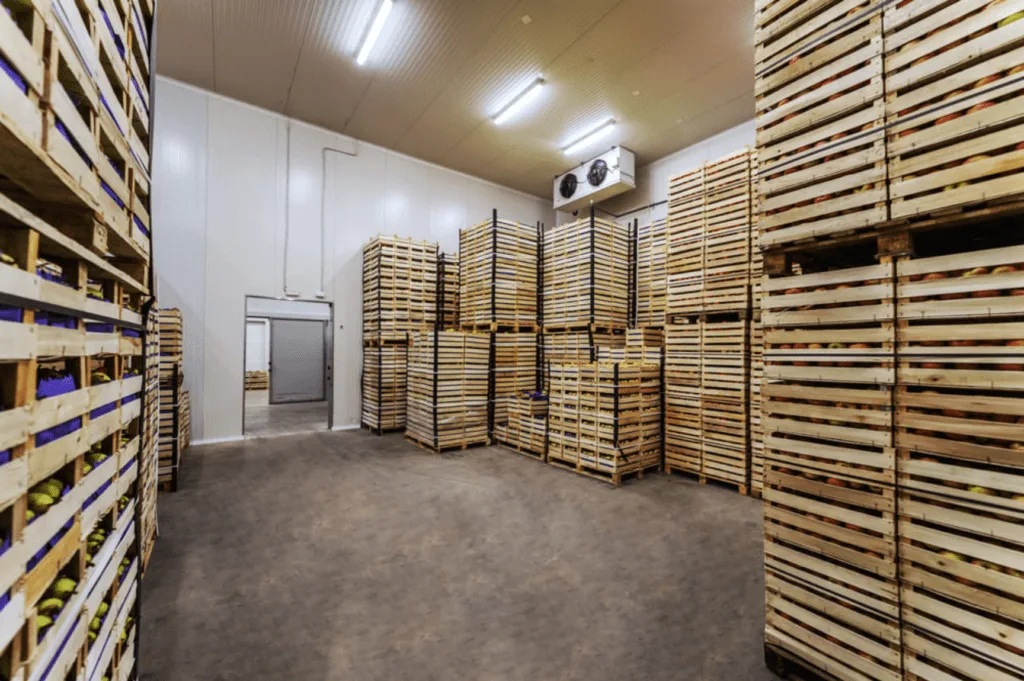
Holding items like food, medicine, or certain chemicals requires spaces that stay cold without fail. From vegetables to vaccines, consistency matters most when surroundings never waver. A minor shift in warmth might compromise freshness, cause early spoilage, or bring financial setbacks. Because reliability is non-negotiable, each component within such structures supports steady performance.
A critical aspect of today’s cold storage structures lies in the design of the exterior shell. Because they minimize heat movement, advanced insulated metal panels maintain stable interior conditions. Moisture penetration decreases significantly when these panels are properly installed. Over time, their insulation value remains effective, which benefits operations requiring steady cooling. Facilities focused on temperature precision often select this solution due to its dependable results.
Thermal Performance
Even efficient chillers cannot compensate for weak thermal barriers. What matters most is how well the structure blocks outdoor warmth. Instead of holding coolness inside, badly insulated roofs and walls allow steady leakage. Cooling machinery then runs longer cycles. This raises power demand. Expenses grow without noticeable improvement in comfort.
Insulated metal panels built for high performance resist heat transfer well due to their blend of strong outer metal layers with a seamless insulation interior. Because the structure limits points where temperature leaks occur, protection from external climate improves noticeably. With fewer fluctuations reaching the inside, cooling systems sustain desired levels using reduced energy output. Efficiency across the entire setup rises when demands on mechanical components decrease.
Energy Efficiency
One major expense for cold storage operations lies in energy spending. When insulation improves, less electricity is needed to keep cooling areas at proper temperatures. With reduced power use, fewer greenhouse gases enter the atmosphere due to lower demand on energy production.
Over time, structures built with durable materials tend to cut expenses in noticeable ways. Because insulation performs better, cooling systems cycle less often. This efficiency means energy use declines without sacrificing climate control reliability. Long term, upgraded components support consistent indoor environments along with reduced power demands. Performance gains emerge steadily when material choices prioritize endurance.
Moisture Control
When warm air moves into chilled spaces, moisture becomes problematic. Condensation often follows, especially where temperatures shift abruptly. Ice buildup results, sometimes accompanied by water-related deterioration nearby. Surrounding zones might develop microbial concerns over time. Structural function could decline alongside safeguards for stored items.
When fitted correctly, insulated metal panels form a reliable seal against air and moisture passage, cutting down on water vapor entry. Because they restrict warm, damp airflow from entering cold storage areas, condensation becomes less likely, supporting better hygiene conditions. With consistent performance, such shielding preserves structural integrity along with cooling systems over time.
Structural Durability
Cold storage structures face intense operational demands, such as shifting temperatures, ongoing mechanical activity, and also continuous human traffic. Performance of building components remains critical under persistent pressure from routine usage.
Despite their lightweight appearance, insulated metal panels offer resistance to both physical impact and temperature transfer. Because they hold up under daily wear, these units sustain integrity across extended periods. Owing to consistent behavior in demanding settings, use is common in storage facilities, production areas handling perishables, and logistics hubs where predictable function matters most.
Faster Construction
When construction timelines shift, project costs tend to rise. Operations may start later than planned because of these interruptions. Labor spending grows when work stretches beyond original dates. Materials selected for faster setup contribute to steady progress. Quality remains intact even under tighter time constraints.
One reason some projects move faster is how factory-cut panels fit together neatly on site. Rather than stacking separate layers, workers handle units where weather barriers and thermal layers already combine. Efficiency improves since fewer steps mean less room for error during assembly. With everything aligned before arrival, timelines shorten without sacrificing uniform results.
Temperature Sensitive Product Support
Cold storage units support sectors needing stable conditions for goods. From fresh produce to medicines, items depend on consistent climate control. Should temperatures shift, damage might occur along with weakened potency or failure to meet standards.
Stability inside buildings begins with proper insulation, which assists cooling units in holding steady climates. Because outside warmth struggles to enter, stored goods stay closer to needed ranges over time. With fewer temperature shifts, spoilage declines while stock retains worth more reliably. Trust grows among clients when environments show predictable control across operating cycles.
Long Term Facility Performance
Over time, upkeep expenses influence material choices for buildings. When elements withstand rust, need few fixes, yet keep thermal performance, savings tend to accumulate across decades. A structure’s lifespan reveals advantages in such selections, quietly shaping budget outcomes.
Throughout numerous cold storage developments, insulated metal roofing appears as part of broader efforts to enhance overall thermal control. Where strong roofing pairs with insulated walls, results often include sustained energy savings alongside dependable structure behavior. Over time, such integration tends to reduce upkeep demands while maintaining consistent indoor conditions. Longevity emerges quietly where materials align without gaps or weak junctions. Performance spreads beyond single components into how well systems interact under stress.
Conclusion
Beginning with careful selection of components, modern cold storage relies on materials offering consistent insulation qualities. Despite varying climates, moisture intrusion stays minimal due to advanced barrier properties. Structural demands are met without sacrificing thickness or space. Because cooling systems face fewer disruptions, their operation remains stable over time. Temperature-sensitive goods remain unaffected by external shifts, mainly through precision-engineered enclosures. Efficiency gains emerge not from machinery alone, but from integration with well-designed envelopes.
With growth across sectors relying on steady chilled spaces, attention turns toward resilient structural choices. Because performance hinges on consistent temperatures, selecting robust thermal elements supports lasting function. Through advanced panel systems, operators gain stability while lowering expenses over time. When conditions must remain precise, well engineered solutions help fulfill demanding standards without compromise.