DD
MM
YYYY

PAGES

DD
MM
YYYY

spot_img

PAGES

Home Blog Page 1501

A Foray Into Ape Foundation’s Q1 2025 Banana Bill Transparency Report

0

The Ape Foundation’s Q1 2025 Banana Bill Transparency Report, released in May 2025, details the allocation of 31.2 million $APE from the 100 million $APE treasury to fund various initiatives. Specifically, 14.6 million $APE was used to support 36 projects, including Zharta, LogX, Token Racer, Able Labs, Ithaca Protocol, Merkl, Banxa, WhiteBit, GateIO, Coinstore, Newstalgic Studios, TontachiAR, and SuperVerse.

These funds were directed toward commercial deals, user incentives, integrations, marketing, and foundational efforts to bolster the ApeChain ecosystem. The report reflects a disciplined approach in a challenging market, focusing on creator tools and user experience. The Ape Foundation’s Q1 2025 Banana Bill Transparency Report highlights strategic investments of 31.2 million $APE to bolster the ApeChain ecosystem, but it also underscores a growing divide within the ApeCoin DAO community, with implications for governance, resource allocation, and ecosystem sustainability.

The allocation of 14.6 million $APE to 36 projects signals a strong push to expand ApeChain’s utility and adoption. Funding diverse initiatives like DeFi (Zharta, LogX), gaming (Token Racer, TontachiAR), and infrastructure (Merkl, Banxa) aims to create a robust, multi-faceted ecosystem. Successful execution could enhance ApeCoin’s value proposition and attract new users, potentially increasing $APE’s market relevance.

In a bearish crypto market, the Foundation’s focus on disciplined spending and high-impact projects (e.g., exchange integrations like GateIO and Coinstore) could strengthen ApeCoin’s liquidity and accessibility. However, the effectiveness depends on measurable outcomes, which the report lacks in granular detail, potentially raising concerns about ROI.

The report’s release is a step toward transparency, addressing past criticisms of opaque treasury management. However, the lack of detailed metrics on project performance or specific fund utilization (e.g., exact marketing budgets) may fuel skepticism among token holders about accountability.

Allocating 31.2% of the 100 million $APE treasury in one quarter raises questions about long-term financial sustainability. If market conditions remain challenging, rapid depletion could limit future funding, especially for smaller community-driven projects. The report has amplified tensions within the ApeCoin DAO community, evident from discussions on platforms like X and ApeCoin forums.

Some community members argue the Foundation’s heavy influence over fund allocation undermines the DAO’s decentralized ethos. Projects like SuperVerse and WhiteBit, perceived as corporate-friendly, have sparked debates about prioritizing enterprise deals over grassroots initiatives. Critics on X have called for more community-led proposals to balance influence.

The funding skew toward established players (e.g., Banxa, GateIO) has frustrated smaller developers and creators, who feel sidelined. With analysts highlighting concerns the Banana Bill favors “insiders” or well-connected projects, deepening the divide between influential stakeholders and independent contributors.

There’s a split between those who support the Foundation’s market-driven approach (e.g., exchange listings to boost $APE’s visibility) and those advocating for long-term infrastructure or community-building projects. Some analysts have criticized the lack of funding for educational initiatives or open-source tools, which could foster broader adoption.

While the report is a step forward, vocal community members on ApeCoin forums and X have demanded more granular data, such as project-specific budgets and performance KPIs. This divide between the Foundation’s high-level reporting and the community’s call for detailed accountability could erode trust if unaddressed.

The $APE price, hovering around $0.65-$0.8 in Q1 2025 based on market data, reflects ongoing market challenges. The Foundation’s aggressive spending may be a calculated risk to stimulate growth, but without clear success metrics, it risks alienating token holders. The divide could worsen if funded projects fail to deliver or if smaller community voices continue to feel marginalized in governance processes.

Implications of Big Banks Exploring Joint Stablecoin Ventures

0

Major U.S. banks, including JPMorgan Chase, Bank of America, Citigroup, and Wells Fargo, are in early discussions to launch a joint stablecoin venture to counter growing competition from the cryptocurrency industry. The talks involve bank-owned payment companies like Early Warning Services (operator of Zelle) and The Clearing House (a real-time payments network). The initiative aims to protect banks’ payment and deposit bases, especially against potential moves by big tech or retailers into digital currencies. A proposed model would allow both large and regional banks to use the stablecoin.

Discussions are conceptual and depend on forthcoming U.S. legislation, notably the GENIUS Act, which recently advanced in the Senate and aims to create a regulatory framework for stablecoin issuance. Stablecoins, pegged to assets like the U.S. dollar, are seen as a way to streamline transactions, particularly cross-border payments, which can take days in traditional systems. However, concerns about security, regulatory compliance, and market demand remain. Some regional and community banks are also exploring separate stablecoin consortia.

The joint venture signals a strategic move by traditional banks to counter the growing influence of decentralized cryptocurrencies and stablecoins like USDT and USDC, which are issued by non-bank entities like Tether and Circle. By launching their own stablecoin, banks aim to retain control over payment systems and customer deposits, which are threatened by crypto platforms offering faster, cheaper transactions.

This could accelerate mainstream adoption of stablecoins, as bank-backed stablecoins would likely carry greater trust and regulatory compliance, appealing to institutional and retail clients wary of existing crypto volatility. Stablecoins could streamline cross-border payments, which currently take days and incur high fees through systems like SWIFT. A bank-backed stablecoin could reduce costs and settlement times, enhancing efficiency for global trade, remittances, and B2B transactions. Domestic payments could also benefit, with real-time settlement capabilities challenging existing bank-controlled networks like Zelle or ACH.

The venture’s success hinges on clear U.S. regulations, particularly the GENIUS Act, which aims to establish a framework for stablecoin issuance. Favorable legislation could legitimize and accelerate bank-backed stablecoins, but delays or restrictive rules could stall progress. Regulatory compliance would give bank-issued stablecoins an edge over crypto-native stablecoins, which face scrutiny over reserve transparency and money laundering risks.

A bank-backed stablecoin could capture significant market share in the $200 billion+ stablecoin market (as of 2025), potentially reducing the dominance of Tether and Circle. It could also pressure big tech like PayPal, which issues its own stablecoin and retailers exploring digital currencies, forcing them to compete on trust and integration. However, banks risk cannibalizing their own fee-based payment systems, and widespread adoption could reduce deposit bases if customers shift funds to stablecoin wallets.

Stablecoins, even bank-backed ones, face risks like cyberattacks, smart contract vulnerabilities, or reserve mismanagement. Banks’ involvement could mitigate some concerns due to their experience with financial security, but any failure could damage trust in the banking sector. Stablecoin adoption could introduce systemic risks if not properly regulated, especially if they become integral to global payments.

A bank-backed stablecoin would be centralized, tightly regulated, and integrated into existing financial systems. It would prioritize compliance, security, and interoperability with bank infrastructure, appealing to traditional customers and institutions. Decentralized stablecoins like USDC or algorithmic stablecoins like DAI operate on public blockchains, emphasizing permissionless access, global reach, and innovation. They appeal to crypto-native users but face regulatory uncertainty and trust issues due to past scandals (e.g., Tether’s reserve controversies).

Banks reputation and regulatory oversight could make their stablecoin more trusted by mainstream users, governments, and corporations. However, banks’ slow innovation and profit-driven models may limit flexibility and accessibility compared to crypto alternatives. Crypto stablecoins benefit from rapid innovation and global accessibility but struggle with regulatory scrutiny, volatility risks in underlying blockchains, and skepticism from traditional finance. Adoption is strong among crypto users but limited in mainstream commerce.

A joint venture could consolidate power among major banks, potentially marginalizing smaller institutions or crypto startups. Regional banks forming separate consortia (as noted) suggest a divide even within the banking sector, with smaller players seeking to avoid domination by giants like JPMorgan or Citigroup. The crypto industry could face existential competition from banks, especially if bank stablecoins integrate with existing payment rails like Zelle or The Clearing House. However, crypto’s decentralized nature allows it to serve unbanked populations and bypass traditional gatekeepers, maintaining a niche.

Banks lobbying power and established relationships with regulators give them an edge in shaping stablecoin legislation (e.g., the GENIUS Act). A bank-friendly regulatory environment could stifle crypto-native stablecoins. Crypto firms face stricter scrutiny and may struggle to comply with evolving rules, but their global, decentralized nature makes them harder to regulate fully, allowing continued innovation outside U.S. jurisdiction.

Banks stablecoin would likely prioritize stability over experimentation, potentially lagging in features like DeFi integration or cross-chain compatibility. Collaboration among banks could also slow decision-making. The crypto space moves faster, with constant experimentation in DeFi, NFTs, and tokenized assets. However, this speed often comes with instability, as seen in past stablecoin failures (e.g., TerraUSD).

Banks’ Advantage could bridge traditional finance and crypto, offering a regulated alternative that integrates with existing systems. This could pull crypto users into the banking fold but risks alienating those who value decentralization. The crypto ecosystem thrives on its ability to operate outside traditional systems, serving unbanked populations and enabling novel use cases (e.g., smart contracts). However, it must overcome regulatory hurdles and prove reserve stability to compete with banks.

Users may benefit from faster, cheaper payments but face a choice between bank-controlled stablecoins (safer, less innovative) and crypto-native ones (riskier, more versatile). The divide could fragment the market, with banks dominating institutional use and crypto retaining retail and niche applications. If U.S. banks succeed, other countries’ financial institutions may follow, potentially creating a global network of regulated stablecoins. This could challenge crypto’s borderless ethos but also spur innovation as crypto firms adapt to compete.

Meme Coin Mania Returns? Salamanca (DON) Token Channels Pepe Coin’s (PEPE) 2023 Energy with $400 Set to Become $12000 This Month

0

Pepe Coin allowed people with small wallets to see their balances jump into the thousands in only a few weeks. Right now, traders notice low-market-value assets that have a vibrant community and a recognizable brand. Salamanca’s (DON) excellent results and rising trade on main exchanges have earned it the same respect as other firms. Due to how it has been performing, $DON is emerging as a top pick among meme coins this cycle.

Salamanca Emerges as  Leader on Binance Smart Chain

DON is a meme coin inspired by the Salamanca group from the shows Breaking Bad and Better Call Saul. Since it runs on Binance Smart Chain, the token allows for quick and affordable transfers. Its purpose is to unite the community by using high volume, community culture and digital stories.

The token merges television fandom with Web3 infrastructure to create a crypto-native identity. With this blend of themes and utility, Salamanca positions itself as the real Don in the current meme coin market.

Exchange Listings Boost Performance and Reach

Gate.io, MEXC and PancakeSwap have listed DON, making it available to people around the globe. According to liquidity and trading volume, Gate.io is included in the top three international exchanges.

The daily trading of $DON has exceeded more than $20 million  as DON gains more exposure within the Binance Smart Chain.  The value of the token is still appreciated, so it still attracts more users in the meme market.

Culture-Driven Community Backs Project’s Momentum

Salamanca’s growth is linked to its unique cultural identity and active community presence. Visual themes from the Salamanca cartel blend with anime art and meme culture across social platforms.

Salamanca’s content is presented consistently on Telegram, X and Web3 channels and it regularly gets a lot of responses. The combination of branding and rich culture has resulted in more players arriving at the project without any marketing efforts. The strength of its themes has differentiated $DON from many meme tokens launched this year.

Future Plans and Long-Term Potential

Salamanca (DON) trades at $0.001280, with a 274.85% increase over the past month. The market cap for this coin is still $1.28 million and the daily volume went up by 4.70% to $3.93 million. It is clear from the chart that the price surged above $0.008 and then slowly decreased to $0.0012. Both total supply and circulating supply are 1 billion DON and the ratio between them is 298.33%.

Source :CoinMarketCap

Plans are underway for more centralized exchange listings, with Binance viewed as a potential next step. Roadmap timelines include continued scaling and integration across key ecosystems. Based on current patterns, the team projects a 2000% gain from present price levels.

Compared with other BSC meme coins, Salamanca ranks as one of the fastest-expanding projects of 2025. With its layered narrative and market placement, it remains on track for broader recognition within the meme sector.

Conclusion

BSC and pop culture’s popularity enable Salamanca (DON) to create a unique movement in the market. Its listing on major exchanges, deep community ties, and viral themes have positioned it ahead of meme coin competitors. As the rally continues, Salamanca is one of the places that could perform exceptionally well this year.


For More Details:

Twitter/X: https://x.com/salamanca_token

Telegram: https://t.me/salamancatoken

Website: https://salamanca.club/

xBTC Launch on OKX Is A Significant Step Toward Integrating Bitcoin Into DeFi

0

OKX launched xBTC, a 1:1 Bitcoin-backed wrapped token, on Solana, Sui, and Aptos on May 22, 2025. This allows Bitcoin holders to use xBTC in DeFi applications like trading, lending, and liquidity mining on these high-speed, low-fee blockchains. Each xBTC is fully collateralized by Bitcoin held in OKX’s custody, with transparency ensured through real-time Proof of Reserves audits. Users can mint or redeem xBTC without fees, enhancing Bitcoin’s utility and cross-chain interoperability.

The launch of xBTC by OKX, a 1:1 Bitcoin-backed wrapped token on Solana, Sui, and Aptos, has significant implications for the crypto ecosystem, particularly in bridging Bitcoin’s value with DeFi capabilities on high-speed blockchains. xBTC enables Bitcoin holders to participate in DeFi activities (e.g., trading, lending, liquidity provision) on Solana, Sui, and Aptos, which are known for high throughput and low transaction costs compared to Bitcoin’s native blockchain.

This unlocks Bitcoin’s massive liquidity (over $2 trillion market cap as of May 2025) for use in yield-generating protocols, potentially increasing Bitcoin’s relevance in DeFi without requiring users to sell their BTC. By wrapping Bitcoin on Solana, Sui, and Aptos, xBTC bridges Bitcoin to ecosystems with different technical architectures and user bases. This fosters interoperability, allowing Bitcoin to flow into altcoin-based DeFi platforms.

It reduces reliance on Ethereum-based wrapped Bitcoin (e.g., WBTC), diversifying the wrapped BTC market and potentially mitigating risks tied to Ethereum’s congestion or high fees. OKX’s backing of xBTC with 1:1 Bitcoin reserves, audited via real-time Proof of Reserves, aims to build trust. However, it introduces counterparty risk, as users must rely on OKX’s custody security and integrity. The transparency of reserves could set a standard for other wrapped token projects, but any mismanagement or hack could undermine confidence in xBTC.

xBTC competes with established wrapped Bitcoin tokens like WBTC and renBTC. Its success depends on OKX’s reputation, the adoption of Solana/Sui/Aptos in DeFi, and the absence of fees for minting/redemption. This could drive innovation in wrapped token mechanisms, potentially lowering costs and improving security across the industry.

Hosting xBTC may attract Bitcoin holders to these blockchains, increasing their total value locked (TVL) and user activity. Solana, already a DeFi hub, could see further growth, while newer chains like Sui and Aptos gain traction. Many maximalists argue that Bitcoin should remain on its native blockchain to preserve its decentralization, security, and ethos as “sound money.”

They may view xBTC as a compromise, introducing custodial risks and reliance on less decentralized chains like Solana. To them, wrapping BTC dilutes its purity and exposes it to vulnerabilities (e.g., OKX’s custody or Solana’s past network outages). The DeFi community sees xBTC as a way to integrate Bitcoin’s liquidity into programmable, scalable ecosystems. They argue that Bitcoin’s slow transaction speeds and lack of smart contract functionality limit its utility, and xBTC bridges this gap, making BTC more versatile without sacrificing its store-of-value properties.

Bitcoin’s blockchain is designed for security and immutability, with limited scalability (7 transactions per second). Solana, Sui, and Aptos, by contrast, prioritize high throughput (Solana can handle 65,000 TPS) and smart contract functionality, making them ideal for DeFi but less decentralized in some critics’ eyes. xBTC’s reliance on these chains could alienate users who distrust their consensus mechanisms (e.g., Solana’s delegated proof-of-stake) or see them as less battle-tested than Bitcoin.

xBTC could narrow the divide by allowing Bitcoin holders to explore DeFi without abandoning BTC. It offers a middle ground: users retain Bitcoin’s value while leveraging altcoin chains’ capabilities. However, it may deepen the divide if maximalists reject custodial solutions or if DeFi users prioritize xBTC over native BTC, reinforcing the perception that Bitcoin’s blockchain is “outdated” for modern applications.

Risk of Fragmentation

The proliferation of wrapped Bitcoin tokens (xBTC, WBTC, etc.) across multiple chains could fragment Bitcoin’s liquidity, creating competing standards. This risks confusion and inefficiency unless cross-chain bridges and standards evolve. xBTC could drive speculative interest in Solana, Sui, and Aptos tokens (SOL, SUI, APT), as their ecosystems benefit from Bitcoin’s liquidity. This may fuel bullish sentiment but also volatility.

Custodial wrapped tokens like xBTC may attract regulatory attention, especially if OKX’s reserves or cross-chain operations face compliance issues in jurisdictions like the U.S. or EU. While xBTC promotes innovation, it underscores the trade-off between DeFi’s flexibility and Bitcoin’s security. A major failure (e.g., a hack of OKX’s reserves) could set back trust in wrapped tokens and widen the ideological divide.

xBTC’s launch is a significant step toward integrating Bitcoin into DeFi, leveraging Solana, Sui, and Aptos to enhance its utility. It has the potential to bridge the divide between Bitcoin maximalists and DeFi enthusiasts by offering a way to use BTC in scalable ecosystems.

However, it also highlights ongoing tensions over centralization, custody, and Bitcoin’s role in a multi-chain world. The success of xBTC will depend on OKX’s ability to maintain trust, the adoption of its host blockchains, and the crypto community’s willingness to embrace this hybrid approach.

Elon Musk Pledges Renewed Focus on Tesla and His Other Ventures

0

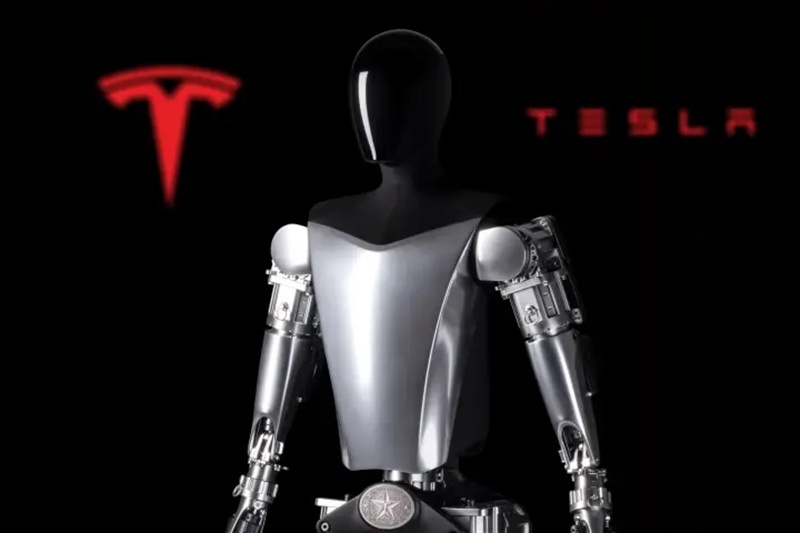
After months of intense political involvement under President Donald Trump’s administration, Elon Musk is stepping back from his government role and returning his attention to the companies that catapulted him to global fame and immense wealth.

In a post on his social media platform X, Musk wrote: “Back to spending 24/7 at work and sleeping in conference/server/factory rooms,” referencing the platform’s recent outages and hinting at a renewed dedication to his core ventures. “I must be super focused on xAI and Tesla (plus Starship launch next week), as we have critical technologies rolling out.”

The announcement follows Musk’s earlier comments during Tesla’s April earnings call, where he revealed plans to reallocate his time.

“I think I’ll continue to spend a day or two per week on government matters for as long as the president would like me to do so, and for as long as it is useful, but starting next month, I’ll be allocating far more of my time to Tesla, now that the major work of establishing the Department of Government Efficiency is done,” he said.

A Polarizing Political Stint

Musk’s role as the head of the Department of Government Efficiency (DOGE), a newly created agency under Trump, was defined by sweeping workforce reductions and budgetary rollbacks that targeted several federal agencies, including the Consumer Financial Protection Bureau and USAID. These aggressive measures left thousands of federal workers uncertain about their futures, drawing criticism from both sides of the aisle.

His political activism extended beyond administrative functions. Musk’s super PAC poured millions into Republican-aligned causes, including a high-profile but unsuccessful effort to influence a critical Wisconsin Supreme Court race. Despite his visibility in right-wing politics, Musk recently stated at the Qatar Economic Forum that he would significantly reduce political donations going forward.

“If I see a reason to do political spending in the future, I will do it. I do not currently see a reason,” he said.

Fallout at Tesla

Musk’s political pivot sparked backlash among investors and Tesla’s core customer base, particularly among liberals and environmentalists who had long supported the brand. Tesla’s stock price significantly declined during the height of Musk’s political entanglements, and the company faced reputational challenges.

Marketing professor and analyst Scott Galloway criticized Musk’s political foray, calling it “one of the greatest brand destructions in history.” Tesla’s brand ranking plummeted from 8th to 95th in the Axios Harris Poll between 2021 and 2024.

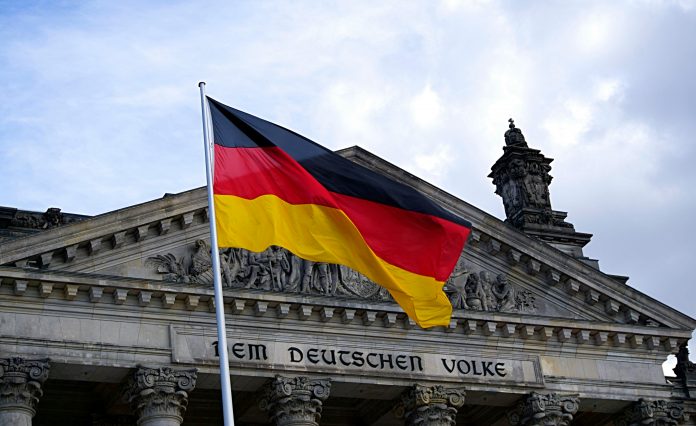
Additionally, Tesla experienced a sharp 60% drop in vehicle sales in Germany in early 2024, a fall that coincided with Musk’s public backing of the far-right Alternative for Germany (AfD) party and comments that were seen as supportive of anti-immigrant views. Across multiple cities, protests have erupted outside Tesla factories, and Musk’s polarizing rhetoric has driven former customers to sell their vehicles in protest.

A Morgan Stanley investor survey found that 85% of respondents believed Musk’s political activity had negatively or extremely negatively impacted Tesla’s business fundamentals. There were even reports of growing pressure within Tesla’s boardroom, amid speculation that directors were quietly discussing a potential leadership transition.

Musk’s statement that he would remain Tesla’s CEO for “at least five years” was meant to quell such speculation.

“If Tesla is to continue to lead in AI and robotics, we need to make sure I have reasonable control,” Musk said during the April call.

Investors React to Political Withdrawal

In a sign of renewed investor confidence, Tesla shares rebounded sharply after Musk confirmed his intention to reduce his political involvement. The stock saw a 43% gain following the earnings call where he announced his pivot back to business.

But questions remain over how far Musk will distance himself from politics. While he has stated he will devote less time and money to political activities, it is not clear whether he will temper his political rhetoric—particularly on X, where he frequently engages in combative commentary aligned with far-right views. That rhetoric continues to alienate a significant segment of Tesla’s original base: environmentally conscious, left-leaning consumers.

A recent consumer poll cited by Bloomberg showed that a growing share of Tesla drivers have considered selling their vehicles specifically due to Musk’s political statements. Some even reported they had already sold their cars as an act of protest.

As Tesla faces mounting competition from Chinese automakers like BYD, especially in European markets, Musk’s ability to steer the company back to its innovative and apolitical roots will likely be critical. The company has already missed production targets for its next-generation electric vehicles, and its operating margins have thinned.

Meanwhile, Musk’s attention is increasingly divided among multiple ventures—SpaceX, X, xAI, and Neuralink among them—all at critical stages of technological development. His recent statement suggests a renewed effort to ensure none of them are neglected: “We’re at a pivotal point. I need to be present.”

Only time will tell whether Musk’s re-focus will include a shift in public tone or merely a shuffling of calendar priorities.