DD
MM
YYYY

PAGES

DD
MM
YYYY

spot_img

PAGES

Home Blog Page 1603

Dangote Refinery Expands Crude Imports Amid Uncertainty Over Naira-for-Crude Deal

0

The Dangote Refinery and Petrochemical Company has ramped up its sourcing of crude oil from international suppliers, even as the Nigerian National Petroleum Company Ltd. (NNPCL) says it is in talks with the company to renew the Naira-for-Crude deal.

According to Bloomberg, the refinery, which is Africa’s largest, has recently secured crude shipments from the United States, Angola, and Algeria, signaling a shift in its crude sourcing strategy.

Since the beginning of March, the refinery has reportedly received over three million barrels of American crude, alongside additional shipments from Angola and Algeria. Analysts at Energy Aspects Ltd. estimate that crude deliveries to Dangote Refinery have averaged 450,000 barrels per day (bpd) in the past two weeks, compared to 380,000 bpd in January and February.

The increased reliance on foreign crude is seen by industry observers as an indication that the refinery is not counting on the renewal of the Naira-for-Crude deal, despite the NNPCL’s ongoing discussions. The deal, which was introduced to allow local refineries to pay for crude oil in naira instead of dollars, was expected to support local refining operations while reducing pressure on Nigeria’s forex reserves. However, implementation challenges and pricing concerns appear to have affected its sustainability.

Although the refinery remains heavily dependent on Nigerian crude, its sourcing diversification suggests a strategic shift. Data compiled by Bloomberg shows that in February alone, Dangote Refinery took in over ten million barrels of local crude. Since the signing of the crude supply agreement in October 2024, the NNPCL said it has supplied a total of 48 million barrels to the refinery.

With the first phase of the Naira-for-Crude now concluded, the move to secure more international crude also raises questions about whether the refinery, besides the concern of insufficiency, still finds the Naira-for-Crude deal favorable.

Industry analysts believe that price competitiveness is at the core of Dangote’s crude sourcing decisions.

“WTI will continue to be an attractive grade for the refinery because of its light-sweet nature and price competitiveness with local West African grades,” said Ronan Hodgson, an analyst at FGE.

With access to multiple crude streams, the refinery could also consider imports from Libya, the North Sea, and the Mediterranean, depending on market conditions.

Concerns Over Fuel Prices in Nigeria

The potential jettisoning of the Naira-for-Crude deal has raised concerns among energy analysts, who warn that increased reliance on dollar-denominated crude imports could drive up product prices for Nigerian consumers. The refinery’s ability to purchase local crude in naira had been expected to stabilize fuel prices, but if Dangote Refinery shifts more towards foreign crude purchases, the cost of refining could increase.

It is believed that the refinery’s move towards more dollar-denominated crude purchases could erase the price reduction that consumers have recently enjoyed.

Since beginning operations, the refinery has helped lower Nigeria’s reliance on imported petroleum products, which had long been a major source of forex demand and price volatility. Local refining has also contributed to stabilizing fuel prices, providing some relief to consumers in an economy where inflation and devaluation have significantly eroded purchasing power.

The challenge is largely tied to the NNPCL’s inability to sufficiently supply Dangote refinery with crude. The naira-for-crude initiative was launched on October 1, 2024, to reduce Nigeria’s dependence on costly petroleum product imports, conserve foreign exchange (FX), and bring down petrol prices. The initiative allowed local refineries to buy crude oil in naira instead of dollars, a measure aimed at stabilizing the local currency and ensuring consistent supply to domestic refiners.

Under the scheme, the Federal Executive Council (FEC) allocated 450,000 barrels of crude per day for domestic consumption, with the Dangote Refinery as the pilot project. The NNPC was to supply at least 385,000 barrels per day (bpd) to the refinery, which has a capacity of 650,000 bpd. However, the national oil company has failed significantly.

However, the NNPCL has reportedly warned local refineries about its inability to sufficiently supply them with crude, noting that most of its products are now forward-sold until 2030. This means that instead of feeding local refineries and stabilizing the domestic market, Nigeria’s increased output will primarily support export commitments.

Against this backdrop, it remains uncertain whether Dangote Refinery can secure a favorable extension of the Naira-for-Crude deal. Analysts note that if the talks with NNPCL do not lead to a competitive pricing structure, Dangote may decide to source all its crude beyond Nigerian shores, a move that could have ripple effects on fuel prices and Nigeria’s energy market.

The U.S. Dollar Index (DXY) has fallen to Pre-Election Levels

0

The U.S. Dollar Index (DXY), which measures the value of the dollar against a basket of major foreign currencies, has indeed fallen to pre-election levels, reflecting a significant reversal of its post-election gains. As of early March 2025, the DXY is trading at levels last seen before the U.S. presidential election on November 5, 2024, effectively wiping out the rally that followed President Donald Trump’s victory. This decline, which indicate is approximately 4% from its January post-election peak, is driven by a combination of economic, policy, and market sentiment factors, though it is important to critically examine the establishment narrative surrounding these dynamics.

The initial surge in the dollar’s value after the election was largely attributed to expectations of Trump’s economic policies, often referred to as the “Trump trade.” These policies included significant tax cuts, deregulation, and aggressive tariffs, particularly on imports from China, which were anticipated to boost U.S. economic growth and inflation. Such expectations typically strengthen the dollar by increasing demand for dollar-denominated assets and prompting speculation that the Federal Reserve (Fed) would maintain or even raise interest rates to curb inflation. The DXY reached a peak of around 108 in January 2025, its highest level in over two years, reflecting these bullish sentiments.

However, several factors have contributed to the dollar’s recent decline to pre-election levels, around 103.65 as of early March 2025. Firstly, concerns about the sustainability of Trump’s fiscal policies have grown, particularly as the administration’s proposed tax cuts and increased government spending are expected to widen the U.S. fiscal deficit. This could lead to higher borrowing, potentially undermining confidence in the dollar as a safe-haven currency, especially if inflationary pressures persist without corresponding economic growth.

JPMorgan economists estimating a 40% chance due to “extreme U.S. policies,” though such claims should be treated as speculative without further evidence. Secondly, the implementation of Trump’s tariff policies has introduced significant uncertainty into global markets, contributing to the dollar’s weakness. While tariffs were expected to strengthen the dollar by making imports more expensive and potentially boosting domestic production, they have also raised concerns about trade wars, particularly with China, the EU, and other major trading partners.

A potential depreciation of the Chinese yuan to offset tariff impacts, as occurred in 2018, could pressure other emerging market currencies, tightening global financial conditions and spilling back negatively to the U.S. economy. This dynamic has led some investors to question the dollar’s safe-haven status, especially as commodity prices, which often move inversely to the dollar, have been affected by these trade tensions.

Third, the Federal Reserve’s monetary policy stance has played a role in the dollar’s decline. Following the election, markets anticipated that inflationary pressures from Trump’s policies would reduce the likelihood of Fed rate cuts, potentially leading to tighter monetary policy. However, recent economic data, including signs of slowing growth and labor market stabilization, have increased speculation that the Fed might prioritize economic stability over inflation control, potentially cutting rates further. Analysts have suggested that lower interest rates, combined with investor uncertainty, could weaken the dollar, though this narrative should be critically examined, as the Fed’s actions are often more nuanced and data-dependent than market speculation implies.

Additionally, market sentiment has shifted, with investors taking profits on the “Trump trade” as the initial post-election euphoria has faded. The S&P 500, which surged after the election, has also erased its post-election gains, reflecting broader concerns about the economic outlook under Trump’s policies. Analysts have noted an unusual dynamic where dollar weakness is now seen as negative for risk assets, contrary to historical patterns where a weaker dollar typically eased global liquidity and supported risk appetite. This shift suggests that markets are grappling with a complex interplay of factors, including trade policy uncertainty, fiscal sustainability, and monetary policy expectations, all of which have contributed to the dollar’s fall to pre-election levels.

While these policies are significant, other structural factors, such as the relative strength of other currencies (e.g., the euro and yen) and global economic conditions, also influence the DXY. For instance, the euro’s recovery from post-election lows, driven by improving political stability and growth prospects in the eurozone, has contributed to the dollar’s relative weakness. Similarly, the yen’s movements are influenced by Japan’s monetary policy and safe-haven flows, which may not be directly tied to U.S. policy. The narrative of dollar weakness as solely a reflection of U.S. policy risks oversimplifying a multifaceted global currency market.

Looking ahead, the dollar’s trajectory will depend on several factors. The President’s Working Group on Digital Asset Markets, established by Trump’s executive order, is expected to propose a regulatory framework for digital assets within 180 days, which could influence dollar demand, particularly if stablecoins gain broader adoption. Additionally, the Fed’s upcoming policy decisions, particularly its March 2025 meeting, will be critical, as any indication of rate cuts or a pause could further pressure the dollar.

However, if inflationary pressures from tariffs and fiscal stimulus intensify, the Fed might adopt a more hawkish stance, potentially supporting the dollar. The interplay of these factors suggests continued volatility, with the dollar’s status as a safe-haven currency potentially at risk, though historical resilience indicates that predictions of a long-term collapse may be premature.

The U.S. Dollar Index has fallen to pre-election levels as of early March 2025, driven by concerns over Trump’s fiscal and trade policies, shifting Fed expectations, and broader market sentiment. While the establishment narrative emphasizes U.S.-specific factors, a critical examination reveals the importance of global economic dynamics and the need to avoid oversimplifying the dollar’s movements. The dollar’s future path remains uncertain, with significant implications for global markets, and investors should remain vigilant in monitoring both U.S. policy developments and international economic trends.

Jio & Airtel Partner with SpaceX to Bring Starlink to India as SpaceX Targets Its Biggest Market Outside the U.S.

0

In a landmark move that could redefine India’s satellite broadband landscape, Jio Platforms, the telecom subsidiary of Reliance Industries and India’s largest mobile network operator, announced a partnership with Elon Musk’s SpaceX on Wednesday.

The deal will allow Jio to distribute and integrate Starlink’s satellite-based internet services across the country, marking a critical step in bringing high-speed internet connectivity to remote and underserved regions.

This partnership, however, is not just another business deal for SpaceX—it is arguably one of the most important agreements in Starlink’s global expansion. With China off-limits to Starlink due to strict government regulations and its own competing satellite network, India is set to become the largest potential market for Starlink outside the United States.

Since its launch in 2019, Starlink has aggressively expanded across more than 60 countries, targeting regions where traditional fiber broadband infrastructure is weak. However, one of the largest markets in the world—China—has been completely inaccessible to SpaceX. The Chinese government has banned Starlink operations, citing national security concerns and instead developing its own state-controlled satellite broadband network, the Guowang constellation.

With China out of reach, India, home to over 1.4 billion people and more than 950 million mobile subscribers, has become the darling ground for satellite broadband dominance. If fully approved by regulators, this Jio-Starlink partnership could allow SpaceX to establish a dominant presence in India’s rapidly growing broadband market. No other country offers this scale of untapped demand.

For Jio, the partnership represents a chance to reinforce its dominance in India’s telecom sector. While it has already launched its own satellite broadband service, JioSpaceFiber, Starlink’s low Earth orbit (LEO) satellite technology could help it reach even the most isolated regions of India.

“By integrating Starlink into Jio’s broadband ecosystem, we are expanding our reach and enhancing the reliability and accessibility of high-speed broadband in this AI-driven era, empowering communities and businesses across the country,” said Mathew Oomen, Group CEO of Reliance Jio, in a statement.

Jio, Airtel, and the New Satellite Broadband Race

Jio’s announcement came just hours after its biggest rival, Bharti Airtel, revealed a similar partnership with SpaceX to distribute Starlink services through its own channels. Airtel, India’s second-largest telecom operator, has been pushing to enter the satellite broadband market through OneWeb, a competitor to Starlink partly owned by Bharti Group.

This intensifying competition marks a new phase in India’s broadband wars, where traditional fiber and mobile networks are being supplemented by LEO satellite services to provide high-speed internet in rural areas.

Jio’s own satellite initiative, JioSpaceFiber, is already operational in select districts following regulatory approval from the Indian National Space Promotion and Authorization Center (IN-SPACe). Similarly, Airtel’s OneWeb venture is making significant strides toward commercial operations.

This raises three key questions:

  1. Will Jio and Airtel continue supporting Starlink if their own satellite broadband services gain momentum?
  2. Could this partnership evolve into a direct competition between Starlink, JioSpaceFiber, and OneWeb?
  3. How will the Indian government regulate multiple satellite broadband operators in a sector that has been tightly controlled in the past?

Beating the Regulatory Hurdles

SpaceX’s previous attempts to enter the Indian market were met with regulatory resistance. In 2021, the company began taking pre-orders for Starlink terminals, promising to launch services soon. However, the Indian Department of Telecommunications (DoT) and IN-SPACe ordered SpaceX to stop selling Starlink connections until it secured the necessary licenses. The company was forced to refund customer pre-orders in 2022, marking a major setback.

Now, with both Jio and Airtel backing Starlink, regulatory approval appears far more likely. However, it is still unclear how long the process will take, especially since both Jio and Airtel previously opposed the Indian government’s move to allow Starlink’s entry via administrative clearance rather than an auction process.

Modi’s U.S. Visit and India’s Digital Push

The timing of this deal is no coincidence. Just weeks ago, Indian Prime Minister Narendra Modi visited the United States, where he met with Elon Musk and U.S. President Donald Trump. Among the key topics discussed were India’s digital expansion, SpaceX’s role in global internet connectivity, and a new subsea cable agreement aimed at strengthening international broadband networks.

India has been aggressively pushing its Digital India initiative, a government-backed project aimed at expanding internet access to rural communities and bridging the digital divide. Satellite broadband plays a crucial role in this vision, making Starlink’s entry into India a perfect alignment with the country’s long-term connectivity goals.

Although there had been opposition to Starlink’s entry into India in the past, recent happenings indicate a shift that aligns with the growth interest of both Jio and Airtel, buoyed by the government’s broader connectivity strategy.

If approved, Starlink could become one of the most significant players in India’s broadband market, offering high-speed internet to millions of Indians who still lack reliable connectivity.

Gwynne Shotwell, President and COO of SpaceX reaffirmed the company’s commitment to the Indian market.

“We are looking forward to working with Jio and receiving authorization from the Government of India to provide more people, organizations, and businesses with access to Starlink’s high-speed internet services,” she said.

U.S. Securities and Exchange Commission Discontinues ‘ATS’ Registration for Crypto Firms

0

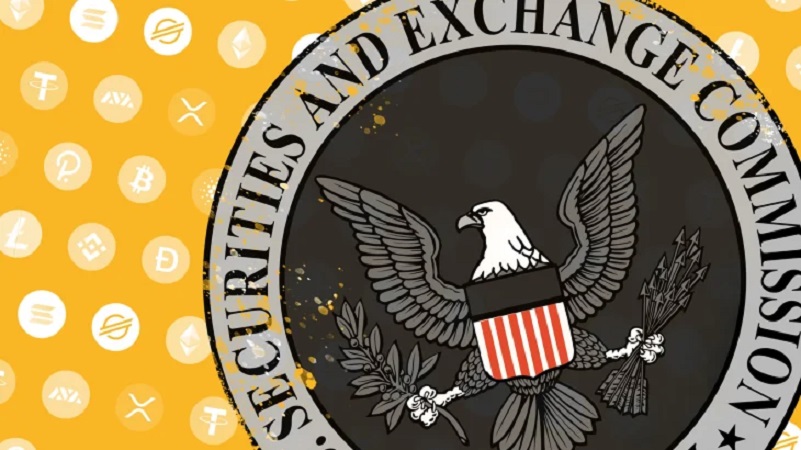
The U.S. Securities and Exchange Commission (SEC) has indeed taken steps to move away from a proposed requirement that would have mandated cryptocurrency companies to register as “alternative trading systems” (ATS). This development reflects a significant shift in the SEC’s approach to regulating the crypto industry, influenced by a combination of political, industry, and leadership dynamics. In March 2025, Acting SEC Chairman Mark Uyeda announced that he had directed staff to abandon a 2022 proposal that aimed to expand the definition of ATS to include certain crypto firms.

This proposal, initiated under the previous Democratic leadership of the SEC, was part of a broader effort to impose stricter oversight on the crypto sector by subjecting it to the same regulatory framework as traditional securities exchanges. The plan faced significant pushback from the crypto industry, which argued that the heightened regulatory burden would stifle innovation and impose impractical compliance requirements, particularly given the decentralized and technology-driven nature of many crypto platforms.

In January 2025, the SEC launched a crypto task force aimed at overhauling its approach to digital assets, signaling a move toward a more industry-friendly regulatory framework. This shift has also been marked by the SEC pausing or dismissing several high-profile enforcement actions against major crypto firms, such as Binance and Coinbase, which had been accused of operating as unregistered exchanges. Uyeda criticized the original proposal as a “mistake,” arguing that it inappropriately linked the regulation of Treasury markets with what he described as a “heavy-handed attempt to tamp down the crypto market.”

By removing the ATS registration requirement, the SEC is reducing a key regulatory hurdle, potentially encouraging innovation and investment in the sector. Companies like Coinbase, Ripple, and others could benefit from clearer guidelines and a less adversarial regulatory environment, which might lead to increased institutional adoption and market expansion. The decision also aligns with broader political signals, including President Donald Trump’s 2024 campaign promises to establish a more crypto-friendly regulatory regime, such as creating a strategic Bitcoin reserve and promoting a national cryptocurrency stockpile.

However, this move does not mean the crypto industry is free from SEC oversight. Crypto firms must still navigate other securities laws, particularly if their tokens are deemed securities under the Howey Test, which would require registration and compliance with disclosure and reporting obligations. The SEC’s decision to abandon the ATS requirement is specific to the classification of crypto platforms as trading systems, not a blanket deregulation of the sector. Moreover, the crypto task force is tasked with developing new regulatory frameworks, which could introduce alternative registration channels or compliance measures in the future.

Critics of the original ATS proposal, including some within the crypto industry, argued that it was overly broad and could harm innovation, but proponents of stricter regulation contend that easing requirements could expose investors to increased risks, such as fraud, market manipulation, and Ponzi schemes, which have historically plagued the crypto space. The SEC’s previous enforcement actions, such as those against Binance and Coinbase, highlighted concerns about unregistered securities offerings and inadequate investor disclosures, issues that remain unresolved even with the abandonment of the ATS rule.

The SEC’s decision has sparked debate about its broader regulatory strategy. Some industry observers view this as a pragmatic step toward fostering a more collaborative relationship with the crypto sector, potentially legitimizing digital assets within mainstream financial markets. Others, however, see it as a politically motivated rollback of consumer protections, influenced by the incoming Trump administration’s deregulatory agenda and the crypto industry’s growing political clout, exemplified by significant lobbying efforts and campaign contributions from figures like Elon Musk.

It is also worth noting that this policy shift occurs in the context of other regulatory developments, such as the SEC’s approval of spot Bitcoin and Ether exchange-traded funds (ETFs) in 2024, which have already begun to integrate cryptocurrencies into traditional financial systems. These ETFs provide investors with regulated exposure to crypto assets, potentially reducing the need for direct trading on crypto platforms and thus mitigating some of the risks associated with unregulated exchanges. However, the abandonment of the ATS requirement could further encourage the growth of decentralized finance (DeFi) platforms and other crypto trading systems, which may continue to operate outside the SEC’s direct oversight, raising ongoing questions about market integrity and investor safety.

The SEC’s decision to end the proposed requirement for crypto companies to register as “trading systems” marks a significant pivot in its regulatory approach, driven by a combination of industry resistance, political pressures, and a desire to foster innovation. While this move reduces immediate regulatory burdens on crypto firms, it does not eliminate the need for compliance with other securities laws, and the long-term implications for investor protection and market stability remain uncertain.

Donald Trump’s Endorsement of Tesla Shows Solidarity with Elon Musk

0

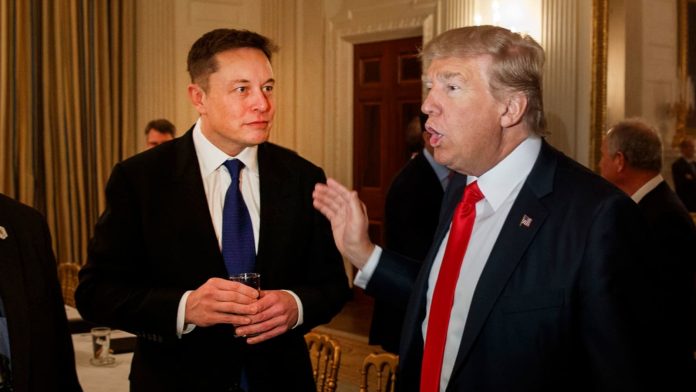
President Donald Trump’s endorsement of Tesla, particularly highlighted by his public support and symbolic purchase of a Tesla vehicle, does signal a level of solidarity with electric vehicles (EVs), but this stance is nuanced and appears heavily influenced by his personal and political relationship with Tesla CEO Elon Musk rather than a broad commitment to EV adoption. While Trump’s actions, such as showcasing Tesla vehicles at the White House and expressing support for the company, can be interpreted as an endorsement of EVs, his broader policy positions and rhetoric reveal a more complex and often contradictory approach to the electric vehicle industry.

Trump has historically been critical of EVs, frequently attacking policies that promote their adoption, such as Biden-era initiatives aimed at increasing EV sales and expanding charging infrastructure. He has repeatedly promised to roll back these policies, including the elimination of the $7,500 federal EV tax credit and the reversal of emissions standards that encourage automakers to shift toward electric models. These actions suggest a preference for maintaining a diverse auto market, including gas-powered and hybrid vehicles, rather than a full embrace of electrification. His public statements, such as claiming that EVs are too expensive, have limited range, and primarily benefit foreign manufacturers, further underscore his skepticism toward a complete transition to electric vehicles.

However, Trump’s relationship with Elon Musk, who has become a significant political ally and financial supporter, appears to be a key driver of his public support for Tesla. Musk’s endorsement of Trump, coupled with his substantial financial contributions to Trump’s campaign, has seemingly influenced Trump’s rhetoric and actions regarding Tesla. For instance, Trump has stated that he supports EVs because Musk endorsed him, framing his support as a personal obligation rather than a policy priority.

This transactional dynamic is evident in Trump’s decision to highlight Tesla vehicles at the White House and his pledge to protect the company from protests, even labeling such actions as “domestic terrorism.” These moves suggest that Trump’s solidarity is more with Tesla as a company—and by extension, Musk—than with the broader EV industry.

Moreover, Trump’s policies could have mixed implications for Tesla and the EV sector. While the elimination of EV subsidies might hurt competitors more than Tesla, given Tesla’s established market position and profitability, it could still reduce overall EV demand in the U.S., potentially impacting Tesla’s sales. Additionally, Trump’s proposed tariffs on imports, particularly from China, could benefit Tesla by limiting competition from cheaper foreign EV manufacturers, but they could also disrupt Tesla’s supply chain, given its reliance on Chinese-made components and its significant manufacturing presence in China.

While Trump’s endorsement of Tesla does demonstrate a form of solidarity with electric vehicles, it is primarily a strategic and personal alignment with Elon Musk rather than a genuine commitment to advancing the EV industry. His broader policy agenda, which prioritizes deregulation and traditional energy sources, suggests that any support for EVs is selective and contingent on political alliances rather than a vision for sustainable transportation. These dynamic highlights the tension between Trump’s public gestures and his underlying policy goals, revealing a solidarity that is more symbolic than substantive.