DD
MM
YYYY

PAGES

DD
MM
YYYY

spot_img

PAGES

Home Blog Page 1606

Shiba Inu Secures Listing on BingX As Meme Coin Adoption Grows, As WallitIQ (WLTQ) Steals Investor Spotlight, Find Out Why

0

Shiba Inu (SHIB) has recently experienced a significant surge in trading volume and market interest. This rally comes when meme coin adoption steadily increases, especially following its listing on BingX Futures. At the same time, WallitIQ (WLTQ) is gaining momentum, with its advanced functionalities attracting growing attention from investors, who have the potential to outrun Shiba Inu despite the BingX listing.

Shiba Inu’s Momentum and Recent Developments

Shiba Inu’s price rose significantly, with a 10% rally observed on the BingX futures optimism in a single day. According to data from Shiba Inu’s on-chain metrics, whale transactions surged by 73%, suggesting strong interest from large investors. Daily user transactions have also been steadily increasing, further indicating growing confidence in SHIB.

In a recent development, Shiba Inu (SHIB) secured a listing on BingX Futures, which provides more than 10 million traders with leveraged access to SHIB. This BingX Futures exposure increases liquidity and attracts new participants to the Shiba Inu ecosystem, potentially driving further growth in the token’s value.

Furthermore, despite the BingX Futures listing, the Shiba Inu (SHIB) team has teased the launch of Shib Finance, a decentralized finance (DeFi) upgrade that could offer advanced financial tools.

Why Is WallitIQ (WLTQ) Gaining Investor Attention

While Shiba Inu (SHIB) remains in the spotlight due to the listing of BingX Futures, WallitIQ (WLTQ) is emerging as a new and innovative player in the crypto space. This wallet offers unique features to ease the user experience and security within the cryptocurrency market.

One of WallitIQ’s (WLTQ) standout features is its advanced crypto wallet management mobile app. The app integrates real-time market data from CoinGecko, allowing users to manage their wallets easily, track crypto prices, and execute transactions. The app also features an interactive candlestick chart with adjustable timeframes, offering investors a valuable tool for monitoring the market’s movements.

Another key component of WallitIQ (WLTQ) is its Physical to Digital (P2D) feature, which allows users to tokenize physical assets. This feature bridges the gap between traditional real-world assets and blockchain technology, unlocking new possibilities for decentralized finance (DeFi) and NFT-based ownership verification.

WallitIQ (WLTQ) also strongly emphasizes security. The platform uses its AI-Einstein layer to analyze potential threats and vulnerabilities in dApps and Web 3.0 platforms before users interact with them.

This added security guarantees that users’ assets remain protected from phishing attacks and malicious activities. SolidProof’s smart contract audit further boosts confidence in the platform’s safety and reliability. This commitment to security is a key selling point, particularly as concerns around crypto fraud and hacks continue to rise.

WallitIQ (WLTQ) Multilingual Chatbot and QR Code Payment Technology

Another important feature of WallitIQ (WLTQ) is its multilingual chatbot, which offers real-time assistance in multiple languages. This feature helps to improve user engagement and accessibility, particularly for users in different regions of the world.

By integrating this functionality, WallitIQ (WLTQ) guarantees that users from diverse backgrounds can easily interact with the platform.

Additionally, WallitIQ (WLTQ) has integrated QR code payment technology, simplifying transactions and promoting broader adoption of cryptocurrencies in everyday commerce.

This feature allows users to send and receive payments with ease, making crypto transactions more accessible for both merchants and consumers. This integration is a crucial step in expanding the practical uses of cryptocurrencies in daily life, enabling faster and safer transactions.

WallitIQ (WLTQ) Presale Opportunity and Future Prospects

WallitIQ (WLTQ) is currently in the presale phase, with its token priced at $0.0420. Early investors can participate in what is expected to be a high-growth platform, as the presale continues to draw attention due to its unique features.

Beyond its wallet management features, WallitIQ (WLTQ) has also launched its Beta platform, which promises easier functionalities and an intuitive user interface. This updated version aims to simplify users’ experience and provide a more robust solution for managing their digital assets.

Investors are advised to secure a stake in this groundbreaking token’s presale today to position themselves for life-changing gains.

Join the WallitIQ (WLTQ) presale and community:

Website: https://wallitiq.io/

Whitepaper: https://wallitiq.gitbook.io/wallitiq

Telegram: https://t.me/wallitiqofficial

Twitter/X: https://x.com/wiqnetwork

Instagram: https://www.instagram.com/wallitiqnetwork
North Carolina Introduced Legislation for State Pension Funds to Invest on Bitcoin

0

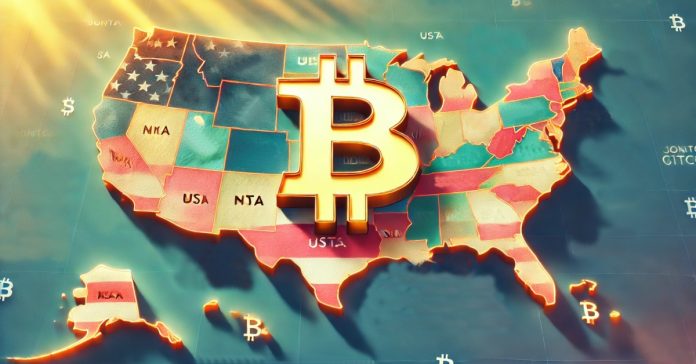
North Carolina has introduced legislation to allow state pension funds to invest in Bitcoin and other digital assets. As of March 28, 2025, multiple bills have been proposed in the North Carolina General Assembly to facilitate this. One notable proposal is House Bill 92, the “North Carolina Digital Assets Investments Act,” introduced on February 10, 2025, by House Speaker Destin Hall. This bill authorizes the State Treasurer to invest up to 10% of various state funds, including the pension plan, into Bitcoin exchange-traded products (ETFs). The legislation specifies that eligible digital assets must have an average market capitalization of at least $750 billion over the previous 12 months, effectively limiting investments to Bitcoin at this time. The state’s pension fund, part of the $127 billion in retirement systems, could see a significant portion allocated to Bitcoin if this bill passes, with supporters arguing it could diversify investments and potentially yield higher returns. More recently, on March 24 and 25, 2025, two identical bills—House Bill 506 (the Investment Modernization Act) and Senate Bill 709 (the State Investment Modernization Act)—were introduced.

These bills propose creating the North Carolina Investment Authority, an independent body under the state Treasury, to manage digital asset investments. Unlike HB 92, these bills do not set a market cap threshold and allow up to 5% of state pension funds to be invested in a broader range of digital assets, including cryptocurrencies, stablecoins, and NFTs, after a risk-reward analysis. The focus here is on flexibility and modernization rather than mandating a specific Bitcoin reserve. Additionally, Senate Bill 327, the “Bitcoin Reserve and Investment Act,” introduced on March 18, 2025, takes a more targeted approach. It allows the State Treasurer to allocate up to 10% of public funds specifically into Bitcoin, to be held in multi-signature cold storage as a long-term strategy. This bill emphasizes Bitcoin as a “financial innovation strategy” and includes strict conditions for liquidation, such as requiring a two-thirds vote from the General Assembly during a severe financial crisis. These legislative efforts reflect a growing trend among U.S. states to explore cryptocurrency investments for public funds. However, the proposals have faced mixed reactions.

Supporters, including Hall and State Treasurer Brad Briner, highlight potential gains and North Carolina’s chance to lead in technological innovation. Critics, like the State Employees Association of North Carolina (SEANC), express concerns over Bitcoin’s volatility and the risk to retirees’ pensions. For instance, SEANC lobbyist Flint Benson has called it a “roller coaster” unfit for promised benefits. As of now, these bills are under consideration. HB 92 saw initial skepticism in the House Commerce Committee in early March 2025 but advanced after pressure from Hall. HB 506 and SB 709 are in early stages, while SB 327 is also pending further debate. The outcome remains uncertain, but North Carolina is clearly positioning itself as a potential player in state-sponsored crypto investment.

Proponents argue that allocating up to 5-10% of the $127 billion pension fund to Bitcoin or digital assets could diversify the portfolio and hedge against inflation. Bitcoin’s historical annualized returns—around 230% over the past decade—far outpace traditional assets like stocks (10-12%) or bonds (3-5%). If this trend holds, even a small allocation could boost long-term returns for retirees. Critics highlight Bitcoin’s extreme price swings—e.g., dropping 50% in 2022 alone—as a threat to pension stability. A sudden crash could erode funds meant for guaranteed payouts, putting pressure on taxpayers to cover shortfalls. The lack of a long-term track record for crypto in pension portfolios amplifies this concern. Bills like SB 327 propose holding Bitcoin in cold storage, which prioritizes security but limits liquidity. This could complicate quick responses to market shifts or emergencies. Conversely, HB 92’s focus on Bitcoin ETFs offers more flexibility but introduces counterparty risks tied to fund managers.

If successful, this could open the door to broader alternative investments (e.g., gold, real estate) in state funds, challenging traditional allocation models heavily weighted toward equities and fixed income. North Carolina could position itself as a pioneer among U.S. states in embracing cryptocurrency, potentially attracting blockchain businesses and talent. This aligns with a broader trend—e.g., Texas and Wyoming have crypto-friendly policies—but puts North Carolina ahead of larger states like California or New York, which have been more cautious. The bills’ fates may hinge on political dynamics. House Speaker Destin Hall (R) and Treasurer Brad Briner (R) back the measures, but opposition from groups like SEANC, which leans toward public-sector interests often aligned with Democrats, could stall progress. A polarized General Assembly might delay or dilute the proposals. State-level crypto adoption could draw scrutiny from federal regulators like the SEC or Treasury Department, especially if pension losses trigger calls for oversight. Conversely, success might pressure Congress to clarify crypto’s legal status, currently a gray area.

Retirees and state employees may feel uneasy about gambling their pensions on what some view as speculative “internet money.” Trust in state leadership could erode if investments sour, especially given SEANC’s vocal resistance. On the flip side, success could normalize crypto among older demographics. High returns could benefit retirees, but critics argue crypto gains often concentrate among early adopters—wealthy investors or tech-savvy elites—potentially exacerbating wealth gaps if pension funds merely ride their coattails rather than drive broad economic growth. Embracing Bitcoin could signal North Carolina as a forward-thinking state, appealing to younger, tech-oriented residents and countering brain drain to coastal tech hubs. It might also spark educational initiatives around blockchain literacy.

North Carolina’s move follows states like Arizona (vetoed crypto pension bill in 2023) and Virginia (allowing banks to custody crypto). Success here could embolden others, creating a domino effect. Sovereign funds in places like Norway or Singapore have dipped into alternatives, but none have formally adopted Bitcoin. North Carolina could set a unique example—or a cautionary tale. Bitcoin appreciates significantly (e.g., hitting $150,000 by 2030), pension funds grow, and North Carolina gains a reputation as a visionary state. A crypto crash wipes out billions, retirees face cuts, and political backlash kills future experimentation.  Modest gains or losses occur, the experiment is deemed a wash, and the state refines its approach without major disruption. The outcome depends on market performance, legislative execution, and public tolerance for risk. It’s a high-stakes bet—whether it pays off or flops, it’ll shape how states view crypto for years.

Nigerian Senate’s Proposed Same-Day Elections Bill to Curtail Cost, Voter Apathy Passes Second Reading

0

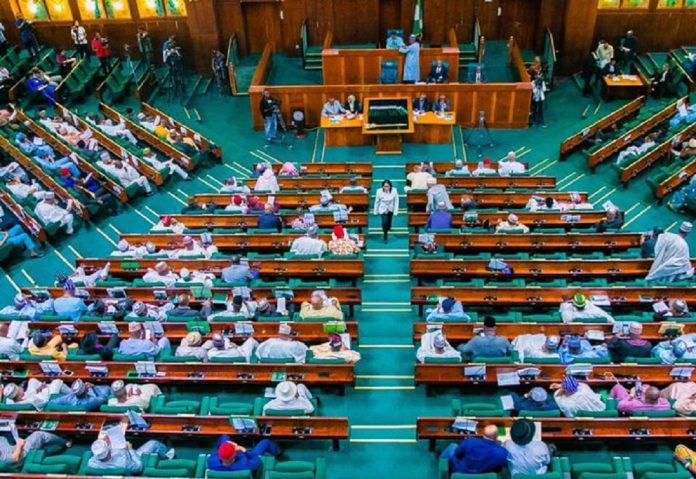
The Nigerian Senate has proposed to amend Nigeria’s Electoral Act 2022 and introduce same-day elections nationwide, to cut costs and curtail voter apathy.

The proposal is gaining traction among voters, civil society organizations, and political analysts who believe the reform could significantly reduce electoral malpractice.

The bill, sponsored by Senator Saliu Mustapha (Kwara Central), has already passed a second reading in the Senate, with widespread support from lawmakers who argue that Nigeria’s staggered election process is inefficient, expensive, and vulnerable to manipulation.

Mustapha highlighted that Nigeria’s election costs have skyrocketed from N1.5 billion in 1999 to N350 billion in 2023, calling the trend unsustainable. He also stressed that holding all elections on the same day would increase voter participation, reduce political tension, and prevent a scenario where parties that lose one election manipulate subsequent ones.

But while the idea is generating enthusiasm, concerns remain about whether the Independent National Electoral Commission (INEC) has the capacity to execute elections at all levels on a single day.

Electorates Cite 2023 Lagos Elections as Case Study

The proposal has resonated deeply with many Nigerians who believe that the current staggered system enables electoral fraud. Some have pointed to the 2023 general elections in Lagos State, where the ruling All Progressives Congress (APC) suffered an unexpected defeat in the presidential election but quickly regrouped to suppress voter turnout during the governorship election.

During the presidential poll, opposition parties, particularly the Labour Party (LP), secured a shock victory in Lagos, exposing weaknesses in APC’s stronghold. However, before the governorship election, the ruling party allegedly deployed thugs and security agents to intimidate and disenfranchise voters in key opposition areas.

Eyewitness reports indicated widespread voter suppression, particularly targeting areas with large populations of non-indigenous residents who had voted against the APC in the presidential election.

A video before election day also showed the then head of the National Union of Road Transport Workers (NURTW), popularly known as MC-Oluomo, warning voters not to come out unless they were prepared to vote for the ruling party. Many polling units in opposition strongholds recorded low turnout, partly due to fear of violence.

Against this backdrop, advocates of the bill argue that consolidating all elections into a single day would prevent politicians from adjusting their rigging strategies between election rounds. Under the current system, parties that perform poorly in early elections can use the interval before subsequent ones to deploy vote suppression tactics, bribe electoral officers, or influence security agencies.

Concerns Over INEC’s Capacity

Although the bill has garnered broad support, some lawmakers have expressed doubts about whether INEC has the logistical ability to manage a nationwide election covering presidential, National Assembly, governorship, and state assembly seats on the same day.

Senator Adams Oshiomhole warned that such a large-scale election would require major structural improvements in voter education, logistics, security, and election management.

“While the bill has good intentions, we must ensure that INEC is adequately prepared for the enormous task of conducting elections for all levels of government in one day,” Oshiomhole stated.

Others have raised concerns about potential voter confusion, especially in rural areas where many voters are less familiar with complex ballot systems. Managing multiple ballots for different positions on the same day could slow down voting and increase the risk of errors.

However, supporters of the bill pointed out that other countries—such as the United States, India, and Brazil—have successfully implemented same-day elections, demonstrating that with proper planning, Nigeria could do the same.

Will the Bill Pass?

With its passage for second reading, the bill is set to undergo further legislative scrutiny in the coming weeks. Lawmakers will debate the feasibility of its implementation, potential modifications to the existing electoral framework, and strategies for enhancing INEC’s capacity.

If passed, it would mark one of the most significant electoral reforms in Nigeria’s history, addressing long-standing concerns about election cost, manipulation, and voter disenfranchisement.

Nigerians are expressing optimism that the change will be adopted, believing that it will enhance democratic integrity, reduce political violence, and prevent the kind of post-election suppression seen in Lagos and other states.

US Senate Passed Resolution Nullifying the IRS on Defi Broker Rule

0

The U.S. Senate passed a resolution under the Congressional Review Act (CRA) to nullify the Internal Revenue Service’s (IRS) Decentralized Finance (DeFi) broker rule, with a vote of 70 to 28. This bipartisan decision marks the second time the Senate has approved such a measure, following an earlier vote on March 4, 2025, by a margin of 70 to 27. Due to constitutional requirements regarding budget-related legislation originating in the House, the House of Representatives passed its own version of the resolution on March 11, 2025, with a vote of 292 to 132, prompting the Senate to vote again.

The IRS DeFi broker rule, finalized in December 2024 during the final days of the Biden administration, aimed to expand tax reporting requirements by classifying certain DeFi platforms as “brokers.” This would have obligated them to collect, and report detailed transaction and taxpayer information, similar to traditional financial institutions. Critics, including lawmakers and crypto industry advocates, argued that the rule was impractical due to the decentralized nature of DeFi, where platforms often lack the infrastructure to gather such data. They also contended that it threatened innovation and privacy, potentially driving DeFi development overseas.

The resolution, led by Senator Ted Cruz (R-Texas) and Representative Mike Carey (R-Ohio), received significant bipartisan support, reflecting a broader push to reduce regulatory burdens on the crypto sector. Following the Senate’s latest vote, the measure now heads to President Donald Trump’s desk, where it is expected to be signed into law, given prior indications of support from the White House, including from AI and crypto czar David Sacks.

If enacted, the CRA will not only repeal the rule but also prevent the IRS from issuing similar regulations in the future. This development is seen as a significant victory for the DeFi and broader cryptocurrency industry, reinforcing the U.S. as a hub for financial innovation while highlighting ongoing tensions between regulatory oversight and technological advancement.

The U.S. Senate’s passage of the CRA to nullify the IRS DeFi broker rule is likely to have a notable impact on cryptocurrency regulation, both in the short term and over the longer horizon. The repeal removes immediate pressure on DeFi platforms to comply with burdensome tax reporting requirements. These platforms, which often operate without centralized control or the ability to collect detailed user data, would have struggled to meet the IRS’s broker definition. This decision provides operational clarity and reduces compliance costs for the industry. The bipartisan support and expected presidential approval signal a pro-innovation stance from the U.S. government.

This could spur increased investment and participation in DeFi and the broader crypto market, as businesses and developers perceive a more favorable regulatory environment. With the CRA barring the IRS from reissuing a similar rule, the agency may need to pivot its strategy for taxing crypto transactions. This could delay broader crypto tax enforcement efforts, giving the industry breathing room while new approaches are developed.

This successful use of the CRA sets a precedent for challenging other crypto-related regulations perceived as overreach. It demonstrates that Congress is willing to intervene when agencies like the IRS or SEC impose rules that clash with the sector’s decentralized ethos, potentially emboldening lawmakers to scrutinize future regulations. By rejecting rules that critics argued would push DeFi development offshore, the U.S. strengthens its position as a global leader in crypto innovation. This could attract talent, capital, and projects that might otherwise have migrated to jurisdictions with lighter regulatory touch, such as Singapore or Switzerland. The repeal highlights the limitations of applying traditional financial frameworks to decentralized systems, amplifying calls for tailored crypto legislation. Lawmakers may accelerate efforts to craft a cohesive regulatory framework that balances innovation, consumer protection, and tax compliance—something the industry has long sought. The decision could complicate alignment with international tax norms, such as those from the OECD, which push for greater transparency in crypto transactions.

If other countries adopt stricter DeFi reporting rules, U.S.-based platforms might face challenges operating globally, potentially creating a regulatory patchwork. The move aligns with a growing pro-crypto sentiment in Washington under the Trump administration, evidenced by figures like David Sacks advocating for lighter-touch policies. It contrasts with the Biden-era approach, which leaned toward stricter oversight. However, it doesn’t eliminate all regulatory uncertainty—issues like securities classification (under the SEC’s purview) and anti-money laundering rules (via FinCEN) remain unresolved and could still shape the crypto landscape.
In essence, nullifying the IRS DeFi broker rule is a deregulatory win that boosts DeFi’s growth prospects in the U.S. while underscoring the need for a more nuanced, crypto-specific regulatory framework. It’s a step toward flexibility, but not a full resolution of the complex interplay between crypto and government oversight.

The Benefits of Cycling: 4 Reasons to Pick Up Cycling as A Primary Method of Transport

0

In today’s world when we’re faced with a sedentary lifestyle, it’s become more important than ever to find a way to move your body and get some much-needed physical exercise. The problem with most physical activities is that they either require discipline and a strong will or are quite expensive. However, many often forget that something as simple as walking or cycling is the most beneficial exercise you can get.

Cycling is more than just a recreational activity; it is an efficient, environmentally friendly, and cost-effective way to get around. As cities become more congested with traffic and pollution, many people are turning to bicycles as their primary mode of transportation, and with good reason.

Whether you’re commuting to work, running errands, or simply exploring your city on a sunny day, cycling offers numerous benefits that go beyond just getting from point A to point B.

From improving personal health to reducing carbon footprints, cycling is a lifestyle choice that enhances both individual well-being and the world around us.

Why do we need to explore alternatives

The United States faces many challenges when it comes to urban congestion, pollution, and public health. With one of the highest rates of car ownership in the world, a total of 92%, American cities are burdened with heavy traffic, high carbon emissions, and deteriorating air quality.

Additionally, the country struggles with increasing obesity rates, largely due to sedentary lifestyles and a lack of regular physical activity. By incorporating cycling into daily routines, Americans can address these issues simultaneously—reducing their reliance on fossil fuels while improving their overall health.

Many cities have already begun implementing bike-friendly infrastructure, but widespread adoption of cycling as a primary mode of transportation could lead to even greater environmental and health benefits.

4 reasons to take up cycling

Below, let’s take a look at why cycling is probably the best exercise you can take up. Many are under the misconception that cycling costs a lot of money and that you constantly have to invest in good equipment.

However, in the beginning, all you need is a bike and a helmet. Everything else you can either get or upgrade at a later point. Also, something that discourages people from cycling is the number of bicycle accidents. Indeed, many cities don’t have dedicated bike lanes but this is slowly changing as governments become more aware of the issue.

Additionally, there are many legal resources cyclists can turn to in these situations, ranging from skilled bicycle accident attorneys to local cycling communities where you can get info on the legal regulations surrounding bike accidents.

Cycling improves physical health

One of the most significant benefits of cycling is its positive impact on physical health. Regular cycling helps to improve cardiovascular fitness, strengthen muscles, and increase overall endurance.

Unlike high-impact cardio exercises like running, cycling is gentle on the joints, making it an ideal choice for people of all ages.

Whether you ride casually or engage in long-distance cycling, the physical benefits are undeniable.

Additionally, cycling has been shown to help with weight management by burning calories and boosting metabolism, making it an excellent form of daily exercise.

A cost-effective mode of transportation

Another important advantage of cycling is the fact that’s much more affordable compared to driving. Owning a car or relying on public transportation is more expensive then simply investing in a proper bike.

The costs associated with bicycles are significantly lower than those of cars, which require fuel, insurance, maintenance, and parking fees.

Once you invest in a good quality bicycle, the ongoing expenses are minimal. Many cities now offer bike-sharing programs, further reducing costs for those who may not want to own a bike. By choosing to cycle instead of drive, individuals can save a substantial amount of money annually.

Cycling is environmentally friendly

With the increasing concerns over climate change and pollution, cycling provides an excellent way to reduce your carbon footprint. Now more than ever it’s important to take care of our planet and try to minimize pollution.

Unlike motor vehicles, bicycles do not emit harmful greenhouse gases or contribute to air pollution. By replacing even a few car trips each week with cycling, individuals can significantly lower their environmental impact. Many cities have recognized this and have invested in bike lanes and infrastructure to encourage cycling as a sustainable mode of transportation.

Cycling saves time and reduces traffic jams

How often do you find yourself stuck in a traffic jam with no way out? In heavily populated urban areas, traffic congestion can be a frustrating and time-consuming problem. It’s estimated that commuters spend an average of 43 hours annually stuck in traffic. Feel free to do the Math and check how many hours traffic jams take away from your life.

Cycling provides a practical solution by allowing commuters to avoid traffic jams and take alternative routes that cars cannot access. Many cities have implemented dedicated cycling lanes, making it easier and safer for cyclists to get to their destinations on time.

Additionally, cyclists do not have to worry about parking, which can be a major issue in busy metropolitan areas. In many cases, cycling can be just as fast, if not faster, than driving during peak hours.

The final word

If this article was convincing enough, you’re now hopefully wiping off the dust of your old bike and getting ready to take it out for a ride.

As cities continue to grow and environmental concerns become more pressing, cycling presents itself as a viable and beneficial mode of transportation. With the numerous advantages it offers for your health and also the fact it’s a money and time-saving way of transport, cycling is a lifestyle change that brings both personal and societal rewards.

The more people embrace cycling, the closer we move towards healthier cities and a more sustainable future. By promoting cycling, we’re also prompting local governments to ensure their cities and urban areas are bike-friendly.