DD
MM
YYYY

PAGES

DD
MM
YYYY

spot_img

PAGES

Home Blog Page 1614

Impacts of $1.35T Surge in US Equities on the Crypto Industry

0

US equities have been volatile in early 2025, with reports of significant selloffs earlier in the month due to tariff uncertainties and economic slowdown fears, wiping out trillions in value. However, a rally on March 24—driven by optimism over a possibly more targeted tariff approach from the Trump administration—appears to have spurred this reported $1.35 trillion increase. Major indexes like the S&P 500 saw gains exceeding 1% that day, alongside climbing Treasury yields, reflecting a boost in risk appetite.

The $1.35 trillion surge into US equities markets on March 24, 2025, could have a ripple effect on cryptocurrencies, though the impact hinges on several dynamics playing out in real time. First, the equities rally—sparked by optimism over a potentially softer stance on tariffs from the Trump administration—reflects a broader risk-on sentiment. Historically, when traditional markets like the S&P 500 climb, investors sometimes rotate capital into riskier assets like cryptocurrencies, especially Bitcoin (BTC), which often behaves as a “digital gold” hedge or speculative play.

Market chatter suggest this influx could nudge BTC toward $90K, driven by investors seeking inflation protection if the equity boom signals looser monetary conditions or economic overheating. Ethereum (ETH) might see some lift too, but its gains could lag if Bitcoin-focused ETF inflows dominate, as some have speculated. That said, the crypto response isn’t guaranteed to be a straight shot upward. The equities surge comes after a volatile March, with earlier selloffs tied to tariff fears and economic slowdown concerns. If this $1.35T boost is just a short-term liquidity spike—think “tradfi circus,” as one X post put it—crypto could see a delayed or muted reaction.

Stablecoin trading pairs (e.g., USDT, USDC) have been driving altcoin volume lately, per CryptoQuant’s CEO, not BTC pairs, suggesting real fiat inflows rather than asset rotation. This could mean altcoins like Solana (SOL), XRP, or Cardano (ADA) catch a wave if new money keeps flowing in, especially with Trump’s crypto-friendly rhetoric still in the air.
On the flip side, if the equity rally falters—say, due to renewed tariff uncertainty or a Federal Reserve pivot to tighter policy—crypto could face downward pressure.

Bitcoin’s been sensitive to Treasury yield spikes (e.g., the 10-year hitting 4.27% recently), and a stronger dollar might sap enthusiasm for risk assets across the board. Ethereum, tied to DeFi and Layer 2 growth, might struggle more if investor confidence wanes, given its weaker 2025 performance versus BTC (44% vs. 115% YTD as of late 2024). short-term, expect a potential BTC bump (maybe $85K-$90K) and selective altcoin pumps if equities keep roaring and stablecoin liquidity holds. Longer-term, it’s a coin toss—crypto’s fate ties to whether this equity surge is a blip or a trend, and how macro factors like rates and regulation evolve.

Donald Trump’s crypto policies have evolved significantly since his first term, reflecting a shift from skepticism to strong advocacy by his second administration in 2025. Here’s a breakdown of his current stance and actions. During his 2024 campaign, Trump pivoted from his earlier 2019 criticism—where he called cryptocurrencies “based on thin air” and linked them to illegal activities—to embracing them as a tool for American innovation and economic leadership.  At the Bitcoin 2024 conference in Nashville, he pledged to make the U.S. the “crypto capital of the planet” and outlined key promises: halting federal sales of seized Bitcoin, creating a strategic Bitcoin reserve, and ensuring regulations would be crafted by crypto-friendly voices.

His campaign even accepted crypto donations, signaling alignment with the industry’s interests. Since taking office in January 2025, Trump has acted swiftly. On January 23, he signed an executive order titled “Strengthening American Leadership in Digital Financial Technology,” which established a President’s Working Group on Digital Asset Markets under the National Economic Council. Led by David Sacks, his appointed “AI and Crypto Czar,” this group is tasked with drafting a new regulatory framework within 60 days, exploring a national digital asset stockpile using seized cryptocurrencies, and protecting crypto firms’ access to banking services.

The order explicitly bans U.S. central bank digital currencies (CBDCs), favoring private stablecoins tied to the dollar, and repealed Biden-era crypto policies perceived as restrictive. Trump’s appointees reinforce this pro-crypto tilt. Paul Atkins, nominated as SEC chair, is a known advocate for lighter regulation, contrasting with Gary Gensler’s enforcement-heavy tenure. Sacks, a former PayPal exec and early Bitcoin investor, is steering policy from the White House, while a rumored crypto advisory council—potentially including execs from firms like Coinbase, Ripple, and Kraken—aims to coordinate with agencies like the SEC and CFTC.

The strategic Bitcoin reserve idea has sparked debate. Initially pitched as retaining the government’s $5 billion-plus in seized Bitcoin (as of late 2023), it’s expanded into a broader “Crypto Asset Reserve” concept, potentially including tokens like Ethereum or XRP, funded without taxpayer dollars. Some claim Trump might force the Federal Reserve to open accounts for crypto firms, though no official confirmation exists as of now. Critics, including some Democrats and industry voices, worry this could favor certain tokens (e.g., Trump’s own World Liberty Financial project) or destabilize bipartisan efforts for balanced regulation.

Bitcoin hit $109,071 in early 2025 amid optimism over these policies, though it’s since hovered around $88k-$90,000. The administration’s moves—like the new crypto task force under Hester “Crypto Mom” Peirce—signal a push for clarity over crackdowns, potentially boosting institutional adoption. However, skeptics in reports caution that Trump’s personal crypto venture, World Liberty Financial (launched in September 2024 with a $WLFI token), risks conflicts of interest, with some calling it a “cash grab” that’s alienated parts of the crypto community.

World Network Exploring Partnership with Visa to Integrate Card Features

0

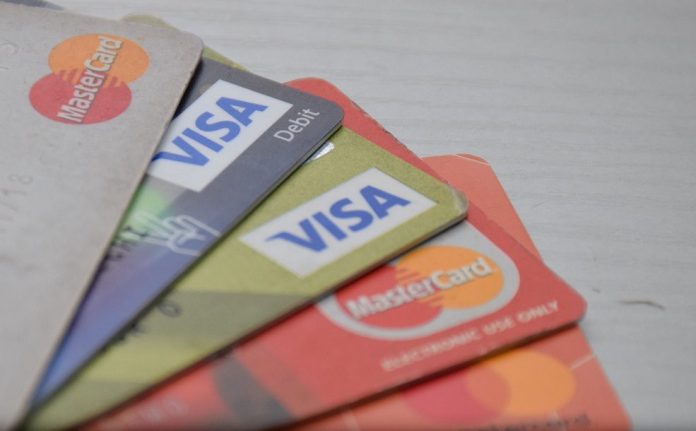
Worldcoin (now often referred to as World Network) is reportedly in discussions with Visa to integrate card features into its self-custody crypto wallet, rather than fully “bringing credit card payments to crypto wallets” in the traditional sense. These talks aim to enhance the World Wallet by enabling functionalities such as stablecoin-based payments, fiat on-and-off ramps, and access to Visa’s extensive global merchant network. This would allow users to spend stablecoins at merchants that accept Visa, effectively bridging cryptocurrency with traditional payment systems.

The partnership, still in negotiation is not finalized, and no official confirmation has been announced by either party. The goal appears to be transforming the World Wallet into a versatile financial tool—described as a “mini bank account”—that supports crypto transactions, foreign exchange, and fiat integration, leveraging Visa’s infrastructure. Visa has been exploring stablecoin adoption, as seen in its prior work with USDC and Crypto.com, but this collaboration with World Network would focus on expanding the utility of the World Wallet rather than directly introducing credit card payments into crypto wallets broadly.

The potential partnership between Worldcoin (World Network) and Visa to integrate credit card-like features into the World Wallet could have wide-ranging impacts across the cryptocurrency ecosystem, traditional finance, and broader society. By linking the World Wallet to Visa’s global network of over 130 million merchants, users could spend stablecoins seamlessly in everyday transactions. This could make crypto a practical alternative to fiat for millions, accelerating mainstream adoption.

Visa’s involvement could legitimize stablecoins as a payment method, building on its prior work with USDC and Crypto.com. This might encourage other financial giants to explore crypto integrations, amplifying the trend. The partnership could serve as a model for blending traditional finance (TradFi) with decentralized finance (DeFi), offering fiat on-and-off ramps and foreign exchange (FX) capabilities within a single wallet. This hybrid approach might reduce friction for users transitioning between fiat and crypto.

World Wallet’s ambition to become a “mini bank account” could empower unbanked or underbanked populations, particularly in regions where Visa is widely accepted but banking infrastructure is limited. Users could manage crypto, fiat, and payments without traditional bank accounts. Stablecoin transactions via Visa could lower costs for cross-border payments and remittances by bypassing intermediaries like banks or money transfer services, which often charge high fees.

Existing crypto wallets (e.g., MetaMask, Trust Wallet) and payment providers (e.g., PayPal, Mastercard) might face pressure to innovate or partner similarly, potentially sparking a wave of competition and consolidation in the fintech space. News of the partnership has already driven a 10-13% price surge for Worldcoin’s WLD token in late March 2025, reflecting market optimism. If implemented, increased utility could sustain or boost demand, pushing WLD’s value higher (e.g., analysts suggest a potential breakout above $1.00 from its $0.80-$0.93 range).

Enhanced wallet functionality might attract more users to World Network’s broader offerings, like World ID and World Chat, strengthening its ecosystem and competitive edge against rival projects. The World Wallet could evolve into a comprehensive financial hub, supporting stablecoin payments, fiat conversions, and FX trading. This aligns with World Network’s vision of a connected wallet strategy, potentially setting a new standard for crypto wallets.

Integrating with Visa’s infrastructure might strain World Network’s blockchain (or its reliance on platforms like Ethereum or Solana), requiring robust scaling solutions to handle transaction volume without compromising speed or cost. Success here could inspire further blockchain-based financial tools, such as decentralized identity verification for payments, leveraging World ID’s biometric system. A high-profile partnership with Visa could draw attention from regulators worldwide, especially given Worldcoin’s controversial biometric data collection. Compliance with laws like GDPR (already a challenge in Europe) and anti-money laundering (AML) regulations will be critical.

Combining Visa’s payment data with Worldcoin’s iris-scanning identity system might raise concerns among privacy advocates. Any mishandling of biometric or financial data could lead to backlash or legal hurdles, undermining trust. As stablecoins gain traction through this partnership, governments might accelerate efforts to regulate them, impacting their use and the partnership’s scope. If stablecoin payments become as easy as swiping a Visa card, consumer reliance on cash or traditional cards could decline, reshaping spending habits globally.

While the partnership could enhance financial access, it might also exacerbate inequalities for those without smartphones or internet access, limiting who benefits from this innovation. Visa’s endorsement could soften skepticism about cryptocurrencies, positioning them as reliable and practical rather than speculative or fringe. Visa has historically balanced crypto enthusiasm with caution (e.g., its 2023 stablecoin skepticism). A strategic pivot away from this partnership could leave World Network in limbo. Crypto markets are notoriously volatile. Even a successful partnership might not shield WLD or stablecoins from broader downturns, affecting user confidence.

The Worldcoin-Visa partnership could redefine how crypto integrates with everyday finance, driving adoption, enhancing World Wallet’s utility, and boosting WLD’s value. It promises significant benefits—financial inclusion, lower costs, and a seamless payment experience—but also carries risks tied to regulation, privacy, and execution. The impact will hinge on successful negotiation, technical implementation, and navigating the complex interplay of crypto and traditional finance.

Bitcoin Surges Past $88,000 Amid Hints Of Softer Tariff Flexibility, Is $100,000 Next?

0

Bitcoin (BTC) has defied expectations again, breaking past $88,000 as markets react to unfolding tariff flexibility and a new wave of institutional optimism. Yet, beneath the spotlight, a quiet storm is building with a token quietly rewriting the rules of smart investing.

Bitcoin Soars As Tariff Softening Shakes Markets

As of March 24, 2025, Bitcoin (BTC) crossed a historic threshold, trading above $88,000, after a 24-hour price surge of 3.47%. This price movement reflects investor anticipation over tariff and policy shifts and is aligned with wider bullish signals in financial markets.

According to Weiss Crypto Ratings, Bitcoin (BTC) has not only reclaimed critical support levels but is also mirroring broader asset class rallies, reinforcing its role as a hedge in uncertain environments. In the days leading up to this rise, U.S. President Donald Trump sparked renewed interest with a softer tariff stance. The suggestion of flexibility and exemptions for select countries and industries injected fresh optimism into markets.

Bitcoin (BTC) surged above $88,500 shortly after these statements, while Ethereum climbed past $2,090. This tariff narrative shapes a new investment psychology where digital assets benefit from global economic fluidity.

The $100,000 debate is heating up. Analysts point to regulatory tailwinds, deepening institutional interest, and revived investor sentiment as drivers pushing Bitcoin (BTC) toward six figures. While volatility persists, the synergy between global policy and tariff shifts, strategic capital allocation, and renewed trust in crypto infrastructures lays a compelling foundation for bullish forecasts.

WallitIQ (WLTQ) Emerges As The Silent Giant Amid The Bitcoin (BTC) Boom

As Bitcoin (BTC) dominates headlines, WallitIQ (WLTQ) is silently captivating the attention of strategic investors. The $0.0420 token offers optimal liquidity, anchored by a resilient tokenomics structure that primes it for longevity in volatile markets.

As spot markets roar and whales re-enter the arena, this platform safeguards assets using advanced AI that analyzes market conditions in real time, executing cost-effective trades while minimizing slippage. The value proposition extends beyond trading. With cashback rates climbing as high as 12%, the WallitIQ (WLTQ) transforms spending into a rewarding experience.

Investors gain up to 180% APY through intelligent staking mechanics that surpass traditional offerings. Biometric authentication adds a critical security layer, protecting digital wealth with cutting-edge precision. At the same time, its MVP mobile app simplifies wallet and transaction management, ushering in a new standard for crypto UX.

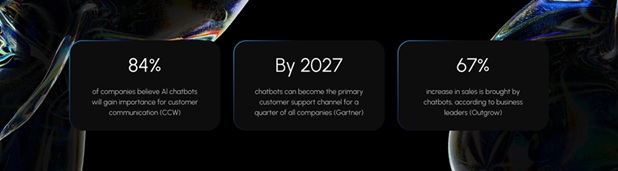
However, the cornerstone of this ecosystem is its AI chatbot: available 24/7, it delivers instantaneous support, maximizes transaction efficiency, and reflects the future of customer interaction. Data shows 84% of companies now recognize the chatbot’s critical role, with expectations that by 2027, nearly a quarter of all businesses will adopt it as their primary support channel. Within WallitIQ (WLTQ), this technology is a catalyst for real-time decision-making and investor confidence.

The platform’s integration with Push Protocol provides smooth connectivity with decentralized applications, turning every wallet into a gateway to the broader DeFi landscape.

As the world accelerates toward decentralization, WallitIQ’s (WLTQ) interoperability helps users never miss a beat. As Bitcoin (BTC) flirts with $100,000, smart capital quietly flows into this underestimated gem.

WallitIQ (WLTQ): The Quiet Giant Gearing Up For A Breakout

Bitcoin (BTC) shattering $88,000 is a signal. Shifting tariff policies, institutional conviction, and a reinvigorated investor base have created a perfect storm for digital asset growth.

But amid the roar, the whispers of WallitIQ (WLTQ) grow louder. While Bitcoin (BTC) sets the pace, this platform builds the infrastructure. A SolidProof audit promotes the platform’s integrity, reinforcing trust as it prepares to unveil its beta platform.

With the WallitIQ (WLTQ) price still accessible at $0.0420, strategic buyers are racing to position themselves before the next wave begins. The case for this crypto is undeniable, and the time to act is now, before the market catches on.


Join the WallitIQ (WLTQ) presale and community:

Website: https://wallitiq.io/

Whitepaper: https://wallitiq.gitbook.io/wallitiq

Telegram: https://t.me/wallitiqofficial

Twitter/X: https://x.com/wiqnetwork

Instagram: https://www.instagram.com/wallitiqnetwork

Trump Imposes 25% Tariff on Foreign-Made Cars, Sparking Market Jitters

0
USC experts talk about the importance of U.S.-China trade and how it affects the economy. (Illustration/iStock)

President Donald Trump has announced a sweeping 25% tariff on all foreign-made cars and light trucks, escalating his long-standing trade war against foreign competitors and reinforcing his protectionist “America First” agenda.

The tariffs, formalized in a presidential proclamation signed in the Oval Office on Wednesday, will take effect on April 2, with the government set to begin collecting duties the following day.

Trump declared that there would be “absolutely no tariff” on cars built within the United States, effectively incentivizing domestic and foreign automakers to shift production to American soil if they wish to avoid additional costs.

White House aide Will Scharf emphasized that the new tariffs will apply on top of existing import duties, predicting they will generate over $100 billion in new annual revenue for the U.S. government.

However, the specifics of the measure remain unclear, as modern cars are assembled from thousands of parts sourced from dozens of countries. Trump reassured that there would be “very strong policing” to determine which components are subject to the new tariffs.

Trump’s Defiance in the Global Trade War

Trump’s latest tariff move is part of his broader trade war strategy, which has been marked by relentless defiance against pressure from global trade partners. Over the years, Trump has targeted China, the European Union, Canada, Mexico, and Japan with various tariffs, arguing that unfair trade policies have hurt American workers and industries.

During his first term in office, Trump imposed a 25% tariff on steel and a 10% tariff on aluminum imports, triggering retaliatory measures from the European Union, China, and other nations. He also imposed a massive set of tariffs on Chinese goods, amounting to hundreds of billions of dollars, in a bid to curb Beijing’s influence over global markets.

Trump has largely ignored criticism from economic analysts who warn that tariffs often hurt consumers and businesses by raising prices and disrupting supply chains. Instead, he has framed the tariff war as a battle for economic independence, arguing that American manufacturers have been unfairly disadvantaged by decades of free trade agreements that benefit foreign producers.

Which Countries Will Be Affected?

Trump’s 25% auto tariff will have a massive global impact, affecting some of the world’s largest car-producing nations, including:

  • Japan: Home to Toyota, Honda, Nissan, Subaru, and Mazda, Japan exports millions of vehicles to the U.S. every year. The tariff will significantly increase the cost of Japanese cars sold in the U.S.
  • Germany: A major blow to automakers like BMW, Mercedes-Benz, and Volkswagen, which rely heavily on U.S. sales. Many German luxury models are imported rather than built in American factories.
  • South Korea: Hyundai and Kia, which produce some cars in the U.S. but still import a significant portion, will be hit hard.
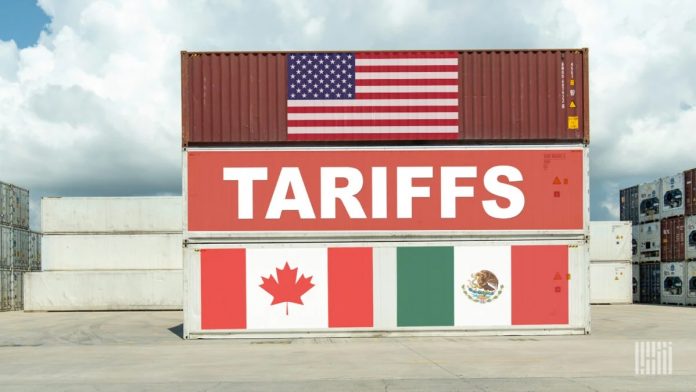
  • Mexico and Canada: While Trump has temporarily exempted vehicles built in Mexico and Canada under the United States-Mexico-Canada Agreement (USMCA) for a month, many fear the exemption could be revoked.
  • China: Although China exports relatively few finished cars to the U.S., some Chinese auto parts and electric vehicle components could still be affected.
  • United Kingdom, France, and Italy: Luxury brands like Rolls-Royce, Bentley, Ferrari, Aston Martin, and Peugeot will face higher costs when selling to American consumers.

Immediate Global Backlash

Trump’s announcement was swiftly condemned by world leaders and economic experts. European Commission President Ursula von der Leyen vowed that the European Union would take countermeasures to protect its economy.

“The European Union will continue to seek negotiated solutions, while safeguarding its economic interests,” von der Leyen said. She also pointed out that “tariffs are taxes” that will hurt businesses and consumers alike.

Stock markets reacted negatively to the news, with auto stocks dropping sharply in after-hours trading. Shares of General Motors, Ford, and Stellantis all fell by around 5%, while European and Japanese automakers also saw losses.

Room For Exemptions and Potential Negotiations

While Trump has imposed tough trade measures, his administration has signaled some flexibility. Treasury Secretary Scott Bessent recently stated that countries may be able to pre-negotiate exemptions before the tariffs go into full effect on April 2.

Trump himself hinted that the final tariff plan might be less severe, saying last week that “there will be flexibility” and that some tariffs may be “more lenient than reciprocal”.

However, given Trump’s history of unpredictable trade decisions, business leaders and global automakers remain on edge, uncertain about whether further trade tensions—or even retaliatory tariffs from other nations—will follow.

While Trump has touted his tariff war as a path to economic victory, analysts warn that the high costs of imported cars could be passed down to American consumers, potentially driving up prices on millions of vehicles.

Automakers, both domestic and foreign, will now have to decide whether to absorb the costs, pass them onto consumers, or shift production to the U.S. Meanwhile, U.S. trading partners are expected to push back, setting the stage for another round of global trade conflicts in the coming weeks.

African Leaders Must Learn from Trump 2.0 Presidency

0

He has not stepped out of the United States since the Trump 2.0 presidency but he has raised and attracted tons of investments for the United States. Contrast with those presidents who run around the world looking for investors. Good People, African leaders must learn from Trump. His unalloyed fanatical love of America is a template our import-dependent nations must catch. That love, from his perspective, is demonstrated by pushing companies to make things in America:

“The Trump administration will impose 25% tariffs on all cars not made in the U.S., effective April 2, marking an escalation of the White House’s trade war offensive. The move threatens to disrupt operations for North American automakers, which are reliant on supply chains through the U.S., Mexico and Canada. The tariffs will likely lead to higher prices on foreign-made cars — roughly half of all vehicles sold in the U.S. are imported, analysts say.”

It is your problem if you do not understand that he wants things made in America, and he will not beg you if you do not want to join the party. The illusion of globalization has decimated nations and many countries are left with limited opportunities for young people. Today, companies EXIT Nigeria and put out a statement that they would remain by distributing their products, made outside Nigeria, in Nigeria, and our leaders do nothing. The last time I visited home, I saw Michelin tyres even though the company had closed the factories. What is wrong with our leaders?

African leaders should ask Trump to run a Nation Building in 21st Century Masterclass so that they can wake up. We’re a dumping ground but we do not know because our Customs are celebrating record revenues which happen because everything is imported into the continent. But imagine if one of these leaders can show leadership and put tariffs and watch how new Kano, Aba, Ibadan, Jos, etc will emerge because Nigeria has numbers.

Africa needs its own TRUMP because we need someone to fight for the continent. We’re losing globally because we have leaders who think we have a chance in the current model of globalization. In Japan, the interest rate is 0.5%, after it was raised from 0.25%. In China, you do not need a loan; they will give you FREE cash. If you can get a loan at 15% in Nigeria, tell me your bank? Within that construct, why can’t Nigeria do the right thing and impose HIGH tariffs on finished goods (not machines and machinery)?