DD
MM
YYYY

PAGES

DD
MM
YYYY

spot_img

PAGES

Home Blog Page 163

Baidu Unveils New AI Chips and Supernodes as China Pushes for Domestic Computing Power

0

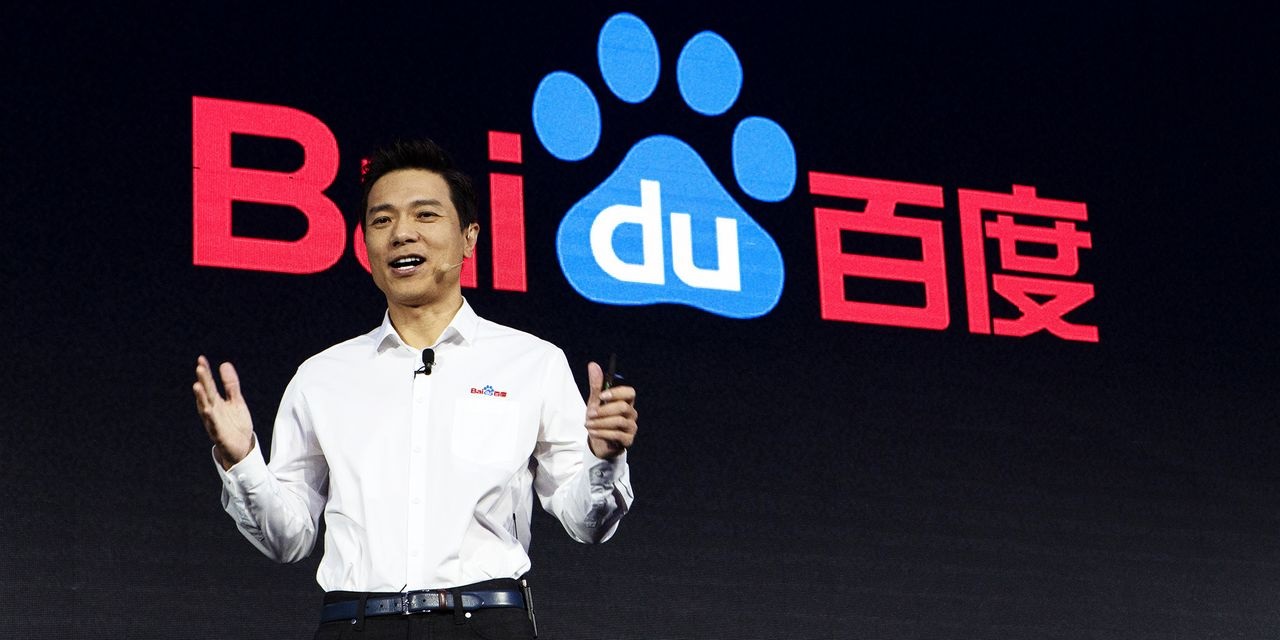
Baidu took a significant step toward AI self-reliance in China on Thursday, unveiling two new semiconductors and two supernode products designed to provide domestic companies with powerful, cost-effective computing resources.

The announcement, made at the company’s annual Baidu World technology conference, underscores Beijing’s broader push to reduce dependence on U.S. AI technology amid escalating geopolitical tensions.

The newly announced chips, the M100 and M300, are aimed at addressing distinct AI workloads. The M100, optimized for inference tasks—where trained models are used to process user queries and make predictions—is set for launch in early 2026. The M300, capable of both training large AI models and performing inference, will be released in early 2027.

Training is a computationally intensive process that teaches AI models to recognize patterns in vast datasets, while inference applies these models to real-world tasks such as language understanding, image recognition, or predictive analytics.

To further enhance performance, Baidu revealed two supernode products, which link multiple chips through advanced networking, compensating for the limitations of single-chip performance. The Tianchi 256, which integrates 256 P800 chips, is expected to become available in the first half of next year, while a larger 512-chip version will launch in the second half of 2026. Supernodes, in essence, allow for scalable, high-throughput AI processing, enabling faster training and inference across complex models.

Baidu’s supernode strategy mirrors similar developments from other Chinese technology giants. Huawei, for example, deployed the CloudMatrix 384, which comprises 384 Ascend 910C chips. Analysts note that this system outperforms Nvidia’s GB200 NVL72, one of the U.S. company’s most advanced system-level AI products. Huawei has also announced plans to release more powerful supernodes in the coming years, reflecting a growing trend among Chinese firms to build domestic alternatives to U.S.-based AI hardware.

Beyond hardware, Baidu also introduced a new iteration of its Ernie large language model, capable not only of text processing but also image and video analysis, signaling the company’s ambition to compete with leading AI platforms on multiple fronts. This advancement highlights a growing emphasis on multimodal AI capabilities, where a single model can understand and generate insights across text, visual, and audiovisual data.

Baidu has been developing proprietary chips since 2011, but the recent announcements underline an accelerated push toward domestic AI independence, particularly as U.S. restrictions on exporting advanced AI chips to Chinese firms continue. These restrictions, part of a broader strategy to maintain technological leverage, have pushed companies like Baidu to innovate internally or rely on domestic alternatives to maintain their competitive edge in AI research and deployment.

The unveiling of the M100, M300, and Tianchi supernodes represents a critical step in China’s AI infrastructure development, providing companies with powerful, low-cost, and locally controlled computing power. Baidu is believed to be positioning itself to strengthen China’s autonomy in AI technology while challenging the dominance of U.S. firms such as Nvidia in the global AI chip market by combining advanced chip design with networked supernodes and sophisticated AI models like Ernie.

Singapore Pushes Ahead with Tokenized Finance and CBDC Trials, To Regulate Stablecoins

0

Singapore’s Monetary Authority of Singapore (MAS) is accelerating its drive to establish a robust, scalable, and secure tokenized financial ecosystem, announcing plans to trial tokenized MAS bills next year and introduce legislation regulating stablecoins.

The announcement came during a keynote address at the Singapore FinTech Festival by MAS Managing Director Chia Der Jiun, who emphasized the central bank’s focus on both domestic innovation and international alignment.

“Tokenization has lifted off the ground. But have asset-backed tokens achieved escape velocity? Not yet,” Chia remarked, highlighting that while tokenization is gaining traction, full adoption of asset-backed digital financial instruments remains a work in progress.

He stressed that MAS has been refining its stablecoin regulatory framework, with draft legislation expected to be prepared soon. The emphasis will be on sound reserve backing and reliable redemption, ensuring that stablecoins can serve as trustworthy instruments for payments and settlement.

Advancing Digital Asset Trials and CBDCs

MAS is actively supporting trials under the BLOOM initiative, which explores the use of tokenized bank liabilities and regulated stablecoins for settlement. This initiative reflects MAS’s broader goal of integrating digital assets into conventional financial infrastructure, ensuring liquidity, transparency, and operational efficiency.

Chia also highlighted the successful live trial of Singapore dollar wholesale CBDC conducted by the country’s three major banks—DBS, OCBC, and UOB—in interbank overnight lending transactions.

“In the CBDC space, I am pleased to announce that the three Singapore banks, DBS, OCBC, and UOB, have successfully conducted interbank overnight lending transactions using the first live trial issuance of Singapore dollar wholesale CBDC,” he said.

A CBDC, or central bank digital currency, is a digital form of central bank money that can be used to streamline settlements, reduce transaction friction, and strengthen systemic trust.

Looking forward, MAS plans to expand trials to include tokenized MAS bills settled with CBDC, marking a significant step in bridging tokenized financial instruments with traditional capital markets operations. To further guide market participants, MAS will publish a regulatory guide on tokenized capital markets products this week, designed to provide clarity on compliance, risk management, and operational standards.

International Coordination and Cross-Border Digital Finance

Singapore’s approach to tokenized finance is not limited to domestic experimentation. MAS has announced cooperation agreements with international central banks, including the Bank of England and the Bank of Thailand, to conduct experiments aimed at enabling real-time, secure, and interoperable foreign exchange transactions across jurisdictions.

Additionally, MAS signed a memorandum of understanding with Deutsche Bundesbank to collaborate on cross-border digital asset settlement. The partnership aims to enhance market liquidity and efficiency through asset tokenization, signaling Singapore’s ambition to set global standards for the integration of digital and traditional finance.

Implications for Singapore and Global Financial Markets

Singapore’s initiatives reflect a strategic vision to position the city-state as a hub for tokenized capital markets and digital assets, while ensuring robust regulatory frameworks. MAS is aiming to create a secure and scalable ecosystem that can support innovation, improve settlement efficiency, and foster financial inclusion by combining trials of tokenized MAS bills and CBDCs with stablecoin regulation and international collaboration.

The cross-border experiments and regulatory guidance signal that Singapore is taking a proactive role in shaping global standards for tokenized finance, positioning itself as a model for central banks worldwide. The combination of domestic CBDC trials, regulatory clarity for stablecoins, and international partnerships demonstrates a comprehensive approach, blending technological innovation with risk management and legal certainty.

MAS’s efforts are also expected to accelerate the adoption of digital finance globally, offering a blueprint for central banks seeking to leverage tokenized instruments for capital markets, cross-border transactions, and payments efficiency, while ensuring that these instruments remain secure, reliable, and interoperable.

Tencent and Apple Reach 15% Cut Landmark Deal on WeChat Mini Game Payments

0

Tencent Holdings Ltd. and Apple Inc. have reached an agreement that allows the iPhone maker to handle payments for WeChat mini games and apps while taking a 15% commission on transactions, Bloomberg reports.

The deal marks the resolution of a long-standing dispute that has challenged Apple’s control over its in-app payment ecosystem in China, the world’s largest smartphone market.

For years, Apple has faced resistance from Tencent and third-party developers who exploited loopholes to direct users to external payment systems, bypassing Apple’s traditional 30% commission on digital purchases. The new agreement significantly reduces this friction, offering Tencent a more flexible cost structure while opening a new revenue stream for Apple in a market that has grown increasingly competitive.

A New Era for Mini Apps

The agreement falls under a new Apple program launched on Thursday, aimed at all mini app providers. Developers are required to adhere to certain Apple software requirements, including measures designed to allow parents to monitor and share their child’s age range. The program represents Apple’s push to standardize in-app commerce for mini apps, ensuring both compliance and a more seamless user experience.

The 15% commission rate represents a substantial reduction from Apple’s typical 30% fee, reflecting both the bargaining power of Tencent — whose WeChat platform is central to the digital lives of hundreds of millions of users — and the necessity for Apple to maintain strong partnerships in China, where local rivals such as Xiaomi Corp. and Huawei Technologies Co. continue to gain market share.

Tencent President Martin Lau emphasized the cooperative nature of the negotiations, stating:

“We have a very good relationship with Apple and we have collaborated on a lot of different areas. We have been in discussion with Apple to make the mini game ecosystem more vibrant. At some point in time, there may be an official announcement.”

The statement underlines a broader trend in which global tech companies are seeking collaborative frameworks with Chinese tech giants to maintain market presence and regulatory alignment. By settling the payment dispute, both Apple and Tencent aim to strengthen the ecosystem for mini apps, creating a smoother experience for users and developers alike.

Wider Implications for China’s Digital Economy

The deal, however, is more than a resolution of a single corporate disagreement. It potentially sets a precedent for software purchases in China, where many smartphone manufacturers operate independent app platforms. Establishing a standardized payment framework could influence how developers and other tech firms navigate the balance between global platforms and local regulations.

The agreement opens an important revenue channel in one of Apple’s most critical international markets, while Tencent ensures that its mini game ecosystem remains vibrant and monetizable, reducing pressure on developers who rely on WeChat’s massive user base.

The broader narrative suggests a gradual convergence between international tech companies and local Chinese platforms, balancing market access, regulatory compliance, and user experience. As China’s smartphone and app markets continue to evolve, partnerships like this may become increasingly essential for maintaining competitive advantage, particularly in segments dominated by mobile gaming and micro-apps.

While specific timelines for rollout and public announcements remain pending, it has been noted that the agreement is likely to influence other app developers and digital content providers in China, potentially shaping the future of app monetization across the country.

Comparing the Top Crypto to Buy Now: Zero Knowledge Proof (ZKP), Cronos, TRON, & Internet Computer

0

When searching for the top crypto to buy now, traders need to focus on both technological readiness and fair distribution. The projects below bring different strengths to the table. Some are built and ready, others are still executing, but all show potential for serious long-term relevance.

Whether you’re an early investor or a long-term holder, the goal stays the same. Find assets that deliver utility, transparency, and growth. This guide walks you through four projects that fit that description.

We start with a standout that’s already live, then move to more established ecosystems. At the end, you’ll have a clearer sense of what makes a crypto worth holding for the future. You’ll also know which ones might warrant closer attention. Let’s dive in.

1. Zero Knowledge Proof: $100M Hardware & Infrastructure Already Built

Zero Knowledge Proof flips the usual script. It hasn’t started with hype. It’s starting with actual infrastructure and hardware. Over $100 million has already been invested before the token distribution even begins. The network infrastructure, servers, nodes, and full compute backbone are already in place. Everything will go live at the start of the presale.

Alongside this, $17 million worth of hardware called Proof Pods has been manufactured. These devices will begin shipping once the presale launches. This allows them to start performing compute jobs. This forward-built approach is rare in crypto. It positions the project to be operational from day one of its presale.

The vision is clear. A privacy-first compute network that handles AI tasks and blockchain smart contracts while keeping sensitive data hidden yet verifiable. Encrypted storage records only prove and hashes, not raw data. For those considering the top crypto to buy now, Zero Knowledge Proof (ZKP) offers a compelling blend. Technology built, hardware ready, and token distribution via daily proportional auctions with no insider advantage.

The Proof Pods start at $249. They will scale with upgrades and directly link participation to verifiable compute work once activated. With its whitelist now open, all components are aligned to go live together from the first day of the presale. This sets the stage for a fully functional ecosystem from launch.

2. Cronos: Builds Real World Connections

Cronos (CRO) offers a robust ecosystem with real-world applications. These include payments, staking, DeFi, and gaming integrations. The network is part of the Crypto.com ecosystem. The project recently teamed up with MyPrize to bring prediction markets and social gaming features into the Cronos chain. The network is also implementing EVM improvements and scalability upgrades. These support more developers and users.

On the price side, CRO is trading around $0.122 (roughly Rs 10.9 in Indian terms). On the flip side, near-term price prediction models suggest a possible decline of roughly 14.55% in November 2025. This is based on current technical patterns.

While the ecosystem feels solid and usage is expanding, a lot depends on how the broader altcoin market behaves. For someone hunting for the top crypto to buy now, Cronos offers stability and real partnerships. But the upside may be muted unless market conditions turn strongly positive.

3. TRON: Dominates Stablecoin Transfer Volume

TRON (TRX) is a heavyweight in terms of network size. It boasts massive user accounts, large stablecoin flows (especially USDT), and a broad developer base. The next big upgrade (GreatVoyage v4.8.1) is expected in November 2025. It promises better compatibility, performance, and tools for developers. The network also announced a wallet SDK integration. This could simplify onboarding and boost usage.

From a price and token momentum perspective, TRX is trading around $0.284. Technical signals show concern. TRX recently broke below key support around $0.30. Potential downside targets sit at around $0.245. For those looking for the top crypto to buy now in terms of long-term network effect, TRON qualifies. But if you’re after short-term price moves or a breakout, this may be less compelling right now. The situation could change once the upgrade hits and metrics move.

4. Internet Computer: Delivers Explosive Price Action

Internet Computer (ICP) recently saw strong price action. It rallied roughly 100% in a week. The token broke out of previous resistance around $6.50, then pulled back about 25% to around $5.00 with heavy volume growth. The breakout triggered bullish technical setups. These suggest a next target near $10 if momentum holds. The current price sits near $6.65.

Because of how fast it moved, there is both upside and significant risk. If traders enter now, they might ride the next leg up. On the list of top crypto to buy now, ICP stands out for upside potential and recent momentum.

However, it’s more of a swing play than a steady long-term hold right now. This is given how quickly it spiked and corrected. For those who believe in a network that can deliver on its infrastructure promise, ICP offers a strong bet. But be prepared for bumps.

What These Projects Teach Us

So, what does this list teach us about picking the top crypto to buy now? First, technology and readiness matter. Projects that are live and showing actual usage stand a better chance than ones that are only promising. Second, the ecosystem and distribution model matter. Fair access, real hardware, or right incentives tilt odds in investor favor.

Third, risk versus reward matters. Stable networks with strong usage (like Cronos and TRON) may offer moderate upside but lower immediate risk. Higher momentum plays (like Internet Computer) offer big upside but more risk. Then there’s the standout (Zero Knowledge Proof) that blends readiness, fairness, and infrastructure.

For those picking one to watch very closely today, it would be Zero Knowledge Proof. It attacks a real structural challenge in blockchain and AI. It’s technically live, and its model aligns participants with outcomes.

Zero Knowledge Proof (ZKP) Whitelist Live: The World’s Largest Upcoming ICO to Use Daily Auctions! Here’s How to Participate

0

When the Zero Knowledge Proof (ZKP) crypto’s largest blockchain presale in history opens, it won’t resemble any you’ve seen before. There’s no fixed price, no private round, and no insider discounts. Instead, Zero Knowledge Proof (ZKP) will use an on-chain daily auction system in its upcoming presale, releasing 200 million tokens every 24 hours and distributing them proportionally among contributors.

This new model is what sets ZKP apart, a transparent, contribution-based mechanism designed for fairness at scale. With the whitelist now live, early participants are studying the system to gain a strategic advantage before the first auction cycle begins. Understanding how this auction works and how to optimize participation is key to positioning for what many are calling the best crypto to buy in 2025.

Why Auctions? A Fairer Model for the Biggest Presale

Traditional ICOs operate on fixed pricing. That creates chaos: bots snipe allocations, gas wars erupt, and whales dominate. ZKP’s upcoming auction system will eliminate those problems entirely.

Here’s how it works:

  • Every 24-hour cycle, the protocol will release 200 million ZKP tokens from the total 90 billion presale allocation.
  • Participants can contribute in ETH, USDT, USDC, BNB, or over 20 supported cryptocurrencies.
  • At the end of the 24 hours, the total contribution pool will determine the token price for that day.
  • Tokens will then be distributed proportionally based on each contributor’s percentage of the pool.

No rush, no bidding frenzy. Just transparent allocation through open participation. It’s how large-scale crypto distribution was always meant to work.

Step-by-Step: How to Join the Upcoming ZKP Auction

Getting started is simple, but preparation ensures success.

Step 1: Join the Whitelist

Head to the ZKP website and register with your wallet. Whitelisted users gain early access to the first auction cycles and priority token allocation.

Step 2: Set Up a Compatible Wallet

ZKP supports MetaMask, Trust Wallet, and WalletConnect.

  • For desktop users, MetaMask is recommended for seamless transaction confirmation.
  • Mobile users can use Trust Wallet or WalletConnect to link directly to the auction interface.

Ensure your wallet is funded in one of the supported currencies and connected to the correct blockchain network before the presale starts.

Step 3: Participate in Daily Auctions

Once the presale is live, each 24-hour auction will display:

  • Total contributions received.
  • Your contribution share (percentage).
  • Real-time token allocation estimate.

You can contribute at any time during the 24 hours, but strategy matters,  timing, and total pool size directly affect your token yield.

Strategic Advantage: Timing Your Contributions

Because ZKP’s system is contribution-based, your share of tokens depends on how many others participate during the same 24-hour window. Early in the day, total contributions will often be lower, meaning you might secure a higher token ratio if demand hasn’t spiked yet. As the auction nears closing and the pool size grows, each new contribution dilutes the share.

Smart investors will track auction trends, watch contribution volumes, and identify low-competition windows to maximize their allocation. Over time, as demand surges, the effective price per token is expected to rise naturally, mirroring the early ETH presale advantage that rewarded strategic participants.

Token Math: How to Calculate Your Expected Allocation

Let’s break down a simplified example. If you contribute $1,000 USDC in a 24-hour period where the total contributions equal $10 million, you hold 1% of the pool. At the end of that cycle, you receive 1% of the 200 million tokens allocated for that day,  meaning 2 million ZKP tokens.

If on another day total contributions reach $20 million, the same $1,000 contribution would yield 1 million tokens. This proportional structure is what makes ZKP’s model fair; no matter how large or small your investment, everyone competes under identical math, verified on-chain.

Wallet Preparation: Securing Smooth Participation

Ahead of launch, participants should ensure:

  • Sufficient gas fees in the network currency (ETH, BNB, etc.).
  • Stable wallet connection through MetaMask or WalletConnect.
  • Transaction verification is enabled to confirm participation immediately after the contribution.

While the system supports multiple currencies, it’s advisable to select one primary contribution method and pre-fund your wallet before each auction cycle begins.

Pro tip: Set a reminder for auction resets every 24 hours to plan contributions in optimal cycles.

Why This System Matters

By using daily auctions instead of fixed pricing, ZKP is reinventing presale economics. This isn’t about hype, it’s about fair market discovery. Every participant gets tokens at a fair, market-determined rate, and all allocations are public.

The world’s largest ICO has chosen transparency over manipulation,  an approach that mirrors the ethos behind its Zero Knowledge Proof (ZKP) technology: verification without trust. This design ensures that ZKP’s status as the best crypto to buy isn’t based on speculation, but on fair access and verifiable distribution,  values that align with institutional expectations and retail protection alike.

Whitelist Advantage: Learn Before the World Joins

The current whitelist phase is more than early access; it’s a strategic preparation phase. By joining now, you can familiarize yourself with the auction dashboard, understand token math, and test wallet connections before the global presale rush begins.

When the auctions open publicly, demand will spike. Those who understand the system beforehand will dominate allocation windows and position themselves for higher yield.

Whitelist members get:

  • Early technical access.
  • Real-time guidance.
  • Priority eligibility for hardware integration (Proof Pods).

If Ethereum’s early days taught one lesson, it’s this: understanding the system before launch creates opportunity when markets open.

Conclusion: Participate Smarter, Not Harder

ZKP’s daily auction model is not just a presale innovation; it’s a statement on what blockchain fairness should look like. With over $100 million invested pre-launch, $20 million in running infrastructure, and a transparent, decentralized auction system, ZKP is proving that credibility and scale can coexist.

As the whitelist continues to fill, this is the moment for strategic participants to prepare,  to understand, test, and plan before the first 24-hour auction begins. The world’s largest ICO is coming. Don’t just watch it happen, master it. By join the whitelist today, investors can secure their position in what could be the best crypto to buy in 2025.

Explore Zero Knowledge Proof (ZKP):

Website: zkp.com