DD
MM
YYYY

PAGES

DD
MM
YYYY

spot_img

PAGES

Home Blog Page 1634

SPY Token Presale Raises $1 Million: Here’s How SpacePay Bridges Crypto and Everyday Commerce

0

Crypto payments are struggling to catch on despite an increasingly digital world. Companies worry about price swings, security risks, and complex setup processes.

London startup SpacePay is tackling these problems with a new all-in-one payment system. Their SPY token presale is nearing the $1 million mark, with less than $1,000 remaining. Investors and merchants seeking better crypto payment options are driving the surge in interest.

Revolutionizing Crypto Payments with SpacePay

SpacePay is designed to empower merchants and payment companies with a simple yet powerful solution.

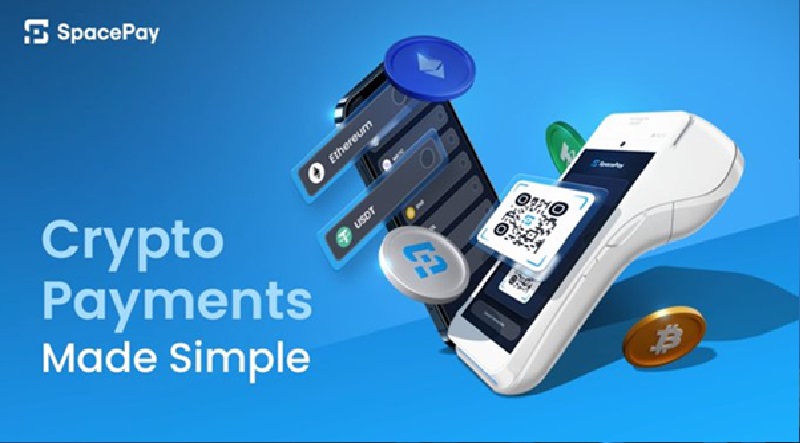
Moreover, it integrates directly with Android POS terminals, allowing businesses to accept cryptocurrency without additional hardware. The technology ensures smooth and secure transactions, with merchants receiving payments in their local currency instantly.

The SpacePay payment APK enhances transaction processes by enabling customers to use digital assets like cash. This method eliminates risks for retailers and expands purchasing options for crypto enthusiasts. Unlike traditional payment systems, SpacePay removes complicated processes, making transactions as easy as scanning a QR code.

Security is a top priority for SpacePay. The platform keeps your money and data safe with strong encryption, two-factor authentication, and NFC technology. Businesses and customers can make payments with peace of mind, knowing their transactions are secure from start to finish.

Furthermore, by doing away with dependency on centralized financial institutions, SpacePay’s decentralized structure promotes confidence. Additionally, by guaranteeing contactless transactions that lower the possibility of fraud, SpacePay’s NFC technology improves security even more.

NFC transactions are more secure than conventional card-based transactions because they use encrypted communication to stop unwanted data access. Customers and businesses can now accept cryptocurrency payments more easily without worrying about security flaws.

Expanding Access to Over 400 Million Crypto Users

Looking to grow your business? SpacePay opens doors to over 400 million crypto users worldwide.

By adding crypto payments, you’ll attract tech-minded customers who prefer digital currencies to regular banking. The platform works with more than 325 digital wallets, so your customers can pay their way without extra steps or middlemen.

The process is quick and smooth – something your customers will appreciate. With a 0.5% fee per transaction, SpacePay beats traditional card processing rates, helping you cut costs.

Don’t worry about crypto price swings either – the platform converts to regular currency instantly to protect your income.

By making payments easier and keeping costs low, SpacePay helps close the gap between cryptocurrencies and everyday business transactions.

The platform is a desirable choice for companies wishing to update their payment systems because of its strong capabilities and intuitive layout. Accepting cryptocurrency is only one aspect of using SpacePay; you’re also part of a developing digital economy that prioritizes efficiency, security, and speed in all of its transactions.
The $SPY Token and Its Utility

SpacePay’s native token, $SPY, is central to the ecosystem, offering multiple benefits to holders.

Investors participating in the presale can acquire $SPY tokens at a favorable price of $0.003153. The presale has already attracted strong interest as it’s at the $1 million milestone right now.

Holding $SPY tokens comes with key advantages. Holders of tokens are granted governance rights, which let them cast votes on important project choices.

The token also offers revenue-sharing choices, loyalty airdrops, and early access to new SpacePay services. This ensures the project’s long-term viability by cultivating a dedicated and involved community.

Moreover, SpacePay’s revenue-sharing model links token holders to the platform’s financial success. As transaction volumes increase, investors benefit from passive income opportunities. This makes $SPY an attractive option not just for payments but also as a long-term investment.

To further encourage participation, SpacePay offers monthly airdrops to $SPY holders as part of its loyalty program. These incentives promote sustained holding and support the expansion of the SpacePay ecosystem.

Furthermore, a percentage of SpacePay’s earnings are donated to charitable causes, enabling investors to support social causes by funding the project.

How to Participate in the SPY Token Presale

The SpacePay presale is in its final stages, providing a unique opportunity for early investors. Getting in is straightforward – just connect your MetaMask or other crypto wallet to SpacePay’s official platform.

You can buy $SPY using ETH, BNB, MATIC, USDT, USDC, AVAX, BASE, or even your bank card. Your tokens are stored safely in your wallet, ready for the SpacePay ecosystem.

Join early and you’ll get perks like first access to new features, instant settlements, and everyday crypto spending. SpacePay cuts out the middleman – no more shuffling funds between platforms, making your crypto transactions quick and hassle-free.

To keep track of SpacePay’s growth, follow them on their X (formerly Twitter) account and Telegram channel for the latest news and community discussions.

The company’s fresh take on crypto payments and quickly expanding customer base suggests it’s becoming a frontrunner in tomorrow’s digital payment landscape. Get your SPY tokens today by clicking, https://presale.spacepay.co.uk/.


JOIN THE SPACEPAY (SPY) PRESALE NOW 
Website    |    (X) Twitter    |  Telegram

German President Okays Spending Package Marking a Policy Shift for Germany

0

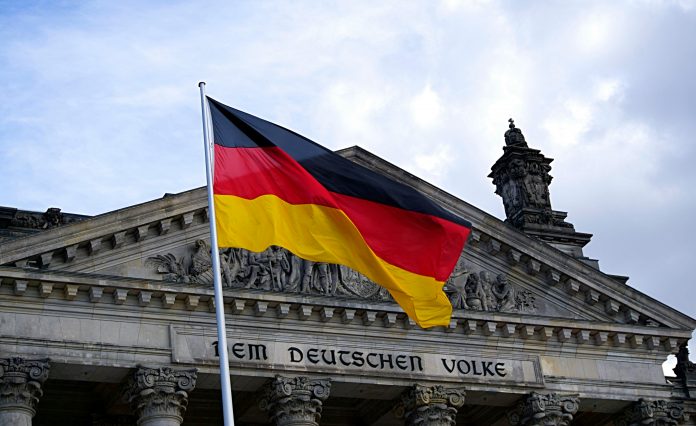
German President Frank-Walter Steinmeier signed into law a landmark spending package, marking the final step in approving a transformative fiscal policy shift for Germany. This legislation, passed by the Bundesrat (Germany’s upper house of parliament) earlier that day with a 53-16 vote, clears the way for up to €1 trillion in new debt-financed investments over the next decade. The package includes a €500 billion fund for infrastructure and climate initiatives and a significant easing of the country’s constitutional “debt brake” to allow increased defense spending, signaling a departure from decades of fiscal conservatism.

The law amends Germany’s Basic Law to exempt defense expenditures exceeding 1% of GDP from the debt brake’s strict borrowing limits (previously capped at 0.35% of GDP), enabling the government to bolster its military amid geopolitical tensions, including uncertainties over U.S. support under President Donald Trump and rising threats from Russia. The €500 billion infrastructure fund, to be financed through borrowing over 12 years, allocates €100 billion for climate and green energy projects—secured after negotiations with the Greens—while the remainder targets transport, education, and other critical sectors.

Additionally, Germany’s 16 federal states gain new borrowing flexibility, each allowed a structural deficit of 0.35% of their economic output, unlocking roughly €16 billion in extra spending capacity. Pushed by Chancellor-in-waiting Friedrich Merz and his prospective CDU/CSU-SPD coalition, the package was rushed through the outgoing parliament before the new Bundestag convenes on March 25, 2025, to avoid potential blocks from far-left and far-right parties. While hailed as a “fiscal bazooka” to revive Europe’s largest economy and assert Germany’s leadership in NATO, critics warn that bureaucratic delays and labor shortages could push tangible economic impacts to 2026 or later.

The law will take effect once published in the Federal Law Gazette, expected shortly after Steinmeier’s signature, setting the stage for a redefined German role in European defense and economic resilience. The €500 billion infrastructure and climate fund, part of Germany’s newly signed spending package on March 22, 2025, includes a dedicated €100 billion allocation for climate and green energy initiatives over the next 12 years. This component was a critical concession secured by the Greens during coalition negotiations with the incoming CDU/CSU-SPD government led by Chancellor-in-waiting Friedrich Merz.

€100 billion, carved out of the broader €500 billion infrastructure fund, to be financed through new debt issuance over a 12-year period (2025–2037). This leverages Germany’s eased “debt brake” rules, allowing borrowing beyond the previous 0.35% GDP cap for strategic priorities like climate action. Approximately €8.33 billion per year, though disbursements may vary based on project timelines and economic conditions. The fund is front-loaded, with plans to spend €20 billion in the first two years (2025–2026) to kickstart initiatives. Embedded in the amended Basic Law, signed by President Frank-Walter Steinmeier, ensuring its constitutional protection against future fiscal rollbacks.

The climate fund aims to position Germany as a leader in Europe’s green transition while meeting its EU commitments to cut greenhouse gas emissions by 65% by 2030 (from 1990 levels) and achieve net-zero by 2045. It targets three main areas: Scaling up wind, solar, and hydrogen infrastructure. €40 billion is earmarked for renewable energy projects, including offshore wind farms in the North and Baltic Seas, solar panel installations on public buildings, and green hydrogen production facilities. The goal is to triple renewable energy capacity by 2035. Germany’s coal phase-out, accelerated to 2030 under the outgoing Scholz government, necessitates this shift, especially as energy prices remain volatile post-Ukraine war.

Retrofitting buildings and decarbonizing industry. €30 billion will fund subsidies for energy-efficient renovations of homes and factories, alongside grants for industries like steel and chemicals to adopt low-carbon technologies (e.g., electric arc furnaces). This builds on the EU’s Green Deal framework. Electrifying mobility and expanding public transit. €25 billion is allocated for electric vehicle (EV) charging networks, subsidies for EV purchases, and upgrades to rail systems, including high-speed connections between Berlin, Munich, and Hamburg. An additional €5 billion supports green aviation and shipping research. The fund will be overseen by a new Climate and Infrastructure Agency (KIA), reporting to the Federal Ministry for Economic Affairs and Climate Action.

Germany’s 16 federal states can propose projects, with €10 billion reserved for regional initiatives, ensuring rural areas like Bavaria and Mecklenburg-Vorpommern benefit alongside urban hubs. Annual reports to the Bundestag are mandated, with a citizen advisory board—including environmental NGOs—reviewing spending priorities. The fund is expected to create 200,000 jobs by 2030, particularly in construction and renewable tech, addressing Germany’s labor shortages through targeted training programs funded within the package. The Greens, despite losing ground in the March 2, 2025, election, secured this €100 billion commitment by threatening to withhold Bundesrat votes.

Business groups like the BDI warn that bureaucratic red tape—e.g., slow permitting for wind farms—could delay projects, while the AfD opposes the debt increase, calling it “generational theft.” If fully implemented, the fund could cut Germany’s emissions by an additional 100 million tons of CO2-equivalent by 2035, per DIW Berlin estimates, aligning with EU targets. It positions Germany to compete with France’s green tech investments, potentially influencing EU-wide climate policy under the Fit for 55 packages. Success hinges on streamlining approvals and securing skilled workers, with early indicators suggesting tangible results may not emerge until 2027.

The Next Tekedia Capital Investment Cycle Begins April 7, 2025

0

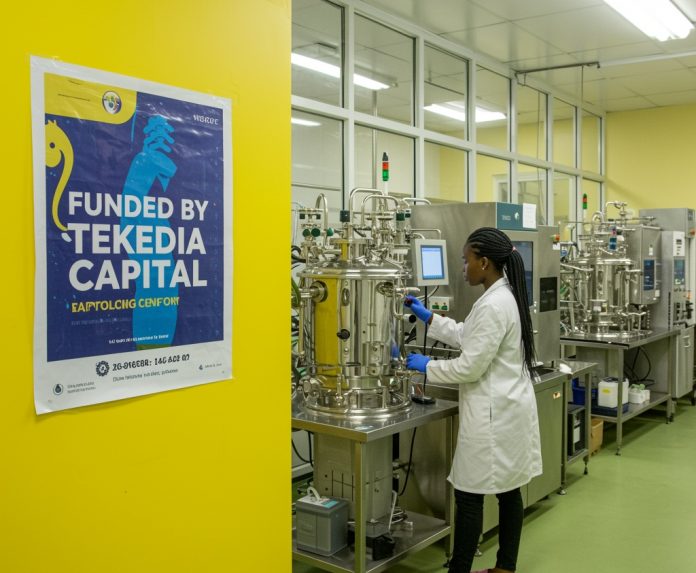
On April 7, 2025, the next investment cycle of Tekedia Capital opens. We will be bringing 17 companies covering industrial sectors from many regions of the world. If you are passionate about investing in the dynamic and rapidly evolving techno-global market, and believe in the power of entrepreneurial capitalism to drive transformative change, Tekedia Capital is where you belong.

We’re not just another investment platform; we’re a community of forward-thinking individuals dedicated to supporting and scaling high-potential startups. At Tekedia Capital, we leverage the unparalleled insights and network of Tekedia Institute to identify and invest in the next generation of innovators.

Find below the key dates for the next Tekedia Capital investment cycle:

  • Duration: April 7 – May 15, 2025
  • Startups Unveiling in Portal: April 7
  • Demo Day: April 26, 2025.

We invite you to join us here https://capital.tekedia.com/course/fee/

Germany Closes Its Embassy in Juba South Sudan as Conflicts Intensifies

0

Germany announced the temporary closure of its embassy in Juba, South Sudan, due to escalating violence that has pushed the country to the brink of civil war. German Foreign Minister Annalena Baerbock stated that the decision was made by the Foreign Office’s crisis team, prioritizing the safety of embassy staff amid a deteriorating security situation. The move reflects growing international concern over the intensifying conflict between forces loyal to President Salva Kiir and a militia linked to Vice President Riek Machar, particularly near the Ethiopian border in Upper Nile state.

This violence, involving government bombings of civilian areas and attacks on UN helicopters, threatens to unravel the fragile 2018 peace agreement that ended a five-year civil war, which killed over 400,000 people. Germany’s closure underscores the severity of the crisis, with the UN reporting at least 50,000 displaced and fears of a broader regional destabilization as South Sudan teeters on the edge of renewed large-scale conflict. The United Nations has been actively involved in peace efforts in South Sudan, particularly in response to the escalating violence that prompted Germany to close its embassy in Juba on March 22, 2025.

The United Nations Mission in South Sudan (UNMISS), established in 2011, remains the cornerstone of UN peace efforts in the country. Its mandate, renewed on April 29, 2024, via Security Council Resolution 2729, extends through April 30, 2025, and focuses on four. UNMISS maintains over 17,000 peacekeepers to shield civilians from violence, especially as clashes between forces loyal to President Salva Kiir and Vice President Riek Machar’s militia intensify. The mission operates protection sites hosting displaced populations, though these are strained by the recent surge in fighting.

UNMISS facilitates safe conditions for aid delivery, critical as the UN reports 50,000 newly displaced people due to the latest violence near Upper Nile state. However, attacks on UN helicopters and restrictions on peacekeeper movements have hampered these efforts. The mission backs the 2018 Revitalized Peace Agreement, which aimed to end the civil war but is faltering. UNMISS assists with electoral preparations for the postponed December 2026 elections, providing technical advice and voter education, though progress is slow due to political mistrust and funding shortages.

UNMISS documents violations, such as the recent government bombings of civilian areas, to hold parties accountable and push for compliance with international law. Nicholas Haysom, Special Representative of the Secretary-General and Head of UNMISS, warned on March 18, 2025, during an African Union Peace and Security Council meeting that South Sudan is “poised on the brink of relapse into civil war.” He emphasized the need for urgent collective action to prevent further escalation. The UN Security Council has urged South Sudan’s leaders to adhere to the peace agreement’s benchmarks, including unifying armed forces and drafting a permanent constitution. On February 5, 2025, Haysom told the Council that the extended transitional period (to February 2027) must not be “business as usual,” pressing for accelerated reforms.

The UN Office for the Coordination of Humanitarian Affairs (OCHA) leads the 2025 Humanitarian Needs and Response Plan, targeting 5.4 million people with $1.7 billion in aid. This is vital as over 900,000 Sudanese refugees have fled into South Sudan since 2023, compounding the crisis. UNMISS works with the African Union (AU) and the Intergovernmental Authority on Development (IGAD), supporting initiatives like Kenya’s Tumaini mediation process, despite its setbacks after the Sudan People’s Liberation Movement-in-Opposition withdrew in July 2024. The UN Commission on Human Rights in South Sudan, in a March 8, 2025, report, condemned leaders for fueling violence and obstructing peace, calling for dialogue over armed confrontation to avert chaos.

The UN faces significant hurdles: ongoing hostilities limit access, funding for the $1.7 billion plan is uncertain, and political will among South Sudanese leaders remains weak. The attack on a UN aircraft in Upper Nile, labeled a war crime by the Commission, exemplifies the risks to peacekeepers. Despite these, the UN continues to position itself as a neutral broker, advocating for a ceasefire and inclusive talks to stabilize the region. UN peace efforts in South Sudan as of March 23, 2025, center on UNMISS’s multifaceted mandate, diplomatic pressure, and humanitarian support, all aimed at preventing a full-scale civil war amid the worsening conflict that led to Germany’s embassy closure.

NNPC Made $21.565bn From Forward Crude Sales Since 2019, Explains Its Struggle to Meet Local Refiners’ Crude Supply Obligation

0

The Nigerian National Petroleum Company Limited (NNPC) has sold crude oil forward to the tune of $21.565 billion since 2019, according to a document obtained by THISDAY on Sunday.

This revelation further underscores why the state-owned oil company has struggled to meet its Domestic Crude Supply Obligation (DCSO) to local refiners. The NNPC’s entanglement in multiple forward crude sales agreements has significantly reduced its ability to supply crude oil to domestic refineries, including the much-anticipated Dangote Refinery, forcing them to import feedstock to sustain operations.

The document indicates that since the controversial ‘Project Gazelle’ in 2023, the NNPC has entered into at least two other agreements, ‘Project Leopard’ and ‘Project Gazelle II’, which are expected to cost $2 billion and $7.5 billion, respectively. It remains unclear how much crude oil has been mortgaged under these arrangements, but information obtained by THISDAY shows that the NNPC has signed at least 11 forward sale deals since 2019, excluding its arrangement with Dangote Refinery, which it eventually opted out of.

Aside from vendor programs worth $750 million and $1.5 billion, which expired in May 2023 and are set to mature in November 2024, nine other projects remain active. These include the $3 billion deal on NLNG Train 7, which matures in May 2029; the $1 billion ‘Project Eagle’ agreement expiring in June 2025; and the $300 million ‘Project Brogue’ set to conclude in January 2027. Additionally, ‘Project Bison,’ valued at $1.04 billion and signed in 2021, will expire in December 2026. ‘Project Yield,’ sealed in 2022 and worth $1 billion, will mature in June 2029, while ‘Offtake Financing,’ a $75 million deal, is set to expire in October 2029.

Perhaps the most contentious of these agreements remains ‘Project Gazelle,’ an oil swap deal valued at $3.4 billion, which is expected to run until 2032. This deal stirred public debate regarding the transparency of crude-for-cash transactions. Despite the controversies, the NNPC has since entered into two additional arrangements—Project Leopard and Project Gazelle II—scheduled for full repayment in January 2029 and April 2034, respectively. Project Leopard is worth $2 billion, while Project Gazelle II is the largest of them all at $7.5 billion.

Although there is a close relationship between Afreximbank and the Nigerian oil authorities, the pan-African lender declined to participate in these latest deals. The bank, which already has a $4.5 billion exposure to NNPC in pre-export financing (PXF) resource-backed loans, cited its internal lending rules as the reason for its refusal. PXF is a financing model where a commodity producer secures upfront cash in exchange for future commodity delivery, usually at a discount. The funds are used for operational expenses, while the buyer secures access to a stable supply of the commodity.

The document revealed that one of the key conditions for the 2023 Gazelle deal was that the NNPC would not raise new U.S. dollar-denominated financing until the principal and interest on the existing loan were fully drawn down. This condition reportedly led Afreximbank to distance itself from the $2 billion Project Leopard deal.

For the larger $7.5 billion deal under Project Gazelle II, there are indications that Saudi Aramco or Abu Dhabi’s ADNOC may step in to provide financing. However, the structure of the deal raises concerns, as the crude oil barrels earmarked for repayment are priced at a “strike price” significantly below the open market rate.

The document notes that this pricing mechanism not only deviates from what is needed to fully cover the principal and interest repayment but also results in a substantial difference between the strike price and the open market price. This difference, rather than being accounted for in Nigeria’s Consolidated Revenue Fund (CRF) or subjected to National Assembly oversight, is reportedly being credited to an offshore debt service reserve account.

PXF loans of this nature are typically priced at the Secured Overnight Financing Rate (SOFR) of six percent, in addition to a Country Risk Premium (CRP) of three to five percent. Furthermore, demurrage charges are applied based on the London Interbank Offered Rate (LIBOR) on a pro-rata basis.

On August 16, 2023, the NNPC secured a $3.3 billion emergency crude repayment loan through Afreximbank. The transaction was intended to support the naira and stabilize the foreign exchange (FX) market amid economic turbulence. The loan was arranged through Project Gazelle Funding Ltd (PGFL), a Special Purpose Vehicle (SPV) incorporated in the Bahamas, with the NNPC serving as the sponsor and committing crude oil as repayment.

The impact of these deals has been most visible in the Nigerian oil sector’s inability to meet local refining needs. Several local refiners, including the Dangote Refinery, have raised concerns over insufficient crude oil supply. Despite numerous interventions by the Nigerian Upstream Petroleum Regulatory Commission (NUPRC) to ensure compliance with DCSO, domestic refineries continue to struggle with feedstock shortages.

The NUPRC has warned that it may start to deny export permits to oil companies failing to meet their local crude supply commitments. However, the situation is exacerbated by Nigeria’s declining oil production, which has made it nearly impossible to fulfill its forward sales obligations while supplying local refiners. With crude production currently below 1.5 million barrels per day (mbpd), Nigeria is running significantly short of the volumes required to balance its external and domestic obligations.

For Africa’s largest oil producer to comfortably meet its commitments, it needs to produce about 3 million barrels per day. However, under the current circumstances, meeting both forward sales obligations and local refining demand is proving increasingly difficult. This shortfall played a significant role in the government’s decision to terminate its naira-for-crude deal with the Dangote Refinery, which had initially been touted as a strategy to ease the forex burden on local refiners.

The Dangote Refinery, Africa’s largest single-train refinery, has faced persistent challenges in securing sufficient crude oil feedstock from Nigerian producers, including International Oil Companies (IOCs). The inability to source crude locally has forced Dangote to import crude from the international market, a development that undermines the government’s push for local refining and self-sufficiency.