DD
MM
YYYY

PAGES

DD
MM
YYYY

spot_img

PAGES

Home Blog Page 17

Why Social Media Believes Bitcoin Has Found Its Bottom

0

Every major Bitcoin correction brings with it a familiar wave of optimism. As prices tumble, social media fills with confident declarations that the market has reached its lowest point.

Influencers post bullish charts, traders announce aggressive buying strategies, and long-term holders encourage others to buy the dip. Today is no different.

Across timelines on X, Reddit, and other crypto communities, many investors are convinced that Bitcoin has finally found its bottom. Yet history suggests that consensus is rarely a reliable indicator of market direction.

Bitcoin has always been an asset driven by emotion as much as economics. Fear and greed dominate market cycles, often causing prices to overshoot both on the upside and the downside. When sentiment becomes overwhelmingly bearish, many investors expect a reversal.

Conversely, when nearly everyone agrees that the bottom is in, the market sometimes surprises participants by falling even further. This unpredictability is one of the defining characteristics of cryptocurrency investing. Several factors explain why many believe the current decline marks the bottom.

Bitcoin has already corrected significantly from its recent highs, eliminating excessive leverage and speculative enthusiasm. On-chain metrics indicate that long-term holders continue accumulating coins rather than selling them.

Institutional investors remain interested in Bitcoin through exchange-traded funds, while corporations and wealth managers increasingly view it as a strategic digital asset rather than a speculative gamble. These developments provide a stronger foundation than previous market cycles.

Macroeconomic conditions also influence the debate. Investors are closely watching inflation data, central bank policies, and interest rate expectations. If monetary conditions become more favorable, risk assets such as Bitcoin could benefit from renewed capital inflows.

Many traders therefore believe the recent weakness represents a temporary shakeout before another upward trend begins. However, markets rarely reward certainty. External events can quickly change investor sentiment.

Unexpected economic data, tighter monetary policy, regulatory actions, geopolitical tensions, or large-scale liquidations can all trigger another wave of selling. Bitcoin’s history is filled with moments when widespread confidence proved premature. During previous bear markets, multiple rallies convinced investors that the worst was over, only for prices to establish even lower lows.

Another reason for caution is the influence of social media itself. Algorithms tend to amplify popular opinions, creating echo chambers where similar viewpoints reinforce one another. When everyone’s timeline is filled with bullish posts, it can create the illusion of universal agreement.

In reality, financial markets are shaped by countless participants with different objectives, strategies, and risk tolerances. Retail sentiment alone rarely determines the direction of a trillion-dollar asset. For disciplined investors, attempting to identify the exact bottom is often less important than maintaining a consistent investment strategy.

Many experienced participants prefer dollar-cost averaging, gradually building positions regardless of short-term price fluctuations. This approach reduces the pressure of timing the market perfectly while allowing investors to benefit from long-term growth if Bitcoin continues its historical upward trajectory.

Whether this is truly the Bitcoin bottom will only become clear in hindsight. Markets do not announce turning points in real time. While optimism may be justified by improving fundamentals and stronger institutional adoption, uncertainty remains an unavoidable part of investing.

Instead of relying solely on the confidence of a social media timeline, investors should base decisions on careful research, sound risk management, and a long-term perspective. In Bitcoin, as in every financial market, the loudest consensus is not always the most accurate prediction.

South Korea’s Exports Surge to Record $102bn as AI Chip Boom Delivers Fastest Growth Since 1978

0

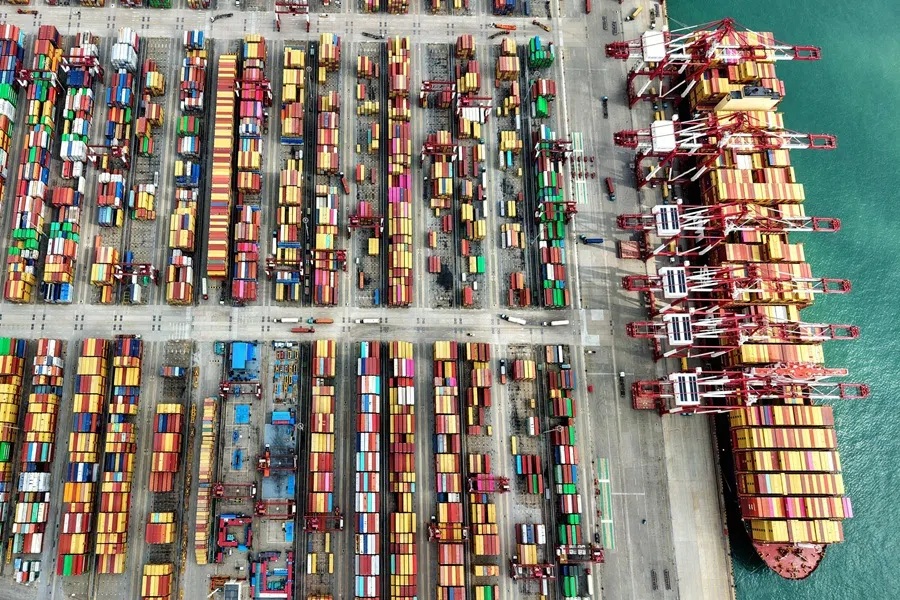
South Korea’s exports surged at their fastest pace in nearly five decades in June, as the global artificial intelligence investment boom continues to reshape international trade, with soaring demand for advanced semiconductors, AI servers and data center infrastructure powering record overseas shipments.

The latest figures reinforce South Korea’s position at the center of the AI supply chain, where memory chip giants Samsung Electronics and SK Hynix have emerged as some of the biggest beneficiaries of an unprecedented wave of spending by hyperscalers including Nvidia, Microsoft, Amazon, Alphabet and Meta. Their investments in AI infrastructure have tightened global supplies of high-bandwidth memory (HBM) chips, driving prices sharply higher and fueling export earnings across Asia’s fourth-largest economy.

Preliminary data released by South Korea’s trade ministry on Wednesday showed exports climbed 70.9% year-on-year to a record $102.25 billion in June, accelerating from 53.4% growth in May and marking the strongest annual expansion since October 1978. The performance comfortably exceeded market expectations, with economists surveyed by Reuters forecasting a 61% increase. The result also surpassed every one of the 13 forecasts submitted by analysts.

The milestone makes South Korea only the fourth country in the world to record monthly exports exceeding $100 billion, joining China, Germany, and the United States.

AI-Driven Semiconductor Exports Lead The Surge

The biggest driver was semiconductors. Chip exports jumped 199.5% from a year earlier to $44.8 billion, accounting for nearly 44% of the country’s total exports during the month. Demand continues to be driven by high-bandwidth memory chips used in AI accelerators, graphics processing units and large-scale data centers, where South Korean manufacturers have become indispensable suppliers.

SK Hynix has cemented its position as Nvidia’s leading HBM supplier, while Samsung Electronics is rapidly expanding production capacity to capture a larger share of the fast-growing AI memory market.

The AI investment cycle also lifted exports of related technology products. Computer exports surged 308.8%, reflecting rising purchases of AI servers and computing equipment by major global technology companies expanding their data center capacity.

Steel exports rose 9.6%, ending 13 consecutive months of declines, as demand strengthened from data center construction projects that require large quantities of structural steel. Petroleum product exports increased 49.8%, supported by elevated global oil prices.

AI Boom Expected To Remain Intact

Analysts believe the semiconductor upcycle remains far from over.

“Exports will remain robust in the second half, led by semiconductors. There is no sign of the chip boom waning anywhere, so it won’t easily cool down next year either,” said Park Sang-hyun, an analyst at iM Securities.

“Still, growth rates are seen nearing a peak,” Park added.

This supports growing expectations that while export volumes should remain elevated, the extraordinary pace of annual growth could moderate as comparisons become more demanding following months of record-breaking performance.

South Korea’s exports have been expanding continuously since June 2025, while double-digit annual growth has been recorded every month since December, highlighting the sustained strength of global AI-related demand.

Despite the export boom, domestic manufacturing showed signs of moderating momentum. A separate business survey released Wednesday indicated that South Korea’s factory activity expanded for a seventh consecutive month in June but at a slower pace than in May, reflecting softer export orders outside the technology sector.

The divergence suggests that while AI-related industries continue to thrive, broader manufacturing activity remains more uneven.

By destination, exports to South Korea’s two largest trading partners recorded exceptional growth. Shipments to China rose 92.1%, supported by semiconductor demand and improving industrial activity. Exports to the United States climbed 78.6%, reflecting continued investment in AI infrastructure by major American technology companies.

Shipments to the European Union increased 31.8%.

In contrast, exports to the Middle East declined 8.4%, highlighting persistent regional weakness outside energy-related sectors.

Imports rose 30.1% year-on-year to $66.10 billion, accelerating from 20.7% growth in May. The figure exceeded economists’ expectations of 26.3% growth and represented the fastest increase since May 2022.

Stronger imports partly reflected increased purchases of raw materials and components needed to support expanding semiconductor production, alongside higher energy costs.

The combination of record exports and relatively slower import growth produced a monthly trade surplus of $36.15 billion, the largest in South Korea’s history. For the first six months of the year, the cumulative trade surplus reached $138.3 billion, already almost 80% higher than the entire 2025 annual surplus of $77.4 billion.

The sharp improvement underscores how the AI investment cycle has transformed South Korea’s external sector, strengthening export earnings, boosting manufacturing output, and improving the country’s balance of payments.

The latest figures bolster South Korea’s strategic importance in the global AI economy. With cloud providers and technology companies expected to spend hundreds of billions of dollars on AI infrastructure this year and next, demand for advanced memory chips is expected to remain elevated. That has placed Samsung Electronics and SK Hynix at the center of one of the world’s strongest technology investment cycles.

Although analysts expect export growth rates to moderate from exceptionally high levels gradually, the underlying demand drivers remain intact. Continued investment in AI data centers, cloud computing and advanced semiconductor manufacturing is expected to provide sustained support for South Korea’s export performance well into 2027, even as global economic growth slows.

What Are You Building in Nigeria?

0

In the first half of the year, Tekedia Capital has invested in about two dozen companies across the world. Now, we are looking for more opportunities in Nigeria.

Our preference is for companies solving foundational market frictions. Yes, businesses that can eventually become platforms powering entire ecosystems and creating new bases of competition. We are sector-agnostic and back exceptional founders wherever we find them. And yes, we move quickly.

How do you get started? It is simple: send us your public website. No pitch deck. No proprietary information. No lengthy documents. If we visit your website and like what we see, our investment team will reach out for more.

Build. Launch. Share your website. Let us see what you are building in Nigeria.

Tekedia Capital >> we fund innovations

Australia Weighs Major Overhaul of Big Four Accounting Firms Amid Series of High-Profile Scandals Eroding Public Trust

0

The Australian government is contemplating sweeping changes to the country’s accounting industry, including potentially breaking up the Big Four firms and bringing them under the oversight of the corporate regulator, in response to a string of damaging scandals that have shaken confidence in the sector.

The proposals, detailed in an options paper released by the Treasury Department on Wednesday, also include reducing the maximum size of partnerships from 1,000 to 400 members and introducing mandatory rotation of audit firms. The paper, according to Reuters, highlighted regulatory gaps exposed by recent misconduct at Deloitte, EY, KPMG, and PwC, drawing comparisons with oversight frameworks in Britain and the United States.

“In recent years, we have seen behavior from some large accounting, auditing and consulting firms in Australia that is not fair and honest,” Assistant Treasurer Daniel Mulino said in a statement. “This has undermined trust in the firms themselves and raised broader questions about the resilience of the frameworks meant to uphold market integrity.”

The potential interventions largely echo recommendations from parliamentary inquiries sparked by the 2023 PwC tax leaks scandal, in which confidential government policy was shared with clients to secure new business. Most of those recommendations have yet to be implemented. KPMG is currently facing its own crisis following whistleblower allegations that it shared confidential company information with prospective private-sector clients to win auditing work.

The Big Four currently operate as partnerships rather than companies, meaning they fall outside the direct supervision of the Australian Securities and Investments Commission (ASIC), which imposes strict reporting requirements on corporate entities. Instead, they are governed by state-based laws.

Mulino indicated that structural separation, forcing firms to split their audit and consulting arms to reduce conflicts of interest, is among the stronger options under consideration. An alternative would involve operational separation, preventing firms from providing both audit and non-audit services to the same client.

The government is also examining whether to lower the current cap of 1,000 partners in accounting firms to align more closely with the 400-partner limit applied to law firms. Other proposals include measures to improve audit market diversity, such as mandatory firm rotation every two decades. The Treasury paper noted that the Big Four audited 96% of Australia’s top 200 companies in 2022.

“There are other changes as well — providing ASIC with more powers, more oversight and stronger penalties,” Mulino told reporters in Canberra.

Industry Response and Calls for Deeper Reform

The Big Four firms responded cautiously to the proposals, emphasizing their willingness to engage while highlighting ongoing internal reforms.

“We welcome the release of the options paper by Treasury and the opportunity to engage constructively on any measures, which strengthen trust in the profession,” a Deloitte spokesperson said.

EY Oceania CEO David Larocca said the firm supported many of the options outlined.

“We have an important role to play in restoring and maintaining trust in the sector,” he said in a statement.

PwC described the paper as “an important opportunity to contribute to strengthening and rebuilding trust in our industry.”

“Our firm has undergone significant transformation across the past few years, and that work continues,” a spokesperson said.

KPMG said it supported reforms that strengthened governance, transparency, auditor independence, firm-level regulatory oversight, and public confidence in the profession.

However, critics argue the proposals do not go far enough. Deborah O’Neill, a senator from the ruling Labor Party who brought whistleblower allegations against KPMG to light in March, said the “unethical” culture exposed by successive scandals needed to be fundamentally disrupted.

She warned the firms would “fight tooth and nail” to preserve their existing structures “because it is in their financial interest to do so.”

Barbara Pocock, a Greens senator who has long advocated for tougher regulation, said the government already had clear recommendations from previous inquiries and should act urgently.

“Labor needs to put an end to the Big Four’s special treatment and regulate them like other Australian businesses,” she said in a statement.

Brendan Lyon, a former KPMG partner who also blew the whistle on ethical breaches, described the current proposals as “tinkering around the edges.” He argued that the firms needed to be regulated as companies to address the competitive advantages and opportunities for misconduct that arise from operating without sufficient monitoring.

“We are the global epicenter of Big Four misconduct. We’ve seen two Big Four CEOs forced from their roles, disgraced over material misconduct, and the cover-ups that have followed,” he said. “The government admits that the system is broken. It identifies many of the factors, but it doesn’t deal with the key issue, which is the competitive advantage and opportunity for misconduct that’s created when you operate completely unmonitored, unbound and unsanctioned.”

A Pivotal Moment for Australia’s Corporate Oversight

The Treasury paper represents a significant moment for Australia’s corporate governance landscape. The Big Four have long enjoyed a dominant position in the auditing and consulting sectors, but repeated scandals have eroded public trust and prompted calls for structural reform. By considering options such as breaking up the firms or imposing stricter separation between audit and non-audit services, the government is signaling a willingness to challenge the status quo.

The proposals also reflect growing international scrutiny of concentrated professional services markets. Regulators in Britain and the United States have implemented or considered similar measures to address conflicts of interest and improve competition in auditing.

For the Big Four, the coming months will be critical as they engage with the consultation process. Their responses suggest a recognition that change is inevitable, though the extent and nature of that change remain subjects of intense debate.

Australia’s corporate regulator, ASIC, would likely gain significant new responsibilities if the firms were brought under its purview. This could lead to stricter reporting requirements, enhanced oversight, and stronger penalties for misconduct.

However, the outcome of this review is expected to have far-reaching implications for corporate Australia. This is because a more competitive and better-regulated auditing sector might improve the quality of financial reporting and restore confidence in markets. At the same time, overly aggressive reforms risk disrupting established business relationships and increasing costs for companies that rely on the Big Four’s services.

Japan’s Uphill Battle Defending Yen Depends on Filling the Fed–BOJ Policy Gap, Analysts Warn

0

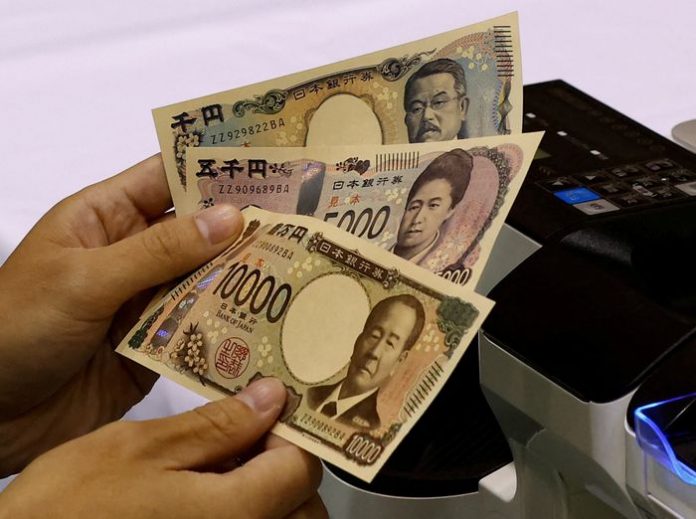
Japan’s currency has fallen to its weakest level in four decades, reviving speculation that authorities could once again intervene in foreign exchange markets. However, economists and investors warn that even another multi-billion-dollar intervention is unlikely to reverse the yen’s decline unless the gap between U.S. and Japanese interest rates narrows.

The yen weakened to 162.83 per U.S. dollar on Tuesday, its lowest level in 40 years, according to LSEG data. The slide has renewed expectations that Japanese authorities could step back into the market after spending a record 11.7 trillion yen ($73.5 billion) in April and May buying their own currency.

The renewed weakness illustrates the difficult position confronting Tokyo. While Japan has both the financial firepower and political willingness to intervene, market participants say currency intervention cannot fundamentally alter the economic forces driving investors away from the yen.

At the heart of the problem is the widening monetary policy divergence between the Bank of Japan (BOJ) and the U.S. Federal Reserve.

Although the BOJ has begun moving away from years of ultra-loose monetary policy and recently raised its benchmark interest rate to 1%, Japanese borrowing costs remain far below those in the United States. The higher returns available on dollar-denominated assets continue to encourage investors to sell yen and buy dollars.

Christy Tan, global investment strategist at Franklin Templeton Institute, said market intervention has clear limitations.

“Intervention can slow a fall, punish speculative excess and signal official discomfort. But it cannot repeal arithmetic,” she said.

She explained that the interest-rate differential remains the dominant force weighing on Japan’s currency.

“As long as investors can borrow cheaply in yen and earn more in dollars, the carry trade will keep carrying the yen away,” she added.

The carry trade, in which investors borrow in low-yielding currencies such as the yen to invest in higher-yielding assets elsewhere, has become one of the principal drivers of the currency’s prolonged weakness. The challenge has intensified as investors increasingly believe the Federal Reserve could keep interest rates elevated for longer.

Persistent inflationary pressures and resilient U.S. economic growth have led markets to scale back expectations for aggressive rate cuts, with some investors even leaving room for the possibility of additional tightening if inflation remains stubborn.

Tan said markets increasingly see the policy gap as the core issue.

“It appears that investors identify the core problem as the widening credibility gap between the Federal Reserve and the Bank of Japan,” she said.

Currency markets appear to support that assessment.

While the yen has depreciated sharply against the U.S. dollar, it has remained relatively stable against the euro, suggesting that the recent weakness reflects broad dollar strength as much as concerns about Japan itself. According to LSEG data, the yen has fallen roughly 3.9% against the dollar this year, compared with only 0.9% against the euro.

Martin Schulz, chief economist at Fujitsu, said the divergence highlights the dominant role of the stronger U.S. dollar.

“If we look at the yen-euro, for example, it is more stable,” he said.

He added that investors continue to view the BOJ as moving more cautiously than other major central banks.

That dynamic significantly reduces the effectiveness of unilateral intervention. Several market participants believe Japanese authorities may intervene if the currency weakens further.

Vincent Chung, co-portfolio manager for the diversified income bond strategy at T. Rowe Price, said traders are closely watching the 162-163 per dollar range.

“If intervention comes only from Japan while the dollar remains broadly strong, I think it may have limited effectiveness,” he said, then added, “Historically, coordinated intervention involving other central banks, particularly the U.S., has tended to create a much stronger reaction in the yen.”

Alexandre Drabowicz expressed a similar view, suggesting that another intervention threshold could emerge around 164-165 yen per dollar, while cautioning that previous operations have produced only temporary relief.

“To be really effective, you need coordination between the U.S. and Japan.”

Such coordination, however, appears unlikely in the current environment. The United States has generally favored allowing market forces to determine exchange rates unless currency movements threaten global financial stability.

For Japan, the weak yen presents both opportunities and risks.

Export-oriented manufacturers continue to benefit because overseas earnings become more valuable when converted back into yen. The currency’s depreciation also improves the international competitiveness of Japanese exports.

That helps explain why Japanese equities have remained relatively resilient despite the currency’s decline. Schulz noted that Japanese manufacturers continue to benefit from the exchange rate, while the BOJ’s latest Tankan business sentiment survey showed stronger-than-expected confidence among large manufacturers.

The benefits for exporters, however, come at a growing cost to households.

A weaker yen raises the price of imported fuel, food, and raw materials, increasing living costs for consumers and putting additional pressure on household budgets. Higher import prices also risk entrenching inflation at a time when policymakers are attempting to support economic growth.

The situation creates a delicate balancing act for Prime Minister Sanae Takaichi’s government.

Tokyo wants to sustain export competitiveness and corporate investment while protecting households through subsidies aimed at cushioning higher energy and food prices. At the same time, officials are increasingly uncomfortable with the pace of the yen’s depreciation.

Tan summarized the dilemma facing Japanese policymakers.

“Tokyo wants a stronger yen without fully accepting the policy costs of one,” she said.

Those costs would likely include substantially higher domestic interest rates, which could slow economic growth, increase government borrowing costs and weigh on corporate investment.

Currently, analysts broadly agree that while intervention may slow speculative selling and temporarily stabilize the currency, a sustained recovery in the yen will ultimately depend on a narrowing of the U.S.-Japan interest-rate differential.