DD
MM
YYYY

PAGES

DD
MM
YYYY

spot_img

PAGES

Home Blog Page 1708

The Future Of Cross-Border Crypto To Fiat Payment: Why Remittix Is Set To Battle With XRP Over $190T Supremacy

0

For years, crypto has been touted as the future of finance, yet when it comes to real-world spending, most digital assets are still frustratingly difficult to use. People want to send money fast, without excessive fees, but the current system forces users through slow exchanges, complicated withdrawals and unnecessary banking restrictions.

Remittix (RTX) is fixing this problem, enabling users to convert more than 40 cryptocurrencies to FIAT while making global transfers.

Investors are taking notice, with the Remittix presale now exceeding $13.8 million, and RTX tokens priced at $0.0734. As crypto payments gain traction, Remittix is establishing itself as one of the most promising projects in blockchain finance. As its presale soars, it is looking poised to knock Ripple out of the top spot in the PayFi space.

Crypto Payments Are Broken – Remittix Is Fixing Them

Anyone who has tried to cash out crypto into a bank account knows the process isn’t as smooth as it should be. Even with major exchanges, users are stuck waiting days for withdrawals, paying high conversion fees and dealing with banks rejecting their transactions.

For someone like Ali, a remote developer in Turkey, this makes getting paid in crypto more of a hassle than a benefit. He wants instant access to his money, not to waste time moving assets between wallets, paying hidden fees and waiting for slow banking approvals.

Remittix solves this by allowing Ali to convert his Bitcoin earnings into Turkish Lira instantly, no third-party exchanges, no delays, just seamless access to his money when he needs it.

For expats like Maria in Germany, sending money back home has always been an expensive, frustrating process. If she wants to send Euros to her family in Brazil, banks and remittance services will take a large percentage in fees and offer poor exchange rates.

By using Remittix, Maria can send USDT, knowing her family will receive the full value in Brazilian Reais in their bank account the same day without losing money to excessive middlemen charges.

Streamlining Crypto Adoption Among Businesses

Many businesses would love to accept crypto payments, but the risk and complexity of managing digital assets have kept them away.

Business owners don’t want to deal with price volatility, liquidity issues or slow cash-outs; they want a simple, reliable way to accept payments and receive FIAT instantly.

That’s exactly what the Remittix Pay API provides. Now, a hotel chain in Thailand can accept Bitcoin from tourists but receive Thai Baht in their bank account the same day.

A marketing agency in the U.S. can invoice international clients in crypto while automatically converting the payments into USD.

For businesses, this gets rid of the risks of holding crypto while allowing them to serve a growing global customer base that wants to pay with digital assets.

Remittix Presale Closes In On $14 Million Raised

Investors are racing to get their hands on RTX, the powerful native token of Remittix. Currently priced at just $0.0734, the tokens are expected to surge by 800% in value by the end of the presale, with more growth to follow.

The presale has raised over $13.8 million to date and is quickly closing on $14 million. As Remittix gears up to dominate the PayFi space in 2025, it is primed to slice out a large share of the $190 trillion global payments market. For savvy investors looking to stay ahead of the curve, this project is impossible to pass up on.

Discover the future of PayFi with Remittix by checking out their presale here:

Website: https://remittix.io/

Socials: https://linktr.ee/remittix

5 Top New Meme Coins to Buy This Week: Snag BTFD for 3650% ROI or Dive Into Top Meme Picks Like Book of Meme and SPX6900

0

Imagine waking up one morning to see your small crypto investment turn into a six-figure windfall. It’s not a fantasy—it’s already happened for those who got in early on Dogecoin, Shiba Inu, and PEPE before they exploded. The meme coin market is a wild, unpredictable playground, but those who understand how to ride the waves of hype, community power, and strategic presales are the ones laughing all the way to the bank.

Right now, BTFD Coin (BTFD) is at the center of the next big breakout, with its high-powered presale and a potential 3650% ROI. Alongside BTFD, Notcoin (NOT), AI Companions (AIC), Book of Meme (BOME), and SPX6900 (SPX) are making noise as top-tier meme coin contenders. The market is heating up fast, and if you’re not paying attention to the top new meme coins to buy this week, you’ll miss the ride.

1. BTFD Coin (BTFD)—The Presale Power Play with 3650% ROI Potential!

What if you could lock in a potential 3650% return with one of the top new meme coins to buy this week? BTFD Coin is not just another meme coin—it’s a movement. Inspired by the legendary trading mantra, “Buy The Dip,” BTFD is designed to reward early investors with real utility, high staking APYs, and a P2E game that’s already live.

BTFD’s Presale Performance and Gurus’ Prediction—Final Stretch Begins!

BTFD started its presale at just $0.000004 per coin. Today, it’s sitting at $0.00016 in Stage 14, and once the presale ends, it’ll be listed at $0.0006. That’s a 275% return instantly for presale buyers—and analysts predict BTFD could moon to $0.006, making early adopters 3650% gains!

If you invest $2,000 in Stage 14 at $0.00016, you’d own 12,500,000 BTFD coins. Once it hits $0.0006 at launch, that’s already $7,500. If BTFD smashes its projected moon price of $0.006, you’d be sitting on a $75,000 payday!

Stage 14 is almost complete—this price won’t last long and this top new meme coin to buy this week will rocket to the moon leaving you behind!

Why BTFD Coin is Dominating the Meme Coin Scene

  • Staking APY—Earn 90% APY on your holdings (staking went live on Dec 2).
  • P2E Game—The full version launched on Jan 1, letting users earn while playing.
  • Massive Presale Tally—Over $6.28 million raised, 71 billion tokens sold.
  • Growing Community—Over 11,300 holders, and the hype is unreal!

Grab BTFD Coin Before the Presale Ends!

  1. Go to the BTFD Presale
  2. Connect Your Wallet (MetaMask, Trust Wallet)
  3. Enter Purchase Details (Amount of BTFD you want)
  4. Confirm & Buy

This is your last chance to get in on the top new meme coin to buy this week before the presale ends—don’t miss it!

2. Notcoin (NOT)—The Telegram-Based Game-Changer

Notcoin (NOT) started as a viral Telegram tap-to-earn game but has evolved into one of the most anticipated meme coins of 2025. With over 30 million users, its game-based tokenomics and play-to-earn incentives make it a crypto gem for casual users and investors alike.

NOT’s massive adoption and growing ecosystem are turning it into a serious contender in the meme coin world. Its user-friendly model has bridged the gap between gaming and crypto, drawing in millions of players who earn real value while playing.

Why did NOT make it to this list? Because it’s already integrated with Telegram, tapping into one of the biggest social networks, gives it a huge advantage for mainstream adoption.

3. AI Companions (AIC)—AI-Powered Meme Coin with Utility

AIC is the first meme coin fully powered by AI, and it’s shaking up the crypto world with NFT-driven AI bots and automated trading tools. This project isn’t just riding the meme wave—it’s combining artificial intelligence with Web3 to create a unique investment opportunity.

AI Companions is rapidly gaining traction because it offers real-world use cases while still delivering meme coin excitement. AI-driven NFTs, trading algorithms, and user engagement tools make AIC a pioneer in this emerging category.

Why is AIC in this list? It’s proving that meme coins can offer real AI-driven utilities, giving investors long-term upside beyond just hype.

4. Book of Meme (BOME)—The Ultimate Community-Driven Crypto

BOME is taking crypto memes to the next level by creating a decentralized, community-curated meme library. Every major crypto wave has thrived on memes, and BOME is monetizing this cultural phenomenon like no other project before it.

It’s a tokenized meme-sharing platform where users earn tokens for creating and sharing viral content, making it one of the most creative meme coins to date.

Why does BOME deserve a spot here? Because it turns memes into money, rewarding users for what they already love doing. The meme economy is booming, and BOME is positioning itself at the center of it.

5. SPX6900 (SPX)—The Meme Coin with a High-Risk, High-Reward Profile

SPX is a wild, speculative meme coin that thrives on volatility and trader-driven momentum. It’s building an entire ecosystem of meme-based DeFi tools, allowing investors to trade, stake, and even borrow against their meme holdings.

This one isn’t for the faint-hearted—it’s a high-risk, high-reward play that could see massive swings. If you love the thrill of fast-moving meme coins, SPX is one to keep an eye on.

Why does SPX belong to this top new meme coins to buy this week’s list? It offers a DeFi twist to meme investing, turning memes into an asset class you can stake, trade, and leverage.

Final Thoughts—Don’t Miss Out on The Meme Coin Moonshot!

Meme coins have transformed from joke projects to serious investment opportunities, with BTFD at the forefront. With its explosive presale performance, staking rewards, and P2E game, BTFD stands out as the perfect choice among the top new meme coins to buy this week.

But time is running out—Stage 14 is almost over, and prices won’t stay this low forever. If you want a shot at 3650% ROI, now’s the time to act.

Go to the BTFD Presale and secure your investment before it’s too late!

Find Out More:

Website: https://www.btfd.io/

X/Twitter: https://x.com/BTFD_COIN

Telegram: https://t.me/btfd_coin


FAQs

  1. What is the best meme coin to invest in right now?

BTFD Coin is currently the best pick due to its presale growth, staking rewards, and analyst predictions of 3650% ROI.

  1. How do I buy BTFD Coin?

Visit the BTFD Presale, connect your wallet, enter your purchase details, and confirm the transaction.

  1. Why are meme coins a good investment?

Meme coins offer high-risk, high-reward opportunities, often driven by community engagement and viral adoption.

  1. Which meme coins have real utility?

BTFD, NOT, and AIC stand out for their staking rewards, gaming, and AI-powered features.

  1. What is the projected price of BTFD?

Analysts predict $0.006 as its moon target, which would mean 10,000% returns for early buyers.

Movement Network Files for ETF as Public Mainnet Beta Goes Live

0

The Movement Network has recently made significant strides toward launching its mainnet, with the public mainnet beta going live on March 10, 2025, at 15:00 UTC. This launch enables key functionalities such as asset bridging and smart contract deployment, marking a crucial step in the network’s development.

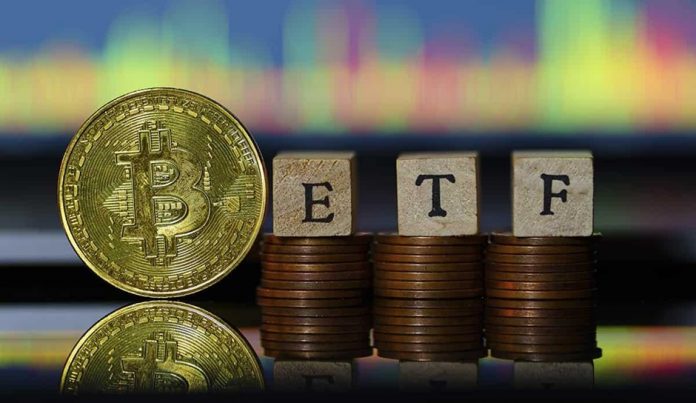
Concurrently, investment firms Rex Shares and Osprey Funds have filed an application with the U.S. Securities and Exchange Commission (SEC) to launch an exchange-traded fund (ETF) tied to the price performance of Movement’s native token, $MOVE. This proposed ETF aims to allocate at least 80% of its assets to MOVE or related derivatives, offering traditional investors a regulated way to gain exposure to the token without directly managing cryptocurrencies.

The timing of these developments is notable, as they occur amid a shifting regulatory landscape in the U.S. The SEC, under new leadership, has shown signs of adopting a more crypto-friendly stance, including dropping lawsuits against several crypto firms and clarifying that certain assets, such as meme coins, are not considered securities.

This shift could potentially favor the approval of altcoin ETFs like the one tied to MOVE, though no such ETFs beyond Bitcoin and Ethereum have been approved to date. The MOVE token has also seen positive market momentum, surging over 6% on the day of the mainnet beta launch and ETF filing, despite a broader crypto market decline.

However, it’s important to critically assess these developments. The enthusiasm surrounding the ETF filing and mainnet launch may be driven by speculative hype rather than guaranteed outcomes. The SEC’s approval of the MOVE ETF is far from certain, given the regulatory uncertainty surrounding altcoins and the lack of precedent for approving ETFs tied to newer cryptocurrencies.

MOVE tokens are used to pay for transaction fees, also known as gas fees, on the Movement Network. This includes costs associated with executing smart contracts, transferring tokens, and interacting with dApps. By requiring MOVE tokens for transaction fees, the network ensures that users have a stake in the ecosystem and that resources are allocated efficiently. This also compensates validators or node operators for processing and securing transactions. As the network scales and dApp activity increases, demand for MOVE tokens to cover transaction fees is expected to grow, potentially driving token value.

Additionally, while the mainnet beta launch is a technical milestone, its long-term success depends on factors such as developer adoption, network stability, and real-world utility, none of which are assured at this early stage. Investors and observers should remain cautious, recognizing that these developments, while promising, carry inherent risks and uncertainties.

MOVE tokens are likely used for staking, a mechanism where token holders lock up their tokens to support network security and consensus. In return, stakers may earn rewards, typically in the form of additional MOVE tokens. Staking aligns the interests of token holders with the network’s long-term health by incentivizing them to act honestly and secure the blockchain. This is particularly important for proof-of-stake (PoS) or delegated proof-of-stake (DPoS) networks, which Movement may utilize. Staking provides a passive income stream for token holders, encouraging long-term holding and reducing circulating supply, which could positively impact token economics.

World War II Era Bombs Continues to Impact German Communities

0

The disposal of World War II-era bombs continues to significantly impact German communities, as unexploded ordnance from the conflict is still frequently discovered across the country, even nearly 80 years after the war’s end. These incidents often lead to large-scale evacuations, traffic disruptions, and safety concerns, affecting daily life in both urban and rural areas.

In Germany, the discovery of unexploded bombs, or “duds,” is a common occurrence due to the extensive Allied bombing campaigns during the war, which targeted cities, factories, and infrastructure. It is estimated that around 10% of the bombs dropped failed to detonate, leaving behind a dangerous legacy. The German government and local authorities have specialized bomb disposal units, such as the Kampfmittelra?umdienst (KMBD), tasked with safely handling these devices.

However, the process is complex and often requires evacuating thousands of residents, closing roads, and halting public transportation to ensure public safety. For instance, in late January 2025, workers dismantling the collapsed Carola Bridge over the Elbe River in Dresden discovered an unexploded World War II bomb. While the bomb was found to lack a detonator and could be safely removed without evacuation, an earlier bomb discovery at the same site had necessitated the evacuation of significant parts of Dresden’s city center, highlighting the potential scale of disruption.

This incident also forced the rerouting of a funeral procession for a fallen police officer, illustrating how such events can affect community ceremonies and daily routines. Similarly, on March 5, 2025, a 500-kilogram World War II bomb was unearthed during construction work at the Chemiepark Zeitz, prompting a planned defusal operation by the KMBD. While specific impacts on the local community were not detailed, such operations typically involve safety perimeters and potential evacuations, disrupting local businesses and residents.

These incidents are not isolated. Historical examples further underscore the ongoing challenge: in 2017, the discovery of a massive bomb in Frankfurt led to the evacuation of 65,000 people, one of the largest such operations in post-war Germany, and in 2020, another bomb in Frankfurt was defused after being found during construction work. Posts on X have noted that such discoveries are “daily bread” in cities like Berlin, Munich, and Rostock, with occasional unintended detonations causing injuries or, in rare cases, fatalities, though these claims require further verification.

The frequency of these discoveries reflects the sheer scale of unexploded ordnance still buried in Germany, with estimates suggesting tens of thousands of bombs remain undetected. The process of disposal is meticulous, as bombs can be unstable due to age, corrosion, or environmental factors, posing risks to both disposal teams and nearby communities. While many incidents are resolved without harm, the potential for significant disruption—or even tragedy—remains, as evidenced by a 2023 unintended detonation in Great Yarmouth, England, during a similar operation.

Beyond immediate safety concerns, these events carry social and economic costs. Evacuations can displace residents for hours or days, close schools and businesses, and strain local resources. They also serve as a stark reminder of the war’s lasting legacy, prompting reflection on its historical and environmental impacts. While the German authorities are well-prepared to handle such situations, the ongoing nature of the problem suggests that German communities will continue to face these challenges for decades to come.

EU Regulators Investigating OKX Over $100M Laundering Linked to Bybit Exploits’

0

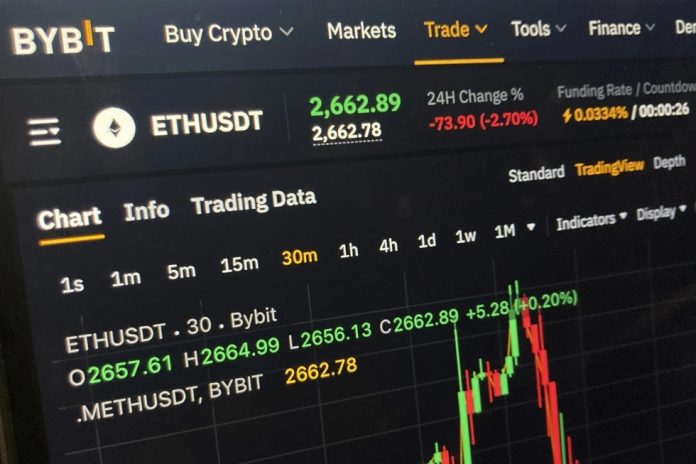
European Union regulators are investigating OKX, one of the world’s largest cryptocurrency exchanges, following allegations that its OKX Web3 platform was used to launder approximately $100 million in stolen cryptocurrency from a $1.5 billion hack of the Bybit trading platform. The scrutiny centers on whether OKX’s Web3 services, marketed as a decentralized finance platform and self-custodial wallet, fall under the EU’s Markets in Cryptoassets (MiCA) regulations, which took full effect at the end of 2024. National watchdogs from the EU’s 27 member states discussed the issue during a confidential meeting hosted by the European Securities and Markets Authority (ESMA) on March 6, 2025, focusing on OKX’s potential role in facilitating money laundering and its compliance with MiCA.

The investigation follows reports that Lazarus hackers, allegedly linked to North Korea, moved stolen funds—primarily Ether—through OKX’s Web3 platform, utilizing decentralized platforms and cross-chain bridges to obscure the trail. OKX has denied direct involvement in laundering, stating it took measures such as freezing related funds and blocking hacker addresses in real time to assist Bybit. The exchange also argues that its Web3 services, which aggregate access to various exchanges and blockchains, are comparable to those offered by other major crypto platforms and should not be subject to MiCA, as fully decentralized platforms are exempt.

However, regulators from countries like Austria and Croatia have argued that OKX’s Web3 platform is integrated into its centralized operations, with its user interface and terms of service clearly identifying an OKX Singapore entity as the operator, suggesting it falls within MiCA’s scope. The probe adds to OKX’s recent regulatory challenges. In February 2025, OKX pleaded guilty in the U.S. to operating an unlicensed money-transmitting business, agreeing to pay over $504 million in penalties for processing more than $1 trillion in transactions by U.S. customers without proper registration or anti-money laundering (AML) controls.

This history of non-compliance has heightened scrutiny in the EU, with Malta’s financial regulator, where OKX secured a MiCA pre-authorization in January 2025, now reviewing whether to revoke its permit. Regulators are also examining potential violations of sanctions against North Korea, given the alleged involvement of state-sponsored hackers. While the investigation highlights significant concerns about security and compliance in the crypto industry, it’s important to approach the narrative with skepticism.

The $100 million figure tied to OKX represents only a fraction of the $1.5 billion Bybit hack, and OKX’s claim of taking proactive measures—such as freezing funds and blocking addresses—suggests it may not have been complicit but rather a secondary platform exploited by hackers. The debate over whether OKX’s Web3 services fall under MiCA hinges on the blurry line between centralized and decentralized platforms, a regulatory gray area that has yet to be fully tested. Critics of the regulatory push might argue that such actions could stifle innovation in the decentralized finance (DeFi) space, where platforms often operate without traditional oversight by design.

Moreover, the focus on North Korean hackers aligns with a broader geopolitical narrative that may amplify the perceived severity of the incident. While North Korean cybercrime is a documented issue, attributing the hack to state actors without conclusive evidence risks sensationalizing the event for political or regulatory leverage. OKX’s past regulatory lapses, particularly in the U.S., provide context but do not necessarily prove intentional wrongdoing in this case.

Investors and users should remain cautious, recognizing that the outcome of this investigation could set a precedent for how DeFi platforms are regulated in the EU, potentially impacting the broader crypto ecosystem. However, the lack of public evidence and the confidential nature of the deliberations mean that conclusions about OKX’s culpability remain speculative at this stage.