DD
MM
YYYY

PAGES

DD
MM
YYYY

spot_img

PAGES

Home Blog Page 1719

Nigeria’s Petrol Imports Double in 2024 to N15tn Despite Increase in Domestic Refining Capacity

0

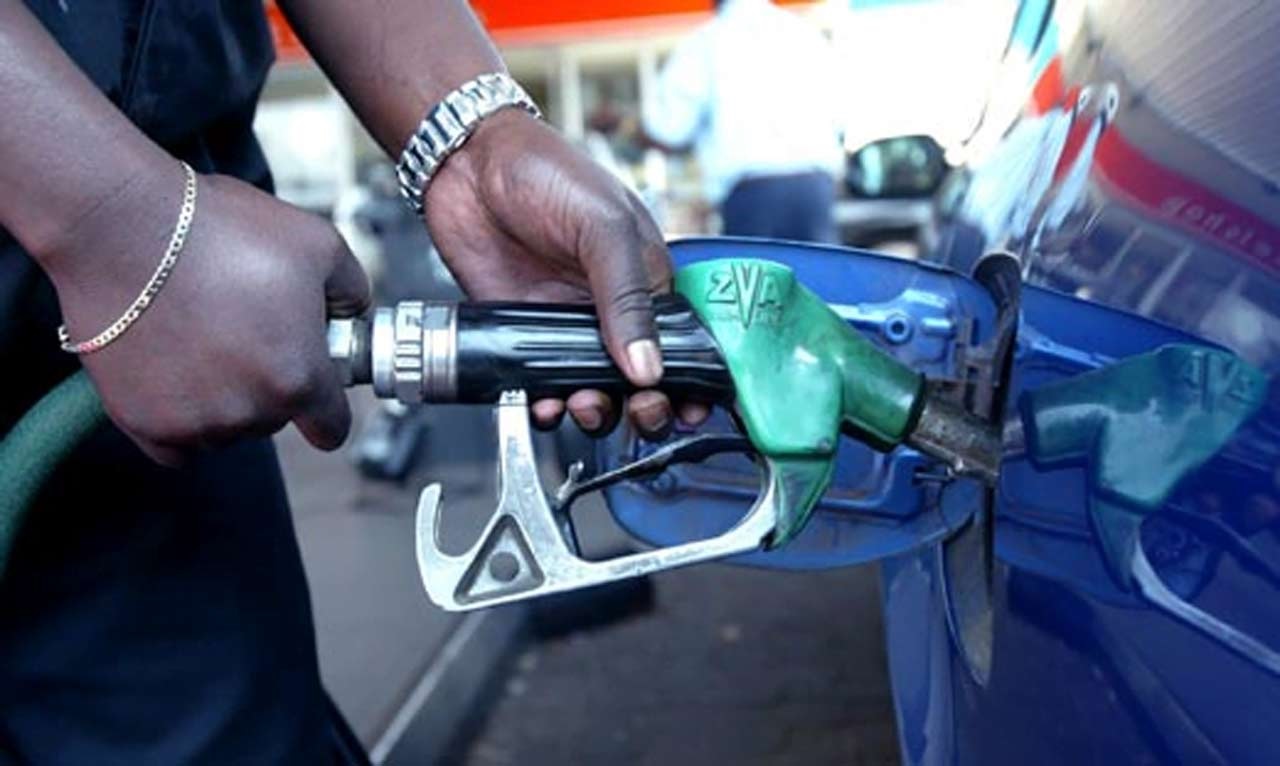
Nigeria’s petrol import bill surged to a historic N15.42 trillion in 2024, more than doubling the N7.51 trillion recorded in 2023, despite increased domestic refining capacity.

The alarming 105.3% rise underscores the nation’s persistent reliance on imported fuel, raising questions about the effectiveness of recent investments in local refineries.

Expectations were high that Nigeria’s dependence on fuel imports would decline following the operationalization of the 650,000-barrel-per-day (bpd) Dangote Petroleum Refinery and ongoing rehabilitation of the country’s three state-owned refineries. However, these hopes have not materialized as local refineries have struggled to achieve full production capacity to meet domestic demand.

Instead of easing the import burden, Nigeria’s fuel import bill shot up to the largest in its history, with recent data from the National Bureau of Statistics (NBS) revealing a worrying trend of rising import costs over the last five years. The import bill, which stood at N2.01 trillion in 2020, increased to N4.56 trillion in 2021, jumped to N7.71 trillion in 2022, and slightly dropped to N7.51 trillion in 2023 before hitting N15.42 trillion in 2024.

No Crude Oil for Local Refineries

The situation is expected to worsen as the Nigerian National Petroleum Company Limited (NNPCL) has reportedly informed local refiners that it has no crude oil for them. The NNPCL explained that its crude oil is tied to forward obligations, leaving local refineries, including the Dangote Refinery and the 210,000 bpd Port Harcourt Refining Company (PHRC), to source crude oil from international markets.

Under the scheme, the Federal Executive Council (FEC) allocated 450,000 barrels of crude per day for domestic consumption, with the Dangote Refinery as the pilot project. The NNPC was to supply at least 385,000 barrels per day (bpd) to the refinery, which has a capacity of 650,000 bpd. However, the national oil company has failed significantly.

The NNPCL has also suspended its naira-for-crude arrangement with Dangote Petroleum Refinery and other local refineries. The naira-for-crude initiative was launched on October 1, 2024, to reduce Nigeria’s dependence on costly petroleum product imports, conserve foreign exchange (FX), and bring down petrol prices. The initiative allowed local refineries to buy crude oil in naira instead of dollars, a measure aimed at stabilizing the local currency and ensuring consistent supply to domestic refiners.

This development is a significant blow to the local refining sector, as it suggests that even with increased refining capacity, Nigeria will still need to import refined products or import crude oil to keep the refineries running. This scenario could further escalate Nigeria’s already ballooning fuel import bill and increase the pressure on the nation’s foreign reserves.

Between September 11 and December 5, 2024, oil marketers imported 2.3 billion liters of petrol, highlighting the persistent need for imported fuel despite the commencement of production by the Dangote and Port Harcourt refineries. In total, 6.38 billion liters of Premium Motor Spirit (PMS) and Automotive Gas Oil (AGO) were imported in the past five months alone.

The Major Energies Marketers Association of Nigeria (MEMAN) defended this strategy, stating that importation fosters competition and helps keep pump prices in check. MEMAN’s Executive Secretary, Clement Isong, noted, “What importation does for us is that it contributes to the market’s competitiveness. The price movements you are enjoying and the market competition are the result of importation. Importation is useful.”

The inability of NNPCL to supply crude oil to local refineries is a critical setback. The company’s forward obligations mean that its crude oil is pre-committed to international deals, leaving domestic refiners stranded. This has forced local refineries to turn to the international crude market, which is both costlier and logistically challenging.

This development undermines the federal government’s ambition of achieving energy self-sufficiency and reducing Nigeria’s dependence on imported refined products. Instead of becoming a net exporter of refined petroleum, Nigeria may find itself importing both crude oil and refined products simultaneously, leading to a paradoxical situation that compounds forex demand and puts additional pressure on the naira.

Experts Warn of Economic Strain

Industry analysts have expressed concerns that if local refineries are forced to import crude oil at international prices, it will translate into higher production costs for locally refined fuel. Given that the Dangote Refinery and other local refineries must now compete with international importers for crude, there is a high likelihood that fuel prices in Nigeria could remain high or even increase further.

The impact of Nigeria’s fuel import dependency extends beyond the energy sector. Economists have noted how it affects forex reserves, disrupts fiscal planning, and contributes to inflationary pressures as imported fuel costs remain susceptible to global market fluctuations. The persistent demand for forex to pay for fuel imports is also noted to undermine efforts by the Central Bank of Nigeria (CBN) to stabilize the naira and manage inflation.

The situation is said to also have the potential of forcing the return of fuel subsidies, which the government announced its removal in 2023, as part of its reforms to free up funds for developmental projects.

MAN Slams FRCN’s New Charges, Warns of Severe Impact on Manufacturing Sector

0

The Manufacturers Association of Nigeria (MAN) has strongly opposed the Financial Reporting Council of Nigeria’s (FRCN) recently introduced financial charges under the amended FRCN Act 2023, warning that these fees could spell disaster for Nigeria’s struggling manufacturing sector.

In a statement, MAN’s Director General, Segun Ajayi-Kadir, described the charges as “astronomical” and called for their immediate suspension. He argued that the new fees add to an already overwhelming array of levies and regulatory costs that manufacturers are burdened with, exacerbating the challenges they face in an increasingly difficult business environment.

The crux of MAN’s criticism lies in the reclassification of non-listed manufacturing companies as Public Interest Entities (PIEs), making them subject to hefty financial obligations. The amended FRCN Act 2023, particularly Section 33, mandates annual charges for non-listed entities based on a percentage of their turnover. The maximum rate is set at 0.05% for companies with a turnover exceeding N10 billion.

Publicly listed companies, previously paying a capped fee of N1 million annually, now face a steep increase to N25 million. However, non-listed companies, which were previously excluded, face an even graver situation as there is no upper limit to their charges, regardless of their profitability.

“For non-listed companies, who were previously excluded, there is no cap, and it is linked to the turnover, irrespective of whether the company is profitable or not,” Ajayi-Kadir emphasized.

Harsh Penalties and Criminalization of Non-Compliance

In addition to the financial strain, the amended act introduces severe penalties for non-compliance, including a 10% monthly penalty for non-payment and the possibility of imprisonment for up to six months for defaulting Chief Executive Officers (CEOs).

Ajayi-Kadir argued that criminalizing non-payment of regulatory fees is excessive, noting that in most cases, regulatory breaches attract fines, not jail time.

“The strict penalties and possible conviction to imprisonment could be construed as having the nature of a criminal law. Generally, non-payment of fees/dues typically results in other penalties or fines, and imprisonment provisions are applicable only in cases where non-payment is seen as an act of defiance or fraud,” he explained.

An Avalanche of Fees and Levies

The new FRCN charges add to the myriad of levies, taxes, and fees already imposed on manufacturers. MAN has repeatedly criticized the multiplicity of regulatory charges, arguing that they significantly erode the competitiveness of Nigerian-made products.

Manufacturers are currently required to pay fees to various regulatory bodies, including the National Agency for Food and Drug Administration and Control (NAFDAC), the Standards Organization of Nigeria (SON), and several state and local government levies. These fees, often duplicated and inconsistent, contribute to the high cost of production in Nigeria.

Manufacturers Also Struggling with Power Issues

Beyond regulatory costs, Nigeria’s manufacturing sector continues to struggle with the high cost and unreliable supply of electricity. The sector relies heavily on self-generated power, primarily through diesel-powered generators, which significantly increases production costs.

Ajayi-Kadir has lamented that despite repeated promises, the government has yet to adequately address the power supply issue, which remains one of the largest challenges facing the sector. He noted that the epileptic power supply not only drives up costs but also hampers productivity.

Many manufacturers are spending more on diesel and maintenance of generators than they are on raw materials.

Economic Timing Could Not Be Worse

The timing of the FRCN’s new charges also raises concerns, coming at a period when manufacturers are already grappling with high inflation, forex shortages, and a challenging economic climate. The introduction of new fees now, MAN warns, could stifle investment and derail the government’s efforts to boost the productive sector.

“Introducing these charges during a period of economic difficulty could stifle investment in Nigeria’s productive sector,” Ajayi-Kadir said.

Contradiction to Ease of Doing Business Agenda

The FRCN’s move appears to run contrary to the government’s stated objective of improving the ease of doing business in Nigeria. Under President Bola Tinubu, the federal government has embarked on a tax reform agenda aimed at streamlining regulations, harmonizing taxes, and creating a business-friendly environment.

However, MAN argues that the FRCN’s policy undermines this agenda. The association is urging the FRCN to align its fees with the ongoing tax reform process to avoid counterproductive outcomes.

“MAN therefore implores the FRCN to be mindful of the potential negative impact of its continued administration of the fees on businesses and put it on hold. We admonish the FRCN to await the enactments of the tax reform laws and realign its operations with the relevant provisions,” Ajayi-Kadir noted.

Industry stakeholders are now calling on the federal government to intervene and prevent the implementation of the new charges. They argue that a balanced approach is needed to ensure that financial regulations do not stifle business growth.

Experts have suggested alternatives, including a phased implementation of the charges, setting a reasonable cap for non-listed companies, and providing waivers or reliefs for struggling businesses.

UN Security Council Meeting Hopes to address Cruel Massacre Ongoing in Western Syria

0

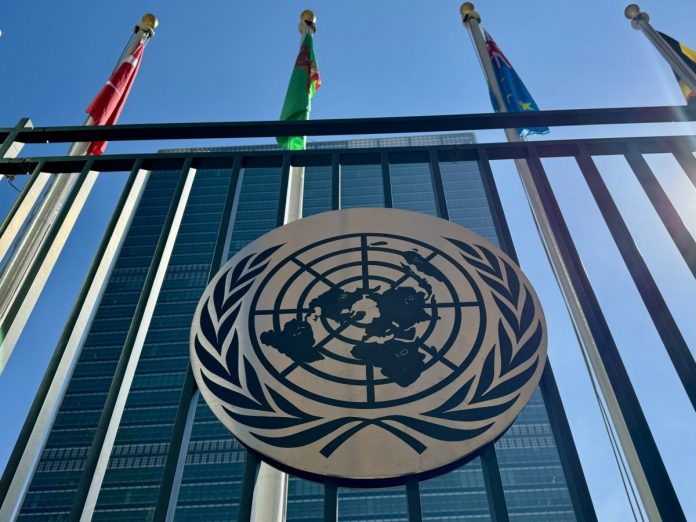
United Nations Security Council meeting requested by Russia and the United States in response to violence against civilians in Western Syria. This meeting was called to address the escalating violence in the region, particularly following reports of massacres, ethnic cleansing, and widespread civilian harm in early March 2025. The situation in Western Syria, particularly in areas like Latakia, Hama, and Homs, has reportedly deteriorated, with significant civilian casualties, displacement, and infrastructure damage.

The violence is said to involve clashes between Syrian security forces and armed groups loyal to the ousted Assad regime, with additional concerns about sectarian tensions and reprisal attacks. The joint request by Russia and the United States for a closed-door Security Council meeting suggests a rare instance of alignment between the two powers, likely driven by the scale of the humanitarian crisis and its potential to destabilize the region further.

While the meeting aims to address the immediate protection of civilians and possibly explore measures like sanctions or humanitarian interventions, the broader geopolitical context—marked by differing interests among Security Council members—may complicate efforts to achieve a unified response. The involvement of external actors, ongoing regional conflicts, and the fragile political transition in Syria following the fall of the Assad regime in December 2024 add layers of complexity to the situation.

The United Nations Security Council (UNSC) is one of the six principal organs of the United Nations (UN) and is tasked with the primary responsibility of maintaining international peace and security. Established under the UN Charter in 1945, it is often considered the most powerful body within the UN due to its ability to make legally binding decisions that member states are obligated to implement.

There have been ongoing calls for UNSC reform to make it more representative, transparent, and effective.  Adding new permanent members (e.g., India, Brazil, Germany, Japan, and an African representative) to reflect contemporary global power dynamics. Proposals to restrict veto use in cases of mass atrocities or humanitarian crises, such as the French Mexican initiative to voluntarily refrain from vetoes in cases of genocide or crimes against humanity.

Expanding the number of non-permanent members to improve geographic representation. Making Council meetings and decision-making processes more open to the public and other UN bodies. However, reform requires amending the UN Charter, which needs the approval of two-thirds of the General Assembly and all five permanent members, making significant changes extremely difficult.

The fall of Bashar al-Assad’s regime, which was dominated by the Alawite minority, has led to widespread sectarian violence, particularly targeting Alawite communities. The Alawites, a sect of Shia Islam, were closely associated with Assad’s rule, holding disproportionate power in the government and security forces despite being a minority in a predominantly Sunni country. After decades of repression under Assad, Sunni armed groups, including those loyal to the new Islamist-led transitional government, have been accused of carrying out revenge killings against Alawites.

These acts are often framed as retribution for the atrocities committed by Assad’s forces, which are estimated to have killed over 300,000 civilians during the 14-year civil war. Reports indicate that hundreds of Alawite civilians, including women and children, have been killed in massacres, with bodies left in streets or executed in villages, particularly in the coastal regions of Latakia, Jableh, and Baniyas. While these killings are often labeled as “revenge,” they also reflect deeper sectarian divisions exacerbated by years of war and propaganda.

While the new government and its supporters may justify targeting Alawites as retribution for Assad’s crimes, this approach risks perpetuating the very abuses they claim to oppose. The international community’s failure to hold perpetrators accountable, coupled with the UN Security Council’s paralysis, has emboldened all sides to act with impunity, ensuring civilians bear the brunt of the conflict.

The UN Security Council is a critical institution for global governance, with unique powers to address threats to international peace and security. However, its effectiveness is often hampered by geopolitical rivalries, structural limitations, and the veto power of the P5. While it has achieved significant successes, ongoing debates about reform highlight the need to adapt the Council to a changing world. Understanding its structure and challenges is key to appreciating its role in addressing crises like the one in Western Syria.

Civilians in Syria are being killed due to a toxic combination of sectarian revenge, military operations lacking discipline, governance failures, and regional power struggles. The targeting of Alawite communities, in particular, reflects deep-seated grievances from decades of repression, but it also risks destabilizing the fragile transition and alienating minorities essential to Syria’s social fabric. The international community’s response, while urgent, is constrained by geopolitical divisions, and the new government’s inability to control its forces or protect civilians undermines its legitimacy.

Stripe Investments in AI Paying Off, Drives Significant Increase in Payment Volume

0

Stripe’s strategic investments in artificial intelligence (AI) are paying off, significantly contributing to its impressive growth in payment volume.

In an annual letter, the payment processing giant revealed that it processed $1.4 trillion in total payment volume in 2024, marking a 38% increase from the previous year and accounting for approximately 1.3% of global GDP.

A key factor in this growth is Stripe’s integration of AI into its services, enhancing efficiency and revenue for its clients. For instance, Hertz experienced a 4% increase in authorization rates after transitioning its payments to Stripe, and Forbes saw a 23% boost in revenue by utilizing Stripe for subscription payments. Additionally, car-sharing platform Turo captured an extra $114 million in annual revenue through Stripe’s Optimized Checkout Suite.

Stripe’s commitment to AI has also positioned it as a preferred platform for emerging AI startups. Notably, 78% of the Forbes AI 50 companies are building on Stripe, with these startups reaching significant revenue milestones faster than traditional software firms. For example, companies like Cursor and Lovable achieved substantial annual recurring revenue in record time, underscoring the rapid monetization capabilities facilitated by Stripe’s AI-driven infrastructure.

The payment processing platform is witnessing an unprecedented surge in AI-driven businesses, partnering with a rapidly growing number of companies that are shaping the future of AI.  Among them are industry leaders such as OpenAI, Anthropic, Suno, Perplexity, Midjourney, Cognition, ElevenLabs, and LangChain, alongside countless emerging startups that are on the cusp of becoming household names.

The platform agent toolkit is reportedly being downloaded by developers thousands of times every week as startups build new kinds of autonomous critters. ElevenLabs used its toolkit to let a voice agent autonomously manage subscriptions and refunds, while Perplexity and Payman are using Stripe to enable new agentic ways to spend and move money.

Stripe AI-powered Payments Features

In April 2024, the company unveiled over 50 new features, many powered by Al. These enhancements aim to increase checkout conversion rates, improve authorization rates, and bolster fraud prevention mechanisms. The integration of Al allows for more efficient and secure payment processes, benefiting both businesses and consumers.

Adaptive Acceptance Enhancements

Stripe’s Adaptive Acceptance utilizes Al to optimize payment requests and automatically identify and retry transactions that were falsely declined. Recent improvements to its Al architecture have enabled adaptive acceptance to more accurately determine which transactions to retry, leading to a 60% year-over-year increase in the retry success rate and recovering a record-high $6 billion in falsely declined transactions in 2024.

Optimized Checkout Suite

The optimized checkout suite employs Al to determine the most appropriate payment methods to display to each customer, considering factors such as location, currency, device type, and browsing behavior. This Al-driven approach has resulted in a 3% boost in conversion rates and a 7% increase in average transaction value, enhancing the overall efficiency of the checkout process.

Radar and Radar Assistant

Stripe’s Radar leverages Al to enhance the speed and accuracy of fraud detection. Additionally, the Radar Assistant feature allows businesses to set new fraud rules using natural language prompts, simplifying the process of customizing fraud prevention strategies. This integration of Al into fraud prevention tools has strengthened security measures for businesses using Stripe’s platform.

Beyond AI, Stripe is exploring other technological advancements, such as stablecoins, to further enhance its financial services. The company’s acquisition of the stablecoin orchestration platform Bridge exemplifies its dedication to integrating innovative solutions that meet evolving market demands.

In summary, as AI continues to transform industries, Stripe remains at the forefront, ensuring that businesses have the financial infrastructure to scale at record speed.

The platform’s proactive investment in AI and related technologies has not only bolstered its payment processing capabilities but also delivered tangible benefits to its clients, driving substantial increases in payment volume and solidifying its position as a leader in the financial technology sector.

Trump Says Four Groups Interested in Buying TikTok as Deadline Looms

0

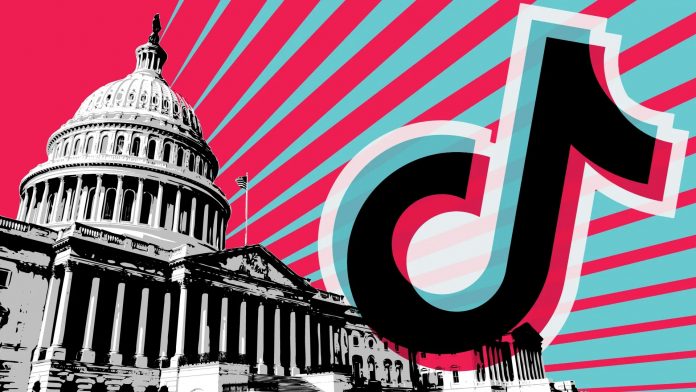
U.S. President Donald Trump announced on Sunday that his administration is in talks with four groups interested in purchasing TikTok, the Chinese-owned social media platform that has been at the center of a national security controversy.

Speaking to reporters aboard Air Force One, Trump hinted that a deal could be close, describing all four potential buyers as “good” options.

“We’re dealing with four different groups, and a lot of people want it … all four are good,” Trump said. “It could [happen soon].”

TikTok’s Turbulent Journey

The announcement marks a critical moment in TikTok’s fraught journey in the U.S. The app, which is owned by Beijing-based ByteDance, has faced mounting pressure from the U.S. government over concerns that it could share data with the Chinese government, posing a national security threat.

TikTok’s troubles began in earnest during the Trump administration in 2020 when an executive order sought to ban the app unless ByteDance sold its U.S. operations to an American company. Microsoft, Oracle, and Walmart were among the companies vying for a deal back then, but a sale never materialized as the administration changed and legal battles ensued.

Afterward, TikTok attempted to navigate the storm by bolstering transparency and data security. The company proposed “Project Texas,” which involved storing U.S. user data on American soil with the help of Oracle. Despite these efforts, concerns persisted, and pressure mounted once again with the passage of a new law, mandating ByteDance to either divest from TikTok or face a ban in the U.S. on January 19, 2025.

Trump, who took office on January 20, signed an executive order providing a 75-day delay to the enforcement of the ban. However, with the clock ticking, the embattled app has struggled to find a viable path forward.

A Desperate Search for a Buyer

ByteDance has reportedly exhausted all its options to keep TikTok operating in the U.S. The company explored numerous strategies, from legal challenges to negotiating compliance measures with U.S. regulators. But with all other avenues seemingly closed, a sale appears to be the last lifeline for the platform, which boasts over 150 million U.S. users.

Several groups have expressed interest in acquiring TikTok, including former Los Angeles Dodgers owner Frank McCourt. Analysts estimate that TikTok could be valued at as much as $50 billion, a testament to its cultural influence and commercial potential.

McCourt, known for his ventures in technology and media, could bring a fresh vision to TikTok. However, Trump did not reveal whether McCourt is among the four groups currently in talks.

Trump’s Role as a Kingmaker

Trump’s involvement in the negotiations is considered critical given his complicated relationship with TikTok. His administration’s stance will not only influence the terms of any sale but also set a precedent for how the U.S. deals with foreign-owned technology companies. The president has maintained a hardline stance on Chinese technology, a position that aligns with the broader bipartisan consensus in Washington.

Trump’s executive order delaying the ban has provided a narrow window for negotiations, but it also highlights the urgency of reaching a deal. Should ByteDance fail to secure a buyer, TikTok could be banned in the U.S., dealing a significant blow to its global operations. The app had previously shut down as the January 19 deadline neared but reinstated its service following Trump’s intervention.

On The Stakes of National Security

The sale of TikTok is predominantly influenced by national security concerns. The U.S. government fears that the Chinese Communist Party could compel ByteDance to hand over user data or manipulate content on the platform to influence public opinion.

TikTok has repeatedly denied these allegations, stating that its data centers for U.S. users are located outside China and are not subject to Chinese laws. However, skepticism remains, and the app’s Chinese ownership continues to be a sticking point for U.S. authorities.

However, a sale could reshape the social media industry. If an American company acquires TikTok, it could stabilize the platform’s future in the U.S. and offer new opportunities for growth.

Time Running Out for TikTok

The 75-day delay granted by Trump’s executive order is fast approaching. ByteDance and the interested buyers must navigate complex regulatory approvals and finalize negotiations before the deadline.

A sale would likely require clearance from the Committee on Foreign Investment in the United States (CFIUS), which has the authority to block deals that pose national security risks. Given the high stakes, the negotiations are expected to be closely scrutinized by both U.S. and Chinese authorities.

While TikTok’s fate hangs in the balance, a successful sale could allow the app to continue operating in the U.S. without disruption. The platform, known for its short-form videos and viral trends, has become a cultural phenomenon, particularly among younger audiences.