DD
MM
YYYY

PAGES

DD
MM
YYYY

spot_img

PAGES

Home Blog Page 1733

Flutterwave Expands Payment Options in Ghana With Virtual Accounts

0

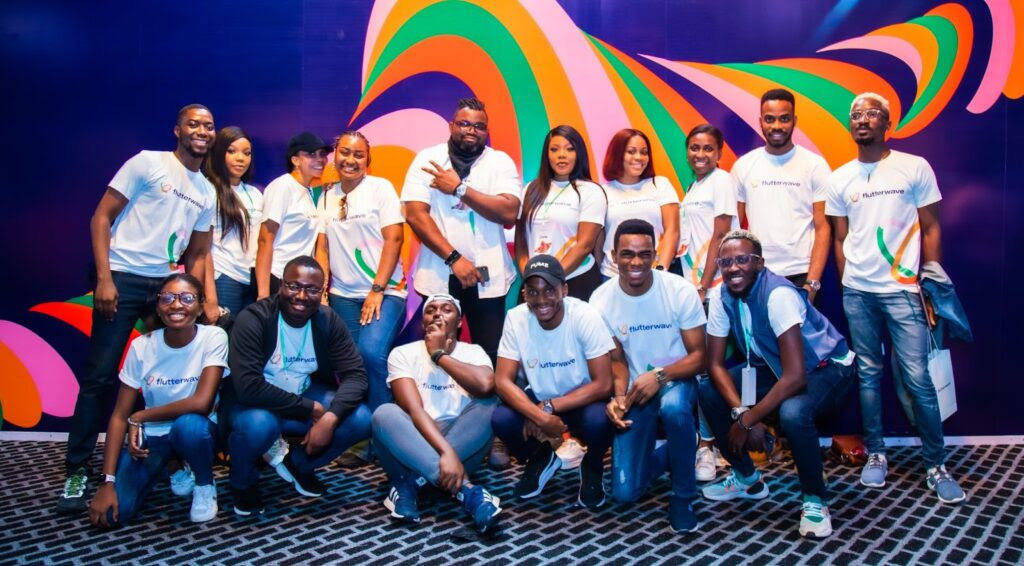
Flutterwave, Africa’s leading payments technology company, has announced the roll-out of its Static and Dynamic Virtual Accounts service to Flutterwave merchants in and outside Ghana, further expanding its suite of payment solutions to enhance convenience and flexibility for businesses and customers.

The new feature enables Ghanaian customers to make payments to Flutterwave merchants using the widely adopted Pay With Bank Transfer (PWBT) method. As a company committed to simplifying payments and enabling seamless transactions, Flutterwave continues to innovate by providing businesses with new tools to collect payments efficiently. By introducing Static and Dynamic Virtual Accounts, the company aims to eliminate payment limitations caused by borders or restricted payment methods.

Enhancing Payment Options With Virtual Accounts

The newly launched Ghana Virtual Accounts service enables merchants to generate both static and dynamic virtual accounts through Flutterwave’s API. These virtual accounts provide customers with an additional payment option, allowing direct transactions via bank transfers or mobile money services.

  • Dynamic Virtual Accounts are designed for one-time transactions at checkout. Customers are presented with virtual account details during the payment process and must transfer the exact amount to that account for the transaction to be completed successfully.
  • Static Virtual Accounts can be used for recurring payments or to assign unique account details to specific customers, offering greater flexibility for businesses managing frequent transactions.

This expansion complements existing payment methods available to Ghanaian customers, which includes mobile money, debit and credit cards, Google Pay, and Apple Pay, further strengthening Flutterwave’s payment ecosystem.

Benefits of Ghana Virtual Accounts

  1. Seamless & Secure Transactions
    Customers can securely complete payments through bank transfers, reducing fraud risks. Transactions are authorized via the customer’s banking app or mobile money platform, ensuring a high level of security.

  2. Minimized Errors & Refund Requests
    The use of dynamic virtual accounts ensures that customers pay the exact amount required, reducing discrepancies and refund-related issues.

  3. Swift Settlements
    Payments processed through the Pay with Bank Transfer method are settled within 24 hours, significantly faster than other payment options. This rapid settlement process improves cash flow for merchants.

  4. Increased Transaction Limits
    With Pay with Bank Transfer, customers can complete transactions up to GHS 2,000,000, far exceeding the GHS 25,000 limit imposed on mobile money transactions. This higher limit enhances the payment experience for customers handling large transactions.

  5. Scalability for Businesses
    Whether for small businesses or large enterprises, Ghana Virtual Accounts provide scalable solutions to meet varying payment needs. Merchants can generate single or bulk static accounts via API as required.

  6. Easy Integration
    Businesses can seamlessly integrate this feature into their existing systems via Flutterwave’s API. Detailed API documentation is available to facilitate smooth adoption.

  7. E-Levy Considerations
    To improve the customer experience, Flutterwave has incorporated E-Levy charge notifications into the system, ensuring that users are aware of applicable charges before completing transactions.

Driving Digital Payment Innovation in Ghana

Flutterwave’s introduction of Ghana Virtual Accounts comes after the fintech unicorn earlier this month, announced its approval to provide inward remittance services to Ghana, granted by the Bank of Ghana (BoG).

These developments, underscores the company’s commitment to expanding digital payment options in the country. By offering secure, fast, and scalable payment solutions, the Flutterwave continues to empower merchants while improving the payment experience for Ghanaian consumers.

Google’s Experiment Claims News is Worthless to Its Business, But It Could Trigger Further Scrutiny From EU

0

Google has reported the results of an experiment that removed news content from search results for 1% of users in eight European markets over a period of 2.5 months. The tech giant claims that the test demonstrated that news content has no meaningful impact on its ad business, a finding that could shape its negotiations with European publishers over copyright payments.

The experiment comes against the backdrop of mounting regulatory pressure on Google to compensate news publishers for content used in serving ads. The push to make Google pay for news is particularly strong in Europe, where lawmakers have implemented copyright laws aimed at forcing tech platforms to share revenue with media organizations.

France has been at the forefront of this fight, imposing heavy fines on Google for failing to negotiate fairly with publishers. In 2021, the French competition authority fined the company more than half a billion dollars after determining that it had failed to comply with orders requiring fair negotiations over payments to media outlets.

Despite eventually reaching licensing agreements with some publishers, Google’s experiment appears to be a strategic move to undercut the argument that news is valuable to its platform and should be compensated.

A Tactical Move Ahead of Payment Talks

By releasing the results of this study, Google is expected to use the findings as leverage in future negotiations with European publishers. The company argues that publishers “vastly overestimate” the value of their journalism to its business and claims that removing news from search did not negatively impact its advertising revenue. According to Google, the financial impact was so minimal that it “could not be statistically distinguished from zero, either overall or by country.”

However, media organizations and analysts are likely to challenge this claim, pointing out that Google’s methodology lacks transparency and that the company’s dominance in online search means that even minor shifts in how news appears in results can have major consequences for publishers.

Google’s argument that news is insignificant to its business also runs contrary to the position of regulators, who see news content as an integral part of the platform’s ability to engage users. This is why lawmakers have been pushing for revenue-sharing arrangements, arguing that tech giants profit from news content even if they do not directly place ads on articles.

Regulatory Scrutiny and EU’s Retaliation Against Big Tech

However, the experiment is unlikely to influence regulatory decisions in Europe. The European Union has taken an increasingly aggressive stance against American tech giants, particularly in the wake of U.S. President Donald Trump’s tariffs on European goods. The EU made it clear that it would target Big Tech in strict enforcement of its antitrust and copyright laws in retaliation for the tariffs imposed by Trump.

This geopolitical backdrop makes it unlikely that regulators will soften their stance on Google based on the results of this experiment. European lawmakers remain committed to enforcing copyright protections that require tech platforms to share revenues with publishers, and Google’s findings are unlikely to change their approach.

Furthermore, Google’s history of regulatory clashes in Europe suggests that any attempt to minimize the role of news in its business model could trigger further scrutiny. France’s competition authority has already shown that it is willing to take strong action against Google when it fails to comply with fair payment requirements, and Germany has also increased oversight of the company’s handling of news content.

Google had initially included users in France in the news ablation tests but abandoned this portion of the experiment after a French court warned it would be fined for breaking a prior agreement with the antitrust authority. Also, the company notably did not run the test in Germany.

The Risk of Further Antitrust Action

Google has already faced billions of dollars in fines from European regulators over various antitrust violations, including its dominance in online search and digital advertising. By downplaying the importance of news to its platform, the company risks further legal battles if regulators view this as an attempt to evade copyright obligations.

While the web search giant insists that its experiment shows news has little value to its advertising business, it is believed that news content helps drive user engagement on the platform, indirectly boosting ad revenue. Even if Google does not place ads directly on news articles, the presence of timely and relevant news in search results encourages users to stay on the platform longer, making them more likely to click on ads elsewhere.

Media organizations are expected to push back strongly against Google’s findings, warning that the tech giant’s dominance in search already puts publishers at a disadvantage. News outlets have long argued that Google benefits disproportionately from their content, and they will likely use this experiment to call for even stricter regulations.

Nigeria Unveils New Industrial Energy Policy to Reduce Electricity Costs, But Analysts Say More Power Generation Is Key

0

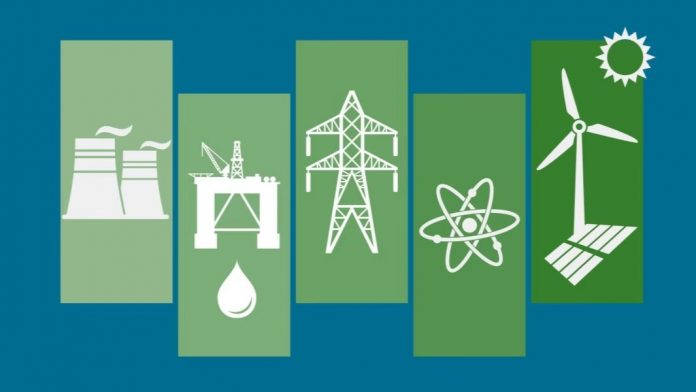
In a move aimed at tackling high electricity costs and boosting industrial energy efficiency, the Energy Commission of Nigeria (ECN) has introduced a new policy and regulatory framework designed to help industrial players cut operational expenses while promoting cleaner production technologies.

The initiative, unveiled during a validation workshop in Abuja, is expected to enhance Nigeria’s industrial energy performance, aligning with the country’s push for sustainable economic growth and environmental protection. However, while the policy has been welcomed as a positive step, industrialists and analysts insist that the root cause of high energy costs in Nigeria is insufficient power generation, which remains a major bottleneck to industrial competitiveness.

The policy, titled “Improving Nigeria’s Industrial Energy Performance and Resource Efficient Cleaner Production through Pragmatic Approaches and the Promotion of Innovation in Clean Technology Solutions,” was formally launched by the Director-General of ECN, Dr. Mustapha Abdullahi.

Dr. Abdullahi emphasized that the new regulations would provide industries with the tools and knowledge to conserve energy, leading to lower electricity bills and improved efficiency.

“We are unveiling the new regulations and also a policy for industrial players to be able to use electricity and conserve it safely. With that, we are sure that electricity costs will be reduced. There are two key things here to note—energy generation and energy efficiency. If you generate energy, no matter the volume, if you are not using it efficiently, then it will be wasted,” Dr. Abdullahi said.

Nigeria’s industrial sector has long grappled with crippling electricity costs, which have hindered competitiveness and growth. By advocating for energy conservation and encouraging industries to adopt clean technologies, the ECN aims to create a more cost-effective and sustainable energy ecosystem.

Industry Players Say Insufficient Power Generation is the Real Problem

While the initiative is seen as a step in the right direction, industrialists and energy analysts argue that energy efficiency alone cannot solve Nigeria’s high electricity costs. The real problem, they say, is that Nigeria simply does not generate enough electricity to meet demand.

Currently, Nigeria generates a little over 5,000 megawatts (MW), a figure that fluctuates due to grid instability and maintenance challenges. This falls significantly short of the estimated 30,000MW required for a stable power supply in the country.

Due to the severe energy deficit, industries are often forced to rely on diesel-powered generators, which drive up operational costs and reduce productivity. The high cost of self-generated power has made many Nigerian industries uncompetitive, particularly when compared to their counterparts in countries with stable and affordable electricity.

Economists believe that if Nigeria had sufficient power generation within a fully liberalized electricity market, competition among power suppliers would naturally drive down energy costs for industries.

“Largest economy in Africa distributed just 4,118.98MW in 2021. There is no way you grow GDP without power supply. This is a problem. There has been good progress on independent solar projects, accelerate that,” Kalu Aja, a financial analyst, said.

Currently, Nigeria’s power sector remains partially controlled by the government, with price regulation limiting the ability of private players to invest aggressively in electricity generation and distribution.

ECN Launches Industrial Energy Efficiency Compendium

As part of the initiative, the ECN also launched a compendium of industrial energy efficiency policies, regulations, and standards, which serves as a consolidated resource for policymakers, industry stakeholders, and regulators.

Dr. Abdullahi described the compendium as a “living document,” meaning it will be regularly updated to incorporate new policies and technological advancements.

“The compendium is not exhaustive and will continue to exist as a living document, as it will need to be updated as new policies emerge in the future,” he explained.

This reference guide is expected to support industries in implementing energy-efficient measures, thereby enhancing productivity and reducing environmental impact.

Manufacturers Call for More Action on Power Generation

The Manufacturers Association of Nigeria (MAN) has welcomed the new energy efficiency policy but insists that addressing Nigeria’s energy crisis requires a more holistic approach.

Speaking on behalf of MAN’s Director-General, Segun Ajayi-Kadiri, the association’s Liaison Officer, Michael Olufemitan, stressed that reducing energy costs requires more than just conservation efforts.

“Our nation’s industrial sector holds significant potential to not only enhance productivity, but also reduce environmental impact through the adoption of clean technologies and sustainable practices. By focusing on resource efficiency and innovation, we can unlock new opportunities for job creation, economic diversification, and environmental sustainability,” he said.

The new policy aligns with Nigeria’s broader energy transition strategy, particularly efforts to increase the adoption of renewable energy, reduce reliance on fossil fuels, and improve energy security for industries.

While the new framework is a significant milestone, experts warn that policy announcements alone are not enough—the key challenge lies in effective implementation.

Industry players have called for increased investment in power generation to meet the country’s energy demands. There is also a growing demand for a truly liberalized electricity market that encourages competition and reduces prices.

Building Investment Portfolios And Personal Economy | Tekedia Mini-MBA

0

You spent at least 4 years in the university or polytechnic, did they ever teach you anything about your personal economy? Yes, did they prepare you for yourself? Most times, schools are designed to prepare us for WORK in companies, organizations or governments.

Simply, one of the greatest surprises when I started work was this: the university system prepared me on how to utilize resources for companies, but did a very poor job on how I could run my own personal resources.

In FUT Owerri, we studied great topics in Engineering Management like Engineer Turns Manager, Managerial Accounting, etc. In all those domains, everything was on how to optimize resources for the employer (yes, the company). But none for the village boy’s Personal Economy, a more important call. That is why at Tekedia Institute, we developed a module on Personal Economy. Yes, your economy and how you can build and own it.

And with hardwork, grace and luck, that Personal Economy can work even when the National Economy or Global Economy is not firing at all cylinders. It is about strategy and planning. In the Igbo Nation, they give titles like “Ome na unwu” [one who does great things even during famine and scarcity] which means that you can find abundance even when a national or global economy is challenged.

Tomorrow, I will be teaching on “Building Investment Portfolios And Personal Economy“ at Tekedia Institute. It is always a great academic festival because we learn how to advance our own personal economies!

To register for the next edition of our program with early discounts, go here . More SMEs attend our business program than any university in Africa. Come and learn how to thrive!

“Abia State Has Made a Historic Leap to the #1 Position in the Latest NECO Exam Under Governor Otti” – Ndubuisi Ekekwe

0

Abia State has achieved a groundbreaking milestone in education under the leadership of Governor Alex Otti, OFR. The state, which previously ranked between 10th and 19th position in the National Examinations Council (NECO) results over the past eight years, has now soared to the No. 1 position in the latest rankings.

Commending this unprecedented achievement, Prof. Ndubuisi Ekekwe, a member of the Abia Diaspora Commission, lauded Governor Otti’s administration for its unwavering commitment to education and academic excellence.

“Abia State has made a historic leap to the No. 1 position in the latest NECO examinations under Governor Otti,” Prof. Ekekwe stated.

He further noted, “In the last eight years, Abia was coming between 10th to 19th position, and just in two years, Abia has moved to No. 1.

“I don’t know what the leadership did, but I would say that as we move into this protocol of looking for new frameworks to drive the efficiency of the educational system, whatever we have done, let it be sustained.”

This outstanding achievement underscores Governor Otti’s strategic investments in education, including:

  1. Allocating 20% of the 2024 and 2025 state budgets to the education sector
  2. Implementing free and compulsory education policies
  3. Recruiting highly qualified teachers to rebuild the education system

Governor Otti emphasized his administration’s commitment to revitalizing Abia’s education sector, ensuring that young Abians receive quality learning opportunities that prepare them for the future.

Beyond education, Governor Otti reaffirmed his administration’s commitment to the realization of the Abia Diaspora City, a world-class residential and business hub designed to cater to Abians living abroad.

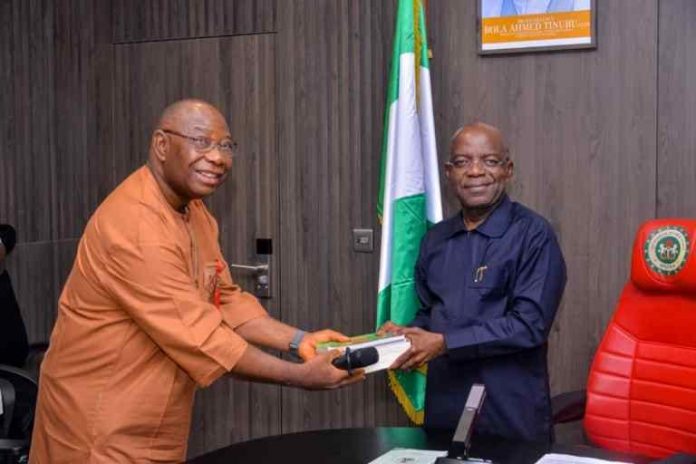
Speaking during a high-profile meeting with the President of the Diaspora Alliance, Rev. Emmanuel Ihim, and the Archbishop of the Methodist Church, Umuahia Diocese, Archbishop Chibuzor Opoko, Governor Otti revealed that the state government has identified three potential locations for the project and is in the process of selecting the most suitable site.

“We are already working on the Diaspora City. Actually, we want it to be a place where you and I can live.

“We have identified locations, about three of them, and are in the process of choosing one where all the amenities that you can think of are available.

“I am sure that in a few months, we would come out to announce it, but it has been in the works,” Governor Otti stated.

The Abia Diaspora City is expected to feature cutting-edge infrastructure, ensuring an exceptional standard of living for residents while creating a thriving environment for investors.

During the meeting, Rev. Emmanuel Ihim of the Diaspora Alliance commended Governor Otti’s visionary leadership, emphasizing that his organization is eager to collaborate with the state government to advance developmental goals.

“This is the first time in the history of Abia State that we have a leader who truly understands the needs of the people.

“Abians in the diaspora are pleased with the Governor’s performance and are willing to support his administration to sustain its momentum,”Rev. Ihim stated.

He also highlighted that the Diaspora Alliance mobilizes resources from government agencies, corporations, and individuals to drive sustainable development, particularly in women and youth empowerment, healthcare, and education.

Rev. Ihim described Governor Otti as a divine fulfillment of God’s vision for Abia State, urging Christians to rally behind him in executing his divine mandate for transformation.

Governor Otti assured that his administration remains focused on delivering bold, strategic policies to reposition Abia State as a model of excellence in governance, education, infrastructure, and economic development.

“We are just getting started, and more transformative policies will be implemented to improve the lives of Abians,” he pledged.

With education at the forefront, coupled with the ambitious Diaspora City project and numerous infrastructure developments, Abians at home and abroad can anticipate a brighter, more prosperous future under Governor Alex Otti’s leadership.