Nigeria has emerged as one of Africa’s most dynamic fintech hubs, driven by a combination of technological innovation, progressive regulations, and a growing entrepreneurial ecosystem.
Over the past decade, the country has witnessed a remarkable expansion in digital financial services, from mobile payments and e-wallets to lending platforms, wealth management apps, and blockchain-based solutions.
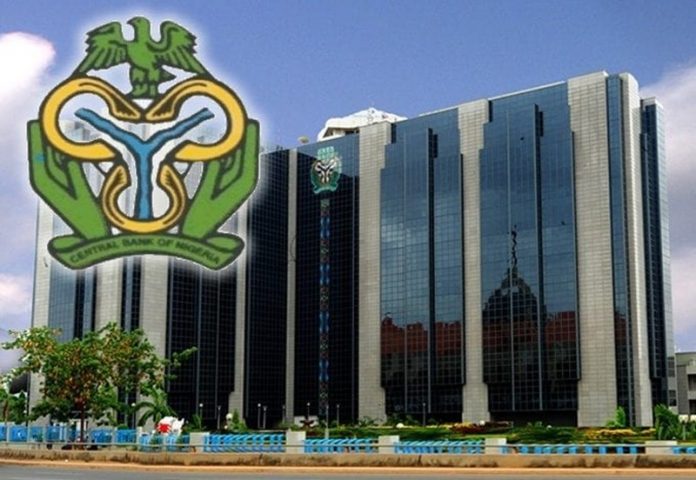
As fintech becomes increasingly embedded in everyday economic activity, the scale and complexity of regulatory oversight have grown significantly. The Central Bank of Nigeria (CBN) recognizes fintech’s transformative potential to deepen financial inclusion, modernize service delivery, reduce transaction costs, and strengthen economic resilience.
However, as outlined in its report “Shaping the Future of Fintech in Nigeria: Innovation, Inclusion and Integrity,” the CBN also acknowledges that this transformation introduces new risks and places unprecedented strain on existing supervisory frameworks. Maintaining market integrity and financial stability in this evolving landscape has therefore become a central regulatory priority.
From a regulatory perspective, four key systemic challenges have emerged, informed by ongoing market surveillance, international best practices, and direct engagement with industry stakeholders.
Regulator–Regulatee Disconnect
Fintech innovation has, in many cases, outpaced structured engagement between regulators and innovators. A residual perception persists among some fintech operators that regulation functions more as a constraint than a catalyst for growth. This perception is reinforced by limited routine dialogue and insufficient co-creation during policy design.
For regulators, this disconnect increases the risk of policy misalignment, slower compliance uptake, and missed opportunities to leverage industry insights. For fintech firms, it can translate into uncertainty, friction in product launches, and reluctance to engage regulators early.
Compliance Gaps and Financial Integrity Risks
As fintech adoption accelerates, so too does exposure to systemic vulnerabilities, particularly in Know Your Customer (KYC), fraud prevention, and anti-money laundering (AML). While many firms maintain strong compliance frameworks, observable gaps remain especially among smaller or rapidly scaling operators.
Inconsistent KYC implementation, weak fraud controls, and limited transaction monitoring can expose the wider financial system to illicit activity. The regulatory challenge lies in strengthening financial integrity without stifling innovation, underscoring the need for sector-wide solutions such as shared compliance utilities and more granular, real-time oversight tools.
Supervisory Capability Constraints
The pace, scale, and technical complexity of fintech innovation continue to challenge traditional supervisory approaches. These limitations can delay risk identification and hinder proactive intervention. Given Nigeria’s global leadership in real-time payments and digital adoption, there is growing recognition that supervisory tools and capabilities must evolve at a comparable pace to ensure effective oversight.
Jurisdictional Complexity and Regulatory Overlap
Fintech business models often cut across multiple sectors, combining financial services, data analytics, telecommunications infrastructure, and cross-border operations. This multi-sectoral nature creates regulatory uncertainty, oversight gaps, and, in some cases, duplicative obligations. Regulators in turn, must navigate overlapping mandates across agencies and jurisdictions, while firms face unclear or conflicting compliance requirements.
Stakeholder feedback highlights a divided perception of the regulatory environment: 50% of respondents describe it as supportive, while the other 50% view it as restrictive. This split reflects both the progress made and the gaps that persist in regulatory engagement. Procedural clarity and the speed of regulatory decision-making emerged as the most consistent concerns. Notably, 62.5% of respondents cited approval delays and ambiguous guidelines as major constraints on product development and innovation timelines.
A strong consensus has formed around the need for more structured, two-way engagement. About 75% of stakeholders called for regular industry dialogue and feedback mechanisms to enhance transparency and alignment. Several participants proposed the creation of a dedicated fintech engagement forum similar to the Bankers’ Committee to enable high-trust, ongoing dialogue on strategy, policy, and market dynamics.
In parallel, stakeholders advocated for a Single Regulatory Window, a centralized engagement channel designed to streamline interactions across multiple regulatory bodies. Approximately 62.5% of respondents supported this proposal, describing it as a potential game changer capable of reducing regulatory friction, accelerating time-to-market, and improving inter-agency coordination.
However, participants cautioned that previous coordination initiatives, such as the Start-up Act, have struggled to achieve their objectives. For the Single Regulatory Window to succeed, clear implementation roadmaps and technology-driven solutions to multisectoral bottlenecks will be essential.
Operationally, industry actors identified lengthy product approval cycles and rising compliance costs as key barriers to scale. About 37.5% of respondents reported that bringing a new product to market can take over a year, limiting agility in a fast-moving sector. Compliance costs were highlighted as a significant burden, with 87.5% of stakeholders noting their impact on innovation capacity particularly spending related to fraud prevention, cybersecurity, and AML/CFT infrastructure.
Despite these challenges, there is strong industry support for shared compliance solutions. Stakeholders endorsed concepts such as Compliance-as-a-Service (CaaS) and fraud intelligence hubs. Around 62.5% of respondents expressed interest in a CaaS utility, citing its potential to reduce duplicative reporting, ease compliance burdens for smaller firms, and enhance supervisory visibility.
Outlook
Nigeria’s fintech ecosystem stands at a critical inflection point. Continued growth will depend not only on innovation and capital but on the evolution of regulatory frameworks that are adaptive, collaborative, and technology enabled.
The challenge ahead lies in execution ensuring that regulatory reforms keep pace with innovation while preserving trust, financial integrity, and systemic stability. If executed properly, Nigeria could reinforce its position as Africa’s fintech leader while setting a global benchmark for balanced, innovation-friendly regulation.