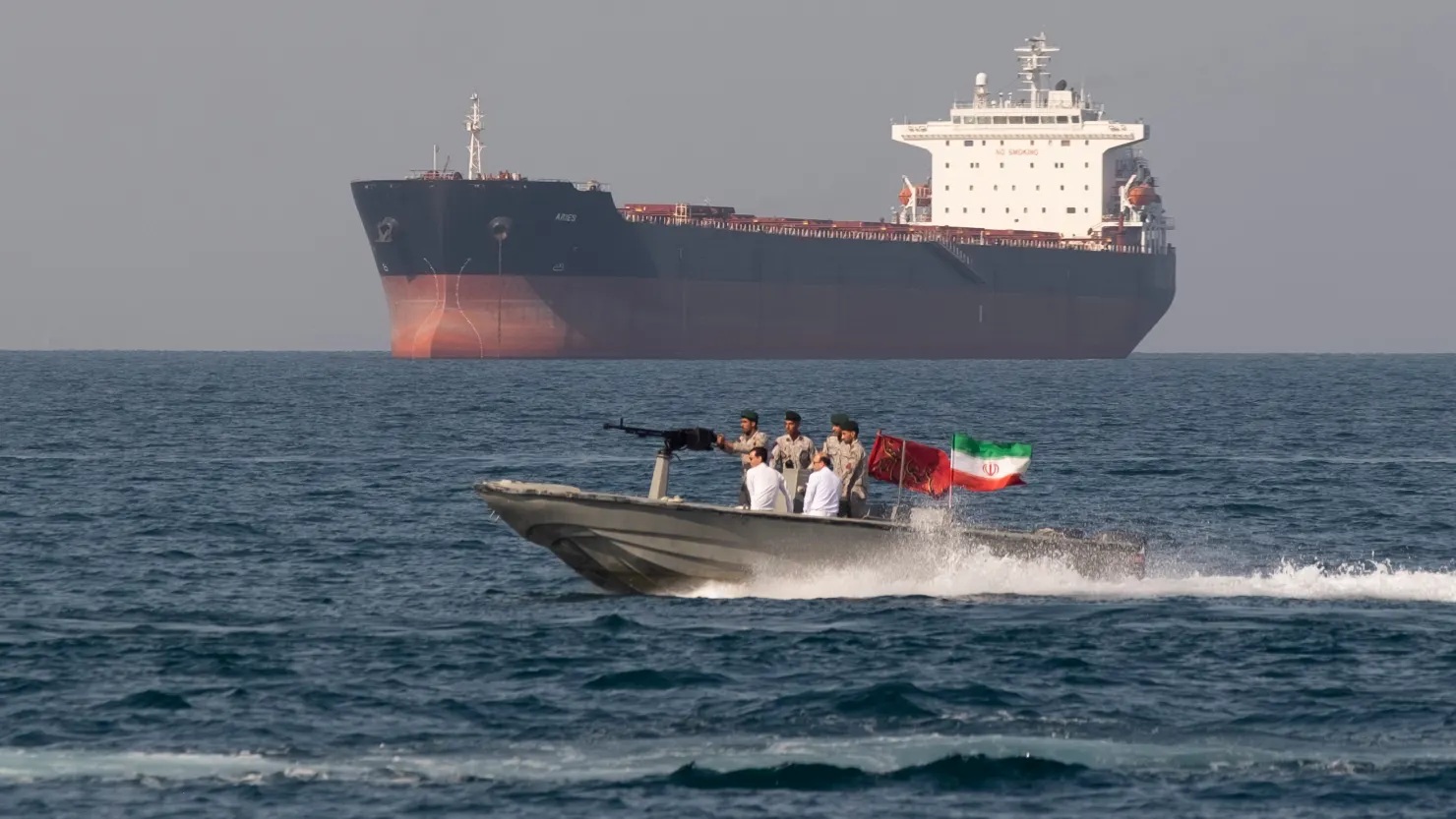
The effective closure of the Strait of Hormuz is beginning to reverberate far beyond the Middle East, redirecting focus to the Strait of Malacca, a corridor that underpins the flow of goods and energy into Asia’s industrial core.
What initially appeared as a regional disruption is now being reassessed as a potential systemic risk to global trade architecture.
The Malacca Strait carries roughly 40% of global traded goods and more than 35% of seaborne oil, making it one of the most heavily trafficked maritime routes in the world. Its importance is magnified by the absence of viable substitutes.
For many vessels, particularly oil tankers servicing China, Japan, and South Korea, Malacca represents the most efficient route between the Indian and Pacific Oceans. Any disruption would force detours through longer, costlier passages such as the Lombok or Sunda straits, adding days to shipping times and increasing freight and insurance costs.
What distinguishes the current moment is the convergence of geopolitical stress points. Analysts say the strain on Hormuz has exposed how concentrated global trade flows are through a handful of chokepoints.
With tensions persisting, attention has shifted to whether similar pressure, whether direct or indirect, could emerge in Southeast Asia. The concern is not necessarily a coordinated blockade, but the cascading effects of heightened military presence, strategic signaling, and risk aversion among commercial operators.
The Malacca Strait is structurally more vulnerable than Hormuz in certain respects. Narrower in key sections and congested with dense traffic, it offers limited room for error. A single incident, whether accidental or deliberate, could disrupt flows significantly. Piracy, maritime accidents, or even cyber interference with navigation systems are all considered plausible risks in a heightened security environment. In such a scenario, disruption need not be prolonged to have outsized economic consequences.
Energy markets would be particularly exposed. With Hormuz already constrained, any friction in Malacca would compress supply chains further, potentially triggering price volatility and forcing Asian importers to draw more heavily on reserves. Refiners in the region, which rely on just-in-time delivery models, could face feedstock shortages, while shipping bottlenecks would ripple into petrochemicals and manufacturing supply chains.
There is also a financial dimension. War-risk insurance premiums for vessels transiting critical chokepoints have already risen in response to the Middle East conflict. A perceived escalation risk in Malacca could push premiums higher still, effectively increasing the cost of global trade. Shipping companies may respond by rerouting or delaying cargoes, tightening supply in key markets and amplifying price pressures.
Regional governments are acutely aware of these risks. The Maritime and Port Authority of Singapore said Indonesia, Malaysia and Singapore have reaffirmed their commitment to keeping the Straits of Malacca and Singapore open and secure.
“As one of the world’s busiest shipping lanes, safety in the SOMS depends on both reliable infrastructure and sustained international cooperation,” the MPA said.
This pledge, made during the 34th Meeting of the Aids to Navigation Fund Committee, reflects a coordinated effort to maintain operational stability in a corridor that is central to global commerce. The initiative, supported by the International Maritime Organization, focuses on navigational safety, infrastructure resilience, and information-sharing.
Still, the environment is becoming more complex. The recent transit of the USS Miguel Keith through the strait underscores the growing military visibility in the region. While described by U.S. officials as routine and consistent with international law, such movements are being interpreted within a broader context of power projection and deterrence.
The vessel’s capabilities, as a floating command base supporting helicopters, small craft, and troop deployments, highlight the operational flexibility that major powers are positioning along key maritime routes.
This evolving posture raises the prospect of the Malacca Strait becoming a theatre for strategic signaling, even in the absence of direct conflict. Increased naval patrols, surveillance operations, and exercises could alter the operating environment for commercial shipping, introducing friction that markets would quickly price in.
The broader implication is a reordering of how risk is assessed in global logistics. For decades, chokepoints like Malacca have been treated as stable arteries, underpinned by international norms and regional cooperation. The current situation challenges that assumption. As geopolitical rivalries intensify, these corridors are increasingly viewed as leverage points within a fragmented global system.
The lesson Policymakers and investors are expected to draw from this is that supply chain resilience can no longer be separated from geopolitical risk management. Diversification of shipping routes, investment in alternative infrastructure, and strategic stockpiling are likely to gain urgency.
China’s long-standing concern over its “Malacca dilemma”, its heavy reliance on the strait for energy imports, may also come back into sharper focus, potentially accelerating efforts to expand overland pipelines and alternative maritime routes.
What is emerging is not an immediate crisis in the Malacca Strait, but a shift in perception. The disruption in Hormuz has acted as a stress test, revealing how quickly confidence in critical trade corridors can erode.