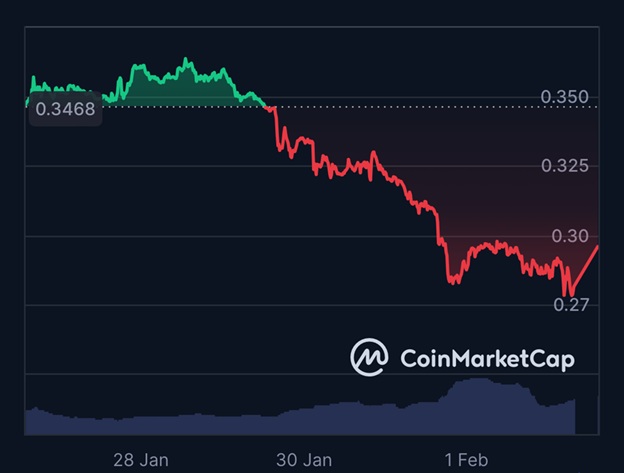
Beta Glass Plc posted one of its strongest financial performances in recent years, recording a 154.5% year-on-year surge in profit before tax to N50.66 billion for the year ended December 31, 2025, up sharply from N19.90 billion in 2024.
The results, contained in the company’s unaudited financial statements released to the Nigerian Exchange on Friday, January 30, 2026, underline a year in which revenue growth, margin expansion, and operational resilience converged to reshape the company’s earnings profile.
The glass packaging manufacturer benefited from higher demand across its beverage, pharmaceutical, and food segments, while improved production stability and firmer pricing allowed it to absorb cost pressures and significantly widen margins. The outcome was not just stronger profits, but also improved cash generation and a sturdier balance sheet.
Financial performance shows margins doing the heavy lifting
Revenue for the year rose 26.8% to N149.12 billion from N117.58 billion in 2024, pointing to sustained demand from fast-moving consumer goods producers and pharmaceutical companies that rely heavily on glass packaging. While revenue growth was solid, the more striking development was how much faster profits grew than sales.
Gross profit climbed 71.2% year-on-year to N52.66 billion, compared with N30.76 billion in the prior year, signaling a significant improvement in cost control, pricing discipline, and production efficiency. Operating profit nearly doubled, rising 99.7% to N47.02 billion from N23.56 billion in 2024, showing that gains were driven primarily by core operations rather than one-off items.
Profit after tax rose 145.5% to N33.46 billion, reflecting the combined effect of stronger operating earnings and effective financial management. The widening gap between revenue growth and profit growth indicates that Beta Glass entered a more favorable operating phase in 2025, where scale and efficiency began to work more decisively in its favor.
A strong finish to the year helped reinforce the trend. Fourth-quarter revenue stood at N34.74 billion, while gross profit for the quarter rose 71.2% year-on-year to N10.77 billion. Profit before tax in Q4 increased by 38% compared with the same period in 2024, helping offset earlier volatility and cementing full-year gains.
Cost structure and operating discipline
The results suggest that Beta Glass managed inflationary pressures better than many manufacturers operating in Nigeria’s challenging macroeconomic environment. While energy costs, logistics, and imported inputs remained elevated, the company’s pricing strategies and production stability helped protect margins.
Operating cash flow rose sharply to N43.77 billion, up about 150% year-on-year, reflecting improved working capital management and stronger earnings quality. This level of cash generation is notable given the scale of capital expenditure undertaken during the year.
Total liabilities increased to N87.82 billion from N69.56 billion, partly reflecting higher trade payables and financing linked to expansion and capital projects. However, the rise in liabilities was outpaced by asset growth, leaving the balance sheet in a stronger net position.
Balance sheet expansion and capital investment
Total assets expanded by 37.2% to N184.30 billion from N134.35 billion in 2024, driven largely by increased investment in property, plant, and equipment. Management has consistently positioned capital expenditure as central to sustaining long-term competitiveness in a capital-intensive industry.
A major highlight was the successful furnace rebuild at the Delta Plant (DF1), completed in October 2025 in a record 48 days. According to Chief Executive Officer Alexander Gendis, the project is expected to improve production efficiency, reduce downtime risk, and enhance the plant’s long-term sustainability. In a sector where furnace reliability directly affects output and costs, this upgrade carries strategic importance beyond the immediate financial year.
Chief Financial Officer Hélène Paradisi described 2025 as a year that validated management’s strategic focus on execution and liquidity management. She said the 26.8% revenue growth and 71.2% increase in gross profit underscored the company’s commitment to sustainable value creation, rather than short-term gains.
The emphasis on disciplined execution suggests that the performance was not driven by a single favorable factor, but by a combination of pricing decisions, operational stability, and targeted investments that reinforced each other over the course of the year.
Shareholder returns and dividend trajectory
Beta Glass’ improved earnings have translated into stronger shareholder returns. Dividends paid in 2025 rose to N1.64 billion, compared with N0.84 billion in 2024. For the 2024 financial year, shareholders approved a doubled dividend payout of N1.76 billion at the company’s 51st Annual General Meeting.
Dividend per share increased from N1.40 in 2023 to N2.95 in 2024, a 111% year-on-year rise, reflecting confidence in earnings sustainability. Dividend history shows a steady upward trend, supported by rising profitability and cash flow, reinforcing Beta Glass’ appeal as an income-generating stock within the manufacturing space.
Looking ahead to 2026, Beta Glass says it remains focused on operational efficiency and capacity optimization as it navigates broader economic pressures. While demand from beverages and pharmaceuticals is expected to remain supportive, the company still operates in an environment shaped by exchange rate volatility, energy costs, and infrastructure constraints.
Even so, the 2025 results suggest that Beta Glass has reached a scale and level of operational resilience that allows it to convert moderate revenue growth into outsized profit gains. If production stability is maintained and pricing discipline holds, the company appears well-positioned to defend margins and sustain strong cash generation, even as macroeconomic headwinds persist.