DD
MM
YYYY

PAGES

DD
MM
YYYY

spot_img

PAGES

Home Blog Page 200

Beyond Bitcoin: Stablecoins And Ethereum Are Powering Nigeria’s Crypto economy

0

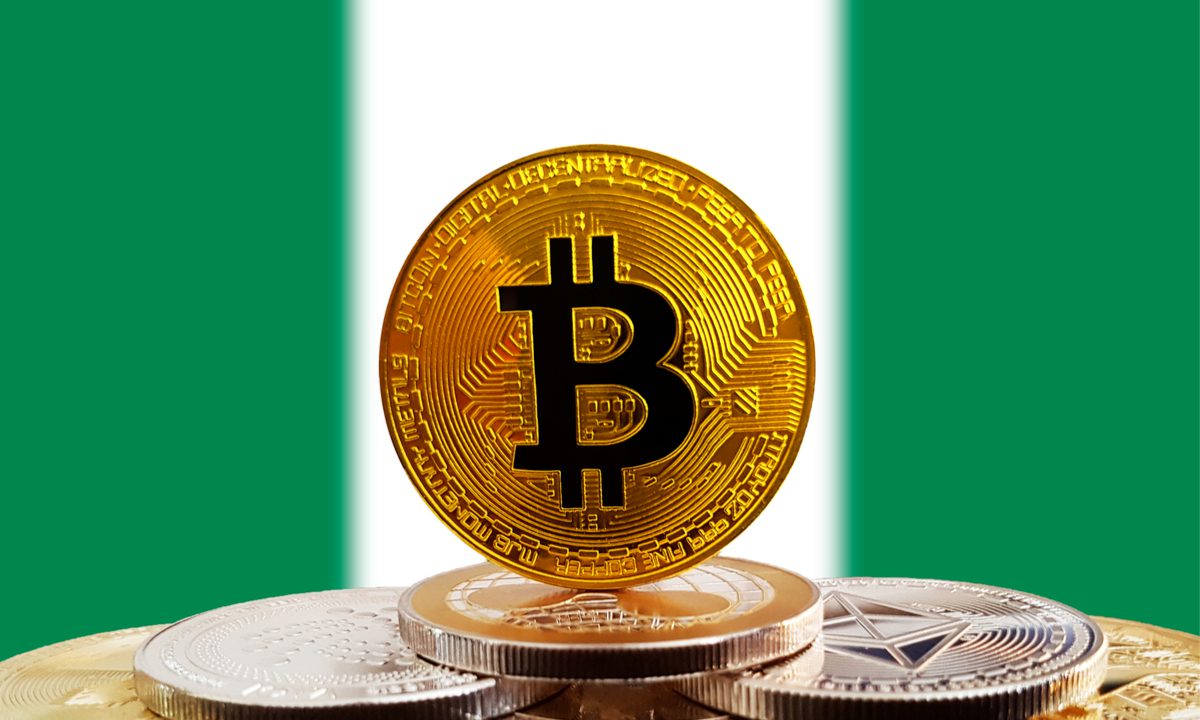
Nigeria’s cryptocurrency landscape is undergoing a quiet but profound shift. While Bitcoin still commands attention and remains the most recognized digital asset, it is no longer the primary driver of Nigeria’s everyday crypto activity.

Within the country’s $57 billion retail market, stablecoins led by Tether (USDT), alongside utility-focused networks like Ethereum, are increasingly taking center stage.

A new report from Quidax highlights that stablecoins have become the backbone of Nigeria’s digital finance ecosystem. In an economy grappling with severe naira devaluation, individuals and businesses have turned to digital dollar equivalents as a means to preserve value, conduct commerce, and manage cross-border transactions.

Recent market data shows that Nigerians transacted nearly $22 billion in stablecoins between July 2023 and June 2024, positioning the country as the leading stablecoin market in Africa. In fact, stablecoins now account for about 40% of Nigeria’s crypto transaction volume, signaling a shift in how individuals and businesses manage value, liquidity, and international trade

This shift represents a form of grassroots dollarization, where Nigerians bypass physical USD shortages and rely on stablecoins to save, pay suppliers abroad, and stabilize purchasing power.

The data backs up this behavioral change. Liquidity, speed, and stability are the top priorities for Nigerian crypto users. Twenty-five percent of users emphasize the importance of being able to move large sums easily, while nearly 18 percent value the ability to enter and exit trades quickly. Another 15 percent focus on minimizing exposure to volatility.

The naira’s persistent depreciation has encouraged many Nigerians to look for ways to preserve their purchasing power. With the difficulty of accessing foreign currency through traditional banking channels, stablecoins like USDT (Tether) and USDC offer a practical alternative. They are easily bought through peer-to-peer networks and digital wallets, allowing users to move seamlessly between naira and dollar-denominated value.

Stablecoins are also being adopted for cross-border payments. Freelancers, e-commerce merchants, importers, and remote workers increasingly prefer receiving income in stablecoins because they provide faster settlement and avoid heavy banking fees. For many Nigerian businesses that trade across Africa and Asia, stablecoins reduce the friction associated with global remittances and settlement.

This counters the common narrative that crypto adoption in Nigeria is driven mostly by high-risk speculation. Instead, users seek efficient, predictable financial tools.

Alongside stablecoins, Ethereum has emerged as the practical workhorse for daily transactions. Fifty-seven percent of users prefer Ethereum-based transactions, with 34 percent citing lower fees and 22 percent pointing to faster confirmation times. Additionally, nearly 15 percent are drawn to Ethereum’s broader ecosystem and innovation potential, signaling a maturing understanding of blockchain technology beyond trading.

Importantly, crypto usage in Nigeria is not occasional. A striking 88 percent of users conduct at least one crypto-related transaction per month, underscoring the role of digital assets as an integrated part of everyday financial life. For many, cryptocurrency is not just an investment vehicle but a reliable medium of exchange, a savings tool, and a gateway for global commerce.

The takeaway is clear, Bitcoin may dominate the headlines, but stablecoins and Ethereum are quietly powering Nigeria’s real digital economy. They are facilitating trade, enabling financial resilience, and serving as practical solutions where traditional systems have fallen short.

Rivian Offers CEO $4.6bn Pay Plan, Echoing Musk’s Mega Deal as EV Industry Races for Growth

0

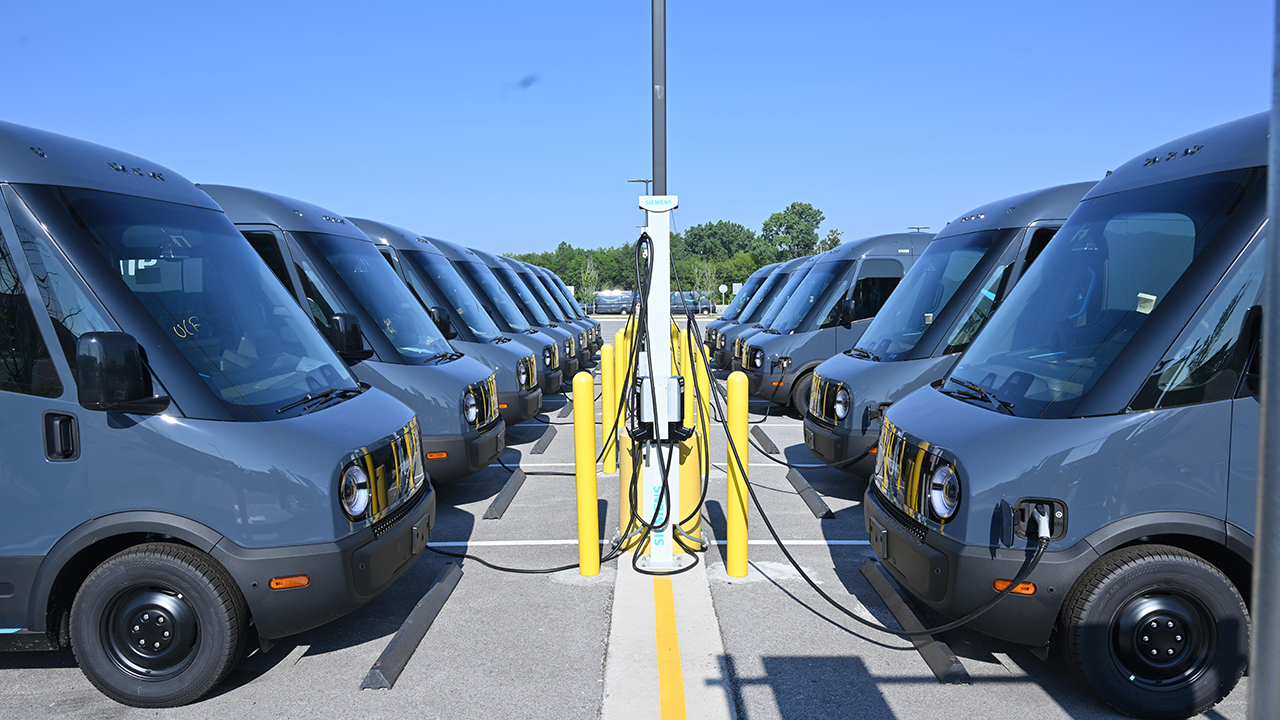
Rivian’s board has approved a new compensation package for CEO RJ Scaringe worth as much as $4.6 billion over the next decade — a move that mirrors Tesla’s headline-grabbing $1 trillion pay plan for Elon Musk.

The decision underscores how Musk’s compensation structure has become a model for high-growth companies seeking to tie executive rewards to ambitious performance targets and shareholder value creation.

Rivian said the plan aims to retain its founder while keeping him focused on profitability and expansion as the company prepares to roll out its smaller, more affordable R2 SUV next year. The R2 is expected to compete directly with Tesla’s Model Y, one of the world’s best-selling electric crossovers.

The company’s decision comes amid broader financial pressure on electric vehicle makers. Rivian has struggled with slowing sales following the removal of key U.S. EV tax credits and has recently laid off about 600 workers — roughly 4.5% of its workforce — to reduce costs.

According to Reuters, the new incentive plan replaces a previous one that Rivian’s board said was unlikely to be met under current market conditions.

Under the revised plan, Scaringe will receive options to purchase up to 36.5 million shares of Rivian’s Class A stock at an exercise price of $15.22 each — the same as Thursday’s closing price. The award will vest if the company meets stock price milestones ranging from $40 to $140 per share over 10 years, alongside new operating income and cash flow goals over seven years. The thresholds are notably lower than the previous pay package approved in 2021, which required share prices to hit $110–$295 per share. Rivian canceled that deal after concluding the targets were unrealistic.

At full vesting, the new package represents about 3% of Rivian’s shares. Scaringe already owns around 2% of the company, while Musk controls about 13% of Tesla, a stake that could rise to 25% under his newly approved plan.

“RJ’s starting position makes this package much more reasonable than Musk’s,” said Vitaly Golomb, managing partner at Mavka Capital and a Rivian investor.

Tesla’s board has argued that Musk’s massive $1 trillion package, approved last week after months of controversy, was essential to keep him focused on driving the company’s value toward an $8 trillion valuation. Analysts note that Rivian’s plan, though much smaller, draws clear inspiration from Tesla’s structure, linking extraordinary rewards to equally ambitious performance.

“While Rivian may not be a direct copycat, there are definitely Elon Musk characteristics that are similar,” said Yonat Assayag, a partner at ClearBridge Compensation Group. “It’s not to keep up with Musk, but inspired by Musk’s award.”

Rivian said shareholders will gain $153 billion in value if the company hits all the milestones as part of the package, while Reuters’ calculation showed that Scaringe will get up to $4.6 billion, including the costs of exercising options.

However, not everyone is convinced that such ambitious pay designs will pay off. Amit Batish, director at research firm Equilar, noted that “while these packages sound attractive, they don’t always work out. Many CEOs struggle to hit the targets due to changing policies and economic headwinds.”

In addition to the stock-based incentives, Rivian’s board has doubled Scaringe’s base salary to $2 million, aligning his compensation more closely with shareholder returns. The automaker said the revised structure was crafted with input from an independent consultant.

Rivian also announced that Scaringe will chair the board of Mind Robotics, a new spinoff backed by external investors to develop industrial AI systems. The CEO has been granted 1 million common units in the venture, representing up to a 10% stake once profitability thresholds are met.

The new plan marks Rivian’s bid to reward long-term execution rather than short-term market performance. But as the EV industry faces intensifying competition, high borrowing costs, and uncertain demand, analysts say it will test whether tying billion-dollar compensation to future milestones can truly motivate sustainable growth — or simply replicate the high-risk model that made Tesla’s rise so polarizing.

Profits Fall at Germany’s Daimler Truck

0

Daimler Truck, the world’s largest commercial vehicle manufacturer, reported a significant decline in its third-quarter financial performance primarily due to ongoing weakness in the North American market.

The company’s adjusted earnings before interest and taxes (EBIT) dropped 40% year-over-year to €716 million, while revenue fell 13% to €11.45 billion. Global unit sales also decreased 15% to 98,009 vehicles from 114,917 in the same period of 2024.

Key factors contributing to the downturn include a cautious “wait-and-see” mode among North American customers amid a weak freight environment and regulatory uncertainties. The Trucks North America segment, which includes brands like Freightliner and Western Star, saw operating profit plummet 64% to €257 million, with orders down 29% to 26,168 units.

Production in the region declined 42% to 28,108 units. In contrast, the Mercedes-Benz Trucks division benefited from stronger European and Latin American sales, boosting its EBIT to €283 million from €57 million a year earlier. Sales of zero-emission vehicles rose sharply by 175% to 1,833 units, signaling progress in electrification efforts.

Despite the quarterly setback, Daimler Truck maintained its full-year 2025 guidance, projecting 410,000–440,000 unit sales, €44–47 billion in industrial business revenue, and an adjusted return on sales of 7–9%. Net profit for the quarter fell 27% to €458 million. The company recently unveiled its “Stronger 2030” strategy and announced a €2 billion share buyback program over two years.

This performance underscores broader challenges in the global truck sector, including softening freight demand and geopolitical pressures, though European recovery provides some offset.

Electric and Combustion Car Prices Converge in Germany, Study Finds

A recent analysis by automotive expert Ferdinand Dudenhöffer highlights a narrowing price gap between electric vehicles (EVs) and internal combustion engine (ICE) cars in Germany, with average discounts now nearly identical at around 17% for both categories as of August 2025.

This convergence is driven by rising list prices and reduced discounts for ICE vehicles, coupled with falling list prices and increased incentives for EVs. In January 2025, EV discounts trailed ICE by three percentage points, but promotional efforts and production efficiencies have accelerated parity.

The global truck market, valued at approximately USD 7.5–7.9 trillion in 2024, is projected to grow modestly at a CAGR of 7–11% through 2034, driven by e-commerce and logistics demand.

However, 2025 forecasts indicate a slowdown, with medium- and heavy-commercial vehicle (MHCV) sales expected to decline 1.4–1.7% year-over-year, totaling around 7.08 million units. This uneven recovery stems from post-pandemic supply normalization, regional disparities, and structural shifts.

The trend aligns with broader market data: New car list prices in Germany rose 6.9% year-over-year in the first half of 2025, amid higher production costs and subsidy reductions, yet EV registrations surged 22.7% to support a 4.7% overall market contraction.

Industry reports project full price equality for many models before 2030, potentially as early as 2025 for select segments, aided by tightening EU CO2 fleet regulations. However, challenges persist—EV average transaction prices climbed to €52,700 in late 2024 with slight rises into 2025, and residual values for battery EVs lag at 37.1% after three years versus 49% for ICE cars.

Global freight volumes remain subdued due to softening trade, high interest rates despite expected cuts, and inflation, leading to cautious fleet investments. North America, a major market, faces a 14–20% drop in Class 8 truck sales, with production down 42% in Q3 2025.

Europe sees sluggish GDP growth 0.7% in Western Europe, while China’s MHCV sales stagnate at ~1.03 million units amid trade disputes. Replacement cycles are delayed; truck fleets have aged since COVID-19, exacerbating future demand volatility.

This shift could boost EV adoption, especially as manufacturers ramp up affordable models to meet 2030 targets of 15 million EVs on German roads, though infrastructure gaps and budget-segment penetration remain hurdles.

Pfizer Wins $10bn Fight for Metsera, Gaining Foothold in Obesity Drug Market

0

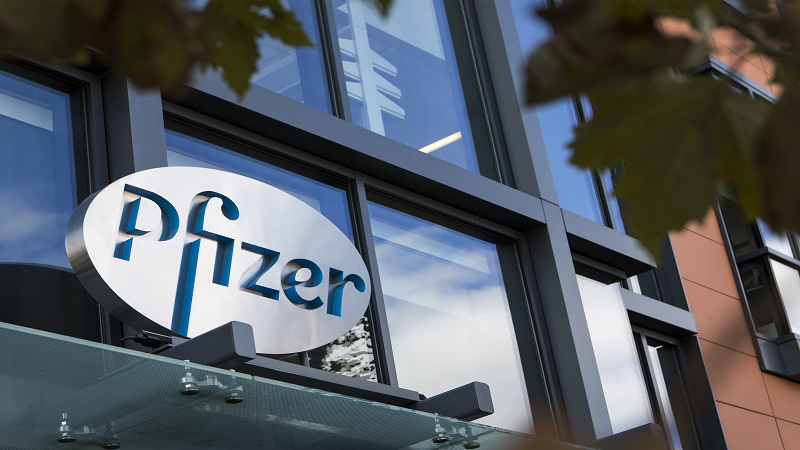
Pfizer has clinched a $10 billion deal to acquire Metsera, the U.S. biotech developer of experimental obesity drugs, marking the end of a heated bidding war with Novo Nordisk that captivated the pharmaceutical industry.

The acquisition gives Pfizer a much-needed entry into the booming obesity drug market, which analysts project could reach $150 billion by the next decade, dominated by Novo Nordisk and Eli Lilly.

Metsera’s board accepted Pfizer’s revised offer late Friday, citing “unacceptably high legal and regulatory risks” in Novo Nordisk’s rival proposal. The decision followed concerns from the U.S. Federal Trade Commission (FTC), which warned that Novo’s bid could violate antitrust laws, given its dominant position in the weight-loss drug market through its blockbuster GLP-1 treatments, Wegovy and Ozempic.

Novo Nordisk, in response, announced Saturday that it would not raise its offer, effectively ending the contest.

“Following a competitive process and after careful consideration, Novo Nordisk will not increase its offer to acquire Metsera,” the drugmaker said in a statement.

The Danish company said its previous bid had been its “maximum value” for Metsera, and it would continue to focus on expanding its own obesity pipeline and exploring future acquisitions “that further its strategic objectives.”

Pfizer, which will pay $86.25 per share — including a $20.65 per share contingent value right tied to Metsera’s drug milestones — described the deal as a key step in rebuilding its pipeline after recent setbacks. The company is under growing pressure to offset declining COVID-19 vaccine and antiviral sales, and its previous efforts to develop weight-loss drugs in-house faltered.

The win is a symbolic comeback for Pfizer, long viewed as lagging behind in the new generation of metabolic treatments.

“While this is a smaller deal, Pfizer must believe that Metsera’s pipeline is key for its future,” Reuters quoted John LaMattina, former head of research and development at Pfizer, as saying, likening the bidding battle to the company’s $90 billion takeover of Warner-Lambert in 2000 to secure Lipitor.

Metsera’s leading candidates — MET-097i, a GLP-1 injectable, and MET-233i, an amylin-mimicking drug — are still years away from commercialization but could together generate $5 billion in peak annual sales, according to Leerink Partners analyst David Risinger.

However, some analysts cited by Reuters have warned that Pfizer’s aggressive price tag assumes highly optimistic projections. Bernstein’s Courtney Breen said the company would need Metsera to generate roughly $11 billion in revenue by 2040, nearly double current expectations. She also cited growing skepticism about long-term GLP-1 pricing as competition expands, potentially eroding profit margins.

Still, Pfizer executives view the acquisition as a strategic bet on a market undergoing explosive growth.

“This transaction reflects Pfizer’s commitment to expanding its leadership in metabolic disease research,” the company said, adding that it expects to finalize the merger soon after Metsera’s November 13 shareholder meeting.

For Novo Nordisk, the loss stings but may not slow its momentum. The company remains a leader in the obesity space, though it has faced increasing supply constraints and regulatory scrutiny amid its rapid global expansion. Analysts say its failed pursuit of Metsera underscores the tightening antitrust environment for dominant drugmakers in the U.S.

Meanwhile, the competition for next-generation weight-loss treatments continues to intensify. Investors and analysts have described the Pfizer–Novo battle as a “Game of Thrones-level” struggle for control of the next wave of obesity science — a sign of just how high the stakes have become in one of the world’s most lucrative drug markets.

You Are the Product: The Real Audition in Early-Stage Fundraising

0

I just finished a class in Tekedia Mini-MBA, and the takeaway is simple but profound: the best time to audition to raise money is when you do not need money. Likewise, the best time to audition for a job is when there is no job advertised.

At that early stage, investors are not buying your product, they are investing in you. They study your “fingerprints”; your habits, your consistency, your discipline, to determine if you can multiply value. Because in venture investing, people give money to those they believe can grow it faster than they ever could.

So, Good People, if you are in that early stage, remember this: you are the product. And your job is to demonstrate to investors that their odds of financial success increase when they place their capital in your care. That is the real audition, and only those who radiate capacity, discipline, and vision make the cut.

Sat, Nov 8 | 7pm-8.30pm WAT | How To Raise Fund and Launch a Business – Ndubuisi Ekekwe | Zoom link

Join us at Tekedia Mini-MBA https://school.tekedia.com/course/mmba19/