DD
MM
YYYY

PAGES

DD
MM
YYYY

spot_img

PAGES

Home Blog Page 21

Aramco Q2 Profit Jumps 33%, Beating Expectations As Iran War Boosts Oil Prices

0

Saudi Aramco reported a sharp increase in second-quarter profit on Tuesday, beating analyst expectations as elevated oil prices and refining margins during the U.S.-Iran conflict offset lower sales volumes, and underscored the resilience of Saudi Arabia’s export infrastructure amid one of the biggest supply disruptions in oil market history.

The world’s largest oil producer posted adjusted net income of 125.2 billion Saudi riyals ($33.4 billion) for the three months ended June, a 33% increase from a year earlier and ahead of analysts’ expectations of $31.59 billion.

The strong earnings extend a wave of exceptional quarterly results across the global energy industry, with major producers benefiting from a surge in crude prices following more than five months of conflict between the United States and Iran that has disrupted energy flows across the Middle East.

East-West Pipeline Keeps Exports Flowing

A key factor behind Aramco’s performance was its ability to maintain exports despite repeated disruptions in the Strait of Hormuz, the world’s most important oil shipping corridor.

The company said it continued to rely on its 1,200-kilometer (746-mile) East-West Pipeline, which transports crude from Saudi Arabia’s eastern oil fields to export terminals on the Red Sea, allowing shipments to bypass the Strait of Hormuz.

The pipeline enabled Aramco to sustain exports at a maximum capacity of 7 million barrels per day, preserving supply to international customers even as attacks on commercial shipping and military tensions disrupted traffic through the Gulf.

“Despite the unprecedented supply disruption through the Strait of Hormuz, we continued to demonstrate our ability to maintain business continuity by capitalizing on our diverse asset base and multi-decade planning, including strategic infrastructure such as the East-West Pipeline, storage capacity, and export terminals,” President and CEO Amin H. Nasser said.

“That enabled us to sustain production and exports while advancing key projects, despite the challenging regional environment.”

Aramco said stronger crude oil, refined product and petrochemical prices were the primary drivers of revenue growth during the quarter. Those gains were partly offset by lower sales volumes of crude oil and refined products, reflecting production disruptions and tighter global supplies.

Elevated commodity prices have more than compensated major producers for lower output during the conflict, allowing profitability to improve even as physical exports remain below normal levels. Cash flow from operating activities reached $25.4 billion during the quarter, providing continued financial flexibility despite the volatile operating environment.

The company also reported its gearing ratio increased to 6.2% at the end of June from 4.8% three months earlier. Aramco’s board approved a second-quarter base dividend of $21.9 billion, cementing its position as one of the world’s largest dividend-paying companies.

Speaking during a conference call with analysts, Nasser warned that the conflict has created what he described as the largest supply disruption ever experienced by the global oil market. According to the chief executive, more than 2.6 billion barrels of oil originally destined for industries including agriculture, automotive manufacturing, semiconductors and chemicals have been removed from global supply chains since the conflict began.

He said Aramco’s pipeline network and strategic inventories have helped reduce the effective supply shortfall to roughly 1.8 billion barrels. Even if shipping through the Strait of Hormuz resumed immediately, Nasser estimated it would take approximately 18 months to replenish depleted global inventories at an average rate of 2.1 million barrels per day.

This suggests that the impact of the conflict could continue to influence oil markets well beyond any eventual ceasefire, with inventory rebuilding likely to support prices over an extended period.

Aramco’s results mirror strong earnings reported by other major oil companies, owing to the sustained increase in energy prices during the Middle East conflict.

In the United States, Exxon Mobil reported second-quarter profit of $14.5 billion, more than double the level recorded a year earlier.

Chevron posted earnings of $12 billion, nearly four times higher than the $2.5 billion earned in the corresponding period last year.

The exceptional profitability across the sector was spurred by higher benchmark crude prices, wider refining margins and elevated trading opportunities created by volatile energy markets.

Trump Criticizes Oil Industry Profits

The strong financial performance has drawn criticism from President Donald Trump, who accused U.S. oil producers of benefiting excessively from higher fuel prices.

“They’re making too much money based on a shortage,” Trump told reporters at the White House on Monday.

“I don’t like it.”

This reveals growing political sensitivity around energy prices, particularly as elevated gasoline costs continue to influence inflation and household spending. Trump has repeatedly called for lower fuel prices while simultaneously urging producers to maintain adequate supplies during the geopolitical crisis.

Moove Raises $250 Million at $2.1 Billion Valuation to Expand Autonomous Mobility Infrastructure

0

Mobility infrastructure company Moove has raised $250 million in a Series C funding round, achieving a valuation of $2.1 billion as it accelerates the next phase of its autonomous mobility ambitions.

The funding round was led by Mubadala and co-led by Woven by Toyota and Ion Pacific. The fresh capital will be used to expand Moove’s autonomous vehicle operations into new markets across the globe.

According to the company, the new funding will accelerate the growth of its autonomous vehicle business, including autonomous fleet ownership and the development of its robotics-first depot infrastructure known as “Nests.”

These facilities are designed to charge, service, maintain, and coordinate autonomous fleets for continuous operations. The investment will also support new international market launches.

Speaking on the funding round, Ladi Delano, Co-Founder, Co-CEO and Advisory Board Chairman of Moove, said,

“Every major technology revolution becomes an infrastructure race. The internet required data centres. AI required compute. Autonomy requires fleets, charging, maintenance, data systems and 24/7 operations in every city – and that is what Moove is building. In our view, as autonomy scales, infrastructure ownership and operations will define the category leaders. We are building to be one of them.”

Moove described the latest investment as the beginning of a new chapter in its mission to build the infrastructure powering the future of global autonomous mobility.

The funding marks another major milestone for the company, which has grown significantly since launching in Lagos with 76 vehicles in 2020. Today, Moove operates approximately 42,000 vehicles across 29 cities worldwide and employs about 3,300 people globally.

The company said that while autonomous driving technology continues to advance rapidly, building safe and reliable transportation networks at scale requires far more than self-driving software.

It involves developing the supporting infrastructure, including vehicle fleets, charging systems, maintenance facilities, purpose-built depots, and around-the-clock fleet operations. Moove said it is focused on building that infrastructure.

Through its partnership with Waymo, Moove has become one of the leading third-party autonomous fleet operators, with live operations in Phoenix and Miami, while future deployments are planned for London.

Founded in 2019 by Ladi Delano and Jide Odunsi, Moove launched operations in Lagos, Nigeria, before expanding globally. Unlike traditional auto lenders that rely on credit history, Moove uses a revenue-based financing model. It analyzes a driver’s earnings from ride-hailing or delivery platforms to determine eligibility for vehicle financing.

This enables drivers with little or no formal credit history to acquire vehicles and repay loans through a percentage of their weekly earnings.

Since its founding, the company has built the capital, fleet and operations platform required to deploy and manage productive human-driven ride-hail mobility assets at scale.

The company finances and owns mobility assets across global markets, powering the world’s leading platforms to scale efficiently and reliably.

Today, it employs 3,300 people globally and operates approximately 42,000 vehicles across 29 cities in 13 countries, making it one of the largest ride-hailing fleets in the world.

Notably, Moove has expanded through a combination of organic growth and strategic acquisitions, including Kovi in Brazil and Tokyo Taxi in Japan, and has grown to $420 million ARR. 

Through its autonomous mobility business, the company is extending the operating model it has built over the past five years for human-driven mobility into next-generation AV systems.

From its roots in Lagos, Moove has evolved from a vehicle financing startup into a global mobility infrastructure company, helping shape the future of both human-driven and autonomous transportation.

Toyota Raises Full-Year Profit Forecast on Weaker Yen, Announces ¥1tn Buyback Despite China and Middle East Headwinds

0

Toyota Motor Corporation raised its full-year operating profit forecast on Tuesday, citing a significantly weaker yen and lower-than-expected disruption from the Middle East conflict, while unveiling a ¥1 trillion ($6.3 billion) share buyback aimed at boosting shareholder returns.

The improved outlook underscores the powerful benefit Japan’s exporters derive from currency weakness, even as Toyota continues to grapple with deteriorating sales in China, conflict-related disruptions across the Middle East and production interruptions caused by last week’s earthquake in southern Japan.

Although management upgraded its earnings guidance, the automaker’s underlying operating performance remained under pressure, with first-quarter operating profit falling for a fifth consecutive quarter, highlighting the uneven operating environment facing the world’s largest carmaker.

Profit Outlook Lifted on Currency Gains

Toyota now expects operating profit of ¥3.4 trillion ($21.6 billion) for the financial year ending March 2027, representing a 13% increase from its previous forecast after revising its assumed exchange rate to ¥160 per U.S. dollar from ¥150.

A weaker domestic currency increases the value of overseas earnings when converted into yen, providing a significant earnings tailwind for Japanese manufacturers with extensive global operations.

Even after the upward revision, however, Toyota’s projected operating profit remains about 10% below last year’s level, reflecting persistent pressure from geopolitical disruptions, slowing demand in key markets and rising operating costs.

Following coordinated U.S.-Japan intervention in foreign exchange markets late last week, the yen strengthened modestly to around ¥157 per dollar, recovering from lows near ¥164 reached last month.

Quarterly Earnings Reveal Continued Operational Strain

Toyota reported a 9% decline in first-quarter operating profit, marking its fifth consecutive quarter of year-on-year earnings contraction and coming in slightly below market expectations.

The results show that favorable exchange rates continue to mask weakness in several core operating metrics.

Global vehicle sales declined 3.5% during the quarter, with the sharpest deterioration occurring in China and the Middle East.

The company also cautioned that its revised annual forecast does not incorporate the potential financial impact of the powerful earthquake that struck Japan’s Kyushu island last week, forcing temporary production suspensions at four domestic manufacturing plants.

The disruption introduces another layer of uncertainty for Toyota’s manufacturing operations as supply chains remain vulnerable to both natural disasters and geopolitical instability.

China Remains Toyota’s Biggest Challenge

China continues to represent Toyota’s most significant operational headwind. Sales in the world’s largest automobile market plunged 28% during the quarter as foreign manufacturers continue to lose ground to increasingly competitive domestic brands.

Chinese automakers, led by companies such as BYD, have steadily expanded market share by introducing technologically advanced electric and hybrid vehicles featuring intelligent driving systems, digital cockpits and aggressive pricing.

The shift has accelerated amid slower economic growth in China and changing consumer preferences toward locally developed electric vehicles.

Rising fuel prices following the Iran conflict have further strengthened demand for electrified vehicles, adding pressure on traditional internal combustion engine manufacturers.

For Toyota, whose strategy has historically emphasized hybrids over fully electric vehicles, intensifying competition in China remains one of its most difficult long-term challenges.

The ongoing Iran conflict also continued to affect Toyota’s business, particularly across the Middle East. Regional sales fell by approximately one-third during the quarter as conflict disrupted logistics, weakened consumer demand and increased supply-chain costs.

The automaker has responded by rerouting vehicle shipments away from the Strait of Hormuz, opting instead for overland transportation corridors to reduce exposure to maritime security risks. The logistical adjustments have allowed Toyota to reduce its estimate of vehicles affected by regional disruptions.

Beginning in September, the company expects approximately 25% of exports to the region to be impacted, compared with an earlier projection that 50% of shipments would be affected throughout the fiscal year.

Toyota also reduced its estimate of the financial impact from the Iran conflict to ¥510 billion from ¥670 billion.

Even after the revision, the projected earnings hit remains among the largest publicly disclosed by any multinational corporation linked to the conflict, reflecting higher raw material prices, elevated transportation costs, supplier support measures, delivery delays and weaker vehicle demand.

North America continues to provide relative stability for Toyota’s global operations. Vehicle sales in the United States, Toyota’s largest single market, increased 1% during the quarter.

However, the modest growth lagged major Detroit competitors including Ford Motor Company, General Motors and Stellantis, all of which have benefited from sustained demand for higher-margin pickup trucks and larger utility vehicles.

Shareholder Returns Disappoint Some Investors

Toyota announced plans to repurchase up to ¥1 trillion of its own shares, equivalent to approximately 4.22% of outstanding stock, while also cancelling 200 million shares.

The programme ranks among the company’s largest capital return initiatives but nevertheless fell short of investor expectations. Shares closed 1.5% lower after the announcement as some investors had anticipated a more aggressive buyback.

Macquarie analyst James Hong noted that Toyota holds approximately ¥15 trillion in net cash, while its shares continue trading below book value. Given that financial position, investors had expected larger capital distributions.

The reaction indicates that there is growing shareholder pressure on Japanese corporations to improve capital efficiency and deploy excess cash more aggressively through buybacks and dividends.

Toyota raised its annual vehicle sales target by 100,000 units to 9.7 million vehicles, citing resilient demand across North America and Europe.  The company also reaffirmed its strategy of expanding hybrid vehicle production, forecasting a 10% increase in hybrid sales to 5 million units this fiscal year.

To support that growth, Toyota plans to expand battery manufacturing capacity while gradually replacing nickel-metal hydride batteries with more advanced lithium-ion technology.

Management said the transition will improve vehicle performance while lowering battery costs by several tens of thousands of yen per vehicle, strengthening the competitiveness of its hybrid lineup at a time when consumers increasingly seek fuel-efficient alternatives without fully transitioning to battery-electric vehicles.

Looking ahead, Toyota’s upgraded guidance underpins management’s confidence that currency benefits, stronger North American demand and improved logistics can offset continuing geopolitical and market challenges.

However, the company’s earnings remain highly exposed to developments beyond its control, including the trajectory of the Iran conflict, recovery in Chinese consumer demand, fluctuations in foreign exchange markets and the operational impact of natural disasters in Japan.

Toyota has long relied on its diversified global manufacturing footprint, strong hybrid vehicle portfolio and disciplined cost management to navigate economic cycles. However, the global automotive industry is undergoing one of its most significant transformations in decades as electrification, software-defined vehicles and geopolitical fragmentation reshape competitive dynamics.

Lufthansa Warns Iran Conflict and Strikes Could Reduce 2026 Profit

0

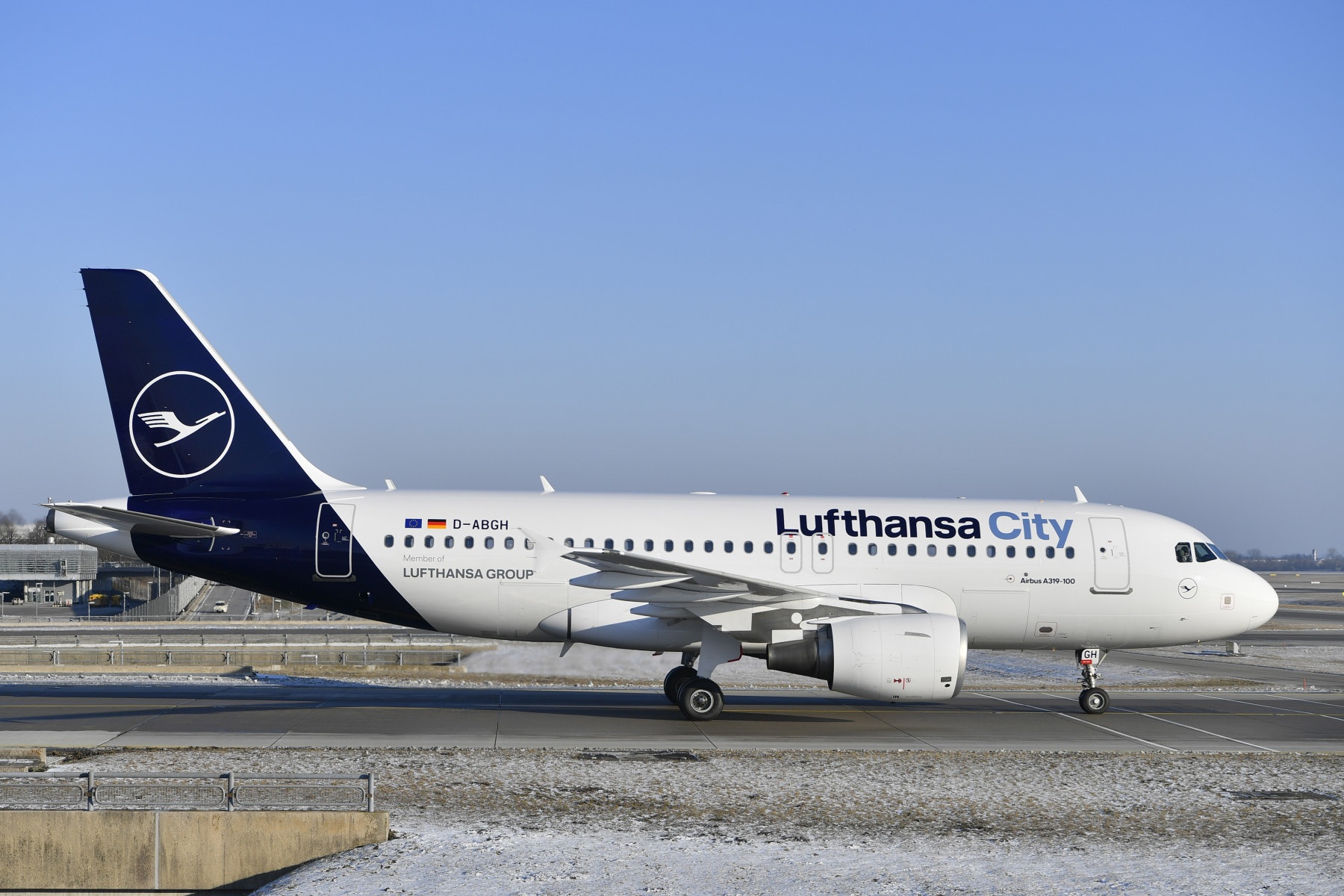
Germany’s flagship airline, Lufthansa, has warned that its financial performance could come under increasing pressure after the combined impact of the Iran conflict and widespread employee strikes significantly affected its second-quarter results.

The airline said geopolitical instability and labor disruptions have created a challenging operating environment, forcing management to adopt a more cautious outlook for the remainder of the year and into 2026.

While demand for international travel remains relatively resilient, higher operating costs and unexpected disruptions continue to test the aviation industry’s recovery.

The escalation of tensions involving Iran disrupted air travel across the Middle East, one of the world’s busiest aviation corridors. Airlines, including Lufthansa, were forced to reroute flights to avoid restricted airspace, resulting in longer flight times, increased fuel consumption, and higher operating expenses.

Some routes were temporarily suspended due to security concerns, reducing passenger capacity and limiting revenue opportunities. The conflict also affected customer confidence, with some travelers postponing or canceling trips to destinations perceived as risky.

Lufthansa faced internal challenges stemming from employee strikes. Industrial action involving pilots, cabin crew, and ground staff disrupted hundreds of flights, inconveniencing thousands of passengers.

Flight cancellations and delays not only reduced ticket revenue but also generated substantial compensation costs under European passenger rights regulations. In addition, the airline incurred higher staffing expenses as it sought to negotiate improved wages and working conditions with labor unions.

These combined pressures were reflected in Lufthansa’s second-quarter financial performance. Although passenger demand remained strong during the peak summer travel season, the airline reported that extraordinary costs linked to strikes and operational disruptions weighed heavily on profitability.

Rising fuel prices, inflationary pressures, and higher airport charges further squeezed margins, making it more difficult to convert strong passenger volumes into improved earnings.

Lufthansa’s management cautioned investors that these challenges may continue into 2026. If geopolitical tensions persist or labor disputes remain unresolved, the airline’s full-year profit could decline.

Executives emphasized that forecasting has become increasingly difficult because global events can rapidly alter travel demand, fuel costs, and operational efficiency. As a result, the company is adopting a more conservative financial outlook while continuing to monitor developments closely.

Despite these headwinds, Lufthansa continues investing in its long-term strategy. The airline is modernizing its fleet with more fuel-efficient aircraft designed to reduce emissions and operating costs. It is also expanding digital services to improve customer experience, optimize scheduling, and enhance operational resilience.

These investments are expected to strengthen the airline’s competitiveness over time, even if short-term profitability remains under pressure. The broader aviation industry faces similar challenges.

Airlines across Europe and beyond are navigating geopolitical uncertainty, supply chain constraints, aircraft delivery delays, and rising labor costs. International travel demand has largely recovered following the pandemic, airlines remain vulnerable to external shocks that can quickly disrupt operations and increase expenses.

Lufthansa believes the long-term fundamentals of air travel remain positive. Growing demand for business and leisure travel continues to support the industry’s outlook, particularly on transatlantic and Asian routes.

However, the airline acknowledges that sustainable profitability will depend on successfully managing geopolitical risks, maintaining constructive labor relations, and controlling operating costs.

Lufthansa’s latest warning serves as a reminder that even as global aviation recovers, airlines must remain prepared for unpredictable events. Balancing growth opportunities with operational resilience will be critical as the company works to navigate a complex global environment.

Ethereum Staking Momentum Accelerates as Institutional and Whale Investors Lock Up More ETH

0

Ethereum staking continues to gain momentum as institutional investors and large crypto holders show little sign of slowing their commitment to the network.

Despite ongoing market volatility, recent on-chain data suggests that confidence in Ethereum’s long-term value proposition remains strong, with hundreds of millions of dollars’ worth of ETH being moved into staking rather than prepared for sale.

According to blockchain analytics platform Lookonchain, Tom Lee-backed Bitmine has significantly expanded its staking position by depositing an additional 150,120 ETH, valued at approximately $278 million.

This latest allocation brings the company’s total Ethereum holdings to around 5.07 million ETH, worth roughly $9.38 billion at current market prices. About 87.4% of Bitmine’s entire Ethereum treasury is now staked, highlighting a strategy centered on long-term participation in the network rather than short-term trading.

The scale of Bitmine’s commitment reflects growing institutional confidence in Ethereum’s proof-of-stake ecosystem. By staking such a large percentage of its holdings, the firm is earning validator rewards while simultaneously contributing to the security and decentralization of the blockchain.

This approach also signals that the company expects Ethereum to remain a foundational layer for decentralized finance, tokenization, and broader blockchain adoption in the years ahead.

Institutional participation has become one of the defining trends in Ethereum’s evolution since the network transitioned from proof-of-work to proof-of-stake.

Staking allows investors to generate yield on dormant assets while supporting network operations, making Ethereum increasingly attractive to corporations, investment firms, and treasury managers seeking long-term exposure to digital assets.

Bitmine is not the only major participant increasing its stake. Another prominent Ethereum whale, identified by the wallet address 0x2e80, recently withdrew an additional 19,000 ETH, valued at approximately $35.44 million, from the Gemini exchange before immediately staking the assets.

This transaction follows a broader accumulation strategy in which the same wallet has withdrawn roughly 112,000 ETH, worth around $208 million, from Gemini over the past three weeks. Large exchange withdrawals are often interpreted as a bullish signal because they reduce the amount of ETH readily available for sale on trading platforms.

When those withdrawn coins are subsequently staked, they become even less liquid, effectively reducing circulating supply while generating staking rewards. This dynamic can strengthen Ethereum’s supply-demand balance, particularly during periods of increasing investor interest.

The growing amount of staked ETH reflects confidence in Ethereum’s economic model. Validators receive rewards for securing the network, providing an incentive for long-term holding rather than speculative selling. As more ETH becomes locked in staking contracts, the liquid supply available on exchanges decreases, potentially amplifying price movements if demand continues to rise.

Beyond its impact on market dynamics, staking reinforces Ethereum’s position as the leading smart contract platform. The network continues to serve as the foundation for decentralized finance applications, tokenized real-world assets, stablecoins, and an expanding ecosystem of blockchain-based services.

Institutional investors increasingly view ETH not only as a digital asset but also as productive capital capable of generating recurring returns.

With billions of dollars now committed to staking and major holders continuing to lock away substantial amounts of ETH, Ethereum’s validator ecosystem appears stronger than ever.

If institutional accumulation and whale staking continue at the current pace, the network could experience further reductions in liquid supply while reinforcing investor confidence in Ethereum’s long-term growth and security.