

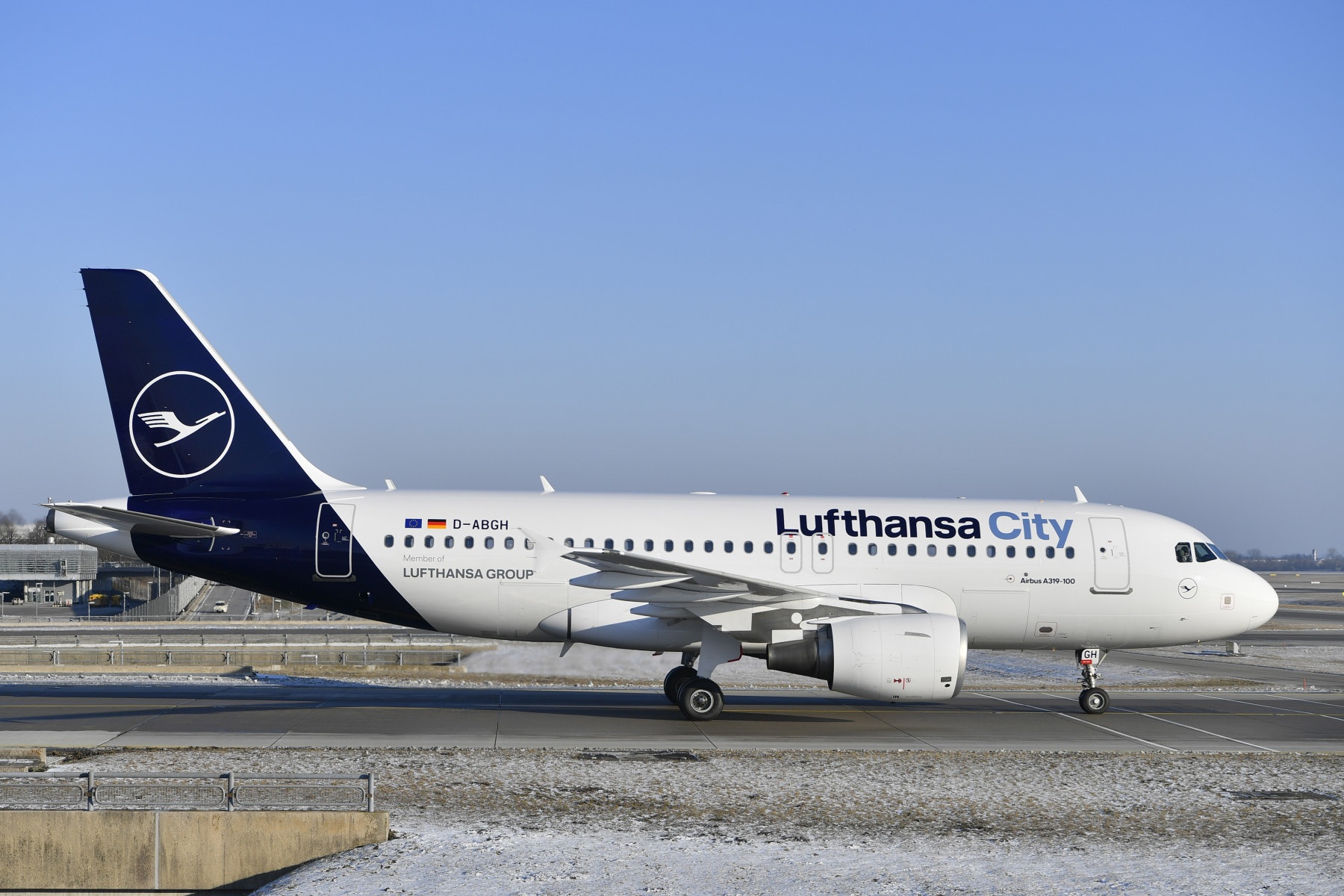
Germany’s flagship airline, Lufthansa, has warned that its financial performance could come under increasing pressure after the combined impact of the Iran conflict and widespread employee strikes significantly affected its second-quarter results.
The airline said geopolitical instability and labor disruptions have created a challenging operating environment, forcing management to adopt a more cautious outlook for the remainder of the year and into 2026.
While demand for international travel remains relatively resilient, higher operating costs and unexpected disruptions continue to test the aviation industry’s recovery.
The escalation of tensions involving Iran disrupted air travel across the Middle East, one of the world’s busiest aviation corridors. Airlines, including Lufthansa, were forced to reroute flights to avoid restricted airspace, resulting in longer flight times, increased fuel consumption, and higher operating expenses.
Register for the next Tekedia Mini-MBA.
Register for Tekedia AI in Business Masterclass.
Join Tekedia Capital Syndicate and co-invest in great global startups.
Some routes were temporarily suspended due to security concerns, reducing passenger capacity and limiting revenue opportunities. The conflict also affected customer confidence, with some travelers postponing or canceling trips to destinations perceived as risky.
Lufthansa faced internal challenges stemming from employee strikes. Industrial action involving pilots, cabin crew, and ground staff disrupted hundreds of flights, inconveniencing thousands of passengers.
Flight cancellations and delays not only reduced ticket revenue but also generated substantial compensation costs under European passenger rights regulations. In addition, the airline incurred higher staffing expenses as it sought to negotiate improved wages and working conditions with labor unions.

These combined pressures were reflected in Lufthansa’s second-quarter financial performance. Although passenger demand remained strong during the peak summer travel season, the airline reported that extraordinary costs linked to strikes and operational disruptions weighed heavily on profitability.
Rising fuel prices, inflationary pressures, and higher airport charges further squeezed margins, making it more difficult to convert strong passenger volumes into improved earnings.
Lufthansa’s management cautioned investors that these challenges may continue into 2026. If geopolitical tensions persist or labor disputes remain unresolved, the airline’s full-year profit could decline.
Executives emphasized that forecasting has become increasingly difficult because global events can rapidly alter travel demand, fuel costs, and operational efficiency. As a result, the company is adopting a more conservative financial outlook while continuing to monitor developments closely.

Despite these headwinds, Lufthansa continues investing in its long-term strategy. The airline is modernizing its fleet with more fuel-efficient aircraft designed to reduce emissions and operating costs. It is also expanding digital services to improve customer experience, optimize scheduling, and enhance operational resilience.
These investments are expected to strengthen the airline’s competitiveness over time, even if short-term profitability remains under pressure. The broader aviation industry faces similar challenges.
Airlines across Europe and beyond are navigating geopolitical uncertainty, supply chain constraints, aircraft delivery delays, and rising labor costs. International travel demand has largely recovered following the pandemic, airlines remain vulnerable to external shocks that can quickly disrupt operations and increase expenses.
Lufthansa believes the long-term fundamentals of air travel remain positive. Growing demand for business and leisure travel continues to support the industry’s outlook, particularly on transatlantic and Asian routes.
However, the airline acknowledges that sustainable profitability will depend on successfully managing geopolitical risks, maintaining constructive labor relations, and controlling operating costs.
Lufthansa’s latest warning serves as a reminder that even as global aviation recovers, airlines must remain prepared for unpredictable events. Balancing growth opportunities with operational resilience will be critical as the company works to navigate a complex global environment.