DD
MM
YYYY

PAGES

DD
MM
YYYY

spot_img

PAGES

Home Blog Page 213

The Best Smartphones for Gaming in 2025

0

Mobile gaming has evolved dramatically, with smartphones now offering console-level performance, high refresh rate displays, and advanced cooling systems. Whether you’re into fast-paced shooters, immersive RPGs, or casual online slots gaming, there’s a device tailored to your needs. Here’s a look at the best gaming smartphones of 2025, including one optimized for slot gaming.

  1. ASUS ROG Phone 9 – The Ultimate Gaming Machine

The ASUS ROG Phone 9 is widely regarded as the best gaming smartphone of 2025. Powered by the Snapdragon 8 Elite processor, it delivers unmatched performance for demanding games.

Key Features:

  • 6.78-inch AMOLED display with a 165Hz refresh rate for ultra-smooth gameplay.
  • 6000mAh battery with 80W fast charging, ensuring long gaming sessions.
  • AirTriggers 5.0, providing console-like control for FPS and action games.
  • Advanced cooling system to prevent overheating during extended play.

For gamers who want the best experience, the ROG Phone 9 is a powerhouse that handles everything from competitive shooters to open-world adventures.

  1. RedMagic 10 Pro – Affordable Gaming Power

The RedMagic 10 Pro is a fantastic choice for gamers who want high performance at a reasonable price.

Key Features:

  • Snapdragon 8 Elite processor for smooth gameplay.
  • 6.85-inch AMOLED display with 144Hz refresh rate.
  • Built-in turbofan and liquid cooling system to prevent overheating.
  • Shoulder triggers for enhanced control in action-packed games.

With its efficient cooling system and powerful specs, the RedMagic 10 Pro is perfect for gamers looking for a budget-friendly option.

  1. Samsung Galaxy S25 Ultra – Premium Gaming & Everyday Use

For those who want a flagship phone that excels in gaming and daily tasks, the Samsung Galaxy S25 Ultra is a top contender.

Key Features:

  • Snapdragon 8 Elite processor with 16GB RAM.
  • 6.9-inch Dynamic AMOLED display with 120Hz refresh rate.
  • AI-powered Game Booster mode for optimized gaming performance.
  • 6000mAh battery with 65W fast charging.

While not a dedicated gaming phone, the Galaxy S25 Ultra delivers excellent performance for mobile gaming while maintaining premium features for everyday use.

  1. Apple iPhone 16 Pro Max – The iOS Gaming Beast

Apple’s iPhone 16 Pro Max is the best choice for iOS gamers, offering Apple Arcade and top-tier performance.

Key Features:

  • A18 Bionic chip for lightning-fast gaming.
  • 6.7-inch Super Retina XDR display with 120Hz ProMotion.
  • Ray tracing support for enhanced graphics.
  • Optimized for Apple Arcade and App Store exclusives.

For gamers who prefer iOS, the iPhone 16 Pro Max provides a seamless and powerful gaming experience.

  1. Samsung Galaxy A16 5G – Ideal for Slot Gaming

For players who enjoy slot gaming, the Samsung Galaxy A16 5G is a great option.

Key Features:

  • 6.5-inch Full-HD display for vibrant visuals.
  • 50MP primary camera and 13MP selfie camera.
  • 128GB storage with Micro SDXC support.
  • Affordable price with solid gaming performance.

With its smooth display and reliable performance, the Galaxy A16 5G is perfect for casual gaming, including slot games.

Conclusion

Gaming smartphones in 2025 offer incredible performance, catering to different gaming styles. Whether you need the ASUS ROG Phone 9 for high-end gaming, the RedMagic 10 Pro for affordability, or the Samsung Galaxy A16 5G for slot gaming, there’s a perfect device for every gamer.

Ad Maker That Gives You Precise Control Over Text Styles

0

Advertising text is not mere communication, it is graphic design. Each font, size, and alignment option determines the perception that people have about your message. The ad maker by Pippit allows you complete control over typography in video advertisements. You will be able to make common words bold or slightly accentuated and enhance your narrations. Accurate text styling characterizes ad impact and provides a professional appearance that resonates with the audiences.

The Role of Text in Ads

The narrative of any ad is provided by text. A powerful title on a video catches the eye in a few seconds. Making bold overlays will allow you to emphasize important points without losing sight of images. Minimal captions will provide a sense of clarity and make your ad reach everyone. The role of each text element is distinct and helps to direct the audience experience. Every word counts with a good styling.

Pippit Text Style Customization Tools

Pippit also provides you with the means to mold text precisely to your liking. You are able to change font type, font size and alignment to suit your message. When you select colors or gradients that contrast video backgrounds, readability becomes simple. When there are rules in the typography of your brand, you can align text styles with guidelines. This will make every advertisement look uniform, professional, and in line with your brand.

Advanced Text Features in Pippit

In addition to the fundamental styling, Pippit allows you to access advanced capabilities. You may include animated text effects that ensure the audience is entertained. Video elements added to text provide a three-dimensional effect and visual richness. The customization of scene-by-scene captions allows achieving a variety of tones or emphasizing something new in each part. Tools this flexible allow you to go as far as creativity and keep your ads concise and effective.

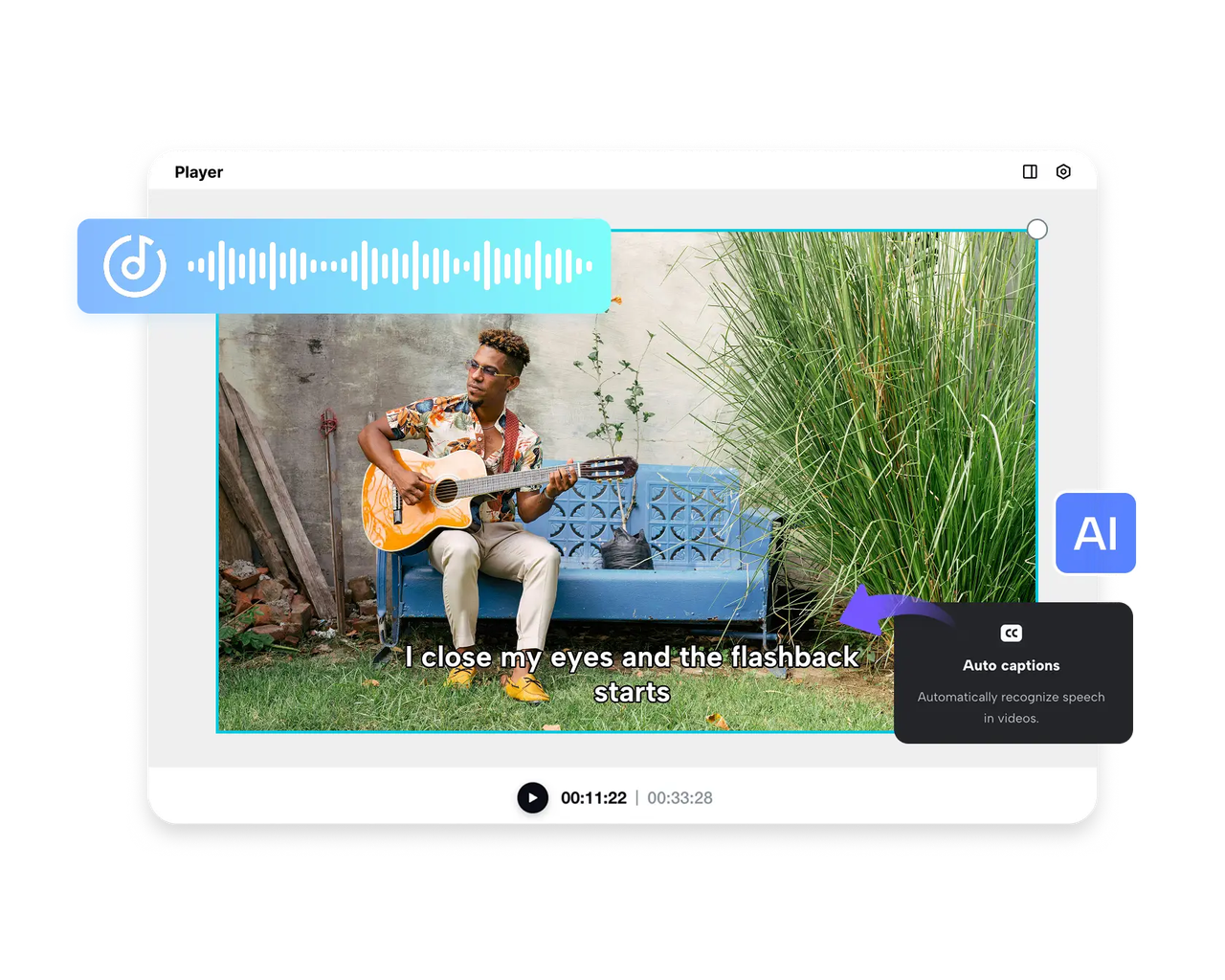
Surprisingly, text styling also works well with other creative tools of Pippit. To take an example, whereas an AI lyrics generator can generate captions to be synced with the music in a music-based advertisement, Pippit makes sure that the captions are styled appropriately. This relationship demonstrates that typography is not only about words, but also about rhythm, motion and interaction.

Steps to Use Ad Maker That Gives You Precise Control Over Text Styles

Step 1: Create your starting concept

Login to Pippit and go to the “Video generator” tab. Enter your text prompt for the ad you want. Add reference media by using the “Add media” tab. Upload files from local device, phone, Dropbox, or insert a link. Without media, you can select assets. When set, press “Generate”.

Step 2: See AI shape your draft ads

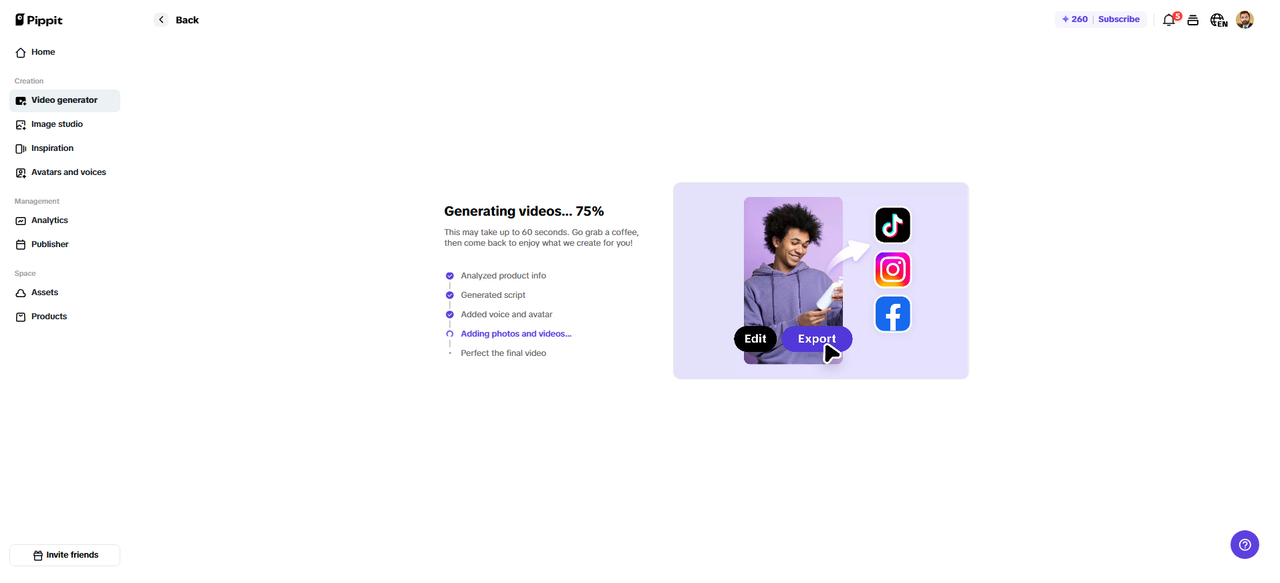
The AI video generator operates promptly to edit with a fluent rhythm and improvements.

It involves avatars, captions, lyrics, photos/videos and voice. You’ll receive 4 to 5 drafts. Choose the one you like and edit more to polish it in the full access of the Pippit editor.

Step 3: Control your text styles completely

You can manually edit captions, add or replace text, and adjust alignment, size, and color. You also get to customize filters, effects, and background music. Background removal is available too. Once everything looks perfect, press the “Export” tab. With “Publish” you can push your ad to TikTok, Instagram, or Facebook. Or click “Download” for custom format, resolution, frame rate, quality, and name.

Why Precision in Text Style Matters

There is a practical benefit in typography accuracy. Using the same text styles in campaigns makes your brand more familiar. Messages are understandable with clear fonts and considerate color selections. Each aspect that you can control enhances the strength of your brand, producing professional and memorable ads. Text accuracy in the current competitive market is not a luxury, it is the core of brand clarity.

Other editing options are also important at this stage. Pippit enables you to crop video as you change the position of texts. This makes sure that your styled words do not intersect with important visuals. Framing and typography together makes you get a clean composition that you will find balanced and effective.

Pippit’s Advantage Over Traditional Tools

Conventional editing software can require a high level of professional design skills. You can take hours to font adjust, size text boxes, or color alignments. Pippit resolves this with automation and complete customization. You have access to fashionable presets, but you are also allowed to customize each detail to your liking. This flexibility will allow you to create professional-level ads without the need to have advanced editing knowledge. The platform renders design accessible without taking away creative freedom.

The other advantage is efficiency. You edit, typography, and render all in the same place as opposed to moving in and out of several applications. You minimise the waste of time and energy by going straight to the point of creating ads that connect. The outcome is an expedited production, clean design and campaigns that appear similar across platforms.

Conclusion

The hidden gun of modern advertisement is typography. All of the words that have been embellished are able to uplift the images and add more to the storytelling. Pippit lets you modify the text to appear just as you want it to be, so every advertisement appears to be clean and professional. The fonts, colors, animations, and placements are all combined in order to build effective relationships with the audiences. Your message cannot be ignored when it is not only talking, but it is also visible. It is time to use the tools of Pippit and make typography the brand of your video ads.

How Nvidia’s AI Boom Is Rewiring the Energy Landscape

0

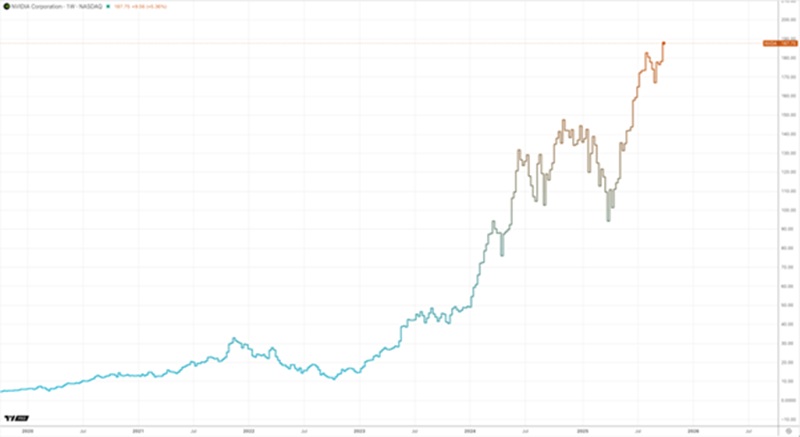
Nvidia is once again driving the American stock market. The chipmaker’s securities have reached a historic high this week, and the company’s capitalization has exceeded $4.5 trillion. The 49% increase since the beginning of the year reflects not only the steady demand for accelerators, but also the avalanche of new deals that increasingly link Nvidia with OpenAI. Investors are also focused on the giant Stargate project – a consortium of data centers worth hundreds of billions of dollars, where the infrastructure will be built on Nvidia GPUs.

According to Jensen Huang, Nvidia products account for about 70% of the cost of new AI data centers. This indicator makes the company an infrastructure monopolist in the new technological cycle. Add to that CoreWeave’s $14.2 billion cloud service deal with Meta and announcements from Google and Microsoft, and it’s clear why Nvidia continues to almost single-handedly lift market indexes and boost ES futures.

OpenAI also remains at the forefront of the AI market, but its business model is yet to achieve financial stability. In the first half of the year, the startup earned $4.3 billion, with operating expenses of $2.5 billion and additional $6.7 billion invested in R&D. By the end of 2025, OpenAI projects $13 billion in revenue and $8.5 billion in expenses, which confirms the company’s ability to maintain a high pace of development, although the long-term return on investment remains uncertain.

The key factor remains the Nvidia deal. Formally, the company announced a $100 billion partnership, but a significant portion of these funds will flow back to Nvidia through rental payments for its accelerators. In fact, OpenAI is becoming not only Nvidia’s largest customer, but also a catalyst for its further market growth. Every new dollar OpenAI or Meta invests in development directly translates into higher demand for Nvidia accelerators.

But accelerators require energy – creating not only new risks but also significant opportunities. It is expected that the increase in electricity consumption by AI centers will lead to a boom in investments in the US nuclear energy industry of approximately $350 billion by 2050. The total capacity of nuclear power plants can grow by 63%, mainly due to small modular reactors (SMRs).

However, there are several limitations to consider here, such as the high cost of construction, the shortage of personnel, and the lack of commercial SMRs in the next ten years. Capacity growth will be limited until 2035, potentially creating an imbalance between the pace of data center construction and available generation. The US authorities have already slowed down the closure of coal-fired power plants in order to maintain the demand for AI data centers.

The existing Nvidia-OpenAI-energy partnership outlines a new framework for global growth. For the US stock market this means a continuation of the AI rally, with Nvidia leading the way – as reflected in the heatmap, where it holds the top spot by market capitalization. But at the same time, the load on the energy infrastructure is growing, which means that nuclear companies and suppliers of generation equipment will gradually take a stronger role.

The current cycle is not only a race of chips, but also a race of resources, capital, energy, and infrastructure. Nvidia is winning here and now, OpenAI is still building scale without guaranteed payback, and the US nuclear industry is getting a chance to be reborn after decades of stagnation. Together, this triad will shape market dynamics for the upcoming years.

Uber Posts Record Trip Volume and Strong Q3 growth, But Shares Slip on Investor Caution

0

Uber Technologies Inc. posted a robust third-quarter performance, reporting its strongest growth since late 2023 and the largest trip volume increase in its history outside the post-COVID rebound, but shares fell about 4% in premarket trading as investors weighed the company’s heavy reliance on one-off accounting gains for its headline profit.

The San Francisco-based ridesharing giant reported revenue of $13.47 billion, beating the $13.28 billion expected by LSEG analysts. Earnings per share came in at $3.11, although it was not immediately clear if that figure was directly comparable to the 68 cents expected by Wall Street.

Revenue rose 20% year-on-year from $11.2 billion, driven by growth across both the mobility and delivery segments. Gross bookings climbed 21% to $49.74 billion, surpassing StreetAccount’s estimate of $48.95 billion.

Uber’s net income nearly tripled to $6.6 billion, compared with $2.6 billion in the same quarter last year. However, a large portion of that profit came from a $4.9 billion tax valuation benefit and a $1.5 billion gain from reevaluations of equity investments. Excluding those one-time items, adjusted EBITDA rose 33% to $2.26 billion, roughly in line with expectations.

“This was our strongest growth since the end of 2023,” CEO Dara Khosrowshahi said in prepared remarks, adding that Uber’s focus on “innovation and affordability” had driven record trip volume and solid gross bookings across both rides and deliveries.

Record Trips and Expanding User Base

The company reported 3.5 billion trips for the quarter, a 22% increase from a year earlier, and said monthly active platform consumers rose 17% to 189 million. The growth reflects Uber’s continued global expansion and consumer shift toward on-demand mobility services despite broader economic uncertainty.

Khosrowshahi told CNBC’s Squawk Box that the company is operating with “blue skies ahead,” though he acknowledged that Uber is keeping an eye on potential headwinds from global economic volatility.

“At this point, the business continues to hit on all cylinders,” he said.

Segment Breakdown

Uber’s mobility segment — its core ride-hailing business — saw gross bookings of $25.11 billion, up 20% from the previous year. Mobility revenue rose to $7.68 billion, slightly above StreetAccount’s forecast of $7.63 billion.

The delivery segment, which includes Uber Eats, posted $23.32 billion in gross bookings, up 25% year over year. Delivery revenue reached $4.48 billion, beating the $4.31 billion projected by analysts.

The company also highlighted strong growth in Uber for Business, its enterprise logistics arm, and in its advertising business, which now reaches millions of users across its app ecosystem.

AI Partnerships and Innovation Push

Khosrowshahi emphasized Uber’s growing use of artificial intelligence to streamline logistics, improve driver dispatching, and enhance customer experiences. He confirmed that the company is collaborating with OpenAI and other large language model developers to build new tools that can optimize operations for drivers and couriers.

He suggested that AI-driven efficiencies will be a key driver of future growth alongside strategic acquisitions and internal innovations.

For the fourth quarter, Uber forecast gross bookings between $52.25 billion and $53.75 billion, ahead of the $52.10 billion expected by analysts. Adjusted EBITDA is projected to range between $2.41 billion and $2.51 billion, compared with StreetAccount’s $2.47 billion consensus.

Despite the upbeat outlook and record performance, investor reaction was muted, with shares down before the bell. Analysts said the pullback likely reflects concerns over the sustainability of Uber’s earnings given the significant one-time gains in the quarter, as well as the broader tech market’s caution amid rising interest rates.

Even so, Uber’s solid operational performance, marked by record bookings, expanding consumer engagement, and a growing AI footprint, suggests the company is well-positioned to sustain momentum into 2025.

Amazon Launches Fastnet, First 320TB Per Second Wholly-Owned Subsea Cable Project, To Boost AI And Cloud Network

0

Amazon has announced plans to build its first wholly-owned subsea fiber-optic cable, a project named Fastnet, connecting Maryland’s Eastern Shore in the United States to County Cork, Ireland.

The landmark initiative marks a major milestone for the company as it continues to diversify beyond its traditional e-commerce roots and deepen its foothold in artificial intelligence and cloud computing — sectors that are rapidly transforming the global economy.

The project, which is expected to become operational by 2028, underscores Amazon’s growing ambition to control the physical infrastructure underpinning its vast data network. Subsea fiber-optic cables are responsible for carrying more than 95% of global internet traffic, including financial transactions, cloud data, streaming, and international communications. They form the invisible foundation of the modern digital world — and increasingly, of the AI revolution.

Amazon Web Services (AWS) Vice President of Core Networking, Matt Rehder, told CNBC that subsea systems are “essential for AWS and for any connectivity internationally across oceans.” He explained that without these cables, companies would have to rely on satellite links, which “can work, but satellite has higher latency, higher costs, and you just can’t get enough capacity or throughput to what our customers and the internet in general need.”

Fastnet will deliver over 320 terabits per second of capacity — the equivalent of streaming 12.5 million HD movies at once — and will play a crucial role in supporting the explosive demand for AI and cloud computing infrastructure. The system will bolster Amazon’s transatlantic connectivity, strengthen network resilience, and reduce latency for AWS users in North America and Europe.

Amazon’s AI Infrastructure Push

The new project comes as Amazon pivots aggressively toward AI, building the backbone needed to sustain its rapidly expanding cloud and machine learning operations. The company has just finalized a $38 billion cloud computing deal with OpenAI, the maker of ChatGPT, which will see OpenAI migrate large portions of its model training and deployment workloads to AWS infrastructure.

The deal marks one of the largest corporate cloud partnerships in history, and highlights Amazon’s ambition to dominate the infrastructure layer of the AI economy — the high-performance computing, storage, and networking capacity that makes advanced AI models possible.

Amazon’s AI ambitions have also led to massive investments in data centers, semiconductors, and energy-intensive facilities across the globe. The company is currently building and leasing new data center complexes in North America, Europe, and Asia, while advancing its in-house chip technology, such as the Trainium and Inferentia processors, to power AI workloads more efficiently.

Fastnet is seen as a critical addition to this infrastructure ecosystem. By owning the subsea route connecting the U.S. and Europe — two of its largest markets — Amazon will gain a competitive edge in terms of speed, cost-efficiency, and security, especially as generative AI applications drive exponential increases in data transfer volumes.

A Shift Beyond E-commerce

The subsea project also underpins Amazon’s ongoing transformation from a retail company to a global technology conglomerate. While e-commerce remains its foundation, Amazon’s fastest-growing revenue engine today is AWS, which provides cloud services to corporations, governments, and startups worldwide.

AI represents a new frontier for Amazon, and one that demands colossal computing and networking capacity. Amazon has previously invested in several undersea cable systems — including JAKO, Bifrost, and Havfrue — but always as part of a consortium with other tech firms. Fastnet marks the first time Amazon is undertaking such a project independently, signaling its desire to control its data pipeline end-to-end, without depending on third-party infrastructure.

Fastnet joins a growing list of private transoceanic cable projects by major technology companies racing to expand AI connectivity. Google operates several of its own systems — including Dunant, Grace Hopper, and Equiano — while Meta and Microsoft have funded new routes between the U.S., Europe, and Africa.

These cables have become strategic assets as AI reshapes the internet economy. The need to train ever-larger models, transmit petabytes of data, and power real-time applications such as virtual assistants and autonomous systems has created unprecedented demand for bandwidth and ultra-low latency.

Amazon’s Fastnet initiative has been described as a defining move in the new AI arms race — a physical manifestation of the competition for data dominance. By 2028, the company’s subsea system is expected to form part of a global network interlinking data centers that host not just retail, but the world’s most powerful AI models.