Memetrix Activation Sends Investors Into Overdrive
This early stage crypto project has emerged as one of the most exciting crypto presales currently gaining massive traction in the space.
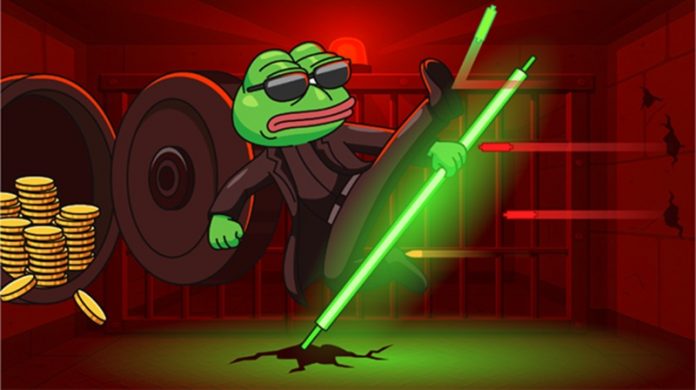
Neo Pepe ($NEOP) is erupting onto the crypto scene with energy that has investors scrambling for presale access. It stands at the forefront of crypto presale trends, offering more than hype. It’s backed by clear tokenomic engineering, advanced DAO integration, and transparent, immutable DeFi mechanics. Built atop Ethereum and themed around the narrative-laced “Memetrix”—a conceptual digital battleground for decentralization—Neo Pepe fuses deep community ethos with ironclad financial architecture. Analysts tracking market behavior are now openly suggesting that $NEOP may10x in value before its presale concludes.
With its presale launching at $0.05 and climbing toward $0.16 through 16 meticulously priced stages, this best memecoin presale offers one of the most calculated and structured price ladders in memecoin history. Urgency is baked directly into the model—an escalating structure that simultaneously incentivizes early adoption and drives token scarcity. At the same time, foundational mechanisms like auto-liquidity injection and hourly unlocks prevent the boom-and-bust patterns that have plagued other memecoins.
Smart Mechanics Reward First Movers Fast
The Neo Pepe tokenomics are another area where it triumphs. Designed for long-term viability and early-stage reward, the breakdown ensures clarity and intention across all allocations
| Allocation |
Percentage |
Purpose |
| Presale |
45% |
Fair launch with staged pricing |
| Marketing |
25% |
Global outreach, partnerships |
| Development |
10% |
Ecosystem upgrades, maintenance |
| Liquidity |
10% |
DEX liquidity and incentives |
| Ecosystem |
5% |
Community initiatives, grants |
| Giveaways |
5% |
Promotional events and airdrops |
Each stage of the presale has a limited token cap, ensuring rising scarcity as time progresses. Once a stage sells out, the next tier price is immediately active. This model turns every token acquisition into a high growth crypto opportunity with embedded FOMO mechanics.
The tokenomics also speak to the ethos of long-term engagement. By rewarding both early contributors and future developers, the design acknowledges the full life cycle of a token—from hype to utility to maturation.
Smartest Presale Setup Investors Have Ever Seen
Neo Pepe distinguishes itself from countless memecoins by building investor trust from day one. Unlike hastily-launched meme projects with anonymous founders and vague tokenomics, Neo Pepe is transparent and verifiable:
- Immutable Smart Contracts: Developed using OpenZeppelin standards, these contracts cannot be altered or revoked.
- Hourly Token Unlocks: Instead of cliff-vesting or single massive drops, token releases occur hourly post-launch, offering measured entry and reducing market dumps.
- LP Token Burns: With every buy and sell, 2.5% of the transaction value is used for liquidity and the LP tokens are immediately burned, making the liquidity permanent and unrecoverable.
The burn mechanism in particular represents a bold design philosophy. By reducing circulating supply over time, Neo Pepe effectively combats inflationary pressures common to meme-based assets. This strategy elevates the project above temporary hype cycles and fosters long-term investor confidence. Together, these elements make Neo Pepe a premium crypto launch project that institutional analysts and grassroots investors alike are paying close attention to.
$NEOP Governance Isn’t Theory—It’s Total Control
At the heart of Neo Pepe lies its decentralized autonomous organization (DAO), which is not just a placeholder—it’s functional, transparent, and powerful. Unlike memecoins that claim community involvement with no actual governance infrastructure, Neo Pepe uses a full on-chain system to enforce participation.
- Governor Contract: The primary DAO contract through which all proposals and votes are executed.
- TimelockController: Ensures a 48-hour delay post-vote approval before execution, giving time for deliberation and protection against rash decisions.
- Gnosis Safe + Zodiac Integration: Used to connect the treasury with the DAO while enforcing strict multisig security.
All community members with at least 1 million $NEOP (a threshold designed to balance participation with commitment) can propose governance changes. Token holders control listings, treasury allocations, burns, marketing partnerships, and future strategic pivots. This creates a crypto investment star built not by central developers but by its own users.
The transparency of this system is enhanced by public dashboards that allow anyone to view proposals, voting results, and the current status of the treasury. This level of openness is rare, and it places Neo Pepe among the few crypto assets where governance is both accessible and consequential.

Why No Other Token Stands a Chance
Neo Pepe’s dominance isn’t just theory—it’s evident in the metrics, structure, and comparisons with other trending presales. Competitors like Catslap (SLAP), Bitcoin Bull (BTCBULL), and Solaxy (SOLX) offer hype-driven opportunities, but Neo Pepe surpasses them in real utility and investor protection.
| Feature |
Neo Pepe |
SLAP |
BTCBULL |
SOLX |
| Token Unlocking |
Hourly, post-launch |
Instant |
Vesting-based |
Flat |
| Governance |
True DAO |
Centralized |
Minimal |
Limited |
| Auto-Liquidity |
2.5% Burned |
None |
Partial |
Locked |
| Exchange Listing Power |
Community-Decided |
Founder-Decided |
Founder-Decided |
Founder-Decided |
| Smart Contract Audits |
OpenZeppelin-Based |
None |
Unverified |
Partial |
Neo Pepe’s smart architecture has pushed it far ahead on all key performance indicators. Communities tracking crypto presale trends see it not just as a meme token—but as a decentralized movement.
No Wallet? No Problem—Multi-Chain Payments Live
Neo Pepe is fully ERC-20 compatible and accessible via MetaMask, Trust Wallet, and other leading Ethereum-based wallets. Purchases can be made using ETH, USDT, or USDC across the Ethereum, Base, and Binance Smart Chain (BSC) networks—ensuring broad compatibility and ease of participation for users on any major chain.
This accessibility is another reason it’s quickly being regarded as a best token opportunity. By eliminating friction at the point of entry, Neo Pepe attracts both experienced crypto veterans and first-time buyers.
Multichain support isn’t just convenience—it’s strategy. The wider the net, the greater the capital inflow, and Neo Pepe has optimized this aspect to perfection. Few presales manage such seamless integration across major networks.
Secure Your Stake Before Price Accelerates
Acquiring Neo Pepe during its presale is straightforward:
Step 1: Set up an ERC-20 wallet such as MetaMask
Step 2: Fund it with ETH, USDT, or USDC
Step 3: Connect to the official presale site
Step 4: Swap your tokens for $NEOP
Step 5: Confirm the transaction and secure your tokens
Step 6: Prepare for hourly token unlocks after launch
This crypto opportunity now is time-sensitive. Each passing stage reduces the remaining allocation and raises the token price, making immediate participation critical for maximizing potential upside.
Analysts See $NEOP as Market’s Next Breakout
Several indicators are fueling speculation that $NEOP may experience a 10x run-up before even reaching CEX listings:
- Limited Supply: 1 billion token cap with strict per-stage allocations
- Massive Engagement: Thousands joining from Telegram, Discord, and Twitter channels
- Real-World Utility: DAO-powered decision-making and treasury governance
- Deflationary Mechanism: Auto-burns reduce supply over time
- Rapid Stage Progression: Presale stages are closing faster than expected due to FOMO
Neo Pepe is also benefiting from a powerful narrative. The Memetrix theme resonates deeply with communities tired of centralized control, and that resonance translates to real capital. It’s more than a meme—it’s a manifesto.
These fundamentals, combined with flawless execution thus far, suggest Neo Pepe could soon join the ranks of crypto’s rising stars, but with governance tools even giants like Shiba Inu and Dogecoin lack.
Final Call to Escape Crypto Illusion
Neo Pepe is about more than just hype. It is a mission to return power to the crypto community. By buying Neo Pepe tokens, people are taking steps toward something more than just a temporary flavor of the month. They are working to achieve something very close to the heart of any crypto project: decentralized financial autonomy.
And while connected wallets might seem like just another service enjoyed by access token holders, in too many crypto projects, it’s model that more resembles an oligarchy than a true democracy where every voice counts equally. In that context, the good governance promised by the Neo Pepe kind of alchemy is nothing short of revolutionary.
Join Neo Pepe and claim your place in this next gen crypto phenomenon.
Like this:
Like Loading...