DD
MM
YYYY

PAGES

DD
MM
YYYY

spot_img

PAGES

Home Blog Page 2248

Texas Bans Chinese AI Model App Deepseek, Over Security And Privacy Concerns

0

Texas, a constituent state of the United States of America, has announced the ban of the Chinese Open-source AI model app Deepseek, citing national security and data privacy risks.

The move is part of a broader effort to curb potential foreign cyber threats and restrict access to Chinese technology within government institutions.

Texas Governor Greg Abbott, announced the decision, emphasizing the need to protect the state’s digital infrastructure from foreign influence. The ban also includes other Chinese apps such as RedNote, Lemon8, and stock-trading platforms like Moomoo, Tiger Brokers, and Webull.

“Texas is committed to safeguarding its critical infrastructure from foreign adversaries seeking to exploit our data. We will not allow Chinese Al and social media applications to compromise our security”, he stated.

Texas becomes the first state in the U.S. to ban Deepseek. The ban comes as several Chinese apps become more popularized in the U.S and globally. The open-source Al chatbot has become the top competition for similar brands in the West. At the same time, the app’s legality and data collection protocol was quickly brought into question. The U.S. Navy, Congress, the Pentagon, the Finance Ministry, and NASA have also banned the use of the AI app, all similarly sighting privacy and security concerns.

Recall that the U.S. Navy, in January 2025, issued a warning to its members to avoid using DeepSeek in any capacity, citing potential security and ethical concerns. In a warning issued by email, it instructed all team members not to use the AI chatbot for any work-related tasks or personal use, due to the model’s origin and usage.

The announcement followed DeepSeek’s release of its powerful new reasoning AI model called R1, which rivals OpenAI ChatGPT. The DeepSeek app has surged to the top of Apple’s App Store, dethroning OpenAI’s ChatGPT, as it was lauded for its performance and reasoning capabilities. However, the popularity of Deepseek alarmed national security experts given the Chinese government’s requirements for domestic firms to share data with the PRC.

Dewardric McNeal, managing director and senior policy analyst at risk management firm Longview Global said that the amount of data and information that bad actors in China could harvest from DeepSeek is 20 times worse than what could be collected from a Google search, says, which advises companies on China strategy.

There are obvious risks, he said, such as personal banking or health information that can be stolen, and prominent cybersecurity firms are already reporting vulnerabilities in DeepSeek. Apart from its widespread usage in the U.S., DeepSeek has also surged in global popularity, particularly. Its rapid rise has fueled further scrutiny from other countries.

Several countries, such as Italy and Australia, have already banned government use of the Chinese AI app due to security concerns. The privacy watchdogs of countries like Ireland, France, Belgium, and the Netherlands have also raised red flags about DeepSeek’s data collection practices.

A primary issue is the apprehension that DeepSeek’s data collection practices may be overly broad, potentially gathering sensitive user information that could be accessed by the Chinese government. This concern is rooted in China’s national security laws, which can compel companies to share data with the government. Countries fear that this access could lead to the misuse of personal data, including surveillance, profiling, or even manipulation.

Nigeria Needs $20 Billion Annually for Gas Infrastructure – NEITI

0

Nigeria requires an annual investment of $20 billion over the next decade to develop its gas infrastructure, a critical step towards unlocking the country’s vast but largely untapped natural gas reserves.

This revelation was made by Dr. Ogbonnaya Orji, Executive Secretary and Chief Executive Officer of the Nigeria Extractive Industry Transparency Initiative (NEITI), during his presentation of NEITI’s latest oil and gas industry report to the Senate Committee on Public Accounts.

Despite being home to Africa’s largest gas reserves and ranking among the top 10 globally, Nigeria has failed to develop the necessary infrastructure to fully harness this resource. According to Orji, the absence of sustained investment threatens to leave the country’s vast gas wealth stranded.

“We need to invest in gas infrastructure to evacuate our gas. Our study shows that Nigeria needs an initial investment of $20 billion annually for 10 years to be able to generate the kind of gas infrastructure required,” Orji told lawmakers.

However, given Nigeria’s precarious fiscal situation, the question remains: where will the money come from?

Nigeria Bleeds Money While Infrastructure Suffers

The irony is that while Nigeria struggles to raise funds for critical infrastructure, the country continues to run one of the most expensive governments in the world. Although a developing nation with widespread poverty, Nigeria spends an exorbitant amount on governance—lavish allowances for politicians, an oversized bureaucracy, redundant government agencies, and a culture of wasteful expenditure that drains public resources.

From excessive foreign trips for government officials to extravagant official residences, convoys of luxury vehicles, and bloated salaries and benefits for lawmakers, Nigeria’s political elite live in opulence while infrastructure crumbles. Worse still, massive corruption continues to siphon public funds that could otherwise be channeled into national development.

For decades, the country has witnessed countless corruption scandals, with billions of dollars looted from state coffers. Despite periodic anti-corruption campaigns, the prosecution of high-profile cases remains rare, and stolen funds are rarely recovered.

Economic analysts and good governance advocates have noted that Nigeria could easily raise the required capital for infrastructure if the government is committed to cutting wasteful spending and tackling corruption. The call for a drastic reduction in the cost of governance has grown louder in recent years, with many urging the government to take decisive action.

Many note that if Nigeria were to cut the cost of governance by just 30%, it could free up billions of dollars annually for infrastructure development, including gas projects.

Several policy recommendations have been proposed to address this issue, including:

  1. Merging or eliminating redundant government agencies to reduce administrative costs.
  2. Reducing the number of political appointees and special advisers who add little value but receive huge salaries.
  3. Scrapping extravagant government perks, including multiple official residences, fleets of luxury cars, and unnecessary international trips.
  4. Strengthening anti-corruption institutions to prevent the looting of public funds.

However, these measures have faced stiff resistance from Nigeria’s political elite, who benefit from the status quo.

Declining Oil Revenue Raises the Stakes

The urgency of cutting wasteful spending has increased due to declining oil revenues. According to the NEITI report, Nigeria earned $831.41 billion from the oil and gas sector between 1999 and 2023. However, revenue from the sector declined by 13.7% in 2023, adding further strain to government finances.

With dwindling oil earnings and rising economic challenges, experts warn that failure to curb wasteful expenditure will continue to hinder Nigeria’s ability to invest in critical infrastructure.

Solid Minerals Sector Also Underperforms

Beyond oil and gas, the NEITI report also highlights the poor performance of Nigeria’s solid minerals sector, which contributes less than 1% to the country’s Gross Domestic Product (GDP).

Senate Public Accounts Committee Chairman, Sen. Aliyu Wadada, expressed outrage over the sector’s weak contribution, calling for an urgent overhaul.

“This is quite ridiculous and unacceptable. It cannot continue. Nigeria needs a profitable solid minerals sector. There must be a complete overhaul as less than 1% is contributed to the GDP on a yearly basis,” Wadada stated.

Dr. Orji responded by recommending a review of the Solid Minerals Act of 2007 and the possible creation of a national company to spearhead investment in the sector.

Progress in the Fight Against Oil Theft

While Nigeria faces challenges in raising funds for gas infrastructure, there has been some progress in tackling oil theft. The NEITI report revealed that crude oil losses dropped by 78% in 2023, from 36.6 million barrels in 2022 to 7.68 million.

“This progress reflects improved efforts to combat oil theft by strong government interventions,” Orji noted.

Nigeria has long suffered from oil theft and vandalism, which have cost the country billions in lost revenue. While the recent decline in crude losses is a positive development, analysts warn that the government must remain vigilant to sustain this progress.

The government has made some efforts to expand gas infrastructure, including launching the construction of five gas plants in Ajaokuta, Kogi State, and investing in compressed natural gas (CNG) for vehicles. However, experts say these initiatives are insufficient to bridge the country’s massive infrastructure deficit.

Dogecoin Price Looks Promising But This Play-To-Earn Token Could Rally 3500%

0

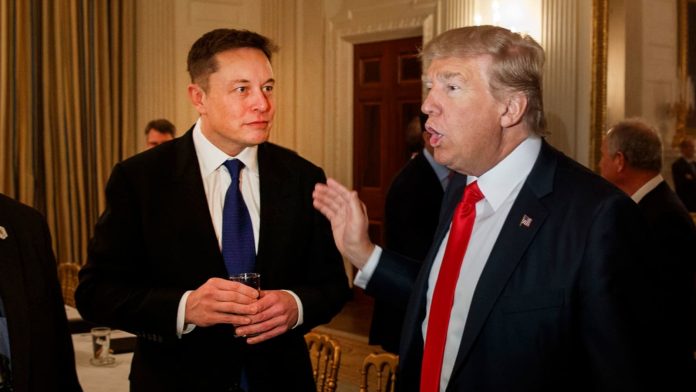
Dogecoin hasn’t been any less of a global sensation ever since Musk mentioned it in his speech at Trump’s Presidential address and the announcement of a new department – the Department of  Government Efficiency (DOGE).  Many experts cite that DOGE might witness a 300% rally in the coming months. However, the monthly performance charts of the Musk favorite show a weak 3% gain.

While DOGE has become synonymous with meme coins, there are notable projects like Yeti Ouro (YETIO) on the Ethereum blockchain which is currently in its presale. YETIO is becoming the mass favorite because of its very interesting Play to Earn (P2E) game, Yeti Go.

Dogecoin (DOGE) Price Prediction: Will Musk Actually Take DOGE To The Moon

If you see the price charts, Dogecoin price hasn’t performed well despite reaching an ATH of $0.34 on Coinmarketcap. Within a month, Dogecoin price moved in a descending line until it found its bottom and started moving up. Dogecoin price is down by 23% from its ATH in just 3 days. However, during the daily timeframe, DOGE price saw a jump of 5%.

While DOGE reflects the market liquidations, it remains a meme coin whose price is based solely on hype and community. DOGE has no real-world use cases.

Why YETIO Can See A Jump Of 3500% In 2025?

DOGE remains one of the oldest meme coins, which has given great returns. However, in the flash run of meme coins, it doesn’t seem like the DOGE price prediction 2025 will be fulfilled. Instead, Ethereum-based Yeti Ouro is catching the attention of players and investors alike for many reasons.

YETIO retains the meme culture in its theme. If you are thinking of spending quality time playing the Yeti Go game, you won’t miss the most happening live-action memes.

Yeti Go is developed on Unreal Engine 5, guaranteeing nerve-wracking, high-octane racing. There are enough challenges and races for you to last a lifetime. Its engaging gameplay comes right from the expert developers of Call of Duty, The Witcher and Spiderman games. Yeti Ouro has been making headlines with its Play To Earn utility, being called as the next big opportunity for a massive rally where predictions suggest a groundbreaking 10,000% increase in 2025 bull run.

Beyond gameplay, the native token YETIO remains scarce, with only 1 billion supply and a 5% burn clause in its contract. With time, YETIO tokens will keep becoming more scarce and valuable over time. This creates a perfect chance to boost both value and investor attraction.

The YETIO presale is live and has sold over 158 million tokens. 58% of the presale is already sold out.

YETIO in Action

Ticker YETIO
Price (Presale) $0.017
Chain Ethereum
Total Supply 1 billion
Burn Rate 5%
Audit SolidProof Verified
Tokenomics 50% presale and 15% P2E rewards
Presale Stage 2


The project has gone throug a thorough audit conducted by SolidProof. By putting security first YETIO has further strengthened its investors trust, increasing its demand. Yeti Ouro boasts some of the highest levels of security and dependability in the cryptocurrency business.

Investment Outlook: YETIO vs. DOGE

Early investors benefit the most as a project succeeds. DOGE is a decade old memecoin with all its factors and highs priced in. YETIO is still in its presale, giving an opportunity for early investors to buy cheap before the price explodes.

The Web3 gaming market will grow at a compound annual growth rate (CAGR) of over 33.23% between 2024 and 2032. YETIO is perfectly aligned to leverage this momentum.

YETIO is utility-driven, given its in-game use cases and will grow over time as Ethereum sees better scalability with its Pectra Upgrade and other stages in the grand roadmap.

Those who missed the rise of DOGE have a chance with Yeti Ouro. They should head to the YETIO website and buy into presale stage 2, where it is priced at $0.017, and prepare for the upcoming crypto bull run.


Join The Yeti Ouro Community

Website: https://yetiouro.io/

X (Formally Twitter): https://x.com/yetiouro

Telegram: https://t.me/yetiouroofficial

Discord: https://discord.gg/YtUsEZ2Zr

Elon Musk Supports Idea of Inscribing the US Treasury on Blockchain

0

Elon Musk has indeed expressed support for the idea of putting U.S. Treasury transactions on a blockchain. Blockchain technology, while revolutionary for its potential to offer decentralized, transparent, and secure transactions, does come with its set of security risks. This stance aligns with his broader interest in blockchain technology and its potential applications for enhancing transparency, efficiency, and reducing fraud in government operations.

Musk has publicly supported the concept, notably in response to questions on X where he affirmed the idea with a “Yes!” when asked if the Treasury should be on blockchain to prevent fraudulent payments. This was in the context of claims about inefficiencies and potential fraud in the U.S. Treasury’s payment systems.

Musk leads the Department of Government Efficiency, or DOGE, which has been given access to the U.S. Treasury Department’s payment systems. This move was part of an initiative to scrutinize and possibly streamline government spending, with blockchain technology being one of the discussed solutions for tracking and transparency.

Despite Musk’s support, there are significant concerns and criticisms regarding the practical implementation of blockchain for government transactions. Critics argue that moving the Treasury’s operations to blockchain could face numerous challenges, including regulatory compliance, security risks, and the complexity of integrating such a system with existing financial infrastructures. There are also worries about the potential for political manipulation of payment systems.

As of now, there’s no official confirmation or plans from the U.S. government to implement blockchain technology for Treasury transactions at a large scale. The discussions and Musk’s comment reflect more of an exploratory or speculative interest rather than confirmed policy.

Here’s an overview of some of the primary security concerns associated with blockchain:

If a single entity or group controls more than 50% of the network’s mining hashrate or stake in proof-of-stake systems, they can theoretically control the network, allowing them to double-spend coins, prevent transactions from being confirmed, or reverse transactions.

Mitigation: Increasing the distribution of mining power, implementing systems like proof-of-stake which are less susceptible to this issue, and using consensus mechanisms that require more than 51% control to alter the blockchain.

Smart Contract Vulnerabilities: Smart contracts, especially on platforms like Ethereum, can contain bugs or logic errors that can be exploited. These vulnerabilities can lead to loss of funds or unauthorized access to sensitive information. Rigorous testing, formal verification of smart contracts, and the use of established frameworks or libraries that have been security audited. Also, there’s a growing practice of offering bug bounties to incentivize finding and reporting vulnerabilities.

The security of a blockchain wallet largely depends on the secrecy of the private key. If the private key is compromised, an attacker can access and transfer all funds associated with that key.
Mitigation: Use of hardware wallets for cold storage, multi-signature wallets requiring multiple keys for transactions, and educating users on the importance of key management.

Sybil Attacks: In this type of attack, one entity controls numerous nodes to gain disproportionate influence over the network, particularly in consensus mechanisms that might not require significant computational power. Mechanisms like IP address tracking, requiring proof of work, or proof of stake can help mitigate this by making it more difficult or costly for an attacker to control a significant portion of the network.

Phishing and Social Engineering: Users can be tricked into revealing their private keys or signing malicious transactions through deceptive practices. Education on phishing techniques, using two-factor authentication for accessing services, and never entering private keys into potentially unsafe websites or applications.

Network Vulnerabilities: The protocols and software running the blockchain can have bugs or be susceptible to denial-of-service (DoS) attacks, leading to network disruptions or exploitation. Regular updates to software, peer review of code, and robust network design to handle high volumes of traffic and potential DoS scenarios.

Quantum Computing Threats: Future quantum computers could potentially break cryptographic methods currently used in blockchains, particularly those based on elliptic curve cryptography. Research into and gradual adoption of quantum-resistant cryptography. This is more of a long-term concern but is actively being addressed by the cryptographic community.

Understanding these risks is crucial for developers, users, and investors in blockchain technology. Security in blockchain is an ongoing process that evolves with technological advancements, threat landscapes, and the increasing sophistication of both the systems and the attacks against them.

Hyperliquid Faces Competition as FX Guys Gains Traction Among Investors

0

The cryptocurrency market is heating up as FXGuys gains momentum, challenging established platforms like Hyperliquid. While Hyperliquid has carved out a niche in the trading sector, FXGuys is rapidly attracting investors with its innovative features, including its Trade2Earn program and prop trading funding program.

>>>JOIN FXGUYS HERE<<<

Why Investors Are Pivoting to FXGuys

FXGuys is proving to be more than just another cryptocurrency project. It stands out as the Top PropFi Project, offering traders and investors compelling benefits that surpass traditional platforms. With a focus on accessibility, transparency, and profitability, FXGuys provides several advantages that appeal to retail and institutional investors alike.

Key Benefits Driving Investor Interest

  1. Lucrative Staking Opportunities – Investors can stake $FXG token and access a 20% profit and revenue share from broker trading volume, making it one of the best defi tokens in the market.
  2. Trader Funding Program – Through its prop trading funding program, traders can qualify for accounts with up to $500,000 in trading capital, benefiting from an 80/20 profit split in their favor.
  3. No Buy or Sell Tax and No KYC – Unlike many other platforms, FXGuys ensures seamless and anonymous trading without transaction taxation.
  4. Same-Day Fiat and Crypto Withdrawals – Users can instantly withdraw in over 100 local fiat currencies or cryptocurrencies, enhancing convenience.
  5. Multi-Platform Trading Access – FXGuys’ broker-backed crypto prop firm allows users to trade on its proprietary FXGuys Trader platform or choose MT5, Match-Trader, cTrader, or DXtrade.

Hyperliquid vs. FXGuys: A Comparative Analysis

While Hyperliquid has been a known player in the trading space, FX Guys is setting a new standard. Hyperliquid focuses on perpetual contracts and leveraged trading, whereas FXGuys provides a broader ecosystem that includes staking, trading rewards, and trader development.

FXGuys’ Trade2Earn program ensures that every trade earns $FXG tokens, incentivizing trading activity and liquidity. This feature makes FXGuys a smart prop trader choice, offering traders consistent rewards beyond standard profits.

FXGuys Presale Success: A Sign of Growing Confidence

Currently in Stage 2 of its presale, FXGuys is priced at $0.04 per token and has already raised over $3.7 million. This substantial funding highlights the confidence investors have in FXGuys’ long-term viability.

Unlike other tokens that struggle with market adoption, FXGuys has ensured top-tier exchange listings, adding credibility and trust among investors. The platform’s backing from major trading firms also reinforces its stability.

The Future of FXGuys: A Strong Long-Term Play

As competition intensifies in cryptocurrency, FXGuys is emerging as a dominant force. With its unique value propositions, including staking rewards, a trader funding ecosystem, and zero-tax trading, FXGuys presents itself as a long-term investment with significant upside potential.

>>>JOIN FXGUYS HERE<<<

Conclusion

Hyperliquid may have led the charge in the past, but the FX Guys is quickly overtaking it as the go-to choice for traders and investors. With high-potential altcoins attracting attention in 2025, FXGuys is the best proprietary trading firm alternative, providing unmatched trading benefits.

For those seeking a top-defi coin with real utility and earning potential, FXGuys is the clear winner.

To find out more about FXGuys follow the links below:

Presale | Website | Whitepaper | Socials | Audit