DD
MM
YYYY

PAGES

DD
MM
YYYY

spot_img

PAGES

Home Blog Page 2309

Trump Administration in Talks for Oracle-Led Takeover of TikTok

0

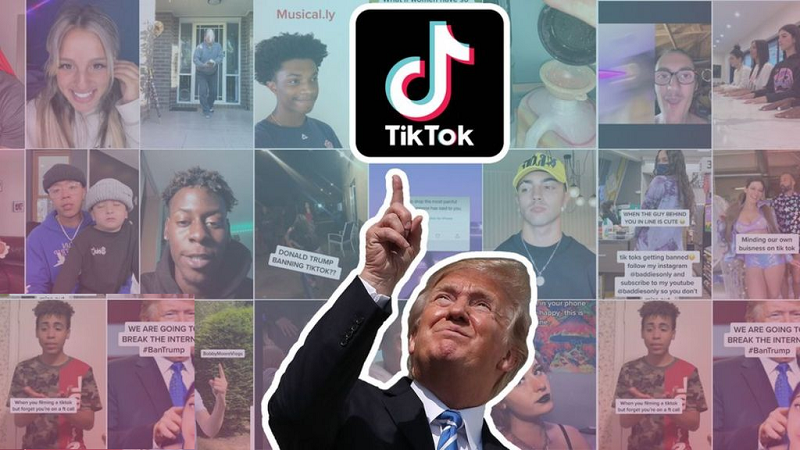
The Trump administration is working on a sweeping plan to restructure TikTok’s ownership, placing Oracle and a group of U.S. investors at the center of its global operations, per NPR.

The effort comes as Washington ramps up efforts to address concerns over the popular video-sharing app’s ties to China and the potential national security risks associated with its ownership by Beijing-based ByteDance.

Under the plan, ByteDance would retain a minority stake in TikTok, but Oracle would take control of its algorithm, data collection, and software updates, ensuring compliance with U.S. security standards. American investors would hold a majority stake, effectively diluting Chinese influence in the company.

While the terms remain in flux, officials hope the deal will satisfy lawmakers and ease public concern about TikTok’s continued presence in the U.S.

Oracle, which already provides the backbone of TikTok’s web infrastructure, would play a pivotal role in the app’s operations under the proposed deal. The company’s interest in TikTok isn’t new; in 2020, Oracle and Walmart attempted a similar takeover, with Trump’s blessing. That deal fell apart over pricing and regulatory hurdles, but Oracle has maintained its interest, reportedly eyeing a stake valued at “tens of billions” of dollars.

Other tech companies, including Microsoft, are also involved in discussions. Walmart, however, has distanced itself from the current negotiations, citing TikTok’s estimated valuation of $200 billion, which is well beyond its financial reach.

ByteDance’s minority stake would ensure some continuity for TikTok, but the U.S. government is insisting on strict safeguards to prevent Chinese interference.

A congressional staffer involved in the negotiations stated: “A key part is showing there is no operational relationship with ByteDance, that they do not have control. There needs to be no backdoors where China can potentially gain access.”

The negotiations come against the backdrop of a law passed by Congress and upheld by the Supreme Court, requiring TikTok to execute a “qualified divestiture” from ByteDance by January 19, 2024. Although that deadline has passed, Trump issued an executive order granting a 75-day extension.

The controversy surrounding TikTok stems from longstanding fears that the Chinese government could exploit the app to access U.S. user data or manipulate its algorithm. Project Texas, a proposal developed during the Biden administration, sought to address these concerns by storing TikTok’s data in the U.S. and putting Oracle in charge of its oversight.

While Project Texas gained momentum, it ultimately fell short of guaranteeing TikTok’s independence from ByteDance. Sarah Kreps, a technology and foreign policy expert at the Brookings Institution, noted the challenges.

“The question that has always been difficult to answer is how do you prove a negative? How do you prove the absence of Chinese control of data and the algorithm?” she asked.

The collapse of Project Texas has led the Biden and Trump administrations to push for a more comprehensive solution, including divestiture.

Beijing’s U-turn

In a surprising turn, Chinese regulators have signaled they may not oppose a TikTok sale. While Beijing has historically resisted foreign acquisitions of its tech companies, recent statements suggest a more pragmatic approach. Observers believe China may view the sale as an opportunity to negotiate trade concessions with the U.S., particularly in the area of tariffs.

Despite this apparent flexibility, Beijing is unlikely to relinquish control of TikTok’s core algorithm, which is considered a crown jewel of Chinese technology. Experts anticipate that any deal will involve complex licensing agreements to maintain some level of Chinese intellectual property rights.

Trump’s Vision of A 50% U.S. Stake

Trump’s repeated assertions that the U.S. should have a 50% ownership stake in TikTok have generated confusion. Some interpret this as a call for partial nationalization, while others believe he is advocating for a majority stake by American private investors.

“Nobody seems to know what he means with the 50% equity comments,” said a source familiar with the negotiations, quoted by NPR.

TikTok’s precarious situation has also affected its relationship with major tech platforms. The app was temporarily removed from Apple’s App Store and Google Play, going offline for 14 hours. Neither company has reinstated TikTok, depriving it of critical software updates and new downloads on U.S. devices.

Oracle has restored TikTok’s web services, citing political assurances from the Trump administration. However, Apple and Google remain cautious, wary of the legal risks associated with supporting an app still partially controlled by ByteDance.

Kreps added: “Oracle just has more confidence in Trump’s political assurances. For Apple and Google, yes, they were invited to the inauguration last week, but where will things stand next week?”

TikTok’s fate hinges on Congress, where lawmakers remain skeptical of any deal that allows ByteDance to retain a stake in the company. Negotiators must strike a balance between appeasing lawmakers and satisfying ByteDance and its investors.

A key challenge will be ensuring compliance with national security requirements. As one congressional staffer pointed out: “Binding legal agreements ensuring ByteDance cannot covertly manipulate the app will prove critical in winning lawmakers’ approval.”

Africa’s Contribution to Global VC Funding in 2024 Underperformed – Report

0
Fund, money cash dollar

Africa’s contribution to global VC funding in 2024 remained modest, and while there were some positive signs, the overall picture was one of underperformance rather than significant growth.

According to a report by Africa: The Big Deal, last year, African startups raised $1.5 billion in equity funding, representing just 0.6% of the global total of $275 billion. While this highlights the growing presence of African innovation on the global stage, it also underscores a glaring funding gap when compared to the continent’s significant contributions to global GDP and population.

Africa accounts for approximately 5% of global GDP (PPP) and 18% of the world’s population, yet its share of global start-up funding remains disproportionately low. This disparity highlights a persistent issue, which shows that talent is equally distributed on the continent, while opportunity is not.

This implies that many investors continue to fail to realize the potential of Africa’s entrepreneurs and markets, missing great deals in the process. This is not impressing, that a continent of 1.4 billion people, attracts about the same amount of start-up funding as Miami ($1.8 billion), the 12th city in the United States, in terms of equity fundraising last year.

When viewed alongside other regions, Africa’s performance presented a mixed picture. The continent experienced an 11% year-over-year (YoY) decline in equity funding in 2024. By contrast, global equity funding grew by +4% YoY, highlighting Africa’s underperformance relative to broader trends.

However, some regions also faced challenges. In Asia, equity funding declined by 27% YoY, driven by a sharp -m56% drop in China’s start-up ecosystem, as regulatory changes and economic slowdown stifled investment. Yet, India, a nation with a comparable population and GDP to Africa achieved an impressive +40% YoY growth in equity funding, showcasing the opportunities possible with sustained investor confidence.

North America and Latin America, saw growth in their start-up ecosystems. Equity funding in North America increased by +21% YoY, while Latin America posted a +9% YoY growth. These figures highlight the importance of stable economic environments, supportive policies, and investor trust in driving start-up success.

Africa’s decline in equity funding underscores the need for global investors to recognize the continent’s potential. The narrative that “talent is evenly distributed, but opportunity is not” remains a critical point of reflection. Africa boasts a wealth of entrepreneurial talent, innovative ideas, and a rapidly growing market, yet many investors continue to overlook these opportunities. The funding disparity is not just a missed opportunity for Africa but also investors seeking high-growth markets.

According to TechCrunch, VC funding in Africa was between $2.9 billion and $4.1 billion in 2023 an impressive amount, even if it was way lower than the $4.6 billion to $6.5 billion startups raised the previous year.

This show proof that VCs are still wholly interested in practical African ideas and are willing to help fund them into profitable businesses. With strategic investments and increased attention to Africa’s unique challenges and opportunities, the continent could emerge as a powerhouse of innovation and economic growth.

Notably, Africa’s entrepreneurial ecosystem has immense potential, but unlocking it will require a shift in mindset. Global investors must look beyond short-term challenges and focus on the long-term opportunities Africa offers. By addressing the funding gap, fostering innovation, and supporting entrepreneurs, Africa can play a more significant role in the global start-up landscape.

Nine Nigerian Banks Settle USSD Debt Just Before Deadline, Avoid Disconnection

0

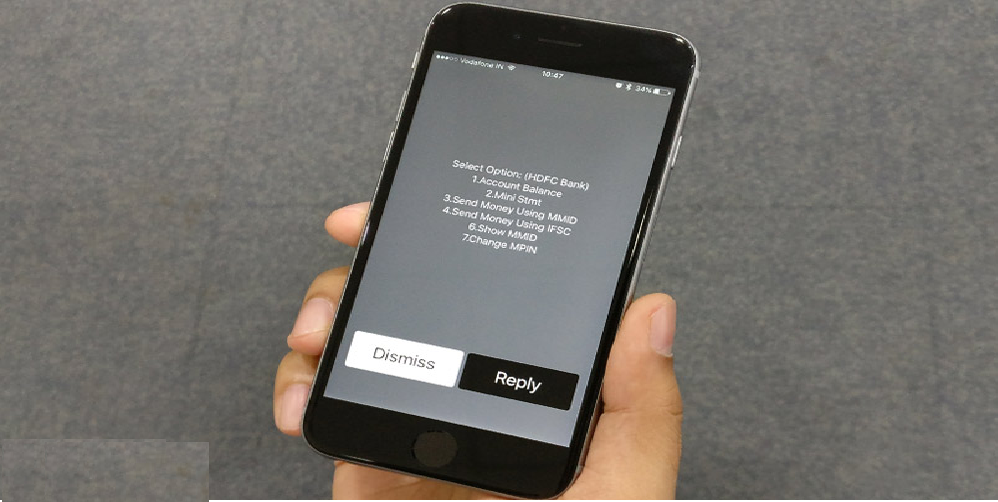
Nine Deposit Money Banks (DMBs) that were set to be disconnected today from the Unstructured Supplementary Service Data (USSD) service have avoided this fate following a last-minute settlement of their accumulated debts.

The outstanding debts, which had reached N160 billion as of November last year, were cleared just before the deadline, preventing a major disruption in banking services for millions of Nigerians.

The USSD debt saga began in 2019 when telecom operators developed various USSD codes for financial transactions. Under an agreement with the Nigerian Communications Commission (NCC), banks were required to remit a fee of N6.98 for each successful transaction made via USSD codes. However, many banks failed to remit these payments, leading to the accumulation of significant debts. By October 2024, the total debt owed by banks had soared to over N200 billion, but by November, the outstanding balance had been reduced to N160 billion after several banks made partial payments.

This reduction, however, still left nine banks with outstanding debts, prompting the NCC to grant approval to telecom operators to disconnect these institutions from USSD services. The disconnection was slated to take effect on January 27, 2025. However, in a surprising turn of events, the nine remaining banks cleared their debts just before the close of business last Friday, averting the planned disconnection.

Billing Time Controversy

Despite clearing their debts, these banks withheld part of the amount due, citing the issue of the 10-second billing time approved by the NCC and the Central Bank of Nigeria (CBN). The 10-second billing time stipulates that banks should begin billing customers only after the first 10 seconds of a USSD transaction. This provision, introduced as a shift from the previous 5-second rule, has become a point of contention between telecom operators and banks.

The 10-second billing time rule has been a bone of contention for several reasons. Telecom operators argue that it results in a loss of potential revenue for them, as they are only compensated after the 10-second mark of a transaction. On the other hand, banks have expressed concerns that the time frame may not accurately reflect the duration of a customer’s interaction with the USSD code, leading them to withhold part of their debt payment.

The relationship between Nigerian banks and telecom operators has been fraught with tension over the years, particularly when it comes to the USSD service. The service, which allows customers to perform banking transactions via their mobile phones without internet connectivity, has seen a rapid increase in usage, especially in rural and underserved areas.

Despite its growth, the service has also exposed the financial friction between the two sectors. Telecom operators argue that the debt owed by banks has stifled their growth and created a bottleneck in the sector, while banks, on the other hand, have maintained that the costs associated with USSD services are too high, further straining their financial resources.

The controversy has further been compounded by the role of the NCC and the CBN, both of which have intervened at various points to mediate the dispute. As it stands, the 10-second rule remains a key sticking point, with both parties set to revisit the issue soon to avoid further delays or disruptions in the service.

The Need for Permanent Resolution

While the nine banks have settled their debts for now, the issue is far from resolved. The USSD billing time continues to be a significant factor in the ongoing disagreement, and it seems likely that further discussions will be necessary to establish a more sustainable framework for USSD transactions.

Observers have noted that the resolution of the USSD debt crisis will require more than just financial settlements. It will necessitate a comprehensive review of the service’s pricing structure, a clearer understanding of the role of telecom operators, and a more transparent mechanism for debt resolution.

For now, the immediate crisis has been averted, and Nigerians can continue to access USSD banking services without interruption. The focus is expected to shift to the next steps in addressing the long-standing tensions between the banking and telecom sectors, with the hope that a sustainable resolution will eventually be found.

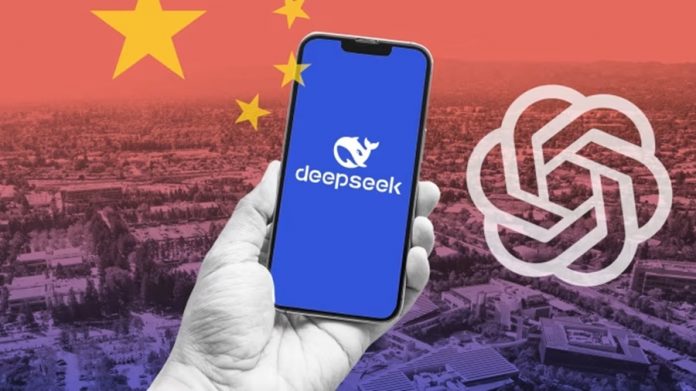
China Will Likely Win The AI Future in Global South with the Affordable Open Model, popularized by DeepSeek & like

0

Comment: “OpenAI’s model can be harnessed and utilized in ways that outperform DeepSeek in every way. Consider something as simple as a hammer ?, a tool that can build far beyond its own scale and size. These LLM’s will never go away but instead are generating guard rails and ecosystems for us to build within and or on top of.

“So what remains? Who am I most comfortable sharing my data with? Who is GDPR compliant, Fedramp compliant, allows your models to be your own, belongs to a country that has strong ethical compliance, rights for its citizens and a great quality of life? “

My Response: DeepSeek does not need to be as great as OpenAI to be successful. It simply needs its products to be above performance average as it has a massive cost competitiveness. In the Android smartphone market, China won, and controls most parts of the world, because it delivers products people can afford. So, this is not really about frontal competition, this is about breaking the economic veil that one must be so loaded with money to do AI. 

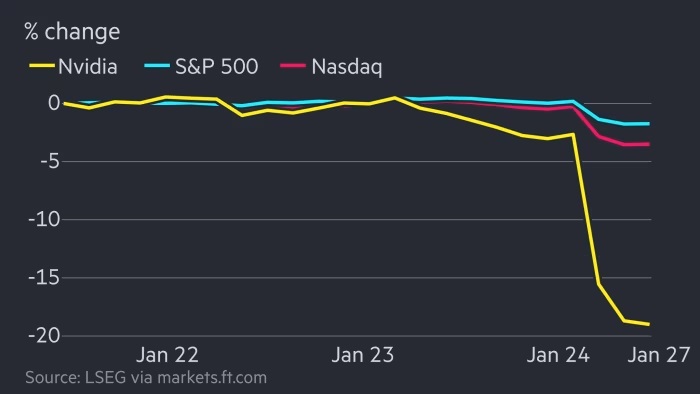
That myth that one must raise $billions for core AI work has been broken. And with that, Nvidia will not recover easily because its “new GPU” thesis has been invalidated. DeepSeek may not be valued at up to $50 billion but it has knocked out more than $300 billion in global AI market caps.

On data sharing, no one eats data, and we overestimate metadata-level digital privacy in an era people share their lives on social media. That is the reason people are buying Chinese phones, Chinese EVs, etc even as the US and Europe block them, denying their citizens the best EVs in the world right now. The Chinese EVs are well ahead of what we have in the US today.

On GDPR, Fedramp compliant, rights, etc, those are European and Western inventions that most people do not really care about except when in their domains. Unless the US puts an executive order to ban DeepSeek, I expect Silicon Valley startups to join the DeepSeek open model framework to find a positioning since they do not have $billions for Nvidia anymore. When that happens, everyone will understand that people do not really care about those GDPRs. With GDPR, you pay $200m for what someone is giving you $6m with/out GDPR, your choice?

On quality of life, the irony is that the DeepSeek advancement is how to keep improving the quality of life for ALL Nations, not just a few. This is how Microsoft’s boss sees it: “To see the DeepSeek new model, it’s super impressive in terms of both how they have really effectively done an open-source model that does this inference-time compute, and is super-compute efficient. We should take the developments out of China very, very seriously”.

Remember: “Microsoft asked hundreds of China-based AI staff to relocate out of China by July 2024”. And that China has done this. The US must learn of the need for the rise of ALL, not just one region. China is likely going to win the AI development future in the Global South now.

Tech stocks tumbled on Monday after Chinese artificial intelligence start-up DeepSeek stunned Silicon Valley with advances apparently achieved with far less computing power than US rivals. Shares in California-based Nvidia, one of the biggest beneficiaries of spending on AI chips, plunged 16 per cent, wiping out more than $600bn of market value, a record loss for any company

That said, there is no need for panic because if China makes AI development easier and accessible, the global market will grow and everyone will benefit, assuming some presidents think that is a better outcome for the world.

Digital Transformation in the Gambling Industry: Key Insights

0

The gambling industry has undergone a remarkable evolution, driven by advancements in digital technologies. From online platforms to AI-powered solutions, digital transformation reshapes how businesses operate and players engage with gambling services. In this article, we delve into the key insights of this transformation and explore its implications for the industry in 2025 and beyond.

The Impact of Digital Transformation on Gambling

Digital transformation has opened up new opportunities and challenges for the gambling sector. Integrating cutting-edge technologies has enhanced operational efficiency, improved user experience, and expanded market reach. Platforms like the balloon casino game exemplify how innovative games attract a diverse audience and redefine online gambling. Below are some of the significant impacts:

  • Enhanced Accessibility: Players can access gambling services anytime, anywhere, through mobile and web platforms.
  • Improved Security: Blockchain and advanced encryption ensure safe and transparent transactions.
  • Personalized User Experience: AI-driven algorithms offer tailored game recommendations and promotions.
  • Global Reach: Online platforms enable operators to tap into international markets.

Key Technologies Driving the Digital Shift

Several technologies are spearheading the digital transformation of the gambling industry, making it more innovative and player-centric.

  • Artificial Intelligence (AI):
    • Enhances user experience through data-driven personalization.
    • Detects fraudulent activities to ensure fair play and security.
    • Provides valuable insights into player behavior for targeted marketing.
  • Blockchain Technology:
    • Introduces decentralized systems for secure and transparent transactions.
    • Enables provably fair gaming through immutable ledgers.
    • Facilitates the use of cryptocurrencies for seamless payments.
  • Virtual Reality (VR) and Augmented Reality (AR):
    • Creates immersive environments for players, replicating the feel of physical casinos.
    • Engages users with interactive and lifelike gaming experiences.
  • Big Data and Analytics:
    • Offers insights into player preferences and trends.
    • Optimizes game design and marketing strategies based on data analysis.

Business Models Adapting to the Digital Era

The shift to digital platforms has prompted gambling operators to innovate their business models. Here are some prominent trends:

Freemium Models

Gambling platforms increasingly offer freemium options, allowing users to play for free with the option to make in-app purchases for added features or currency. This model attracts casual players and converts them into paying customers.

Subscription-Based Services

Some platforms now provide subscription plans, granting players exclusive access to premium games and benefits. This ensures a steady revenue stream for operators while enhancing user loyalty.

Hybrid Platforms

Hybrid platforms combine traditional and digital gambling elements, catering to seasoned players and digital natives. These platforms leverage live dealers, interactive features, and real-time gaming to create a unique experience.

Challenges in Digital Transformation

While the digital shift brings numerous benefits, it also poses several challenges that operators must address:

  • Regulatory Compliance:
    • Adhering to diverse legal frameworks across jurisdictions.
    • Ensuring responsible gambling practices through digital tools.
  • Cybersecurity Threats:
    • Protecting user data from breaches and fraud.
    • Investing in robust security measures to build trust.
  • Technological Barriers:
    • High costs of adopting and integrating advanced technologies.
    • Ensuring seamless performance across multiple devices and platforms.

Case Studies: Successful Digital Transformations

Operator A utilized AI algorithms to analyze player behavior and implemented personalized reward systems. This resulted in a 25% increase in user retention and a 15% rise in average spending per player.

By adopting blockchain technology, Operator B ensured provably fair gaming, leading to a 40% growth in new users who valued transparency and trust in the platform.

Comparative Table: Traditional vs. Digital Gambling

Feature Traditional Gambling Digital Gambling
Accessibility Limited to physical locations Global access via online platforms
Payment Methods Cash, cards Cryptocurrencies, e-wallets
User Experience Standardized Personalized through AI
Security Relatively lower Enhanced with encryption and blockchain
Game Variety Limited Vast and constantly expanding

Conclusion

The gambling industry’s digital transformation is reshaping its landscape, offering unprecedented opportunities for growth, innovation, and player engagement. By leveraging emerging technologies, addressing challenges, and adapting business models, the sector is poised for a dynamic and profitable future. As we move into 2025, the synergy between technology and gambling promises to redefine the industry for years to come.