The Lightning Link slot machine series by Aristocrat has captivated players worldwide with its engaging gameplay and rewarding bonus features. Unlike traditional pokies, Lightning Link incorporates an innovative combination of Hold & Spin mechanics and progressive jackpots, maintaining player engagement through multiplying rewards. In this article, we delve into the specific mechanics of Lightning Link, exploring how the random number generator (RNG) ensures fairness and unpredictability, while also examining the impact of volatility on winning patterns and payout frequencies. For those eager to experience this thrilling game firsthand, playing Lightning Link pokies online for real money Australia offers an authentic casino experience from the comfort of your home.
Device and Interface of the Machine
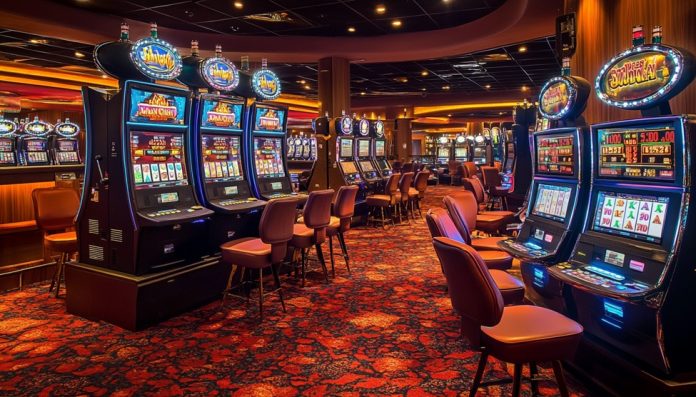
The Lightning Link slot machine is a sophisticated device that combines traditional gaming mechanics with advanced technology. Its external cabinet is designed to attract players with vibrant graphics and dynamic lighting. Inside, the machine houses a series of interconnected hardware components and software systems designed to ensure seamless gameplay and secure financial transactions.
The interface of the machine is user-centric, constructed to provide players with an intuitive and engaging experience. The main display presents the spinning reels, paytable, and game instructions. An additional touchscreen panel offers betting options, game settings, and access to help features. It is designed to be easily navigable, even for novice players, enabling them to quickly grasp the rules and mechanics.
Internal Components and User Interaction
- Central Processing Unit (CPU): The CPU is the brain of the machine, executing commands and processing game outcomes based on the random number generator (RNG). Reliable and high-performance CPUs ensure fast and accurate gameplay.
- Random Number Generator (RNG): An RNG ensures fairness by generating unpredictable results for each spin. It is critical for maintaining the machine’s legitimacy and player trust.
- Display and Touchscreen: High-resolution displays render game graphics with clarity, while responsive touchscreens allow players to engage with the game effortlessly.
- Sound System: Quality audio components enhance the gaming atmosphere with music, sound effects, and voice prompts to engage players more deeply.
- Start Game: Players use the touchscreen interface to select their bet amount and initiate the game. The interface is designed for smooth transitions and immediate feedback.
- Customize Settings: Players can adjust volume, display brightness, and other preferences. Customization is crucial for enhancing player comfort and satisfaction.
- Access Information: On-screen menus provide direct access to rules, payout tables, and game instructions, readily available for player reference.
Comprehension of these components and the seamless integration of user interface elements are essential for appreciating the intricacies of the Lightning Link slot machine. Attention to detail in both hardware and software design underpins the machine’s global popularity and success in the gaming industry.
Algorithms That Ensure the Slot
Slot machines like Lightning Link function through a set of sophisticated algorithms meticulously designed to guarantee fairness, randomness, and compliance with gaming regulations. At the core, these algorithms utilize a Random Number Generator (RNG) to assure players that each spin is independent and random. This system ensures that outcomes can’t be predicted or manipulated, maintaining the integrity of the game.
Moreover, the algorithms incorporate mechanisms to manage payout percentages, aligning with the predetermined house edge. This balance is achieved by adjusting the probability of certain symbol combinations. The goal is to offer substantial payouts at opportune moments while keeping the casino’s advantages intact. Understanding the nuances of these algorithms provides critical insights into how slot machines like Lightning Link operate seamlessly.
Key Components of Slot Algorithms
Random Number Generator (RNG) is the cornerstone of any slot machine’s algorithm. It’s responsible for generating thousands of numbers per second, each associated with different symbol combinations. On pressing the ‘spin’ button, the algorithm instantly selects a number that determines the outcome of the spin. This process guarantees that no two spins are identical and ensures fair play. Validation of RNG systems is conducted regularly by independent auditing bodies to ensure regulatory compliance.
Return to Player (RTP) calculations are integral to slot machines. RTP is the theoretical percentage of wagers that a slot is expected to return to players over time. Algorithms ensuring RTP are complex and involve controlling the frequency and value of payouts. For Lightning Link, RTP ranges typically between 88% and 96%, depending on the machine settings. This ensures the game remains appealing while generating consistent revenue for operators.
- Payout Schedule Management: Algorithms manage the rate and frequency of payouts to maintain a smooth game flow, ensuring players experience both small, frequent wins and the allure of rare jackpots.
- Adaptive Difficulty: Slot algorithms can adjust the difficulty of achieving winning combinations in response to real-time data analytics, balancing player retention and profitability.
The backend architecture also supports fraud detection systems designed to protect the integrity of slot machines. These systems use algorithms to track gameplay patterns, instantly flagging suspicious behavior. Anti-fraud measures work in tandem with RNG, ensuring a secure gaming environment.
- Regular audits are essential to verify the fairness of the RNG.
- Continuous feedback loops within algorithms help optimize RTP settings.
- Implementation of robust security protocols to prevent manipulation of outcomes.
Bonus Features: From Hold & Spin to Free Spins
The Lightning Link slot machine introduces innovative bonus features that enhance the gaming experience. These features are designed to increase player engagement and provide opportunities for substantial rewards. Two of the most popular features in Lightning Link are the “Hold & Spin” and “Free Spins” bonuses.
Understanding the internal mechanisms of these bonus features can help players make more informed decisions. Here, we explore how each of these bonuses is triggered and what players can expect during the gameplay.
Hold & Spin Feature
- The “Hold & Spin” bonus is activated when six or more coin symbols appear on the screen.
- Once triggered, these symbols lock into place, and players receive three re-spins to add more coins to their collection.
- Each additional coin resets the re-spin count to three.
- The feature concludes when no new coins appear for three consecutive spins or all 15 positions are filled.
- Filling all positions rewards the “Grand Jackpot”.
Strategy Tip: Focus on maintaining a balance that allows for multiple activations of this feature. The cumulative potential of the “Hold & Spin” can surpass other bonus opportunities.
Free Spins Feature
- “Free Spins” are triggered by landing three or more scatter symbols on the reels.
- The number of free spins awarded depends on the game’s specific paytable and configuration.
- During free spins, specific reels may become wild, increasing the chances of high-value combinations.
- Players can often retrigger additional free spins by landing more scatter symbols within the bonus round.
Insight: Opt for games where the free spins feature includes multipliers or expanding wilds, as these can significantly enhance winning potential.
Progressive Jackpots in Slot Machines
Progressive jackpots are a defining feature of modern slot machines, particularly in games like Lightning Link. Unlike fixed jackpots, progressive jackpots increase in value as players make bets. Each wager contributes a small percentage to the jackpot pool, allowing it to grow until a lucky player hits the winning combination.
Lightning Link slots typically feature multiple progressive jackpots, which can range from mini to major and grand jackpots. These jackpots are linked across various machines and even different casinos, creating substantial prize pools. Understanding how these jackpots work can significantly enhance a player’s gaming strategy.
Mechanics of Progressive Jackpots
The functionality of progressive jackpots involves the integration of networked machines. The network is essential: it connects individual machines and shares the jackpot value. This system ensures that the jackpot continues to grow across multiple platforms until it is won.
Progressive jackpots in Lightning Link involve random number generators (RNGs) to ensure fairness. The RNG determines when a jackpot is hit, typically requiring a specific combination of symbols. This random aspect means no specific strategy guarantees a win, but understanding bet structure and paylines can be advantageous.
- Contribution Rate: Usually between 1-3% of each bet adds to the jackpot pool.
- Triggers: Can be random or based on specific symbol combinations or in-game events.
- Reset Value: Once claimed, the jackpot resets to a predefined minimum value.
Players aiming for progressive jackpots should pay attention to betting requirements. Many machines require a maximum bet to qualify for the jackpot. It is crucial to budget accordingly to ensure eligibility for the highest potential payouts.
- Always check individual game rules, as each slot might have unique jackpot conditions.
- Monitor the current jackpot value: higher values might indicate a soon-to-win scenario.
- Consider the volatility of the slot, as higher volatility often aligns with larger jackpots.
Understanding the intricacies of progressive jackpots can greatly influence a player’s approach to slot machines. Recognizing the balance between risk and reward, as well as ensuring eligibility through optimal betting strategies, is essential for maximizing winning chances.
Licenses, Certification, and Integrity Control
Ensuring the integrity of slot machines such as Lightning Link is paramount for maintaining player trust and legal compliance. These machines are subject to stringent regulations and must meet specific standards to operate in various jurisdictions.
These standards are enforced through licenses and certifications issued by recognized authorities. Compliance with these standards confirms that a slot machine is fair, random, and reliable, protecting both players and casino operators.
Key Licensing Authorities and Certifications
- Gaming Laboratories International (GLI): Renowned for its thorough testing processes, GLI certifies slot machines for randomness and security, ensuring they meet the industry’s technical standards.
- eCOGRA: This independent, international testing agency is known for its rigorous player protection standards and certifies that gaming software operates fairly.
- Malta Gaming Authority (MGA): One of the most respected regulatory bodies, the MGA licenses and regulates slot machines within strict parameters to ensure fair play and responsible gaming.
These organizations conduct tests and audits to validate Random Number Generators (RNGs), payout percentages, and overall reliability. Adhering to their standards is crucial for any manufacturer seeking to distribute their machines globally.
Recommendations for Manufacturers and Operators
- Stay Updated: Constantly monitor regulatory changes in jurisdictions where you operate to ensure ongoing compliance.
- Periodic Audits: Schedule regular audits with licensed certification bodies to maintain machine integrity and player trust.
- Transparency: Publicly display certification and licensing information to reassure players of machine fairness.
In conclusion, the integrity of slot machines like Lightning Link hinges on robust licensing and certification protocols. By adhering to these requirements, manufacturers ensure their products are trusted and operators maintain reputability in a competitive market. This complex yet essential process safeguards the gaming industry, promoting fair play and player confidence worldwide.