DD
MM
YYYY

PAGES

DD
MM
YYYY

spot_img

PAGES

Home Blog Page 2365

Robinhood Agreed to Pay SEC $45M for Securities Violations

0

Robinhood has agreed to pay a $45 million penalty to settle charges brought by the U.S. Securities and Exchange Commission (SEC) for multiple securities law violations. These violations encompass a range of issues including the failure to report suspicious trading activities in a timely manner, inadequate identity theft protection measures, and not addressing unauthorized access to its systems effectively.

The SEC also highlighted failures in maintaining and preserving electronic communications and ensuring accurate reporting of trading data. The settlement involves two of Robinhood’s broker-dealer entities, Robinhood Securities LLC and Robinhood Financial LLC, with the former agreeing to pay $33.5 million and the latter $11.5 million. This settlement was announced on January 13, 2025.

Robinhood was found lacking in several aspects related to identity theft protection measures, according to the SEC’s allegations:

Customer Identification Program (CIP) Failures: Robinhood did not have adequate procedures in place to verify the identity of new account holders, which is crucial for preventing identity theft. This included issues with verifying customer information against government-issued identification documents.

Suspicious Activity Reporting (SAR): There were delays in filing Suspicious Activity Reports (SARs) with the Financial Crimes Enforcement Network (FinCEN). Timely reporting of suspicious activities is essential for preventing fraudulent activities, including identity theft.

Customer Information Security: Robinhood failed to respond adequately to “red flags” that could indicate identity theft. This includes not having robust systems to detect when customer information might have been compromised or when unauthorized access to accounts occurred.

Notification of Security Breaches: There was a noted deficiency in informing customers promptly about breaches that could affect their personal information, which is a critical component of identity theft prevention measures.

Record Keeping: There were issues with the maintenance and preservation of electronic communications, which could be vital for investigating incidents of identity theft or other security breaches.

The SEC’s action against Robinhood underscores the importance of stringent identity theft protection measures in the financial sector, particularly for platforms like Robinhood that cater to a large, often less experienced, investor base. The settlement reflects not only financial penalties but also a mandate for Robinhood to enhance its compliance and security infrastructure to protect user data and prevent identity theft.

Robinhood has committed to improving its systems, which includes:

Enhancing its CIP with better identity verification processes. Improving its monitoring and reporting of suspicious activities. Upgrading its systems to detect and respond to red flags of potential identity theft more efficiently. Ensuring better security breach notifications to affected customers.

Overhauling its record-keeping practices to comply with regulatory requirements. These improvements are part of a broader effort by Robinhood to rebuild trust and ensure compliance with federal securities laws concerning customer data protection.

Robinhood was ordered to pay a $45 million fine to settle SEC charges related to multiple violations of securities laws. These violations included failing to protect customer data, improper use of encrypted messaging by employees, and errors in reporting suspicious activities.

The fine on Robinhood was part of a broader crackdown by the SEC on various firms, indicating a persistent issue with compliance across Robinhood’s operations. These fines reflect broader regulatory scrutiny on Robinhood’s practices, particularly around transparency, customer communication, and the execution of trades, as well as issues concerning cybersecurity and compliance with securities regulations.


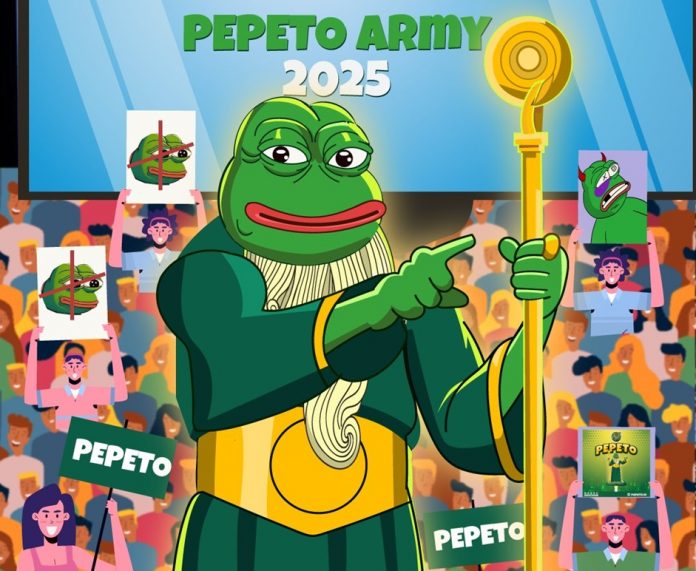
30 Seconds vs 15 Minutes: How PEPETO Changes Cross-Chain Trading for Regular Investors

0

Imagine trying to move your tokens between different blockchains today. You’d wait 15 minutes and pay $50 for each transfer – making quick trading moves nearly impossible. This delay means missing price opportunities that disappear in minutes.

PEPETO solves this by cutting transfer time to 30 seconds and fees to $5. The system uses 100 validators to check transfers rapidly, like having a team of security agents working in perfect sync. This breakthrough has attracted nearly $3.5 million in presale funding.

The market has noticed these practical benefits. Investors have staked 19 trillion tokens to earn 440% annual rewards, showing confidence in PEPETO’s faster, cheaper solution for cross-chain trading.

The Problem With Traditional Cross-Chain Trading

Moving tokens between blockchains today is like trying to send a package through a slow, expensive shipping service. Let’s say you spot DOGE trading at a higher price on one blockchain than another. By the time your tokens arrive 15 minutes later, that price difference is long gone. Every transfer costs $50, eating into any potential profits.

Here’s what typically happens: You start a transfer from Ethereum to BNB Chain. First, you pay high gas fees to lock your tokens in a bridge contract. Then you wait. And wait. The verification process crawls along as multiple systems check and recheck your transaction. Fifteen minutes feel like forever when prices move by the second.

Professional traders face even bigger challenges. They might need to move millions in tokens between chains multiple times per day. At $50 per transfer and 15 minutes each time, they’re losing thousands in fees and missing countless opportunities. This slow, expensive process has kept many traders from even attempting cross-chain trades.

Inside PEPETO’s 30-Second Solution

PEPETO’s bridge works like a highly efficient airport security system. When you start a transfer, your tokens first enter a smart contract on the starting blockchain. This smart contract acts as a secure holding area, confirming your tokens are ready for transfer.

The key to the 30-second speed lies in how the 100 validators work together. Instead of checking transfers one after another like traditional bridges, PEPETO’s validators work in parallel. It’s similar to having multiple security lanes open at once, all processing passengers simultaneously.

As soon as your tokens enter the smart contract, validators begin their checks. They verify three things: your tokens are genuine, they’re properly locked, and the destination blockchain is ready.

Once 67 validators agree everything is correct, your tokens release automatically on the new blockchain. This entire process takes just 30 seconds and costs $5.

From Staking to Earning: The Growth Cycle

Think of PEPETO’s staking system as a self-reinforcing cycle where stakers help secure the network while earning rewards. The current 19 trillion staked tokens show how this system attracts long-term holders who believe in the technology.

The 440% annual reward rate works through daily distributions. For example, if you stake 1 million PEPETO tokens, you earn about 12,055 tokens each day (440% divided by 365 days). These rewards compound when stakers choose to reinvest their daily earnings, creating potential for exponential growth over time.

This high staking participation creates a positive feedback loop. As more tokens get staked, fewer remain available for trading. The locked tokens help validate transactions on the bridge, making the 30-second transfers possible. In return, bridge fees generate revenue that helps sustain the reward system.

Making Cross-Chain Trading Work For You

Let’s walk through how you can use PEPETO’s 30-second transfers to capture trading opportunities. When you spot a price difference between blockchains, speed becomes your advantage. Instead of watching opportunities slip away during a 15-minute wait, you can move tokens almost instantly.

Here’s a practical example: Say you notice DOGE trading at $0.3 on Ethereum and $0.32 on BNB Chain. With traditional bridges, the $50 fee and 15-minute delay would make this 10% difference untradeable. But with PEPETO’s $5 fee and 30-second transfers, you can capture these price gaps before they close.

Professional market makers use this speed advantage to maintain consistent prices across different blockchains. They constantly monitor price differences and use PEPETO’s bridge to quickly move tokens where needed. This activity helps all traders by keeping prices more stable and creating more trading opportunities.

Your cross-chain strategy can start small and grow as you get comfortable with the process. Each successful transfer costs just $5, letting you test the system without risking large amounts.

You can connect your wallet to their website and purchase PEPETO using ETH, USDT or even bank card.


                                    Check out the PEPETO social media channels

                    PEPETO PresaleTwitter | Telegram |  YouTube | Instagram

Pepeto Price Prediction 2025 – 2030: Is PEPETO a 100x Token?

0

After a major correction toward the end of last year, the meme coin market cap started to rebound, once again surpassing the $100 billion total valuation mark. If the major projects start pumping, then smaller, newer presale initiatives like Pepeto could also be strong candidates for potential 10x or 100x pumps, many believe.

But can Pepeto realistically see such a huge price increase? You may find some insights to find out in this price prediction.

PEPETO Has Raised Over $3 Million

The meme coin market is no stranger to hype-based growth, but some projects can create value for themselves through their creative storytelling and utility. Pepeto does exactly this, all while offering a fresh perspective in the overly crowded niche of Pepe-inspired meme tokens.

The lore follows Pepe, the original frog mascot, stealing five documents or principles from an ancient god called Pepeto to rise as a leader in the meme coin space. But while Pepe became a meme coin icon, the story suggests that he lacked the two remaining principles that would complete it as an ideal initiative—Technology and Optimization—both of which Pepeto, the “god of frogs,” possesses.

Now, armed with these key principles, Pepeto is described as preparing to reclaim his legacy and surpass Pepe by building a stronger, more utility-based ecosystem. The project’s mission is very much in sync with its design and storyline, boasting ambitious plans to introduce a meme coin-exclusive exchange. This platform, though yet to be launched, is set to feature zero transaction fees, enhanced security, cross-chain bridging capabilities, and much more, the developers claim.

The strong community and social media presence of Pepeto could be a major reason why it managed to raise over $3 million, even as the market dumped slightly toward the end of December last year. Now, with prices also rising, the possibility of further demand seems likely.

Here’s our summarized PEPETO price forecast:

Year Predicted Price (USD) Key Highlights
2025 $0.0000013 Presale success and exchange listing could drive demand. Possible correction after initial surge.
2026 $0.0000020 – $0.00000234 After 10x rise from launch, increased utility, and exchange listings expected, could drive the price further in the 2026 bear market.
2030 $0.0000100 – $0.0000120 If the market cap nears $1 billion, Pepeto may reach maturity as a key player in the meme coin space.


PEPETO Price Prediction 2025 – 2030

Pepeto’s growth can be vaguely speculated, as long as we consider elements like current market trends, community growth, and a bunch of other factors. This price prediction takes them into account to come up with some figures for the short and long term.

2025

Pepeto’s presale success, having raised over $3 million, already indicates strong investor interest in the short term. So, it may be possible that this demand persists as the project gains more traction, with investors flocking to stock up on the token ahead of its official launch.

By the time Pepeto is listed on exchanges, the combination of bullish market sentiment, growing community engagement, and good marketing could help the token become a top contender for meme coin enthusiasts to add to their portfolios.

If strong buying pressure accompanies the launch, the token’s price could likely surpass the $0.000002 mark. However, some correction might also be a possibility, which is actually quite typical for newly listed tokens. Still, with a consistent demand trajectory and Pepeto’s storyline and use case, maintaining a price range around $0.0000013 by the end of 2025 may be quite realistic.

2026

Pepeto could be a well-positioned project in the meme coin market by 2026, having likely experienced a 10x rise in 2025 if our prediction plays out. This kind of growth would then attract increased attention from both prominent crypto influencers and mainstream investors.

The project’s ability to deliver on its roadmap and introduce additional utility features, such as expanded exchange functionalities or partnerships, could be a strong catalyst to PEPETO’s reputation as a high-quality investment.

This period might also see Pepeto targeting listings on top-tier exchanges, enhancing its accessibility and trading volume. If all these developments materialize, the token’s price could experience another 50–80% pump, as it would still likely be a low- to mid-market cap token. A bearish market, on the other hand, could bring the price slightly lower, though its community-driven nature and expanding ecosystem would likely help mitigate any major losses.

2030 and Beyond

Predicting a meme coin’s trajectory can become increasingly speculative, especially for a niche category like frog-themed tokens. By nature, meme coins are highly influenced by market trends, community sentiment, and cultural relevance. But if Pepeto continues its growth at the pace it has now, or even stabilizes after a point, then there may be merit to a bullish outlook.

Analysts already believe that by 2030, the meme coin category may have matured significantly, potentially becoming a more mainstream part of the crypto market. If Pepeto can adapt to emerging trends, sustain its community, and continue delivering innovative features, it could aim for a market cap nearing $1 billion.

This would correspond to a significant price jump, possibly surpassing $0.00001. However, if the meme coin trend diminishes, the token might struggle to hold its value.

While our price prediction for PEPETO carries a generally optimistic tone, it remains heavily influenced by market dynamics. A significant spike in interest for Pepe-inspired meme coins could potentially ignite a buying frenzy for PEPETO, creating the opportunity for the token to achieve substantial gains, possibly even a 100x surge at launch.

On the other hand, one also has to remember that meme coins are inherently high-risk investments, often marked by volatility. Exercising caution and conducting thorough research is essential before committing funds.

If PEPETO aligns with your investment goals, then you may consider exploring the project further by engaging with their active community onTwitter, YouTube, Instagram, and Telegram.

Visit Pepeto

Nigeria’s Power Ministry Proposes N8bn Advocacy Budget for Electricity Payment Awareness

0

The Federal Ministry of Power is proposing to allocate N8 billion in 2025 for a nationwide advocacy campaign aimed at educating Nigerians about the importance of prompt payment of electricity bills.

This proposal was unveiled by the Minister of Power, Adebayo Adelabu, on Monday while defending the ministry’s budget before the National Assembly’s joint committee on power.

Adelabu explained that the advocacy initiative would utilize various communication channels, including social media, digital platforms, and traditional print media, to reach Nigeria’s diverse population of over 200 million people.

The Minister emphasized that the advocacy campaign is critical to fostering a sense of responsibility among Nigerians toward the power sector, which he described as a shared national asset. He highlighted the pressing need to address challenges such as electricity theft, poor billing culture, and the protection of power infrastructure.

“In terms of advocacy, we believe that our people need to be re-educated. They need to be re-orientated to know that the power assets are national assets, and we should all jointly own it,” Adelabu said.

He further noted the need for behavioral change among Nigerians, emphasizing the importance of timely bill payments and vigilance against power theft.

“Our people need to know that they should avoid power theft. When they see something, they must say something. They must also pay their bills regularly. All these need to be passed across,” the Minister stated.

To achieve its goals, the Ministry plans to leverage a multi-pronged approach using social, digital, and print media to disseminate its message across urban and rural areas. Adelabu highlighted the need for a comprehensive communication strategy to ensure the campaign reaches every segment of society.

“We are a people of over 200 million strength. So we need to go through all the loopholes, through social media, through digital media, through the print media, to actually orientate and do this advocacy. So we have ?8 billion,” he noted.

However, the proposal has been met with backlash, particularly in light of the N1.3 trillion debt owed by Nigeria to power generation companies (GenCos), a situation that has significantly impacted electricity supply across the country.

Many believe that allocating such a substantial amount to advocacy in a sector riddled with critical infrastructure deficits and systemic inefficiencies highlights misplaced priorities. The dire financial situation of GenCos has led to a reduction in electricity generation capacity, as they struggle to maintain operations due to unpaid invoices for power supplied to the national grid.

This financial strain has ripple effects, contributing to the frequent collapse of the national grid, which the Minister himself has admitted is caused by the country’s dilapidated power infrastructure. Despite this, no significant portion of the Ministry’s budget has been earmarked for immediate infrastructure rehabilitation.

Against this backdrop, energy experts have called on the Federal Government to reconsider its spending priorities and redirect the proposed N8 billion toward more pressing needs in the power sector.

One recommendation is to allocate the funds to rehabilitate Nigeria’s power infrastructure, which is in dire need of investment. Frequent grid collapses have not only disrupted electricity supply but also inflicted significant economic losses on businesses and households. Fixing these structural issues, experts argue, would enhance electricity reliability and, in turn, encourage more Nigerians to pay their bills voluntarily.

Others suggest using the funds to settle part of the debt owed to GenCos, which could restore confidence in the sector and improve the liquidity needed for stable power generation.

A Reflection of Nigeria’s Broader Fiscal Challenges

This development adds weight to the growing belief that Nigeria suffers from a spending problem characterized by poor fiscal discipline and misplaced priorities. Analysts have pointed to the stark contrast between the proposed advocacy budget and the country’s dire economic realities, including massive public debt, inflation, and dwindling resources for critical sectors like health, education, and infrastructure.

Many Nigerians view the N8 billion advocacy plan as emblematic of a government more focused on surface-level interventions than addressing the root causes of the country’s problems. Public opinion polls and social media commentary have highlighted widespread frustration over the perceived lack of accountability and strategic planning in government spending.

SEC Sues Elon Musk Over Alleged Securities Fraud on Twitter Acquisition

0
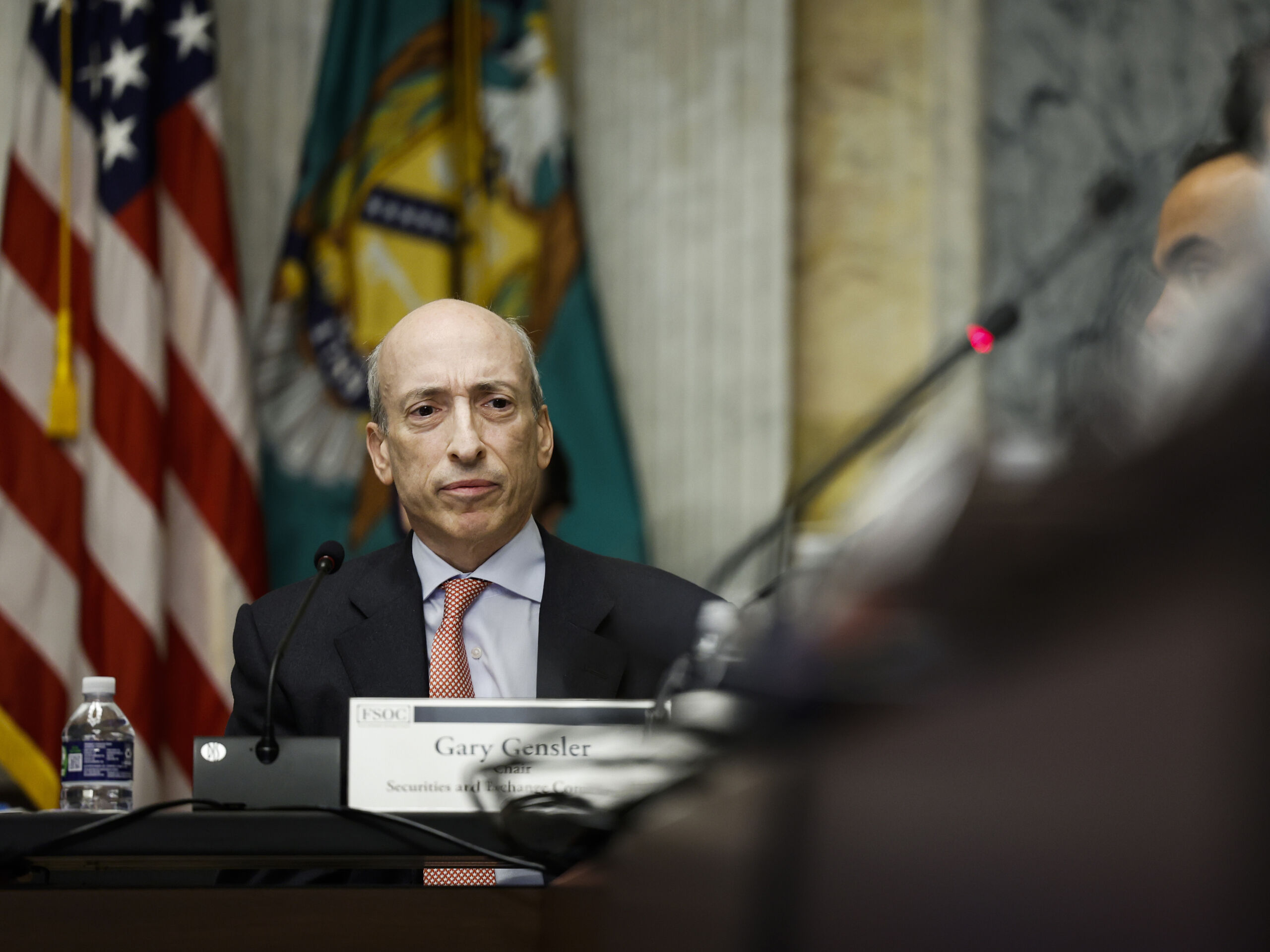
WASHINGTON, DC - OCTOBER 03: Securities and Exchange Commission (SEC) Chair Gary Gensler listens during a meeting with the Treasury Department's Financial Stability Oversight Council at the U.S. Treasury Department on October 03, 2022 in Washington, DC. The council held the meeting to discuss a range of topics including climate-related financial risk and the recent Treasury report on the adoption of cloud services in the financial sector. (Photo by Anna Moneymaker/Getty Images)

The U.S Securities and Exchange Commission (SEC), has filed a lawsuit against Elon Musk, alleging fraud in connection with his acquisition of a substantial stake in Twitter in 2022.

The lawsuit, filed in U.S District Court in Washington D.C, accuses Musk of failing to disclose his ownership of more than 5% of Twitter shares within the legally mandated timeline, allowing him to purchase shares at artificially low prices.

Part of the lawsuit reads,

“Defendant Elon Musk failed to timely file with the SEC a beneficial ownership report disclosing his acquisition of more than five percent of the outstanding shares of Twitter’s common stock in March 2022, in violation of the federal securities laws. As a result, Musk was able to continue purchasing shares at artificially low prices, allowing him to underpay by at least $150 million for shares he purchased after his beneficial ownership report was due.

“In early 2022, Musk began to acquire a significant number of shares of Twitter common stock. By March 14, 2022, Musk had acquired beneficial ownership of more than five percent of the company’s outstanding common stock. During the relevant time, Section 13(d)(1) of the Securities Exchange Act of 1934 (*Exchange Act”) and Rule 13d-1 thereunder required Musk to file with the SEC a beneficial ownership report disclosing his Twitter holdings within ten calendar days after crossing the five percent threshold, i.e, by March 24, 2022, in order to inform the investing public and the company that he had amassed this concentration of Twitter shares. Musk failed to do so.”

The suit further added that, on April 4, 2022, Elon Musk disclosed to the SEC that he had acquired over 9% of Twitter’s stock, causing its price to jump over 27%. However, during the 11-day delay in disclosure, Musk spent over $500 million buying shares at artificially low prices, underpaying investors by more than $150 million. This delay according to the SEC, caused significant financial harm to investors who sold their shares at suppressed prices.

Recall that Musk bought Twitter for $44 billion in late 2022 and later rebranded it as “X.” Before the acquisition, Musk had built a stake exceeding 5% in the company, which required him to publicly disclose his holdings within 10 days of crossing that threshold.

It is worth noting that the SEC had been investigating whether Musk or anyone else working with him, committed securities fraud in 2022 around the Twitter disclosures. The lawsuit seeks a jury trial and demands that Musk release his alleged unjust gains and pay civil penalties.

Amidst SEC accusation, last year December, Musk via a post on X, revealed that the commission had demanded him to either accept a monetary payment or face charges on numerous counts regarding the purchase of the shares.

In a recent email on Tuesday, Musk’s lawyer, Alex Spiro, noted that the SEC’s action is an admission that “they cannot bring an actual case.” He added that Musk “has done nothing wrong” and called the suit a “sham” and the result of a “multi-year campaign of harassment,” culminating in a “single count ticky tack complaint.”

Responding to the SEC lawsuit, Musk described the commission as a “Totally broken organization”.

He wrote on X,

“Totally broken organization. They spend their time on shit like this when there are so many actual crimes that go unpunished.”

Musk’s acquisition of X (formerly Twitter) has been fraught with controversy. Recall that his acquisition of the social media platform faced heightened drama when he sought to back out of the deal, citing the misrepresentation of bots on the platform.

Notably, the Tesla billionaire has had a contentious history with the SEC. Given Musk’s growing political influence especially as he is set to lead a regulatory advisory group under President-elect Donald Trump, SEC’s lawsuit could attract further political scrutiny.

The Securities and Exchange Commission has filed a lawsuit against Elon Musk, accusing the entrepreneur of securities violations related to his 2022 acquisition of Twitter (subsequently renamed X). According to the suit, Musk failed to properly disclose his stock position in Twitter prior to the purchase, allowing him to continue buying shares at “artificially low prices.” Last month, Musk claimed that the SEC sent him a settlement offer to avoid a lawsuit.