DD
MM
YYYY

PAGES

DD
MM
YYYY

spot_img

PAGES

Home Blog Page 2541

DeepSeek Shakes Global Tech Markets with Cost-Effective AI Breakthrough, Scuttling U.S.’ AI Leadership

0

The emergence of Chinese artificial intelligence startup DeepSeek has sent shockwaves through global technology markets, triggering a significant selloff in AI-driven stocks and raising questions about the long-standing dominance of U.S. technology companies.

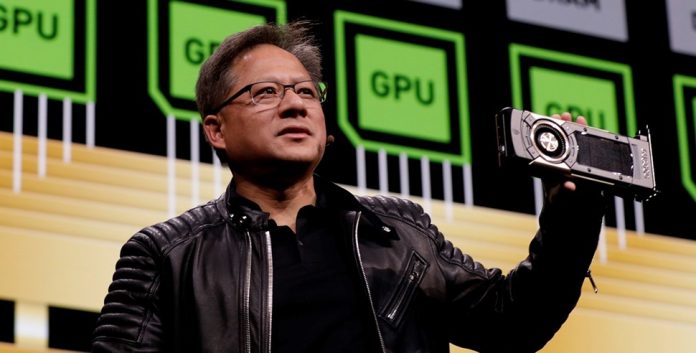
The startup’s groundbreaking AI model, which runs cost-effectively on less-advanced chips, has cast doubt on the sustainability of high valuations in the sector and the strategies of industry leaders like Nvidia Corp.

DeepSeek unveiled a groundbreaking reasoning model, R1, that operates cost-efficiently on less-advanced chips. The release of R1, developed for less than $6 million using Nvidia’s H800 chips, bypasses U.S. export restrictions that bar China from acquiring more powerful H100 chips, marking a significant shift in the AI industry.

This breakthrough sent shockwaves through global markets, with Nvidia Corp. (NVDA) leading a steep selloff as its shares plummeted more than 17% in trading on Monday. Futures on the Nasdaq 100 fell 3.4%, while S&P 500 contracts dropped 2% in premarket trading.

The ripple effect extended to Europe, where tech stocks led market losses, with ASML Holding NV, a critical supplier of semiconductor manufacturing equipment, tumbling 11%. Combined, the Nasdaq 100 and Europe’s Stoxx 600 technology sub-index faced a potential $1 trillion market capitalization wipeout if losses hold.

DeepSeek’s R1 model demonstrates the ability to achieve high performance with significantly lower capital and hardware requirements, challenging the premise that cutting-edge AI models necessitate advanced, expensive chips like Nvidia’s H100. By leveraging the less-powerful H800 chips—designed to comply with U.S. export restrictions—DeepSeek showcased an alternative pathway to AI innovation.

“This breakthrough redefines what’s possible in AI,” said Vey-Sern Ling, managing director at Union Bancaire Privee. “DeepSeek shows that it is possible to develop powerful AI models that cost less. It can potentially derail the investment case for the entire AI supply chain, which is driven by high spending from a small handful of hyperscalers.”

R1’s development cost of under $6 million starkly contrasts the billions poured into AI research by Silicon Valley companies, casting doubt on the sustainability of their high-spending models.

Investor jitters were evident as trading volumes surged. By 4:45 a.m. New York time, roughly 200,000 Nasdaq 100 futures contracts had changed hands—four times the 30-day average for this time of day. The Cboe Volatility Index (VIX), often referred to as Wall Street’s “fear gauge,” spiked higher, reflecting heightened uncertainty.

“This is deeply problematic for the thesis that significant capital expenditure and operating expenses are the best ways to approach the AI trend,” said Nirgunan Tiruchelvam, head of consumer and internet at Aletheia Capital.

The selloff coincides with a crucial week for tech earnings, including reports from Apple Inc. and Microsoft Corp. Analysts predict slowing profit growth amid inflated valuations, compounding concerns about the sector’s resilience.

The Nasdaq 100, currently trading at 27 times estimated forward earnings compared to a three-year average of 24, appears particularly vulnerable. Nvidia’s valuation, at 33 times estimated forward earnings, underscores the risk of overreliance on a single narrative: that AI innovation is inextricably tied to high-cost infrastructure.

China’s Rise in AI

DeepSeek’s success challenges the prevailing notion that China’s AI sector lags significantly behind its U.S. counterparts. It is especially significant as it bypasses Washington’s restrictions on exporting cutting-edge chips to China.

“While current leaders like Nvidia have a strong foothold, it is a reminder that AI dominance cannot be taken for granted,” said Charu Chanana, chief investment strategist at Saxo Markets. “The emergence of China’s DeepSeek indicates that competition is intensifying, and future competitors will evolve faster and challenge established companies more quickly.”

Chinese AI-related stocks reacted positively. Mainland-listed companies with links to DeepSeek, such as Merit Interactive Co., surged by their daily trading limits. In Hong Kong, the Hang Seng Tech Index climbed 2%, buoyed by optimism about DeepSeek’s potential.

A Game-Changing Model

R1’s standout feature is its transparency. Unlike many existing AI models, which operate as black boxes, R1 demonstrates its reasoning process, providing users with a clearer understanding of its conclusions. This feature propelled DeepSeek’s app to the top of Apple Inc.’s App Store rankings within days of its release, garnering praise from users and investors alike.

Notable investor Marc Andreessen described R1 as “one of the most amazing and impressive breakthroughs,” highlighting its potential to reshape the AI landscape.

For years, Silicon Valley has championed the idea that advanced AI requires substantial investments in cutting-edge hardware and energy-intensive infrastructure. DeepSeek’s R1 upends this narrative, showing that cost-effective solutions can rival, and perhaps, surpass the capabilities of resource-heavy alternatives.

“This development calls into question the massive resources dedicated to AI by Silicon Valley,” Tiruchelvam added. “It forces a reassessment of whether these expenditures are justified.”

Tech analysts note that the success of DeepSeek underscores the growing competitiveness of China’s AI sector and the potential for open-source innovation to bridge technological gaps. It also highlights the vulnerabilities of U.S. tech companies, which have built their business models around the assumption of sustained dominance in AI hardware.

“The AI supply chain is being fundamentally disrupted,” Ling said. “This isn’t just about DeepSeek; it’s about the future of AI development and the assumptions that underpin it.”

NVIDIA in a statement on Monday says DeepSeek is an excellent AI advancement and a perfect example of Test Time Scaling.

“DeepSeek’s work illustrates how new models can be created using that technique, leveraging widely-available models and compute that is fully export control compliant. Inference requires significant numbers of NVIDIA GPUs and high-performance networking. We now have three scaling laws: pre-training and post-training, which continue, and new test-time scaling,” it said.

NVIDIA lost $580 billion in market value on Monday.

Finance App Usage in Sub-Saharan Africa Soars, Nigeria Powers Non-Organic Install Growth – Report

0

The mobile market in Sub-Saharan Africa continues to grow rapidly, with projections suggesting that mobile subscriptions in the region could reach 1 billion by 2029, of which two-thirds will be smartphones.

A recent Appsflyer report revealed that overall installs grew significantly in sub-Saharan Africa through the first half (H1) of 2024, rising by 23% year-on-year. The steady upward trend continued for Android into Q3 of 2024, up by 20% in the same quarter of 2023. iOS took a step back, dipping by 14%.

Non-organic installs (NOIs) underpin Android’s growth in sub-Saharan Africa in 2024 to date, growing 28% year-on-year. Nigeria played a pivotal role in driving this growth, particularly in terms of non-organic installs in the region. The country recorded strong growth during the first half (H1) of 2024, rising by 38% in H1 compared to the same period of 2023.

This growth, particularly in non-organic installs, suggests strong word-of-mouth and organic user acquisition strategies by finance app providers in Nigeria. The surge is likely attributed to a combination of factors, which include increasing smartphone penetration, growing financial inclusion efforts, and a desire for greater financial control and independence among the population.

However, non-organic installs performance in South Africa was relatively subdued, albeit with some sharp acceleration in Q3 of 2024, which rose by 31% compared to the third quarter of the previous year. As NOI activity grew in the region, remarketing conversions nosedived over the summer to offset a 2x growth in Q1 of 2024. This left remarketing down by 22% in the year-to-date when compared to the same period of 2023.

App install ad spend dipped by 7% overall in Q1-3 of 2024 compared to last year, with iOS taking a 10% hit year-on-year. Q3 brought some renewed spending, with a modest 6% rise compared to the same quarter in 2023. In-app purchases in the sub-Saharan African region hit new levels, which were up by 24% in 2024 to date, compared to the previous year. iOS saw an impressive 39% increase during this period. With app installation ad spending declining slightly year-on-year, marketers were predicted to have shifted their budget towards a full-funnel marketing approach, with impressive results.

According to a Google trends report, the Financial Services sector experienced overall growth from January 2023 to August 2024, with March emerging as a seasonal peak for search terms in Nigeria. Moniepoint, OPay, UBA Internet Banking,  Wema Bank and EcoBank were identified as businesses with the highest search volume.

“Naira,” “dollar” “naira to dollar.” and “loans” were the most frequently searched terms on Google. Notably, Zenith Bank and GTBank were the only financial institutions to appear in the top 20 category of search trends.

“This report from AppsFlyer is a must-read for brands and advertisers targeting the African market. The data clearly shows a huge opportunity to connect with consumers through mobile apps, with engagement growing significantly year-over-year. What is striking is the growth of app installs at 21% YOY, as well as the in-app purchase revenue growing at 24% YOY, proving that apps provide a growing ROl for advertisers. This underscores the need for a mobile-first strategy in Africa.

“Apps offer a powerful way to build awareness, acquire customers, and foster loyalty. We encourage advertisers to leverage this report to build awareness, acquire customers, and foster loyalty. We encourage advertisers to leverage this report to understand the African app landscape and optimize their strategies. Google is committed to supporting businesses in this dynamic market, and this report is a great starting point for unlocking success.” Lorraine Landon, Head of Advertising Products and Solutions, Google.

The finance vertical was one of the standout categories for apps in sub-Saharan Africa in 2023 and into 2024, with impressive growth throughout, particularly in Q1. Overall installs of finance apps were up 34% when comparing the first three quarters of 2024 to the same period last year. iOS enjoyed a doubling of finance installs in Q1 of 2024 compared to the opening quarter of 2023.

Finance apps on Android continued their upward trend throughout the year, culminating in a 33% increase in Q3 vs the same period of 2023. The finance vertical was also hit hardest by reduced app installs and ad spend budgets in 2024, with Android dipping by 27% in the first three quarters of the year compared to the previous period. Although 2025 and beyond is anticipated to be an improving time for economies in sub-Saharan Africa.

Notably, shopping apps have seen a remarkable rise in app install ad spending from 2024 to date, with spending skyrocketing by 80% when compared to the first three quarters of 2023.

Conclusion

The mobile market in Sub-Saharan Africa presents a dynamic and rapidly evolving landscape. The region’s burgeoning mobile phone penetration, coupled with increasing smartphone adoption, is driving significant growth in app usage.

While the overall app market demonstrates robust growth, the finance sector stands out as a key driver, experiencing substantial growth in app installs and in-app purchases.

Trump Administration in Talks for Oracle-Led Takeover of TikTok

0

The Trump administration is working on a sweeping plan to restructure TikTok’s ownership, placing Oracle and a group of U.S. investors at the center of its global operations, per NPR.

The effort comes as Washington ramps up efforts to address concerns over the popular video-sharing app’s ties to China and the potential national security risks associated with its ownership by Beijing-based ByteDance.

Under the plan, ByteDance would retain a minority stake in TikTok, but Oracle would take control of its algorithm, data collection, and software updates, ensuring compliance with U.S. security standards. American investors would hold a majority stake, effectively diluting Chinese influence in the company.

While the terms remain in flux, officials hope the deal will satisfy lawmakers and ease public concern about TikTok’s continued presence in the U.S.

Oracle, which already provides the backbone of TikTok’s web infrastructure, would play a pivotal role in the app’s operations under the proposed deal. The company’s interest in TikTok isn’t new; in 2020, Oracle and Walmart attempted a similar takeover, with Trump’s blessing. That deal fell apart over pricing and regulatory hurdles, but Oracle has maintained its interest, reportedly eyeing a stake valued at “tens of billions” of dollars.

Other tech companies, including Microsoft, are also involved in discussions. Walmart, however, has distanced itself from the current negotiations, citing TikTok’s estimated valuation of $200 billion, which is well beyond its financial reach.

ByteDance’s minority stake would ensure some continuity for TikTok, but the U.S. government is insisting on strict safeguards to prevent Chinese interference.

A congressional staffer involved in the negotiations stated: “A key part is showing there is no operational relationship with ByteDance, that they do not have control. There needs to be no backdoors where China can potentially gain access.”

The negotiations come against the backdrop of a law passed by Congress and upheld by the Supreme Court, requiring TikTok to execute a “qualified divestiture” from ByteDance by January 19, 2024. Although that deadline has passed, Trump issued an executive order granting a 75-day extension.

The controversy surrounding TikTok stems from longstanding fears that the Chinese government could exploit the app to access U.S. user data or manipulate its algorithm. Project Texas, a proposal developed during the Biden administration, sought to address these concerns by storing TikTok’s data in the U.S. and putting Oracle in charge of its oversight.

While Project Texas gained momentum, it ultimately fell short of guaranteeing TikTok’s independence from ByteDance. Sarah Kreps, a technology and foreign policy expert at the Brookings Institution, noted the challenges.

“The question that has always been difficult to answer is how do you prove a negative? How do you prove the absence of Chinese control of data and the algorithm?” she asked.

The collapse of Project Texas has led the Biden and Trump administrations to push for a more comprehensive solution, including divestiture.

Beijing’s U-turn

In a surprising turn, Chinese regulators have signaled they may not oppose a TikTok sale. While Beijing has historically resisted foreign acquisitions of its tech companies, recent statements suggest a more pragmatic approach. Observers believe China may view the sale as an opportunity to negotiate trade concessions with the U.S., particularly in the area of tariffs.

Despite this apparent flexibility, Beijing is unlikely to relinquish control of TikTok’s core algorithm, which is considered a crown jewel of Chinese technology. Experts anticipate that any deal will involve complex licensing agreements to maintain some level of Chinese intellectual property rights.

Trump’s Vision of A 50% U.S. Stake

Trump’s repeated assertions that the U.S. should have a 50% ownership stake in TikTok have generated confusion. Some interpret this as a call for partial nationalization, while others believe he is advocating for a majority stake by American private investors.

“Nobody seems to know what he means with the 50% equity comments,” said a source familiar with the negotiations, quoted by NPR.

TikTok’s precarious situation has also affected its relationship with major tech platforms. The app was temporarily removed from Apple’s App Store and Google Play, going offline for 14 hours. Neither company has reinstated TikTok, depriving it of critical software updates and new downloads on U.S. devices.

Oracle has restored TikTok’s web services, citing political assurances from the Trump administration. However, Apple and Google remain cautious, wary of the legal risks associated with supporting an app still partially controlled by ByteDance.

Kreps added: “Oracle just has more confidence in Trump’s political assurances. For Apple and Google, yes, they were invited to the inauguration last week, but where will things stand next week?”

TikTok’s fate hinges on Congress, where lawmakers remain skeptical of any deal that allows ByteDance to retain a stake in the company. Negotiators must strike a balance between appeasing lawmakers and satisfying ByteDance and its investors.

A key challenge will be ensuring compliance with national security requirements. As one congressional staffer pointed out: “Binding legal agreements ensuring ByteDance cannot covertly manipulate the app will prove critical in winning lawmakers’ approval.”

Africa’s Contribution to Global VC Funding in 2024 Underperformed – Report

0
Fund, money cash dollar

Africa’s contribution to global VC funding in 2024 remained modest, and while there were some positive signs, the overall picture was one of underperformance rather than significant growth.

According to a report by Africa: The Big Deal, last year, African startups raised $1.5 billion in equity funding, representing just 0.6% of the global total of $275 billion. While this highlights the growing presence of African innovation on the global stage, it also underscores a glaring funding gap when compared to the continent’s significant contributions to global GDP and population.

Africa accounts for approximately 5% of global GDP (PPP) and 18% of the world’s population, yet its share of global start-up funding remains disproportionately low. This disparity highlights a persistent issue, which shows that talent is equally distributed on the continent, while opportunity is not.

This implies that many investors continue to fail to realize the potential of Africa’s entrepreneurs and markets, missing great deals in the process. This is not impressing, that a continent of 1.4 billion people, attracts about the same amount of start-up funding as Miami ($1.8 billion), the 12th city in the United States, in terms of equity fundraising last year.

When viewed alongside other regions, Africa’s performance presented a mixed picture. The continent experienced an 11% year-over-year (YoY) decline in equity funding in 2024. By contrast, global equity funding grew by +4% YoY, highlighting Africa’s underperformance relative to broader trends.

However, some regions also faced challenges. In Asia, equity funding declined by 27% YoY, driven by a sharp -m56% drop in China’s start-up ecosystem, as regulatory changes and economic slowdown stifled investment. Yet, India, a nation with a comparable population and GDP to Africa achieved an impressive +40% YoY growth in equity funding, showcasing the opportunities possible with sustained investor confidence.

North America and Latin America, saw growth in their start-up ecosystems. Equity funding in North America increased by +21% YoY, while Latin America posted a +9% YoY growth. These figures highlight the importance of stable economic environments, supportive policies, and investor trust in driving start-up success.

Africa’s decline in equity funding underscores the need for global investors to recognize the continent’s potential. The narrative that “talent is evenly distributed, but opportunity is not” remains a critical point of reflection. Africa boasts a wealth of entrepreneurial talent, innovative ideas, and a rapidly growing market, yet many investors continue to overlook these opportunities. The funding disparity is not just a missed opportunity for Africa but also investors seeking high-growth markets.

According to TechCrunch, VC funding in Africa was between $2.9 billion and $4.1 billion in 2023 an impressive amount, even if it was way lower than the $4.6 billion to $6.5 billion startups raised the previous year.

This show proof that VCs are still wholly interested in practical African ideas and are willing to help fund them into profitable businesses. With strategic investments and increased attention to Africa’s unique challenges and opportunities, the continent could emerge as a powerhouse of innovation and economic growth.

Notably, Africa’s entrepreneurial ecosystem has immense potential, but unlocking it will require a shift in mindset. Global investors must look beyond short-term challenges and focus on the long-term opportunities Africa offers. By addressing the funding gap, fostering innovation, and supporting entrepreneurs, Africa can play a more significant role in the global start-up landscape.

Nine Nigerian Banks Settle USSD Debt Just Before Deadline, Avoid Disconnection

0

Nine Deposit Money Banks (DMBs) that were set to be disconnected today from the Unstructured Supplementary Service Data (USSD) service have avoided this fate following a last-minute settlement of their accumulated debts.

The outstanding debts, which had reached N160 billion as of November last year, were cleared just before the deadline, preventing a major disruption in banking services for millions of Nigerians.

The USSD debt saga began in 2019 when telecom operators developed various USSD codes for financial transactions. Under an agreement with the Nigerian Communications Commission (NCC), banks were required to remit a fee of N6.98 for each successful transaction made via USSD codes. However, many banks failed to remit these payments, leading to the accumulation of significant debts. By October 2024, the total debt owed by banks had soared to over N200 billion, but by November, the outstanding balance had been reduced to N160 billion after several banks made partial payments.

This reduction, however, still left nine banks with outstanding debts, prompting the NCC to grant approval to telecom operators to disconnect these institutions from USSD services. The disconnection was slated to take effect on January 27, 2025. However, in a surprising turn of events, the nine remaining banks cleared their debts just before the close of business last Friday, averting the planned disconnection.

Billing Time Controversy

Despite clearing their debts, these banks withheld part of the amount due, citing the issue of the 10-second billing time approved by the NCC and the Central Bank of Nigeria (CBN). The 10-second billing time stipulates that banks should begin billing customers only after the first 10 seconds of a USSD transaction. This provision, introduced as a shift from the previous 5-second rule, has become a point of contention between telecom operators and banks.

The 10-second billing time rule has been a bone of contention for several reasons. Telecom operators argue that it results in a loss of potential revenue for them, as they are only compensated after the 10-second mark of a transaction. On the other hand, banks have expressed concerns that the time frame may not accurately reflect the duration of a customer’s interaction with the USSD code, leading them to withhold part of their debt payment.

The relationship between Nigerian banks and telecom operators has been fraught with tension over the years, particularly when it comes to the USSD service. The service, which allows customers to perform banking transactions via their mobile phones without internet connectivity, has seen a rapid increase in usage, especially in rural and underserved areas.

Despite its growth, the service has also exposed the financial friction between the two sectors. Telecom operators argue that the debt owed by banks has stifled their growth and created a bottleneck in the sector, while banks, on the other hand, have maintained that the costs associated with USSD services are too high, further straining their financial resources.

The controversy has further been compounded by the role of the NCC and the CBN, both of which have intervened at various points to mediate the dispute. As it stands, the 10-second rule remains a key sticking point, with both parties set to revisit the issue soon to avoid further delays or disruptions in the service.

The Need for Permanent Resolution

While the nine banks have settled their debts for now, the issue is far from resolved. The USSD billing time continues to be a significant factor in the ongoing disagreement, and it seems likely that further discussions will be necessary to establish a more sustainable framework for USSD transactions.

Observers have noted that the resolution of the USSD debt crisis will require more than just financial settlements. It will necessitate a comprehensive review of the service’s pricing structure, a clearer understanding of the role of telecom operators, and a more transparent mechanism for debt resolution.

For now, the immediate crisis has been averted, and Nigerians can continue to access USSD banking services without interruption. The focus is expected to shift to the next steps in addressing the long-standing tensions between the banking and telecom sectors, with the hope that a sustainable resolution will eventually be found.