DD
MM
YYYY

PAGES

DD
MM
YYYY

spot_img

PAGES

Home Blog Page 2586

Tekedia Capital Invests Further in Shoptreo

0

Tekedia Capital is excited to announce further investment in Shoptreo, Africa’s largest indigenous B2B fashion ecommerce. Anywhere you are in the world, Shoptreo will help you source shoes, bags and clothes, in bulk, from makers and innovators across Nigeria.

They began in Aba, and have expanded to Ibadan, and on the way to Kano, creating thousands of jobs, and generating $millions in GMV.  But it does not stop there, Shoptreo provides working capital, making it possible for those designers and stylists to have resources to create and produce the products. It is a symphonic funding innovation where you fund your pipelines to deepen competitive positioning in the market. On average, makers within the Shoptreo network outperform peers by 70% on earnings.

I am also happy to announce that Shoptreo (shoptreo.com) will be launching the “Treo” brand in 2025. The Treo brand will unite shoemakers to produce within Treo quality and standards, and through that mechanism, will have economies of scale, and capture more market positioning. The thesis behind this was borrowed from FrieslandCampina, a multi-billion dollar multinational conglomerate established by dairy farmers who came together, and by working together, they improved quality, and deepened scale in Europe, and today own many global markets. Your Peak Milk comes from them. Shoptreo is out to replicate that model in the shoe making space, starting in Aba, Nigeria.

We commend the vision, tenacity and excellence of the Shoptreo team, led by Emmanuel Jacobs and George Uteh,  and are happy to further support them, as they scale opportunities in markets.

We’re Tekedia Capital (capital.tekedia.com), we vote with money where innovators gather to create and build. What are you building?

We Can Use FrieslandCampina’s Model to Fix Aba Shoe and Leather Industry in Nigeria

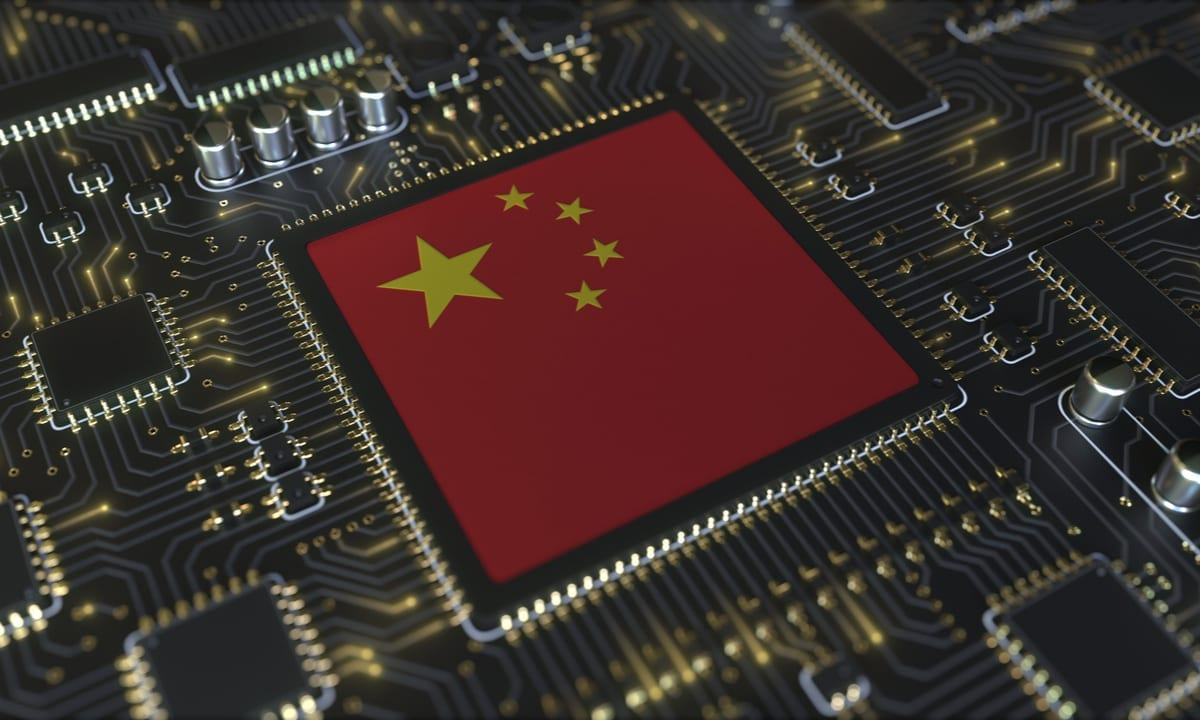
“No Longer Safe”: China’s Industry Associations Warn Against U.S. Chips

0

Four major Chinese industry associations have issued a stark warning to domestic companies, advising them to limit their reliance on U.S. semiconductor products and prioritize local alternatives.

The coordinated announcement comes amid intensifying economic friction between China and the United States, compounded by Washington’s latest export restrictions targeting Chinese semiconductor firms.

The associations, representing sectors including telecommunications, semiconductors, the digital economy, and the automotive industry, collectively advocate for reduced procurement of U.S. chips, which they described as “no longer safe or reliable.” While the warnings stopped short of specifying reasons for the safety concerns, they align with Beijing’s broader push for technological self-reliance and retaliatory measures against U.S. trade policies.

This move could potentially impact major U.S. chipmakers such as Nvidia, AMD, and Intel, which have historically relied on the Chinese market for substantial revenue. The Semiconductor Industry Association, a U.S. trade body, countered the claims, calling them “inaccurate” and cautioning that such calls undermine global semiconductor trade.

“Export controls should be narrow and targeted to meet specific national security objectives. We encourage both governments to avoid further escalation,” the U.S. group said.

Escalating Trade and Technology Rivalry

The announcement follows Washington’s decision to impose fresh export controls on 140 Chinese entities, including Naura Technology Group, a significant player in the chipmaking equipment industry. This marks the third major crackdown in as many years, further straining relations between the two global powers.

In a tit-for-tat response, Beijing has banned exports of critical rare minerals essential for military applications, solar cell production, and advanced manufacturing. These minerals are vital to numerous industries, including those in the United States, signaling China’s readiness to weaponize its control over key supply chains.

“China had been moving quite slowly or carefully in terms of retaliating against moves by the United States, but it seems pretty clear that now the gloves are off,” said Tom Nunlist, associate director at policy research consultancy Trivium China.

The warnings from the Chinese associations could influence corporate strategies but may not result in immediate action. Nunlist noted that market dynamics would ultimately dictate companies’ procurement decisions. However, the push for self-reliance and alternative partnerships is clear.

The Internet Society of China, one of the associations issuing the warning, urged companies to strengthen ties with non-U.S. chipmakers and emphasized the importance of domestic and foreign-owned enterprises operating within China. It also accused U.S. export controls of causing “substantial harm” to the country’s internet industry.

Meanwhile, the China Association of Communication Enterprises has called for a thorough review of the U.S. chip supply chain, citing security concerns and a lack of reliability.

This isn’t the first time U.S. companies have faced scrutiny in China. In 2023, U.S. memory chipmaker Micron was barred from selling to key industries following a cybersecurity review. Intel, another U.S. tech giant, has similarly been under the spotlight, with the Cybersecurity Association of China accusing it of jeopardizing national security.

These measures underscore China’s growing use of regulatory reviews as a countermeasure to U.S. export controls, reflecting a deeper shift in the global semiconductor trade market.

While the warnings may not lead to an immediate cessation of U.S. chip purchases, they signal a significant shift in China’s strategy to insulate its industries from external pressures. Beijing aims to mitigate the long-term impact of Washington’s policies by fostering local innovation and seeking partnerships outside the United States.

For U.S. chipmakers, the escalating trade and technology rivalry poses risks to their revenue and market share in China, a critical hub for semiconductor demand. As both nations continue to leverage economic measures, analysts predict that the global semiconductor supply chain may face further fragmentation, raising costs and complicating international collaboration.

With President-elect Donald Trump set to return to the White House in January, and his previous promise of imposing heavy tariffs on Chinese goods, tensions are expected to escalate, creating an even more uncertain environment for global trade.

France Signs MoU with Nigeria to Develop its Mineral Sector, But It Raises Exploitation Concern

0
CREATOR: gd-jpeg v1.0 (using IJG JPEG v80), quality = 82

The Federal Government of Nigeria has signed a landmark Memorandum of Understanding (MoU) with the Republic of France, aiming to enhance and diversify the critical mineral value chain in Nigeria’s solid minerals sector.

This was disclosed in a statement on Sunday by the Special Assistant on Media to the Minister of Solid Minerals Development, Segun Tomori.

He said the MoU signing was done by the Minister of Solid Minerals Development, Dele Alake, on the sidelines of President Bola Tinubu’s visit to France.

“Critical minerals such as copper, lithium, nickel, cobalt, and rare earth elements are essential to clean energy technologies,” the statement read.

“Both countries agreed to collaborate on research, training and Franco-Nigerian students exchanges for knowledge and skills transfer.

“A key component of the MOU is the promotion of sustainable mining activities by executing projects and programmes that reduce the environmental impact of mining on carbon emissions, water consumption, and climate change.”

The agreement, signed during President Bola Tinubu’s visit to France, signals a potential shift in the mining industry, as both nations explore opportunities in the extraction and processing of key minerals like copper, lithium, nickel, cobalt, and rare earth elements—resources essential for clean energy technologies.

This development comes amidst growing speculation that France is seeking to replace its reliance on critical minerals sourced from former colonies in the Sahel region, following strained diplomatic ties with those nations. France has historically depended on Burkina Faso, Niger, Chad, and others for mineral extraction, leveraging long-standing colonial relationships.

However, recent geopolitical upheavals have seen these countries cutting ties with France, forcing the European nation to explore alternative sources of critical minerals to sustain its industrial needs and energy transition goals.

The MoU represents a strategic opportunity for France to secure a new mineral field, but it also raises significant concerns in Nigeria. Many Nigerians worry that the country could become a replacement for France’s former colonies, sparking fears of economic dependency and exploitation.

These concerns are rooted in a historical context where resource-rich African nations often fail to benefit equitably from the extraction of their natural resources, leaving behind environmental degradation and economic disparities.

Nigeria, with its abundant yet underexplored reserves of critical minerals, is viewed as a potential game-changer in the global supply chain for clean energy technologies. The partnership outlined in the MoU aims to attract French investment into Nigeria’s solid minerals sector, providing much-needed capital and expertise to develop the industry. It includes provisions for sustainable mining practices, transparency, and the inclusion of local communities in the developmental process.

However, many are concerned that the collaboration could repeat patterns seen in other African nations where foreign partnerships primarily serve the interests of external stakeholders.

The signing of the MoU also highlights Nigeria’s broader economic ambitions. With the Tinubu administration prioritizing the diversification of the economy beyond oil and gas, the solid minerals sector has been identified as a critical area for growth.

Minister of Solid Minerals Development Dele Alake emphasized that the partnership with France would open Nigeria’s mining sector to global investors while leveraging French expertise to enhance local capacity. Provisions for research collaboration, training, and student exchanges aim to facilitate knowledge transfer and empower Nigerian professionals in the field.

“It also includes the establishment of joint execrative and processing projects through co-financing by public and private entities to diversify and secure the supply of critical minerals and decarbonize energy projects critical to the value chain,” the minister said.

Recent shifts in the Sahel region have seen countries like Niger nationalizing their resources, signaling a broader African pushback against foreign control over critical industries. Observers note that France’s pivot to Nigeria could be driven by the need to mitigate the fallout from losing access to its traditional sources of minerals in West Africa.

Alake said both nations have pledged to adopt international best practices in the execution of projects, with a focus on reducing environmental impacts such as carbon emissions and water consumption. Additionally, the partnership seeks to ensure that local communities benefit from mining activities, with mechanisms to improve living conditions and economic opportunities.

However, despite skepticism, many believe that this agreement could position Nigeria as a key player in the global critical minerals market while potentially redefining its relationship with foreign powers. Yet, for this potential to be realized, the government has been urged to ensure that the benefits of the partnership are felt at all levels of society and that the country’s natural wealth is managed in the interests of its people.

Walmart Completes $2.3bn Acquisition of Vizio to Strengthen Advertising Business

0

Walmart has finalized its acquisition of popular television maker Vizio in a deal valued at $2.3 billion, signaling a significant move to bolster its advertising capabilities.

The deal, initially announced in February 2024, was completed after regulatory review, making Vizio a wholly owned subsidiary of the retail giant.

The acquisition is part of Walmart’s strategy to expand its Walmart Connect advertising platform, aiming to better compete with industry leaders like Amazon, Google, and Roku. Through the integration of Vizio’s Smart TVs and its proprietary SmartCast operating system, Walmart intends to merge retail and entertainment, leveraging customer data to deliver personalized advertising and shopping experiences.

Integration to Lead in Connected TV Advertising

With the acquisition, Walmart gains control over Vizio’s SmartCast operating system and its WatchFree+ streaming service. This integration will enable Walmart to combine customer viewing habits with its extensive retail data, offering advertisers a potent platform to target consumers effectively.

“Vizio offers great products at great prices that customers love. They’ve always put customers at the center of their business – and that’s core to Walmart’s values,” said Seth Dallaire, Walmart U.S.’s executive vice president and chief growth officer. “Pairing it with Walmart Connect will allow us to invest further on behalf of our customers.”

This approach will see Vizio TVs likely featuring an increased number of Walmart ads, promoting a seamless link between entertainment and commerce. Walmart intends to provide advertisers with a larger and more engaged audience by capitalizing on Vizio’s 19 million active SmartCast accounts.

Vizio’s transition from a TV manufacturer to an advertising-driven business over the years aligns with Walmart’s vision. Vizio’s ad platform, known for its vast advertiser network, includes Fortune 500 companies and has become a central revenue stream. Walmart aims to enhance this ecosystem by offering advertisers unique insights derived from the intersection of TV and retail data.

Consumers, on the other hand, may see an increasingly personalized shopping journey, with product recommendations and tailored promotions delivered through their Vizio smart TVs.

William Wang, CEO of Vizio, emphasized the potential for innovation saying: “With the tremendous resources from Walmart, we will continue to accelerate our mission of delivering incredible value and award-winning innovation to customers.”

Financial and Operational Details

The all-cash deal saw Walmart pay $11.50 per share, valuing Vizio at $2.3 billion. As part of the agreement, Vizio’s common stock will no longer be listed on the NYSE, and the company’s operations will now be reported under Walmart’s U.S. segment.

To fund the acquisition, Walmart will use a mix of cash and debt. Despite transaction-related costs, the company expects the internal rate of return (IRR) from the deal to surpass its reported return on investment. However, Walmart projects the acquisition will be slightly dilutive to its earnings per share in fiscal 2025 and 2026.

For now, Walmart and Vizio will operate independently, with William Wang continuing as Vizio’s CEO under the oversight of Seth Dallaire. This arrangement allows Vizio to maintain its identity while aligning its operations with Walmart’s broader strategic goals.

This acquisition underscores Walmart’s intent to lead in the fast-growing connected TV advertising market. Walmart Connect, which experienced 26% growth in Q3 2024, has already proven itself as a key driver for the company. With Vizio in its portfolio, Walmart is set to accelerate growth further, offering advertisers innovative solutions to engage with customers across multiple channels.

China’s Electric Vehicle Market Dominates with 76% Global Share, Despite Western Tariffs

0

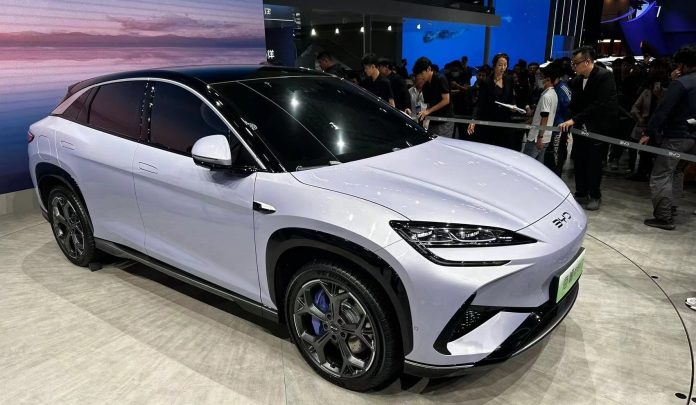
China has cemented its position as the undisputed leader in the global electric vehicle (EV) market, capturing an impressive 76% of the worldwide share in October, according to data from the China Passenger Car Association (CPCA).

The surge reflects both robust domestic demand and strategic government support, even as Western tariffs increasingly stymie exports.

Between January and October 2024, global EV sales totaled 14.1 million units, with 69% of those occurring in China. In October alone, the country’s share rose beyond three-quarters, reinforcing its dominance in the sector. This marks a significant leap from 2023, when China accounted for just under 60% of new EV registrations globally, as reported by the International Energy Agency.

China’s Green Push Meets Western Resistance

EVs, named by Beijing as one of the “new three” priority areas for economic growth and green transition, are a cornerstone of China’s broader strategy to lead the global energy revolution. However, this ambition is being met with growing resistance from Western markets.

The United States has effectively barred Chinese EVs from its market, with President Joe Biden raising tariffs on Chinese electric cars from 25% to 100% earlier this year. Former President Donald Trump, a contender in the upcoming elections, has vowed to impose an additional 10% levy on all Chinese imports if reelected.

The European Union has similarly escalated its trade measures, imposing tariffs of up to 35% on Chinese EVs, in addition to existing duties of 10%. These actions have drawn sharp criticism from Beijing, which views the moves as protectionist barriers against its rapidly expanding EV industry.

Resilience at Home and Strategic Shifts Abroad

Against the backdrop of Western tariffs, China’s domestic market has remained a pillar of strength for its EV industry. The government recently doubled subsidies for EV buyers, providing 20,000 yuan ($2,750) to consumers trading in conventional vehicles. This policy has buoyed domestic demand, allowing Chinese manufacturers to maintain robust production levels.

Tesla, the American EV giant led by Elon Musk, has also benefited from China’s pro-EV policies. The company reported a 7% increase in sales during the third quarter, partly attributed to the enhanced subsidies. Musk’s relationship with Beijing and Tesla’s localized production facilities have enabled the company to navigate the complex trade environment more effectively than other Western automakers.

Expanding Markets to Russia and Beyond

China’s auto exports to Russia have surged amid declining shipments to the U.S. and Europe. Over the past two years, exports to Russia have grown by 109%, contrasting with a 23% decline in exports to the United States during the same period.

Cui Dongshu, secretary-general of the CPCA, highlighted the strategic importance of the Russian market.

“Chinese carmakers are eager to export to Russia,” he said, pointing out that many international competitors have avoided the market due to geopolitical risks following the invasion of Ukraine in 2022.

China’s dominance in the EV market comes at a pivotal moment in global energy and economic transitions. With domestic sales providing a buffer against Western trade restrictions, Chinese automakers are well-positioned to explore emerging markets in Africa, the Middle East, and South America.

However, the increasing reliance on state subsidies and the growing isolation from Western markets pose challenges. As Western nations intensify their tariffs and promote domestic production, China may face hurdles in maintaining its growth trajectory without significant shifts in its export strategy.

For now, China’s electric vehicle market stands as a testament to its industrial and economic might, showcasing a blend of strategic government intervention, technological innovation, and market adaptability. Whether this dominance can withstand rising geopolitical tensions and trade barriers remains a crucial question for the future of global EV markets.

However, there is a growing belief that China is on the right path to conquer every sector of the global economy, resulting in the tariffs by the West, rattled by the South Asian giant’s rapid acceleration.