DD
MM
YYYY

PAGES

DD
MM
YYYY

spot_img

PAGES

Home Blog Page 2694

MTN Nigeria Reports N514.9bn Loss For Nine Months Ending September 30, 2024

0

MTN Nigeria Communications Plc has released its financial results for the nine months ending September 30, 2024, revealing challenges, loss, and growth in certain areas.

The telecom giant reported a notable loss after tax of N514.9 billion, with a third-quarter Profit After Tax (PAT) of N4.1 billion. When adjusted for the net foreign exchange loss, PAT stood at N118.5 billion, marking a substantial 59.2% decline. This loss was primarily attributed to the persistent devaluation of the naira, with the N514.9 billion recorded reflecting a slight decrease from the N519.1 billion reported in the half-year results.

The telecom giant showed a 33.6% increase in service revenue, totaling N2.4 trillion. However, its subscriber base saw a decrease of 0.9%, dropping to 77 million. This reduction was primarily due to regulatory pressures, specifically the National Identity Number (NIN)-SIM linkage mandate, which required telecom providers to deregister non-compliant Subscriber Identity Module (SIM) cards.

Meanwhile, active data users grew by 5.1% to 45.3 million, demonstrating continued demand for internet connectivity amid digitalization trends. Yet, active mobile money (MoMo PSB) wallets dropped significantly by 21.8% to 2.8 million, indicating challenges in expanding financial service offerings under current economic conditions.

A detailed examination of MTN Nigeria’s operating metrics reveals further areas of strain. Earnings Before Interest, Tax, Depreciation, and Amortization (EBITDA) declined by 5.3%, totaling N860.2 billion, while the EBITDA margin dropped by 14.9 percentage points to 36.3%.

Commenting on the financial outcome, MTN Nigeria’s CEO, Karl Toriola, referred to the company’s performance as “resilient” in the face of macroeconomic and regulatory challenges. He acknowledged the significant impact of inflationary pressures and exchange rate depreciation on operational costs, describing the environment as “persistently challenging.”

“In the first nine months of 2024, we sustained the growth in our underlying operating performance—underpinned by our resilient business model and operational agility—despite challenging conditions,” Toriola noted.

He explained that average inflation rates reached 32.8% during this period, up from 24.5% in the previous year. He highlighted the steps taken by the Central Bank of Nigeria (CBN) to counter inflation, including raising the Monetary Policy Rate (MPR) by 8.5 percentage points to 27.25%.

Although this monetary policy adjustment helped to stabilize the forex market, it resulted in increased funding costs and squeezed consumer purchasing power, directly affecting MTN’s business activity and the broader telecommunications market.

In an attempt to break even, MTN and other telcos have been pushing for regulatory approval from the Nigerian Communications Commission (NCC) to review and increase tariffs on calls and data, which could allow the company to offset some of the cost impacts from the naira’s devaluation and inflation. However, the NCC has so far denied requests for a tariff review, citing Nigeria’s difficult economic conditions as a key factor in its decision. The regulator’s stance is rooted in a concern for consumer welfare amid rising prices in nearly all sectors, leaving telecom companies like MTN to navigate these cost burdens without passing them onto the customer base.

To address short-term liquidity needs and manage the operational costs posed by currency depreciation, MTN Nigeria has announced plans to issue a new series of commercial papers (CP). The company aims to raise N50 billion under its N250 billion Commercial Paper Issuance Programme, as detailed in its notification to the Nigerian Exchange Limited and the public. This move is intended to bolster MTN Nigeria’s short-term working capital while diversifying its financing base, allowing the company to tap into the debt market as a more flexible source of funding to meet immediate financial obligations.

The naira’s depreciation has notably affected MTN’s ability to maintain its previous dividend levels for shareholders. In 2023, the company recorded a net foreign exchange loss of N740.4 billion, a staggering 805% rise from 2022, when forex losses stood at N81.8 billion. This sharp increase in foreign exchange losses was compounded by the CBN’s decision in June 2023 to end its multiple exchange rate policy, floating the naira. This move saw the exchange rate surge from N461.1 per dollar in December 2022 to N907.1 per dollar by December 2023, a change that placed immense pressure on MTN and other foreign revenue-dependent entities.

Looking forward, MTN Nigeria is expected to continue navigating these economic and regulatory headwinds, focusing on strategies to improve operational efficiency and streamline costs. Toriola reiterated the company’s commitment to expanding its commercial operations while addressing inflationary impacts on consumers’ spending power.

“Dead on Arrival”: Sen. Ndume Rallies Opposition Against Tinubu’s Tax Reform Bills

0

President Bola Tinubu’s proposed tax reform bills have continued to meet with stiff resistance from Northern leaders, who argue the policies could severely impact their region’s revenue streams.

Leading the charge is Ali Ndume, a federal lawmaker representing Borno South Senatorial District in the National Assembly. Ndume has denounced the bills as “dead on arrival,” acknowledging concerns that the legislation would deepen the financial challenges in Nigeria’s northern regions.

Opposition to the bills has been backed by Northern political figures, traditional rulers, and even the Northern Governors’ Forum, who view the proposed tax policies as a direct threat to their regional economic stability. According to Ndume, the widespread sentiment in the North is against the VAT restructuring component, which would change how VAT is distributed between the federal government and the states.

Northern leaders argue that, given their region’s relatively limited industrial and economic activity compared to the South, any decrease in federal revenue allocations could leave them vulnerable.

“Our people are saying they don’t want the VAT bill; they don’t even want to hear about it,” Ndume declared on Channels Television’s Politics Today program.

He urged President Tinubu to heed the advice of the Northern Governors’ Forum and the National Economic Council (NEC) to withdraw the bill immediately.

“It will be fair to shut the bill down; it is the fairest thing to do,” Ndume added, noting that he has already started rallying his colleagues to reject the bills outright.

Background on the Tax Reform Bills

The tax reform bills, first introduced as part of President Tinubu’s broader fiscal strategy, seek to diversify Nigeria’s revenue sources beyond oil and boost tax collection across all sectors. At the heart of the proposed changes are measures that would restructure Value Added Tax (VAT) allocations, aiming to improve equity in revenue distribution and streamline tax collection nationwide.

Many have argued that these reforms will reduce Nigeria’s heavy dependence on crude oil revenue, create a more balanced economy, and ultimately fund national development initiatives. However, the proposed shift has sparked fierce resistance from northern leaders, who worry that it could lead to a revenue shortfall for their region, which is heavily dependent on funds generated from the oil-rich South.

The economic disparities between Nigeria’s northern and southern regions have long fueled tension in revenue-sharing discussions. The North, which holds significant political influence, is often criticized as economically dependent on the oil and tax revenue generated primarily in the South. Critics frequently characterize the North as a “parasite” in the nation’s fiscal structure, benefiting disproportionately from federal allocations sourced from southern wealth.

Against this backdrop, the new tax reforms are seen as a threat to this status quo. The VAT restructuring, for instance, would reduce the federal government’s VAT pool, which currently benefits states with lower economic activity. Under the new system, VAT revenue may increasingly flow back to the areas where it is generated, predominantly in the South, thereby challenging the North’s dependence on federal allocations for its budgetary needs.

However, in addition to revenue sharing concern, Ali Ndume’s argument reflects a larger sentiment among many that current economic conditions—marked by high inflation, currency devaluation, and diminished purchasing power—are not conducive to implementing new taxes.

“Nigerians are willing to pay taxes but only when they can afford it,” he remarked. “Right now, people are struggling to survive. Let people live first before you start asking them for taxes.”

Ndume, who belongs to President Tinubu’s All Progressives Congress (APC), argued that the current economic climate demands tax relief, not additional burdens. According to him, the tax reform bills will only exacerbate economic hardship for everyday Nigerians. He noted that before imposing additional taxes, the government should focus on internal reforms to reduce wasteful spending and create a more transparent governance structure.

“What he [Tinubu] needs to do is to withdraw the bill, educate Nigerians, and make us understand it,” Ndume stated. “We are representing the people, and they have already made their stance clear.”

This opposition has drawn considerable attention from Nigeria’s 36 state governors, many of whom have joined calls for Tinubu to reconsider the bills.

Tinubu Stands His Ground But There’s Possibility Amendments

Despite the mounting criticism, President Tinubu has shown no intention of retracting the bills. However, he has expressed a willingness to consider “inputs and necessary changes” from lawmakers. The President’s openness to amendments suggests that there may be room for compromise, though he remains adamant about moving forward with the reforms as part of his broader economic restructuring agenda.

Tinubu’s administration is keen on its belief that the tax reforms are essential for addressing Nigeria’s fiscal deficit and funding national development. The bills also align with the recommendations of the National Economic Council (NEC), which emphasizes the need to broaden the tax base to reduce dependency on oil revenues and ensure more equitable development. However, without Northern support, pushing the reforms through the National Assembly will likely be challenging.

OmniRetail Revolutionizes FMCG Distribution in Nigeria With Launch of AI-Powered Micro Fulfillment Center

0

OmniRetail, a leading B2B e-commerce distribution platform in Nigeria, has recently unveiled its AI-powered micro fulfillment center, dubbed “OmniHub Franchise”, across Southwest Nigeria.

With the launch of the hub which currently makes it 50 OmniHub Franchise established by the e-commerce startup across Nigeria, these hubs are strategically positioned designed to optimize inventory management, streamline sales processes, and accelerate delivery times for retailers.

Deepankar Rustagi, CEO of OmniRetail, emphasized the company’s dedication to innovation during the launch event yesterday.

He described OmniHub as more than just a distribution system, but a transformative platform empowering individuals seeking opportunities in FMCG distribution to become key players in a decentralized, tech-enabled warehousing model.

In his words,

At OmniRetail, we have always embraced innovation, through our network of network platforms, and today’s launch is a testament to that commitment. OmniHub is more than just a distribution system it is a transformative platform that empowers people looking for business opportunities in FMCG distribution, to become key players in a decentralized, tech-enabled warehousing model. OmniHub integrates seamlessly with our vision to create a dynamic, interconnected ecosystem that benefits everyone from manufacturers to OmniHub partners to retailers in the communities they serve.

“With AI-powered predictive procurement, OmniHub offers manufacturers and our partners real-time visibility into inventory, optimized stock levels, and better product availability, which in turn reduces stockouts and improves supply chain efficiency. This cutting-edge solution will help drive business growth while addressing critical challenges in the distribution landscape.”

OmniHub, a tech-enabled decentralized distribution franchise business, aims to revolutionize FMCG distribution across Nigeria by leveraging a franchise model that empowers entrepreneurs to start their own FMCG distribution businesses.

This model enables Nigerian entrepreneurs to manage their warehouses, generate consistent income, and contribute to the supply of essential goods to local communities. By promoting entrepreneurship, supporting SMEs, and ensuring wider access to goods, OmniHub aligns with the government’s efforts to develop both urban and rural areas.

Founded in 2019 by Deepankar Rustagi, OmniRetail is a distribution platform that digitizes the supply chain from distributors to retailers. Its flagship product, OmniBiz, was launched in 2020, enabling retailers to place orders directly from manufacturers. These orders are fulfilled by partner distributors, who specialize in warehousing, while transportation responsibilities are delegated to third-party logistics providers, ensuring delivery to retailers within 24 hours.

Since then, the company has developed two additional products to complement OmniBiz: Amplify, an app tailored for distributors, and OmniPay, an embedded finance platform that provides payment and credit services to retailers and distributors. According to the Financial Times in its third edition of Africa’s Fastest Growing Companies, it listed OmniRetail as the fastest growing company in Africa. The e-commerce startup has created a system leveraging its existing network of over 200 manufacturers, 144,000+ retailers, and 1100 logistics partners to support Nigerian entrepreneurs who want to become not just distributors in the FMCG sector but a powerhouse of retail success within their community through OmniHub.

In October 2024, the B2B eCommerce startup acquired Traction Apps, a Nigerian fintech, for an undisclosed fee. Omniretail seeks to leverage the data from the payment activities recorded by merchants to offer additional financial services. Following the acquisition, the Traction PoS solution will be integrated into OmniPay The integration, which will be managed in phases, is expected to be completed by the end of Q1 2025.

The startup is on a journey to accelerate Trade value chain stakeholders’ progress by unlocking access to services and the flow of working capital, with a mission to build the largest profitable network of retailers in Africa.

MTN Nigeria Doubles Down on Fintech Ambitions With New License Applications For MoMo PSB

0

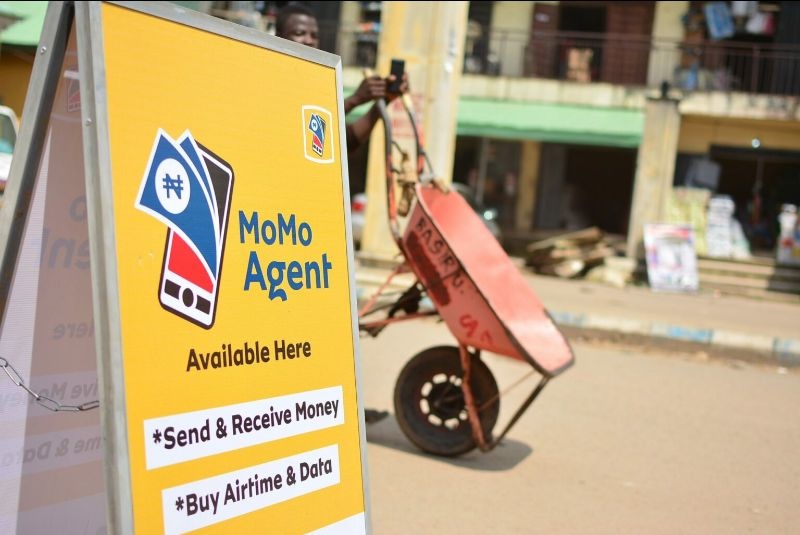
MTN Nigeria, the country’s leading telecommunications company, has reportedly applied for two additional licenses, as it looks to expand the capabilities of its Fintech subsidiary MoMo PSB.

In a bid to double down on its fintech growth, the company applied for a Payment Service Solutions Provider (PSSP) and Payment Terminal Service Provider (PTSP) licenses.

What these licenses mean

• PSSP License: This license will empower MoMo PSB to process payments internally, reducing reliance on third-party providers. Additionally, it will enable the company to offer payment processing solutions to merchants and partners.

• PTSP License: With this license, MoMo PSB can deploy and manage Point-of-Sale (POS) terminals, providing services to over 302,000 merchants and agents, as well as 5.3 million users on its platform.

Acquiring these licenses will enable MoMo PSB to directly compete with established fintech players like Interswitch, Flutterwave, amongst others, in the payment processing space. Also, in the POS market, it will challenge leaders such as Moniepoint, Opay, and Palmpay.

Notably, MTN Nigeria’s strategic move of acquiring PSSP and PTSP licenses, challenges the traditional regulatory boundaries for PSBs, which have primarily been focused solely on providing basic financial services to the underserved and underbanked population.

With expanded capabilities, MoMo PSB can offer more sophisticated financial services, positioning itself as a formidable competitor in the Nigerian market. Also, by expanding its reach and offering a wider range of services, MoMo can contribute to greater financial inclusion in Nigeria. MTN Nigeria’s strategic move with its fintech subsidiary highlights the growing importance of digital finance in Nigeria and the potential for innovative business models to reshape the financial landscape.

Launched in Nigeria in 2022, MoMo has rapidly expanded since inception. The fintech recorded 4.2 million wallets in less than two months of its launch. Also, it currently has over 5 million people actively use the platform every month, of which more than 324,000 are merchants served through MoMoPay.

In its recent unaudited results for the third quarter of the month (Q3), which ended September 30th, 2024, MTN’s Fintech revenue grew by 18.0%, with an acceleration in Q3 (up 32.3%) with Xtratime contributing significantly to the growth.

In a bid to simplify cross-border transfers, it launched a new remittance service in October 2024, enabling customers in Nigeria to send and receive money across multiple African countries. With the launch of this service, MoMo PSB users can now send money to 13 African countries which include; Benin Republic, Cameroon, Congo Brazzaville, Côte d’Ivoire, Democratic Republic of Congo, Gambia, Liberia, Malawi, Rwanda, Sierra Leone, Togo, Uganda, and Zambia. Additionally, customers in Nigeria can receive funds from South Africa, Rwandá, Uganda, Zambia, the Democratic Republic of Congo, and Mauritius.

MTN Nigeria has noted that MoMo PSB is positioned to enable millions of unbanked and underserved Nigerians to access a wide range of financial service products with an expansive agent network and digitized partnership infrastructure. The company has set a target of building the largest and most valuable fintech platform in Nigeria with 30-40 million active MTN MoMo wallets by 2025.

Top 10 Best Crypto Coins to Trade for Quick Profits Today

0

Trading cryptocurrencies is one of the best ways to make money from digital assets. Due to the highly volatile nature of the market, crypto trading offers huge opportunities, a way to quickly turn a few dollars into thousands.

Notably, the crypto market does not sleep, it operates 24/7 and traders can open and close trades at any time they want to. But, without a proper selection of the right coins to trade, traders might find themselves wallowing in loss. In this article, we have outlined the top 10 best crypto coins to trade, the ones that have the potential to give quick profits. See them below.

10 Best Crypto to Invest in Right Now and Get Quick Profits

  1. AurealOne (DLUME)
  2. DexBoss (DEBO)
  3. 5thScape (5SCAPE)
  4. Dogecoin (DOGE)
  5. Cardano (ADA)
  6. Polygon (POL)
  7. Aave (AAVE)
  8. Chainlink (LINK)
  9. Shiba Inu (SHIB)
  10. Uniswap (UNI)

Do you have that spare cash and are contemplating on what to spend it on? Rather than go for chocolates or things with no monetary return, why not consider investing in the aforementioned crypto coins? Trading these cryptocurrencies offers possibilities of high returns when properly done. Continue reading to find out why they stand out.

1. AurealOne (DLUME)

The metaverse and the blockchain gaming industry are undoubtedly gaining traction attracting gamers and investors alike. At the front of it, AurealOne is one project that stands out in this sector, dedicated to proffering blockchain solutions for gaming and metaverse applications.

AurealOne looks to create a sophisticated blockchain ecosystem that will serve as the go-to platform for blockchain-based gaming projects in the next generation. Central to this venture are the two innovative projects, DarkLume and Clash of Tiles.

>>Visit AurealOne Official Website

DarkLume is the first metaverse project built on the AurealOne platform. The virtual reality ecosystem offers an immersive experience with a fully decentralized environment. Users can engage in economic activities like buying, selling, and trading virtual lands and other goods.

Clash of Tiles, on the other hand, is an engaging game strategy that allows players to deploy cryptocurrencies and stocks to conquer tiles in the virtual world.

Why Invest?

Potential for a billion-dollar market cap: With the exceptional growth of the metaverse and blockchain gaming industry, AurealOne is positioned to tap into the burgeoning industry to quickly become a billion-dollar project.

Discounted pre-sale round: The native token of the AurealOne ecosystem, DLUME, is currently on its presale and the price increases through multiple rounds, rewarding early investors with an eventual price surge.

10x potential: The DLUME token is selling for $0.00428 in its pre-sale first round. However, upon launch, it will be listed across exchanges at $0.01, offering a potential 10x ROI.

2. DexBoss (DEBO)

The next best crypto investment on our list is DexBoss. Decentralized Finance, though has experienced substantial growth over the years, is still plagued with challenges that hinder mainstream adoption. This is what the DexBoss project aims to solve.

DexBoss is a decentralized exchange that was created to bridge the gap between traditional finance and decentralized finance.

The platform supports the trading of over 2,000 digital assets including popular coins like BTC, ETH, and trending memecoins. The DexBoss platform ensures that trades are executed fast, reducing transaction delays and allowing users to profit from market fluctuations.

Key Features

Fiat on/off ramps: DexBoss offers seamless conversion between fiat and cryptocurrencies utilizing partnerships from over 10 providers to give easy trading experiences.

Advanced financial products: DexBoss provides advanced trading features such as options, futures, and high-leverage trading.

Staking and Liquidity Farming: Users can earn passive income by contributing to the platform’s liquidity pool.

Why Invest?

Early investors get the best deals: The native token of the DexBoss platform DEBO is currently in its presale, offering early investors the opportunity to get in at a discounted price.

From $0.01 to $0.15 listing price: During each round, the price of DEBO increases, starting at $0.01 until it is finally launched and listed across several crypto exchanges at $0.15.

Deflationary mechanism: DexBoss ensures scarcity of the DEBO token by employing a buy-back and burn deflationary mechanism. This way, a limited amount of DEBO remains in circulation which will potentially trigger an increase in value.

3. 5thScape (5SCAPE)

5thScape is one project that is dedicated to virtual reality (VR) gaming fanatics. Since its inception, the project has gained wide traction among players and investors. With its impressive technology and features, 5thScape positions itself as a promising project worthy of exponential growth in the future.

5thScape provides exciting VR games including Soccer 3D, Cricket 3D, Thrust Hunter, MMA 3D, and Archery Master. Moreover, users can step into this world by using a VR headset and a very comfortable ergonomic gaming chair.

What is more, 5thScape offers an escape from reality where you can engage in a world of endless possibilities, adventure, and fun. Central to this initiative is the 5SCAPE token which serves as the native token for the entire ecosystem.

Holders of 5SCAPE can unlock exclusive features like free basic access to all digital products, games, and educational content.

5SCAPE is an interesting investment because it is performing well through its presale. At press time, it has raised $7.5 million and is selling at $0.00433. Upon launch, 5SCAPE will be listed across exchanges at $0.01.

4. Dogecoin (DOGE)

Dogecoin started as a meme but has evolved into a highly liquid asset with massive community support. Its price is driven largely by social media trends, celebrity endorsements (most notably from Elon Musk), and community events. DOGE’s low price per coin and high volatility make it an ideal asset for quick, speculative trades.

Traders can capitalize on Dogecoin’s frequent price surges, often triggered by mentions on social platforms like Twitter or announcements from public figures. DOGE is highly responsive to news, making it a fast-paced asset for short-term profits.

5. Cardano (ADA)

Cardano is a well-established blockchain platform known for its scientific approach to development. ADA, the native token, is highly liquid and frequently experiences price movements due to network upgrades, partnerships, or developments in its ecosystem.

As Cardano continues to roll out new features and expand its smart contract capabilities, ADA provides traders with numerous opportunities for short-term profits. Cardano’s popularity, combined with its high trading volume, makes it a reliable coin for quick trades.

6. Polygon (POL)

Polygon is a layer-2 scaling solution for Ethereum, designed to improve transaction speeds and reduce costs. As Ethereum’s scalability issues continue to be a concern, Polygon’s MATIC token has gained substantial traction in the crypto space. MATIC’s price movements are often tied to the performance of Ethereum and the overall demand for scaling solutions.

With constant updates, new partnerships, and the growing DeFi sector on Polygon, MATIC offers traders frequent short-term opportunities. Its relatively low price and high volatility make it a good choice for quick trades.

7. Aave (AAVE)

Aave is a leading DeFi protocol that allows users to lend and borrow cryptocurrencies without intermediaries. The AAVE token is integral to the governance and utility of the platform, and its price movements are closely tied to the health of the DeFi market.

Given the frequent fluctuations in the DeFi space, AAVE often sees price spikes in response to new features, partnerships, or significant changes in the DeFi landscape. This makes it a good asset for traders looking for profit opportunities in decentralized finance.

8. Chainlink (LINK)

Chainlink is the dominant decentralized oracle network that allows smart contracts to access off-chain data. LINK, the native token of Chainlink, is widely used within the DeFi ecosystem to secure reliable data feeds. The token is highly liquid, making it an ideal choice for day traders and swing traders.

LINK’s price is influenced by its expanding partnerships and integrations with other blockchain projects, giving traders plenty of opportunities to capitalize on price movements. The token’s volatility, especially during periods of high DeFi activity, makes it suitable for short-term trading.

9. Shiba Inu (SHIB)

Shiba Inu is another meme coin that has exploded in popularity, following in the footsteps of Dogecoin. SHIB has a large community of supporters and frequently sees price surges due to social media hype, celebrity endorsements, and speculation.

While meme coins can be highly speculative, SHIB’s high trading volume and liquidity make it a prime candidate for quick profits. Traders who closely follow social trends and community-driven events can capitalize on SHIB’s frequent price swings.

10. Uniswap (UNI)

Uniswap is the largest decentralized exchange (DEX) on Ethereum, and its UNI token is used for governance and utility within the platform. As decentralized exchanges continue to gain popularity, particularly during periods of regulatory scrutiny on centralized exchanges, UNI sees frequent price movements.

Traders can profit from UNI’s volatility, especially during times of high trading volume on the Uniswap platform or when new features are launched. Its high liquidity and frequent news-driven spikes make it a great option for quick trades.

Conclusion: Best Crypto Investment Today

After all, crypto trading is a fast-paced activity that requires the right selection of assets combined with the right strategy. Our overall pick for the best crypto to trade is AurealOne.

With its exclusive presale incentives and real-world utility, the AurealOne project is positioned for exponential growth in the coming years. Investors who buy in early will benefit from the upsurge, especially at the time of launch.

A diversified portfolio is often encouraged for active traders, however, it is important to do your research before venturing into crypto trading and investment. Seek the help of a financial expert.