DD
MM
YYYY

PAGES

DD
MM
YYYY

spot_img

PAGES

Home Blog Page 2695

Tekedia Mid-Week Blockchain and Crypto Digest

0

In a remarkable development, the Kingdom of Bhutan has surpassed a significant milestone by amassing over $1 billion in Bitcoin holdings. This achievement positions Bhutan among the leading nations that have adopted Bitcoin as part of their financial strategy.

Bhutan’s journey into the realm of cryptocurrency began in 2021, leveraging its hydropower resources to mine Bitcoin. This strategic move has not only contributed to the country’s economic growth but also showcased the potential of sustainable energy sources in powering such operations. With over 13,000 Bitcoins mined, Bhutan has become the fourth-largest government holder of the cryptocurrency.

The rise in Bitcoin’s value in 2024 has played a crucial role in this achievement, with the price soaring to over $90,000. This surge has been attributed to various factors, including the SEC’s approval of Bitcoin-related ETFs and the potential regulatory changes hinted at by former President Donald Trump’s campaign promises.

Bitcoin has applied the brakes to its record-shattering rally after encountering resistance at the $90,000 level. Having briefly hit $90,100 on Coinbase during the U.S. afternoon Tuesday, BTC succumbed to selling pressure, falling as low as $86,200 during the European morning. It subsequently recovered some ground to settle around $87,500, about 2.65% lower than its Tuesday highs. Altcoins saw greater losses, with ETH and SOL falling by 3.6% and 2.8, respectively, in the last 24 hours. The broader crypto market, as measured by the CoinDesk 20 Index, dropped 1.4%.

McDonald’s, the global fast-food giant, has sparked a wave of excitement and speculation with a cryptic post on their official social media account. The post, which features a playful smiley face and the date “11/18”, has led to widespread conjecture about a potential collaboration with Doodles, the popular NFT (Non-Fungible Token) project known for its hand-drawn characters and generative avatars.

The speculation is not unfounded, as Doodles has previously partnered with notable brands and personalities, including Adidas, Crocs, and Pharrell Williams. This history of successful collaborations, coupled with a comment from Doodles in the McDonald’s post saying “gm” (good morning), has fueled the rumors further.

If the collaboration is confirmed, it would mark a significant milestone for NFTs and their integration into mainstream culture. McDonald’s, with its vast global reach, could bring NFTs to a much wider audience, potentially changing the perception of digital assets significantly. The partnership could also illustrate the growing trend of traditional brands embracing NFTs as tools to reach new, digital-first audiences, reflecting a shift in how major brands connect with fans and consumers.

The meme coin Bonk (BONK) received a listing on the prominent exchange Binance and saw an impressive surge of over 35%, reaching a market capitalization of $3 billion. This listing marks a significant milestone for Bonk, which is part of the Solana ecosystem and is governed by the BONK DAO. The coin, which serves multiple purposes including payment, governance, and rewards within its native platform, has shown the potential for substantial growth and investor interest.

On the same day, Binance also announced the listing of another meme coin, HIPPO, for perpetual futures trading. Originating from the Sui ecosystem, HIPPO experienced a dramatic price increase of 90% shortly after the listing announcement. This showcases the volatile and dynamic nature of the cryptocurrency market, where news of exchange listings can lead to rapid price movements and heightened trading activity.

These listings highlight the ongoing interest and excitement surrounding meme coins, which often capture the imagination of the crypto community with their unique branding and community-driven approach. As the market for these coins expands, they continue to attract attention from both retail and institutional investors, seeking to capitalize on the potential for high returns.


Signs to Hire Rat Exterminator: Recognizing the Right Time for Professional Help

0

Rats can pose serious health risks and property damage. Recognizing the signs of an infestation is crucial for prompt action. Consider hiring a rat exterminator if someone notices droppings, gnaw marks, or sounds in the walls.

Waiting until the problem worsens can lead to more significant complications. A professional rat exterminator possesses the expertise to assess the situation and implement effective solutions. Observing nests, burrows, or unusual pet behavior also indicates a potential rat issue that requires immediate attention.

Taking swift action at the first signs of an infestation helps protect one’s home and maintain a safe environment. Understanding these indicators can prevent further damage and health hazards associated with rats.

Recognizing Rat Infestation

Identifying a rat infestation early is essential for effective pest control. Knowing the signs can help homeowners take prompt action to prevent further issues.

Common Indicators of a Rat Problem

Several vital signs indicate a potential rat problem. Homeowners may notice droppings resembling small, dark rice grains often found near food sources or nesting areas. Gnaw marks on food packages, furniture, or walls are another clear signal, as rats have solid teeth and continuously chew to maintain their dental health.

Rub marks can also appear where rats frequently travel, leaving grease and dirt stains. Additionally, homeowners might hear noises at night, such as scurrying or scratching, particularly in walls or attics. These indicators, if observed, should prompt further investigation.

Signs of Severe Rat Infestation

When a rat infestation becomes severe, the signs intensify and become more pronounced. A significant increase in droppings can occur, often accumulating in piles near nests or food areas. Increased gnawing damage may also be evident, leading to broader destruction of property.

Sometimes, a foul odor may develop as dead rats or contaminated areas emit unpleasant smells. Visible nests of shredded paper, fabric, or plant matter may be found in hidden spaces like attics or basements. If signs like these are evident, immediate action is required to address the problem effectively.

Assessing the Need for a Professional

Identifying the right time to involve a professional is crucial for effective rat management. Understanding the differences between DIY methods and professional services and the risks involved in handling infestations independently can help make an informed decision.

Difference Between DIY and Professional Extermination

Due to cost savings, DIY extermination may seem appealing, but it often needs to be more effective. Home remedies and traps only address surface issues without tackling the root causes of an infestation. Professional rat exterminators utilize advanced techniques and tools, providing a thorough assessment and tailored strategies for effective elimination.

Professional services offer detailed inspections, identifying entry points and nesting areas. They also implement preventive measures to minimize future risks. Their experience means they understand rat behavior and anticipate problems a homeowner might overlook. Investing in their services can ultimately save money and stress in the long run.

Risks of Handling Rat Infestations Alone

Attempting to manage a rat infestation independently can lead to several risks. First, there’s the potential for serious health hazards. Rats carry diseases such as leptospirosis and hantavirus, which can pose significant health threats to humans.

Inadequate handling can also exacerbate the situation. Rats reproduce quickly, and a small problem can escalate rapidly. Additionally, with professional training, one might use effective methods, creating a false sense of security. This approach could allow the infestation to grow unchecked.

Moreover, improper trapping or baiting can injure pets or children. There’s always a risk of stressing the rats, leading them to scatter and create new hiding spots. Involving professionals can mitigate these dangers effectively.

Selecting a Reputable Rat Exterminator

Identifying a trustworthy rat exterminator is crucial. When selecting a service, consider qualifications, methods, and customer feedback to ensure effective rodent control.

What to Look for in a Rat Control Service

Several factors are important when selecting a rat control service. Licensing and Certification: Ensure the exterminator is licensed and certified to operate in your area. This signifies adherence to local regulations and standards.

Experience: Look for a company with a solid track record in rat extermination. Established businesses often have proven methods and are familiar with local pest issues.

Techniques Used: Inquire about the methods employed. Environmentally sensitive techniques and integrated pest management approaches are preferable. This shows a commitment to safety and effectiveness.

Customer Reviews: Check online reviews and ask for references. Satisfied customers indicate reliable service.

Questions to Ask Before Hiring an Exterminator

Before hiring, ask specific questions to clarify the exterminator’s capabilities. What is your process for rodent removal? Understanding the approach helps gauge effectiveness.

What guarantees do you offer? A reputable company should warranty its services, indicating confidence in its methods.

Are your treatments safe for children and pets? Safety is paramount, especially in homes with vulnerable occupants.

What are your fees? Request an estimate detailing the costs associated with inspections, treatments, and follow-up services. This will help avoid unexpected charges.

Gathering this information equips homeowners to make informed choices, ensuring a professional handles their rat infestation effectively.

Nigeria’s Domestic Debt Reached N66.957tn By Mid-2024 – DMO

0

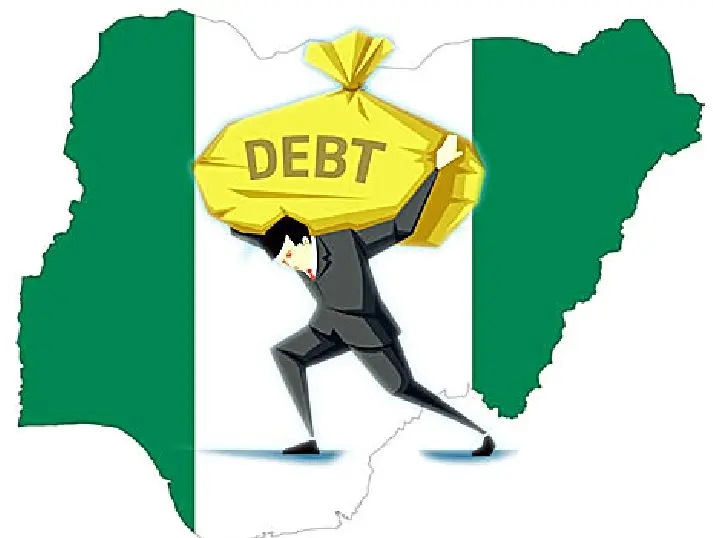
The Debt Management Office (DMO) has reported a notable increase in Nigeria’s domestic debt stock, which reached N66.957 trillion by mid-2024, marking an 8.74% rise from the N61.578 trillion recorded at the end of the first quarter.

The federal government took on an additional N5.379 trillion in domestic debt in the second quarter through various instruments, including FGN Bonds, Nigerian Treasury Bills (NTBs), FGN Savings Bonds, and Promissory Notes. This follows an even steeper increase in the first quarter of 2024, where domestic debt rose by N8.32 trillion.

The alarming growth of Nigeria’s debt, combined with its heavy debt-servicing obligations, is straining national revenue, with the government saying that around 70% of its income goes to servicing debt.

As of Q1 2024, Nigeria’s domestic debt stood at N61.578 trillion—a significant 15.62% jump from N53.258 trillion at the close of 2023. This indicates a rapid borrowing pace, with the government accumulating N8.32 trillion in new debt within the first three months of 2024 alone. The debt expansion in Q1 outpaced that of Q2, demonstrating an aggressive borrowing pattern during the initial months of the year, partly to cover the fiscal gap and maintain economic momentum amid rising inflation and economic uncertainty.

The rising debt is largely driven by an urgent need to fund a ballooning budget deficit, initially projected at N9.1 trillion—equivalent to approximately 3.8% of Nigeria’s GDP for 2024. However, additional fiscal challenges compelled the government to introduce a supplementary budget of N6.2 trillion, further escalating borrowing needs. Analysts note that this dependence on debt financing to meet short-term obligations exposes the economy to sustainability risks, as borrowing now accounts for the majority of government revenues.

With debt servicing costs surpassing N4 trillion as of the first half of 2024, the government’s fiscal health is strained. This heavy burden also restricts the government’s ability to respond to economic shocks or invest in long-term growth initiatives, creating a cyclical dependence on further borrowing. It’s also significantly limiting resources available for critical infrastructure and social programs.

Key Drivers of Debt Growth

The country’s rising debt load reflects its struggle to manage significant fiscal gaps alongside soaring inflation. The CBN’s stringent monetary policy measures to address inflation, which involves raising the monetary policy rate, have inadvertently increased the cost of government borrowing – although it has made government securities more attractive to investors, leading to higher domestic debt uptake. Additionally, these instruments are perceived as safe, tax-exempt investments, adding to their appeal amidst economic uncertainty.

As of June 2024, Nigeria’s money supply (M3) reached N101.461 trillion, marking a 56.32% year-on-year increase from N64.906 trillion in June 2023, and further expanded to N108.954 trillion by September.

FGN Bonds Dominate The Debt Structure

FGN Bonds remain the predominant instrument within Nigeria’s domestic debt structure, comprising N52.315 trillion or 78.13% of the total domestic debt by June 2024. During the first half of 2024, FGN Bonds accounted for N8.055 trillion out of the N13.699 trillion raised, representing 58.8% of new debt.

Nigerian Treasury Bills (NTBs) represent the second-largest component, with a total debt stock of N11.808 trillion, or 17.64% of the domestic debt. Within the first half of the year, the government raised N5.286 trillion through NTBs, accounting for 38.59% of additional debt incurred. NTBs provide a shorter-term debt solution compared to FGN Bonds, though the reliance on them reflects the government’s ongoing need to address immediate cash flow concerns.

Promissory Notes accounted for N1.671 trillion, or 2.5% of the debt stock, while FGN Savings Bonds represented the smallest share at N55.2 billion, or just 0.08%. Other instruments such as FGN Sukuk and Green Bonds remain in the debt portfolio, with no new Sukuk issues recorded for H1 2024 and Green Bonds still awaiting maturity by 2026.

Domestic Dollar Bond

In Q3 2024, Nigeria introduced a new debt instrument, the ‘domestic dollar bond,’ to increase its funding avenues within the local market. This move is expected to further raise domestic debt levels, though it provides an alternative source of capital. With this addition, Nigeria is attempting to diversify its debt instruments to attract more investors and offer flexibility in managing its debt structure.

However, economists have warned that as the CBN maintains its tight monetary policy stance, the cost of debt servicing will continue to climb, straining public finances further. They noted that the country’s debt trajectory highlights the vulnerability of its fiscal sustainability, as a significant portion of its limited revenue base is dedicated to servicing debt, leaving minimal room for development spending.

While the DMO’s efforts to diversify debt instruments, including introducing bonds denominated in dollars, indicate a short-term strategy to manage the situation, experts have pointed out that sustainable solutions will require broader policy adjustments and fiscal discipline to reduce reliance on debt-financed expenditures.

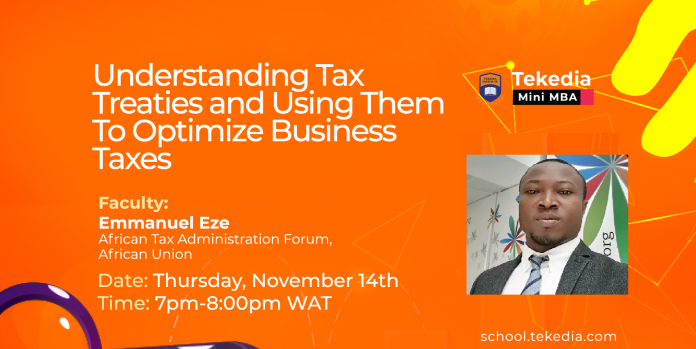
Understanding Tax Treaties and Using Them To Optimize Business Taxes | Tekedia Mini-MBA

0

You run a business in Nigeria, and the company also operates and earns revenue in the United States. You pay American tax. Then you also pay Nigerian tax. How do you use the tax treaties between Nigeria and the USA to reduce your tax burden?

Your company is based in London and you also have a branch in Lagos. You pay Nigerian taxes. How do you use the tax treaties between the associated respective countries to reduce your taxes?

Nigeria and most African countries have tax treaties with leading economies we do business with across the world? Are you utilizing those tax treaties to deepen competitive advantages? Are you even aware of them?

Join  us tomorrow at Tekedia Mini-MBA as a zen-master in this business teaches us. Emmanuel Eze, formerly of Nigeria’s FIRS, the tax agency, and now in the nucleus of tax policies and evolutions at the continental African level will explain why you must not be wasting money because of your ignorance of tax treaties.

Tekedia Mini-MBA >> our product is knowledge; pick your seat for the next edition here

Why NGRAVE & MetaMask’s Collaboration is Changing Web3 Security — Plus Wallet’s Advanced Asset Management Explained!

0

With digital currencies gaining momentum, cities and platforms are reimagining finance to make it more accessible. Detroit, notably, plans to accept Bitcoin and Ethereum for tax payments by mid-2025, setting itself as the largest U.S. city to adopt this path.

Meanwhile, tools like NGRAVE ZERO are bolstering security by pairing offline wallets with MetaMask, creating a more secure Web3 experience.

In tandem with these shifts, Plus Wallet is streamlining digital asset management. Its NFT support, multi-chain compatibility, and security features make it practical for both new and experienced users alike.

Crypto Tax Payments Soon in Detroit

Detroit plans to accept cryptocurrency for tax payments in mid-2025, marking it as the largest U.S. city to move forward with this option. Managed through PayPal, residents can use Bitcoin and Ethereum for taxes, with an automatic dollar conversion to stabilize values.

Mayor Mike Duggan highlighted the goal of improving financial inclusivity and accessibility, reinforcing Detroit’s reputation as a tech-friendly city. The city is also exploring blockchain for transparent and efficient operations. Officials, including Treasurer Nikhil Patel, see this system as a way to simplify payments and reduce costs.

Detroit is inviting blockchain innovators to submit proposals for civic projects by December 15, 2024. This forward-looking initiative aligns with the city’s crypto support and could influence similar moves by other cities.

MetaMask & NGRAVE Join Forces for Stronger Security

NGRAVE, developer of the ZERO offline hardware wallet, has joined forces with MetaMask to make Web3 access more secure. This integration empowers users to safely interact with decentralized apps, DeFi, and crypto transactions by combining NGRAVE’s air-gapped security with MetaMask’s Web3 tools.

With this collaboration, users can link their NGRAVE ZERO wallets to MetaMask, signing transactions offline securely. By generating QR codes within MetaMask, transactions are easily approved via the ZERO device, keeping private keys offline and shielded from online threats.

NGRAVE CEO Ruben Merre notes that this collaboration pairs offline security with full Web3 functionality, ensuring private key safety. MetaMask’s Alex Jupiter also highlighted the increased user control offered. Moreover, NGRAVE co-developed the ERC-4527 protocol, which supports all ERC20 tokens and EVM chains available on MetaMask.

Plus Wallet: Simplifying Asset Management

Plus Wallet provides a versatile and secure solution for managing digital assets. Available for iOS and Android, it supports popular cryptocurrencies like Bitcoin (BTC), Ethereum (ETH), Binance Coin (BNB), Litecoin (LTC), and Solana (SOL), allowing seamless management of multiple assets within one platform.

A key feature of Plus Wallet is its NFT support, letting users collect, showcase, and securely store non-fungible tokens. The wallet also grants easy access to decentralized apps (dApps), so users can engage directly with various DeFi platforms.

In security terms, Plus Wallet uses advanced encryption to safeguard private keys, storing them locally. Additional safeguards, like biometric authentication (Face ID) and PIN codes, ensure that assets remain accessible only to the wallet’s owner.

To deepen user engagement, Plus Wallet offers a rewards program where users can earn USDT through crypto swaps, as well as a referral program providing additional incentives. With a mobile-friendly design, real-time notifications, and an intuitive layout, Plus Wallet offers a seamless experience for both newcomers and experienced crypto users.

Plus Wallet also empowers users by allowing them to vote on which blockchain networks to prioritize, aligning the wallet with evolving community needs and offering a secure, user-driven platform for digital assets.

Final Perspective

Detroit’s decision to accept Bitcoin and Ethereum for taxes highlights an important step toward integrating digital assets into routine financial processes.

At the same time, platforms like NGRAVE and MetaMask are advancing security, promoting safer use of decentralized applications.

Within this evolving space, Plus Wallet is emerging as a trusted tool for efficient asset management, with an emphasis on security, multi-chain support, and user-friendly design, delivering a solid choice for users as they navigate digital finance.

Explore Plus Wallet:

Website: https://pluswallet.app/

Download: https://onelink.to/pluswalletapp

Twitter: https://x.com/pluswalletapp

Instagram: https://www.instagram.com/pluswallet.app/