DD
MM
YYYY

PAGES

DD
MM
YYYY

spot_img

PAGES

Home Blog Page 2726

Microsoft Slammed With £1 Billion Lawsuit Over Alleged Cloud Licensing Practices

0

Tech giant Microsoft has been slammed with a lawsuit, accusing the company of overcharging customers using rival cloud platforms.

The legal action seeks damages of more than £1 billion ($1.27 billion), as it alleges that businesses using Amazon Web Services (AWS), Google Cloud Platform, or Alibaba Cloud, which are major competitors to Microsoft’s Azure, are forced to pay inflated prices to license Microsoft’s Windows Server software on these rival infrastructures.

According to the lawsuit, Microsoft offers Windows Server licenses at a lower cost to customers who use Azure, its cloud platform, than to those opting for competing services. This practice, according to the lawsuit, unfairly increases costs for organizations choosing alternative cloud solutions and leverages Microsoft’s dominant position in cloud-based server operating systems to push customers toward Azure.

Maria Stasi, a competition lawyer and the claimant, is seeking compensation for UK businesses affected by these practices. Stasi argues that Microsoft’s approach is anti-competitive, forcing UK organizations to overpay and restricting fair competition.

In her words,

Microsoft is punishing UK businesses and organizations for using Google, Amazon, and Alibaba for cloud computing by forcing them to pay more money for Windows Server. This lawsuit challenges Microsoft’s anti-competitive behavior and seeks to return the money unfairly overcharged to organizations across the UK.”

The lawsuit coincides with increased regulatory attention from the UK’s Competition and Markets Authority (CMA), which is expected to propose remedies for anti-competitive practices in the cloud sector. A provisional decision from the CMA is anticipated between November and December 2024.

Recall that in June this year, Microsoft reached a €20 million ($21 million) settlement with the EU cloud trade body CISPE to resolve an antitrust complaint over similar licensing issues in Europe. Cloud services organization CISPE, whose members include Amazon and a score of small EU cloud providers, complained to the European Commission in late 2022 alleging that contractual terms imposed by Microsoft on Oct. 1 were harming Europe’s cloud computing ecosystem.

Also, in September 2024, Google filed an antitrust complaint with the European Commission accusing Microsoft of using unfair licensing contracts to stifle competition in the multibillion-dollar cloud computing industry. At the heart of Google’s complaint is the allegation that Microsoft uses unfair licensing terms to “lock in” clients and exert control over the cloud market.

The outcome of the latest lawsuit slammed on Microsoft, and the CMA’s pending decisions could significantly impact competition and licensing practices in the cloud computing industry. While Microsoft’s dominance in the cloud computing market provides it with significant leverage, the lawsuit and regulatory actions could challenge its business practices, leading to potential financial costs, operational adjustments, and reputational risks.

The outcome will not only affect Microsoft’s future strategy but could also reshape competition dynamics in the global cloud computing industry.
Elon Musk’s $56 Billion Tesla CEO Pay Package Voided Again: Court Finds Compensation Improperly Granted

0

Tesla CEO Elon Musk faced a major legal defeat on Monday when a Delaware court reaffirmed its earlier decision to void his record-breaking $56 billion 2018 compensation package, the largest pay plan in U.S. corporate history.

Chancellor Kathaleen McCormick rejected Tesla’s attempt to overturn her January ruling, stating that the package was approved through a flawed process and heavily influenced by Musk himself.

Tesla responded by announcing plans to appeal the ruling, while Musk denounced the decision on X, the social media platform he owns, calling it “absolute corruption.”

Background of the Case

The controversial 2018 pay package was structured to provide Musk with stock options valued at $56 billion if Tesla met specific performance milestones, including market capitalization and operational goals. At the time, Tesla’s board described the plan as an innovative way to incentivize Musk, aligning his financial rewards with the company’s success.

However, shareholders filed a lawsuit, alleging that Musk used his dominant influence over Tesla’s board to secure the package. The plaintiffs claimed the board had failed to conduct a fair negotiation or provide proper oversight.

During the trial, Chancellor McCormick agreed with the shareholders, ruling in January 2024 that Musk had “controlled Tesla” and dictated the terms of his pay plan. She described the approval process as “deeply flawed” and stated that the compensation package violated corporate governance principles.

Following the ruling, Tesla attempted to sway the court by holding a shareholder vote in June 2024, asking investors to retroactively approve the pay plan. However, McCormick dismissed this strategy in her Monday opinion, emphasizing that such actions could not alter the original judgment.

“Even if a stockholder vote could have a ratifying effect, it could not do so here,” McCormick wrote in her opinion Monday. “Were the court to condone the practice of allowing defeated parties to create new facts for the purpose of revising judgments, lawsuits would become interminable.”

As part of her ruling, McCormick awarded $345 million in attorney fees to the legal team representing Tesla shareholders. The law firm Bernstein, Litowitz, Berger & Grossmann, which successfully argued the case, praised the decision.

“We are pleased with Chancellor McCormick’s ruling, which declined Tesla’s invitation to inject continued uncertainty into court proceedings,” the firm said in a statement.

Musk’s Wealth and Position in the Billionaire Index

However, the ruling does not impact Musk’s standing as the world’s wealthiest individual. According to Bloomberg’s Billionaires Index, Musk remains firmly at the top, with a net worth of $ 330.1 billion as of December 2024. His wealth is largely derived from his stakes in Tesla and SpaceX, as well as his recent ventures in AI and social media.

Tesla’s stock price, which has seen significant gains in recent weeks, has bolstered Musk’s fortune. Shares of the electric vehicle giant have surged 42% since November 2024, driven by investor optimism about Musk’s influence on U.S. policies and the company’s growing market dominance. Even without the 2018 pay package, Musk’s Tesla holdings are valued at approximately $150 billion.

Had the pay package remained valid, Equilar estimates suggest its value would have exceeded $101.4 billion at Tesla’s current stock price.

Corporate Governance Concerns

The court’s decision highlights longstanding concerns about corporate governance at Tesla, where critics argue Musk wields disproportionate influence over the board and major decisions. The ruling could set a precedent for greater scrutiny of executive compensation, especially in cases where corporate leaders hold substantial sway over their companies.

Following the January ruling, Musk publicly criticized Delaware’s legal system, advising businesses to avoid incorporating in the state. Tesla subsequently held a shareholder vote to reincorporate in Texas, completing the process earlier this year. Musk’s other ventures, including SpaceX, have also shifted their incorporation to Texas.

For now, Musk’s status as a billionaire entrepreneur remains intact, but the final outcome of the case is expected to have lasting implications for executive pay practices and shareholder rights.

Swiss Cement Giant Holcim Sells Lafarge Stake to China’s Huaxin, Exits Nigeria

0

Swiss cement giant Holcim has announced its planned exit from Nigeria, a decision attributed to unfavorable economic conditions under intense competition with other players in Nigeria.

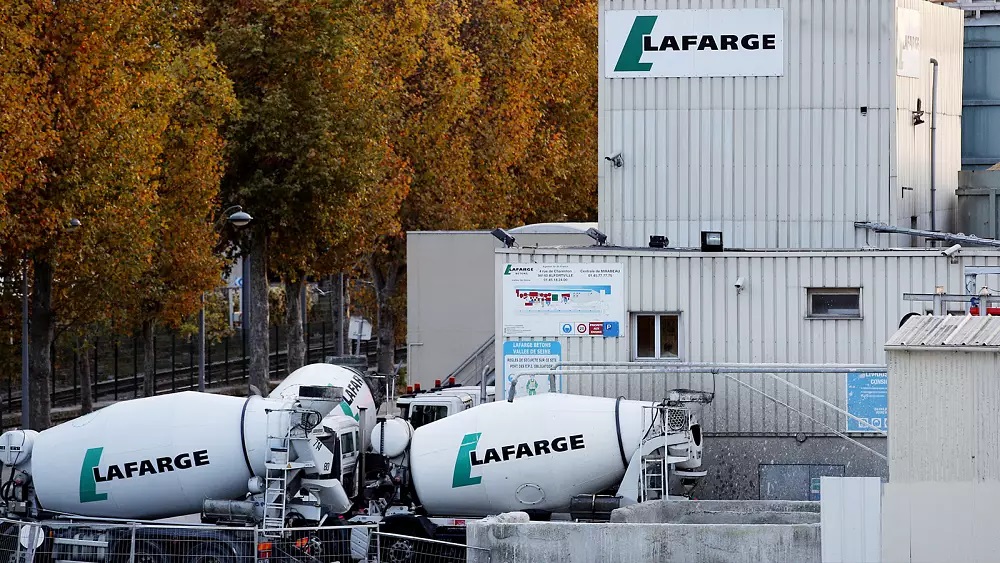
The company, which held an 84% stake in Lafarge Africa, disclosed on Sunday that it has sold its stake to China’s Huaxin Cement for $1 billion. According to a Reuters report, the deal, slated for completion by 2025, remains subject to regulatory approvals.

Holcim described the move as part of its broader strategy to streamline operations and refocus on high-growth regions, particularly North America, where it plans a U.S. listing in 2025.

Holcim, a global leader in cement manufacturing, emphasized that its decision aligns with a renewed focus on sustainable growth in core markets, higher-margin products, and strategic infrastructure investments. This development comes shortly after the company’s September acquisition of a stake in Sublime Systems, a U.S.-based startup pioneering low-carbon cement technology, underscoring its commitment to improving environmental credentials.

Challenges That Pushed Holcim Out

Holcim’s subsidiary, Lafarge Africa, had been struggling to maintain profitability amid Nigeria’s economic challenges. Although the company reported an 8.6% revenue growth in 2023, rising from N373.25 billion to N405.50 billion, its profit after tax (PAT) declined by 4.7% to N51.14 billion. This decline was attributed to a higher effective tax rate and N21 billion in foreign exchange (FX) losses, a consequence of the naira’s dramatic depreciation from N700 per dollar in 2023 to its current rate of N1,700 per dollar under Tinubu’s administration.

The removal of the fuel subsidy by Tinubu, a move aimed at stabilizing Nigeria’s fiscal position, further compounded the cost pressures on businesses like Lafarge. Raw material prices soared, making production more expensive and complicating efforts to maintain profit margins. While Lafarge Africa reported a 53% rise in PAT for the first nine months of 2024, increasing to N60.08 billion from N39.31 billion in the same period the previous year, this improvement was insufficient to offset the broader challenges in the operating environment.

Yet Another Multinational

Holcim’s departure is part of a worrying trend of multinational companies exiting Nigeria. In 2024 alone, major firms such as Pick n Pay, Microsoft Nigeria, Total Energies Nigeria, PZ Cussons Nigeria PLC, Kimberly-Clark Nigeria, and Diageo PLC have pulled out of the market. Pharmaceutical giants Sanofi and GlaxoSmithKline left in 2023, shortly after President Tinubu assumed office.

The exits underscore the struggles foreign companies face in a country grappling with macroeconomic instability, high operating costs, and unpredictable regulatory frameworks.

While Holcim’s exit reflects mounting difficulties in Nigeria’s economic environment, many industry observers believe the divestment to China’s Huaxin Cement could herald a competitive shift in the local cement manufacturing industry.

The sector has long been dominated by two players: Dangote Cement, owned by Africa’s richest man, Aliko Dangote, and BUA Cement, led by billionaire industrialist Abdulsamad Rabiu. Both companies control significant market share, and Huaxin Cement’s entry could disrupt the balance, introducing new competition and potentially reshaping pricing and supply dynamics.

Analysts suggest that Huaxin’s acquisition of Lafarge Africa’s assets could lead to increased innovation, expanded production capacity, and a more competitive pricing structure, offering potential benefits for consumers.

However, the sale of Lafarge Africa to Huaxin Cement also raises questions about the broader economic situation in Nigeria and the country’s ability to retain foreign direct investment (FDI). While Chinese companies like Huaxin have been expanding their global footprint, their growing presence in Nigeria could signal a shift in investment trends as Western multinationals retreat.

However, concerns remain about whether the Chinese company will overcome the challenges of navigating Nigeria’s harsh economic climate. The company will need to contend with the same issues that drove Holcim out, including rising production costs, an unpredictable foreign exchange market, and an often opaque regulatory environment.

Temu, Konga, Jumia and the Ecommerce Dynamics in Nigeria

0

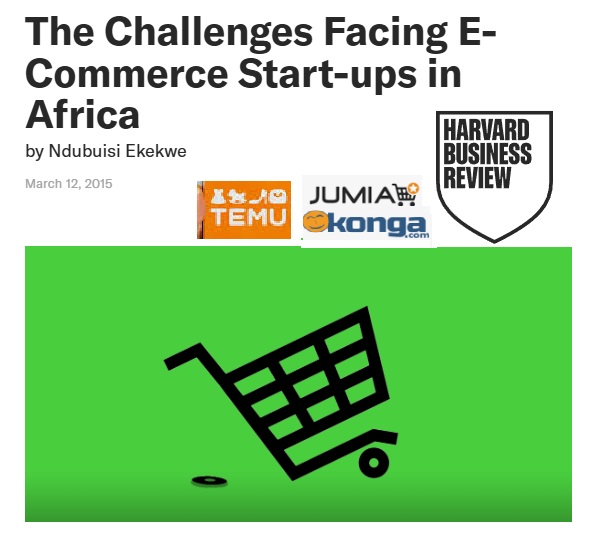
A lot of questions on Temu. I have already written enough. But let me summarize with this Harvard Business Review article I wrote in 2015, and this is the key section: “Logistics: Amazon.com and eBay are great companies that depend on the U.S. postal system to serve their customers. I sell my own books online in the U.S.; once a buyer makes payment, I drop the book off at the post office to close the transaction. In Africa, it’s more complicated with nonfunctioning postal systems.”

Good People, Temu will do adverts and actually get you to buy, but at the end of the day, the items must be delivered. The marginal cost positioning for Temu as it does that will determine if it would pack up and leave in three years. From the time of Kalahari (first major ecommerce in Africa funded by Naspers, just months Amazon was launched) to Mocality to Konga to OLX to (fill the space), it comes down to logistics, and that is shaped by marginal cost.

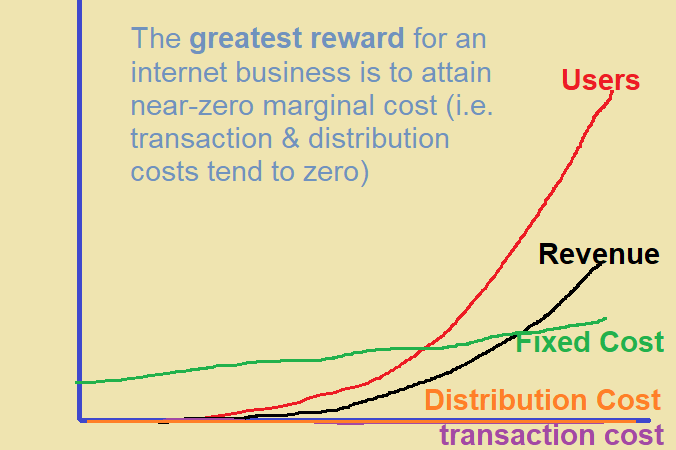
Ecommerce marginal cost has two components and they are transaction and distribution costs. For ecommerce in Nigeria, distribution cost does not scale, it grows, and that is the issue without a functioning postal service. So, you need to watch if Temu builds a “postal service” in Nigeria! If it does not, it will arrive at the same conclusion: companies thrive on public platforms and most of those platforms do not need to be profitable, but are designed to power private businesses which are then taxed by the public.

Image result for transaction, distribution cost tekedia

For more than 50 years, the US Amtrak system has never made a profit, and the US has not shut down the rail system. The US postal system has been losing money for 20 years and America is fine with the losses. China does not even keep records because it loses $billions to subsidize logistics. In Nigeria, that is not the case,  and that is the big equation Temu must solve. What OA Lawal wrote in his economics textbook has not expired: I have a plot to help here.

During Digital Transformation of Consumer Business, Understanding “Marginal Cost” is Important

Tekedia Capital welcomes Taxo

0

Tekedia Capital welcomes Taxo (taxo.ai), a healthtech startup. Taxo integrates with electronic health records (EHRs) to automate medical billing and coding. Its AI-powered solution reduces the time and cost of claims processing by over 90%, enabling providers to focus on patient care rather than administrative tasks.

The business of medicine is fascinating. Doctors, nurses and broad healthcare professionals are scientific miracle makers. Yet, they do suffer from a poor marginal cost regime, as it is one doctor per one patient, at a time, irrespective of the number of patients. Simply, if there are 30 people waiting for a doctor, a doctor has to deal with each one at a time. In business, that model is not easy to scale efficiently since you cannot easily scale supply to meet expanding demand.

So, how can we help doctors, nurses, etc to serve more and improve broad quality? Use technologies to handle the administrative tasks like billing, claim management , etc, so that those professionals can focus on their core missions.

Tekedia Capital (capital.tekedia.com)  is excited to support Taxo to fix this friction as its technologies, used in Stanford Medicine, Boston Children’s Hospital and other key healthcare centers, accelerate productivity and evidential positive patient health outcome.  Team, welcome: we fund innovations.