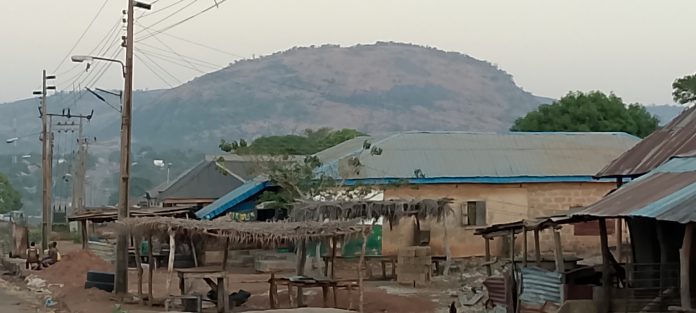
Nestled in Oyo State, Irawo Owode is a small town where resilience and community spirit define its heartbeat. Here, progress comes not from government intervention but from the collective efforts of its people, both within the town and in the diaspora. The indigenes contribute tirelessly to building the foundations of education, healthcare, and social infrastructure to nurture future generations and sustain their community.
However, these efforts often grapple with significant limitations, revealing the glaring gap between the town’s needs and the available resources. In this captivating report, our analyst, fresh from a field data collection mission in Irawo Owode, unveils how the community’s relentless drive for sustainable socio-economic development knows no boundaries. From every corner of the town, the spirit of collective action shines, showcasing the remarkable determination of its people to shape their future against all odds.
Building Education through Collective Hands
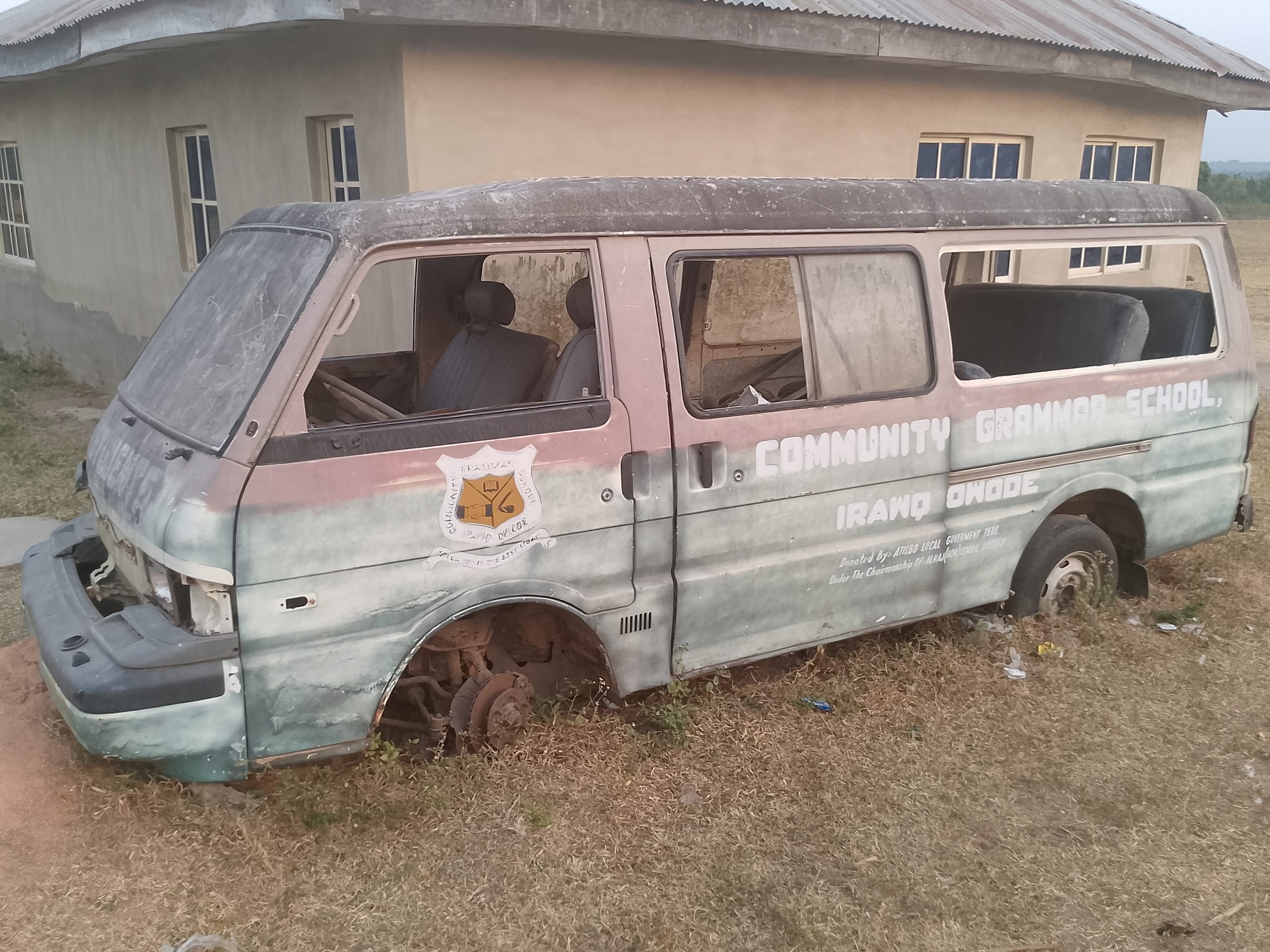
Education in Irawo Owode is a product of collective action. The town boasts three public primary schools, two public secondary schools, and two private schools. Despite these numbers, resources remain scarce. Community Grammar School, one of the town’s flagship institutions, symbolizes achievement and struggle. The school has a solar-powered computer laboratory but no proper examination hall, forcing the community to improvise by joining two blocks of classrooms. The existing hall remains dilapidated, a stark reminder of the challenges the town faces.
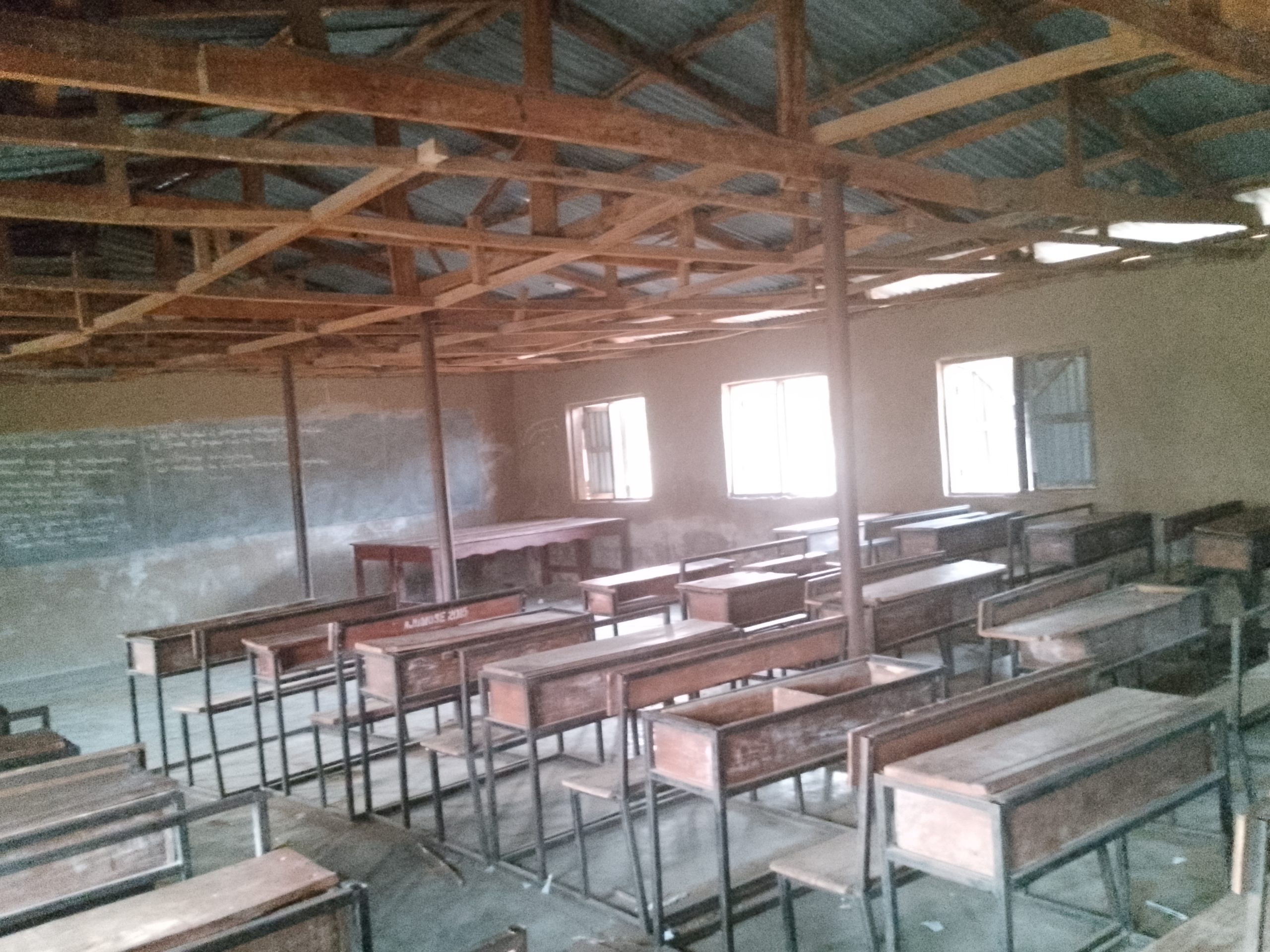
Ansarudeen Basic School mirrors these struggles, with one of its four classroom blocks now collapsed. Private schools like Aloyfas International Primary School operate on leased land, while Easy to Understand School, established in 1992, functions without a perimeter fence. Both private and public schools share a common challenge—limited infrastructure to support growing enrolment and no clear prospects of external assistance. Despite these constraints, the indigenes remain undeterred.
Yearly Contributions: The Lifeline of Progress
The town’s progress is sustained through yearly contributions from its indigenes, with amounts ranging from ?1,000 to ?4,000, depending on gender. Women are expected to pay at least ?1,000. These funds, pooled collectively, have enabled the construction of classrooms, the provision of basic equipment, and incremental upgrades to infrastructure. Though small, these contributions reflect a profound sense of ownership and responsibility toward the town’s development.
Healthcare on Fragile Foundations
The healthcare landscape in Irawo Owode is a testament to both ingenuity and adversity. The town relies on six private primary health centres and two public ones, supplemented by the nearby General Hospitals in Ago-Are and Tede. One notable public healthcare facility is located near Community Grammar School and managed by the town’s development association. Staffed by a government worker and two casual employees paid by the community, the centre operates under dire conditions.
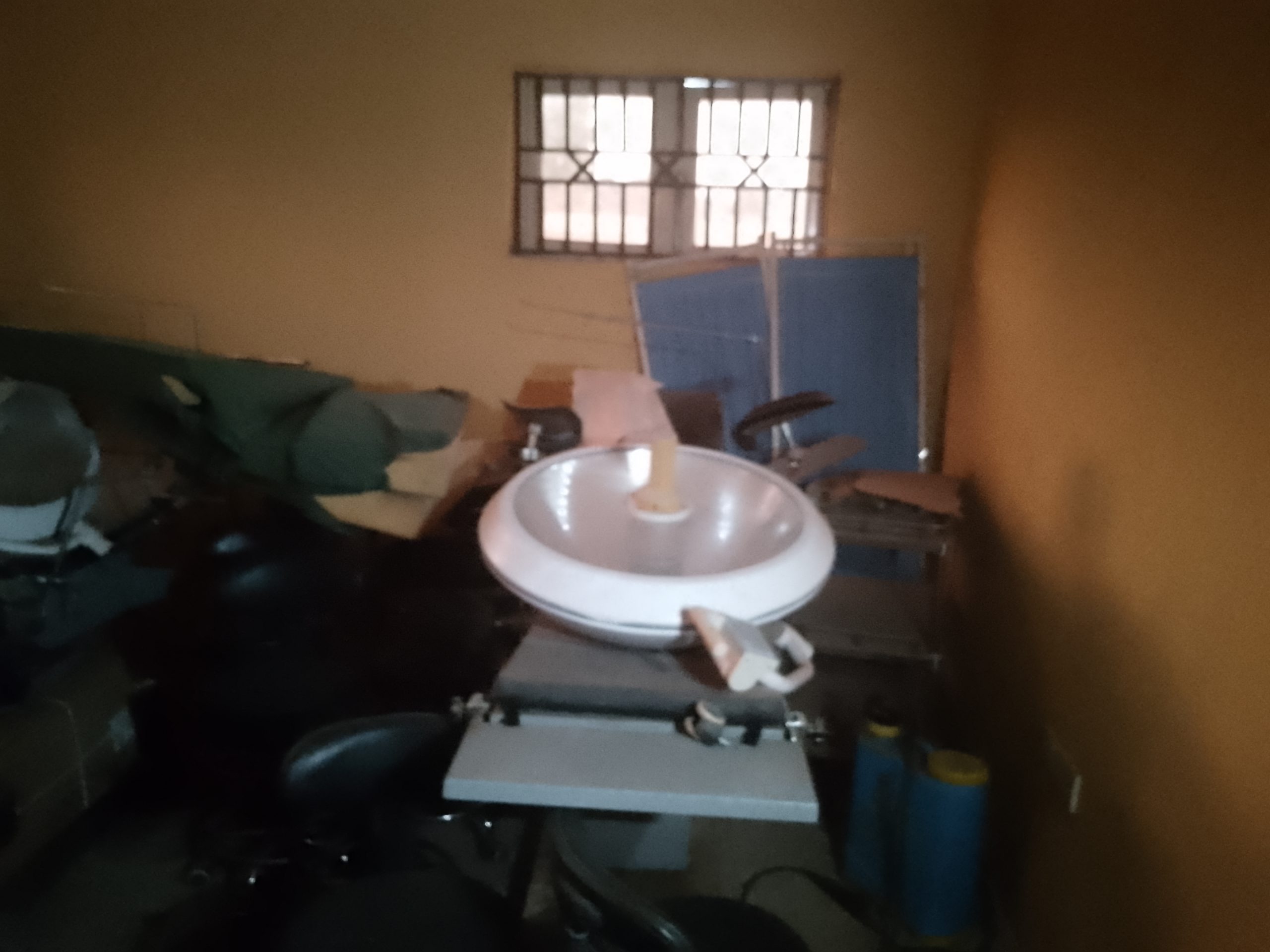
Water, a basic necessity, is a daily struggle. Workers and patients must trek 2 to 3 kilometres to fetch water, further complicating healthcare delivery. Sophisticated equipment provided by the Federal Government lies unused, as the expertise required to operate them is unavailable. The health centre’s medical ambulances, parked securely at the palace of Oba Jubril Adetunji Adeleke, the Olowode of Irawo-Owode, tell a poignant tale of unfulfilled potential. Originally meant to serve the Comprehensive Public Health Center near Community Grammar School, they remain at the palace for security reasons—a stark reflection of the centre’s vulnerabilities, including the lack of a protective perimeter fence. These life-saving vehicles, meant to stand ready at the frontlines of care, now symbolize both the community’s resourcefulness and the pressing need for stronger infrastructure.
Despite these challenges, figures like Mr Alaka Ojo Adekunle, the Ward Development Committee Chair, ensure the centre’s operations continue. His dual role as a community leader and health worker exemplifies the spirit of sacrifice that keeps the town afloat.
Social Infrastructure: Balancing Growth and Decline
Social infrastructure in Irawo Owode serves as both a gathering point and a reflection of unmet needs. The community viewing centre, once a hub for recreational activities, now hosts socio-political events, signalling a shift in its role due to the town’s evolving priorities. Efforts to build a proper examination hall for the Muslim High School and fences for schools like Easy to Understand School and Nomadic Primary School remain incomplete, illustrating the community’s stretched resources.
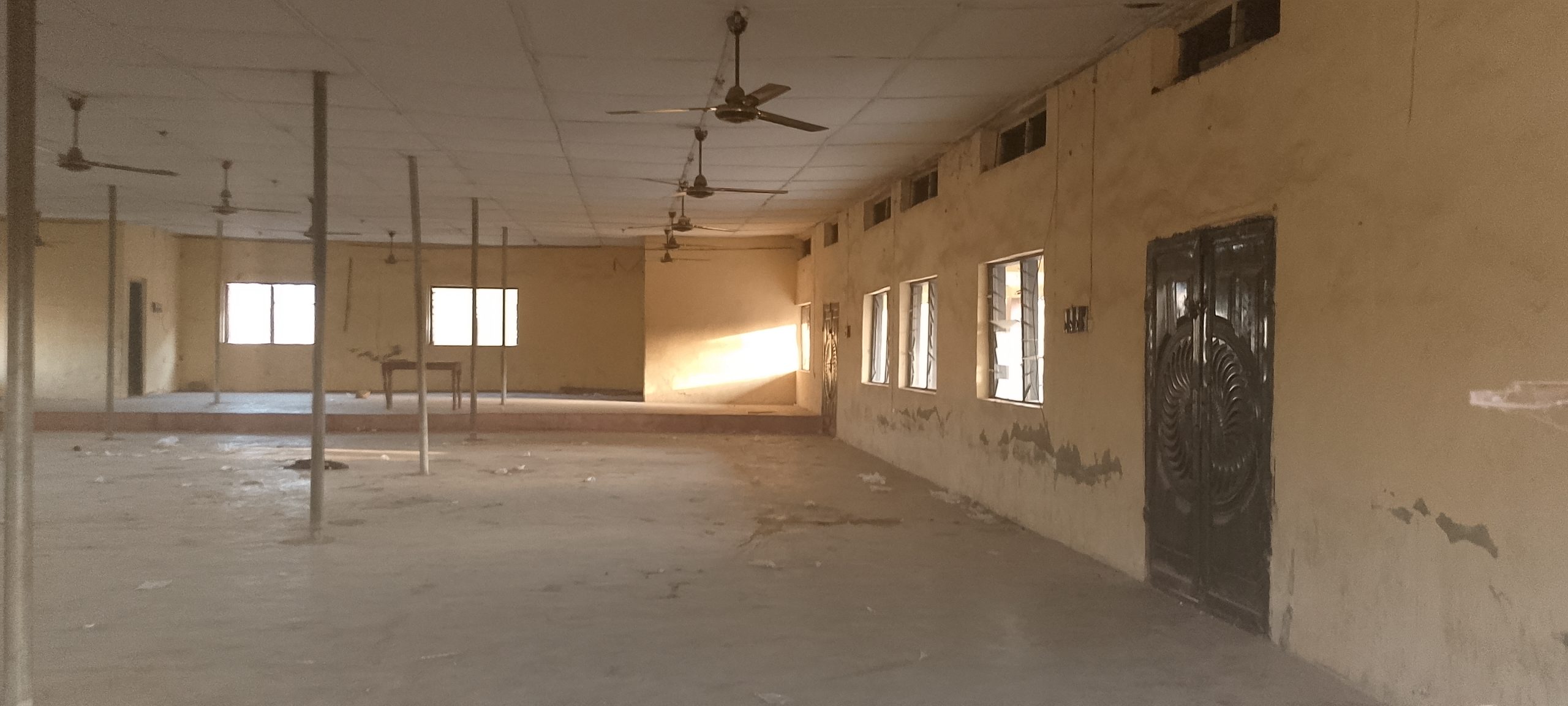
The lack of stable electricity compounds these challenges. Although solar power has supported the community for the past four years, grid electricity remains a luxury, with only two days of stable supply in an entire year. This instability limits the effectiveness of initiatives like the solar-powered computer laboratory and the broader aspirations of the town.
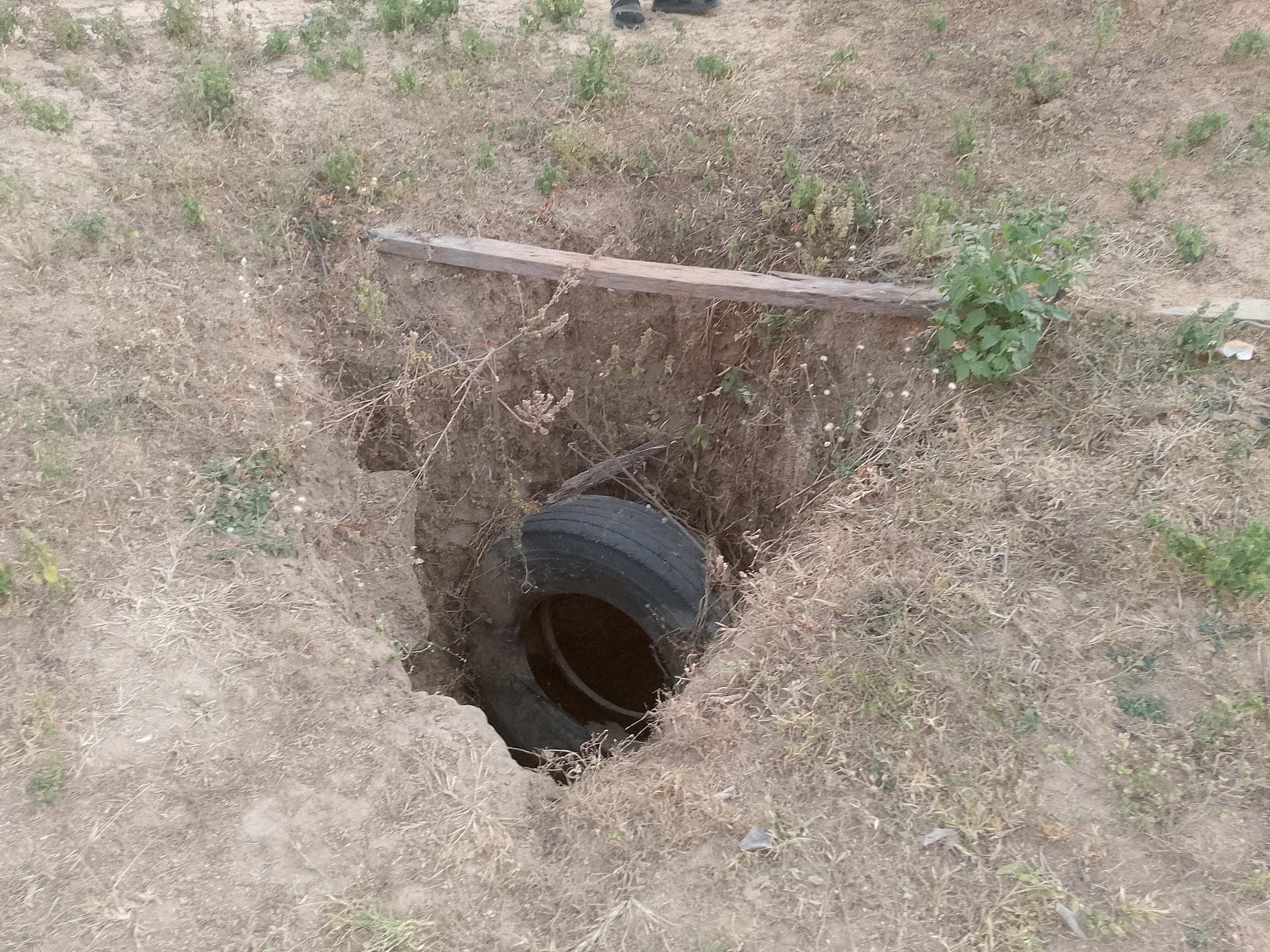
A Tale of Perseverance
The story of Irawo Owode is not one of despair but of enduring hope. It is a town where people unite to fill the void left by an absent state. Indigenes from near and far contribute their time and money to build schools, equip health centres, and provide essential services. Their efforts highlight the power of community-driven development but also underscore the pressing need for external support to match their ambitions.
The road ahead is fraught with challenges, from collapsed classrooms to underutilized healthcare facilities, yet Irawo Owode perseveres. Its people’s strong commitment offers a blueprint for resilience in the face of adversity, a story that echoes the timeless adage that when a community comes together, even the heaviest burdens can be lifted.
As the sun sets on this small town, it illuminates not just the struggles but also the boundless spirit of its people. Irawo Owode is more than a place; it is a testament to what can be achieved when ordinary people dare to dream and act together.