DD
MM
YYYY

PAGES

DD
MM
YYYY

spot_img

PAGES

Home Blog Page 2744

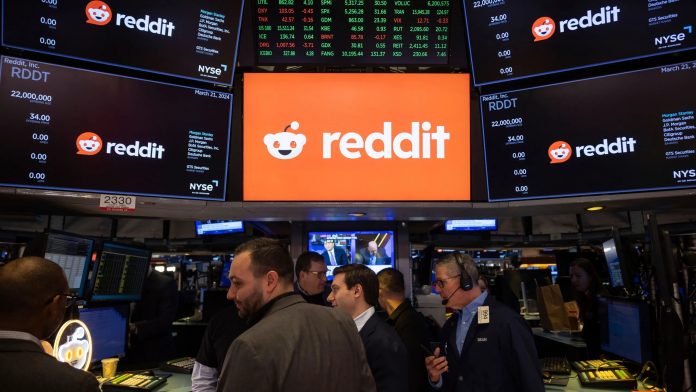
Reddit Overtakes X as the Fifth Most Popular Social Media Platform in the UK

0

Reddit has surged past X (formerly Twitter) and LinkedIn to become the fifth most popular social media platform in the UK, according to Ofcom’s annual report on digital habits.

The platform was visited by 22.9 million UK adults in May 2024, representing a 47% increase compared to the same period in 2023. This growth positions Reddit just behind major platforms like YouTube, Facebook, Instagram, and TikTok.

At the same time, YouTube has overtaken Facebook to claim the top spot in the UK, reaching over 44 million users.

Reddit’s rise has been fueled by multiple factors, including strategic adjustments and shifts in the broader digital ecosystem. A key driver has been a 2024 update to Google’s search algorithm, which significantly increased Reddit’s visibility in search results.

Farhad Divecha, managing director of UK-based digital marketing agency AccuraCast, highlighted this boost, noting that Reddit’s content now appears more prominently in search queries.

“Google’s latest algorithm update in the first half of 2024 gave Reddit a big boost in organic search traffic. I think that has probably contributed a lot,”  Divecha said.

Additionally, Reddit’s decision to limit third-party apps from accessing its content forced users to engage directly with the official platform, bolstering site traffic. The platform’s IPO in March 2024 also garnered significant publicity, bringing new users into its fold.

Reddit’s community-driven appeal—centered on topic-specific forums known as “subreddits”—continues to draw users who prefer niche discussions and specialized content over the generalist approach of other platforms.

A Growing Exodus from X

While Reddit is flourishing, X is grappling with a decline in popularity, seeing its UK user base shrink by 8% since May 2023. The platform has struggled to maintain trust and user engagement under Elon Musk’s ownership, facing widespread criticism over weakened content moderation and the proliferation of misinformation.

This dissatisfaction has sparked a wave of departures among prominent figures, organizations, and news outlets, many citing an increasingly toxic environment and a failure to address disinformation. For example, prominent news organizations, including The Guardian UK, have pulled back from the platform, opting for alternatives that better align with their values and audience engagement goals.

The Rise of Bluesky and Threads

In the wake of X’s decline, competitors like Bluesky and Threads have experienced a surge in growth. Bluesky, a decentralized social platform, has gained attention for its focus on user control and data privacy. Threads, launched by Mark Zuckerberg’s Meta in July 2023, is rapidly positioning itself as a user-friendly alternative to X, attracting individuals and organizations disillusioned with the direction of Musk’s platform.

The influx of users to these platforms highlights a growing apathy toward X, with many users seeking spaces that prioritize trust, community, and authentic interactions over divisive content.

Ofcom’s report paints a broader picture of evolving digital habits in the UK. Misinformation remains a significant concern, with four in ten adults encountering false or manipulated content online. The spread of deepfakes and AI-generated content has further complicated users’ ability to discern authenticity, with one-third admitting they lack confidence in identifying such material.

Conspiracy theories also persist, with three in ten adults subscribing to the belief in a global elite controlling the world or claiming electoral fraud evidence in the UK.

Thus, the decline of X and the rise of alternatives like Reddit, Bluesky, and Threads reflect a shifting social media landscape. Users are increasingly prioritizing platforms that foster authentic, community-driven interactions while addressing concerns about misinformation and toxicity.

Elon Musk begins consolidation as SpaceX Starlink gets FCC approval with D2C Era Loading

0

Elon Musk begins consolidation as SpaceX Starlink gets FCC approval: “The Federal Communications Commission (FCC) has granted SpaceX the green light to utilize its Starlink broadband satellites for providing T-Mobile customers with direct-to-cell connectivity. This decision marks a groundbreaking development in telecommunications, as it is the first official collaboration between a satellite operator and a wireless carrier to receive FCC approval for delivering supplemental cell coverage from space.”

In Nigeria, if you have an active mobile virtual network operator (MVNO) license, and can get NCC (Nigeria’s telecom regulator) to approve a partnership with SpaceX, that will enable you to deliver D2C (direct to cell) service across Nigeria, Tekedia Capital will invest in your business. If you do get NCC approval in principle, we will first invest at least $1 million.

We believe that GSM has a decade remaining as the future of telecoms is going to be anchored on satellite. CDMA destroyed the cobwebs of wired telephony (e.g. Nitel), and GSM took down CDMA (e.g. Visafone, Starcomms). Within a decade, satellites will take over as GSM operators lose marginal cost competitiveness.

FCC Approves SpaceX-T-Mobile Partnership for Direct-to-Cell Satellite Service

FCC Approves SpaceX-T-Mobile Partnership for Direct-to-Cell Satellite Service

0

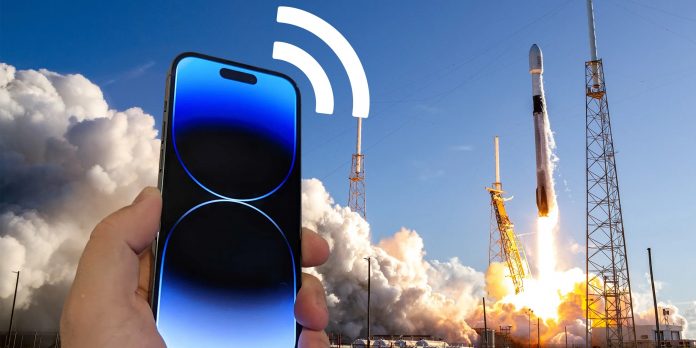
The Federal Communications Commission (FCC) has granted SpaceX the green light to utilize its Starlink broadband satellites for providing T-Mobile customers with direct-to-cell connectivity.

This decision marks a groundbreaking development in telecommunications, as it is the first official collaboration between a satellite operator and a wireless carrier to receive FCC approval for delivering supplemental cell coverage from space.

In a statement accompanying the decision, the FCC highlighted the public benefits of the satellite-to-device service.

“The Commission recognized that satellite-to-device connectivity can support critical public interest benefits, including ubiquitous connectivity, access to 911 service from remote areas, technological advancement, and innovative spectrum use,” it said.

The SpaceX-T-Mobile partnership, initially announced in 2022, is aimed at eliminating cellular dead zones across the United States. It seeks to address long-standing connectivity gaps, particularly in remote areas where traditional terrestrial networks have struggled to provide reliable service.

The collaboration gained traction earlier this year when the FCC granted temporary clearance for the two companies to deliver Starlink services to regions affected by Hurricane Helene.

Other carriers have followed suit, with Verizon and AT&T establishing similar partnerships with satellite operator AST SpaceMobile to enhance coverage in underserved areas.

The FCC’s chair, Jessica Rosenworcel, emphasized the importance of fostering competition in this emerging field.

“The FCC is actively promoting competition in the space economy by supporting more partnerships between terrestrial mobile carriers and satellite operators to deliver on a single network future that will put an end to mobile dead zones,” she said.

Conditions and Challenges for Full Deployment

While the approval marks a major milestone, it comes with specific limitations. The FCC has not yet decided whether SpaceX can increase the radio emission power of its satellites to enable advanced features such as real-time voice and video calls. Rival carriers AT&T and Verizon have raised concerns, arguing that bypassing current power flux-density limits could lead to interference with their existing networks.

Additionally, the commission is still deliberating on whether SpaceX can expand its Starlink constellation by launching an additional 22,488 satellites. For now, the company is operating under an earlier approval to deploy 7,518 satellites granted in 2018.

SpaceX and T-Mobile have already begun deploying initial satellites equipped with direct-to-cell capabilities, with the first batch launched in January 2023. However, the complete constellation necessary to deliver full voice and data services is still under construction.

When granted temporary clearance last month, SpaceX hinted at testing basic texting (SMS) capabilities in collaboration with T-Mobile. The rollout of voice and data services, however, is not anticipated until 2025, as the companies work to refine the technology and expand satellite coverage.

A Game-changer in The Telecom Market

The FCC’s approval signals a significant shift in how telecommunications companies and satellite operators collaborate. By allowing satellite services to supplement terrestrial networks, the commission is advancing its goal of creating a unified, seamless connectivity ecosystem.

This move could redefine how mobile carriers address connectivity challenges, offering solutions for emergencies, remote communication, and broader network resilience.

The approval also puts SpaceX and T-Mobile at the forefront of an emerging space economy, where partnerships between satellite providers and terrestrial carriers are expected to become increasingly common.

Traditional cellular networks often struggle to provide reliable coverage in remote, sparsely populated, or disaster-stricken areas due to the high costs of building and maintaining terrestrial infrastructure. Starlink’s satellite-to-device connectivity eliminates these barriers by delivering broadband and mobile services directly to smartphones via satellite.

This innovation has been hailed as a game-changer, promising to eradicate cellular dead zones and ensure that no location is beyond reach.

How Direct-to-Cell Connectivity Works

Starlink’s system relies on low Earth orbit (LEO) satellites, which are positioned closer to the planet than traditional geostationary satellites. This proximity reduces latency, ensuring faster and more reliable communication. The satellites are equipped with advanced technology to communicate directly with standard smartphones without requiring additional hardware.

However, this technology does not replace terrestrial networks; instead, it complements them. For it to function, satellite operators like SpaceX must partner with telecom companies to integrate the service into existing mobile networks.

The approval of SpaceX’s partnership with T-Mobile is seen as a critical step toward global deployment. Beyond the U.S. which was the focus in 2022, the technology has the potential to revolutionize global telecommunications by extending connectivity to underserved and unserved regions, particularly in developing countries where terrestrial networks are limited or nonexistent.

Disruption Without Direct Competition

While Starlink’s direct-to-cell service is expected to disrupt the telecom market, it does not pose a threat to telecom companies. Instead of competing with carriers, Starlink requires their partnership to function.

Industry experts see this collaboration as a win-win. Telecom providers can expand their reach without the substantial investment required to build infrastructure in remote areas, while satellite operators like SpaceX gain access to established customer bases and billing systems.

PETROAN Says Cost of Port Harcourt Refinery Petrol is N75/litre Higher than that of Dangote Refinery

0

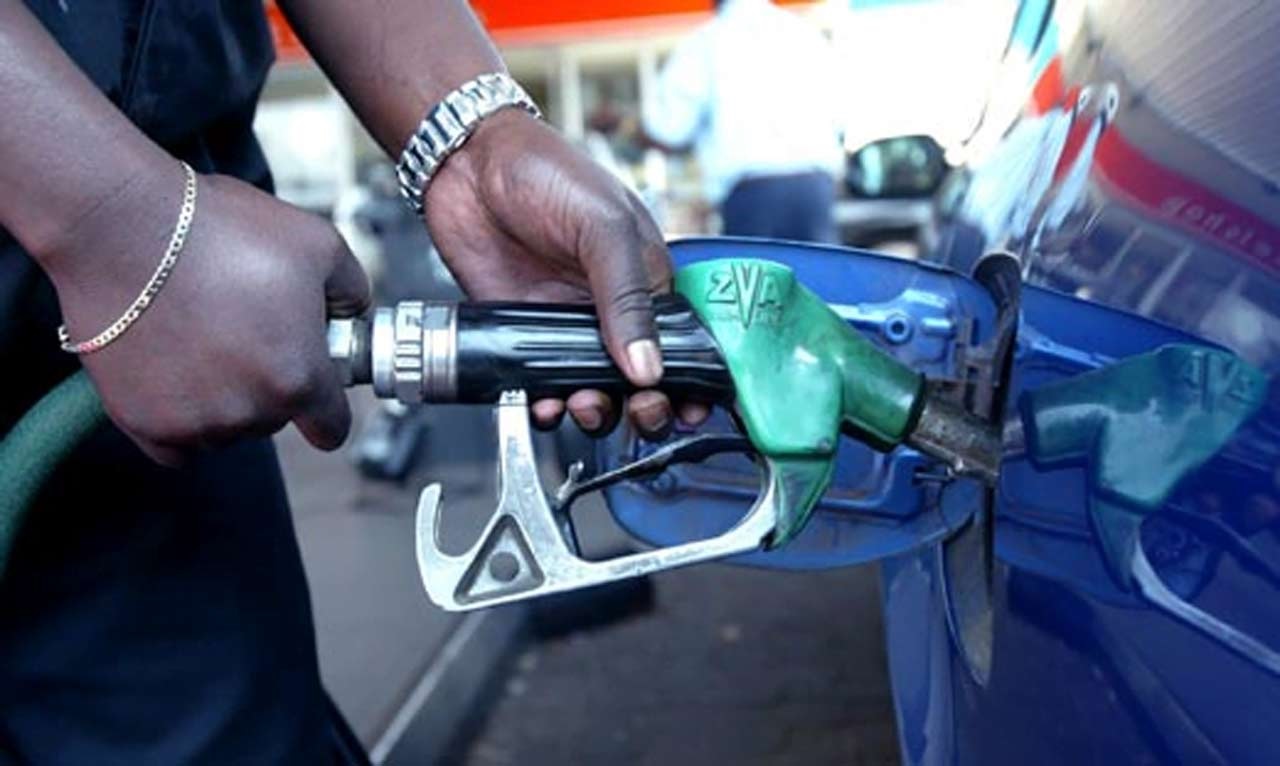
The Petroleum Products Retail Outlets Owners Association of Nigeria (PETROAN) has expressed concern over a N75 per liter price disparity between petrol produced by the newly revitalized Port Harcourt Refinery and the Dangote Refinery.

This revelation came from the association’s Public Relations Officer, Dr. Joseph Obele, during the official reopening ceremony of the Port Harcourt Refinery, which has resumed operations at a production capacity of 60,000 barrels per day.

Dr. Obele, a former chairman of the Independent Petroleum Marketers Association of Nigeria (IPMAN) at the Port Harcourt Depot, commended the federal government for restoring the old refinery but raised concerns over the higher pricing by the Nigerian National Petroleum Company Limited (NNPCL).

According to Obele, the NNPCL’s petrol is priced at N1,045 per liter, compared to the N970 per liter offered by the Dangote Refinery—a N75 difference.

“The N75 price differential is a steep margin for businesses, particularly for an industry where profitability hinges on competitive pricing,” Obele stated.

He noted that the disparity in prices could affect both marketers and consumers, emphasizing the importance of harmonizing costs to stabilize the downstream sector.

In response to these concerns, the Group Chief Executive Officer of NNPCL, Mele Kyari, assured stakeholders that the issue of price disparity would be addressed. He highlighted ongoing efforts to align pricing to mitigate the financial strain on marketers and consumers while ensuring the refinery’s operations remain sustainable.

Dangote’s Edge and the Demystification of Cost Claims

This development gives the Dangote Refinery a clear market edge, as it positions itself as the cheaper supplier of petrol—a move that could attract marketers and further solidify its dominance in Nigeria’s downstream petroleum sector.

The pricing disparity has also demystified the claim that Dangote Refinery’s products are costlier than imported alternatives. Marketers had earlier claimed that the refinery’s product costs are more expensive compared to imported products.

However, Dangote Refinery’s recent pricing adjustment to N970 per liter has not only undercut the price of petrol from the Port Harcourt Refinery but also challenged perceptions about its cost-effectiveness.

Price has been a contentious issue between Dangote Refinery and marketers since the facility began operations earlier this year. Initially, concerns were raised about the refinery’s ability to offer competitive pricing due to its massive operational costs and private ownership.

However, after negotiations and market pressures, Dangote Refinery adjusted its price downward to N970 per liter, offering an attractive alternative to imported products and now, government-owned refineries.

This strategic pricing has shifted perceptions and given the Dangote Refinery a strong foothold in the market.

The Significance of Port Harcourt Refinery’s Reopening

The resumption of production at the Port Harcourt Refinery is seen as a pivotal step toward reducing Nigeria’s reliance on imported petroleum products. Stakeholders have welcomed the move, emphasizing the broader benefits of enhanced local refining capacity.

While the refinery’s current output of 60,000 barrels per day is modest compared to national demand, it marks progress in revitalizing Nigeria’s aging refinery infrastructure.

The refinery is seen as a huge reprieve for consumers in Eastern Nigeria, who historically pay higher than their counterparts in the Southwest due to the high cost of logistics. The Port Harcourt Refinery being close to the region is expected to significantly cut the cost of logistics, lowering the pump price.

However, with this development, marketers are likely going to stick with Dangote Refinery unless the NNPC honors its pledge to ensure harmonized pricing.

Hoverwatch Android Tracker: In-Depth Review and Key Insights

0

Hoverwatch stands out as a versatile and powerful Android tracker, offering a wide range of features tailored to meet the needs of parents, employers, and individuals seeking to monitor device activity.

This tool is designed with simplicity and functionality in mind, providing users with a seamless experience for tracking calls, messages, social media interactions, and GPS locations.

Unlike many competitors, Hoverwatch operates in a stealth mode, ensuring discreet monitoring without alerting the target device user. Its compatibility with multiple Android versions and ability to track multiple devices simultaneously make it a preferred choice for various applications.

By combining user-friendly design with robust tracking capabilities, Hoverwatch has established itself as a unique and reliable solution in the digital monitoring space.

Top Features for Android Tracking 

Hoverwatch offers an impressive array of features that cater to the diverse needs of Android users.

  1. One of its standout capabilities is call tracking, which records details of incoming and outgoing calls, including timestamps and contact information.
  2. The SMS and messaging monitoringextends to popular platforms such as WhatsApp, Facebook Messenger, and Viber, allowing users to access both sent and received messages.
  3. The GPS location trackingfeature ensures precise, real-time updates on the target device’s location, complete with historical movement logs.
  4. Social media tracking enhances its appeal, covering platforms frequently used by younger audiences.
  5. Hoverwatch also excels with its stealth mode, enabling monitoring without the target user’s awareness.

These features are backed by compatibility with most Android tracker versions, ensuring a seamless experience for users across devices.

How to Install Hoverwatch on Android
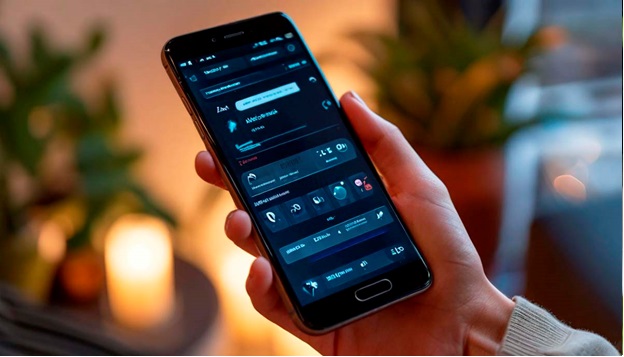
Installing Hoverwatch on an Android device is a straightforward process, but it requires careful attention to detail to ensure seamless setup. Start by creating a

Hoverwatch account on the official website, where you can choose your subscription plan. After account registration, log in to your dashboard to download the Hoverwatch APK file.

Enable installation from unknown sources in the Android device settings to allow the APK file to install.

Once the app is installed, grant necessary permissions such as access to GPS, messages, and calls for full functionality. Complete the setup by entering your account credentials to link the device to your Hoverwatch account.

The app will automatically enter stealth mode, hiding its presence from the device user. Ensure you have physical access to the target device during installation, as this is a key requirement.

User Interface and Experience Overview
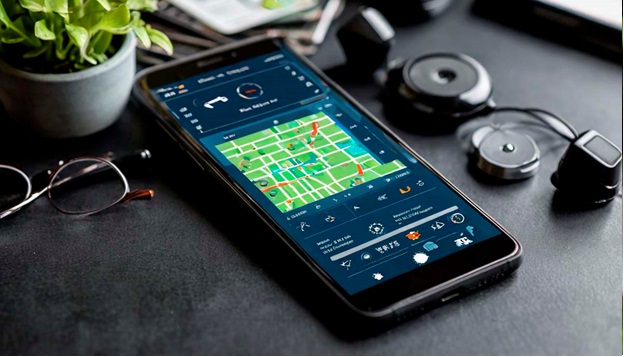
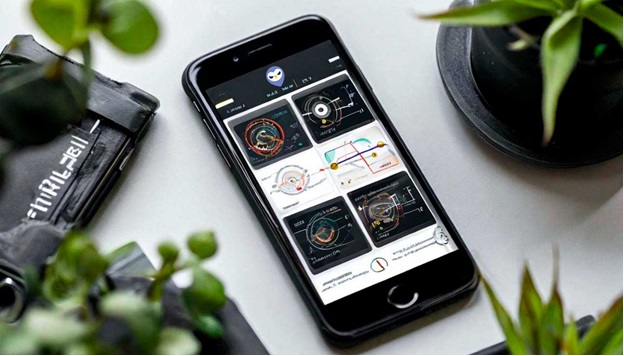
Hoverwatch’s user interface is designed for simplicity and functionality, making it accessible to both tech-savvy users and beginners. The dashboard Android tracker serves as the central hub, providing clear navigation to key features such as call logs, GPS tracking, and messaging activity.

Data is presented in an organized format, with filter options to help users quickly locate specific information, such as dates or contact names.

The real-time updates are displayed intuitively, ensuring that users can monitor activities as they happen. The interface is responsive, working seamlessly on desktops and mobile devices, which allows for on-the-go monitoring.

Hoverwatch’s clean layout minimizes distractions, emphasizing usability while maintaining a professional aesthetic. Customizable settings, such as notification preferences and tracking intervals, further enhance the user experience.

Privacy and Security: How Hoverwatch Protects Your Data
Hoverwatch prioritizes data privacy and security, implementing robust measures to safeguard user information. All tracked data is encrypted during transmission and securely stored on Hoverwatch’s servers, ensuring protection against unauthorized access.

The platform adheres to strict privacy policies, complying with global data protection standards such as GDPR. Users maintain full control over their accounts through secure login credentials, with options to reset or update passwords when needed.

Hoverwatch also ensures transparency by providing detailed documentation on how collected data is managed. Ethical guidelines emphasize responsible use, reminding users to obtain consent where required by law.

By combining encryption, regulatory compliance, and user accountability, Hoverwatch establishes itself as a reliable choice for secure Android tracking.

Pricing Options: Finding the Right Plan for You

Hoverwatch offers flexible pricing plans tailored to meet various user needs, ranging from personal to professional tracking applications.

Plan Devices 1 Month 3 Months 1 Year
Personal 1 Device $29.95 $59.95 $99.95
Family 5 Devices $49.95 $99.95 $199.95
Business 25 Devices $149.95 $299.95 $499.95

Users can choose between monthly, quarterly, or yearly subscription models, with discounts available for longer commitments.

  • The Personal plan, ideal for single-device tracking, includes all core features such as GPS, call, and social media monitoring.
  • The Family plan allows monitoring on up to five devices, making it suitable for parents managing multiple children’s activities.
  • For businesses, the Professional plan supports up to 25 devices, offering advanced features to optimize employee monitoring.

Each plan is competitively priced compared to market alternatives, providing excellent value for money. Users can also benefit from Hoverwatch’s free trial to evaluate its features before committing.

When selecting a plan, consider your specific requirements, such as the number of devices and intended use case, to maximize value and efficiency.

Benefits and Drawbacks to Consider
Hoverwatch offers several notable advantages that make it a reliable Android tracker. Key benefits include its comprehensive feature set, such as GPS tracking, call and message monitoring, and social media activity tracking, all accessible through a user-friendly interface.

The stealth mode ensures discreet operation, and its multi-device plans provide excellent value for families and businesses. However, there are drawbacks to consider.

The software is currently limited to Android devices, which might exclude potential users with iOS or other platforms. Additionally, reliance on network connectivity for real-time updates can impact performance in low-signal areas.

By weighing these benefits and drawbacks, users can better determine if Hoverwatch aligns with their specific tracking needs.

Conclusion: Is Hoverwatch the Tracker You Need?

Hoverwatch proves to be a comprehensive and versatile solution for Android tracking, offering a robust set of features suitable for various users, from parents to business owners.

Its seamless installation process, intuitive interface, and advanced capabilities like stealth mode and multi-device monitoring make it a standout option in the market.

While it excels in functionality and value, its limitation to Android devices and dependency on network connectivity may not suit everyone’s needs.

Ultimately, Hoverwatch is an excellent choice for users prioritizing discreet and efficient tracking on Android, provided its features align with their specific requirements.

By evaluating the pros, cons, and pricing plans, potential users can make an informed decision about whether Hoverwatch is the ideal tracking tool for their situation.


FAQs About Android Tracking Tools

  1. Is Hoverwatch legal to use?
    Yes, Hoverwatch Android tracker is legal to use as long as it complies with the laws of your country or region. Users must obtain consent from the person being monitored, especially in professional or family contexts, to avoid violating privacy regulations.
  2. Can Hoverwatch track devices other than Android?
    Hoverwatch is specifically designed for Android devices and does not currently support iOS or other platforms. Ensure that the target device meets Android compatibility requirements before installing.
  3. Does Hoverwatch operate in real-time?
    Hoverwatch provides real-time updates for most tracking features, including GPS location and messaging logs. However, the speed of updates may depend on network connectivity and device settings.
  4. Is the data collected by Hoverwatch secure?
    Hoverwatch uses encryption and secure storage to protect collected data. Only authorized users with account credentials can access the information, ensuring a high level of security.
  5. Can Hoverwatch be detected on the target device?
    Hoverwatch Android tracker operates in stealth mode, making it invisible to the user of the monitored device. This ensures discreet tracking without interference.
  6. Is there a free trial available?
    Yes, Hoverwatch offers a free trial, allowing potential users to explore its features before committing to a subscription plan.
  7. How many devices can I monitor with Hoverwatch?
    The number of devices depends on the subscription plan. The Personal plan supports one device, the Family plan covers up to five devices, and the Professional plan accommodates up to 25 devices.
  8. What should I do if I encounter installation issues?
    Ensure that the target device meets all installation requirements, such as enabling unknown sources in settings. If problems persist, refer to Hoverwatch’s support resources or contact their customer service for assistance.