DD
MM
YYYY

PAGES

DD
MM
YYYY

spot_img

PAGES

Home Blog Page 2746

Memecoin and AI Buzz – 3 Altcoins to Hold for Potential Huge Gains: Shiba Inu (SHIB), Pepe (PEPE) and IntelMarkets (INTL)

0

Memecoins and AI tokens are no doubt the most bullish crypto types. With these narratives set to lead the upcoming bull market, the three altcoins to hold for potential huge gains are Shiba Inu (SHIB), Pepe (PEPE) and IntelMarkets (INTL).

Given their bullish narratives and upside potential, these are altcoins to watch out for. Moreover, at their current price, they are not only promising but also budget-friendly.

IntelMarkets (INTL): Projected 65X Rally Post-Launch

IntelMarkets (INTL) kicks off this list, standing out thanks to its largely unrivaled growth prospects. As an emerging cryptocurrency, it has plenty of room to run, capturing investors’ attention. The presale has been selling out fast as a result—over $1.6 million has been raised.

Having hinted at its upside potential, the token is priced at $0.036 in the fourth stage and presents a good entry. It is believed to be hugely discounted at its current price and teeming with potential. Amid the buzz around AI cryptos and INTL’s novelty as an AI-powered trading platform, analysts project a 65x rally during this bull cycle.

Meanwhile, oracles will be integrated with INTL’s AI-based blockchain, allowing secure and tamper-proof access to external data. Oracles serve as a bridge between the blockchain and off-chain data sources, essential for obtaining pricing data for traded assets in real time. On track to transform the $264 billion crypto trading scene, it is an altcoin to bet on alongside top memes like Pepe (PEPE) and Shiba Inu (SHIB).

Shiba Inu (SHIB): Primed to be at the Forefront of the Upcoming Bull Run

Shiba Inu (SHIB), the leading ETH memecoin and the second-largest meme token, is one of the most popular names in the crypto space. It is a retail favorite given its memetic appeal—a dog cryptocurrency—and budget-friendliness. Without breaking the bank, investors can position themselves for substantial ROIs.

Also contributing to its appeal is its vibrant ecosystem. Unlike most memecoins, its ecosystem is utility-driven, featuring projects like Shibarium, a Layer-2 scaling solution and ShibaSwap, a top DEX. After a period of decline, the Shiba Inu price shoots up.

It soared over 6% in the past 24 hours, coinciding with Bitcoin’s breakout above $70,000. As BTC approaches a new peak, potentially ushering in a bull market, Shiba Inu (SHIB) is primed to be at the forefront of the run. This positions it among the best cryptos to invest in.

Pepe (PEPE): Gearing up for Price Discoveries

Pepe (PEPE), the third-largest memecoin, is inspired by the 2000s internet meme Pepe the Frog. It launched on the Ethereum blockchain, hot on Shiba Inu’s heels. With several all-time highs this year—the latest on May 27—it outperformed most top memes.

Behind its upswing is its unique memetic appeal. With the meme space flooded by dog cryptos, Pepe’s frog theme makes it stand out. Further, features like deflationary tokenomics make it a worthwhile token for the long term—the same cannot be said for most memecoins.

With more room for growth, Pepe (PEPE) is arguably one of the best coins to invest in. Moreover, the Pepe price provides a low entry, allowing investors to grab big bags without breaking the bank. Tipped to go on several price discoveries this bull run and outclassing competing animal cryptos and other meme narratives, it is a must-have.

Conclusion

Memecoins and AI are set to lead the upcoming bull market and the best bets to make are Pepe (PEPE), Shiba Inu (SHIB) and IntelMarkets (INTL). Their bullish narrative, upside potential and low prices make them compelling altcoins to hold.

Buy Presale

Website

Telegram

The 3 Best Alts to Buy in November 2024: Ripple (XRP), Dogecoin (DOGE), and Rexas Finance (RXS)

0

Cryptocurrency markets remain highly liquid and engaging, as more investors, both retail and institutional, show interest in digital assets. The market is gradually changing, and several projects are deemed promising owing to their sustainable development, increasing integration, and high price volatility. Specifically, Ripple (XRP), Dogecoin (DOGE), and Rexas Finance (RXS) are currently attracting much interest, and each presents a different type of investment.

XRP Poised for ETF Inclusion and Increased Demand

XRP, the native token of Ripple, has been experiencing a positive outlook in the market in the recent past. Brad Garlinghouse, the CEO of Ripple Labs, mentioned that it is only a matter of time before XRP is included in a US-based spot exchange-traded Fund (ETF). This comment comes in the wake of a rise in demand for spot Bitcoin ETFs, which have seen more than $21 billion invested since January 2024.

“There is institutional and retail interest in this asset class,” Garlinghouse said, suggesting that XRP could be the next to get an ETF. Two of the asset managers, Bitwise and Canary Capital, have already submitted applications for spot XRP ETFs as institutions continue to show interest in the cryptocurrency.

The digital asset has always had a very active community of users within the United States and across the globe. According to Garlinghouse, an XRP ETF could also perform very well because the asset is suitable for many investors. As many institutions are joining and the demand is growing, the price of XRP is projected to be on the verge of a rally. 

Dogecoin Ready for Major Rally

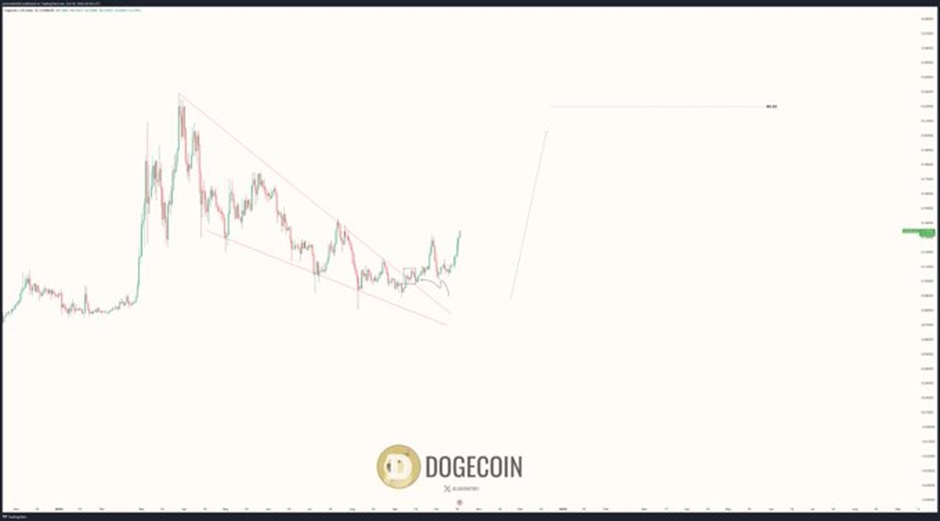
Dogecoin (DOGE) has also been in the spotlight as it has high chances for price growth. Recent analyses indicate that the token may mimic past upswings that took DOGE to record highs of $0.73 in 2021. The analysts are now anticipating a major shift, and some believe that Dogecoin could rise to $3 in the next bull market.


Source: X

The crypto analyst Javon Marks has especially focused on Dogecoin and predicted a 400% rise with the help of historical data and market cycles. He pointed out that DOGE has been trading in the same pattern as previous rallies indicating a possible breakout. In the short-term analysis, it is possible for DOGE to at least double its current value in the next few weeks and trade at $0.37 before the US elections. This rally is fueled by recent mention of D.O.G.E department around the US election by crypto enthusiast Elon Musk.In the same vein, Marks also anticipated that DOGE may surge 5,200% in the next bull market, with its price rising to $7.36.

Rexas Finance (RXS): A Token Set to Explode by 3,900%

Rexas Finance (RXS) is rapidly becoming popular to those investors who are interested in seizing the growth opportunity. The project is oriented on asset tokenization, which means that users will be able to tokenize real world assets including real estate, art and intellectual property. This unique value proposition has allowed Rexas Finance to become a challenger in the blockchain industry and its ongoing presale has attracted significant interest.

The RXS token is currently in its fourth presale stage, priced at $0.06. So far, the project has raised over $4.4 million, demonstrating strong interest from both retail and institutional investors. Market analysts are forecasting a significant price surge for RXS, with predictions suggesting a potential 3,900% increase as the project nears its full launch and exchange listing. With the global asset tokenization market expected to grow rapidly, Rexas Finance is well-positioned to benefit from this trend. The project’s ability to bring illiquid assets into the blockchain ecosystem has attracted widespread attention, and its presale success has further solidified its future prospects. Analysts predict that RXS could reach $2.40 by the time of its full launch, offering early investors significant upside potential.

Website: https://rexas.com

Whitepaper: https://rexas.com/rexas-whitepaper.pdf

Twitter/X: https://x.com/rexasfinance

Telegram: https://t.me/rexasfinance


Tekedia Capital Congratulates Touch and Pay for Launch of “dollar top-ups”

0

Tekedia Capital is super excited to congratulate our portfolio company, Touch & Pay, for launching the  “dollar top-ups”  as it continues to improve transportation in Nigeria and beyond: “We’re not handling remittances directly- we don’t have the license. We just want people to send money home and pay for the Bus Rapid Transit (BRT) and the train”. Good People, the Cowry card, from TAP, can also do the same for grocery, medical bills, etc.

He further explained that with a $20 transfer from someone abroad, which is approximately N30,000 according to the current dollar/Naira exchange rate, it could be loaded into the recipient’s Cowry wallet, covering transport expenses for a month.

Amid Nigeria’s current rising inflation, which has seen the price of fuel surge as well as increase in food prices, creating financial strain for many Nigerians, this has pushed many to seek more affordable transportation options.

TAP’s newly launched “dollar top-ups” feature is timely, which can help alleviate the exorbitant price of transportation for Nigerians. Notably, this feature, marks a strategic expansion for TAP, moving into cross-border payments while leveraging its robust technology infrastructure and loyal customer base.

TAP supports at least 5 million citizens yearly and is the largest micropayment company in Africa.

Tekedia- and YC-Backed Touch And Pay Introduces “Dollar Top-Ups” For Transport Support in Nigeria

Tekedia- and YC-Backed Touch And Pay Introduces “Dollar Top-Ups” For Transport Support in Nigeria

0

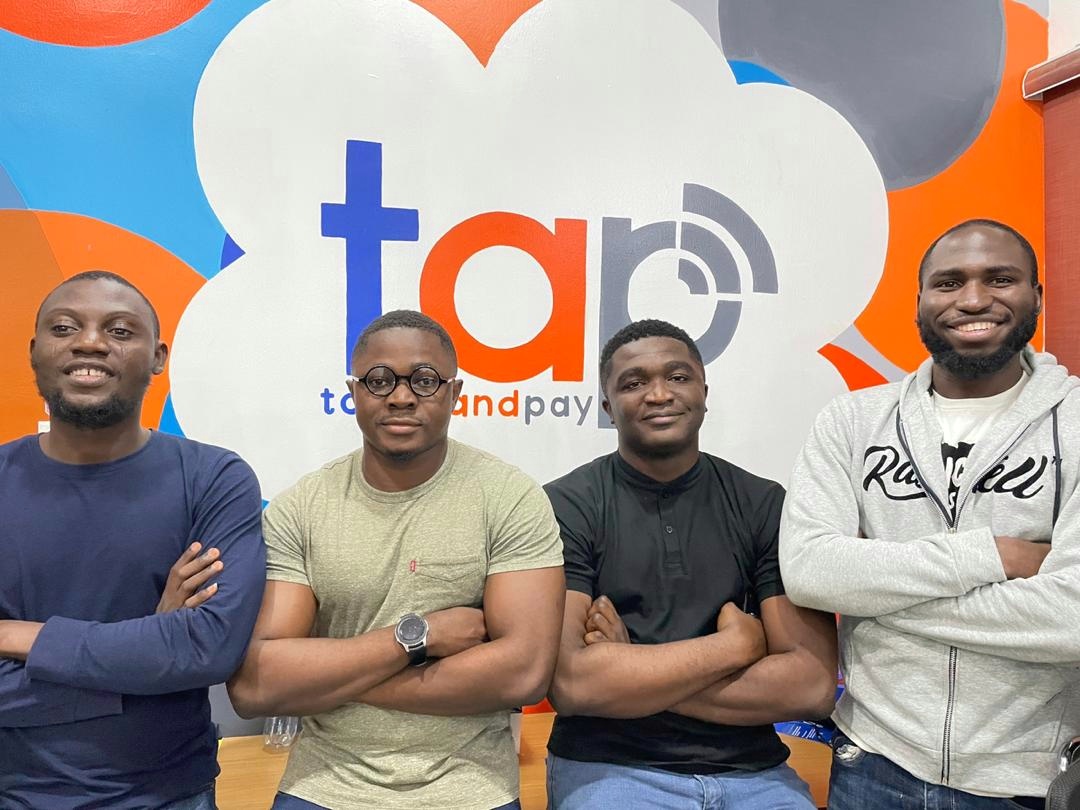
Nigerian Tekedia-backed tech startup, Touch and Pay Technologies (TAP), the new-age IT service company behind the popular Cowry card, has rolled out a new feature called “dollar top-ups” for transport support in Nigeria.

The feature enables Nigerians to receive small-dollar remittances from the diaspora for transportation, enabling them to receive up to $20, which can be used for public transport payments, covering bus and train fares.

The tech startup has partnered with New York-based remittance company Lipaworld, a marketplace for digital vouchers that allows folks in the diaspora to send value to their loved ones back home in Africa, to facilitate these transactions. Touch and Pay technologies CEO Olamide Afolabi in a chat with Condia (formerly BenDada), highlighted the initiative’s focus on transportation support.

“We’re simply providing a way for people abroad to support loved ones back home, specifically for transport”, he said.

He further explained that with a $20 transfer from someone abroad, which is approximately N30,000 according to the current dollar/Naira exchange rate, it could be loaded into the recipient’s Cowry wallet, covering transport expenses for a month.

Amid Nigeria’s current rising inflation, which has seen the price of fuel surge as well as increase in food prices, creating financial strain for many Nigerians, this has pushed many to seek more affordable transportation options.

TAP’s newly launched “dollar top-ups” feature is timely, which can help alleviate the exorbitant price of transportation for Nigerians. Notably, this feature, marks a strategic expansion for TAP, moving into cross-border payments while leveraging its robust technology infrastructure and loyal customer base.

However, the company’s CEO Afolabi, clarified that TAP is not engaging in remittance services but rather in a targeted solution for transport needs. “We’re not handling remittances directly- we don’t have the license. We just want people to send money home and pay for the Bus Rapid Transit (BRT) and the train”.

The dollar top-up service is only the beginning. TAP plans to launch a global card that will allow users to receive funds from abroad for broader spending needs within Nigeria, potentially enhancing Cowry Card’s influence as a top fintech player in Africa.

Founded in 2019 by Olamide Afolabi and Michael Oluwole, TAP was the first payment company in Nigeria to provide payment infrastructure for contactless payment cards to be used on buses and ferries and now trains. The company is helping to advance financial inclusion among Nigeria’s mostly unbanked population with its processing of micro-transactions ranging from 10 cents to $10.

Its flagship product which simplifies transport payments, Cowry Card, has continued to surge in usage, with over five million users and N20 billion in transaction volume processed in 2024, solidifying TAP’s profitability and shifting its focus from fundraising to new revenue sources. The tech startup created the Cowry card to solve the problem of 64 million adults in Nigeria who don’t have access to banks, which limits their ability to withdraw cash for use on public transportation.

With plans of expanding into the rest of the African continent, the company’s services have ventured into all systems that can benefit from cashless infrastructure, such as transport, utility payments, and grocery shopping, among others. TAP is changing the African narrative by processing micro-transactions for revenue assurance.

Copper-Gold Ratio Decline to Levels seen in Late 2020

0

The copper-gold ratio is a significant economic indicator that financial analysts and investors closely monitor. This ratio measures the number of ounces of gold it takes to purchase one pound of copper. A lower ratio suggests that gold is expensive relative to copper, which can be an indicator of economic uncertainty and a potential flight to safety by investors who prefer the stability of gold during such times.

The recent dip in the copper-gold ratio to levels last seen in late 2020 could be signaling several underlying economic trends. For instance, it may reflect a decrease in industrial demand for copper, which is widely used in construction and electrical applications and is often seen as a barometer for global economic health. Conversely, it may indicate an increase in the demand for gold, which is traditionally viewed as a safe-haven asset during periods of economic turmoil.

The decline in the copper-gold ratio aligns with historical patterns observed during times of economic stress, where investors tend to move away from riskier assets like industrial metals and seek refuge in more stable investments like gold. This behavior is often driven by concerns over economic growth, inflation, and geopolitical tensions.

It’s also worth noting that the copper-gold ratio has implications beyond commodity markets. It has been observed to correlate with long-term interest rates, particularly the U.S. 10-year Treasury yield. A lower copper-gold ratio has historically been associated with lower yields, suggesting that investors are willing to accept lower returns in exchange for the perceived safety of government bonds.

The current state of the copper-gold ratio could be reflecting broader economic concerns, possibly related to the pace of global economic recovery post-pandemic, inflationary pressures, or other macroeconomic factors. Investors and policymakers will likely keep a close eye on this ratio and other economic indicators to gauge the health of the economy and make informed decisions.

key economic indicators that investors should monitor:

Gross Domestic Product (GDP): GDP measures the total economic output of a country and is a primary indicator of economic health. It reflects the value of all goods and services produced over a specific time period.

Employment Figures: The unemployment rate and job creation numbers offer insights into the labor market’s strength. Low unemployment typically suggests a robust economy, while high unemployment may indicate economic distress.

Industrial Production: This metric gauges the output of the manufacturing sector, including consumer goods and business equipment. It can signal changes in business conditions and consumer demand.

Consumer Price Index (CPI): CPI measures the average change over time in the prices paid by consumers for a basket of goods and services. It is a key indicator of inflation and purchasing power.

Purchasing Managers’ Index (PMI): PMI is an indicator of the economic health of the manufacturing sector. A PMI above 50 indicates expansion, while below 50 suggests contraction.

Personal Consumption Expenditures (PCE): This measures the changes in the prices of goods and services consumed by households and is the Federal Reserve’s preferred inflation gauge. This index reflects consumers’ confidence in the economic outlook, which can influence their spending and saving behaviors.

The copper-gold ratio’s recent decline to levels seen in late 2020 is a noteworthy development for market observers. It serves as a reminder of the interconnectedness of commodity prices, investor sentiment, and economic indicators. As the global economy continues to navigate the post-pandemic landscape, the movements of the copper-gold ratio will remain a key point of interest for those looking to understand the evolving economic environment.