DD
MM
YYYY

PAGES

DD
MM
YYYY

spot_img

PAGES

Home Blog Page 2753

Nigerians Must Quadruple Efforts to Avert Economic Paralysis as Supply Chain Volume Drops

1

Good People, our economic indicators in Nigeria have severely diminished. I just completed my back-the-envelope village boy study and the results are troubling. Three indicators: 

– The number of active aircrafts parked in Nigeria’s leading local airport at 9pm have dropped by more than 30% from Jan 2023 numbers. 

– The number of ships coming to Nigeria have dropped, and most troubling, ships continue to depart Nigeria largely empty. Ask your friends to climb the tallest buildings in Marina Lagos and count occasionally over a week, how many are coming and leaving, and how loaded they are. 

-International traffic in Nigeria’s main airport – MMA Lagos – is off by more than 50% compared to Jan 2023 numbers. To do that, ask people who work there to take photos at 8pm WAT, and send them to you from Monday to Sunday. 

If supply chain is the engine of commerce, the implication is that if our supply chain is seeing a significant drop, it does mean that our economic activities have reduced. Again, this is not a scientific study, but this is one way I have been using for years to provide a quasi-independent evaluation of where things are. 

We need to quadruple our efforts to avert economic paralysis. 

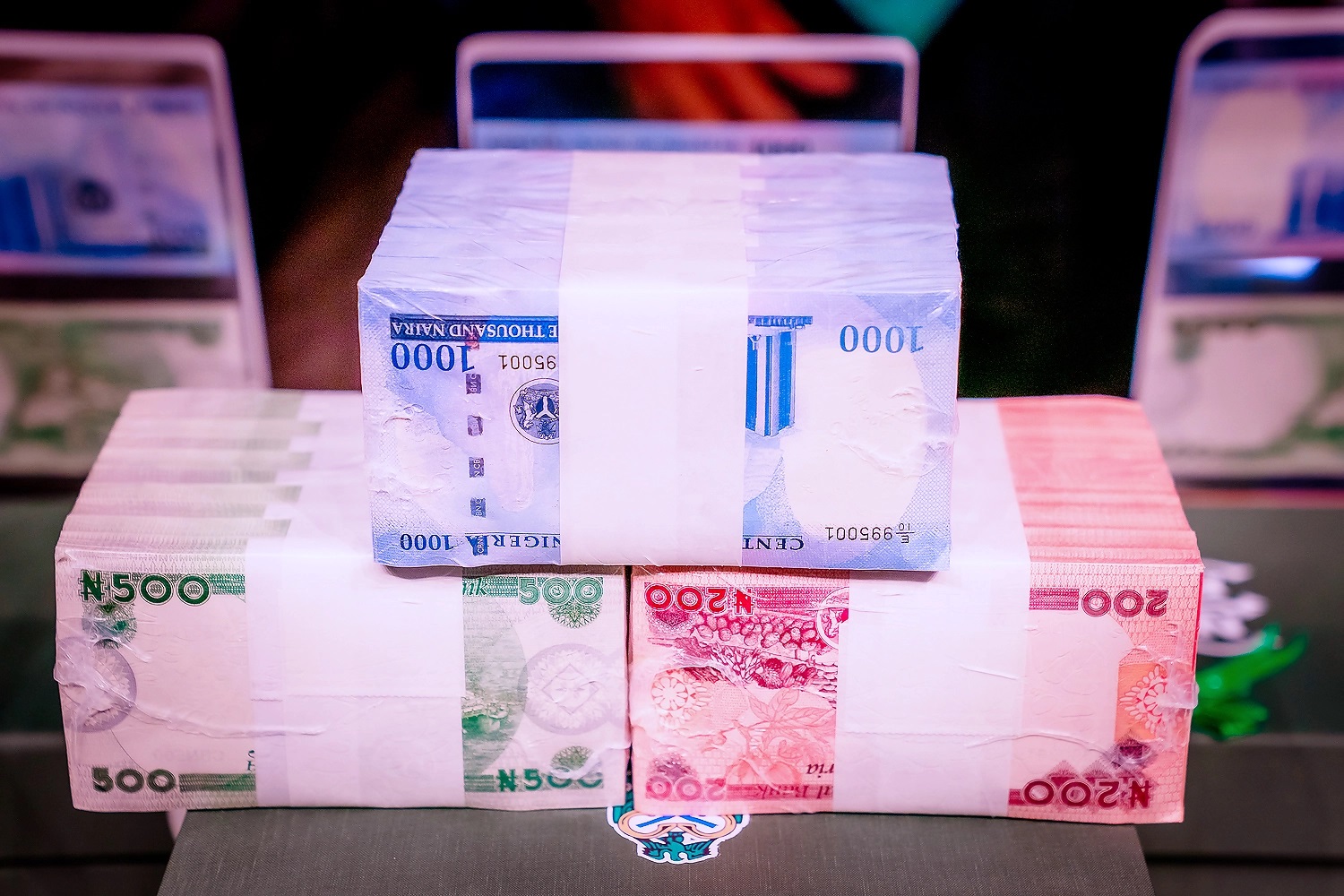
“Old Naira Notes Remain Valid Indefinitely”: CBN Debunks House of Reps’ Call for Withdrawal of Old Notes

0

The House of Representatives’ call for the gradual withdrawal of old N200, N500, and N1,000 notes ahead of the December 31, 2024 deadline has met with a swift response from the Central Bank of Nigeria (CBN), which issued a statement clarifying the status of the currency.

The CBN emphasized that the old banknotes will remain valid indefinitely, refuting claims that they would cease to be legal tender by the end of the year.

During a plenary session on Thursday, lawmakers voiced concerns over the approaching transition and the potential for widespread economic disruption if the process is not managed effectively.

The House’s resolution follows a motion of urgent national importance moved by Rep Afam Ogene, who highlighted the lack of public awareness regarding the looming deadline. According to Ogene, with less than two months remaining until the old currency ceases to be legal tender on January 1, 2025, the CBN has yet to implement a significant public sensitization campaign.

He noted that this lack of preparation raises concerns about a potential repeat of the chaos witnessed during the 2023 currency swap, which saw many Nigerians facing severe cash shortages, litigation, and public frustration.

However, on Thursday, the Central Bank released a statement through its acting Director of Corporate Communications, Sidi Hakama, asserting that reports suggesting the discontinuation of the old currency notes by December 31, 2024, are false and misleading. The bank accused those spreading such claims of attempting to disrupt the country’s payment system.

“The attention of the Central Bank of Nigeria has been drawn to discussions at different fora suggesting that the old series of the N200, N500, and N1,000 banknotes shall cease to be legal tender on December 31, 2024,” the statement read. “We wish to state categorically that such claims are false and calculated to disrupt the country’s payment system.”

The CBN’s statement reiterated the Supreme Court’s ruling from November 29, 2023, which granted the prayer of the Attorney-General of the Federation to extend the validity of the old naira banknotes indefinitely. The Supreme Court’s decision came amid the challenges experienced during the 2023 currency swap when the redesigned notes were initially introduced, causing significant disruptions to the economy due to cash shortages and the limited circulation of the new notes.

The apex bank affirmed its commitment to upholding the Supreme Court’s decision, ensuring that both the old and redesigned banknotes remain in circulation as legal tender.

“For the avoidance of doubt, the order of the Supreme Court of Nigeria… granting the prayer… to extend the use of old Naira banknotes ad infinitum, subsists,” the CBN said, dispelling any uncertainties surrounding the legal status of the old currency.

In response to concerns over the availability of cash, the CBN reassured the public that it continues to instruct all its branches to accept and issue all denominations of Nigerian banknotes, including both the old and redesigned versions. This directive applies to transactions with deposit money banks, ensuring that the public has access to adequate cash regardless of the currency series they hold.

Following the House’s motion, the CBN’s clarifications appear to have diffused some of the tension. To further ease the pressure on physical cash, the CBN has also advised citizens to embrace alternative payment channels such as electronic banking, mobile payments, and digital wallets. The apex bank emphasized that these alternative methods can help reduce the demand for cash and facilitate smoother financial transactions across the country.

Avoiding the Pitfalls of 2023

The 2023 currency swap debacle remains fresh in the minds of many Nigerians, with the difficulties encountered during that period serving as a cautionary tale. When the new naira notes were initially introduced, their scarcity led to an acute cash crisis, with many people unable to access funds for basic necessities. The situation escalated into public protests, and the eventual Supreme Court intervention extended the use of the old notes to prevent further economic disruption.

The CBN’s swift response to the lawmakers call is understood to be in an attempt to  avert a potential panic among Nigerians, and the rejection of the old notes that would result from it.

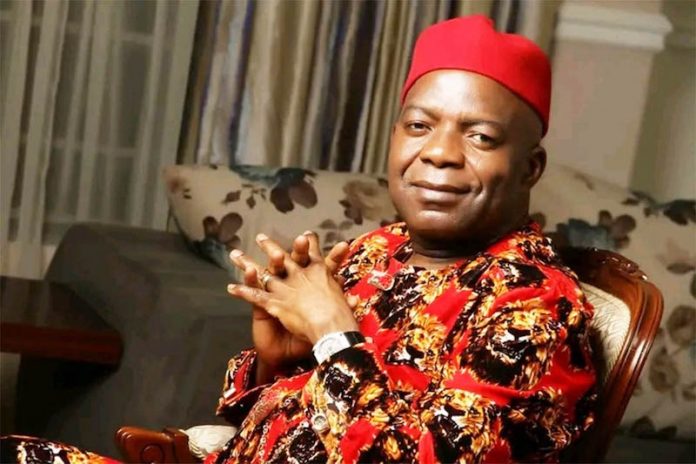
Abia State to Begin N70,000 Minimum Wage Implementation in October

0

The Abia State Government has joined the growing list of states that have committed to implementing the new N70,000 minimum wage, set to commence in October 2024.

This move, which was confirmed on Tuesday following a State Executive Council meeting chaired by Governor Alex Otti, is a direct response to the economic challenges faced by workers in the state. The wage increase is intended to cushion the effects of Nigeria’s worsening inflation and economic downturn, which have drastically eroded the purchasing power of workers across the country.

Speaking at a press briefing, the Commissioner for Information, Prince Okey Kanu, emphasized the administration’s commitment to improving the welfare of public sector workers.

“The state government is committed to the minimum wage, and within the next few days, payment of the new minimum wage will commence,” Kanu stated.

He also hinted that the N70,000 wage floor might only be the beginning, as Governor Otti is prepared to go beyond the national standard if necessary: “If the governor wants to deviate from the national standard and pay higher, so be it,” he said.

However, Representatives of labor unions, including the Nigeria Labour Congress (NLC), Trade Union Congress (TUC), and Joint Negotiating Council (JNC), have raised concerns over what they refer to as “consequential adjustments” that must accompany the new wage policy. They argue that the wage increase should not only apply to entry-level workers but should also reflect across all pay grades to ensure that senior workers are fairly compensated.

Ogbonnaya Okoro, Chairman of the NLC in Abia State, addressed these concerns during a press conference following a meeting with the state government on Wednesday.

“The N70,000 is a law, and that is for Level 1, Step 1, and it is sacrosanct. You don’t touch or go below it; instead, you increase it. When we talk about consequential adjustment, it concerns people from Grade Level 1, 2, up to Grade 17, and so forth. There are percentages involved in working out these modalities for everyone,” Okoro explained.

The union leader revealed that labor had already submitted a template outlining the necessary adjustments for workers across all pay levels. However, he expressed frustration that the government had not provided its own template, which is required to facilitate negotiations.

“We asked the government side to produce their template since organized Labour has submitted its own so that the consequential adjustment negotiating team will bring theirs, and the government will bring theirs, and we will disagree to agree,” Okoro said.

The New Wage, A Response to Economic Hardship

Abia’s decision to increase the minimum wage mirrors the steps taken by only a handful of Nigerian states so far, aimed at relieving the financial pressures on workers amid soaring inflation and the overall economic downturn. Since the removal of fuel subsidies in May 2023, Nigeria has seen a significant rise in the cost of living, with inflation rates remaining stubbornly high. This has severely squeezed the spending power of workers, making it increasingly difficult for them to meet their basic needs.

While the new national minimum wage is set at N70,000, some states have chosen to exceed this benchmark to help workers cope. For instance, Rivers State recently raised its minimum wage to N75,000, while Cross River and Lagos increased theirs to N80,000 and N85,000 respectively.

However, many other states have been slow to act, citing revenue shortfalls, high levels of debt, and other financial constraints. This has left workers in many states struggling to keep up with skyrocketing costs, particularly for basic needs like food, transportation, and housing.

Nigeria’s public finances have been severely strained in recent years due to declining oil revenues, high levels of debt, and growing expenditure demands, which have left many states unable to balance their budgets, let alone meet new wage obligations.

Otti’s decision to push ahead with the new minimum wage comes against the backdrop of a state facing its own fiscal challenges, which has forced it to borrow to finance its projects. Like many other states, Abia has struggled with revenue shortfalls and inherited debts from previous administrations, which have made it difficult to meet existing financial commitments. Yet, Otti’s administration has made improving worker welfare a priority, starting with clearing pension arrears and addressing other legacy financial obligations.

Nigeria Joins BRICS As A Partner Country, But The Bloc Has Many Hurdles to Scale

0

Nigeria has officially joined the BRICS bloc as a partner country, underlining a broader trend towards deeper integration with major emerging market economies coming together under the bloc.

The announcement was made during the ongoing BRICS summit in Kazan, Russia, which runs from October 22 to 24, 2024, bringing together leaders and representatives from various countries to discuss global economic development and security.

With this development, Nigeria and 12 other nations have been recognized as partner countries, not full members. The additional partner nations include Algeria, Belarus, Bolivia, Cuba, Indonesia, Kazakhstan, Malaysia, Thailand, Turkey, Uganda, Uzbekistan, and Vietnam.

Nigeria’s inclusion as a partner follows a recent surge in foreign capital inflows from BRICS nations, which saw the country receiving a dramatic 189% increase in the first half of 2024, reaching $1.27 billion, compared to $438.72 million during the same period in 2023.

Nigeria’s journey towards becoming part of BRICS has been gradual but consistent. The country has long expressed interest in joining the bloc, with the government citing Nigeria’s economic potential and large population as qualifications for membership. Last year, during the 2023 BRICS summit in South Africa, Vice President Kashim Shettima attended the meeting but did not pursue full membership, even as new African countries like Ethiopia and Egypt were admitted.

In November 2023, Foreign Affairs Minister Yusuf Tuggar affirmed that Nigeria intended to seek membership within two years, positioning itself to leverage the economic benefits of closer ties with the BRICS bloc. He reiterated Nigeria’s interest in September 2024, noting that while the country had not formally applied, the goal remained on the radar of President Bola Tinubu’s administration.

BRICS, originally formed by Brazil, Russia, India, and China (BRIC) in 2009, expanded to include South Africa in 2010, resulting in the current BRICS acronym. The group’s primary focus is on fostering trade, investment, development, and security among the leading emerging economies. The addition of new members and partner nations underscores the bloc’s expanding influence, aimed at reshaping global economic governance to favor fairer development outcomes.

The 2024 summit, themed “Strengthening Multilateralism for Fair Global Development and Security,” underscores BRICS’ commitment to promoting a multipolar world. This year marks the sixteenth annual summit, with Nigeria’s new partner status signaling a more prominent role in global economic discussions.

While partner countries do not have full voting rights or decision-making power within the bloc, the designation allows for increased collaboration and closer economic ties with full member states.

What Partner Status Means for Nigeria

Some analysts believe the partnership opens the door for increased trade, foreign direct investment, and development initiatives that can bolster Nigeria’s economic prospects. Nigeria’s new status is also expected to support its efforts to diversify its economy away from a heavy reliance on oil. With BRICS nations already accounting for a significant portion of global trade, many believe there is room for Nigeria to explore new export markets and attract investments in sectors like agriculture, manufacturing, and technology.

The recent expansion of BRICS has seen the addition of four new full members—Iran, Egypt, Ethiopia, and the United Arab Emirates—who were granted membership in January 2024. These countries attended their first BRICS summit as full members at this year’s gathering in Russia. The expansion to include African nations like Ethiopia and Egypt signals BRICS’ growing focus on the continent, which has been increasingly recognized for its economic potential and strategic importance.

However, Nigeria’s involvement as a partner country within BRICS is understood as a signal of a shift in geopolitical alignments, as countries in Africa and the Global South look for alternatives to traditional Western-led economic frameworks. The country’s large economy and population make it a prime candidate for future expansion, should it meet the bloc’s requirements and demonstrate readiness for deeper integration.

Several Hurdles to BRICS’ Future

Despite its growing appeal, BRICS still faces significant hurdles. Key among them is the challenge of creating a unified economic and financial framework that can accommodate the diverse needs of its member states.

The bloc’s existing members – Brazil, Russia, India, China, and South Africa – often have divergent economic policies and political interests, which could complicate efforts to establish a coherent strategy for the expanded membership.

The Currency Dilemma

One of the most pressing issues facing BRICS is determining a common trading currency among its members. This has been a topic of discussion for several years, as the bloc seeks to reduce its reliance on the US dollar, which currently dominates global trade and finance. The bloc’s interest in developing an alternative currency is rooted in its desire to create a fairer and more balanced global financial system, reducing the influence of the dollar in international transactions and shielding member economies from the volatility of US monetary policy.

In July 2024, BRICS announced ambitious plans to establish an alternative financial messaging system, similar to SWIFT (Society for Worldwide Interbank Financial Telecommunication), which has long been dominated by Western nations. The bloc also revealed its intention to create a new gold-backed currency as part of its efforts to provide a stable medium of exchange for intra-BRICS trade. The proposed currency would be anchored in gold reserves, potentially enhancing its value and credibility compared to fiat currencies.

While these plans reflect BRICS’ determination to assert its economic independence, significant challenges remain. Analysts have cautioned that establishing an alternative financial messaging system and a new currency may not drastically alter the global financial industry in the short term. The US dollar’s entrenched dominance as the world’s reserve currency, alongside well-established currencies such as the euro and the British pound, poses a significant obstacle to any currency that seeks to challenge its supremacy.

The global financial system is deeply intertwined with the US dollar, which accounts for nearly 60% of global foreign exchange reserves. Additionally, most international trade is conducted in dollars, further cementing its role in the global economy. This means, that even if BRICS successfully introduces a gold-backed currency, the practical challenges of getting countries to adopt it for trade and reserve purposes could limit its immediate impact. There is also the issue of liquidity, as a new currency would need to establish deep and liquid markets to support trade and investment.

BRICS’ plan to create a financial messaging system akin to SWIFT is part of its ambition to build infrastructure that could facilitate financial transactions among member states without relying on Western-dominated systems. This initiative is partly driven by Russia’s experience of being cut off from SWIFT due to sanctions, highlighting the vulnerabilities that come with dependence on Western financial networks.

However, analysts have pointed out that setting up a viable financial messaging system capable of rivaling SWIFT is a complex undertaking. SWIFT’s extensive network, which connects over 11,000 financial institutions across more than 200 countries, took decades to develop. A BRICS alternative would need to achieve widespread adoption and interoperability with existing banking systems, which could take considerable time.

Moreover, economists have noted that the success of any alternative financial infrastructure would largely depend on whether the proposed BRICS currency gains acceptance among member states and beyond. Several countries within the bloc may have reservations about abandoning the US dollar for a new currency, particularly those with significant dollar reserves or economies closely linked to dollar-based trade. Additionally, concerns about the political and economic stability of member countries, especially those with fluctuating currencies, could pose challenges to the cohesion and success of a BRICS currency.

DTX Exchange (DTX) Jump To $10 Likely in 2025 as SHIB Whale Calls Current $0.08 Price a Steal Better Than XRP

0

Analysts are predicting big growth, and some are saying DTX could hit $10 by 2025. With the current presale price at $0.08, many investors, including Shiba Inu (SHIB) whales, see it as a better opportunity than more established coins like Ripple (XRP).

DTX Exchange’s Performance

DTX Exchange (DTX) has done great in presale, raising over $5.5 million. This is a big number and it’s driven by the hybrid trading model of the platform which combines centralized and decentralized exchange features. This is what traders are looking for, flexibility and higher returns.

Not only regular traders are in DTX Exchange (DTX), but also big investors, especially whales from the Shiba Inu (SHIB) and Ripple (XRP) communities. In just 24 hours, DTX raised over $500,000 from these investors, and there was a shift from established cryptos like SHIB and XRP to DTX as many saw bigger growth in DTX.

Shiba Inu (SHIB) Whales Backing DTX Exchange (DTX)

A big endorsement for DTX Exchange (DTX) comes from Shiba Inu (SHIB) whales. These big investors are known for making strategic market moves, and they are moving a big chunk of their portfolio to DTX. They see the $0.08 presale price as a steal, especially considering the $10 target by 2025.

Shiba Inu (SHIB) has had success but these whales are betting on DTX for its unique features and bigger short and long term returns.

SHIB is experiencing market stagnation and they are looking for new opportunities and DTX’s hybrid model and privacy features is what they are looking for.

Ripple (XRP) has Challenges

Ripple (XRP) has more challenges in the market. Despite the positive developments like partnership with MoonPay, XRP is still entangled with SEC regulatory issues. These legal issues have caused price stagnation and some investors are looking for alternatives.

Ripple (XRP) is still in the market but its growth is being hindered. This has made many investors, especially those looking for higher returns to look into DTX Exchange (DTX), whose strong presale performance and big potential price appreciation makes it a better alternative to XRP.

Why DTX Exchange is Different

DTX’s hybrid trading platform is what makes it different from others. By combining decentralized and centralized exchanges DTX gives you flexibility and liquidity. Whether you like the security of decentralized exchanges or the convenience of centralized platforms DTX has got you covered.

DTX Exchange (DTX) also has high leverage up to 1000x, perfect for traders who want bigger returns. KYC free trading is for privacy conscious investors, a more secure and anonymous trading environment. With these features and strong presale performance DTX is becoming a big player in the crypto space.

DTX vs SHIB and XRP: A Better Investment?

Compared to Shiba Inu (SHIB) and Ripple (XRP), DTX’s growth potential is bigger. Both SHIB and XRP are struggling to move up, SHIB is experiencing market stagnation and XRP is entangled with legal issues that are capping its growth.

DTX is in a growth phase, its presale already increased by 300% and analysts are saying DTX will reach $1 shortly after mainnet launch and 50x by end of 2024. With these projections many investors see DTX as a better investment especially with its innovative platform and big investments from SHIB and XRP whales.

Conclusion: DTX Exchange’s Future

As DTX Exchange (DTX) grows, hitting $10 by 2025 is getting more and more possible. With big investor interest, innovative features and endorsement from big crypto whales DTX is positioning itself as a big player in the crypto space.

While Shiba Inu (SHIB) and Ripple (XRP) are still relevant, DTX’s unique approach and big growth potential is a better choice for those who want bigger returns.


For more information, visit the Visit DTX Website, Buy Presale or Join The DTX Community.