
DD
MM
YYYY

PAGES

DD
MM
YYYY

spot_img

PAGES

Home Blog Page 2758

Germany Approves Construction of Nationwide Hydrogen Network

0

In a landmark decision that marks a significant step towards a sustainable future, German regulators have approved the construction of a nationwide hydrogen network. This ambitious project is set to revolutionize the energy landscape of Germany, aligning with the country’s commitment to transition away from fossil fuels and embrace renewable energy sources.

The Bundesnetzagentur, Germany’s Federal Network Agency, has given the green light to a comprehensive plan that involves the creation of a 9,040-kilometer network of hydrogen pipelines. This network will be instrumental in connecting hydrogen production sites, import and consumption locations across the nation. The project, which is expected to be operational by 2032, will see about 60% of existing natural gas pipelines converted to transport hydrogen, while the remaining 40% will involve new constructions.

The hydrogen network is not just a national project but also an international one, as it takes into account connections with Germany’s neighboring countries. This is a clear indication of the global shift towards energy interdependence and the recognition of hydrogen as a key player in the global energy mix.

The approval process was not without its challenges, as it required minor modifications to the original plan. Only those pipelines essential for the transport tasks in the hydrogen core network were approved, ensuring a streamlined and efficient infrastructure.

The financial implications of this project are substantial, with total investment costs estimated at €18.9 billion. However, the economic benefits of a robust hydrogen infrastructure could far outweigh the initial expenditure. The network is expected to transport up to 278 terawatt-hours of energy annually, which equates to about a third of Germany’s current natural gas consumption.

By integrating hydrogen into the energy mix, Germany aims to significantly reduce its greenhouse gas emissions, targeting a 65% reduction by 2030 compared to 1990 levels. The hydrogen network will be instrumental in this endeavor, providing a means to distribute hydrogen efficiently across the country.

The conversion of existing natural gas pipelines to transport hydrogen is a strategic move that not only leverages existing infrastructure but also minimizes carbon emissions associated with constructing new pipelines. With an estimated transport capacity of up to 278 terawatt-hours annually, the network could displace a substantial portion of the natural gas currently used, thereby reducing carbon emissions.

Moreover, the hydrogen network is expected to stimulate the growth of the green hydrogen market, encouraging the development of renewable energy projects to meet the demand for hydrogen production. This, in turn, will further decrease carbon emissions by reducing reliance on carbon-intensive energy sources.

The economic implications of the hydrogen network are also significant. While the initial investment is considerable, the long-term benefits include not only environmental gains but also the potential for economic growth through job creation and technological innovation. The network is expected to serve as a catalyst for the development of new industries centered around hydrogen technologies.

Germany’s nationwide hydrogen network is set to play a pivotal role in reducing the country’s carbon emissions. By fostering the adoption of hydrogen as a clean energy carrier, Germany is not only advancing its own climate goals but also setting an example for other nations to follow in the global effort to transition to a more sustainable energy future.

The decision by the Bundesnetzagentur is a testament to Germany’s proactive approach to tackling climate change and its effects. By investing in hydrogen, a clean and versatile energy carrier, Germany is positioning itself at the forefront of the energy transition. This network will not only support the country’s climate goals but also has the potential to spur innovation, create jobs, and strengthen the economy.

The nationwide hydrogen network is a bold move towards a greener, more sustainable future, and it sets a precedent for other nations to follow. It is a clear signal that the era of hydrogen as a cornerstone of energy systems is upon us, and Germany is leading the charge. As the world watches, the success of this project could very well determine the pace at which other countries adopt similar strategies in the fight against climate change.

Navigating the Risks of Bitcoin Holdings

0

The inclusion of Bitcoin in corporate treasuries has become a topic of heated discussion. With the surge in corporate Bitcoin holdings by 587% since 2020, companies are increasingly viewing Bitcoin as a viable asset for their treasury reserves. This shift reflects a broader recognition of Bitcoin’s potential as a hedge against fiscal deficits, currency debasement, and geopolitical risks.

However, the volatile nature of Bitcoin poses significant challenges for corporate risk management. Price volatility remains a significant concern, with the potential to impact financial statements and overall corporate valuation. Moreover, legal and regulatory compliance, particularly concerning Money Transmission Laws (MTL) and Anti-Money Laundering (AML) regulations, presents additional hurdles for businesses venturing into Bitcoin holdings.

The adoption of Bitcoin by companies like MicroStrategy and Block Inc., formerly known as Square, has set a precedent for other corporations to follow. These companies have not only embraced Bitcoin as a primary treasury reserve but have also experienced substantial returns on their investments. MicroStrategy’s initial purchase of 38,250 BTC for $425 million between July and September 2020 is a testament to the growing confidence in Bitcoin as a corporate asset.

Despite the potential rewards, companies must navigate the complexities of Bitcoin adoption with caution. Weathering the turbulence of Bitcoin’s price fluctuations requires a robust risk management strategy. Companies must also educate their employees and stakeholders about the intricacies of Bitcoin to ensure informed decision-making.

The environmental concerns related to Bitcoin are multifaceted and significant, primarily due to the high energy consumption of Bitcoin mining. The process of mining, which involves validating transactions and adding them to the blockchain, requires substantial computational power and, consequently, electricity. This has led to a considerable carbon footprint, as many mining operations rely on fossil fuels for energy.

The energy consumption of the global Bitcoin mining network is staggering, with comparisons often made to the energy usage of entire countries. For instance, during the 2020–2021 period, Bitcoin’s energy consumption was such that if it were a country, it would rank 27th in the world, surpassing the energy needs of nations with large populations.

Moreover, the environmental impact of Bitcoin extends beyond carbon emissions. The water footprint is also a cause for concern, with the amount of water required for cooling mining equipment and power generation being substantial. The UN study revealed that Bitcoin’s water footprint during the same period was equivalent to over 660,000 Olympic-sized swimming pools.

Another aspect is the generation of electronic waste. As mining requires specialized hardware that becomes obsolete quickly, a significant amount of e-waste is produced. This not only contributes to the growing problem of electronic waste management but also poses challenges in terms of recycling and resource recovery.

The environmental implications of Bitcoin mining have sparked debates about the sustainability of cryptocurrencies and the need for greener alternatives. While the cryptocurrency sector offers valuable opportunities, it is crucial to balance these with the environmental costs and work towards solutions that minimize the ecological impact of digital currencies.

Furthermore, advisors play a crucial role in helping clients understand the risks associated with cryptocurrencies. Fraud, increasing regulation, and environmental concerns are all major risks facing crypto, and understanding a client’s risk tolerance is essential for mitigating these risks.

While the incorporation of Bitcoin into corporate treasuries can offer diversification and potential returns, it is imperative for companies to thoroughly assess the risks and develop comprehensive strategies to manage them. As the landscape of corporate finance continues to evolve, Bitcoin may indeed become a standard holding, but not without careful deliberation and risk assessment.

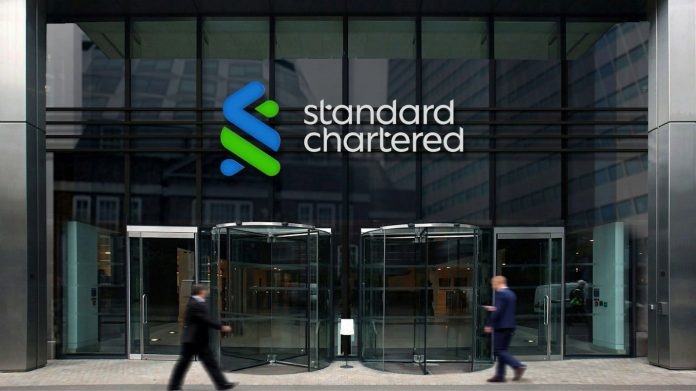
Standard Chartered says Real World Asset MarketCap 50x to $30 Trillion

0

In a groundbreaking report, Standard Chartered, in collaboration with Synpulse, has unveiled a comprehensive analysis predicting a monumental surge in the market capitalization of tokenized real-world assets.

Tokenization is the process of converting rights to an asset into a digital token on a blockchain. The implications of this are vast, as it could democratize access to investments, streamline trade finance, and enhance liquidity in markets that have traditionally been illiquid.

Standard Chartered, in collaboration with Synpulse, has released a paper detailing how trade finance assets are poised to become one of the top three tokenized assets globally, making up 16% of the total market. By 2034, this sector is expected to expand by an astonishing 50 times, reaching a staggering $30.1 trillion.

This expansion represents not just a significant increase in value but also a transformative shift in the way we perceive and interact with financial assets. The tokenization process involves converting rights to an asset into a digital token on a blockchain. This innovative approach offers numerous advantages, including increased liquidity, fractional ownership, and the democratization of investing.

The report highlights trade finance assets as a pivotal player in this burgeoning market, with an anticipated contribution of 16% to the total tokenized assets. This is particularly noteworthy given the current global trade finance gap, estimated at $2.5 trillion. Tokenization could be the key to bridging this gap, offering a more inclusive and efficient financial landscape.

The current value of tokenized assets, excluding stablecoins, stands at approximately $5 billion. However, the potential for growth is immense, given the estimated $14 trillion addressable market, including trade finance gaps. Tokenization can address challenges such as pricing inconsistency and operational intensity, which have hindered investment in trade finance assets. Moreover, it offers transparency and reduces information asymmetry, making these assets more attractive to investors.

Here are some examples of real-world assets that have been tokenized:

Art: Tokenization has opened the doors for art enthusiasts to own a piece of history. Companies like Freeport have fractionalized ownership of artworks, allowing investors to purchase tokens representing a share of an Andy Warhol painting.

Real Estate: Real estate tokenization enables investors to buy fractions of property, making investment opportunities more accessible. This method has the potential to democratize property ownership and investment.

Commodities: Precious metals, oil, and agricultural products can be tokenized, providing a new way to trade and invest in these physical assets without the need for physical storage or management.

Collectibles: Rare items, including digital art and collectibles, can be tokenized, allowing for secure and verifiable ownership that can be easily traded on blockchain platforms.

Bonds and Stocks: Even traditional financial instruments like bonds and stocks are being tokenized, offering a more efficient and transparent way of trading securities. The tokenization of these assets not only lowers barriers to entry for investors but also enhances the liquidity of markets that were previously considered illiquid.

Standard Chartered’s vision is supported by the rapid evolution of blockchain technology and the growing acceptance of decentralized finance (DeFi) applications. The bank’s initiatives, such as Project Guardian and Project Dynamo, underscore its commitment to leading the charge in this financial revolution.

As we stand at the cusp of this new era, the implications for investors, financial institutions, and regulators are profound. The potential for operational efficiency, enhanced market access, and the creation of new asset classes is immense. The report serves as a clarion call for industry-wide collaboration to unlock the full potential of tokenized real-world assets.

The journey towards a tokenized future is not without its challenges. The report by Standard Chartered emphasizes the critical role of industry-wide collaboration among stakeholders, including investors, financial institutions, governments, and regulators, to unlock this trillion-dollar opportunity.

With initiatives like Project Guardian and Project Dynamo, Standard Chartered is not just predicting the future; it’s actively working to shape it. Regulatory frameworks, technological advancements, and market readiness all play crucial roles in shaping the trajectory of this evolution. However, the promise of a more accessible, transparent, and resilient financial system is a compelling vision that is rapidly becoming a reality.

A Foray into the Landscape of Bitcoin Ownership

0

Bitcoin remains a leading digital asset, attracting a diverse range of investors from individuals to large institutions. Among these, BlackRock, MicroStrategy, and Grayscale have emerged as significant holders of Bitcoin, reportedly owning more than even the US government. This blog post delves into the ownership landscape of Bitcoin, exploring the implications of such holdings for the market and the concept of decentralization.

Bitcoin’s ownership is not as concentrated as some might assume. A report by Grayscale Research highlights that approximately 74% of Bitcoin addresses hold less than 0.01 BTC. This indicates a wide distribution among numerous small investors, reflecting Bitcoin’s decentralized ethos. However, it’s the larger stakeholders that often draw attention and influence market dynamics.

Institutional Holders vs. Government Holdings

As of late 2023, data suggests that the top five Bitcoin wallet addresses are associated with crypto exchanges or government entities. This points to a significant presence of institutional and governmental players in the Bitcoin market. The US government itself holds over 1% of the Bitcoin supply, valued at over $13.16 billion. In contrast, Bitcoin ETF issuers, which include entities like Grayscale, control over 4% of the BTC supply, amounting to $50.6 billion.

Role of BlackRock, MicroStrategy, and Grayscale

BlackRock, the world’s largest asset manager, has been known to hold Bitcoin indirectly through various investment instruments. MicroStrategy, under the leadership of Michael Saylor, has been a vocal proponent of Bitcoin, investing substantial company funds into the cryptocurrency. Grayscale, on the other hand, has made history by receiving SEC approval to uplist its Grayscale Bitcoin Trust to NYSE Arca as a spot Bitcoin ETF, marking a significant milestone for the company and the crypto industry at large.

The illiquidity of Bitcoin, due to the concentration of ownership among a few institutions, can result in disproportionate market cap increases with relatively small market inflows. This illiquidity could amplify price movements, both upward and downward, making the market more susceptible to shocks.

Despite the risks, some argue that Bitcoin’s lack of correlation with other asset classes makes it an attractive option for diversification. Institutions can manage the risk by allocating only a small portion of their portfolio to Bitcoin, thereby limiting exposure while still benefiting from potential upside.

While it can offer diversification benefits and contribute to the asset’s legitimacy, it also introduces elements of market influence, regulatory uncertainty, and security challenges. As the cryptocurrency landscape continues to evolve, institutions will need to navigate these risks thoughtfully to capitalize on the opportunities Bitcoin presents.

The involvement of these major entities in Bitcoin ownership is noteworthy. It challenges the narrative of Bitcoin’s decentralization and could potentially influence market dynamics and investor behavior. The “stickiness” of Bitcoin supply, particularly from these large holders, could amplify the impact of demand-related tailwinds, such as the anticipated 2024 Bitcoin halving event.

The landscape of Bitcoin ownership is complex and multifaceted. While the majority of Bitcoin is held by a vast number of small investors, the influence of major stakeholders like BlackRock, MicroStrategy, and Grayscale is undeniable. Their holdings surpass even that of the US government, highlighting the growing acceptance and integration of Bitcoin within the traditional financial system. As the market evolves, the role of these entities will continue to be a topic of interest and discussion within the cryptocurrency community.

EigenLayer: Progress and Challenges in Building a Decentralized Template

0

The blockchain industry is witnessing a significant evolution with the development of EigenLayer, a platform that aims to enhance the capabilities of Ethereum’s Restaking narrative. EigenLayer represents a leap forward in the quest for a more decentralized and secure blockchain ecosystem. This innovative protocol allows users to restake their Ethereum holdings to secure multiple services, earning rewards while contributing to the network’s security.

EigenLayer has made notable strides in its development, particularly in the areas of restaking for security, rollup services, applied cryptography, MEV management, and AI inference services. The platform’s design enables developers to build a wide range of distributed systems without the complexities of hosting their own trust networks. These systems, known as, Actively Validated Services (AVS) serve as middleware protocols offering various services to the broader EigenLayer network.

The platform’s name, derived from the German word “Eigen,” meaning “one’s own,” encapsulates its ethos of providing a flexible layer for innovation. EigenLayer’s restaking mechanism is a standout feature, allowing users to stake assets within a protocol, receive a liquid staking receipt token, and use it across various DeFi primitives without an unbonding period.

Challenges in Balancing Neutrality and Decentralization

Despite the progress, EigenLayer faces challenges in maintaining a balance between neutrality and decentralization. The EigenLayer community has proposed policies to address these challenges, such as removing caps on staked Total Value Locked (TVL) and payments from AVSs to stakers, while capping protocol incentives and governance participation at 33% for any single participant. These measures aim to prevent dominance by a single token or participant, which could undermine the protocol’s decentralization.

The community’s efforts to balance these principles reflect a broader challenge within the blockchain industry: achieving credible neutrality while promoting a decentralized and impartial protocol. This balance is crucial for cultivating trust among ecosystem participants and ensuring the long-term viability of the platform. As with any innovative technology, EigenLayer faces a myriad of security challenges that it must navigate to maintain the integrity and trust of its users.

One of the primary security concerns for EigenLayer is the risk of operator security breaches, which can include malicious attacks from Actively Validated Services (AVS) or external threats exploiting vulnerabilities within the system. To mitigate these risks, EigenLayer has implemented a robust set of best practices for operators, including regular updates and patches for containers and the host system, stringent key management, and vigilant monitoring of container runtime behavior for any suspicious activities.

Furthermore, EigenLayer addresses the potential for malicious attacks and the associated risks by employing network segmentation, regular audits, and isolation through virtual machines to combine the flexibility of containers with the isolation benefits of VMs. These measures are crucial in preventing inter-container attacks and ensuring that any compromised container does not affect the broader network.

Another challenge is the complexity of integrating EigenLayer with existing protocols and the scalability of security pools. To overcome these obstacles, EigenLayer is focused on optimizing algorithms and implementing efficient management strategies to ensure the scalability and integration of its security solutions.

EigenLayer’s approach to security is not just about implementing technical measures; it also involves a community-driven effort to maintain a balance between neutrality and decentralization. The community has proposed policies to prevent dominance by a single token or participant, which could compromise the protocol’s decentralized nature.

Looking ahead, EigenLayer’s success will depend on its ability to navigate these challenges and continue fostering innovation. The protocol’s potential to provide crypto-economic security services to AVSs positions it as a pivotal player in the blockchain space. As the industry evolves, EigenLayer’s approach to balancing neutrality and decentralization will serve as a case study for other protocols striving to achieve similar goals.

A key component of EigenLayer’s infrastructure is EigenDA, a decentralized data availability layer that boosts Ethereum’s scalability by separating data availability from execution. This separation significantly lowers gas fees and improves throughput, addressing one of the most pressing scalability issues faced by the Ethereum network.

EigenLayer’s innovative protocol allows for the recycling of established security mechanisms, which significantly streamlines the development of new and existing blockchain projects. This method not only enhances the scalability of blockchain networks but also bolsters security across the ecosystem by leveraging the collective security mechanisms of participating blockchains.

EigenLayer’s mechanism operates by allowing validators of an existing blockchain, such as Ethereum, to “stake” their tokens not only for the security of the Ethereum network but also to secure additional layers or protocols built on top of it. This dual-purpose use of staked tokens creates a symbiotic relationship between the base layer and the new protocols, enhancing the overall security and functionality of the blockchain ecosystem without requiring additional resources.

Despite these advancements, EigenLayer does face challenges, such as the risk of slashing, which can quickly deplete staked ETH if validators misbehave. However, this risk is inherent to the staking mechanism and is a necessary deterrent to ensure validator compliance and network security.

EigenLayer’s progress in building a decentralized template is commendable, yet the journey is far from over. The platform must continue to adapt and refine its policies to ensure a fair and secure ecosystem for all participants. With its commitment to neutrality and decentralization, EigenLayer is poised to play a significant role in the future of blockchain technology.