DD
MM
YYYY

PAGES

DD
MM
YYYY

spot_img

PAGES

Home Blog Page 2763

Unlocking Riches In Crypto: This Underrated Crypto Under $1 Is Beating SOL and Polkadot With 100,000 TPS Blockchain

0

Solana (SOL) and Polkadot are two of the most prestigious altcoins in the crypto sector. Many experts consider these two altcoins the best investments for quarter 4 due to their commitment to developing industry-relevant technologies and improving user experience with their Defi and blockchain-based schemas.

However, DTX Exchange (DTX) is beating them all with its first-ever hybrid blockchain launch, which has set new records with 100,000 TPS performance. Solana (SOL) and Polkadot (DOT) experience a surge in demand, but DTX Exchange’s bullish upsurge can swiftly position it in the top 20s after its mainnet debut this year.

DTX Exchange (DTX) Ladders Higher With $5.4M Presale Bull Run

DTX Exchange (DTX) is emerging as a life-changing investment for traders seeking higher profits and advanced trading technologies. The DTX platform combines all these by featuring its hybrid trading model and 1000x leverage, which can yield millions for traders globally, with advanced automation strategies and cutting-edge risk management tools.

As crypto whales explore the project’s trader-centric initiatives and innovation. The platform has already raised a ground-breaking $5.4 million in its stage 4 public presale. DTX Exchange has launched its native hybrid layer-1 blockchain, which can perform 100,000 TPS and break records of established L1s in its test net performance.

This advanced tech-based DTX platform allows traders to manage and execute trades seamlessly with no gas fee. The traders also get a chance to earn passive income by participating in its 3% VIP Rebate or contributing to liquidity pools. These features make investors see DTX Exchange’s 100x potential after its main net launch from the current presale price of $0.08.

Robinhood’s New EU Support Sparks Solana (SOL) Momentum

Solana (SOL) is one of the top winners in 2024 with its bullish momentum and cutting-edge developments on its blockchain. Robinhood has recently allowed EU traders to deposit and withdraw Solana (SOL) while receiving a 1% deposit reward bonus. Moreover, the bullish demand for the SOL tokens has also pushed its price near the $170 level.

Apart from its robust and secure blockchain schemas and vibrant community of meme coins improving the user experience, Solana (SOL) is also leading the bullish performing cryptos in October with a  15% monthly surge. Solana (SOL) is expected to grow higher to its yearly highs near $185, but a bullish trend above $200 is still a far-fetched dream for SOL as market volatility rises.

Slow Buying Activity Signal Bearish Outlook For Polkadot (DOT)

Polkadot (DOT) enjoyed notable hype for its upcoming ecosystem updates and developments. The announcement of the JAM gray paper 0.4 version by Dr. Gavin Wood and Polkadot 2.0 news raised its price significantly. However, last month, speculations were raised among holders as the Polkadot (DOT) price moved in the reds.

According to data by CoinMarketCap, Polkadot (DOT) has lost over 3.2% in the last 7 days and continues trading in a bearish trend. A weak buying outlook is observed after its initial price decline, signaling a slow recovery for Polkadot (DOT) as its price struggles to hold the $4.3 support level amid surging selling pressures.

Conclusion

While Solana (SOL) and Polkadot (DOT) display a promising breakout despite bearish pressures playing their part, DTX Exchange (DTX) is positioning itself as a disruptive force in the crypto sector. With its record-breaking 100,000 TPS blockchain, innovative hybrid model, and exceptional $5.4M presale performance, DTX will reach top-tier status in the market. These prospects are prime time for forward-thinking investors to explore DTX Exchange’s ground-breaking ROI potential.

Learn more:
Buy Presale

Visit DTX Website

Join The DTX Community

Popular AI Cryptos NEAR and The Graph Go Head to Head with Lunex

0

Are you curious about the hottest AI cryptos on the market? Well, while NEAR and The Graph are giving investors plenty to talk about, can they outshine Lunex? Currently in presale stage 4, Lunex is priced at a low $0.0017 and has already sold over 800 million tokens, raising more than a million dollars!

With Lunex gaining traction, it’s time to see how these AI cryptos stack up in this friendly competition for your next great investment opportunity! Let’s dive in and explore the potential of these digital gems!

Lunex gears up to outshine AI cryptos NEAR and The Graph with its hybrid power

Ready for your next big investment opportunity? Lunex is stepping into the spotlight, going head to head with AI cryptos like NEAR and The Graph. What makes Lunex a strong contender? Security and privacy come first. With all transactions secured on-chain and no need for personal information, you can trade confidently without worrying about your data.

Lunex’s hybrid model is another game-changer. By combining on-chain and off-chain elements, trades are faster and slippage-free, which means you get more value out of every transaction. This efficient system might just give Lunex the edge over more established AI cryptos.

Best of all, Lunex simplifies your trading experience—no wallet connection is required! You can dive into this investment opportunity without the hassle of connecting wallets or navigating complex steps. As Lunex continues its presale, it’s proving to be a serious competitor with unique features that may soon surpass NEAR and The Graph!

NEAR surges ahead: AI integration and user growth drive major gains

Investing in NEAR Protocol could be a smart move for high returns, especially with its fast user growth and AI integrations. NEAR has an impressive 3 million daily active users, outpacing both Tron and Solana. This shows its strong community and increasing adoption, which can translate into long-term gains for investors.

Additionally, NEAR Protocol’s involvement with AI-powered dApps has led to significant investment opportunities. With AI dApp activities growing 70% in Q3 2024 and 4.3 million daily active wallets across the platform, this is a promising indicator of future growth. Technically, NEAR’s price is on the rise, breaking through key support levels. If the price stays above $5, there could be an even bigger breakout, making it a favorable investment opportunity.

The Graph’s green streak shows it’s a crypto worth watching

The Graph (GRT) is gaining attention as a strong investment opportunity, with impressive growth over the past year. The asset has surged by 114%, outperforming over half of the top 100 cryptocurrencies.

Additionally, GRT has had 16 green days in the past 30 days, signaling investor confidence. Its integration in blockchain indexing, enabling decentralized applications (dApps) to access data more efficiently, positions it well for long-term growth. If you’re looking for promising investment opportunities, The Graph is definitely one to watch.

Lunex outpaces AI cryptos with smarter, faster trading

While AI cryptos like The Graph and NEAR have shown strong growth in data indexing and decentralized app development, Lunex offers an edge with its hybrid trading model, combining on-chain and off-chain elements for speed and efficiency. With no wallet connection required, Lunex simplifies trading, making it the better investment opportunity.


You can find more information about Lunex Network (LNEX) here:

Website: https://lunexnetwork.com

Socials: https://linktr.ee/lunexnetwork

Impacts of Rockefeller and Bezos Developing 10,000MW Mini grids in Nigeria

0

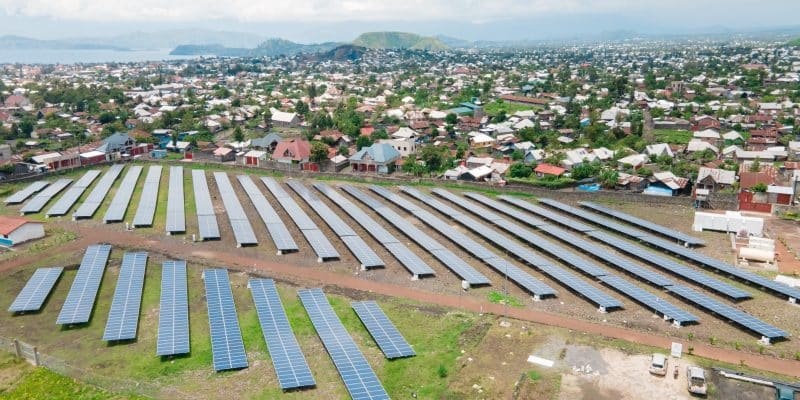
In a landmark initiative that could revolutionize the energy landscape of Nigeria, the Rockefeller Foundation and the Bezos Earth Fund have embarked on an ambitious project to establish 10,000MW mini grids across the country. This bold move is not just about power generation; it’s a beacon of hope for millions who have been living in the shadow of energy insecurity.

Nigeria, Africa’s most populous nation, has long grappled with power supply challenges. With a national grid that delivers a fraction of the needed capacity, frequent outages have become a norm, disrupted lives and stifled economic growth. The introduction of these mini grids, therefore, represents a significant step towards bridging the vast energy gap.

The project, spearheaded by the Global Energy Alliance for People and Planet (GEAPP), aims to pilot solar mini grids in regions covered by Nigeria’s 11 power distribution companies. The vision is clear: to provide reliable, sustainable, and affordable energy to all, especially in areas with no access to the national power supply.

The initiative is not just about installing panels and batteries; it’s a comprehensive approach to energy provision. By pooling the needs of several developers, the GEAPP’s Demand Aggregation for Renewable Technology (DART) program is cutting the cost of solar equipment significantly. Moreover, a $25 million financing facility allows developers to import equipment and repay the loans in Nigeria’s local currency once revenue generation begins.

Firstly, it will enable the operation of essential services such as healthcare facilities and schools, which rely heavily on electricity. Secondly, it will empower small and medium-sized enterprises by reducing the downtime caused by power outages, thus boosting productivity and local economies.

Moreover, the project is likely to spur job creation, not only through the construction and maintenance of the mini grids but also by enabling new businesses that were previously not viable due to energy constraints. Access to electricity can lead to the emergence of new services and industries, from cafes and cinemas to manufacturing units, all contributing to the socioeconomic upliftment of the communities.

Additionally, the mini grids are designed to be environmentally friendly, utilizing solar power, which aligns with global efforts to combat climate change. This approach not only provides a clean energy source but also educates and encourages communities to adopt sustainable practices.

The impact of this initiative cannot be overstated. For a country where an estimated 86 million people live without electricity, the ripple effects of consistent and affordable power supply are immense. Industries can thrive, educational institutions can operate efficiently, and healthcare services can be transformed.

The Rockefeller Foundation and the Bezos Earth Fund’s commitment to this cause is a testament to their dedication to tackling global challenges. Their involvement has already spurred other organizations, like the World Bank, to pledge support for the development of similar facilities.

As the first interconnected mini-grid goes live in Ogun State, built by the Nigerian mini-grid company Darway Coast, there is a palpable sense of optimism. This 1MW solar mini grid is expected to provide all-day electricity to the local community, a stark contrast to the mere eight hours currently provided by the national grid.

This project is more than just an energy solution; it’s a catalyst for change. It’s an acknowledgment that the path to development is paved with sustainable practices. It’s a recognition that the future of energy in Nigeria, and indeed the world, lies in innovative and resilient systems that empower communities and foster growth.

As we witness the unfolding of this transformative project, one thing is certain: the Rockefeller and Bezos plan for 10,000MW mini grids in Nigeria is not just about lighting homes; it’s about igniting hope and powering dreams for a brighter future.

Solana Flips Ethereum on 7-day DEX Volumes

0

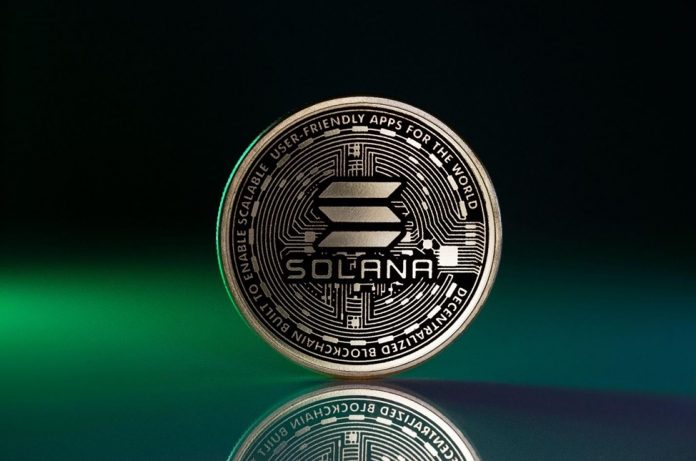
The cryptocurrency landscape is witnessing a significant shift as Solana’s decentralized exchange (DEX) volumes surpass Ethereum’s over a seven-day period. This development marks a notable milestone in the ongoing evolution of blockchain ecosystems and their associated trading platforms.

Solana, known for its high throughput and low transaction costs, has been steadily gaining traction among users and developers. The recent data indicating that Solana’s DEX volumes have flipped Ethereum’s is a testament to the growing confidence in Solana’s infrastructure and its potential to facilitate a more efficient trading environment.

Ethereum, on the other hand, has long been the dominant player in the DEX space, with a well-established ecosystem and a large user base. However, the rise of Solana suggests that the DeFi community is open to exploring alternatives that offer competitive advantages in terms of speed and cost.

At the heart of Solana’s efficiency is the Proof of History (PoH) consensus algorithm. This unique approach creates a historical record that proves that an event has occurred at a specific point in time. This is crucial for the blockchain, as it allows validators to process transactions more quickly without waiting for consensus from other nodes.

Complementing PoH is the Tower Byzantine Fault Tolerance (Tower BFT), a customized version of the traditional Byzantine Fault Tolerance consensus. Tower BFT leverages the synchronized clock provided by PoH to reduce messaging overhead and speed up the consensus process, allowing the network to handle thousands of transactions per second.

Another key component is the Turbine Block Propagation protocol. This protocol breaks data into smaller packets, making it easier and faster for the information to be transmitted and verified across the network. This method significantly enhances bandwidth efficiency and reduces the time required for nodes to communicate with each other.

These technological innovations enable Solana to achieve a throughput of over 50,000 transactions per second, making it one of the fastest blockchains in existence today. This high-speed processing capability not only provides a smoother user experience but also opens up new possibilities for decentralized applications and services that require quick transaction times.

For those interested in the technical intricacies of Solana’s architecture, further reading is available that delves into the details of its tokenomics and compatibility with Ethereum Virtual Machine (EVM). Solana’s journey represents a significant leap forward in solving the blockchain trilemma of achieving scalability, security, and decentralization without compromising on any front. As the blockchain landscape continues to mature, Solana’s innovative approach to high throughput remains a benchmark for emerging platforms.

The implications of this shift are far-reaching. For traders and liquidity providers, it signals a diversifying landscape where multiple blockchains can coexist and thrive. For the broader crypto market, it underscores the importance of scalability and user experience in determining the success of a blockchain platform.

As the competition between blockchain ecosystems intensifies, it will be interesting to observe how Ethereum responds to this challenge. Will it accelerate its own scalability solutions, or will it find new ways to solidify its position as the go-to platform for decentralized finance?

The crypto community is closely watching these developments, as they could shape the future of DeFi and the wider adoption of blockchain technology. With Solana’s recent performance, it’s clear that the race for DEX supremacy is far from over, and the journey ahead promises to be filled with innovation and strategic maneuvering by all players involved. Solana’s recent surge in DEX volumes is not just a fleeting moment but could potentially be the beginning of a new era in decentralized trading.

Navigating Italy’s Capital Gains Tax on Bitcoin

0

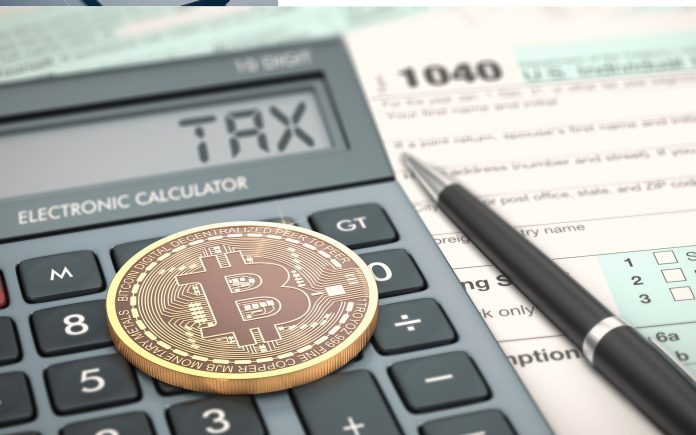
In a bold move to adjust its fiscal policies amidst the evolving digital economy, Italy has announced an increase in the capital gains tax on Bitcoin from 26% to 42%. This decision marks a significant shift in the taxation landscape for cryptocurrency investors within the country.

The Italian government’s proposal aims to align the tax rate on digital asset gains with that of other financial instruments, potentially generating additional revenue to bolster public services. The increase is substantial, representing a nearly 62% hike from the current rate.

Despite the potential impact on investors, the market reaction to this news has been surprisingly muted. Bitcoin’s price remained resilient, crossing the $68,000 mark for the first time since late July. This stability suggests that investors may have already anticipated regulatory changes or that the market has matured to the point where policy shifts have a diminished effect on cryptocurrency valuations.

The move by Italy could signal a growing trend among nations to seek new revenue streams through the taxation of cryptocurrencies. As digital assets continue to gain mainstream acceptance, governments worldwide are exploring ways to integrate them into existing financial frameworks.

Firstly, the higher tax rate could potentially reduce the net profits for investors, making cryptocurrency investments less attractive compared to other financial instruments. This could lead to a shift in investment strategies, with some investors possibly looking to divest from cryptocurrencies in favor of assets with more favorable tax treatments.

Moreover, there is a concern that this tax hike could prompt an investor exodus, with individuals seeking to move their cryptocurrency holdings to jurisdictions with lower tax rates. Such a move could have broader implications for the Italian cryptocurrency market, possibly leading to decreased trading volumes and a reduction in the country’s position as a vibrant hub for digital asset trading.

Additionally, the increased tax rate may discourage new investors from entering the market, potentially stifling growth and innovation within the local cryptocurrency sector. This could have long-term effects on the development of financial technology and blockchain initiatives in Italy.

However, it’s important to note that the market has shown resilience in the face of regulatory changes in the past. The muted market reaction to the announcement suggests that investors may have anticipated such regulatory shifts or that the cryptocurrency market has matured to a degree where policy changes have a less pronounced effect on market dynamics.

While the proposed tax increase aims to align Italy’s fiscal policy with its European counterparts and generate additional revenue, it also presents challenges for Italian Bitcoin investors. The full impact of this policy change will unfold over time, and it will be crucial for investors to stay informed and adapt their strategies accordingly.

For Italy, this tax increase is not just about revenue—it’s also a step towards fiscal sustainability and adapting to a new economic paradigm. Cryptocurrencies offer a unique set of challenges and opportunities for tax authorities, and Italy’s approach could serve as a model for other countries grappling with similar issues.

Investors in Italy and abroad will be watching closely to see how this policy change affects the broader cryptocurrency market. With the global economy still recovering from the effects of the pandemic, and with digital currencies increasingly seen as both investment vehicles and technological innovations, tax policies like Italy’s will likely play a crucial role in shaping the future of finance.