DD
MM
YYYY

PAGES

DD
MM
YYYY

spot_img

PAGES

Home Blog Page 2778

FXGuys (FXG) Poised for Huge Surge – Why PEPE and SUI Investors Are All In

0

With new innovations and the bullish momentum of the crypto market, investors have now shifted their attention from PEPE and SUI to a new TradeFi project, FXGuys ($FXG). SUI recently hit a new ATH of $2.34, while a PEPE whale is facing a loss of over $3 million.

But how do the performances of these top altcoins compare to emerging utility tokens like $FXG? Read more as we cover more information on the potential growth and bullish momentum of this token.

The Best DeFi Project of 2024: FXGuys Aims for a Bullish Pump to $0.1

One of the top promising DeFi projects of 2024 is FXGuys. FXGuys is a multi-asset trading firm that provides access to trading capital of about $500,000. With this capital, traders can select amongst the wide variety of assets to trade, ranging from crypto, forex, commodities indices, etc.

However, traders have to undergo certain evaluation challenges to gain access to the trading funds. Through the Trade2Earn program, traders on FXGuys gain access to rewards, unlike other traditional online trading platforms.

Traders earning from the Trade2Earn program are rewarded with $FXG, the native token of the FXGuys ecosystem. The $FXG token earned is not a random token but a utility token of FXGuys that can be used to buy trading challenges and purchase advanced trading tools.

Furthermore, the $FXG token earned can also be staked on the FXGuys platform. The FXGuys platform provides token holders with the opportunity to stake their $FXG tokens to gain access to trading volume profit share. The staking program gives investors and traders the freedom to support and interact with the FXGuys ecosystem in their own way.

With a token launch imminent, $FXG is currently selling at $0.03 in Stage 1 of its public presale, with over 97 million tokens sold. Early investors who bought into the vision have gained by over 100% since its private sale round.

$FXG targets a token launch price of $0.10, promising a predetermined 233% gain when it lists on major crypto exchanges. These are exciting profit prospects for investors when compared to SUI and PEPE.

FXGuys also features a No Buy or Sell Tax policy, which implies that traders can keep the majority of their profit without thinking about transaction fees. This sets the FXGuys multi-asset trading platform apart from other traditional TradeFi and PropFi platforms in 2024.

>>>BUY $FXG TOKENS HERE<<<<

Whale in Over $2.8 Million Loss: PEPE’s Future Uncertain

PEPE Whale reportedly added over 101.7 billion PEPE to his 4-month holding streak. This recent addition has raised his holdings to over 614 billion tokens worth over $8 million.

The Pepe whale has experienced an unrealized loss of over $3 million since purchasing the Pepe tokens 4-months back. Despite this, the whale remains calm and looks for more stable and profitable opportunities. A perfect example of such an opportunity is the $FXG presale, which promises a significant 233% return in under four months.

PEPE, one of the top meme coins, is trading at $0.000010, reflecting a 0.06% decline in price over the past seven days. Experts predict that PEPE could rally up 70% to the $0.000017 mark. However, FXGuys offers a better return on investment of over 233% if the investor buys the $FXG presale Now!!

SUI Hits New ATH as TVL Exceeds $1 Billion

Sui, one of the top crypto Layer 1 projects, is smashing new records and conquering milestones. The native token, SUI, hit a new ATH of $2.30 in October 2024 while also exceeding the $1 billion in TVL, according to data from DefiLlama analytics. This development has helped strengthen investors’ confidence in the project.

Subsequently, this rally has seen Sui rank up on the list of the top 20 cryptocurrencies in the world by market capitalization, according to CoinMarketCap. The sudden rise of memecoins in Sui’s ecosystem also plays a major role in these achievements.

Currently trading at $2.05, experts predict that SUI will maintain its bullish rally in the coming months after retesting $1.90. This prediction is a result of further developments in the ecosystem. A good example is the integration of Circle’s USDC into the Sui network.

Why Invest in the $FXG Presale?

FXGuys provides a user-friendly interface for its traders, advanced trading tools, and a rewarding ecosystem. FXGuys aims to change the narrative in the traditional trading industry.

FXGuys offers a decentralized and transparent platform built on the Ethereum blockchain. Enjoy the freedom of tax-free transactions and earn $FXG tokens for every trade you make, regardless of the outcome.

Traders can also access up to $500,000 in funding to grow their trading portfolio through FXGuys’ prop funding program.

By being a part of FXGuys’ ecosystem, investors and traders can leverage the bullish momentum of $FXG, as well as gain significantly from investment opportunities in the FXGuys ecosystem.

To find out more about FXGuys follow the links below:

Website | Whitepaper | Socials | Audit

Exclusive FXGuys Promo Code:

USE PROP10 FOR 10% BONUS

Top Hedge Fund Manage Dumps Apple, Amazon Stocks For ETFSwap (ETFS) Crypto Token With 1,2000% Growth Potential In 5 Days

0

A top hedge fund manager has boldly sold off Apple and Amazon stocks to invest in the ETFSwap (ETFS) crypto token. Now in its final presale stage with only a few tokens remaining, ETFSwap (ETFS) is attracting attention for its potential 1,200% surge in just 5 days. This is your chance to join before the growth kicks in; don’t miss out on securing your position in the next ample opportunity.

Why Hedge Fund Managers Are Dumping Apple And Amazon Stocks For ETFS Tokens Amid A Potential 1,200% Surge

With hedge fund managers shifting away from Apple and Amazon stocks, all eyes are now on ETFSwap (ETFS), a crypto ETF token poised for an impressive 1,200% rally in 5 days. It was developed to let users access unregulated tokenized ETFs, and the built-in token here is ETFS. Demand volumes push up just before the last presale stage ends, meaning the crypto ETF token’s cost will skyrocket.

With just a few days left in the presale, traders and investors have a limited window to get in before this potential 1,200% surge hits. ETFSwap (ETFS) is appealing to hedge fund managers who are moving from Apple and Amazon stocks, want to get the maximum for their investments and use a sophisticated ETF trading entity.

The ETFSwap (ETFS) crypto and ETF trading platform simplifies the trading process for hedge fund managers dumping Apple and Amazon stocks to achieve its 1,200% high in 5 days, and even more than that. It grants holders access to monthly airdrops, discounts, and the opportunity to earn passive income through staking. For hedge fund managers seeking an alternative to traditional stocks, staking ETFS in liquidity pools offers an enticing annual yield (APY) of up to 87%, with its beta platform now available on Testnet.

The ETFSwap (ETFS) team has achieved crucial security measures, including know-your-customer (KYC) checks with SolidProof and a smart contract audit from CyberScope, making it highly secure for investors to invest. Now, with only a few tokens remaining, the clock is ticking. This could be the last chance to secure a stake in what’s shaping up to be a game-changing ETF investment.

Hedge Fund Managers Moving Away From Apple And Amazon Stocks To Benefit From Crypto

There are many more benefits for hedge fund managers shifting away from Apple and Amazon stocks through its intuitive ETF trading features of ETFSwap (ETFS). Various ETF trading modes are provided that are tailored to meet investors’ requirements.

With its fully decentralized mode, users can trade and swap crypto without relying on centralized exchanges. ETFSwap (ETFS) enables swaps between cryptocurrencies and ETFs and even offers advanced perpetual trading with the potential to multiply profits by up to 50x on futures and options trades.

With the presale in its final stage and only days away from closing, ETFSwap (ETFS) is nearing a significant milestone. The token is rapidly selling out after raising over $5 million in earlier phases, offering investors a limited chance to buy in at a discounted rate of $0.03846 before the anticipated 1,200% surge in 5 days. An ongoing 50% bonus promotion allows buyers to maximize their holdings and future gains.

For hedge fund managers looking to maintain privacy, ETFSwap (ETFS) eliminates the need for intermediaries or KYC processes, giving users complete anonymity as they trade. With the final tokens selling fast, this is the moment to act. The opportunity to capitalize on the expected 1,200% growth is here; secure your tokens before the presale ends.

Conclusion

A significant shift in crypto is unfolding as one of the top hedge fund managers exits positions in Apple and Amazon stocks to go all in on the ETFSwap (ETFS) presale. With the token priced at $0.03846 in its final presale stage and just a few tokens left, buyers are rushing to claim their share before the expected 1,200% surge hits. This is a rare chance to get in early on a presale now listed on CoinMarketCap and poised for explosive 1,200% growth. Don’t let the 1,200% ROI opportunity in 5 days slip by.


For more information about the ETFS Presale:

Visit ETFSwap Presale

Join The ETFSwap Community

FBN Holdings Announces Wale Oyedeji As New GMD Following “First Holdco Plc” Rebranding Plan

0

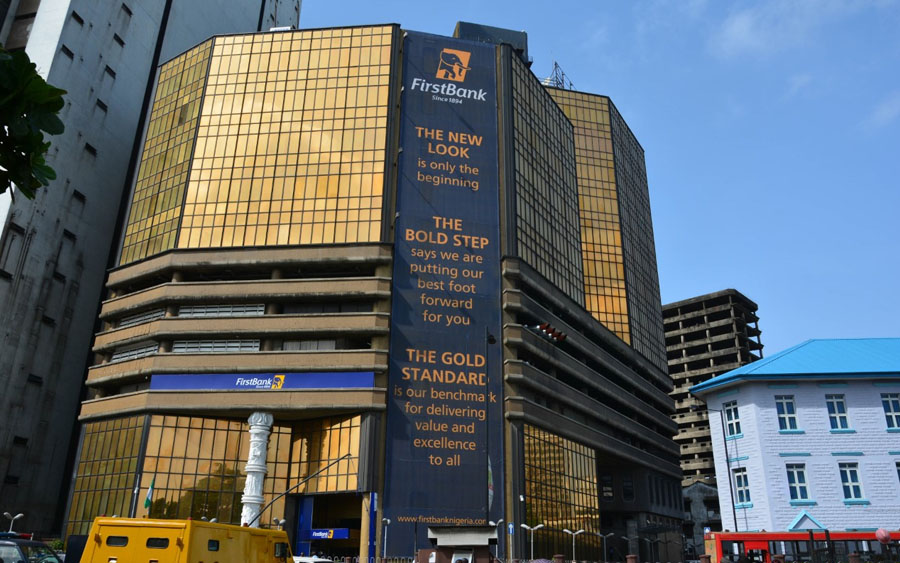
FBN Holdings Plc is set to embark on a significant rebranding initiative, proposing a change of its legal and brand name to “First Holdco Plc.” The proposal will be presented to shareholders for approval during the 12th Annual General Meeting (AGM), slated for November 14, 2024.

This rebranding effort is designed to modernize the company’s identity and reflect its evolution into a diversified financial services group. It will involve amending the company’s Memorandum and Articles of Association to capture the new legal name and structure, subject to regulatory approvals from relevant authorities, including the Central Bank of Nigeria.

The decision to rebrand as First Holdco Plc marks a pivotal moment for FBN Holdings, which has been a cornerstone of Nigeria’s financial sector for over 130 years. Initially known for its banking services under First Bank of Nigeria, the company has expanded its operations into various financial services, including insurance, asset management, and capital markets. The new name aims to better encapsulate the group’s diversified portfolio and forward-looking approach while still honoring its rich legacy in Nigeria’s financial history.

By extending the rebranding to its subsidiaries, the company seeks to present a unified brand that strengthens its market presence and aligns with its strategic vision for growth. This approach aims to streamline the group’s corporate structure, enhancing operational efficiency and positioning the institution for future expansion, both within Nigeria and internationally.

The move also underlines a broader trend in the financial services industry, where holding companies are increasingly rebranding to better communicate their roles as diversified groups. As a financial conglomerate, FBN Holdings aims to capture opportunities in various market segments and respond more effectively to the evolving needs of customers and stakeholders.

The name change aligns with the company’s ongoing efforts to diversify revenue streams, reduce reliance on traditional banking income, and capitalize on growth opportunities in sectors such as digital payments, investment banking, and financial technology (fintech). The new identity will help the group reposition itself to attract partnerships, investors, and clients looking for a comprehensive range of financial services under one umbrella.

Moreover, the timing of this rebranding coincides with the launch of the company’s new five-year plan. This plan will guide FBN Holdings’ growth initiatives from 2025 through 2030, focusing on digital innovation, customer-centric services, and sustainable growth practices.

Wale Oyedeji Takes Over as Group Managing Director

In a parallel move, FBN Holdings has announced the appointment of Adebowale (Wale) Oyedeji as the new Group Managing Director (GMD), effective November 13, 2024. His appointment is subject to approval by the Central Bank of Nigeria and ratification by shareholders at the AGM. Oyedeji will succeed Nnamdi Okonkwo, who will be stepping down after leading the institution through a critical period of stabilization and growth.

Oyedeji brings a wealth of experience to the role, with over 30 years in the banking sector. His previous positions include MD/CEO of Nova Commercial Bank, where he was instrumental in transforming the bank’s operations and expanding its services into retail banking.

His career also spans significant leadership roles at Guaranty Trust Bank UK, where he was Managing Director between 2008 and 2011, and Guaranty Trust Bank Plc, where he served as an Executive Director in the Corporate Banking Group. Additionally, Oyedeji has held a Non-Executive Director position at Stanbic IBTC Bank, further deepening his expertise in corporate banking and financial governance.

Oyedeji’s academic qualifications include a Bachelor of Science degree in Agricultural Economics from the University of Ibadan and a Master of Science in Financial Economics from the University of London. He is also a Fellow of the Institute of Chartered Accountants of Nigeria (ICAN) and an alumnus of the prestigious Advanced Management Program at Harvard Business School.

Upon assuming the role of GMD, Oyedeji will be tasked with leading the implementation of FBN Holdings’ new strategic plan, driving growth across the group, and overseeing operations at the holding company and its subsidiaries. His leadership is expected to build on the momentum established under Nnamdi Okonkwo, focusing on navigating regulatory challenges, fostering innovation, and sustaining the group’s market leadership.

Oyedeji’s appointment comes amid a year of substantial leadership changes at FBN Holdings, signifying a period of restructuring and governance reform aimed at positioning the institution for long-term success.

Earlier in the year, billionaire businessman Femi Otedola took over as the new Group Chairman, following his rise to become the largest individual shareholder in 2021. Otedola’s appointment marked the beginning of a new era for FBN Holdings, characterized by a series of moves aimed at stabilizing the institution after years of leadership turbulence and restoring investor confidence.

Under Otedola’s chairmanship, FBN Holdings expanded its board by appointing five elite directors in March 2024, strengthening corporate governance and reinforcing its strategic vision. These appointments were part of a broader effort to bolster the institution’s leadership and drive its new business strategy, addressing legacy challenges that had previously hindered its growth.

The leadership changes have extended to FBN Holdings’ flagship subsidiary, First Bank, where Olusegun Alebiosu was appointed as the Managing Director/CEO earlier in 2024. The reshaped leadership team, now including Oyedeji, is expected to chart a path that addresses operational challenges while capitalizing on new growth opportunities.

As Nnamdi Okonkwo prepares to retire, his tenure is credited with guiding FBN Holdings through a period marked by corporate restructuring and governance reforms. He played a significant role in revitalizing the group’s financial performance, enhancing profitability, and restoring market confidence after years of internal challenges.

Okonkwo’s leadership saw the institution improve its risk management framework, strengthen compliance practices, and realign its strategic priorities. His efforts are believed to have laid a solid foundation for Oyedeji to build upon.

Nigeria’s New Minimum Wage Can Only Impact 4.1% of Working-age – World Bank

0

The recent increase in Nigeria’s minimum wage has sparked discussions on its potential impact on alleviating the country’s current economic hardship, with the World Bank cautioning that the wage hike will only benefit a limited segment of the population.

During the launch of the Nigeria Development Update (NDU) report in Abuja, Alex Sienaert, the World Bank’s lead economist for Nigeria, highlighted that while the increase is significant, it will primarily benefit formal wage earners, impacting only about 4.1% of working-age Nigerians.

The new N70,000 monthly minimum wage adjustment, which aims to improve the livelihoods of Nigeria’s workforce, faces significant limitations in its reach and impact – and has been deemed insufficient.

According to Sienaert, the direct benefits will be minimal as the policy mainly targets formal sector workers who are already in the minority. This concern is compounded by Nigeria’s labor market structure, where the majority of workers are engaged in informal or self-employed jobs that are not directly affected by wage legislation.

Elaborating on these limitations, the World Bank’s report pointed out that policies like minimum wage hikes and public sector wage reforms tend to bypass the poorest workers. It states, “Policy initiatives that cover only highly-formalized wage jobs – including policies focused on public sector workers and minimum wage legislation – may not reach many of Nigeria’s poorest workers directly.”

It added that given that formal wage jobs are scarce, especially among poorer households, the direct effects of such policies on poverty reduction are restricted.

Nigeria’s labor market is characterized by a high rate of informal employment, which poses a challenge to wage policy effectiveness. Recent data from the National Bureau of Statistics (NBS) revealed that 92.7% of Nigeria’s employed population is engaged in informal work, underscoring the economy’s heavy reliance on unstructured job roles.

Dr. Tope Fasua, Special Adviser to the President on Economic Affairs, corroborated these findings, noting that only about 7-8% of the working population is under wage employment controlled by the National Labour Congress (NLC).

The NDU report further stated that public sector wage jobs not only account for a small fraction of employment opportunities but are also predominantly occupied by relatively well-off Nigerians. These positions offer higher pay compared to private sector jobs, even when accounting for individual qualifications.

This disparity suggests that public sector jobs are difficult to access for the economically disadvantaged, creating barriers that perpetuate income inequality.

A critical issue highlighted in the report is the enforcement of minimum wage legislation. Even among wage earners in the private sector, compliance with the official minimum wage is inconsistent.

Approximately one-third of private sector employees reportedly earn less than the minimum wage, indicating that the policy’s effectiveness is hindered by imperfect enforcement mechanisms. This gap in enforcement limits the policy’s ability to uplift the poorest workers who may not hold formal wage jobs or benefit from minimum wage protections.

Furthermore, the World Bank cautioned that increasing wages, particularly in the public sector, could place additional strain on Nigeria’s already stretched public finances.

The country has faced fiscal challenges due to high debt servicing costs and dwindling revenue, making it crucial for policymakers to consider the financial sustainability of wage increases. Sienaert emphasized the need for broader employment policies to effectively reduce poverty, as simply increasing wages for a select group will not address the underlying structural issues in the labor market.

The Need for Productive Job Creation

The World Bank’s report calls for a shift in focus from merely expanding employment to creating more productive jobs that provide sustainable livelihoods. It points out that employment alone does not guarantee an escape from poverty, as many jobs, particularly in the informal sector, are not productive or remunerative enough to lift individuals above the poverty line.

The report states, “Many jobs are not productive and therefore remunerative enough to afford a life beyond poverty.”

According to recent labor market statistics, 84% of Nigeria’s working-class population was self-employed as of the first quarter of 2024, representing a decline from 87.3% in the third quarter of 2023. While this shift indicates a slight reduction in self-employment, it also denotes that the vast majority of workers remain outside formal wage employment. The implications of this trend are significant, as the predominance of self-employment often underlines the scarcity of structured job opportunities and can be associated with lower income levels and job insecurity.

This situation underscores the World Bank’s concern that policies focused on formal wage earners are unlikely to have a widespread impact on poverty reduction. With a significant portion of the population working in the informal sector, many Nigerians remain vulnerable to economic shocks and unable to access the benefits associated with formal employment, such as social security, health insurance, and other labor protections.

An African Development Bank (AfDB) report echoes the World Bank’s findings, noting that about 34.3% of Nigerian workers aged 15 and older live below the poverty line despite being employed. This “working poor” phenomenon is largely attributed to low-skilled and low-wage jobs that fail to provide adequate income for a decent standard of living.

The Nigeria Country Diagnostic Note (CDN) 2023 further highlights that many workers are trapped in poverty due to the nature of their employment, which often lacks productivity and offers limited opportunities for upward mobility.

The data paints a stark picture of the labor market’s structural deficiencies, indicating that even significant wage hikes will have limited impact unless accompanied by comprehensive labor market reforms. Experts have advised that the reforms should aim to improve skill acquisition, facilitate access to higher-paying jobs, and foster sectors with the potential to absorb large numbers of workers into productive roles.

World Bank Calls on Nigeria to Lift Import Restrictions on Food

0

The World Bank has called on Nigeria’s federal government to lift its import restrictions on food and fertilizer and adopt a unified tariff structure in line with the Economic Community of West African States (ECOWAS) Common External Tariff.

In its latest Nigeria Development Update (NDU), the international financial institution recognized recent reforms in the country, particularly in the energy and foreign exchange markets, while advocating for additional measures to accelerate economic growth and stability.

The recommendations from the World Bank represent a push towards more open trade policies, which it believes could help alleviate some of Nigeria’s economic challenges, including inflation and foreign exchange shortages.

The World Bank praised Nigeria’s recent moves to improve economic policy, including the removal of the foreign exchange ban on 43 items and the re-launch of the single window trade portal. These measures, according to the bank, are significant first steps toward easing trade restrictions and opening up the economy to global markets. However, it noted that more comprehensive actions are needed to sustain the momentum and further integrate Nigeria into the global trade system.

Specifically, the bank advised that Nigeria should take additional steps to eliminate import bans on various products, such as food, cleaning supplies, apparel, and fertilizers. It also urged the government to align its tariffs with those set by ECOWAS, which would facilitate regional trade and contribute to economic integration within West Africa.

Furthermore, the World Bank emphasized the need for Nigeria to improve tariff transparency and reduce non-tariff barriers in the long term. To achieve this, it suggested that the government streamline trade facilitation processes through better risk management and auditing procedures. These steps are expected to simplify the import and export processes, making it easier for businesses to engage in trade and reducing the costs associated with importing essential goods. Such improvements could enhance the efficiency of Nigeria’s trade sector, thus contributing to economic growth.

The World Bank also provided guidance on how the Central Bank of Nigeria (CBN) can further strengthen the official foreign exchange market. It recommended that the CBN continue its efforts to deepen the market by facilitating formal remittance inflows and allowing international oil companies to channel their foreign exchange sales entirely through the official market.

Additionally, the bank suggested that the CBN restore access to bureaux de change, which had been restricted in recent years, and avoid conducting ad-hoc foreign exchange interventions. It indicated that by providing market participants with greater flexibility in trading foreign exchange, the CBN could enhance the depth and resilience of the FX market, making it more responsive to economic changes.

The context of existing trade restrictions in Nigeria dates back to policies implemented about a decade ago, which have significantly impacted various sectors. In 2015, the Central Bank of Nigeria, under the leadership of Godwin Emefiele, imposed a ban on accessing foreign exchange for 43 items, including rice, textiles, and certain food products, as part of an effort to boost local production and reduce dependency on imports.

While this policy was intended to encourage domestic industries, it faced criticism for driving up inflation and increasing the cost of living for Nigerians. The foreign exchange restrictions made it difficult for businesses to import raw materials and essential goods, leading to supply chain disruptions and contributing to the country’s persistent inflationary pressures. The CBN disclosed that Nigeria lost approximately $1.4 billion between 2015 and 2019 due to the forex restrictions on these 43 items.

In a significant policy shift in October, the CBN lifted the foreign exchange restriction on the 43 items. The move was widely seen as a step toward aligning Nigeria’s trade policies with global best practices, yet uncertainties remain as some of the items continue to be listed on the customs ban, leaving businesses and importers unsure of whether they now qualify for official foreign exchange funding.

The removal of these restrictions was complemented by other measures aimed at stabilizing the economy, including the re-launch of the single window trade portal and the temporary suspension of import duties on certain essential food items. However, the World Bank has highlighted that these initial reforms, while positive, must be followed by broader policy adjustments to truly transform the economy.

In July, the federal government took another significant step by announcing the suspension of import duties on a range of essential food items such as maize, millet, rice, wheat, beans, and grain sorghum. This decision was part of a broader strategy to mitigate the impact of rising food prices and curb inflation, which had reached record levels.

However, as the policy was expected to kick off in August, the Nigeria Customs Service (NCS) clarified that the zero-percent duty policy would apply to companies that meet specific eligibility criteria, including those with established local production capacity. Importers were required to demonstrate that they had verifiable backward integration programs or significant investments in local processing operations to qualify for the duty waivers.

The intention was to prevent the market from being flooded with imports that could undermine local agriculture, while still allowing for the importation of essential goods to stabilize prices.

However, the implementation of this policy has been delayed, causing doubts about the government’s commitment to reducing food inflation. Many argue that the stringent eligibility requirements, such as mandating that companies be operational for at least five years and fully compliant with tax obligations, create barriers that limit the potential impact of the policy.

Additionally, the stipulation that at least 75% of imported goods be sold through recognized commodity exchanges creates another hurdle for importers.

The World Bank’s recommendations extend beyond food import to address broader economic concerns, including the fiscal implications of wage increases and public sector pay adjustments.

While efforts to raise wages can provide some relief to workers amid rising living costs, they also carry the risk of worsening Nigeria’s fiscal deficit, given the already strained government finances. The bank noted that public sector wages are disproportionately high compared to those in the private sector, with additional barriers to entry into public sector jobs locking out poorer Nigerians from accessing these opportunities.

This disparity in wage distribution suggests that policies targeting wage earners may not effectively address the deeper issues of poverty and economic inequality.

This is so because Nigeria’s persistent food inflation and high cost of living continue to pose challenges for economic management. The country remains heavily reliant on food imports, with domestic agricultural productivity struggling to meet the demands of a growing population.

While temporary duty suspensions on food imports aim to alleviate cost pressures, the World Bank also noted that the underlying structural issues in the agricultural sector need to be addressed to achieve long-term price stability.