DD
MM
YYYY

PAGES

DD
MM
YYYY

spot_img

PAGES

Home Blog Page 2820

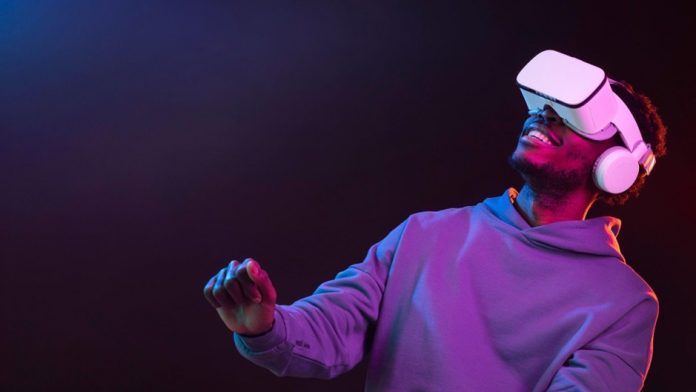
The Use of Augmented Reality (AR) and Virtual Reality (VR) in Workplaces

0

When it comes to technological innovation, entrepreneurs constantly face the question: adopt or resist? Augmented Reality (AR) and Virtual Reality (VR) are no longer confined to gaming and entertainment. Their potential in the workplace is growing, and businesses are faced with a critical decision: to embrace these technologies or cling to the tried-and-true methods that have served us well for decades?

AR and VR as a gamechanger in the Workplace

According to Frontier Economics, AR is a technology that blends real life and digital life by overlaying virtual sensory elements in the user’s physical environment, while VR uses headset-mounted displays to create an immersive audio-visual experience. The aim is to simulate the user’s presence in a virtual environment using images and sounds. Both AR and VR have unique capabilities that can reshape how tasks are performed in various industries. So, where do they fit in the professional space?

AR and VR have exciting potential applications across various fields.

In retail, AR is redefining the shopping experience. Customers can now try on clothes without entering a dressing room or visualize how a new sofa would look in their living room before purchasing. IKEA’s AR app, for example, allows customers to virtually place furniture in their homes before making a selection, enhancing decision-making and reducing returns.

In the tech and media sectors, AR and VR are transforming engagement. Media companies are using VR for immersive storytelling, letting audiences step inside a story or experience a documentary firsthand. Meanwhile, tech giants are leveraging AR for product demonstrations and interactive user manuals. A notable example is Microsoft’s HoloLens, which creates mixed reality experiences for both entertainment and practical applications, enhancing the way users interact with products and tools.

In manufacturing, companies like Boeing are employing AR to simplify complex assembly processes. Workers use AR glasses that project assembly instructions directly onto the parts they are working on, reducing errors and significantly increasing efficiency. This overlay of real-time data improves accuracy and speeds up production lines.

Healthcare is another sector experiencing the benefits of VR. Surgeons can practice complex procedures in virtual operating rooms, improving their precision and preparedness before performing them on patients. VR is also being used for pain management, offering immersive experiences that help patients find relief from chronic pain by distracting them from discomfort.

Where It May Fall Flat

While AR and VR technologies offer enormous potential, they aren’t a one-size-fits-all solution. For some industries, sticking to the status quo may make more sense. Take fine dining, for instance. High-end restaurants prioritize the sensory experience of dining. While AR might enhance menu presentation, extensive use of such technology could detract from the core dining experience.

Similarly, in professional sports, the fast-paced, physical nature of many sports limits the practical application of AR/VR during actual gameplay. However, these technologies are finding use in training and fan engagement.

There is also traditional craftsmanship. Artisans working with physical materials (e.g., woodworkers, tailors) rely heavily on tactile feedback and years of hands-on experience. While AR might assist in design visualization, it’s unlikely to replace the core skillset.

The performing arts is another example. Theatre, dance, and music thrive on the electric connection between performers and their audience. While AR and VR might revolutionize stage design or rehearsal processes, their use during live performances remains limited. In high-stakes environments like emergency services, the need for clear, unobstructed vision and immediate situational awareness makes current AR and VR technologies impractical.

Even in traditional sectors such as law, consulting, or certain areas of finance, AR and VR might seem out of place, or even distracting. Industries driven by personal, face-to-face interactions—like counseling or customer service—depend on human connection, which these technologies could inadvertently hinder rather than enhance.

To Adopt or Not?

The status quo may seem safe, but it carries its risks. Businesses that resist innovation could be left behind as competitors leverage AR and VR to improve efficiency, customer experience, and employee training.On the flip side, jumping into AR and VR without a clear strategy could lead to wasted resources if the technology doesn’t align with the business’s needs or industry standards.

Whether workplaces should adapt depends on the industry, business goals, and readiness to innovate. In sectors like retail, manufacturing, tech, and healthcare, AR and VR offer clear advantages and can help companies stay competitive. But in more traditional fields, they might seem excessive, making the status quo seem like a smarter option for now. The key is to recognize where these technologies can truly add value and where they might be more gimmicks than game-changers, and sometimes, for many businesses, the sweet spot lies somewhere between total adoption and complete rejection.
The Rise of Memecoins in Institutional Portfolios

0

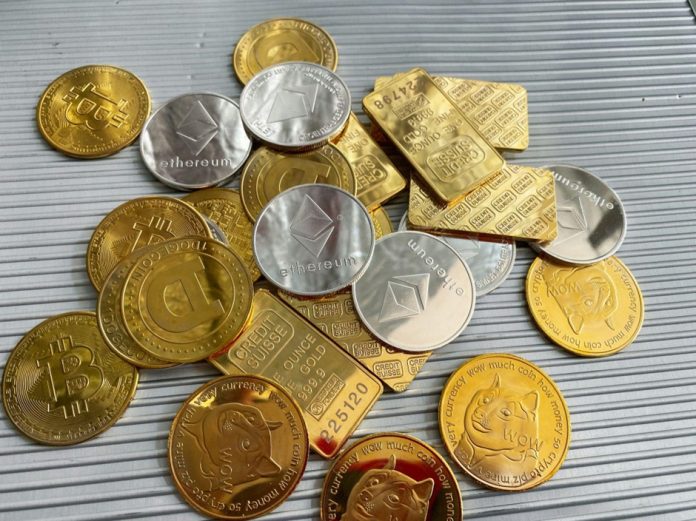
As we approach the final quarter of 2024, the cryptocurrency landscape is witnessing a significant shift in investment strategies, particularly with the rise of memecoins. These digital assets, often inspired by internet memes and culture, are increasingly catching the eye of institutional investors.

In the early months of 2024, institutional holdings in memecoins surged, led by prominent names such as Dogecoin (DOGE), Shiba Inu (SHIB), and the emerging Pepe Markets. By April, investments reached a high of $300 million, a staggering increase from the $63 million recorded at the start of the year. This trend underscores a growing interest from professional investors in a sector once dominated by retail traders.

The Open Network (TON) has been at the forefront of this movement, launching Memelandia, a decentralized hub designed to fuel the meme coin ecosystem with innovative decentralized tools. This initiative aims to leverage TON’s integration with Telegram to enhance meme activity on the platform, creating a unique environment for meme tokens to grow.

The surge in institutional allocations to memecoins is not just a fleeting trend but a strategic move that reflects the evolving nature of the crypto market. Institutions are diversifying their portfolios, moving beyond traditional assets like Bitcoin (BTC) and Ethereum (ETH) to include memecoins, which offer liquidity and a touch of cultural resonance.

The allure of memecoins for institutional investors lies not only in their potential for high returns but also in their ability to diversify portfolios beyond traditional assets. With a calculated risk-taking approach, institutions are capitalizing on the peaks of popularity of these atypical cryptocurrencies. Dogecoin remains the darling of institutions, representing a significant share of their memecoin holdings, followed by PEPE and SHIB, which continue to attract attention despite their speculative nature.

This trend is not limited to institutions; retail investors have also shown a notable preference for memecoins, with their holdings exploding by 478% between February and April. The strategies of retail investors appear more diversified than those of institutions, with an average allocation of 4% of their portfolios to memecoins, compared to 2.5% for institutions.

The rise of memecoins in institutional portfolios is a testament to the evolving perception of value in the digital age. As the line between ‘meme’ and ‘mainstream’ continues to blur, the financial world watches with keen interest to see how this trend will unfold in the future.

As Q4 2024 unfolds, the market may witness an even greater institutional allocation to memecoins. This shift is indicative of the sector’s maturation and the recognition of memecoins as a legitimate asset class with potential for high returns. The increased institutional presence could also bring about more stability and credibility to these digital assets.

However, with any investment, especially in the volatile crypto market, there are risks involved. Institutions venturing into memecoins must navigate the market with due diligence and a robust risk management strategy. The whimsical nature of memecoins, often driven by social media trends and influencer endorsements, can lead to unpredictable market movements.

As we look towards the end of 2024, memecoins appear to be a key play for institutional investors seeking to capitalize on the dynamic and ever-evolving crypto market. With careful consideration and strategic investment, these digital assets could offer a new frontier for portfolio diversification and growth in the digital age.

Marathon’s Anduro and the Whiskey Pilot Project

0

In a groundbreaking move, Marathon Digital Holdings incubated multi-chain Layer-2 network, Anduro, has unveiled a pioneering tokenization platform named Avant. This innovative platform is set to revolutionize the way we think about investing in real-world assets (RWAs) by leveraging the robustness and security of the Bitcoin blockchain.

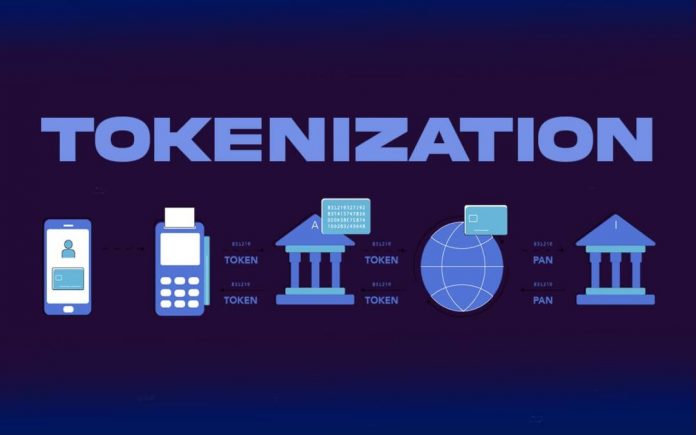
Tokenization is a process that converts rights to an asset into a digital token on a blockchain. The significance of this process lies in the enhanced liquidity, accessibility, and transparency it offers, making it easier for investors to buy, sell, and trade assets that were previously less accessible.

The concept of tokenization is not new, but its application on the Bitcoin network marks a significant shift in the blockchain landscape. Traditionally, tokenization has found its home on networks like Ethereum and Solana, where the market cap for tokenized Treasury notes soared past $2 billion as of August 2024. However, Anduro’s Avant platform is poised to carve a unique niche in this domain, starting with an intriguing pilot project: the tokenization of whiskey barrels.

Marathon’s move into the realm of RWAs via Anduro’s Avant platform is indicative of a broader trend where mining companies are diversifying their revenue streams. With the Bitcoin block reward halving, these companies are seeking alternative sources of income, and transaction fee revenue through tokenization presents a viable option.

The choice of whiskey as the first asset to be tokenized under this platform is both strategic and symbolic. Whiskey, a commodity known for its traditional value and aging process, represents a tangible and stable asset that can benefit significantly from the transparency and liquidity that tokenization offers. By issuing digital representations of whiskey barrels as tokens on the blockchain, investors can trade and own fractions of these assets, democratizing access to investment opportunities that were previously limited to a select few.

Anduro’s approach to tokenization is tailored to resonate with the ethos of the Bitcoin community. Rather than replicating existing models from other blockchains, Anduro aims to introduce a system that aligns with the principles valued by Bitcoin enthusiasts. This includes a focus on hard industries and assets that are immediately recognizable and have inherent value.

The collaboration with tokenization specialist Vertalo has been instrumental in developing Avant. Vertalo’s expertise in bridging traditional finance with decentralized finance (DeFi) ensures that the platform not only adheres to the highest standards of security and compliance but also provides a user-friendly experience for both seasoned investors and newcomers to the world of blockchain investments.

As the blockchain industry continues to mature, the convergence of traditional and decentralized finance becomes increasingly inevitable. Platforms like Avant are at the forefront of this convergence, offering innovative solutions that could potentially transform the way we interact with and perceive value in the digital age.

The pilot project with whiskey barrels is just the beginning. As Anduro’s platform gains traction, we can expect to see a diverse range of assets being tokenized, each bringing new opportunities and challenges to the table. The success of this initiative could pave the way for a future where the tokenization of real-world assets on the Bitcoin blockchain becomes the norm, providing a secure, transparent, and accessible investment landscape for all.

Vodafone And Google Partner to Bring AI-Powered Services And Devices Across Europe And Africa

0

Vodafone and Google have announced a ten-year strategic expansion of their existing partnership, aimed at delivering new services, devices, and enhanced TV experiences to millions of Vodafone customers across Europe and Africa.

Supported by Google Cloud and its advanced Gemini AI models, the partnership will extend Vodafone’s reach to 15 countries directly and 45 additional markets through its partners.

A key focus of the Vodafone and Google partnership is to help consumers take advantage of the latest hardware and digital technologies, including Al and cloud-based applications. Both companies will work together to improve and expand their range of products and services available in stores and online, supported by a refreshed customer experience rooted in the benefits of Al.

Also, the partnership aims towards enabling Vodafone to offer YouTube subscription-based products and Google One subscription plans, such as storage plans and Al Premium plans to consumers, in addition to offering a range of Pixel and other Android devices. Notably, Vodafone and Google will work towards enhancing Vodafone TV (which is powered by Android TV), using Google Cloud’s advanced gen Al capabilities to provide additional content discovery features, rewards, and offers, as well as content monetization with Google Ad Manager to deliver a better ads experience.

The collaboration will bring a range of key benefits which include;

• Empowering consumers with Al: Vodafone intends to make it easier for consumers to experience the power of Al through a wider range of Al-powered Google Pixel devices and other Android phones coupled with its fast 5G pan-European network. Vodafone will also help customers learn about Al features with improved online guides, dedicated in-store experiences, and freshly trained staff.

• Offering a best-in-class TV platform: Vodafone and Google will work towards Vodafone TV customers enjoying Al-generated search and recommendations for personalized TV content, applications, and rewards. This expands on the news in 2023 that Vodafone’s adoption of Android TV became the preferred platform for Vodafone TV. now live in seven countries.

• Extending the reach of cloud and Al to consumers: Google and Vodafone aim to offer Vodafone’s consumers a range of services built using advanced cloud-based Al. This may include storage for photos, video, and files using Google One, and Google One Al Premium with Gemini Advanced for those who want the extra power of Google’s most capable Al models.

Margherita Della Valle, Vodafone Group CEO, expressed excitement over the partnership’s potential to put Al-powered tools in the hands of millions of consumers across Europe and Africa, helping them discover new ways to create, learn, communicate, and enjoy TV. Google CEO Sundar Pichai echoed these sentiments, highlighting the transformative impact of Al and Google Cloud in empowering small businesses, consumers, and governments.

In his words,

“Our expanded partnership with Vodafone will help bring our most advanced Al products and services, including our Gemini models, to more people across Europe and Africa. I’m excited to see how Vodafone’s consumers, small businesses, and governments, will use generative Al and Google Cloud to transform the way they work and access information.”

Vodafone and Google aim to collaboratively promote the adoption of universal industry standards in key areas such as online safety, responsible AI development, network performance, and interoperability. This effort is expected to drive economies of scale, enhance industrial efficiency, foster innovation, and improve public services on a large scale.

As part of this partnership, Vodafone will leverage AI-powered cloud solutions, content, and connectivity to reach a wider audience.

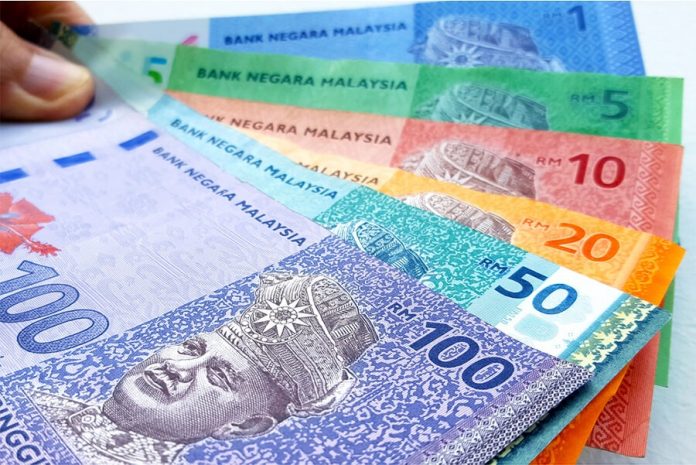
The Enigma of Malaysian Ringgit

0

The Malaysian Ringgit has been a subject of fascination and scrutiny in the financial world, especially in the context of its performance against other major currencies. The Ringgit’s journey through the tumultuous waters of the global economy has been marked by periods of both commendable resilience and concerning weakness. This blog post delves into the factors that have influenced the Ringgit’s value and the implications for Malaysia’s economy.

In a remarkable turnaround, the Ringgit emerged as the world’s top-performing currency in a week of September 2024, reaching a 30-month high against the US dollar. This surge was primarily attributed to the US Federal Reserve’s larger-than-expected interest rate cut, which sparked a global market euphoria. The Ringgit’s recovery began earlier in the year, regaining over 11% of its value against the US dollar, buoyed by growing investor confidence in Malaysia’s economic prospects and fiscal reforms.

One of the most significant events in its history was the Asian Financial Crisis of 1997-1998, which saw the Ringgit hit an all-time low. The crisis exposed the vulnerabilities of the Malaysian economy, including high levels of short-term debt and speculative trading, which led to a sharp devaluation of the currency.

Following the crisis, Malaysia implemented capital controls and pegged the Ringgit to the US dollar, which stabilized the currency for a while. However, the peg was removed in 2005, returning the Ringgit to a floating exchange rate system. This shift has made the Ringgit more susceptible to global market dynamics and policy changes, both domestically and internationally.

Factors Behind the Ringgit’s Performance

Several factors have contributed to the Ringgit’s performance. Analysts point to the stable political leadership under Prime Minister Datuk Seri Anwar Ibrahim, which has helped maintain investor confidence in the continuity of policies and projects. Additionally, the Malaysian economy’s strength, reflected in foreign investment inflows and strategic economic blueprints like the Energy Transition Roadmap and a new Industrial Master Plan, has bolstered the currency.

The Ringgit’s performance has not only been strong against the US dollar but also against a basket of major currencies, including the euro and Singapore dollar. This is particularly noteworthy given the currency’s poor performance in 2023. Bank Negara Malaysia has maintained that the Ringgit’s previous rout did not reflect the true strength of the Malaysian economy and had predicted an improvement by 2024.

The Ringgit is also affected by external factors such as commodity prices, given Malaysia’s status as an exporter of natural resources like oil and palm oil. Fluctuations in these markets can lead to corresponding changes in the currency’s value. Moreover, changes in investor sentiment, often influenced by geopolitical events or shifts in global financial markets, can result in capital inflows or outflows, impacting the Ringgit’s stability.

Despite the recent gains, the Ringgit has faced challenges. In the past, Malaysia’s weakened currency resulted in higher import prices, burdening consumers and importers alike. Imports of intermediate and capital goods became more expensive, raising production costs and slowing down capital investment and industrial upgrading. The World Bank has also highlighted that there is no quick, easy fix for Ringgit weakness, emphasizing the focus on fundamentals.

The Malaysian Ringgit’s enigmatic behavior in the global currency market underscores the complex interplay of economic fundamentals, government policies, and global events. While the recent performance has been encouraging, it is a reminder of the need for vigilance and strategic economic planning to ensure the currency’s stability and the nation’s economic prosperity.