DD
MM
YYYY

PAGES

DD
MM
YYYY

spot_img

PAGES

Home Blog Page 2844

The Implications of Apple’s Shift in Product Release Strategy

0

In a significant departure from its long-standing tradition, Apple Inc. is reportedly moving away from its annual product upgrade cycle. This strategic shift marks a new chapter in the tech giant’s storied history, one that could redefine how consumers and the industry perceive product launches and updates.

For years, Apple enthusiasts and the market at large have come to expect regular, yearly updates across the company’s product lines. This predictable pattern has been a cornerstone of Apple’s business model, driving consumer anticipation and consistent sales growth. However, recent reports suggest that Apple is re-evaluating this approach, potentially leading to a more flexible and less predictable release schedule.

The Impetus for Change

Several factors appear to be influencing Apple’s decision to alter its product release strategy. Among these, the desire to ensure higher quality and more innovative products stands out. The tech landscape is rapidly evolving, and the pressure to deliver groundbreaking technology with each release is immense. By moving away from a rigid annual schedule, Apple aims to give itself the breathing room necessary to develop more advanced features and refine its offerings.

Moreover, the company has faced challenges with software stability and hardware performance in recent years. High-profile software updates have encountered issues, prompted public scrutiny and called for a more cautious approach to rolling out new features. The iPadOS 18 incident, for instance, highlighted the risks associated with tight deadlines and the need for thorough testing before release.

Apple’s potential move to a more flexible release cycle could have far-reaching implications for its innovation trajectory. Without the constraints of a fixed yearly schedule, Apple engineers and designers may have the opportunity to pursue more ambitious projects and explore new product categories. This could lead to unexpected and exciting launches that surprise consumers and disrupt the market.

The shift could also align with Apple’s efforts to diversify its product portfolio. Rumors of an iPad robot and a new operating system indicate that the company is not shying away from bold ventures. A more adaptable release strategy would support these endeavors, allowing Apple to introduce novel products when they are truly ready, rather than when the calendar dictates.

Consumer and Industry Reactions

The response to Apple’s reported strategy change is likely to be mixed. On one hand, consumers accustomed to annual upgrades may need to adjust their expectations. On the other hand, the prospect of more polished and innovative products could generate even greater anticipation and brand loyalty.

For the industry, Apple’s move could signal a broader shift in how tech companies approach product development and releases. If successful, Apple’s strategy could inspire others to adopt similar practices, prioritizing quality and innovation over rigid schedules.

Apple’s reported shift away from an annual product upgrade cycle represents a bold step for the company. It reflects a commitment to quality, innovation, and the willingness to challenge industry norms. As the tech giant embarks on this new path, the world will be watching closely to see how this strategy unfolds and what it means for the future of consumer technology.


NYDIG Comprehensive Analysis Shows Bitcoin is Best Performing Assets this year

0

As we navigate through the final quarter of 2024, the financial landscape has been nothing short of dynamic. Amidst this backdrop, Bitcoin has emerged as a standout performer, with NYDIG reporting a remarkable year-to-date gain of 49.2%. This performance is particularly noteworthy considering the cryptocurrency’s journey through a “seasonally weak” third quarter, which saw it face significant market pressures, including substantial sales by the United States and German governments.

Firstly, the regulatory environment has played a significant role. The approval of multiple Bitcoin Exchange-Traded Funds (ETFs) in the United States has been a major milestone, likely boosting institutional investment and demand. This move signifies a growing acceptance of cryptocurrency within the traditional financial system and provides easier access for investors.

Secondly, the Bitcoin halving event in 2024 has had its traditional impact. The halving, which reduces the reward for mining new blocks, has historically led to a decrease in the new supply of Bitcoin, often resulting in price increases as demand outstrips supply.

Thirdly, macroeconomic factors have also been at play. The policies of the US Federal Reserve, along with broader economic conditions, have influenced investor sentiment and the performance of Bitcoin. Inflation rates, interest rates, and economic indicators have all had their part in shaping the cryptocurrency’s trajectory.

Lastly, technological advancements within the blockchain space continue to drive interest and investment in Bitcoin. Developments in network scalability, security, and the integration of new features can attract new users and retain the existing community, bolstering the currency’s value.

Despite these challenges, Bitcoin’s resilience has been evident. The digital currency managed a modest 2.5% gain over the third quarter, recovering from a decline in the second quarter. This recovery was supported by growing demand for U.S. spot exchange-traded funds (ETFs), which saw $4.3 billion in inflows throughout the quarter. Corporate interest has also played a role, with companies like MicroStrategy and Marathon Digital bolstering the upward momentum through their investments in Bitcoin.

The broader crypto market received a boost towards the end of Q3, driven by key political developments. With the upcoming U.S. election on November 5th, the market is poised for potential volatility. NYDIG expects larger gains if Trump wins, as Q4 is traditionally a bullish period for Bitcoin. The rolling 90-day correlation with U.S. stocks ended the quarter at 0.46, indicating that while there is some correlation, Bitcoin still offers substantial diversification benefits for multi-asset portfolios.

Looking at the bigger picture, Bitcoin’s performance relative to other asset classes has been impressive. While it faced headwinds from creditor distributions from the Mt. Gox exchange and Genesis, totaling nearly $13.5 billion, it maintained its lead over other assets. Traditional asset classes like precious metals and certain equity sectors have posted gains, narrowing the gap between their performance and that of Bitcoin. However, Bitcoin’s lead, while diminished, remains intact.

As we approach the end of 2024, the financial community is closely monitoring Bitcoin’s trajectory. The cryptocurrency has defied typical trends, posting a gain in what is historically a weak month for the asset. This defiance is a testament to the growing maturity of the cryptocurrency market and the increasing acceptance of Bitcoin as a legitimate asset class.

Bitcoin’s performance in 2024 has been a testament to its staying power in the face of adversity. With its year-to-date gains outpacing other assets, Bitcoin continues to solidify its position as a formidable player in the global financial arena. As the year draws to a close, all eyes will be on Bitcoin to see if it can maintain its lead and finish strong in what has been an extraordinary year for the asset class.

African Startups Raised $138M Funding in September 2024

0
Fund, money cash dollar

According to a report by Africa: The Big Deal, September saw a notable month of fundraising activity for African startups, with a total of $138 million announced across $100k + deals, including equity, debt, and grants.

While this figure is slightly below the average monthly amount raised over the past year, ($159 million/month), it marks a significant level of investment across the continent.

A total of 61 startups disclosed some level of fundraising ($100k+ excluding exits), which is a substantial increase compared to the average of 42 startups raising capital monthly in the last 12 months. These ventures spanned twelve countries, though 90% of the funds raised were concentrated in Africa’s “Big Four” startup ecosystems: Egypt, South Africa, Nigeria, and Kenya, along with Ghana. The remaining countries represented included Morocco, Algeria, Tunisia, Côte d’Ivoire, Tanzania, Uganda, and Rwanda.

Top Deals in September

Among the leading funding deals, three startups announced funding rounds exceeding $20 million:

1. FlapKap: The Egypt-born and Abu Dhabi-based fintech secured the largest deal of the month, raising $34 million in a pre-Series A round. The funding was a mix of debt and equity, reinforcing its growth trajectory.

2. Paymob: Another Egyptian fintech, Paymob, closed a $22 million extension to its Series B round. This milestone was particularly significant as Paymob revealed it had achieved profitability in its home market.

3. Fido: Based in Ghana, fintech Fido topped the $10 million debt raise it secured in August with an additional $20 million in Series B equity funding, further boosting its growth potential in the region.

The increased number of startups securing funding in September is an encouraging sign of investor interest and confidence in African startups, even as the total amount raised fell slightly below the 12-month average.

In addition to fundraising activities, September also saw two notable exits. The most significant was the acquisition of South African Al-powered financial reporting platform Syft by global accounting software giant Xero for $70 million. This deal highlights the growing international interest in Africa’s tech ecosystem.

Additionally, Nigerian fintech Risevest announced its acquisition of Kenyan platform Hisa as part of its expansion strategy into the Kenyan market. This acquisition marks an important step for Risevest as it seeks to strengthen its presence in East Africa.

Notably, Africa’s “Big Four”, Egypt, South Africa, Nigeria, Kenya, and Ghana continued to dominate the African startup landscape, securing the lion’s share of investment. These countries remain the key hubs for innovation and venture capital in Africa, with startups in fintech and other tech-driven industries leading the charge.

Despite a slight dip in total funds raised compared to previous months, September was an active and promising month for African startups. The increasing number of ventures securing funding demonstrates the growing dynamism of the continent’s entrepreneurial ecosystem.

Fintech, in particular, continues to play a pivotal role, attracting significant investment and driving growth across Africa’s, most vibrant economies. With major deals and strategic exits, the African startup scene is poised for further expansion and development.

Let’s Build AI Data Centers, We’re Not Going To Meet Climate Goals Anyway – Eric Schmidt

0

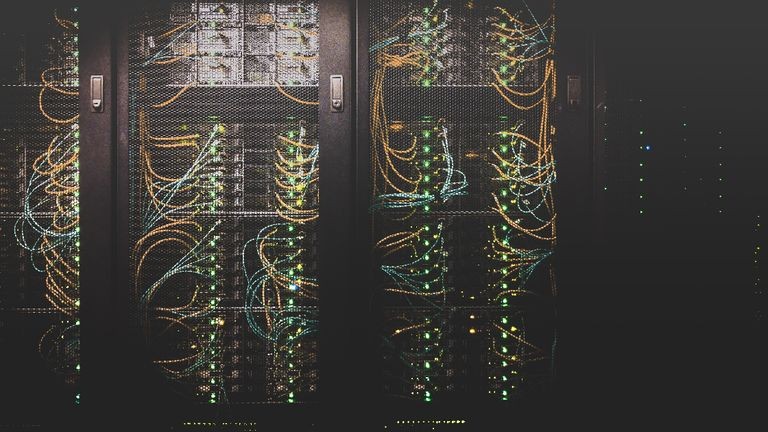
The ongoing boom in artificial intelligence (AI) has sparked a massive surge in spending on data centers, which are essential for providing the computational power needed to train and operate complex AI models.

However, this rapid expansion comes with significant environmental costs, as data centers require vast amounts of energy to function. According to a report from McKinsey, data centers are projected to consume 35 gigawatts of power annually by 2030, a significant increase from the 17 gigawatts used in 2023.

The energy demands of AI are emerging as a challenge to global climate goals, especially in the U.S., where the Biden administration has set ambitious targets for the power sector to become carbon-neutral by 2035 and for the U.S. economy to reach net-zero emissions by 2050. However, AI’s rapid growth, with its enormous energy consumption, threatens to derail these efforts, as many in the industry are turning to fossil fuels to meet energy needs.

Eric Schmidt, former CEO of Google and a prominent figure in the AI industry, voiced these concerns at an AI summit in Washington D.C. last Tuesday. His comments underlined the mounting tension between AI’s energy needs and the global push for decarbonization.

Schmidt, who also chaired the National Security Commission on Artificial Intelligence, acknowledged that while there are potential solutions to mitigate AI’s environmental impact, such as better batteries and more efficient power infrastructure, these measures are unlikely to keep pace with AI’s skyrocketing demand for resources.

“All of that will be swamped by the enormous needs of this new technology,” Schmidt said during his speech. “Because it’s a universal technology, and because it’s the arrival of an alien intelligence we may make mistakes with respect to how it’s used, but I can assure you that we’re not going to get there through conservation.”

Schmidt’s remarks highlight a notable shift in the tech industry, where early enthusiasm for achieving climate goals is giving way to a more pragmatic approach, driven by the extraordinary resource demands of AI. For years, tech companies like Google, Amazon, and Microsoft were at the forefront of efforts to reduce their carbon footprint and champion renewable energy.

However, as AI advances at an unprecedented pace, many companies are now grappling with the realization that maintaining sustainability commitments might not be feasible without significantly rethinking their approach.

When asked whether AI’s energy demands could be met without abandoning conservation goals, Schmidt expressed skepticism.

“I don’t think we’re going to hit the climate goals anyway because we’re not organized to do it,” he said.

This sentiment reflects a growing recognition within the tech industry that while sustainability remains an important goal, the rapid expansion of AI may take precedence. For Schmidt, the focus is less on restricting AI to meet climate targets and more on leveraging AI’s potential to solve global challenges.

“Yes, the needs in this area will be a problem,” Schmidt said, “but I’d rather bet on AI solving the problem than constraining it and having the problem,” he said.

Over the past decade, companies like Google and Microsoft committed to substantial investments in green energy and pledged to reduce their carbon footprints. Google, for example, has long prided itself on its efforts to be the first major company to run completely on renewable energy. Yet, the energy demands of AI threaten to undercut these efforts, as the resource-intensive nature of AI technology—particularly the computational power required for training large models—pushes companies to seek more immediate, and often less sustainable, solutions.

The environmental impact of AI is already being felt, and it has vast implications. McKinsey’s report said that if current trends continue, data centers will become one of the largest consumers of energy worldwide. This surge in energy use is not only a threat to climate goals but also a stark indication of how AI is reshaping the tech industry in unexpected ways. The pressure on power grids and the need for more resources have prompted some companies to revert to fossil fuels to keep pace with AI’s growth.

Schmidt’s comments highlight the broader implications of this energy-intensive technology. While AI holds incredible potential to revolutionize industries and solve complex global problems, its environmental footprint cannot be ignored. Schmidt, who in 2022 founded White Stork, a defense company that uses AI for drone technology, has previously spoken about the need to harness AI’s capabilities for purposes like national security.

At a lecture at Stanford University in April, Schmidt described the war in Ukraine as a turning point that led him to become an “arms dealer,” using AI to develop drones for “robotic wars.” His statements further underline AI’s far-reaching impact beyond the tech sector, showing how its applications are extending into areas like defense, which brings additional energy demands and environmental concerns.

Schmidt’s view that AI growth will eventually outstrip preventive measures reflects a broader shift in the tech industry’s relationship with sustainability. As companies increasingly prioritize AI development over environmental concerns, they risk sidelining the very climate goals they once championed. This shift is mirrored across the industry, where executives and policymakers alike are reevaluating how to balance the demands of AI with the urgent need to combat climate change.

In the race to develop more sophisticated AI models, companies are finding that energy requirements are becoming a significant obstacle. The surge in energy demand has spurred discussions about how best to address AI’s environmental impact without stifling innovation. For some, like Schmidt, the solution lies in continuing to push the boundaries of AI and hoping that the technology itself can eventually offer solutions to the problems it creates.

Central Bank of Nigeria Governor Cardoso Admits Raising Interest Rates Is Painful for Borrowers

0

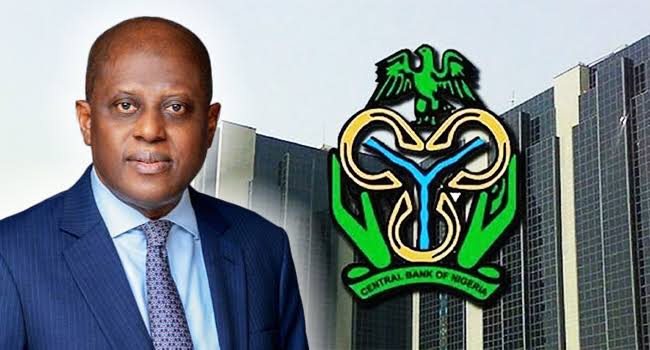
Yemi Cardoso, Governor of the Central Bank of Nigeria (CBN), recently addressed the significant economic challenges facing the nation, acknowledging the difficulty of the central bank’s decision to raise the Monetary Policy Rate (MPR) to a historic high of 27.25%.

Speaking at an event hosted by the Harvard Club of Nigeria in Lagos, Cardoso explained that while this sharp increase in interest rates is “painful” for borrowers, it is a necessary measure aimed at controlling inflation and stabilizing Nigeria’s volatile economy.

Cardoso’s remarks, delivered under the theme “Leadership in Challenging Times: Restoring Credibility, Building Trust, and Containing Inflation,” were focused on the long-term strategy required to address the country’s inflationary pressures. He explained that leadership, particularly in such challenging times, is about making hard decisions that will secure long-term economic stability even if they come at a cost in the short term.

“Our decision to raise the Monetary Policy Rate (MPR) to 27.25% was a bold move,” Cardoso said. “Higher interest rates, while painful for borrowers, are necessary to curb excess money in circulation and control inflation. Leadership is about making hard choices to secure long-term stability over short-term comfort in moments like these.”

This significant rate hike, part of a series of five increases implemented by the CBN’s Monetary Policy Committee (MPC) since Cardoso took office, has resulted in a total rise of over 800 basis points. The initial hike took the rate from 18.75% to 22.75%, followed by subsequent increases to 24.75%, 26.25%, and a further 50 basis point increase to 26.75% in July 2024. Most recently, the MPC raised the rate again by another 50 basis points, bringing it to 27.75%. These measures are part of the bank’s aggressive approach to curb inflation, particularly high core and food inflation, which has plagued Nigeria’s economy.

Cardoso made it clear that the CBN’s primary mandate is price stability, and while there are political and economic pressures that may tempt the central bank to adopt a more lenient stance, staying focused on the core mission is crucial. He noted that managing inflation is not merely a financial issue but a leadership challenge.

“Leading through challenging times means avoiding the temptation to take on too many initiatives. The Central Bank must focus on its core mandate—price stability. It is easy to become distracted by various political and economic pressures, but as a leader, one must prioritize,” Cardoso said.

Restoring Trust in the CBN

Beyond addressing inflation, Cardoso discussed the importance of rebuilding public and market trust in the CBN, a central focus of the new leadership’s agenda. He revealed that trust, often overlooked, is fundamental to the effectiveness of central bank policies.

“Trust is the currency of central banking. If the public loses trust in the institution, the efficacy of its policies diminishes,” Cardoso stated.

To restore confidence in the Nigerian financial system and curtail the raging forex crisis, the CBN has emphasized policy transparency and introduced the Electronic Foreign Exchange Matching System (EFEMS) for foreign exchange transactions. According to Cardoso, this move has helped reduce arbitrage and speculation in the forex market, enhancing market transparency and restoring trust among participants.

“Our decision to implement the Electronic Foreign Exchange Matching System (EFEMS) is rooted in this understanding,” Cardoso explained. “By enhancing transparency and providing more accurate oversight of forex transactions, we send a strong signal that the CBN is serious about fair and efficient markets.”

The EFEMS aims to provide greater clarity in the foreign exchange market, which has long been a source of economic volatility in Nigeria due to mismatched rates and inconsistent availability of foreign currencies. The CBN hopes to stabilize the market and build back the credibility that has been eroded in recent years by addressing these challenges.

Industry Sentiment on Interest Rate Hikes

The inflationary pressures in Nigeria have made daily life increasingly difficult for ordinary Nigerians. Rising costs of goods and services have strained household budgets, and the central bank’s aggressive interest rate hikes, while designed to curb these inflationary pressures, have increased the cost of borrowing, further impacting businesses and individuals alike.

Business leaders have repeatedly decried the rising interest rates, warning that it will cripple the economy.

The Manufacturers Association of Nigeria (MAN), in August, lamented that the average maximum lending rate charged by commercial banks on loans to its members rose to 35 percent in Q2 of 2024, up from 28.6 percent in Q1.

“The continuous hikes in MPR have tightened financial conditions for the productive sector, with the average maximum lending rate charged by commercial banks on manufacturers’ finances rising to 35 percent in Q2 2024 from 28.6 percent in Q1 2024.

“This has not only increased the cost of goods but has also further compounded the inflationary problem and threatened employment in the sector,” MAN’s DG, Segun Ajayi-Kadir, said.