
DD
MM
YYYY

PAGES

DD
MM
YYYY

spot_img

PAGES

Home Blog Page 2878

What Is the Meaning of 12 in Betting? How to Place a 12 Bet

0

With so many terms and strategies involved with sports bets, to a beginning bettor they mean very little. Probably among the most common, and misunderstood, options for betting is the “12” bet. Knowing all of the subtleties of this option will greatly improve one’s betting game for the enthusiast in sports who loves setting bets on them. But what does 12 mean in betting? Now, let’s see precisely how this type of bet works in football betting and how you can take an advantage of it.

What Is the Meaning of Double Chance 12 in Betting?

Now, suppose you want a little more security in your bet. That would be where the double chance 12 comes in. A double chance refers to a form of bet wherein you can cover two possible outcomes in just one single match. A “12” Double Chance means you bet that either the home team wins or is away. What now differs is that upon a draw, your money is returned or, upon a win, a bet wins-all very dependent on the platform one uses.

Let’s consider a football match between Manchester United (home) and Liverpool (away):

  • 12″ bet means you’re wagering on either Manchester United or Liverpool winning and the draw going to the house.
  • A double chance of 12″ refers to a bet usually placed on one of these teams winning, but should there be a draw, you do not totally lose your stake.

How to Place a 12 Bet

Placing a “12” bet is uncomplicated. Here’s a step-by-step guide to navigating the betting process, whether you’re using an app or going to a physical sportsbook.

  1. Choose a reliable betting platform
  2. Navigate to the event
  3. Look for the 1X2 betting market
  4. Choose the “12” bet, which means either team can win.
  5. Place your bet

Looking for methods to put bets on the go? Mobile users may easily access platforms that enable BC game download iOS, delivering a convenient and user-friendly experience for all of their betting requirements.

Benefits of a Double Chance 12 Bet

The double chance 12 bet is a fantastic choice for gamblers seeking more protection. Here are the main benefits:

  • Reduced risk – You’re protected for two outcomes, giving you a better chance of winning or receiving your money back.
  • Versatility – This is especially important in matchups where a draw appears to be conceivable but you still think one team has an advantage.

When to Use a “12” Bet in Football Betting

A “12” bet in football betting is effective when you are confident that the game will not result in a tie. Teams with contrasting forms or situations requiring a win (such as knockout stages or key league matches) are great candidates for this type of bet. But what is the meaning of 12 in football betting in terms of strategy? It’s all about using your knowledge of the teams involved and the stakes of the game to improve your chances of winning.

For example, in a high-stakes Champions League game where a draw helps neither team, a “12” bet might be a wise decision. The possibility of a draw is reduced, and you can concentrate on which side will win, regardless of its name.

Conclusion

Understanding what is the meaning of 12 in betting is critical for anybody trying to expand their betting strategy. Whether you’re betting on football, basketball, or another sport, the “12” bet allows you to focus on a specific outcome while also providing higher odds than other betting kinds. For those who want a safer option, the double chance 12 bet is an excellent choice, combining risk and profit.

In conclusion, if you’re convinced that one side will win but want to prevent the possibility of a tie, the “12” bet is an excellent choice. Just make sure to conduct your study, assess the teams, and choose your moments carefully!

Ghana Moves to Dangote Refinery for Fuel Supply as Nigerian Marketers Hesitate

0

Ghana National Petroleum Authority (NPA) has expressed interest in sourcing petroleum products from Nigeria’s Dangote Petroleum Refinery, a shift that could reduce Ghana’s dependency on more costly imports from Europe.

Mustapha Abdul-Hamid, Chairman of the NPA, made the announcement on Monday during the OTL Africa Downstream Oil Conference held in Lagos, Nigeria. Abdul-Hamid explained that the Dangote refinery, currently Africa’s largest, offers a promising alternative that could save Ghana up to $400 million monthly in freight costs and improve its fuel supply chain.

The Dangote Petroleum Refinery, Africa’s largest refinery, with an impressive production capacity of 650,000 barrels per day (bpd), commenced operations in early 2024. It began by producing diesel and aviation fuel and officially announced the start of crude oil refining in September.

This scale of production positions the refinery to not only meet domestic needs but also supply fuel to regional markets. For Ghana, this development presents a unique opportunity to diversify its supply sources, particularly as Europe’s exports, primarily from Rotterdam, have long been an expensive lifeline for the country.

“If the refinery reaches 650,000 bpd a day capacity, all that volume cannot be consumed by Nigeria alone, so instead of us importing as we do right now from Rotterdam, it will be much easier for us to import from Nigeria,” said Mustapha Abdul-Hamid. “I believe that will bring down our prices,” he added, noting that a closer supply would not only reduce fuel costs but could also impact the pricing of various goods and services across Ghana’s economy.

According to Abdul-Hamid, this move could help mitigate the demand for dollars as African countries work towards establishing a common currency for inter-regional trade, further reducing economic pressure on local currencies.

Abdul-Hamid emphasized the potential impact of a shared currency among African nations, which he suggested could stabilize fuel prices and reduce reliance on the dollar. If implemented, a common currency would facilitate direct trade between African countries and create economic conditions favorable for more accessible pricing on goods and services, including petroleum.

This idea aligns with a larger vision of African financial integration, which could unlock new levels of economic efficiency across multiple sectors, from energy to agriculture and beyond.

Hurdles of Price and Commitment Issues in Nigeria’s Domestic Market

However, in Nigeria, the reception among local marketers has been more cautious, as major players, including the Nigerian National Petroleum Company Limited (NNPCL), continue to favor imported fuel due to ongoing pricing and distribution cost with Dangote’s products.

Despite Dangote’s promise for the local and regional market, Nigerian oil marketers, including the NNPCL, have yet to commit to purchasing from the refinery. This hesitation stems from pricing concerns, with reports indicating that products from the Dangote Refinery are currently priced higher than imported alternatives when the cost of logistics is factored.

Industry insiders have noted that while the Dangote Refinery offers the logistical advantage of proximity, this benefit has been somewhat offset by the refinery’s pricing. Nigerian oil marketers have been vocal about their challenges, arguing that the refinery’s prices make it difficult to adopt Dangote’s products competitively.

Local marketers continue to opt for imports, which are, paradoxically, cheaper than the refinery’s offerings. Dangote had alleged that the cheaper fuel is adulterated.

However, the pricing disparity has raised questions about how the Dangote Refinery’s products are costed. Analysts speculate that factors such as the cost of crude oil procurement, refining technology, and operational expenses could contribute to the higher price point.

The pricing tension was expected to ease following the implementation of crude oil sales to the refinery in naira, which commenced in October. However, incessant fuel scarcity has revealed that local marketers have not seen Dangote as a reliable option.

This situation has prompted calls for a resolution that would make the refinery’s products more accessible. Experts warn that without price adjustments or government incentives to purchase domestically refined fuel, Dangote’s vision to replace imports and bolster local supply could face significant delays.

Dangote said on Tuesday that his refinery currently holds over 500 million liters of fuel, urging retailers to buy and rid the country of fuel scarcity.

“I’m expecting either NNPC or the marketers to stop importing fuel; they should come and collect what we have,” he said.

NASA’s Reach Expands Beyond Space: Economic Impact Hits $75.6 Billion in 2023

0

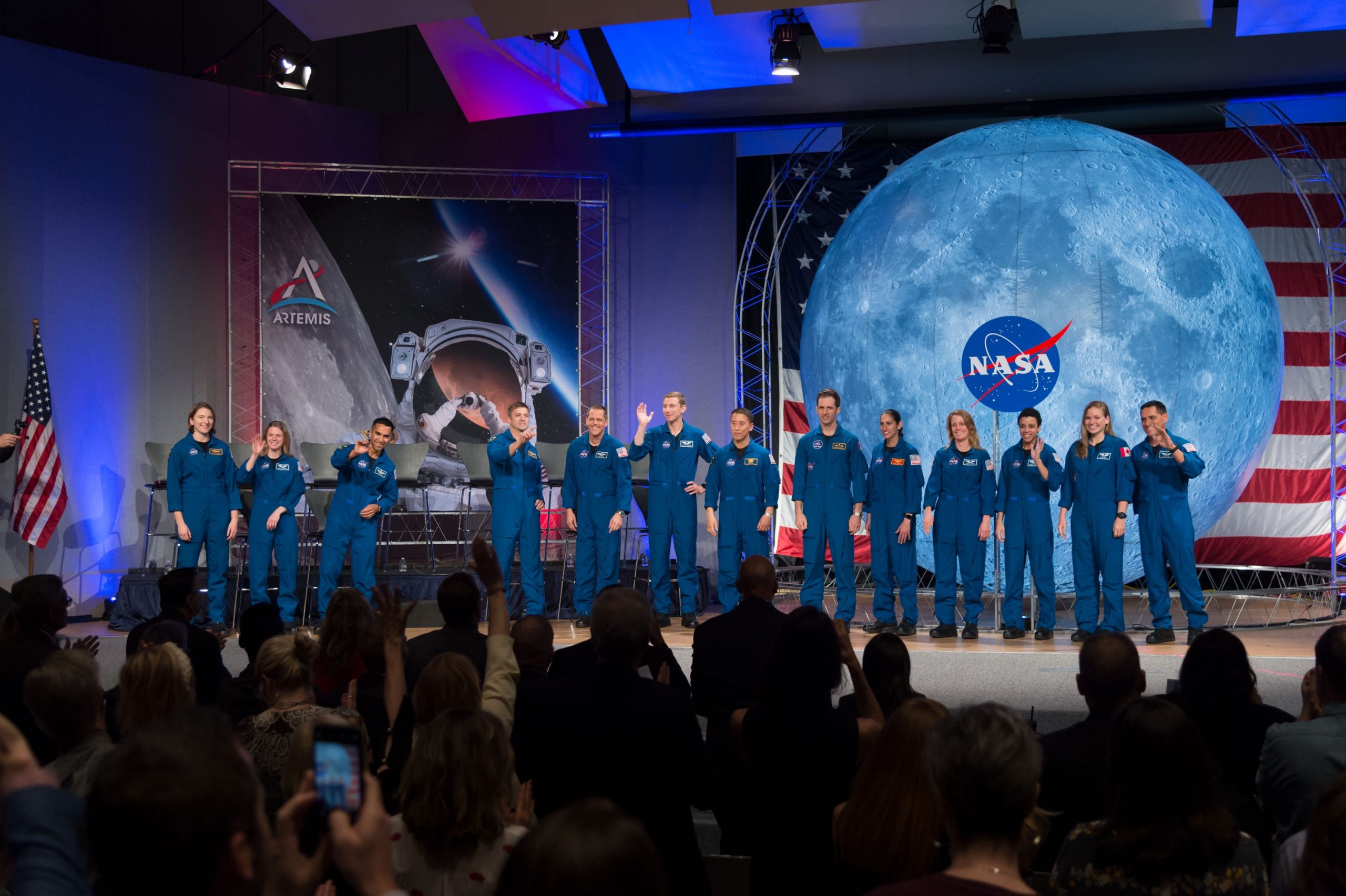
NASA’s contributions to science and exploration are playing a significant role in driving economic growth across the United States. According to a recent economic impact report, NASA activities generated $75.6 billion in economic output in fiscal year 2023—an impressive figure that triples the agency’s annual budget of $25.4 billion.

The 400-page study outlines the far-reaching effects of NASA’s initiatives, such as the Moon to Mars program, climate change research, and technology development, highlighting how these endeavors create substantial economic and job opportunities nationwide.

NASA’s Moon to Mars program stands out as a major economic driver, generating $23.8 billion in economic output and creating 96,479 jobs. This ambitious initiative, aimed at returning humans to the Moon and eventually reaching Mars, has fostered substantial investment in advanced technologies, manufacturing, and aerospace engineering. These efforts not only propel NASA’s exploration goals but also fuel innovation and job growth in critical industries that extend beyond aerospace alone.

NASA’s investments in climate research and technology contributed an additional $7.9 billion and created 32,900 jobs in 2023. As the U.S. grapples with climate change, NASA’s work in climate monitoring, data analysis, and predictive modeling is essential. The agency’s advanced climate research initiatives foster the development of technologies that help scientists understand environmental changes and enable governments to make data-informed decisions on climate policy.

This scientific work translates into economic value through technological innovations, new job creation, and private-sector collaborations, further underscoring NASA’s importance beyond space exploration.

NASA’s Reach Across America

NASA’s economic impact is felt across the country, with the study breaking down benefits by state. In 2023, 45 states reported over $10 million in NASA-related economic impact, and eight states saw contributions exceed $1 billion. These benefits span a wide range of sectors, from manufacturing and engineering to data analysis and project management, demonstrating NASA’s pivotal role in regional economies. This wide reach of economic influence shows how NASA’s presence across various states contributes not only to local job markets but also to the development of specialized skill sets and innovation hubs.

The report reveals that NASA’s projects supported over 304,800 jobs nationwide, contributing an estimated $9.5 billion in federal, state, and local taxes in 2023 alone. This level of job creation and tax revenue generation showcases NASA’s economic footprint and highlights how government investment in space exploration and scientific research can translate into economic security and growth for the American workforce.

NASA Administrator Bill Nelson noted the significance of NASA’s work when he said, “To invest in NASA is to invest in American workers, American innovation, the American economy, and American economic competitiveness.”

He emphasized that NASA’s mission goes beyond expanding our understanding of the universe; it strengthens the American economy, inspires future generations, and improves everyday quality of life.

NASA’s commitment to innovation is evident in its 2023 record of technological achievements. The agency filed 40 new patent applications and received 69 issued patents, alongside thousands of software usage agreements. Many of NASA’s technology spinoffs have found their way into household items and daily life, from memory foam mattresses to wireless headsets. These innovations stem from NASA’s dedication to tackling complex challenges, with solutions often adapted for public use, boosting industries such as consumer technology, healthcare, and environmental monitoring.

NASA’s activities in 2023 showcase the agency’s ability to generate tangible economic benefits and support American leadership on the global stage. By investing in NASA, the U.S. strengthens not only its role in scientific and space exploration but also its economic foundation, with far-reaching positive implications for workforce development, technological advancement, and industrial growth.

Tekedia Institute Congratulates Faculty for Career Elevation

0

Good People, join me to congratulate our Tekedia Institute Faculty, Folasade Femi-Lawal (FCA,FCIT,MBA), for her ascension as the Country Manager, Area Business Head, West Africa for Mastercard, and Chairman of Mastercard Ghana. Mastercard is a global leader in digital payments and technology, powering citizens, companies and nations for “priceless” moments.

Our Faculty while in First Bank Nigeria developed a well-received course which continues to help young people as they design, develop and execute digital playbooks. We congratulate her, and wish her good luck as she wins more territories for Mastercard as “there are some things money can’t buy; for everything else, there’s Mastercard”.

Tekedia Institute >> only the best teach here.

Northern Governors Oppose Proposed Tax Reform Bill Seeking to Change VAT Derivation Model

0

The Northern Governors Forum has come out strongly against a proposed Tax Reform Bill recently submitted to the National Assembly, citing that the changes would harm the interests of northern states and other sub-national regions.

Gombe State Governor Mohammed Yahaya, chairman of the forum, read a communique detailing the governors’ concerns over a proposed shift to a derivation-based Value Added Tax (VAT) distribution model. The governors argue this change would disproportionately benefit wealthier, high-consumption states while limiting revenue in regions with less economic activity.

“The Forum notes with dismay the content of the recent Tax Reform Bill that was forwarded to the National Assembly. The contents of the bill are a threat to the interests of the North and other sub-nationals, especially the proposed amendment to the distribution of VAT to a derivation-based model,” Yahaya said, emphasizing that the northern governors view the proposal as potentially destabilizing for many northern states that rely on federal allocations.

“This is because companies remit VAT using the location of their headquarters and tax office and not where the services and goods are consumed. In view of the foregoing, the Forum unanimously rejects the proposed Tax Amendments and calls on members of the National Assembly to oppose any bill that can jeopardize the well-being of our people,” the communique said.

The proposed tax reform, widely viewed as the government’s most decisive move toward fiscal federalism, has raised concerns in several northern states that rely heavily on federal revenue. The reform aims to reallocate VAT proceeds based on where goods and services are consumed rather than where companies have their headquarters.

For many, particularly in the South, this shift is seen as a more accurate representation of VAT contributions, allowing states that generate higher consumption taxes to receive more significant shares.

However, the shift to a derivation-based VAT model has rattled northern states, which stand to lose out on significant VAT revenue they currently receive from companies headquartered in southern states. These concerns have exposed longstanding grievances about the structure of Nigeria’s fiscal policy, which, despite recent efforts toward decentralization, continues to distribute tax revenues centrally.

Controversy Over VAT from Alcohol Sales

Adding to the complexity of the issue is the unique situation surrounding VAT derived from alcohol sales in Nigeria. In 12 northern states where Sharia law has been adopted, the sale and consumption of alcohol are strictly prohibited. However, despite this ban, these states still receive a portion of the VAT collected on alcohol sales nationwide. Some Southern leaders and fiscal advocates have long argued that this system is inherently unfair, labeling it an “injustice” that allows certain states to profit from activities they have deemed illegal.

The proposed tax reform is expected to address this discrepancy, potentially cutting off VAT revenue from alcohol sales to states that ban its sale. The bill seeks to create a system where each state benefits primarily from the economic activities within its borders.

However, the debate surrounding the Tax Reform Bill has highlighted deep-seated issues related to resource allocation and economic self-sufficiency in Nigeria. Many southern states have argued that a derivation-based VAT model would allow states to become more economically accountable and incentivize local economic development. High-consumption states like Lagos and Rivers stand to gain from this approach, as it would mean increased revenue that reflects the higher level of economic activity within their jurisdictions.

For northern states, however, the shift represents a potential revenue shortfall that could impact essential services, including healthcare, education, and infrastructure. These states have historically depended solely on federal allocations, which means, a shift to a derivation-based model would erode their financial stability.

A Call for National Assembly Intervention

Faced with the potential impact of the tax reforms, the Northern Governors Forum has called on members of the National Assembly to oppose the bill. The governors argue that the proposed VAT distribution model could deepen economic divides, ultimately harming the welfare of their people.

The Northern Governors emphasized that the bill risks “jeopardizing the well-being of our people,” calling for “equity and farness in the implementation of all national policies and programmes so as to ensure that no geopolitical zone is short-changed or marginalized”.